
Last updated November 2026. Dion Archaeological Park in Pieria, Greece, is the ancient Macedonian sacred city at the foot of Mount Olympus. It has an open-air park and a separate Archaeological Museum of Dion in the village. This guide explains what each one covers, how to pair Dion with other Macedonian sites, and who can skip it.
Featured image: Following Hadrian, CC BY-SA 2.0, via Flickr.
Dion at a glance
Dion here means the Greek site, not the singer. It is an ancient Macedonian religious centre in Pieria, set below Mount Olympus. Visitors walk through scattered ruins among trees and, in wet seasons, standing water. It suits ancient-history readers, Alexander the Great followers and families who like open-air exploring. Expect a site of sanctuaries, baths and mosaics rather than one large standing monument. Opening hours, ticket prices and concessions are listed on the Ministry of Culture site page.
What you will see at Dion Archaeological Park
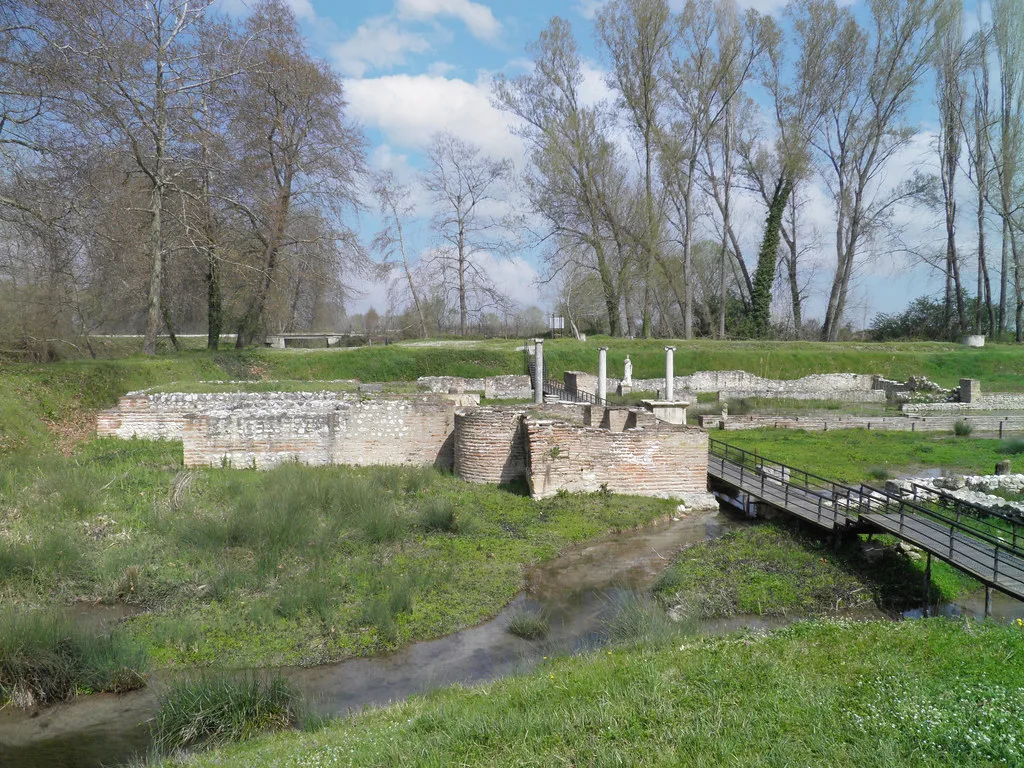
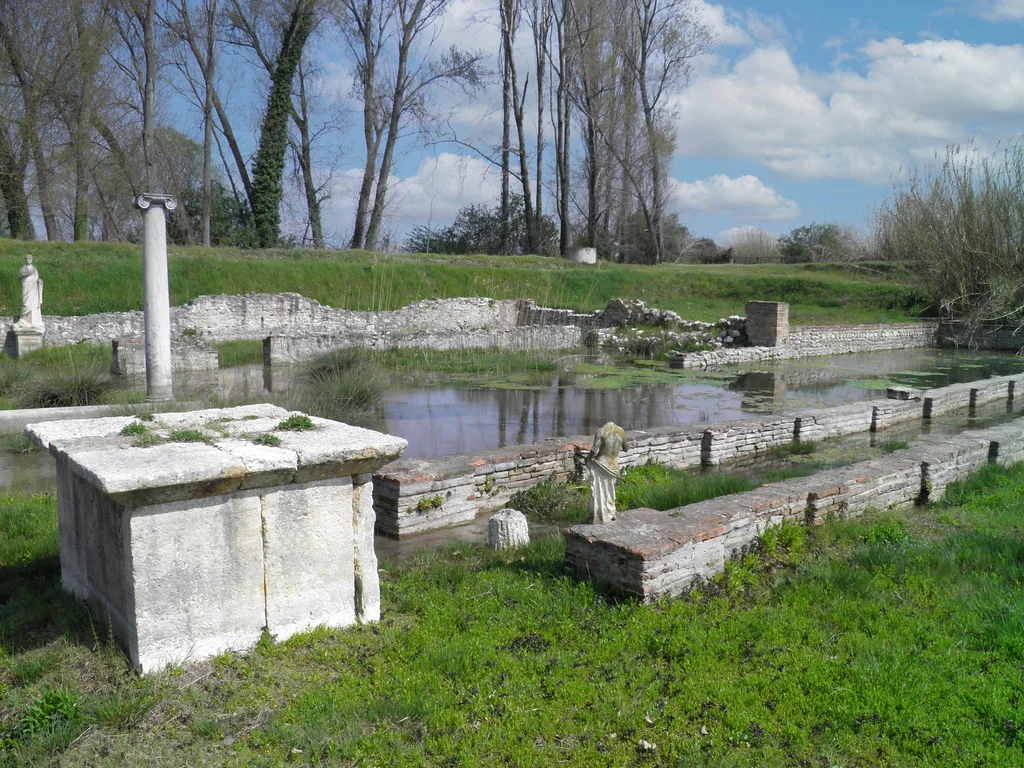
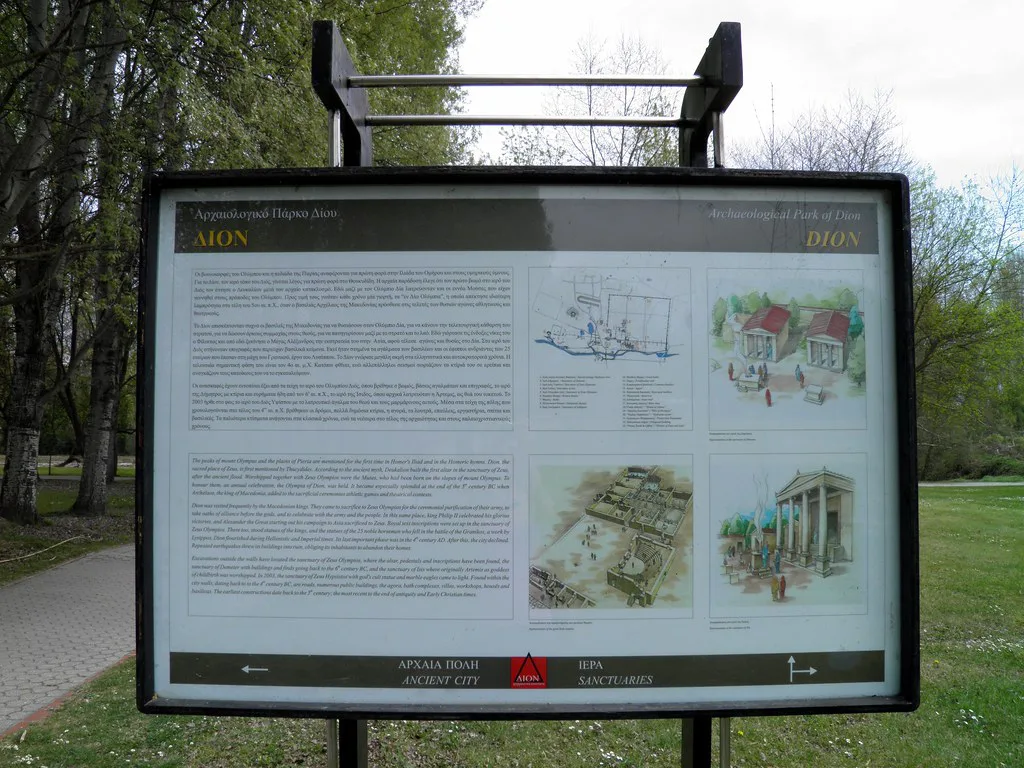
Dion Archaeological Park spreads across a former city with sanctuaries, public buildings and houses. If time is short, start with the sanctuaries and the mosaic-floored Roman villa. Then walk to the baths and theatres.
- Sanctuary of Zeus Olympios, the main cult centre of the city.
- Sanctuary of Isis, one of the foreign cults worshipped here.
- Roman baths, with the layout of the bathing rooms still readable.
- Theatres, including a Hellenistic one and a Roman one.
- Early Christian basilicas, showing the city's later life.
- City walls, which mark the edge of the ancient town.
- The mosaic-floored Roman villa, a good test of whether you enjoy detail over scale.
Dion Archaeological Museum: do you need both?
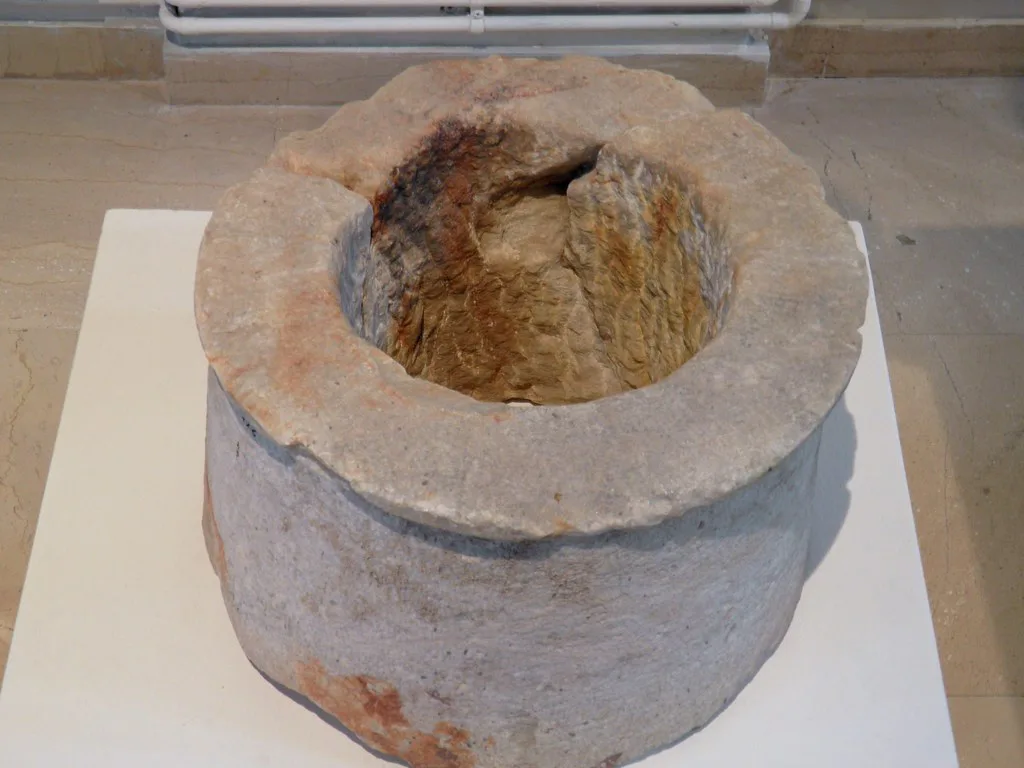
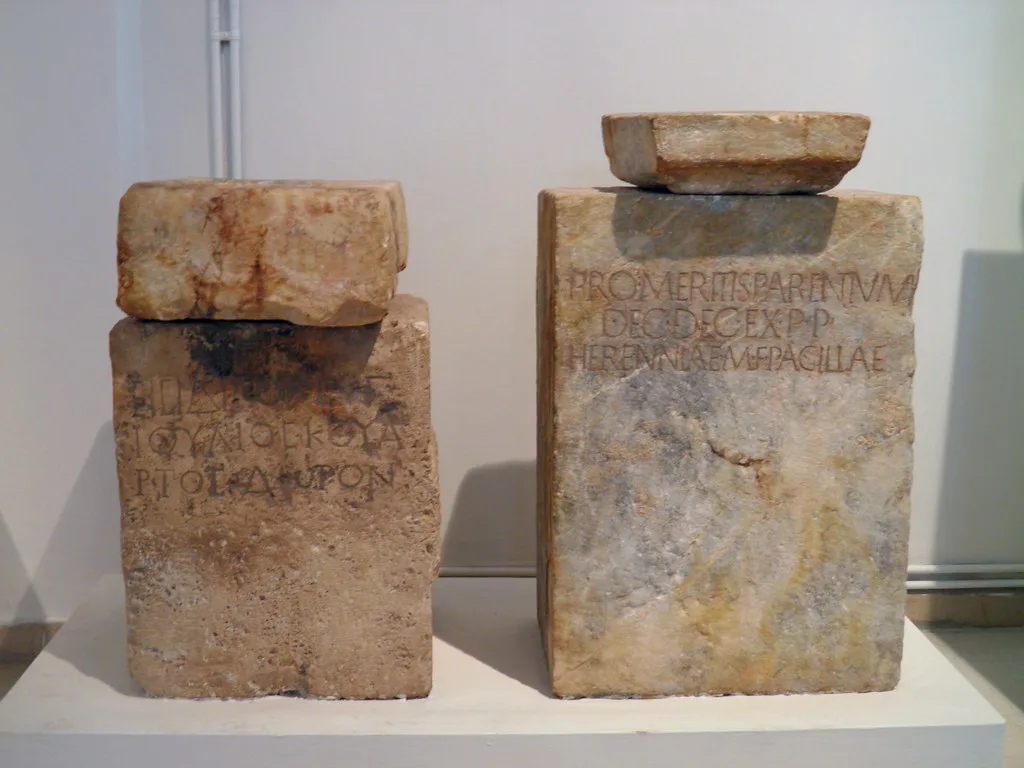
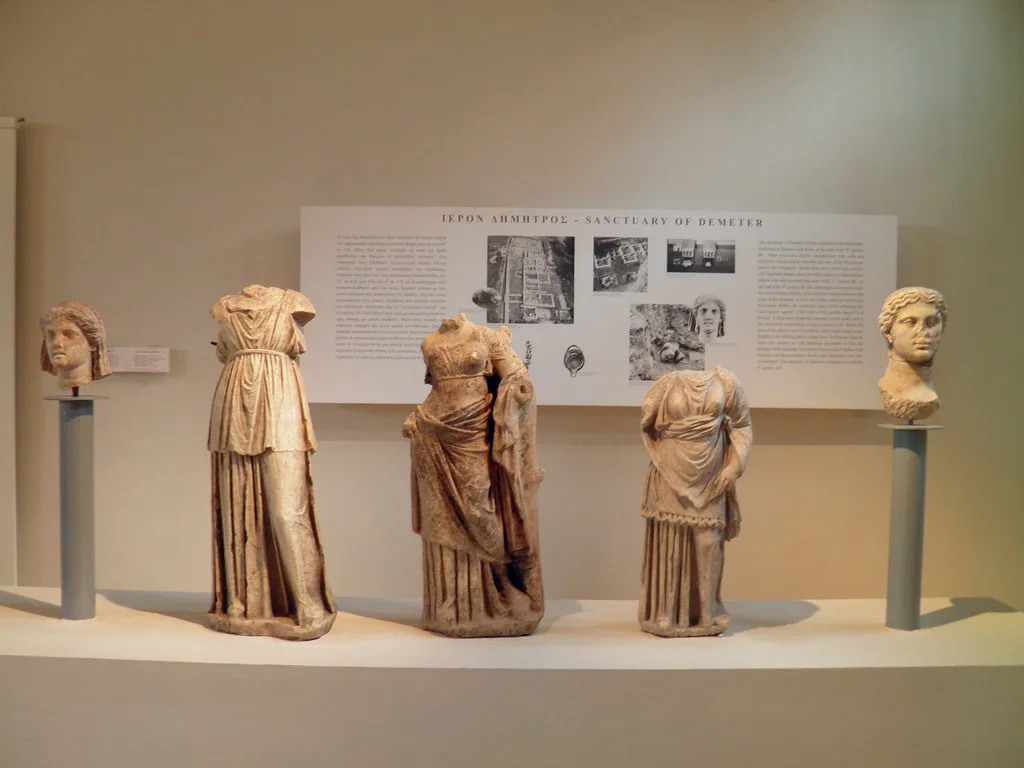
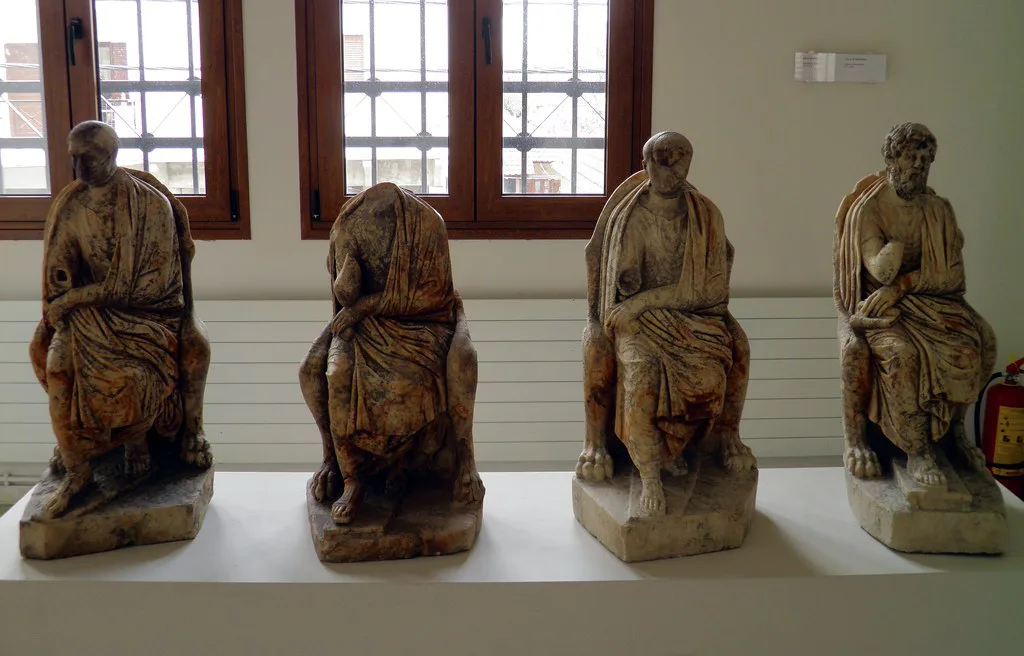
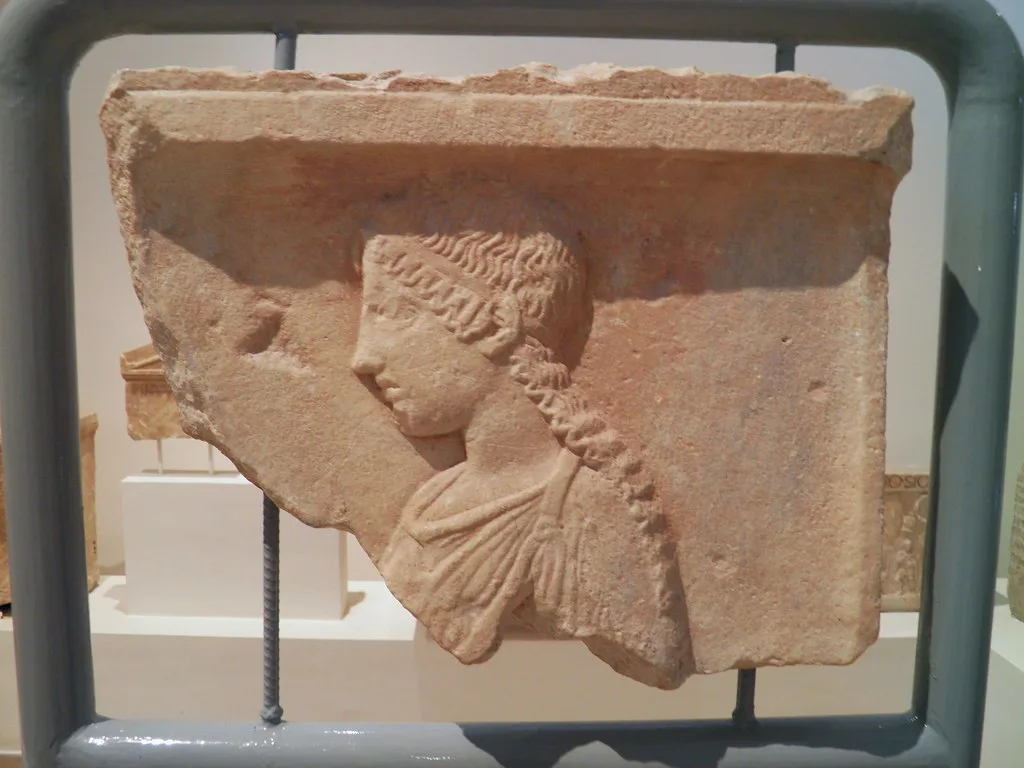
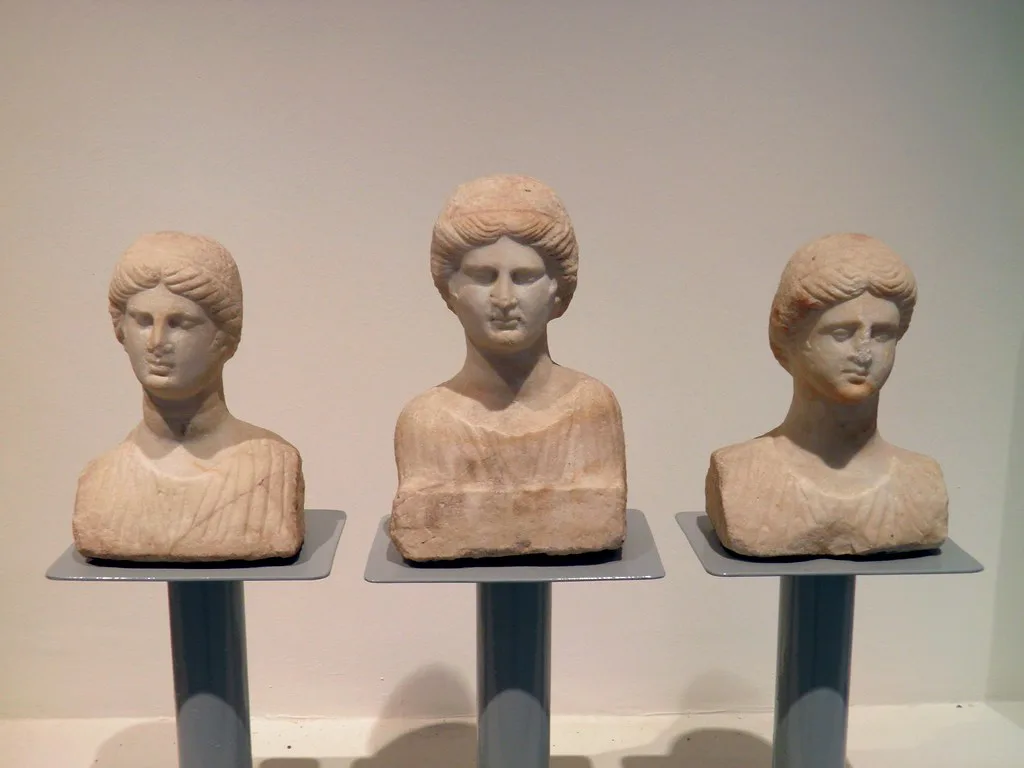
The Archaeological Museum of Dion is a separate building in the village, not part of the park walk. It holds finds from the excavations, so it explains what the empty foundations once contained. Visit the park first for the layout, then the museum for the objects. Ticket arrangements between the two are set by the ministry, so check its listing before you plan the day.
Seeing both sites in a rushed 90-minute stop leaves little room, so plan the park first and the museum afterwards.
Highlights to look for: water organ, Dionysos mosaic and Isis sanctuary
Dion's ruins are spread across wooded ground, so it helps to arrive with three or four targets in mind. These are the finds that most often make the visit worthwhile.
- The Roman water organ (hydraulis). Excavators found the remains of this instrument in 1992, and it is one of the best-known objects from Dion. Look for it in the village museum rather than in the park. It is the strongest reason to do both visits.
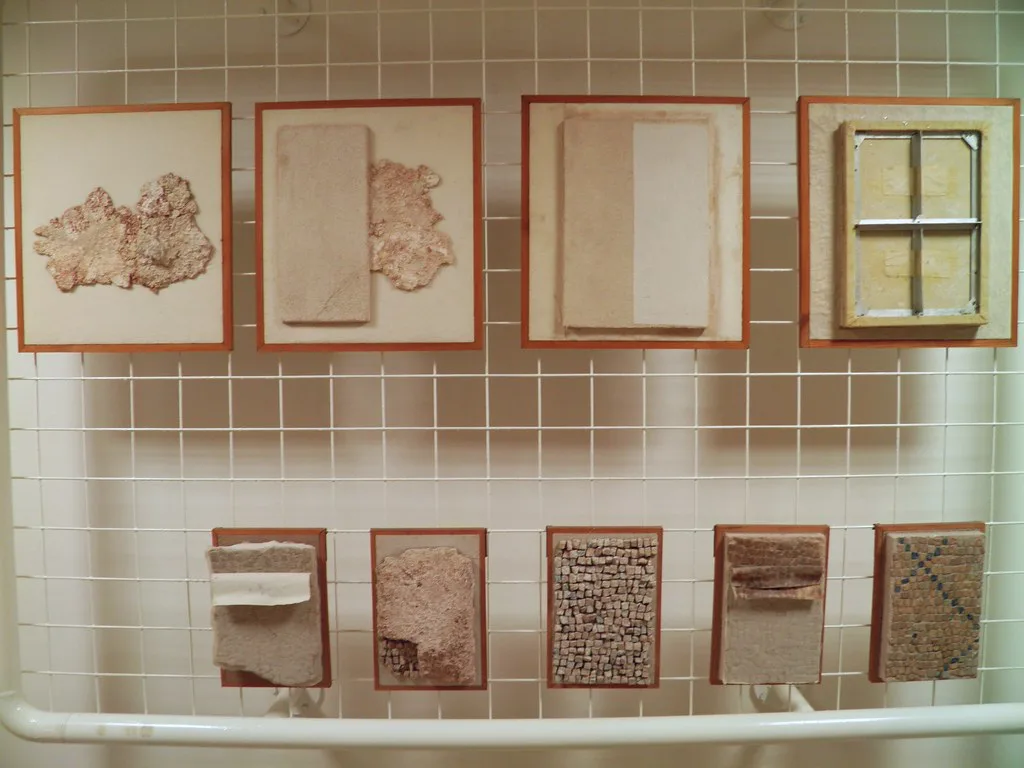
- The Villa of Dionysos mosaic. The villa's floor mosaics are the park's most photographed feature. They sit under protective cover, so you can look closely without climbing over anything.
- The Sanctuary of Isis. It shows that Dion hosted Egyptian cults as well as Macedonian ones. Foundations and a small temple plan survive, and they are easier to read if you have glanced at the site map first.
- The Roman baths. These have the most legible floor plan of any building in the park. They are a good place to see how the rooms were arranged.
Allow about 1.5 to 2 hours for the park on foot and roughly 45 minutes for the museum. Paths are mostly flat but can be muddy after rain, and some areas are only reached by gravel tracks.
If you enjoy sites where a museum and a ruin field complement each other, the same pairing logic applies at the Olympia Archaeological Museum, where the objects explain what the empty ground no longer shows.
Why Dion mattered in ancient Macedonia
Dion served as a sacred centre for the Macedonian kings. Tradition links Alexander the Great with sacrifices and festivals here before his Asian campaign. Treat that link as tradition rather than proven detail. No royal tomb is known at Dion, so for burial context head to Macedonian royal tombs instead. Our Alexander the Great sites guide places Dion within the wider route.
How to get to Dion
Dion lies in Pieria near Mount Olympus, with Katerini as the usual base town. A car gives the most flexibility for the park and the village museum. For bus or train options, use the Visit Greece Pieria pages and current intercity timetables.
What else to see near Dion: Litochoro, Olympus trailheads and the coast
Dion sits on the lower slopes of the Olympus massif, so the surrounding area makes a natural second half to the day. These are the usual add-ons, listed roughly from closest to furthest.
- Litochoro. This is the small town on Olympus's eastern foot, a short drive from Dion. It is the standard base for walkers, and it has tavernas and cafes for a lunch stop.
- Enipeas gorge and Olympus trails. From Litochoro, a marked path follows the Enipeas river into the gorge. It suits a shorter walk of a couple of hours. Summit routes are serious mountain walks, so do not treat them as a quick add-on to a ruins visit.
- Platamon Castle. This medieval fortress stands on a hill by the sea, north of Dion on the route towards Thessaloniki. It is a sensible stop on the way back.
- Katerini and the Pierian coast. The town has the widest choice of hotels and restaurants, and nearby beaches are easy to reach in summer.
In summer, performances of the Olympus Festival have been staged in Dion's ancient theatre. The programme changes each year, so check the festival's own listing if you want an evening there.
Remember that the park and museum have separate opening arrangements. Put the ruins in the morning and the museum or a mountain walk afterwards, and confirm closing times before you set off, because winter hours are shorter. Our guide to Mycenae's archaeological museum shows another example of this site-then-museum rhythm if you are extending the trip further south.
How to combine Dion with other sites
Dion pairs naturally with other ancient Macedonian sites. Vergina is the strongest partner, and our Vergina day trip from Thessaloniki covers that route. For more on the royal tombs, read about Philip II's tomb. Thessaloniki-based travelers can also see Roman sites in Thessaloniki.
| Option | Headline sight | Best for |
|---|---|---|
| Dion alone | Sanctuaries, baths and villa mosaics | A relaxed half day near Olympus |
| Dion + Vergina | Sacred city plus royal tombs | Alexander and Macedonian history |
| Dion + Pella | Sacred city plus the royal capital | Readers who want the full Macedonian story |
| Dion + Olympus area | Ruins plus mountain scenery | Families and nature-minded travelers |
Tickets, opening hours and best season
Hours and prices change by season, so use the official Ministry of Culture listing for current figures. Wear sturdy shoes in winter, when low areas can be wet, and bring shade and water in summer.
Who should skip Dion (and what to do instead)
Skip Dion if you have under 90 minutes or dislike scattered ruins. Visitors expecting tall standing monuments may be disappointed. Another common mistake is treating the park and museum as one site. For a stronger single-site visit, choose Vergina's royal tombs or the capital at Pella. Readers in northern Greece may prefer Philippi or Amphipolis.
Plan Your Visit Around Dion’s 2 Separate Sites
Dion is best treated as 2 connected visits: the open-air archaeological park and the Archaeological Museum of Dion in the village. They answer different questions. The park shows the scale and setting of the ancient city. The museum helps explain the foundations, sanctuaries and objects found during excavation.
Start in the park if you have enough time to walk among the sanctuaries, baths, theatres and villa mosaics. Visit the museum afterwards, when the site plan is still fresh. This order makes the scattered ruins easier to interpret.
Do not try to squeeze both places into a rushed 90-minute stop. Dion suits travelers who can slow down and accept that its appeal lies in detail, landscape and religious history. Check the Ministry of Culture listing before departure because ticket arrangements and seasonal access can change.
Related guides



Continue reading
Guides on the same trip

