
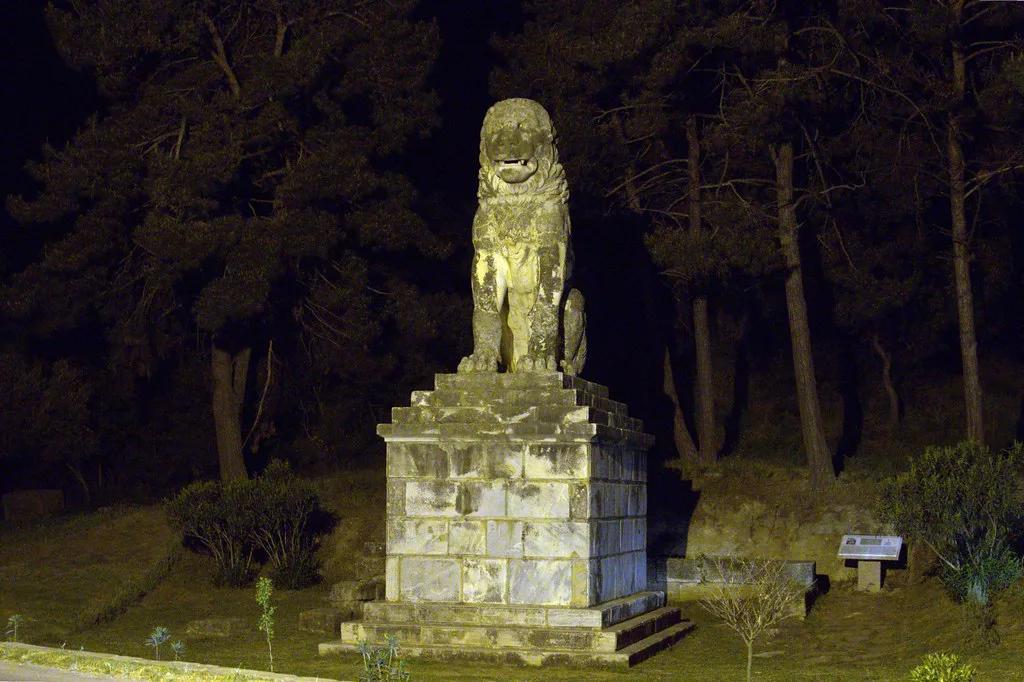
Last updated November 2026: Amphipolis is an ancient Macedonian city on the Strymon in Central Macedonia. It is known for the Lion of Amphipolis monument and a large 4th-century BCE burial mound. This guide separates what visitors can see from what made headlines, so you can decide if the detour fits your route.
Featured image: Tilemahos Efthimiadis, CC BY-SA 2.0, via Flickr.
What Amphipolis Is (and What It Isn't)
Amphipolis was an ancient Macedonian administrative capital. Excavations of the Roman city uncovered a bridge, a gymnasium, sanctuaries, cemeteries, and public and private monuments. Those finds point to a prosperous city. Do not confuse it with Amphidolis, a lost town in ancient Elis whose site is not precisely located.
Amphipolis Name, Pronunciation and Spelling on Signs
The name matters on the road, because Greek signs and navigation apps rarely use the English spelling.
- Greek: Αμφίπολη in modern Greek; the ancient form is Ἀμφίπολις.
- On signs and maps: usually Amfipoli. Search for that spelling if the English one returns nothing useful.
- Pronunciation: English speakers usually say am-FIP-uh-lis. Greeks say roughly am-FEE-po-lee, with the stress on the second syllable.
The name is built from Ancient Greek amphi ("around" or "on both sides") and polis ("city"). The usual explanation is that the Strymon river curves around the site. Before the Athenian foundation the place was known as Ennea Hodoi, "Nine Ways".
The modern village of Amfipoli lies close to the ruins, so a village name on a sign does not mean you have reached the archaeological site. Follow the brown heritage signs for the ancient city, the mound or the Lion monument, and check each stop against the Ministry listing mentioned above.
What You Can See: City Remains, Tomb Mound, Lion Monument, Museum
Amphipolis offers four separate stops, and each has its own access rules. Treat them as four decisions rather than one attraction. Current status for each is listed in the Ministry of Culture's sites and museums database.
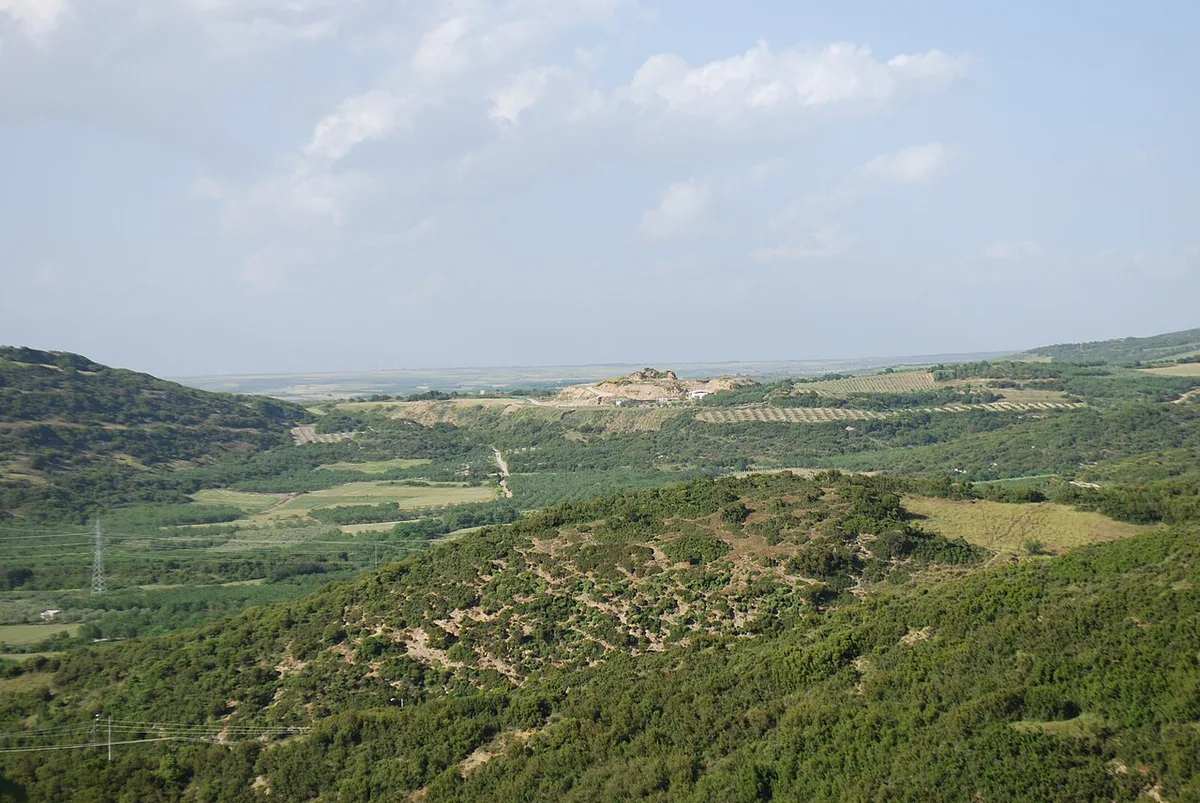
Its surrounding wall runs almost 500 m around, so the exterior-only mound stop still gives real scale.
| Stop | What you see | Access status | Best for | Skip if |
|---|---|---|---|---|
| City remains | Roman-era bridge, gymnasium, sanctuaries, cemeteries | Archaeological site; see Ministry listing | Readers who like ruins in context | You want a single headline monument |
| Tomb mound | Large burial mound from the 4th century BCE | Interior access not assured; assume exterior views | Seeing the scale of the mound | You expect a tomb walk-through |
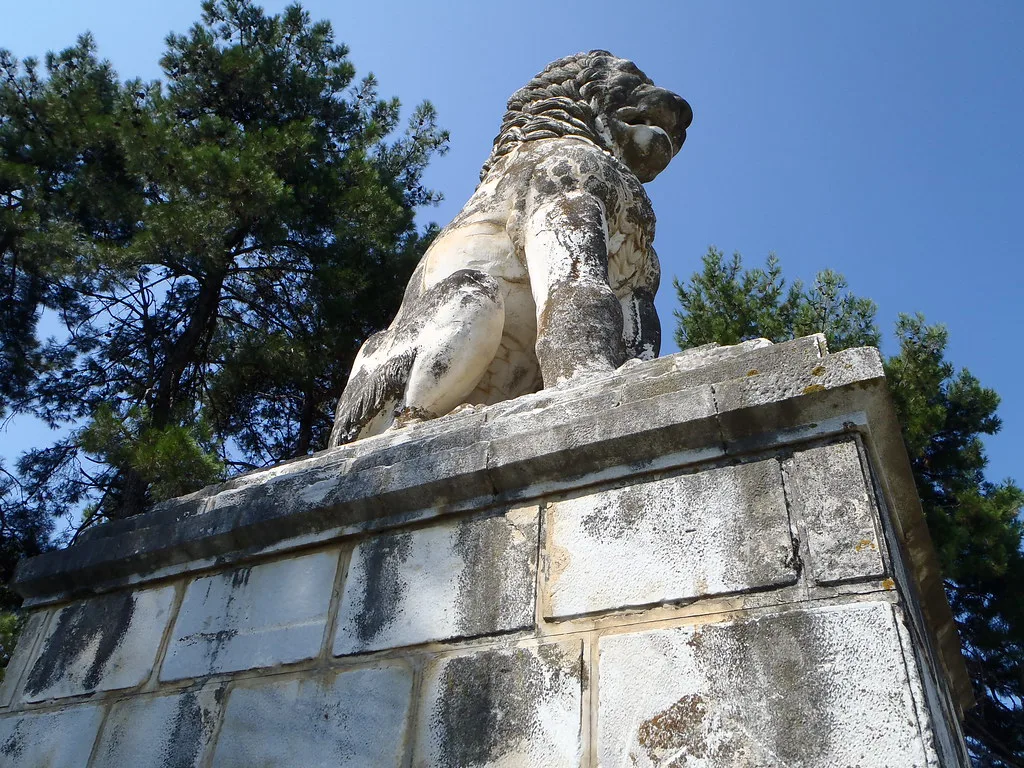
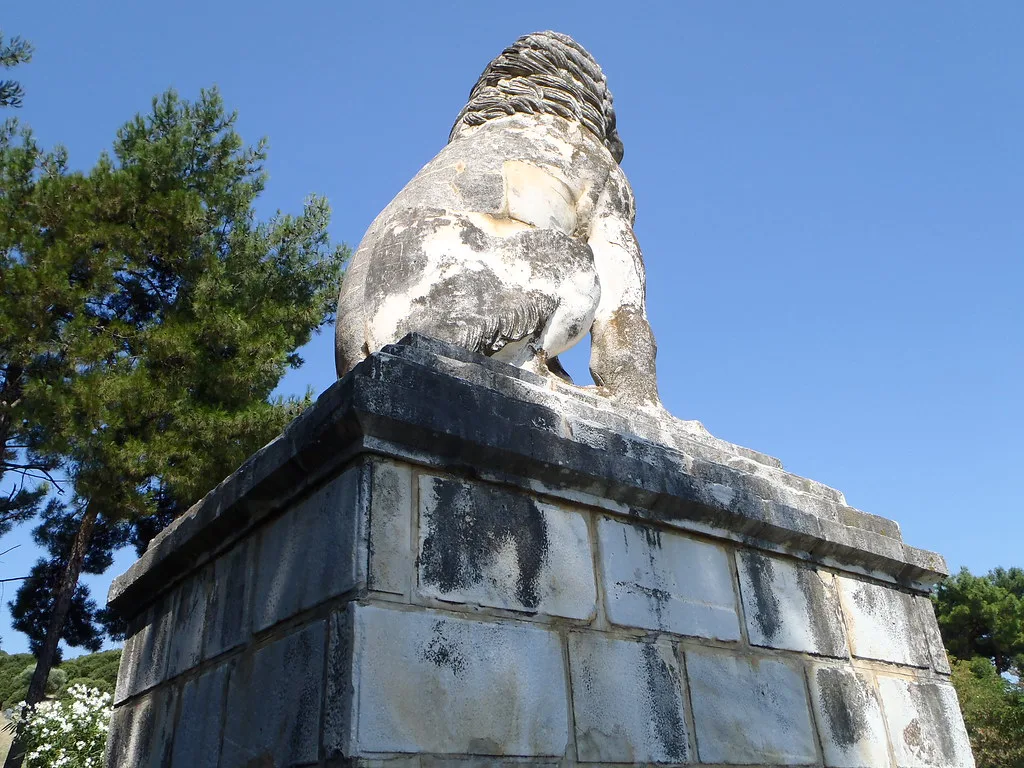
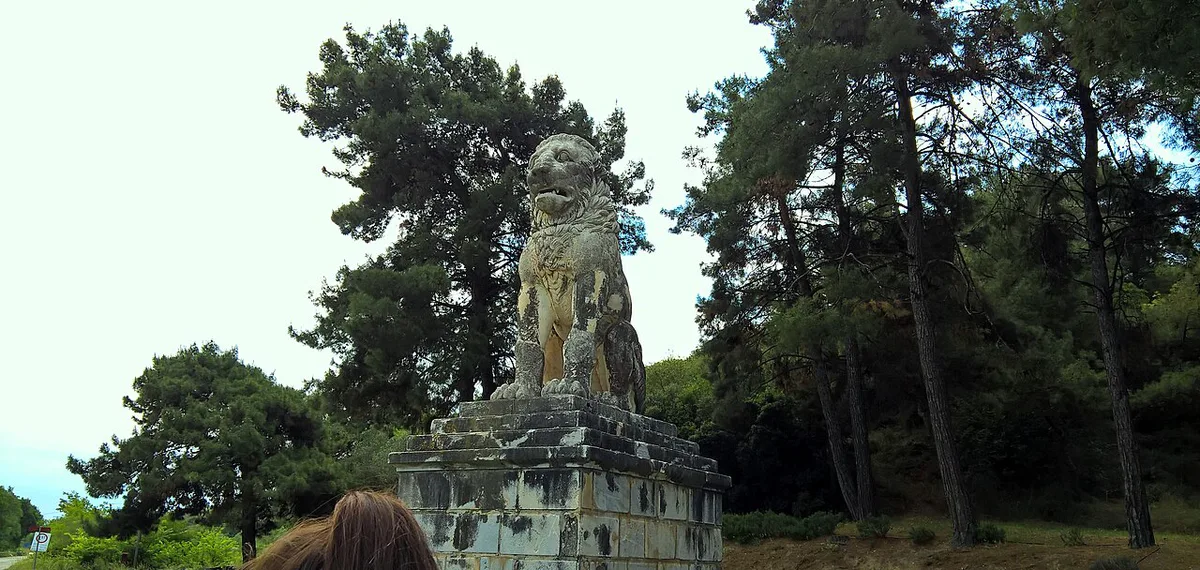
| Lion of Amphipolis | Monumental lion sculpture | See Ministry listing | Photographers and history fans | You only have time for one stop |
| Museum | Finds from the ancient city | Hours vary by season | Understanding what the site held | You are on a tight route |
A Short History of Ancient Amphipolis
A few dates make the ruins easier to read on site. They are drawn from the standard ancient sources, chiefly Thucydides.
| Date | Event |
|---|---|
| 437 BCE | Athens founds a colony at Ennea Hodoi under Hagnon and renames it Amphipolis. |
| 422 BCE | The Battle of Amphipolis is fought between Athens and Sparta. Both commanders, Cleon and Brasidas, die there. |
| 357 BCE | Philip II of Macedon takes the city, which gives Macedon access to nearby timber and mining wealth. |
| Hellenistic and Roman periods | The city stays important. Its bridge, gymnasium and sanctuaries date from this long span. |
The wall, bridge and gymnasium are the parts of this story you can actually walk beside. The Lion monument and the 4th-century BCE mound belong to the Macedonian era, so they fit the period after Philip II's conquest. Exact attributions of individual monuments are still debated, so treat site signage and museum labels as more reliable than travel blogs.
The Tomb Story: What Was Found and What Is Still Debated
The mound's surrounding wall measures almost 500 m in circumference, and 2014 press coverage gave 497 m. Reports from that year described two sphinxes guarding the entrance and two caryatids with open arms. A mosaic floor lay in the room behind them. Archaeologist Katerina Peristeri led the excavation, and Ministry architect Michalis Lefantzis produced the first published design of the tomb. Sources differ on when the mound was first found, so this guide gives no discovery date. Some outlets call it the largest burial site ever found in Greece, which is a claim rather than a settled fact. Who was buried there remains debated, so look to scholarly and museum publications for identification.
Is Amphipolis Worth It? Who Should Skip
Most online content about Amphipolis is 2014 excavation news, not visitor information. Go for the ancient city, the Lion monument and the museum, with the mound as an exterior landmark. If you want a royal tomb interior, the Vergina royal tombs are the stronger choice. Compare them with the other Macedonian tombs before you commit a day.
- Mistake: assuming the famous tomb is open like a museum.
- Mistake: arriving without checking seasonal hours.
- Mistake: mixing up Amphipolis with Amphidolis.
Tickets, Hours and Seasonal Closures
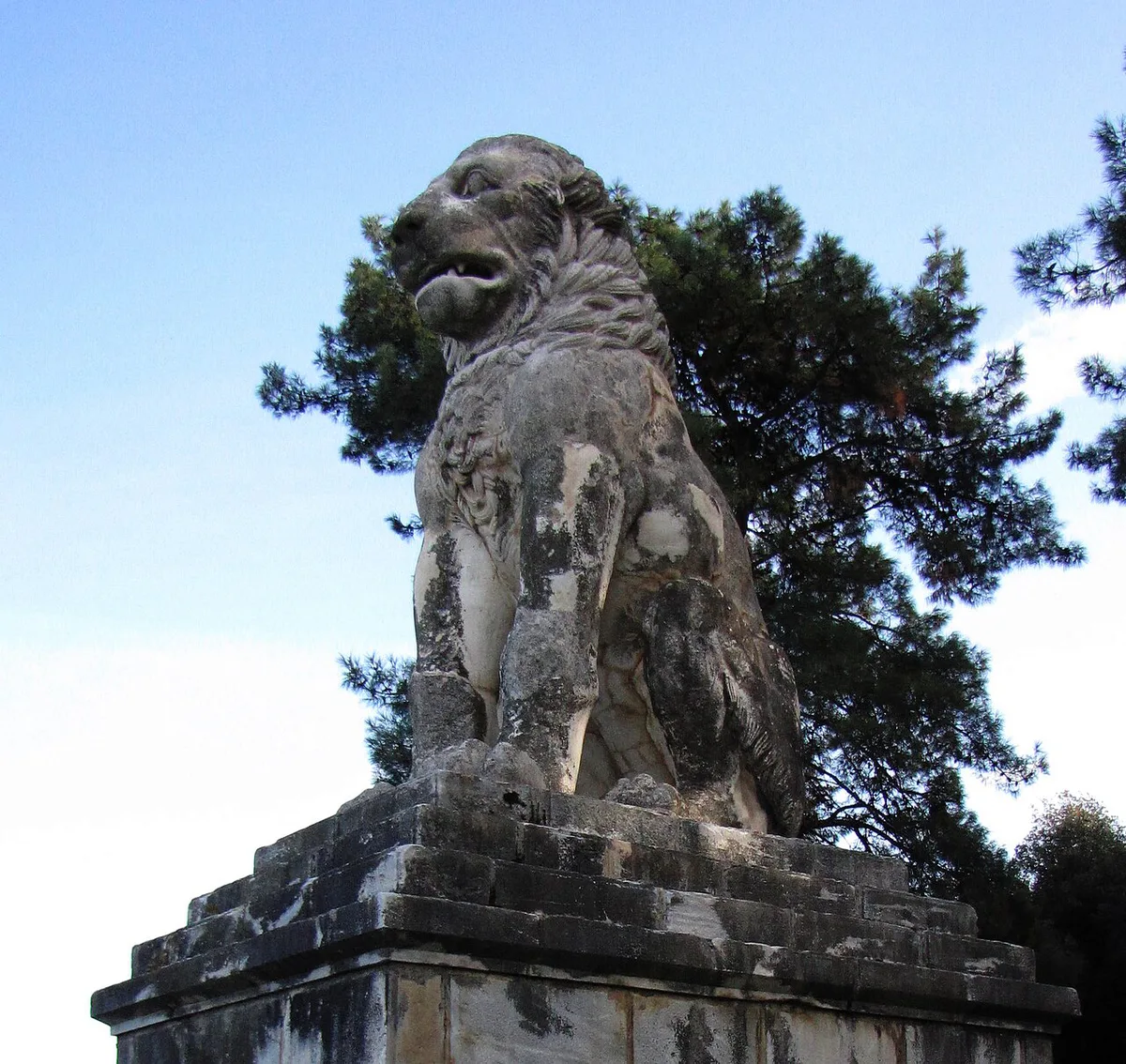
Prices and hours checked November 2026: no ticket fees or opening times are published for Amphipolis in the sources we used. Check the current figures on the Ministry of Culture's Odysseus portal, since hours change by season.
How Much Time to Plan
Opening hours set the real limit, so build the day around them once they are posted. A site-only stop is short. Adding the museum turns it into a half-day detour. As one stop on a longer northern Greece route, Amphipolis works best paired with a second site.
Getting There and Getting Around
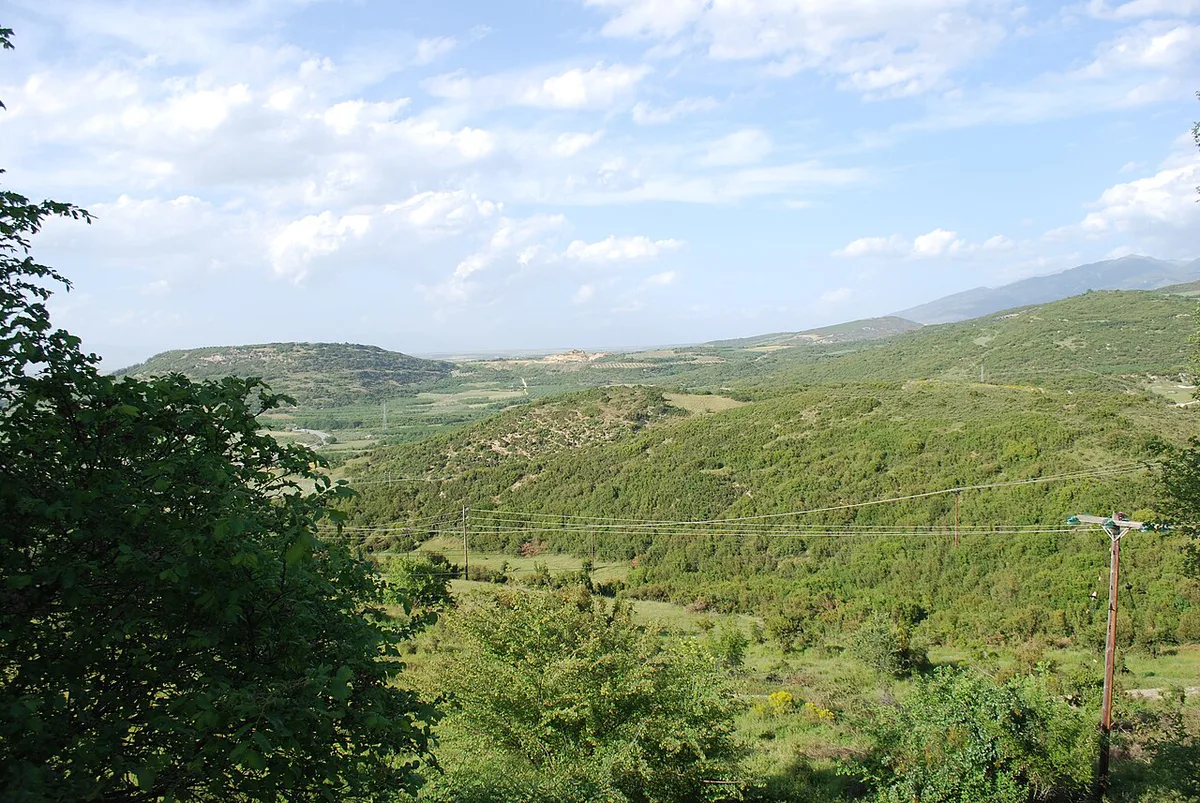
Thessaloniki and Kavala are the realistic base cities. A rental car gives the most flexibility. Public transport to the site is limited, so confirm bus options with the operator before relying on them. Organized tours are the alternative if you prefer not to drive. Parking at the site is not documented, so ask your hire company or the site office. For regional context, see Visit Greece's Serres and Macedonia pages. Coming from Thessaloniki for a different royal site? Read our Vergina day-trip guide.
Enter postcode 57014 for Rothos Apartments in your navigation app, and remember public transport to the site is limited.
Where to Stay
A base city gives more restaurants and transport choices. Staying near the site saves time but offers fewer options. One local property, Rothos Apartments, sits in the Stavros area under postcode 57014. Its website lists Ancient Stagira, Thasos, Lake Volvi, Mount Athos viewpoints and Aristotle's Park as nearby add-ons. Treat those as ideas to research, not endorsements.
Pairing Amphipolis With Other Sites
Amphipolis fits a Macedonian history route. Pella, another Macedonian capital, is a natural companion. For the wider picture, use our guide to Alexander the Great sites. Check each stop's opening days before you fix the order.
Related guides



Continue reading
Guides on the same trip

