
Alexander the Great Birthplace: Pella and Nearby Sites
Last updated November 2026: the Alexander the Great birthplace is Pella, the capital of ancient Macedon in what is now northern Greece. Ancient sources date his birth to 356 BC, so treat the exact details as tradition rather than museum-labelled fact. This guide starts with Pella, then covers the Macedonian sites tied to his family and later life.
Featured image: Egisto Sani, CC BY-SA 2.0, via Flickr.
Alexander the Great Birthplace: Pella in Northern Greece
Alexander was born at Pella, according to ancient sources, and Pella served as the Macedonian capital under his father, Philip II. Expect a ruins field and a museum rather than one birthplace monument. Pella is the right first stop because it shows the royal capital where Alexander's story begins. Later stops on this trail show his family's burials, sanctuaries and conquests.
What to See at Pella Today
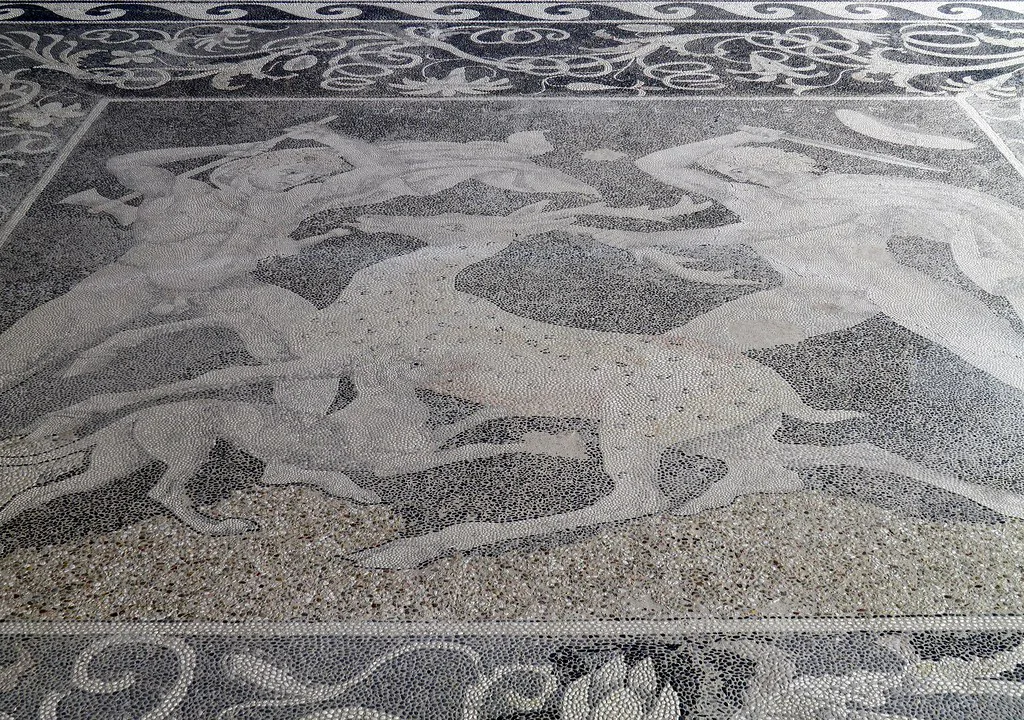
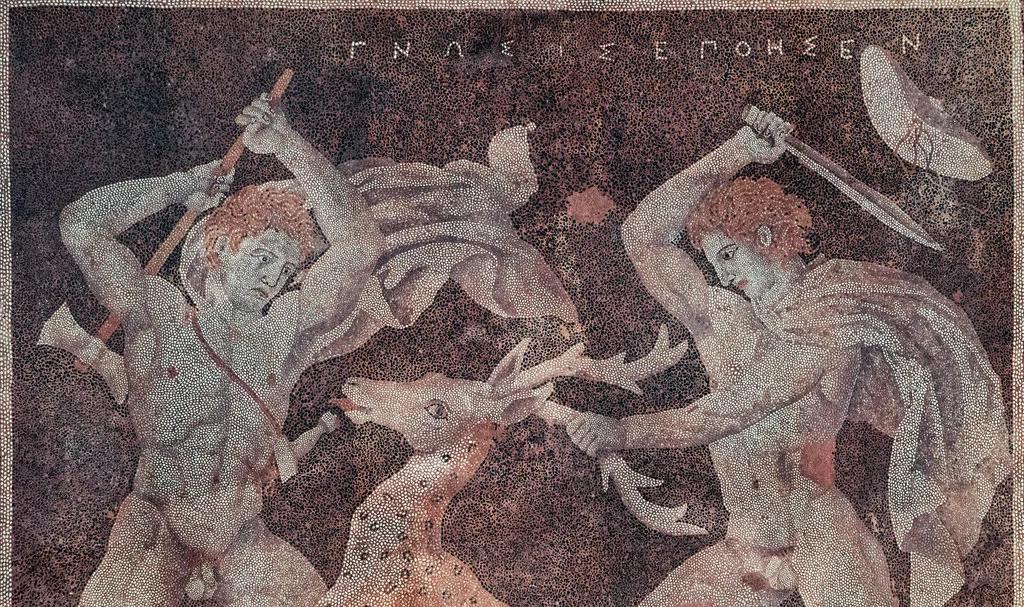
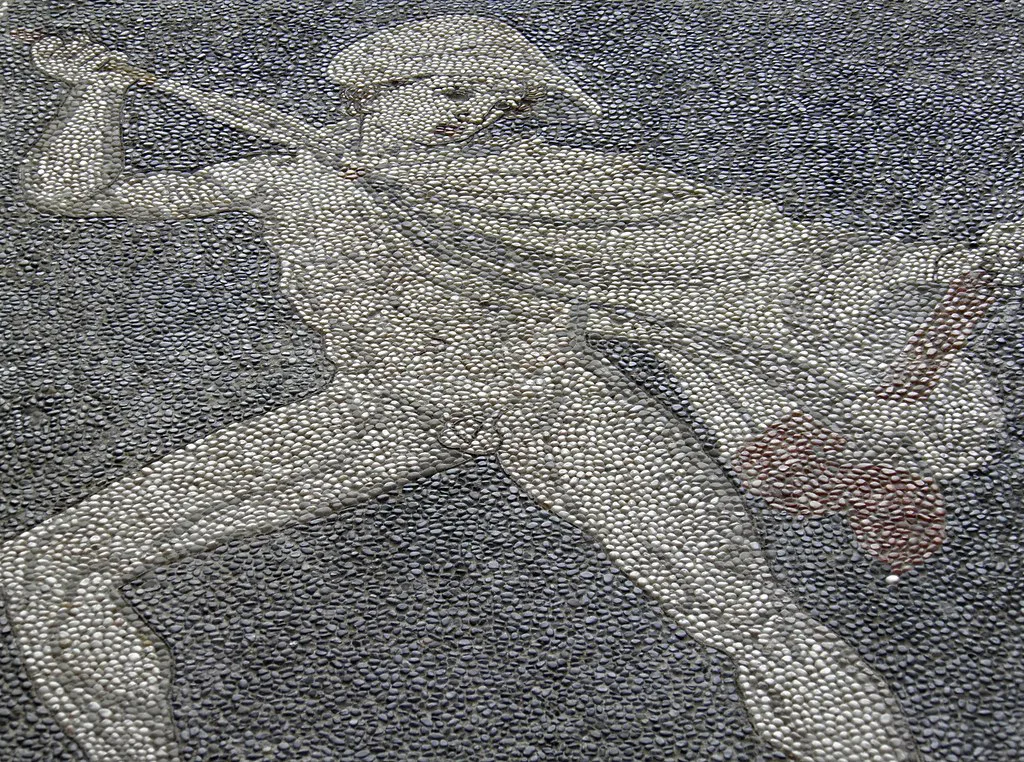
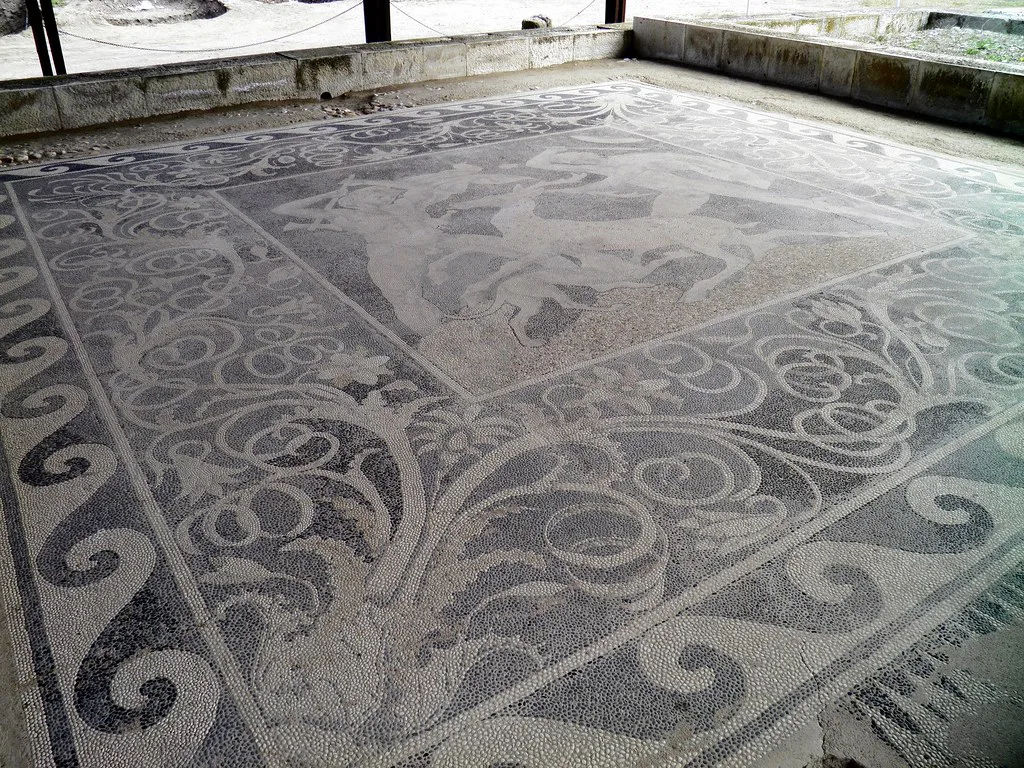
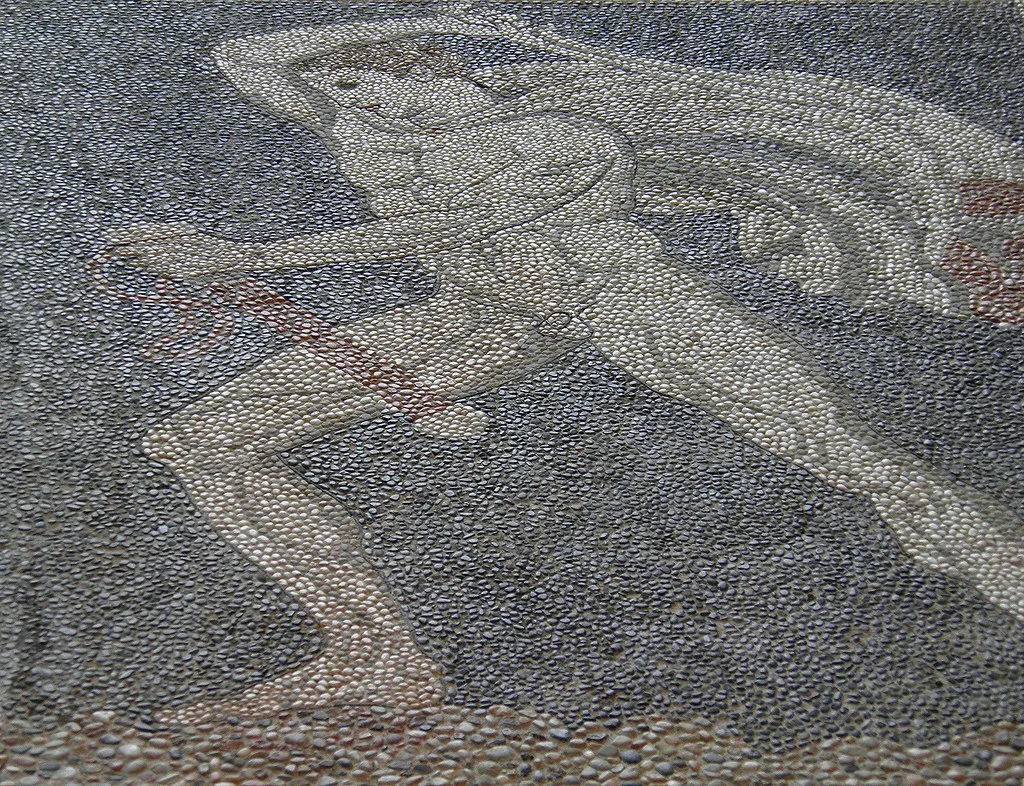
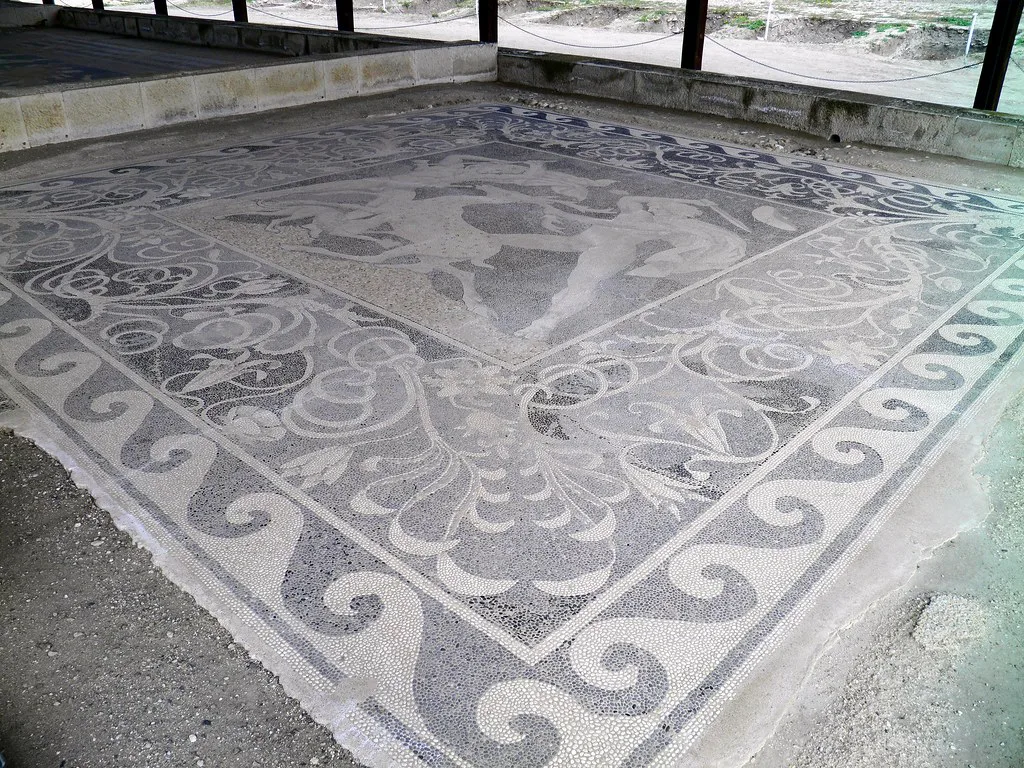
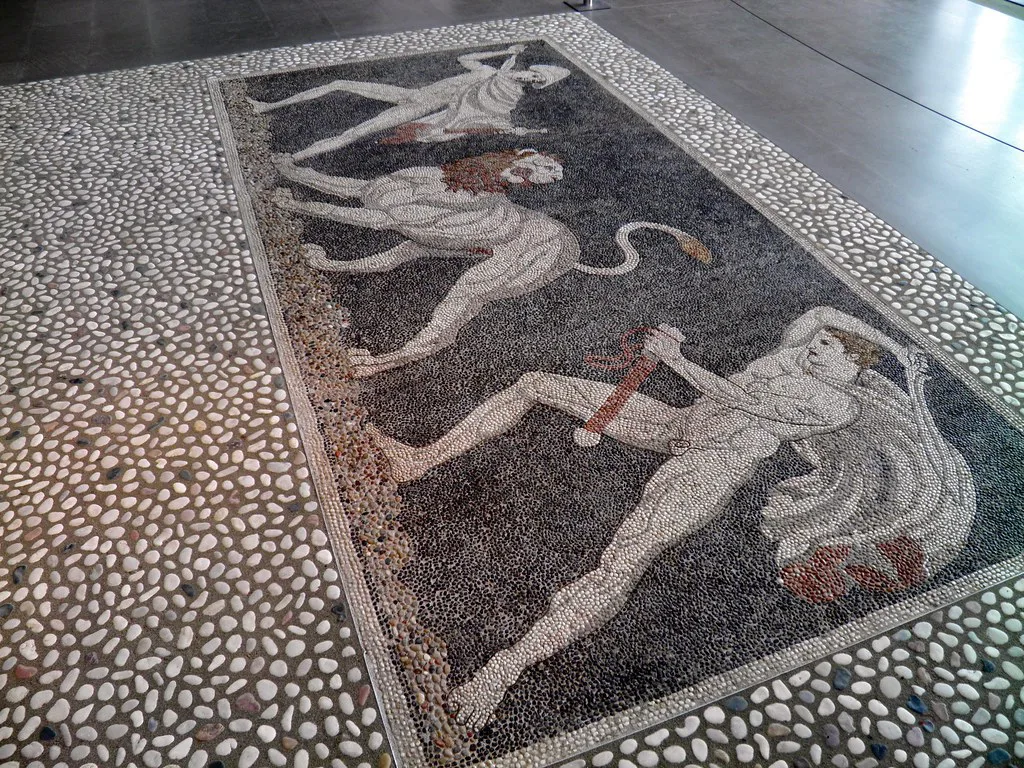
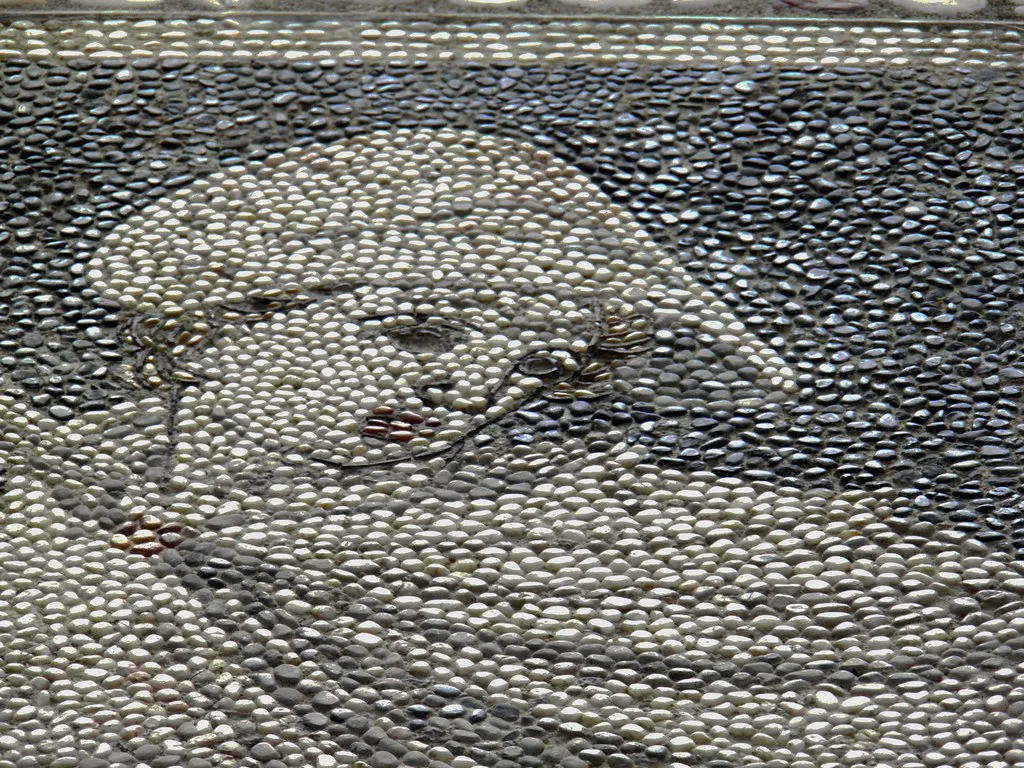
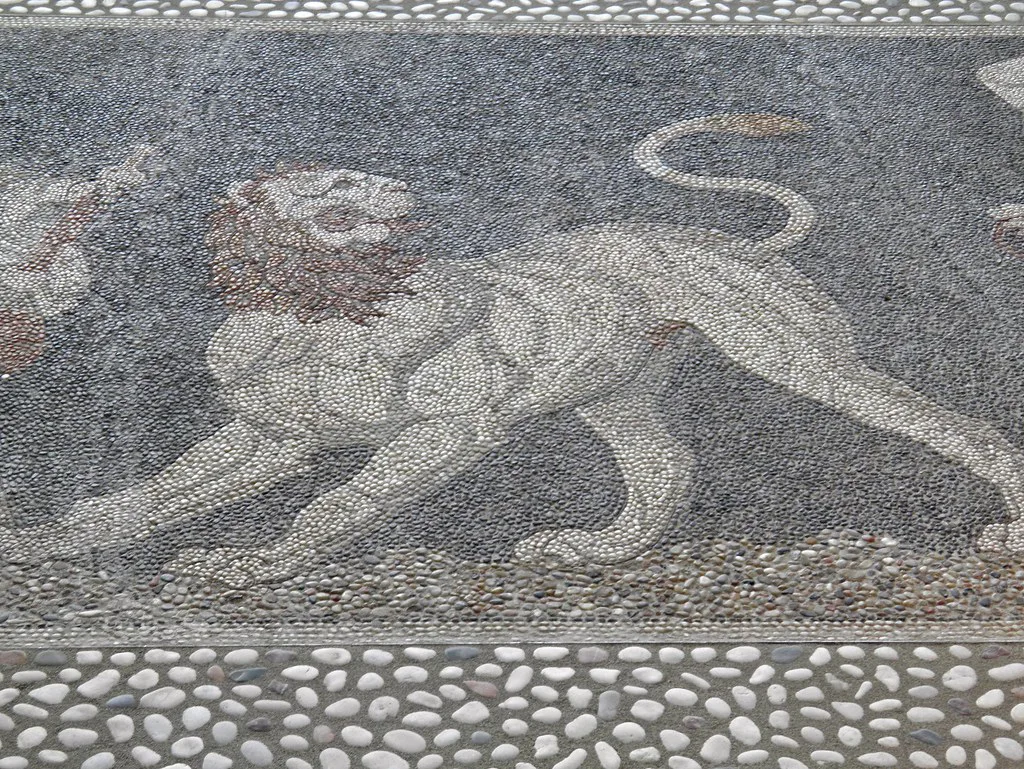
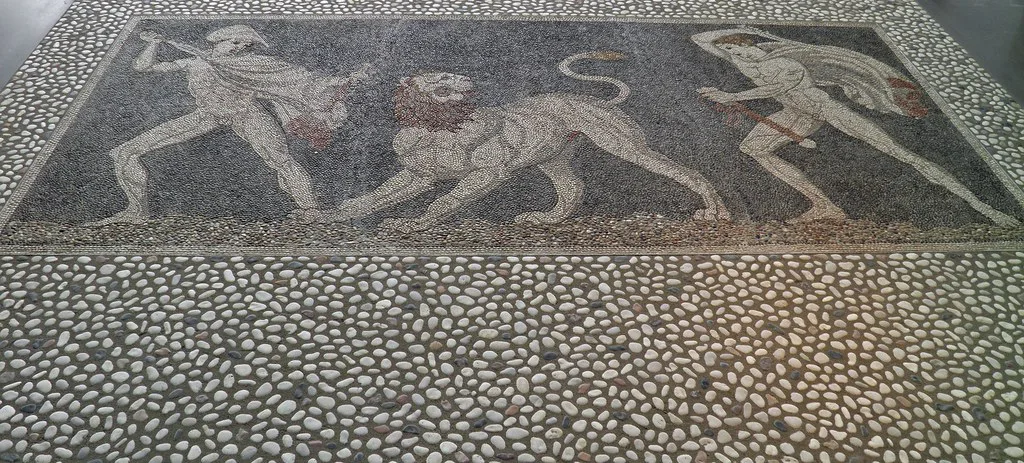
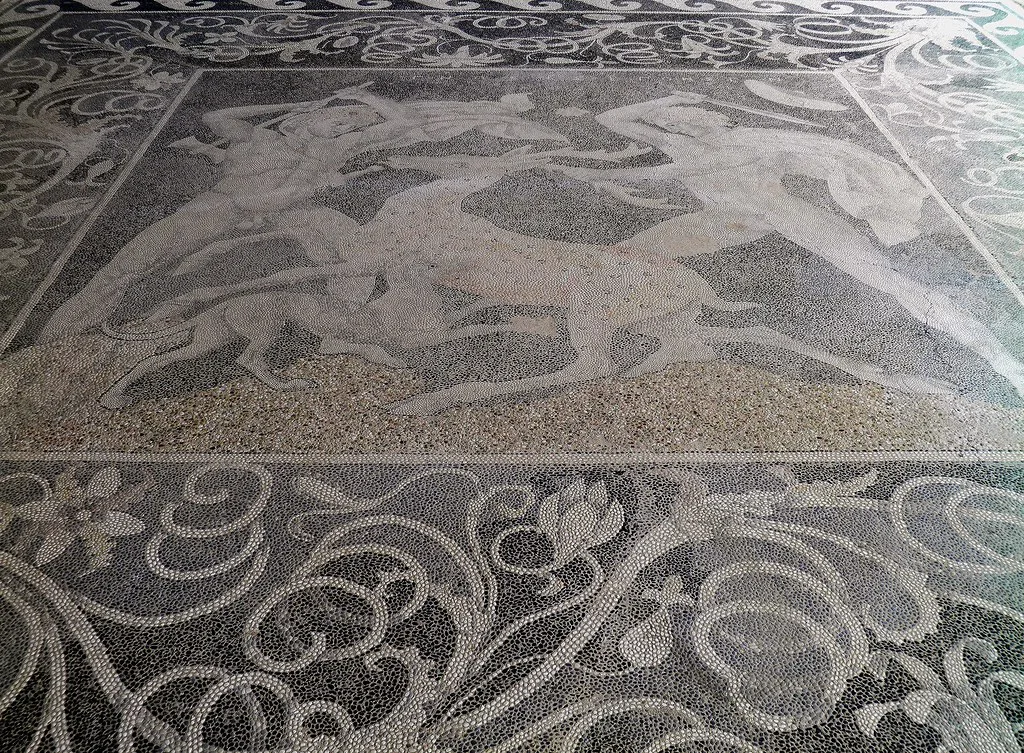
Pella has two parts: the archaeological site and the museum. The site shows the layout of the former capital. The museum holds the finds that make the visit worthwhile. Its pebble mosaics, made from tiny river pebbles, date to the 4th century BC. A kylix, a wine cup, carries some of the earliest Macedonian writing. Our guide to visiting Pella covers the site and museum in detail. Opening details sit on the Ministry of Culture's Odysseus portal.
Pella's mosaics from the 4th century BC belong to the same century as Alexander's traditional birth year, 356 BC.
Alexander Sites Compared
Each site covers a different part of the story. Pick by interest rather than by distance on the map.
| Site | Link to Alexander | What you see | Best for |
|---|---|---|---|
| Pella | Capital and birthplace | Ruins field, museum with mosaics and kylix | Starting point for any Alexander trip |
| Vergina | Royal burials of the Macedonian court | Tomb museum and tumulus | Royal tombs and burial customs |
| Dion | Sanctuary tied to Macedonian religion | Archaeological park | Religion and sanctuary layout |
| Amphipolis | Later Macedonian and Roman layers | Archaeological site | Multi-day extensions |
| Philippi | Later Macedonian and Roman layers | Archaeological site | Multi-day extensions |
Mieza: Where Aristotle Taught the Young Alexander
Pella explains where Alexander was born, but not where he was schooled. According to ancient sources, Philip II brought the philosopher Aristotle to the Macedonian court around 343 BC to tutor his teenage son. The lessons are traditionally placed at Mieza, in the hills near the modern town of Naousa, rather than in the capital itself.
The site usually linked with this tradition is the Nymphaion of Mieza, a shaded sanctuary of the nymphs with a spring and rock-cut features. Treat the Aristotle connection as tradition. Few visitors will find anything on site that proves the lessons happened there.
- What to expect: a quiet landscape and sanctuary remains, not a museum-style attraction.
- Best for: readers who want the education and teenage years that Pella and Vergina do not cover.
- Fit with the trail: it lies in the same part of Macedonia as Vergina, so it can extend a Vergina day if you have a car and check access first.
Opening arrangements for smaller sites change, so confirm the current status on the Ministry of Culture's Odysseus portal before you drive out. Public transport is thin around Naousa, so this stop suits drivers or organised tours.
How to Plan Your Time
A half day suits Pella alone, with time for both the site and the museum. A full day pairs Pella with Vergina's royal tombs. Readers without a car should read the transport options to Vergina before choosing that pairing. A multi-day trip adds Dion's sanctuary park, then Amphipolis and Philippi. The wider group of Macedonian tombs suits readers who want more royal burial sites. Allow generous transfer time between sites, and confirm travel times with the operator before you commit.
Tickets, Hours, and Access
Prices, hours and any combined-ticket details change and are not listed here. Use the official Odysseus site page for each monument.
Getting There and Where to Base Yourself
Thessaloniki is the practical base for every site on this page. A car gives the most flexibility, an organised tour removes the planning, and public transport works best for a single site. Add the Roman monuments in Thessaloniki on a spare half day. Regional context is on Visit Greece.
Mistakes to Avoid
Most disappointments come from mismatched expectations or tight scheduling.
Pella's half day plus Vergina leaves a 1-day trip with little slack, so transfers and closing times decide whether the pairing works.
- Expecting one birthplace monument: Pella is a ruins field plus a museum.
- Underestimating transfer time between Pella, Vergina and Dion.
- Visiting Pella and Vergina on one afternoon without checking closing times.
- Skipping the museum: the mosaics and the kylix are the main draw if ruins fields are not your thing.
Pella or Vergina: Which Should You Prioritise?
Choose Pella if Alexander’s birthplace and the Macedonian capital matter most to you. It is a ruins-and-museum visit, rather than a preserved palace or a single birthplace marker. Allow 1/2 day to see both parts without rushing.
Choose Vergina if royal tombs and burial customs are your main interest. Its tomb museum complements Pella’s mosaics and the kylix with early Macedonian writing. A 1-day trip can pair Pella with Vergina, but only if you check closing times and leave enough transfer time.
Travellers who dislike open archaeological fields may find Pella’s museum more rewarding than the ruins alone. Those with several days can add Dion for its sanctuary setting, then continue to Amphipolis and Philippi for later Macedonian and Roman layers.
Where Alexander Died and Where His Tomb Is
Many readers who start with the birthplace also ask where the story ended. Alexander died in Babylon in 323 BC, according to ancient sources, aged about 32. Babylon lies in present-day Iraq, so it is not part of this Greek itinerary.
His body was not brought home to Macedonia. Ancient accounts say it was taken to Egypt and placed in Alexandria, the city he founded. The tomb's location was later lost, and its exact site is still debated. No confirmed Alexander tomb exists to visit, in Greece or elsewhere.
This matters when planning a Greek trip:
- Vergina holds the royal tombs of the Macedonian court, including burials linked to Philip II. It is not Alexander's grave.
- Pella shows the capital he grew up in, and its museum is the closest thing to a personal-history stop.
- Be cautious with any site or tour that claims to show Alexander's burial place.
For a Greek visit, the Pella and Vergina pairing remains the most reliable way to follow his family and court.
Related guides



Continue reading
Guides on the same trip

