
Last updated November 2026. Nikopolis, also spelled Nicopolis, is the Roman city Octavian founded near Preveza in Epirus, western Greece. It suits history and archaeology fans who have a car and two or more hours. Ruins here are Roman rather than mythic, so expect city walls and basilicas instead of Delphi-style legend.
Featured image: Following Hadrian, CC BY-SA 2.0, via Flickr.
What Nikopolis is, and which one this is
This page covers Nikopolis near Preveza in Epirus. Other cities share the name, including a Nicopolis in Pontus, in modern Turkey. Search results often mix them up. Both spellings, Nikopolis and Nicopolis, refer to the same Greek site, and this guide uses them interchangeably. Greek signs and Ministry of Culture pages may use either form.
Why a Roman city sits in western Greece
Octavian founded Nikopolis in 31 BC to commemorate his naval victory at Actium over Mark Antony and Cleopatra. The name means "City of Victory". It worked as a trade and transport hub between the eastern and western Mediterranean.
Isolation became a weakness once Goths, Heruli and other raiders began sacking cities. Even so, Nikopolis stayed in use through much of the Byzantine era. It was abandoned in the Middle Ages as Preveza grew in importance. Fighting around the ruins continued for centuries, with the last battle in 1912.
What you can see at Nikopolis
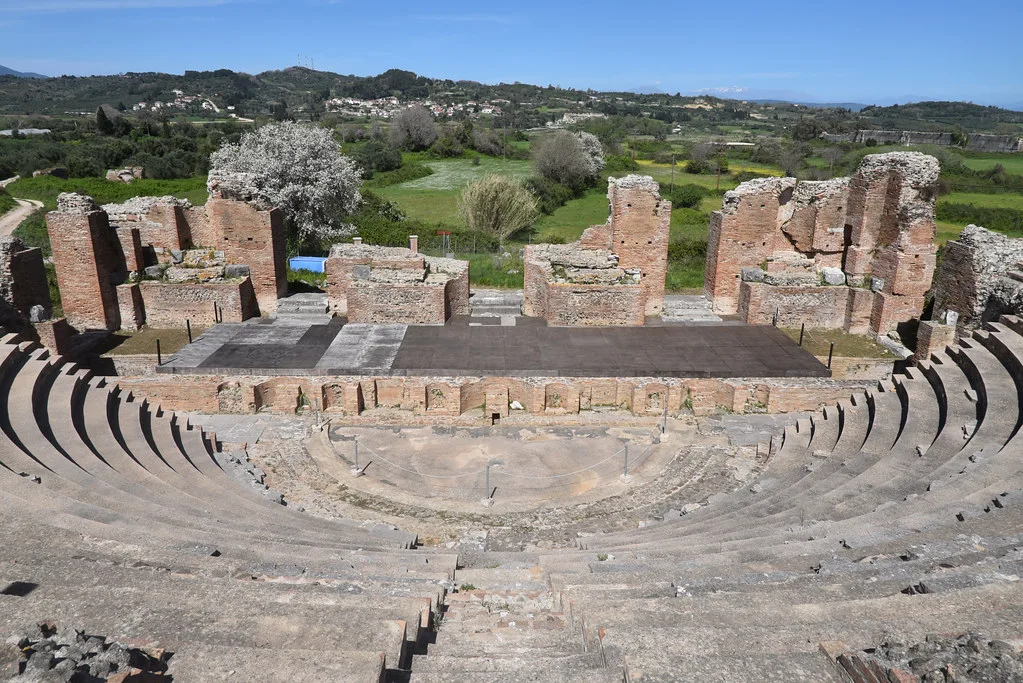
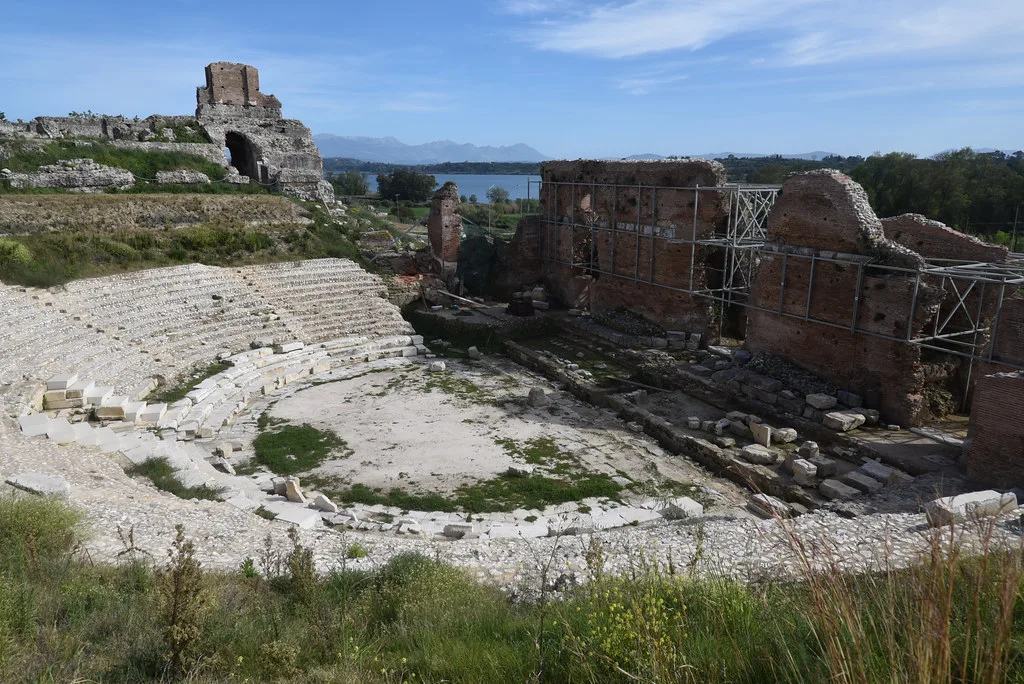
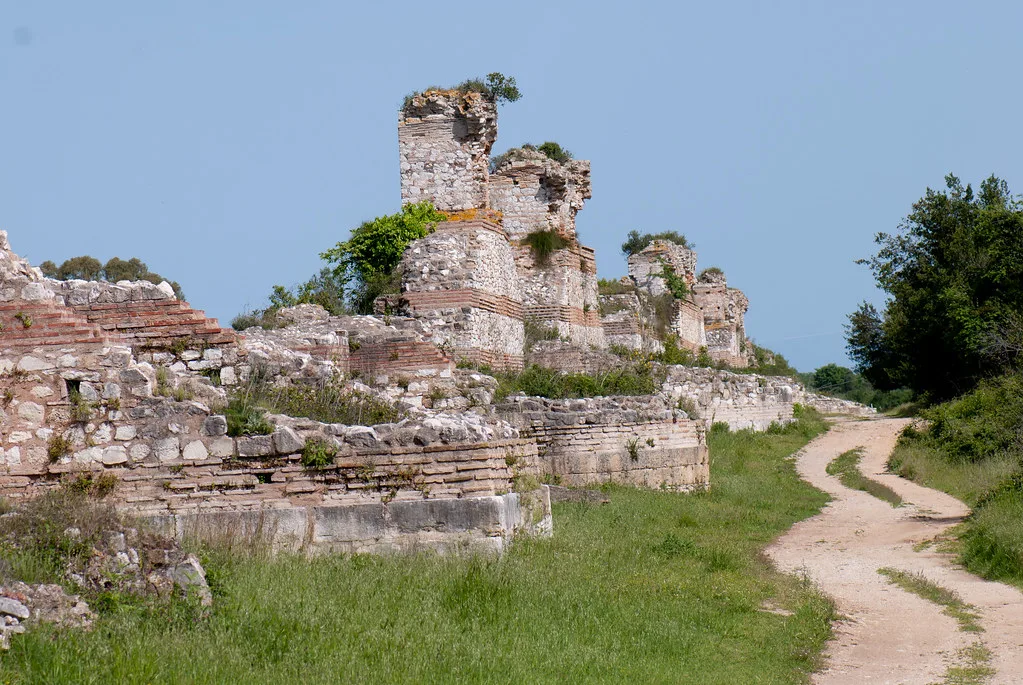
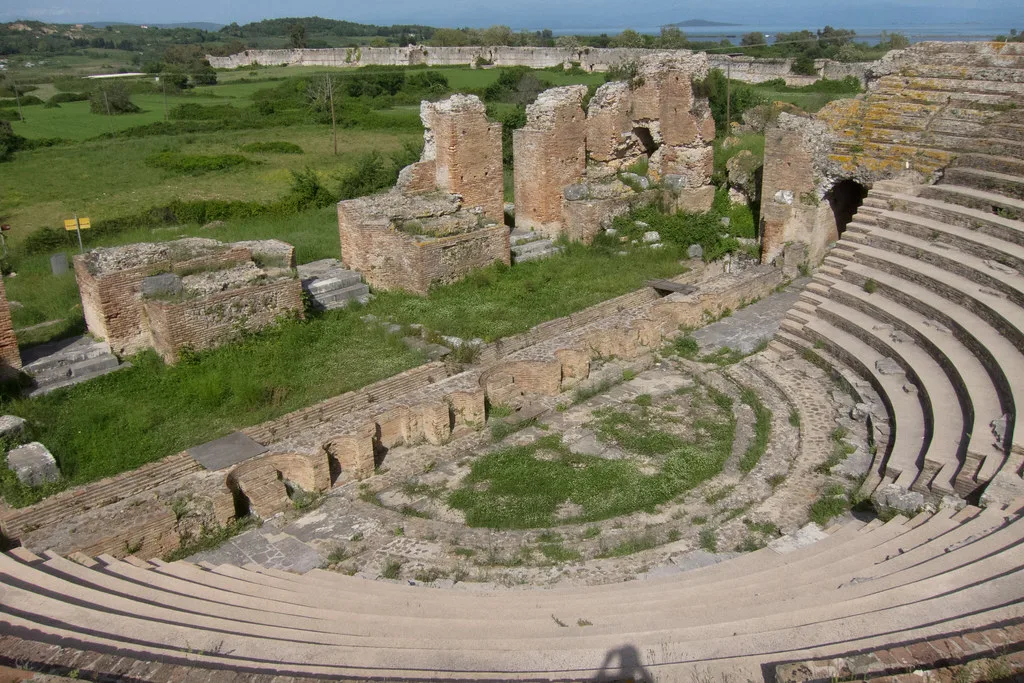
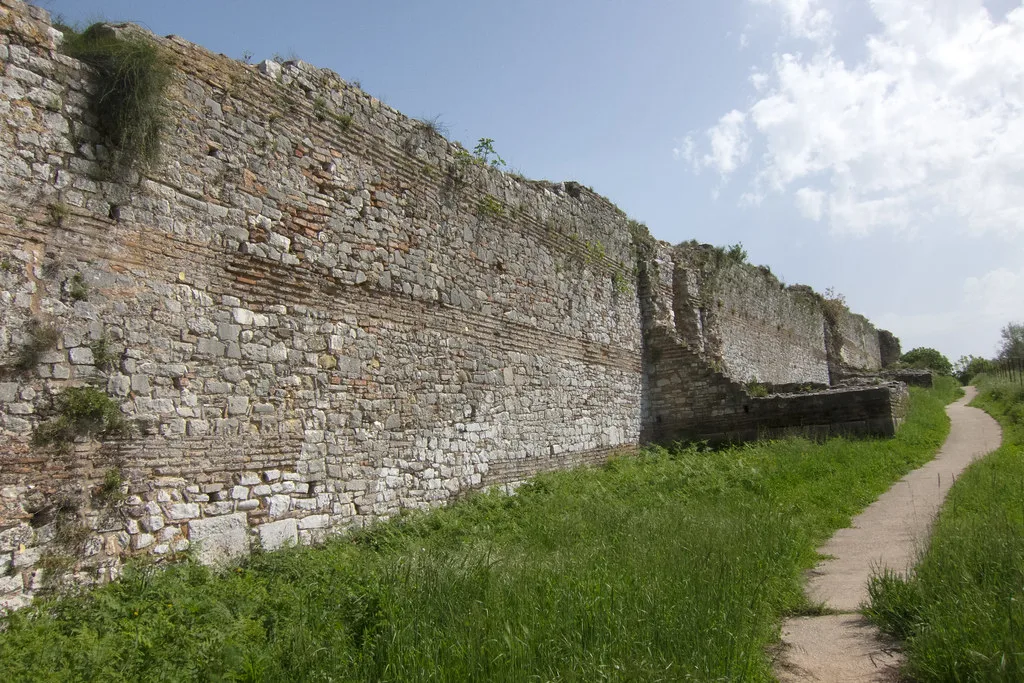
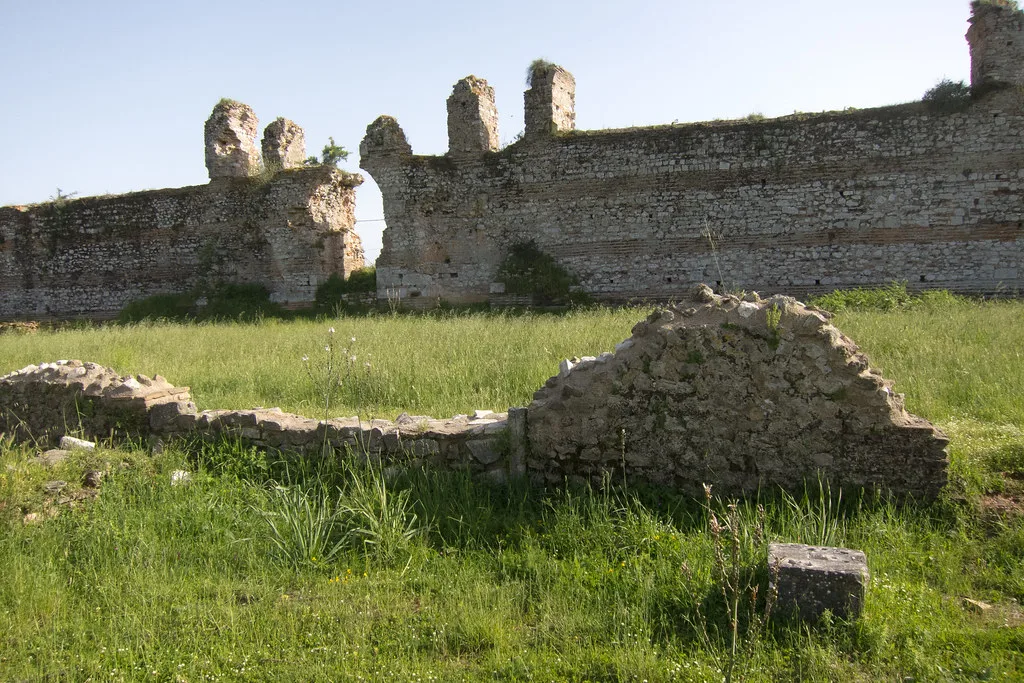
The site is large and spread out. Its main remains are the Roman fortification walls, gates, basilicas, a theatre and a stadium. Archaeological records also list an odeon and a circus.
Prioritize the walls and gates first, then the basilicas, then the theatre and stadium. Excavation and restoration are ongoing, and some areas can be blocked off. Staff may not be present at every section, so plan to explore independently.
- Fortification walls and gates: the clearest sign of the city's scale.
- Basilicas: evidence of the Byzantine-era city.
- Theatre and stadium: the main public monuments.
- Odeon and circus: listed in archaeological records of the site.
Tickets, opening hours and free days
Entry is €10 full price and €5 reduced. Last admission is 20 minutes before closing. Figures below follow the Hellenic Ministry of Culture's published data as of August 2026, and the Odysseus monument portal is the place to recheck them before you travel.
From 1 April to 31 October the site opens 08:00 to 20:00 and closes on Tuesday. From 1 November to 31 March it opens daily 08:30 to 15:30. Late arrivals in winter risk missing it, since the day is only seven hours long.
| Item | Detail |
|---|---|
| Full ticket | €10 |
| Reduced ticket | €5 |
| 1 Apr to 31 Oct | 08:00 to 20:00, closed Tuesday |
| 1 Nov to 31 Mar | Daily 08:30 to 15:30 |
| Closed days | 1 Jan, 25 Mar, 1 May, Easter Sunday, 25 and 26 Dec |
| Free entry | 6 Mar, 18 Apr, 18 May, last weekend of Sep, 28 Oct, and the 1st and 3rd Sundays from Nov to Mar |
How to get to Nikopolis and get around
Most visitors arrive in their own vehicle. If you are staying in Preveza or Parga, a taxi to the site is possible. Public transport options are limited, so ask your hotel or the Visit Greece tourism pages about current services.
The site is too large to cover comfortably on foot. Drive or cycle between the walls, basilicas and theatre. Without a car, a taxi from Preveza is the realistic choice, and you should arrange a return pickup in advance.
The Archaeological Museum of Nicopolis
This museum is a modern, well-lit stop that fills in the history of Nikopolis and the wider region. It reportedly gets few visitors. Opening status is the main risk here. A report from one visit said funding had run out and the museum would close from October. Many small Greek museums also shut in the off season, so check current status on the Ministry of Culture portal before building your day around it.
How much time to plan
Allow at least two hours for the ruins alone. The table below gives editorial suggestions for three kinds of visit. Skip or shorten the trip if you have no car, expect one compact ruin, or need staffed guided tours.
Winter's 08:30 to 15:30 window leaves only seven hours, so two hours for the ruins means arriving early.
| Visit length | What it covers | Best for |
|---|---|---|
| 1 hour | Walls, gates and one or two highlights by car | Short stop on a road trip |
| 2 to 3 hours | Main monuments plus the museum if open | Most history visitors |
| Half day | Full site, museum and time in Preveza | Slow travelers staying nearby |
Combining Nikopolis with Preveza and Epirus
Preveza makes a sensible base, with a historic centre for evenings. Lefkada is reportedly under an hour's drive away, which suits a combined trip.
Another Epirus stop is the oracle site at Dodona. Check drive times on a map before committing, since distances were not confirmed for this guide.
For other Roman-era Greece, see the Roman-era remains at Philippi. The Roman monuments in Thessaloniki add more. Both are far from Epirus. Macedonian royal sites such as the royal tombs at Vergina are a separate trip, and Nikopolis is Roman rather than Alexander-era.
Common mistakes at Nikopolis
Most problems follow from the hours and the site's size. Use this list to avoid them.
Summer's real cutoff is 19:40, because last admission falls 20 minutes before the 20:00 closing.
- Visiting on a Tuesday between 1 April and 31 October, when the site is closed.
- Arriving after 15:30 in winter, or after 19:40 in summer once last admission has passed.
- Planning to walk the whole site instead of driving or cycling between sections.
- Expecting guides or staff at every monument.
- Assuming the museum is open without checking its current status.
Frequently Asked Questions
Is Nicopolis worth visiting?
Yes, if you like Roman history and have a car. Nikopolis is a large Roman city founded after Actium, with walls, gates, basilicas, a theatre and a stadium. Skip it if you want a compact, staffed site.
Related guides



Continue reading
Guides on the same trip

