
Argos Ancient Theatre, Greece: Visit Guide and Day-Trip Tips
Last updated November 2026. This guide covers Argos, the city in Argolis in the Peloponnese, Greece, and not the UK retailer, the satellite tracking system or the town in Indiana. Its ancient theatre is a large Hellenistic theatre cut into the Larissa hillside above the modern town, and it earns a stop if you are already touring Mycenae and Epidaurus.
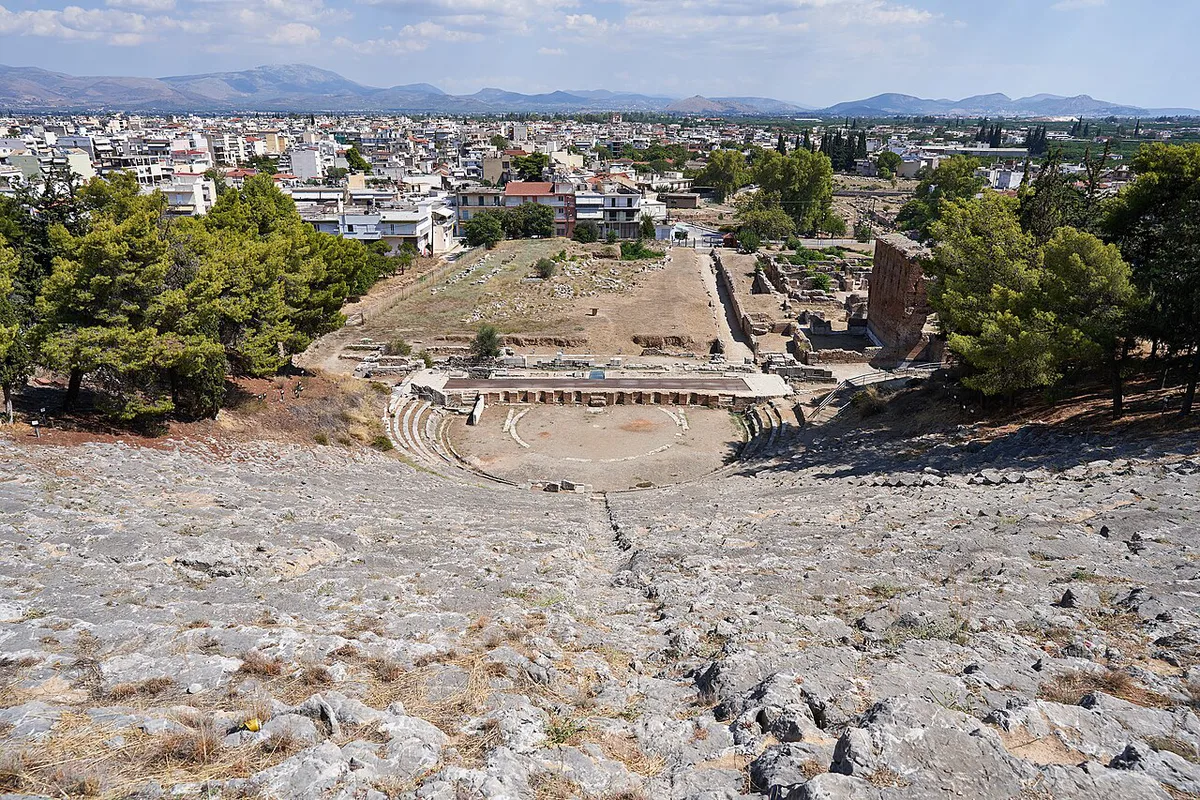
Featured image: George E. Koronaios, CC0, via Wikimedia Commons.
Argos Ancient Theatre at a Glance
Argos sits in the Argolis region, and its municipality is called Argos-Mykines. Seating rises up the slope of the Larissa hill, and a Roman odeon and baths lie nearby. Greece's Ministry of Culture lists the site in its Ancient Theatre of Argos entry. Verdict: a rewarding short stop for archaeology fans, but a poor choice if you have only one theatre slot in your itinerary.
- Type: Hellenistic theatre carved into a hillside
- Setting: Larissa hillside above the town of Argos
- Nearby: Roman odeon and Roman baths
- Managed by: Greece's Ministry of Culture
Architecture and History of the Argos Theatre
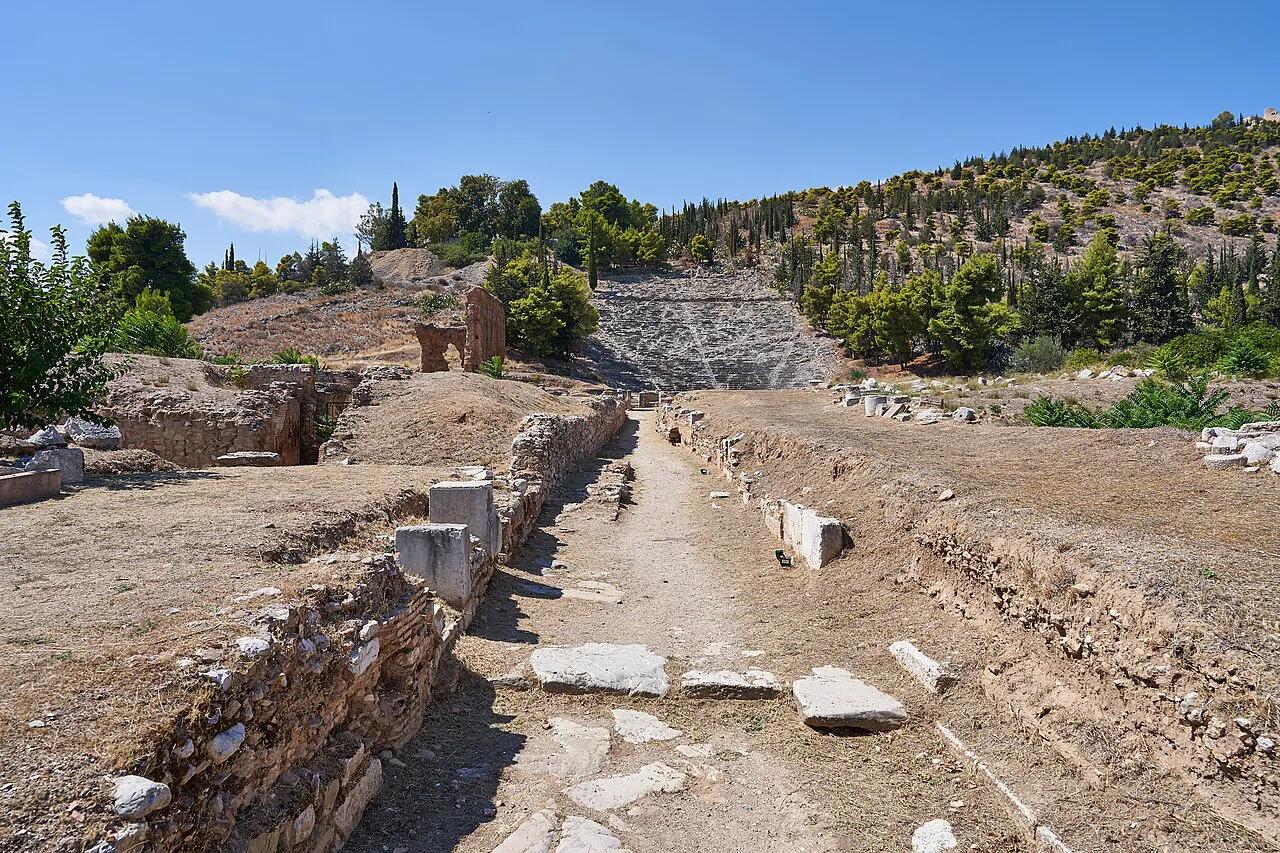
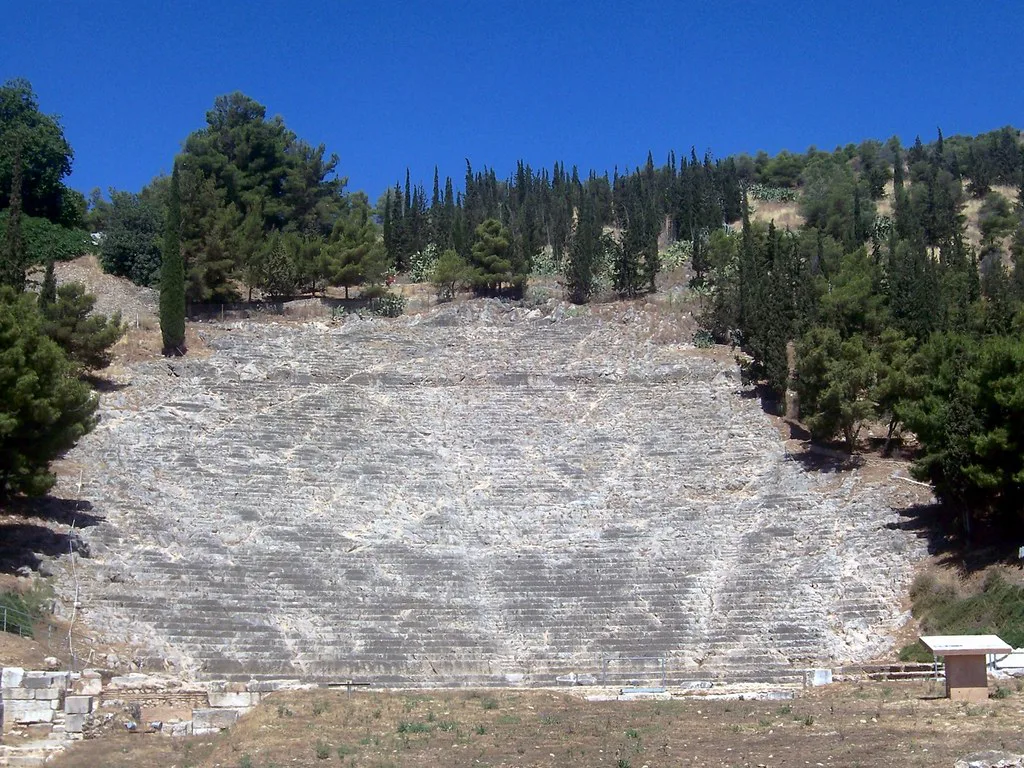
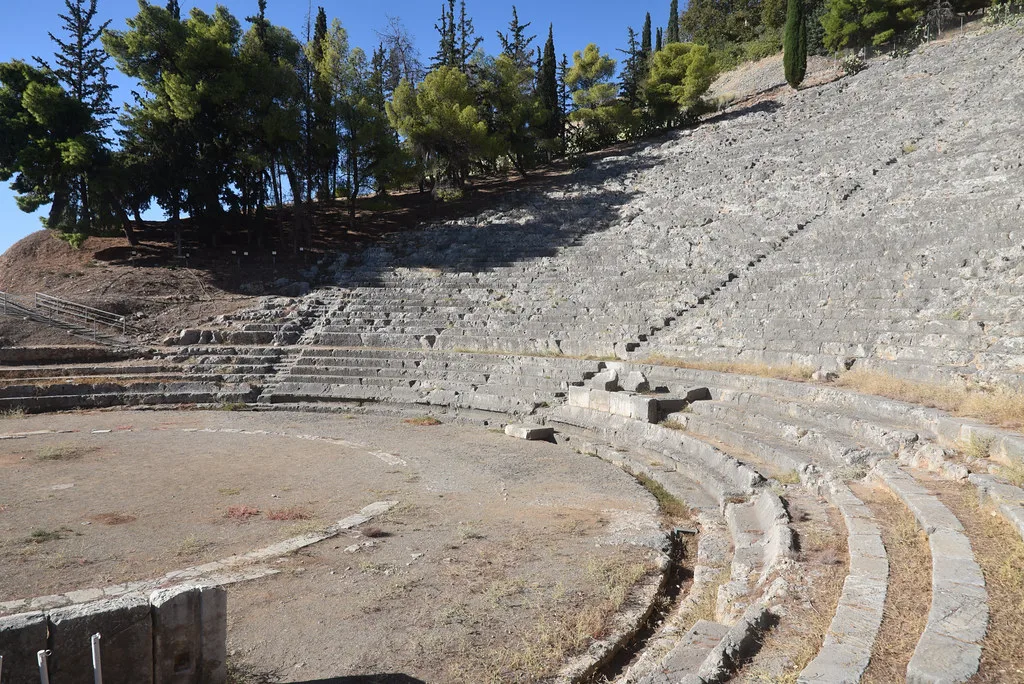
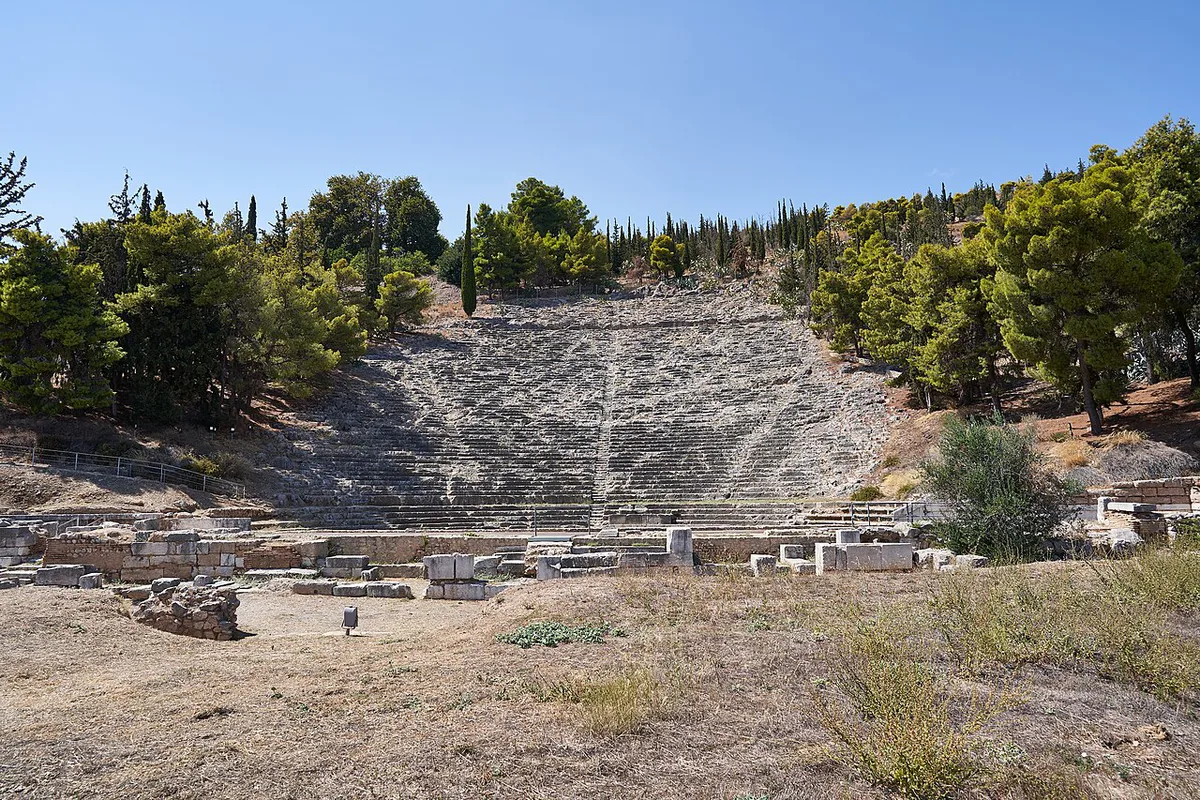
The theatre dates to the Hellenistic period, usually placed in the early 3rd century BC. Its builders cut the koilon (the seating bowl) straight into the rock of the Larissa hill, so the slope itself carries the seats instead of an artificial embankment. That is why the view from the upper rows takes in the plain of Argos, and why the theatre looks so large from the road below.
Size is what sets it apart. The cavea has roughly 80 rows, and the capacity is usually given as about 20,000, which made it one of the largest theatres in the Greek world. Few Greek theatres match it. Stone stairways divide the seating into wedge-shaped sections, and the tiers curve around a circular orchestra.
Roman changes
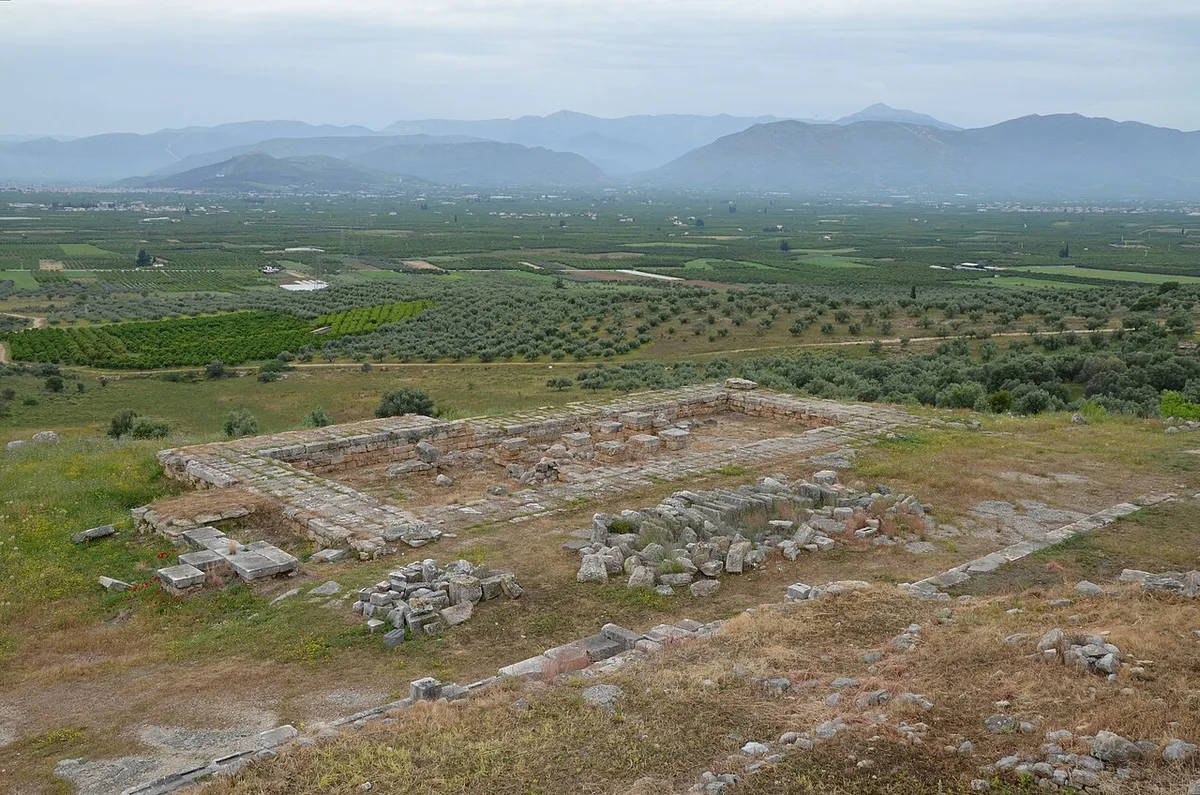
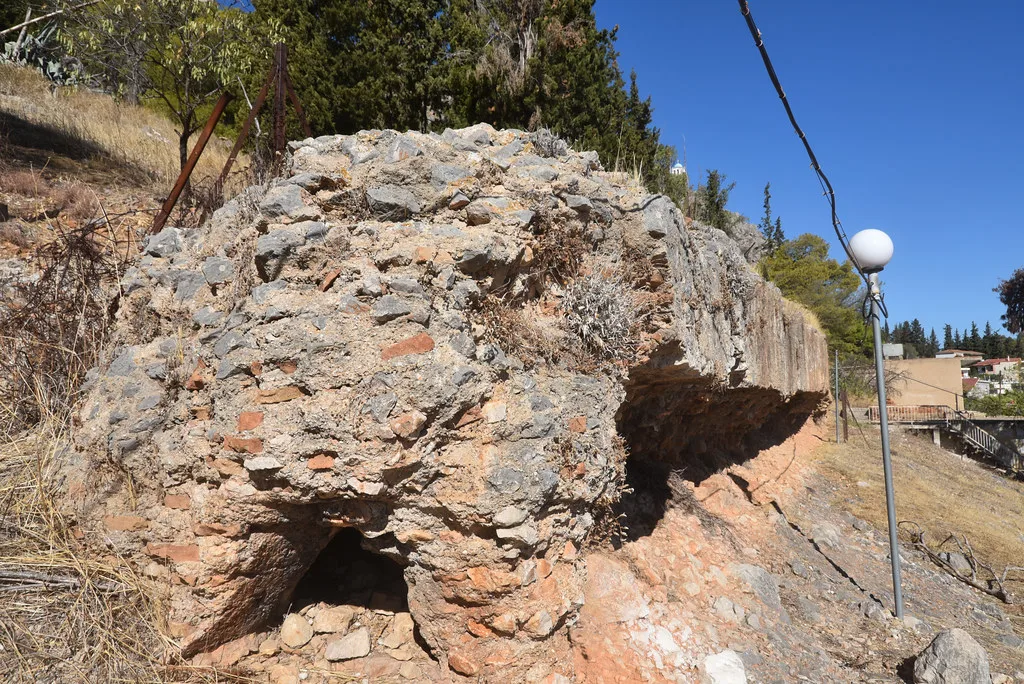
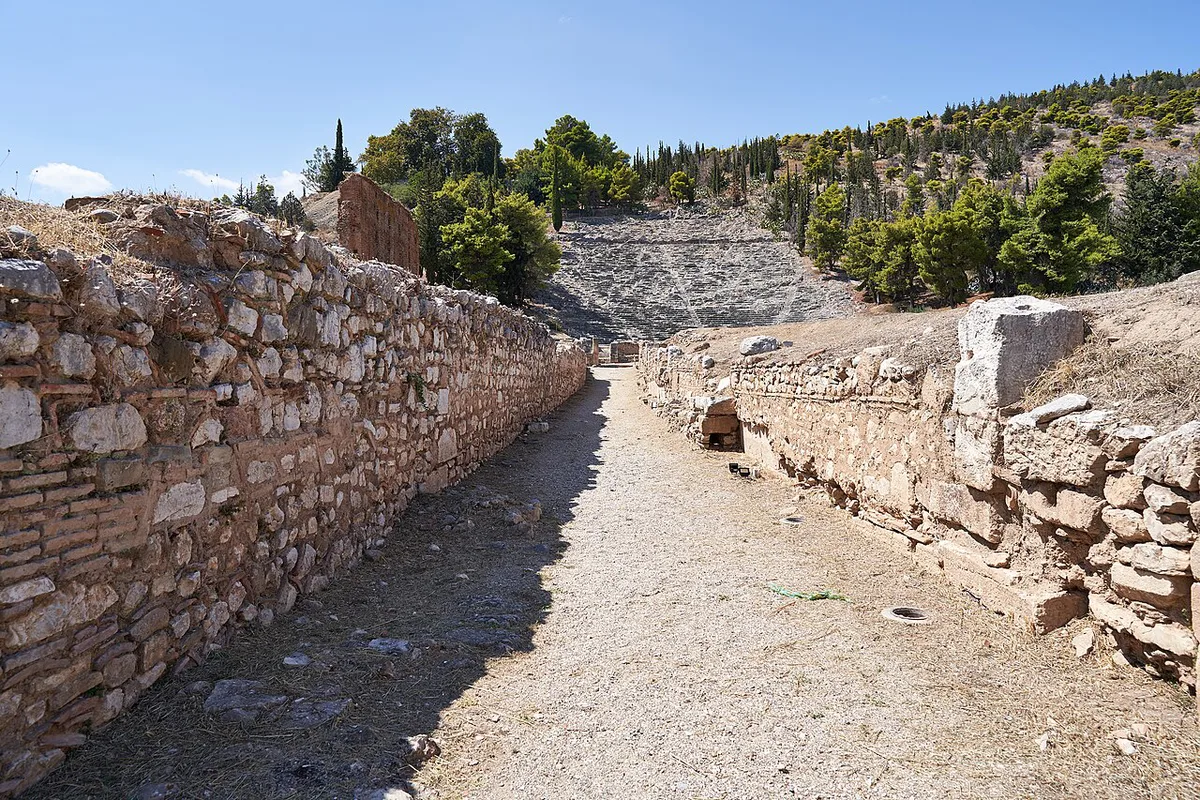
Argos stayed an important city under Rome, and the theatre was adapted for later tastes. The Romans reworked the stage building and altered the orchestra, a common change when Greek theatres were adapted for new kinds of spectacle. The nearby Roman odeon and baths belong to the same period of investment. This layering is easy to read on site: Greek seating cut in rock, with Roman additions around it.
What to look for on site
- The rock-cut tiers: look for the places where the seating is carved directly from the hillside.
- The stairways: they show how the large cavea was divided into sections.
- The orchestra and stage area: this is where the Roman alterations are most visible.
- The view: the upper rows overlook the town and plain, so this is the best spot for orientation.
For a comparison with a theatre that grew from a sanctuary rather than a hillside, the Theatre of Dionysus in Athens shows how Greek theatre design developed over the centuries.
Is the Argos Theatre Worth Visiting?
Go if you enjoy ancient theatres, want to see more of Argolis than the headline sites, or need an easy extra stop between Nafplio and Mycenae. Skip it if you have under half a day, or if you can pick only one theatre. In that case, Epidaurus Ancient Theatre: Visitor Guide & Day Trip Tips is the stronger single choice. Epidaurus is the better-known theatre, and our guide to Epidaurus Acoustics: How the Ancient Theatre Works and How to Test It explains why. Argos works as the quieter companion.
| Question | Argos | Epidaurus |
|---|---|---|
| Best for | Completists and short extra stops | Single must-see theatre |
| Setting | Cut into the Larissa hillside above town | Dedicated sanctuary site |
| Fame | Lesser-known | Famous for its acoustics |
| Pairs with | Roman odeon, baths, museum | Sanctuary ruins |
How to Get to Argos
A car gives the most flexibility, since Argos, Nafplio, Tiryns and Mycenae are all close neighbors in Argolis. Without a car, KTEL Argolidas bus services link the towns of the region, and the operator's site lists current routes. From Athens, our guide on getting to Mycenae from Athens covers the same corridor by car, bus and tour. Expect a short walk up from town to the theatre, so wear proper shoes.
Tickets, Hours and Seasonal Timing
Prices and hours checked November 2026 are not fixed in this guide, because Greek archaeological sites change hours by season and close on some holidays. Buy tickets and check current hours on the Ministry of Culture e-tickets site before you go. Midday summer heat on an exposed hillside is hard going, so aim for early morning or late afternoon. Our Mycenae tickets guide shows how Argolis ticketing works in practice.
What Else to See in Argos
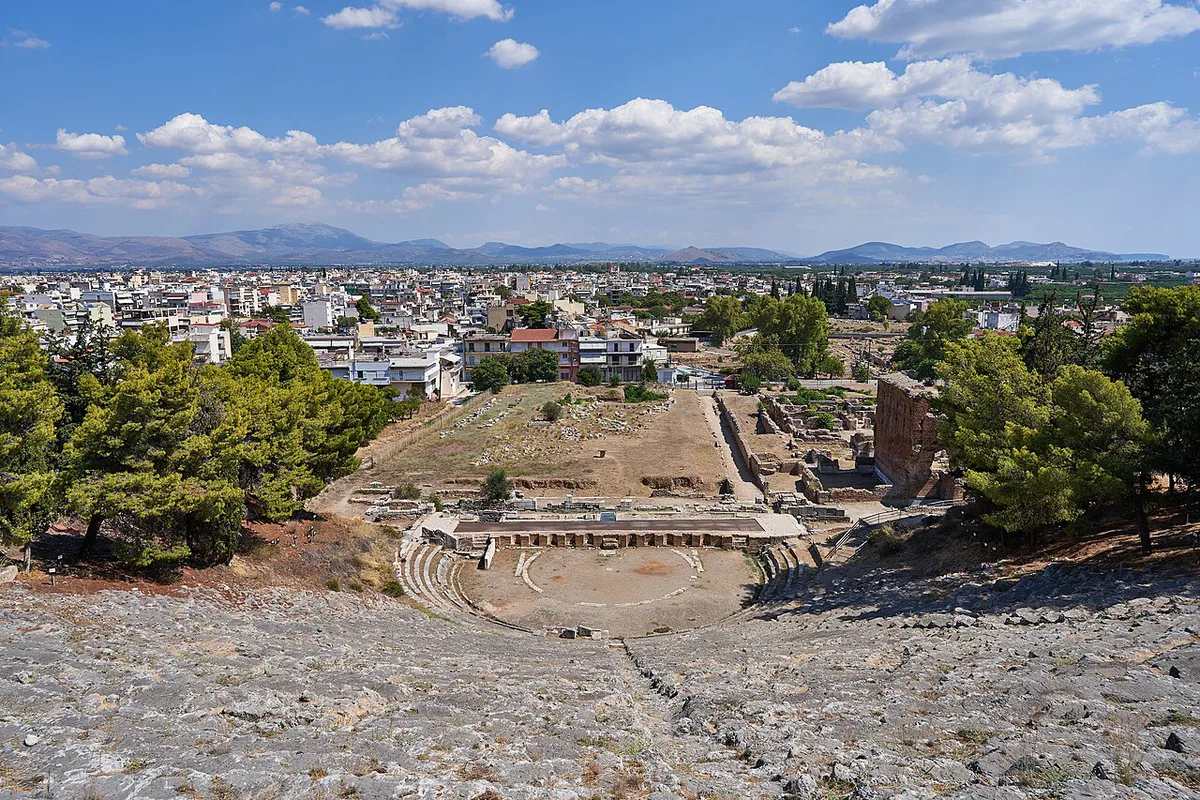
Pair the theatre with the nearby Roman odeon and baths. Argos also has an archaeological museum, so check its current opening status before you plan around it. For the deeper Bronze Age story, read about the Mycenaean Civilization: History, Key Sites and Visits before you visit the citadels.
What Happened Here: Drama, Games and Public Assemblies
Ancient Greek theatres were civic buildings as well as stages. At Argos the theatre belonged to a city with a long political and religious life, and it is worth knowing what the seats were used for.
- Music and drama: like other Greek cities, Argos held festivals with tragedy, comedy and musical contests. The size of the cavea suggests that these events drew audiences from across the plain.
- Public gatherings: Greek theatres often hosted civic assemblies, because they were the largest spaces where a whole citizen body could sit and hear a speaker. Argos also had an older theatre-like area near the agora, which is usually linked with early civic meetings.
- The Nemean Games: in the Hellenistic period Argos took over the organisation of these athletic and musical games from Nemea for a time. The city's large theatre fits that role as a place for festival audiences.
How to use this on your visit
Sit in the upper rows, then picture the whole bowl full. The scale explains why the theatre mattered to the city, even though it draws far smaller crowds today than Epidaurus. Because details about the early dates and uses are debated among archaeologists, the Ministry of Culture's site entry is the safest reference for any specific claim you plan to repeat.
If you want a longer look at how the same region fits together, the Mycenaean sites covered in the Treasury of Atreus guide above give the earlier Bronze Age background, while Epidaurus offers the clearest example of a theatre used for festivals today.
Build an Argolis Day: Argos, Mycenae, Tiryns and Epidaurus
A half-day works best with Argos plus one headline site. Choose Mycenae for the Bronze Age citadel, or Epidaurus for the theatre comparison. A full day can add Tiryns on the way between sites. Visitors with an extra day can extend toward Nemea or Ancient Corinth: What to See, Time Needed and How to Visit. Mycenae itself rewards time, with the Lion Gate and the Treasury of Atreus: Visit Guide to Agamemnon's Tomb as the main stops.
- Half-day: Argos theatre, then Mycenae or Tiryns
- Full day: Argos, Mycenae, Tiryns, then Epidaurus if time allows
- Extra day: add Nemea or Ancient Corinth
Mistakes to Avoid
Most problems come from planning too tightly or from confusing places. Avoid these:
- Searching only "Argos" and landing on the retailer or the satellite service; add "Greece" or "theatre".
- Assuming daily performances; events are listed on sites such as the Athens Epidaurus Festival, which covers Epidaurus rather than Argos.
- Underestimating the heat and the climb up the hillside.
- Skipping the museum without checking whether it is open.
- Trying to fit Argos, Mycenae and Epidaurus into a rushed half-day.
Related guides



Continue reading
Guides on the same trip


