
Epidaurus Acoustics: How the Ancient Theatre Works and How to Test It
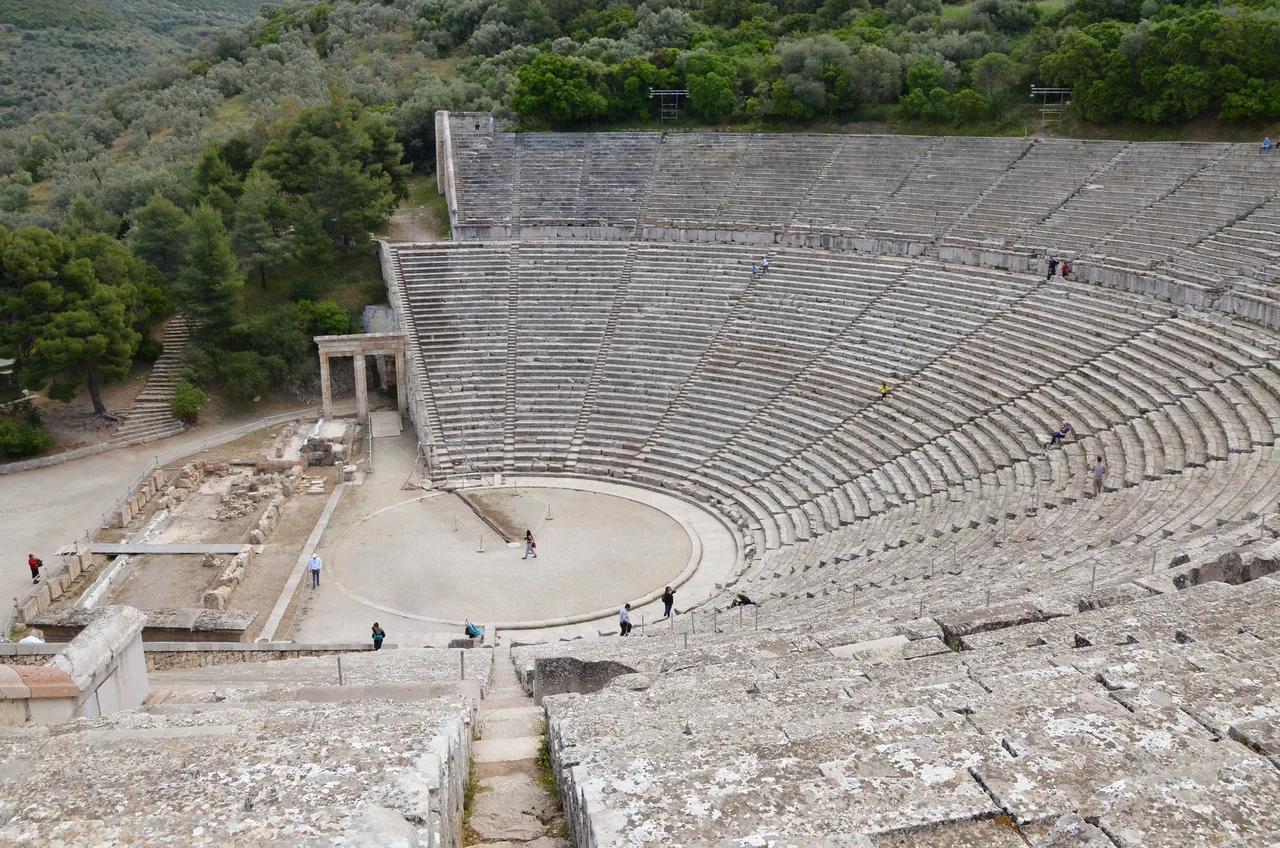
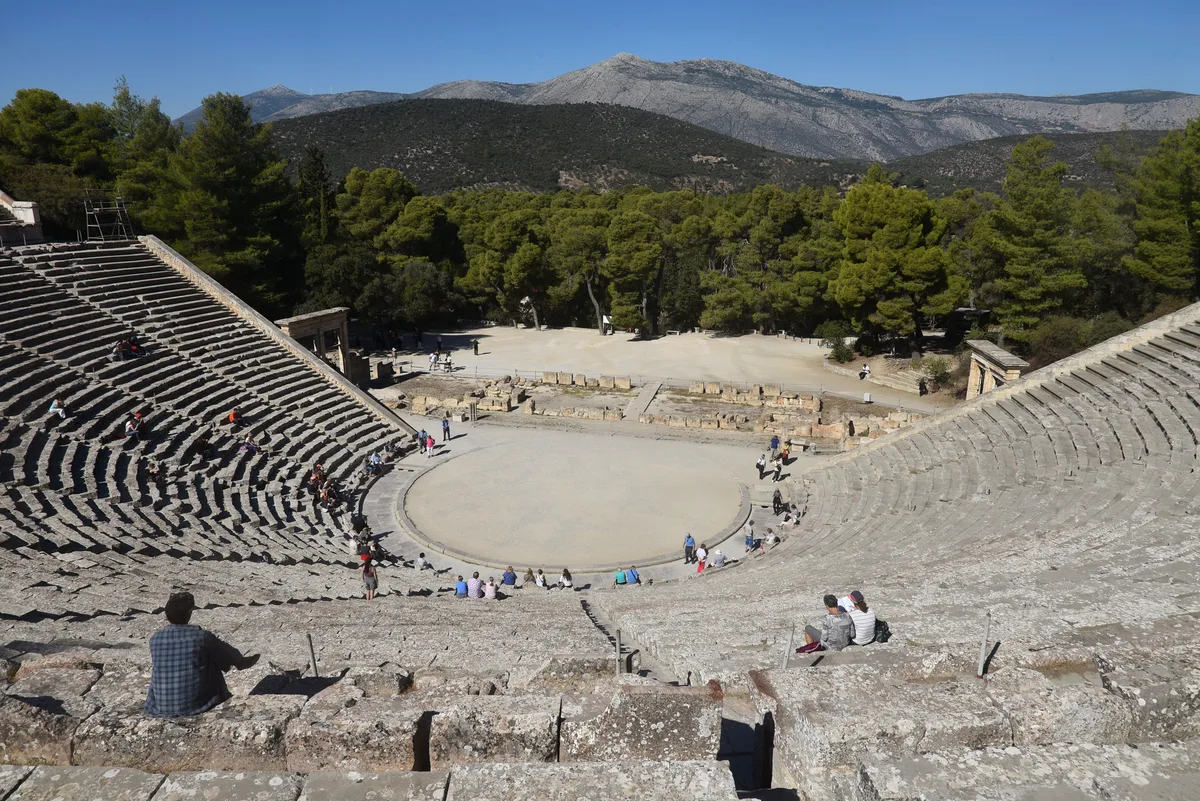
Last updated November 2026. Epidaurus acoustics come from the theatre's geometry and its tiered limestone seating, which together carry stage voices to the upper rows. A 2007 study by researchers at the Georgia Institute of Technology found that the seats damp low frequencies and let higher ones travel. Below, you can separate what was measured from what guides say, then plan a respectful test of your own.
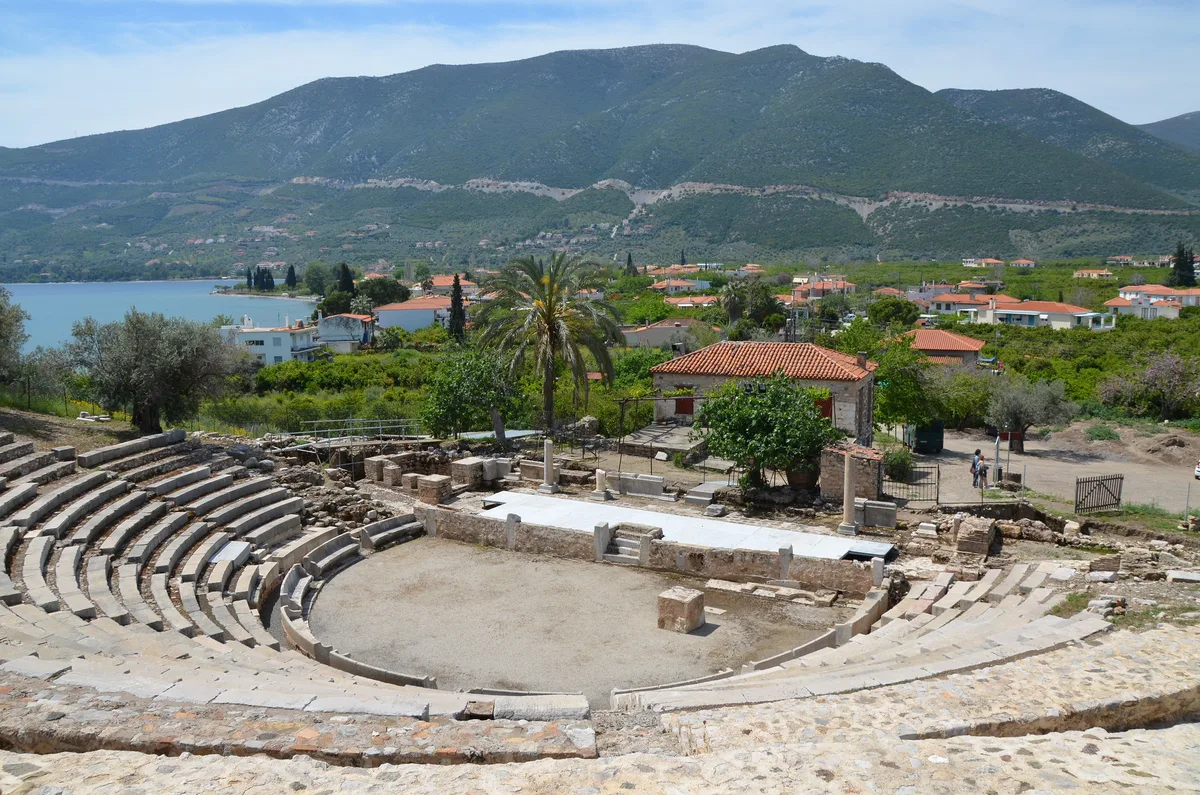
Featured image: Following Hadrian, CC BY-SA 2.0, via Flickr.
How the Epidaurus Acoustics Work
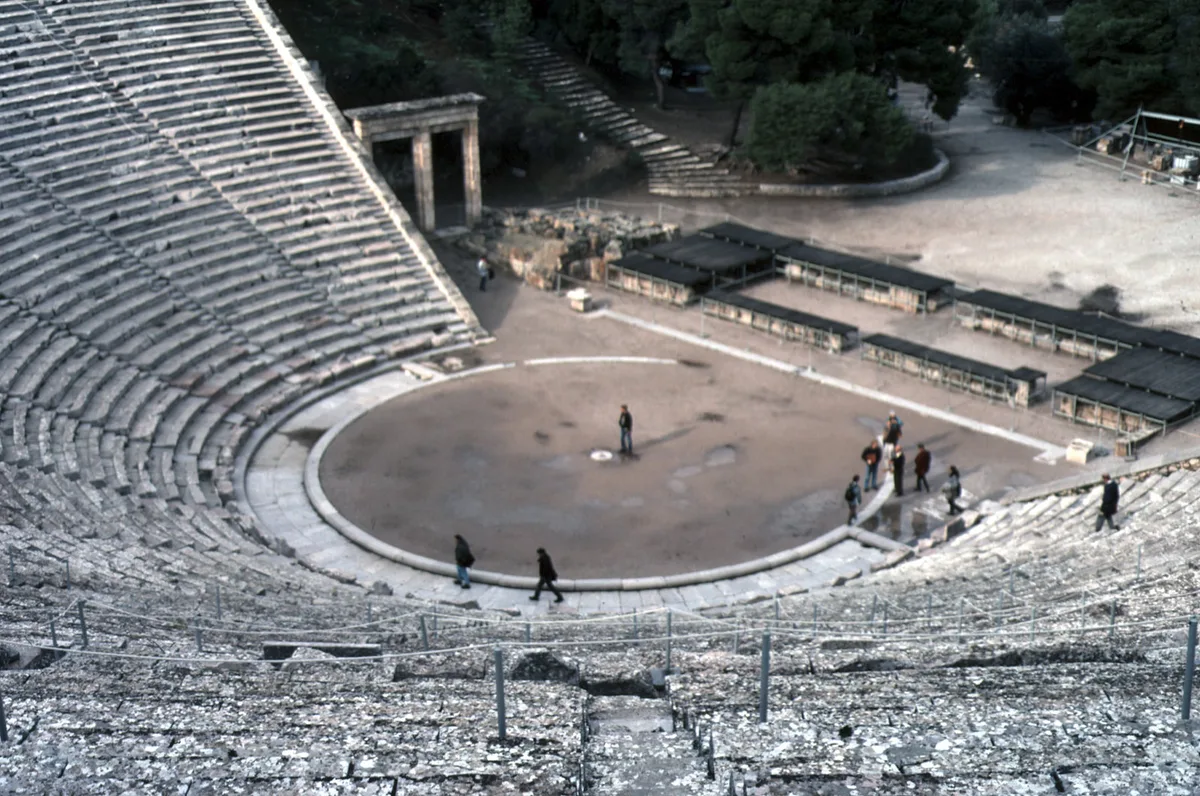
Short answer: the effect is real, and it is physical rather than magical. Speech from the stage stays clear at the top of the seating bowl because of how the seats and the slope shape sound.
For decades, a common explanation held that wind carried the sound uphill. In 2007, researchers from the Georgia Institute of Technology proposed something different. Nico Declercq, a mechanical engineer who worked on the site that year, said he had first expected surface waves to climb the theatre with almost no damping. Instead, the study found that the limestone seat rows act as an acoustic filter. Sound below roughly 500 Hz is reduced, while frequencies above 500 Hz carry on largely undiminished.
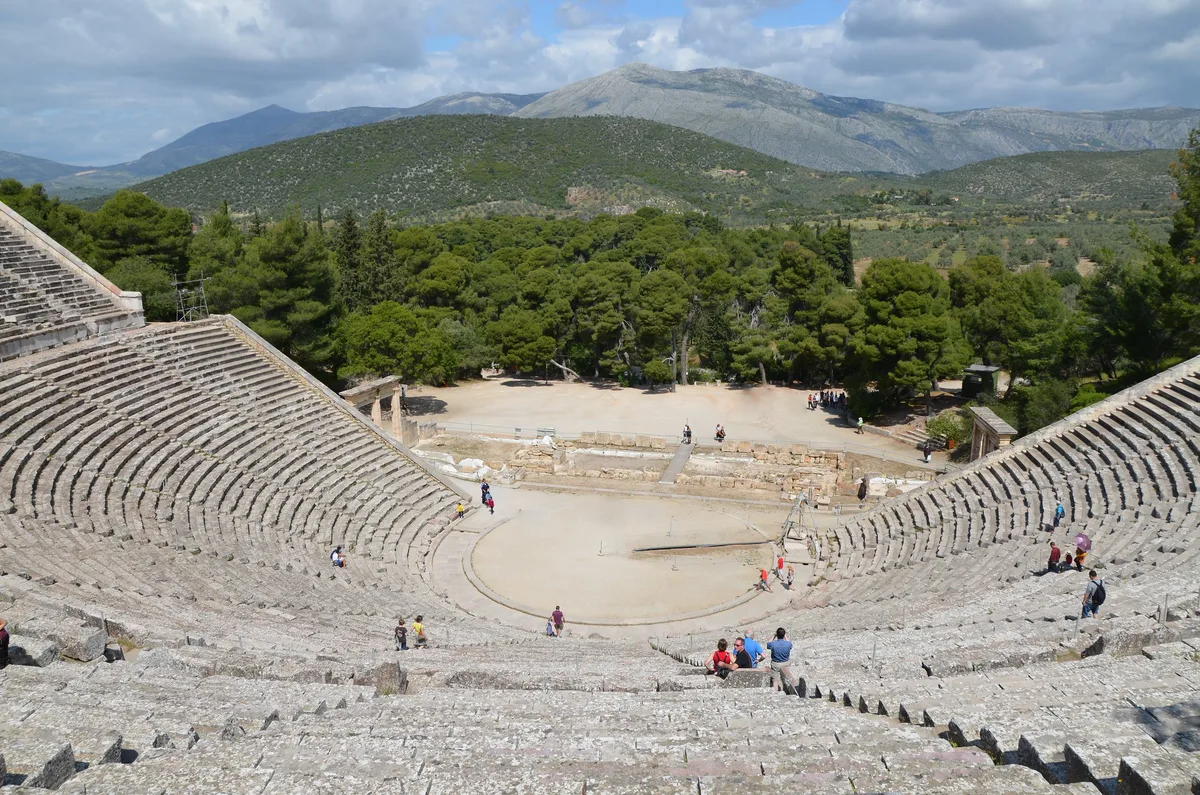
That filtering matters because crowd rumble and background noise sit mostly in the low range. Stage speech carries much of its clarity in the higher range. The result is a clearer voice against a quieter backdrop. The open Argolis landscape behind the stage adds little noise of its own, which helps.
Myth vs. Measured: What Is Actually True
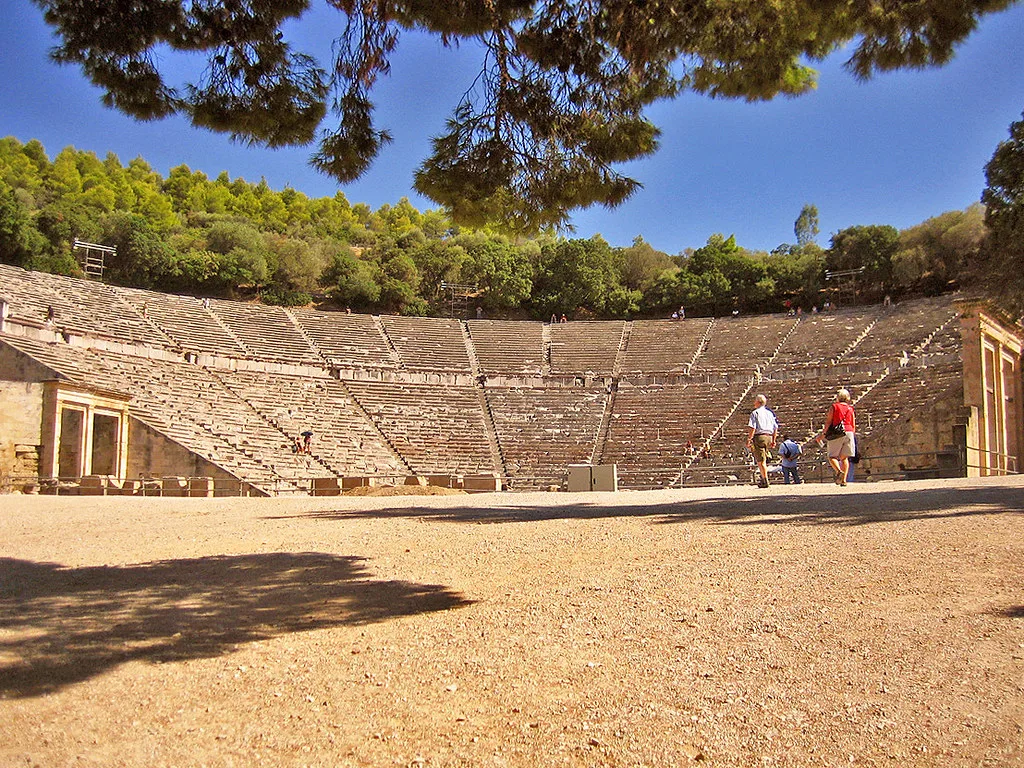
Popular accounts say you can hear a pin drop from the top row. Guides at the site commonly demonstrate this by striking a match, rustling paper or taking a deep breath on the stage. From the upper rows, a normal speaking voice and small sounds are said to be audible. Treat the pin drop as a fair summary of that experience, not a laboratory result.
Row counts are often quoted loosely. A commonly cited account gives 34 original rows, with 21 more added later, for 55 in total. Capacity is often given as 13,000 to 15,000 spectators. Those figures vary by source, so use them as approximate.
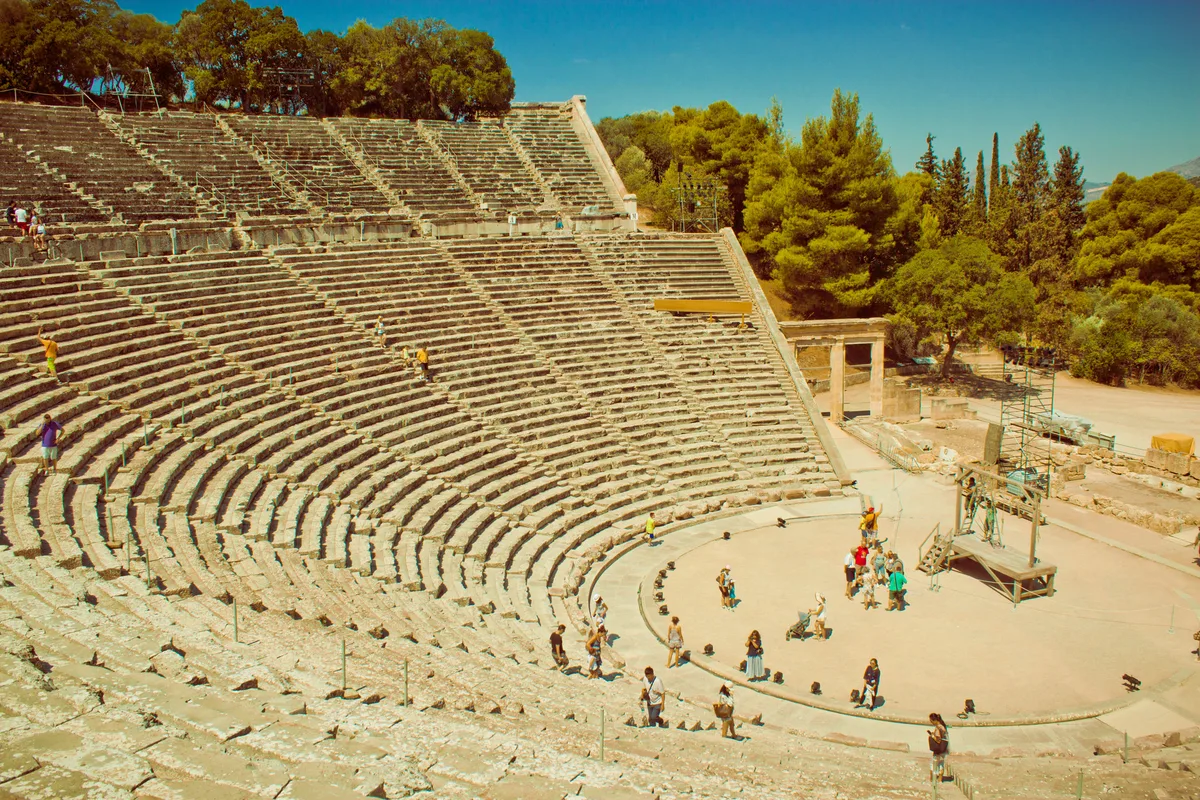
The 500 Hz figure also needs care. It describes how the study characterized the seats, not a guarantee for every seat or sound. Wind, crowd noise, a speaker's pitch and your own hearing all change what you perceive. For another ancient Argolid theatre, compare the theatre at Argos.
- Measured: low-frequency sound is reduced by the seating, per the 2007 study.
- Guides say small sounds like matches and paper are audible from the top.
- Folklore: wind alone carries the voice, and every seat hears identically.
How to Test It Yourself on Site
Test the sound by splitting a group in two. One person stands on the circular orchestra floor while the other climbs to the upper rows. Swap places and compare what each of you heard.
Your test works best with clear speech, since frequencies above 500 Hz carry on largely undiminished up the rows.
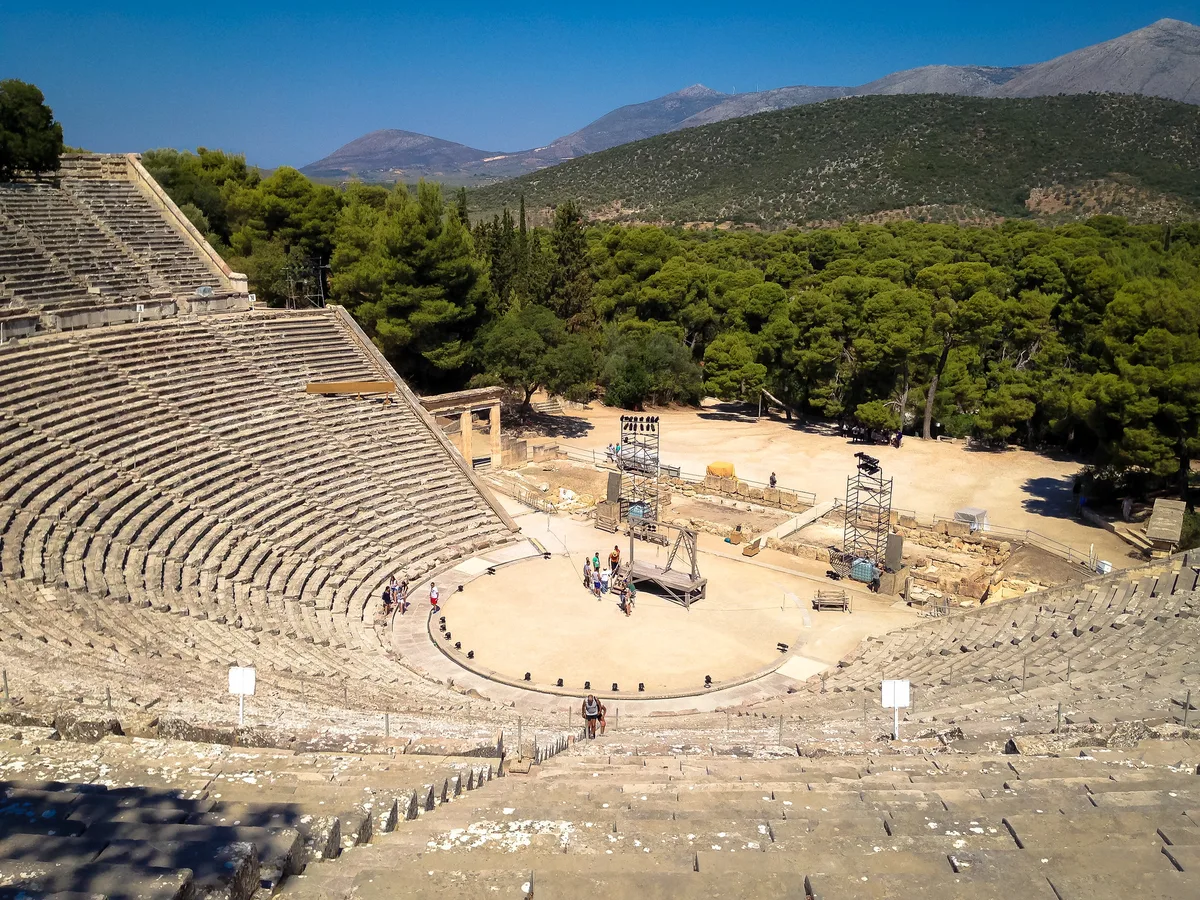
Keep the test quiet and brief. Rules on singing, loud voices and tripods are set by site staff, and a single viral clip showed a guard objecting to singing. Ask at the gate before you perform anything. A normal speaking voice or a light paper rustle is usually the safest demonstration.
- Orchestra: stand near the center and speak at normal volume, then listen to what your partner reports.
- Middle rows: note how clear speech is before you climb higher.
- Top rows: sit still and listen for the stage sound against crowd noise.
- Mistakes to avoid: shouting or singing against staff instructions, blocking other visitors, and wearing smooth soles on worn stone steps.
Visiting Notes: Time, Tickets and Getting There
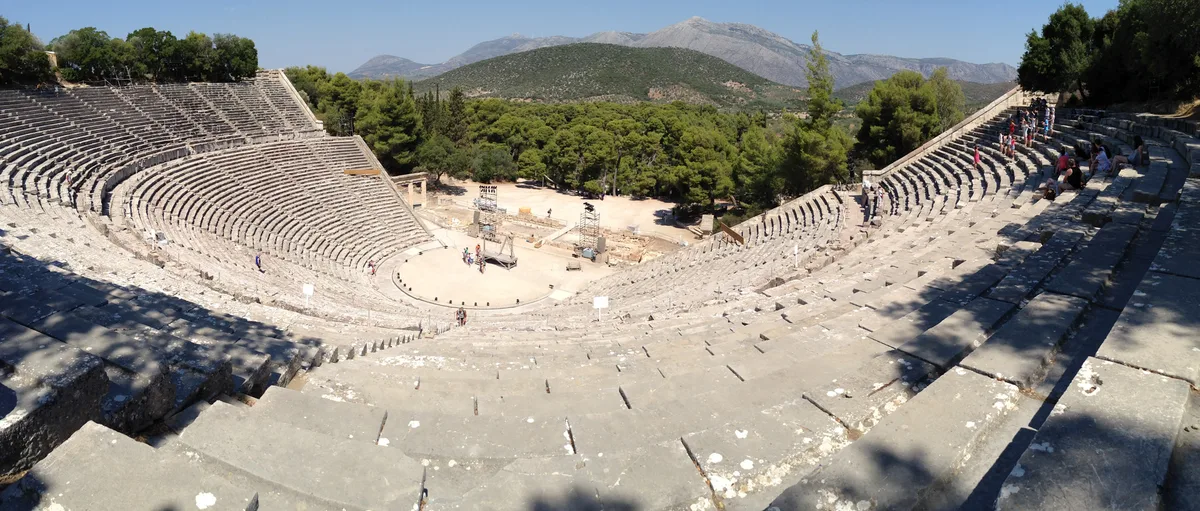
Epidaurus is in the Argolis region of the Peloponnese. It is commonly cited as about 17 miles from Nafplio and about 80 miles from Athens, so check a current map before you set a driving time. For a full visit plan, read our guide to the Epidaurus Ancient Theatre: Visitor Guide & Day Trip Tips.
Summer is festival season here, running June to August since 1955.
Buy tickets through the Hellenic Ministry of Culture e-tickets portal, which lists current prices and hours. Allow time for the acoustic test on top of the wider sanctuary; as a rough estimate, 30 minutes at the theatre is enough for the sound check alone. If you plan a Mycenae day nearby, see Mycenae.
Festival Performances vs. a Daytime Visit
The Epidaurus Festival is said to run in summer, June to August, since 1955. Check the programme and booking on the Athens Epidaurus Festival site before planning around any date.
A festival evening gives you the acoustics as designed, with performers and a full audience. A daytime visit gives you freedom to walk the rows and run your own test. Choose the evening for the performance and the daytime for the experiment.
| Factor | Daytime visit | Festival performance |
|---|---|---|
| Sound experience | Your own test, quiet or lightly crowded | Live performers and a full audience |
| Booking | Ticket via the e-tickets portal | Advance booking; see the festival site |
| Time of day | Opening hours; see the official site | Evening performance |
| Transport back | Flexible | Plan it ahead; check options |
Frequently Asked Questions
Why is the theatre at Epidaurus famous for its design?
It is known for acoustics that carry speech from the stage to the top rows. The 2007 study found that its limestone seats filter low-frequency sound while higher frequencies carry.
Where is the Epidaurus theatre?
It sits in the Argolis region of the Peloponnese, part of the ancient sanctuary of Asklepios. It is commonly cited as about 17 miles from Nafplio and about 80 miles from Athens.
Related guides



Continue reading
Guides on the same trip

