
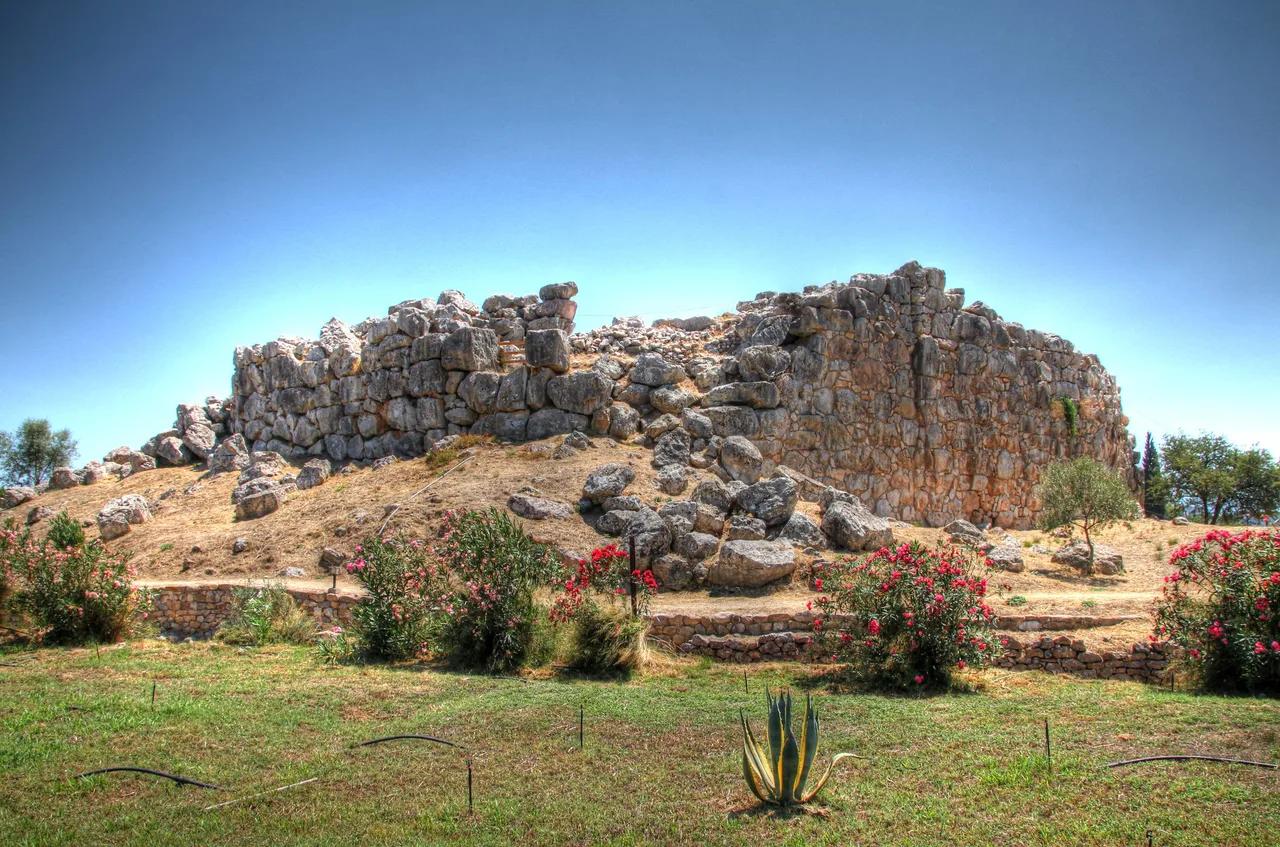
Tiryns Guide: Cyclopean Walls, Tickets and Visiting With Mycenae
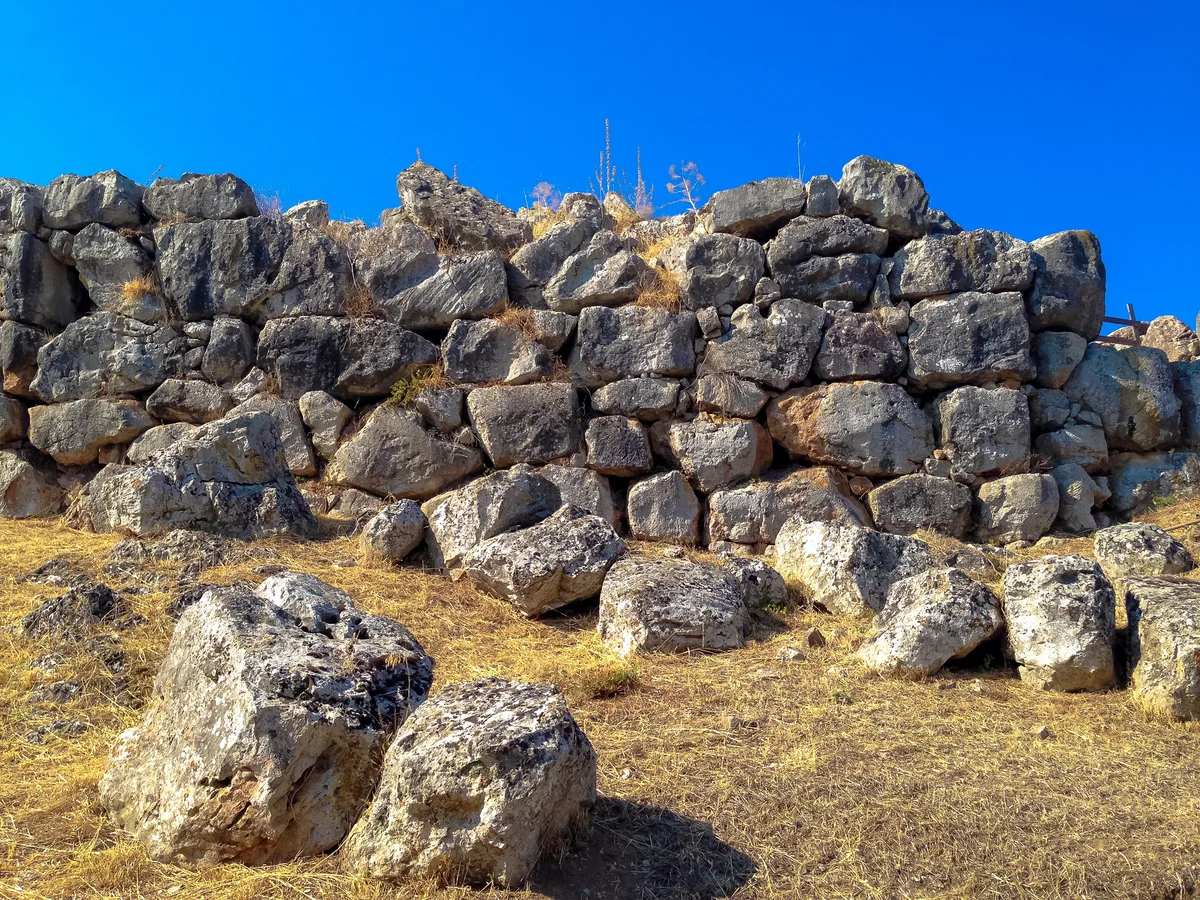
Last updated November 2026. Tiryns is a Mycenaean citadel on a low rock in the Argolid plain near Nafplio, famed for its Cyclopean walls. It shares a UNESCO listing with Mycenae and makes a short, quiet stop beside it. For background on the culture behind it, read our guide to Mycenaean Civilization: History, Key Sites and Visits.
Featured image: Klearchos Kapoutsis, CC BY 2.0, via Flickr.
What Tiryns Is and Whether It's Worth Visiting
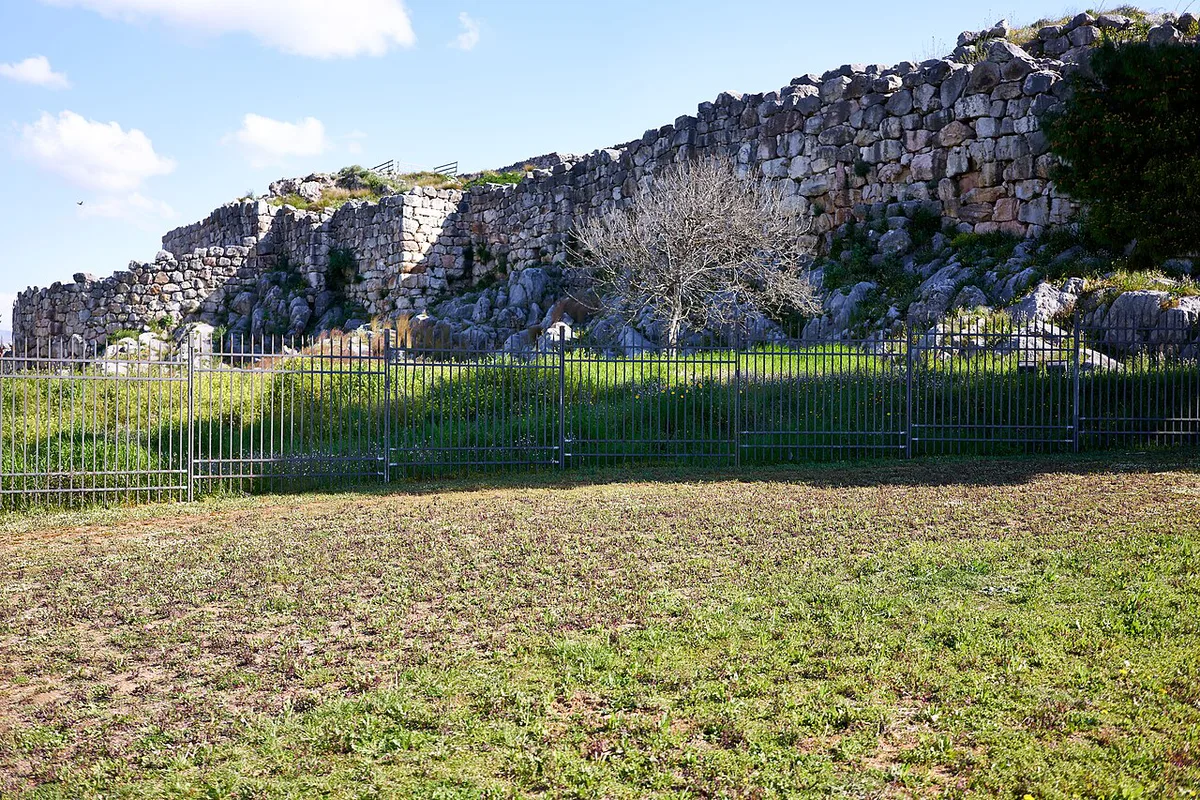
Tiryns was one of the important centres of Mycenaean Greece. Its strongest period falls mainly in the 14th and 13th centuries BC. UNESCO lists it with Mycenae as the two greatest cities of a civilization that dominated the eastern Mediterranean from the 15th to the 12th century BC. Tiryns is Mycenaean, and it sits in the Argolid plain close to the sea rather than on a mountain. Visit if you like fortification and palace architecture, if you are already based in Nafplio, or if you want a Mycenaean site with fewer people. Skip it if you have only one hour in the area. In that case, spend the time at Mycenae.
What You'll See: Cyclopean Walls, Galleries and the Megaron
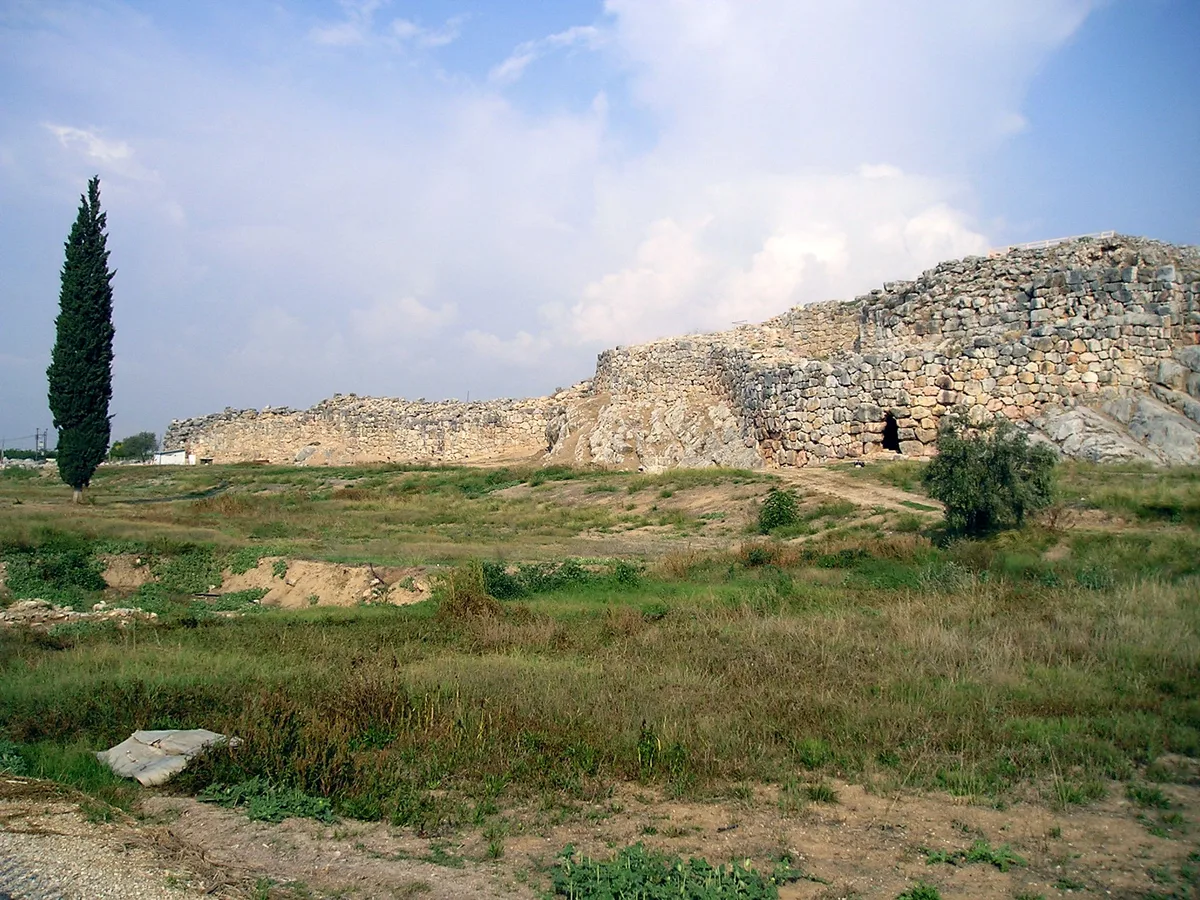
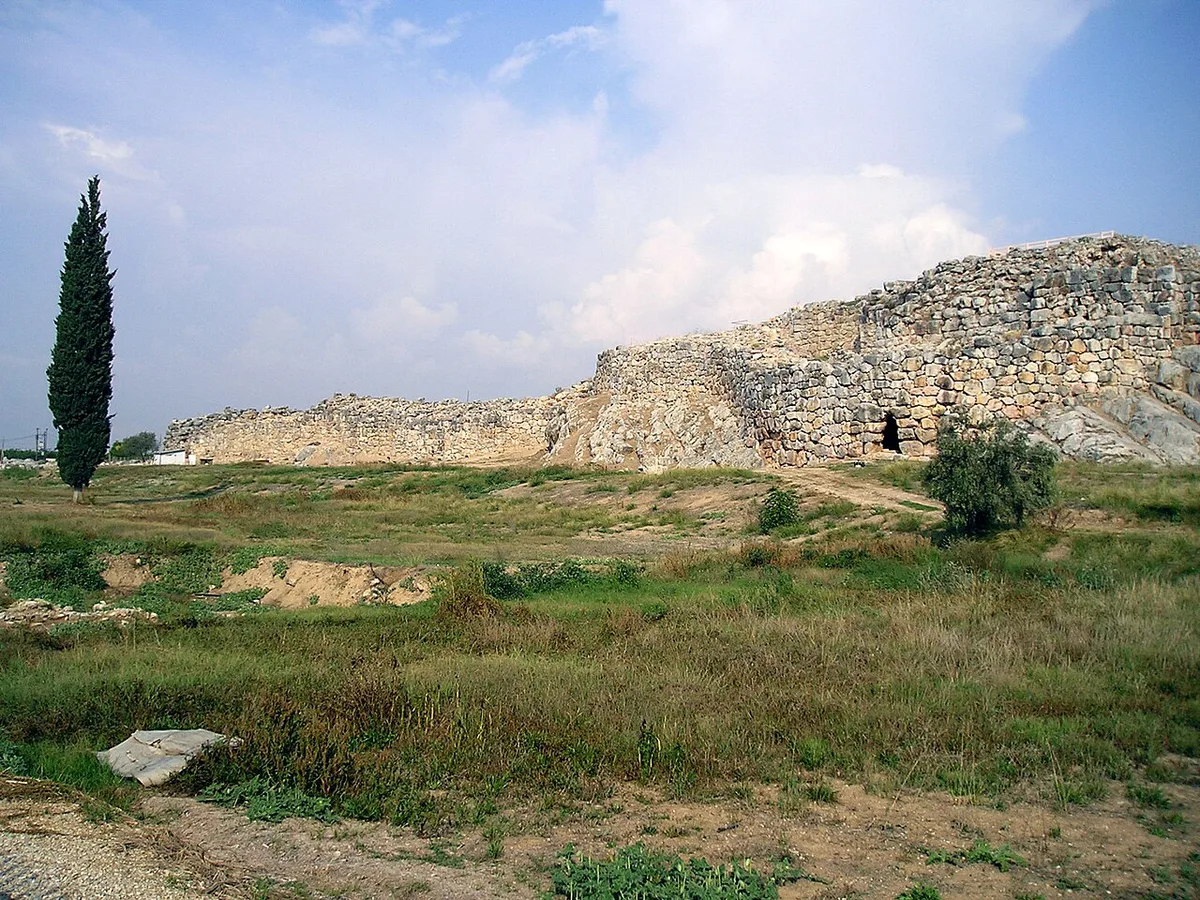
Tiryns rewards a slow walk in a set order. Start with the approach and look at the wall masonry from outside. Then follow the controlled entrance route, which uses ramps, gates and defensive turns to manage who comes in. Inside the thickness of the walls, look for the gallery passages. They show that the fortification was a working structure, not only a boundary. Climb to the upper citadel to read the palace plan. Its central room, the megaron, had a hearth and columns in a formal layout. Only low remains survive, but the plan is still readable. The lower citadel comes last. Ground is uneven and exposed, with little shade, so wear sturdy shoes. Check which areas are currently open before you go.
- Approach and outer walls
- Entrance ramp and gates
- Gallery passages in the wall
- Upper citadel and megaron remains
- Lower citadel
Tiryns vs Mycenae: Which to Prioritize
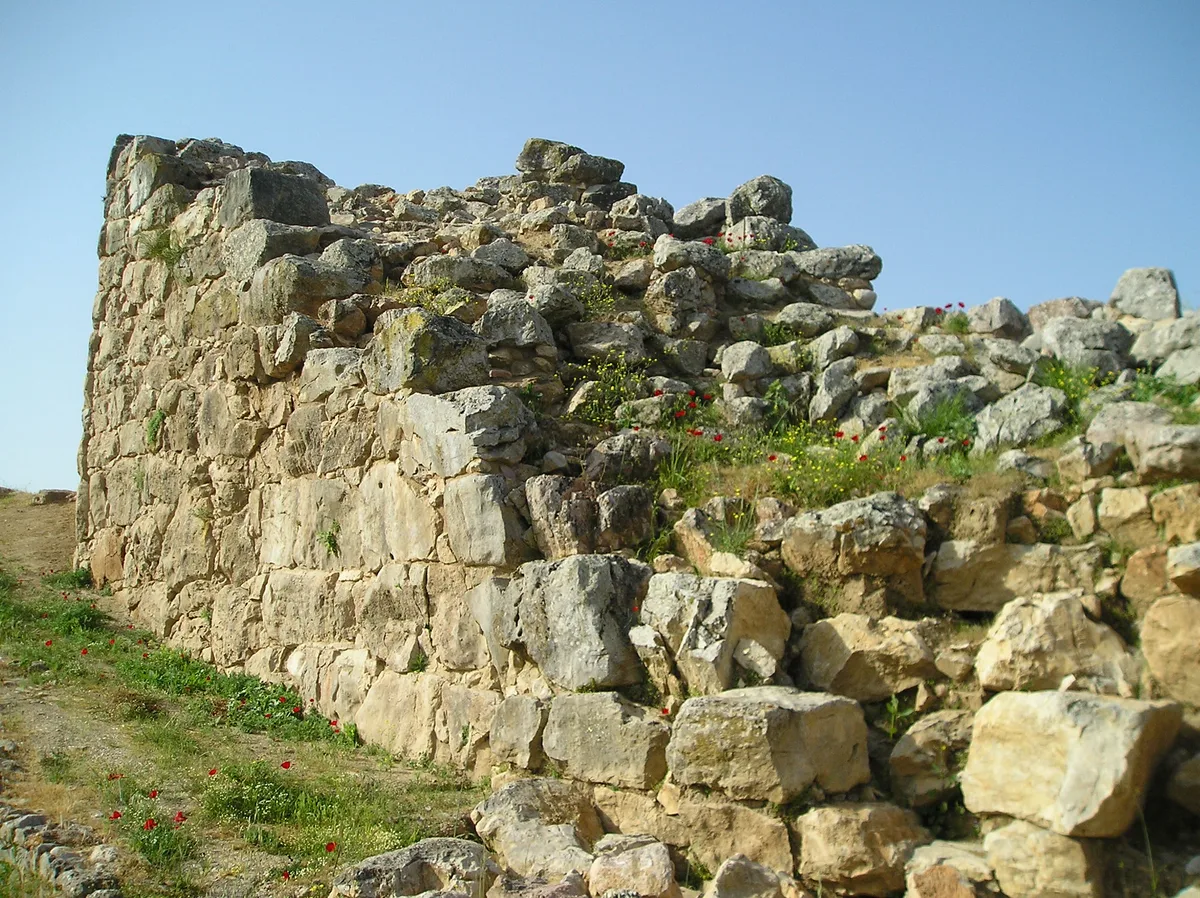
Both sites share one UNESCO listing, but they give different experiences. Mycenae is the headline stop, and Tiryns works as a quieter add-on. If time allows only one, choose Mycenae first.
| Tiryns | Mycenae | |
|---|---|---|
| Main sights | Cyclopean walls, wall galleries, megaron remains | Lion Gate, grave circle, Treasury of Atreus: Visit Guide to Agamemnon's Tomb |
| Crowds | Often quieter | Better known, so busier |
| Best for | Fortress architecture and palace layout | First-time Mycenaean overview |
| Finds on display | Check the Ministry of Culture | Mycenae museum |
Tickets, Opening Hours and Time Needed
Prices, opening days and seasonal hours change, so read the official Ministry of Culture site page for Tiryns. Tickets are sold through the Hellenic e-ticket service, and our Mycenae ticket guide helps with related options.
How to Get to Tiryns
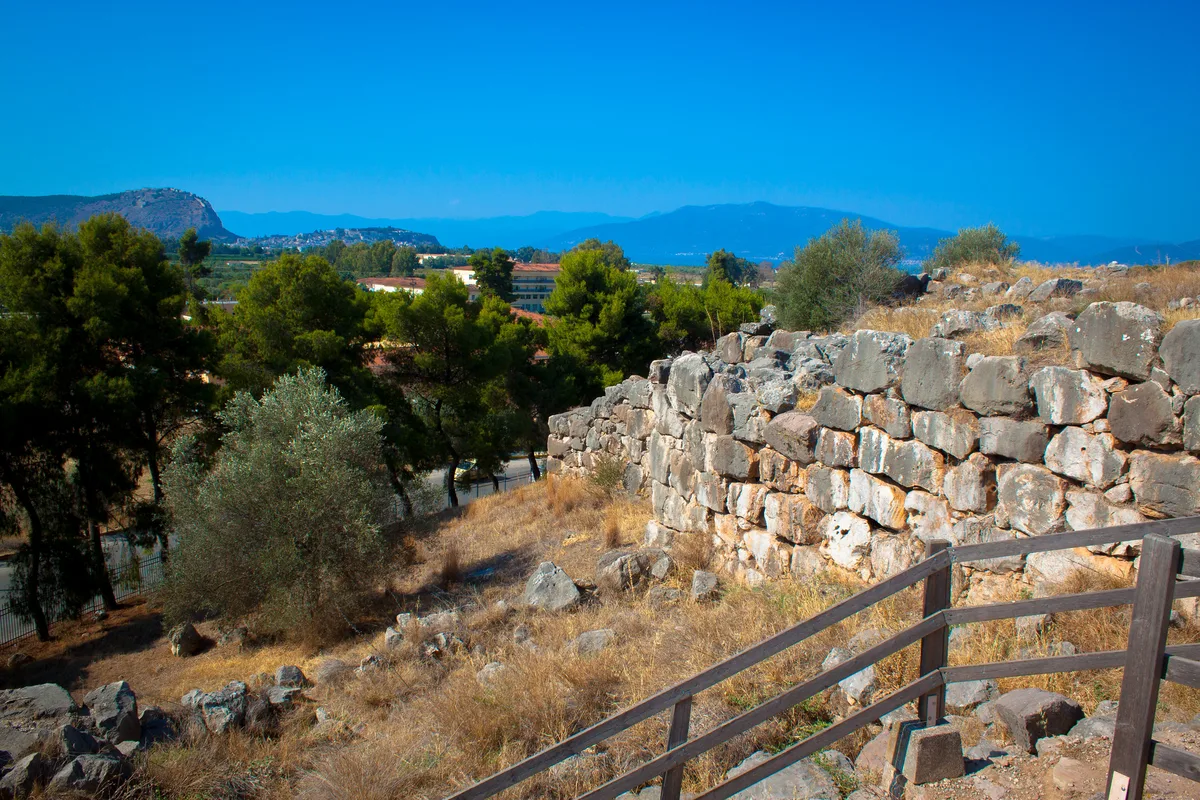
Tiryns lies close to Nafplio. Check driving, taxi and bus options with KTEL Argolidas before you set out. For the Athens leg, see our guide to getting from Athens to Mycenae.
Combining Tiryns With Mycenae and the Argolid
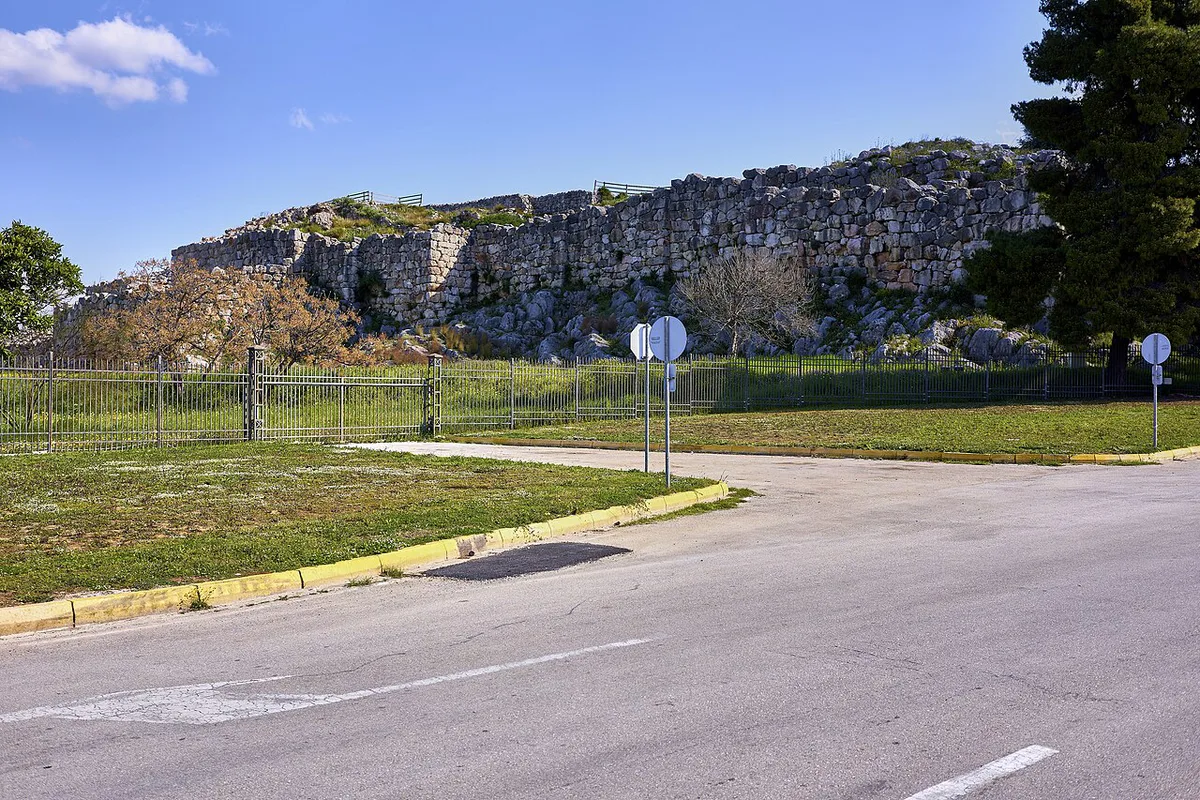
Pair Tiryns with Mycenae for a compact Mycenaean day, and use Nafplio as your base. Tiryns first gives you the walls and palace plan. Mycenae then adds the tombs and finds, including the Mask of Agamemnon: Where to See It & Who It Really Was. With more days, the region also offers the Epidaurus theatre, Nemea, Ancient Corinth: What to See, Time Needed and How to Visit and the Argos Ancient Theatre, Greece: Visit Guide and Day-Trip Tips.
Best Time to Visit and Mistakes to Avoid
The site is open and exposed, and midday light can be harsh. Go in the morning or late afternoon, and bring water, sun protection and comfortable shoes. Greek tradition credited the Cyclopes with the walls, and Heracles is tied to the area. Treat both as legend, not documented history.
- Expecting Mycenae-scale sights.
- Arriving at midday in summer.
- Skipping the wall galleries.
- Assuming the site is staffed outside posted hours.
Tiryns and the Homeric World
Tiryns is often discussed beside the Homeric epics, but the connection needs care. The citadel belongs to the Mycenaean world, whose strongest period here was the 14th and 13th centuries BC. That is long before the poems became the traditions through which many visitors first encounter Bronze Age Greece.
UNESCO groups Tiryns with Mycenae because both illuminate a civilization that dominated much of the eastern Mediterranean from the 15th to the 12th century BC. The walls and palace plan are archaeological evidence. Homeric associations are cultural tradition, rather than proof that named epic characters lived here.
This distinction makes the site easier to read. Look first at the defensive routes, galleries and megaron remains. Then treat stories of heroic Greece as a later lens on a much older place.
Related guides



Continue reading
Guides on the same trip

