

5 Best Standing Stones in Scotland: Sites, Maps and Visit Tips
Last updated November 2026: the best standing stones Scotland has to offer sit in five regions, and your pick depends on how far you will travel. Callanish on Lewis is the flagship, but it needs a ferry or flight. Clava Cairns near Inverness and Kilmartin Glen in Argyll suit day trips, while Machrie Moor on Arran and the Orkney circles sit in between.
Featured image: Michel Curi, CC BY 2.0, via Flickr.
5 Best Standing Stones in Scotland by Region
Access notes below were checked November 2026. Ferry, bus and visitor centre arrangements change, so confirm them with the operators before you book. Each entry says what the site is, why it earns a place, and who should skip it.
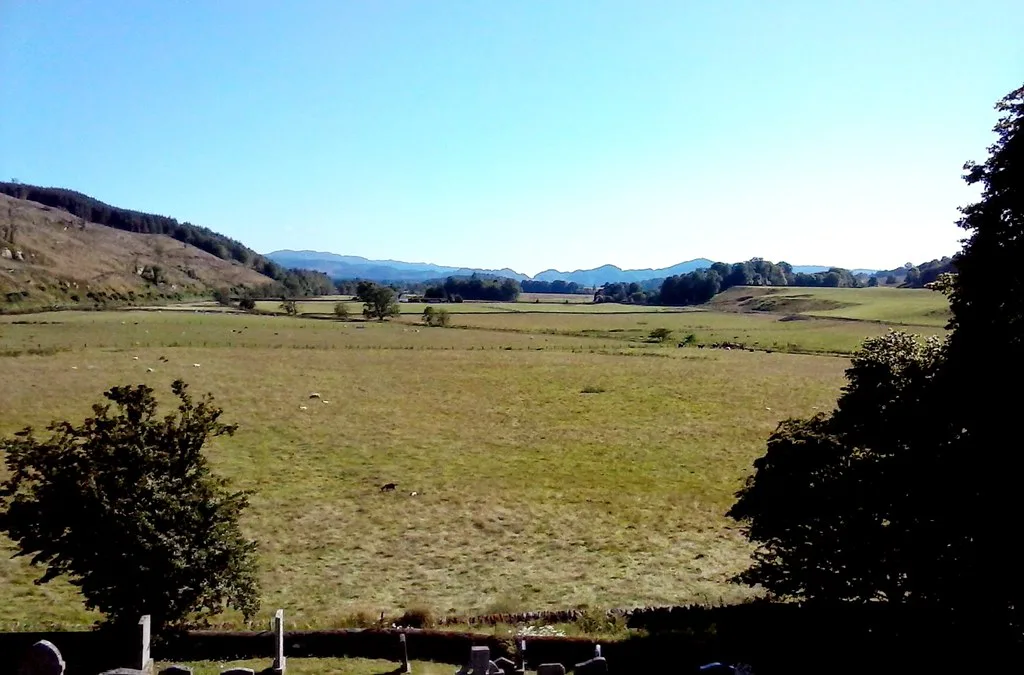
1. Callanish (Calanais), Isle of Lewis
Callanish is a cross-shaped complex of Lewisian gneiss stones above Loch Roag, and it is the flagship stop for anyone willing to cross to the Outer Hebrides. A central monolith stands 4.8 m (about 16 ft) tall, with avenues of stones radiating outward and a burial cairn inside the ring. Quoted dates run from about 3000 BCE to roughly 2900–2600 BC, so roughly 5,000 years old is a safe description.
Reach Lewis on the Ullapool to Stornoway ferry, which takes just over two hours, or fly from Inverness. Plan at least one overnight on the island. Dawn and late evening are the quietest times, and the stones are an open-air site you can walk around freely. Skip it if you only have one day on the mainland. Our Callanish visitor guide covers the details.
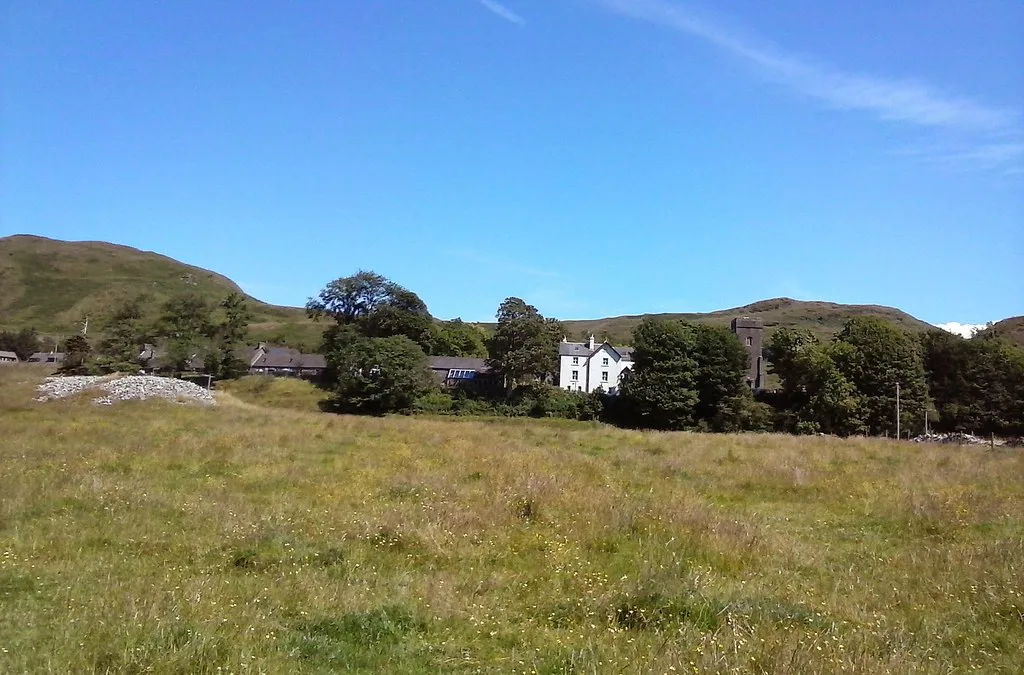
2. Stones of Stenness and Ring of Brodgar, Orkney
Stenness and Brodgar are two separate stone settings in Orkney, and together they make the strongest case for a trip north of the mainland. Ring of Brodgar is a wide circle of upright stones, while Stenness has tall, thin slabs that look dramatic against the sky. Both belong to a broadly similar prehistoric era to Callanish, which makes them a natural second stop on a long stones itinerary.
Historic Environment Scotland's visitor pages are the place to check access and any nearby ticketed sites. Stay on marked paths and respect any signage about fragile ground. Skip Orkney if your trip is limited to the central belt and the southwest. The journey north is long for a single circle.
3. Machrie Moor Stone Circles, Isle of Arran
Machrie Moor is a moorland where several prehistoric circles stand within walking distance of one another, so you see a cluster rather than a single ring. Each circle looks different. Some have tall, slender stones, while others are low and weathered. Arran suits readers who want island scenery without the Outer Hebrides commitment. Visit Arran lists travel and accommodation options.
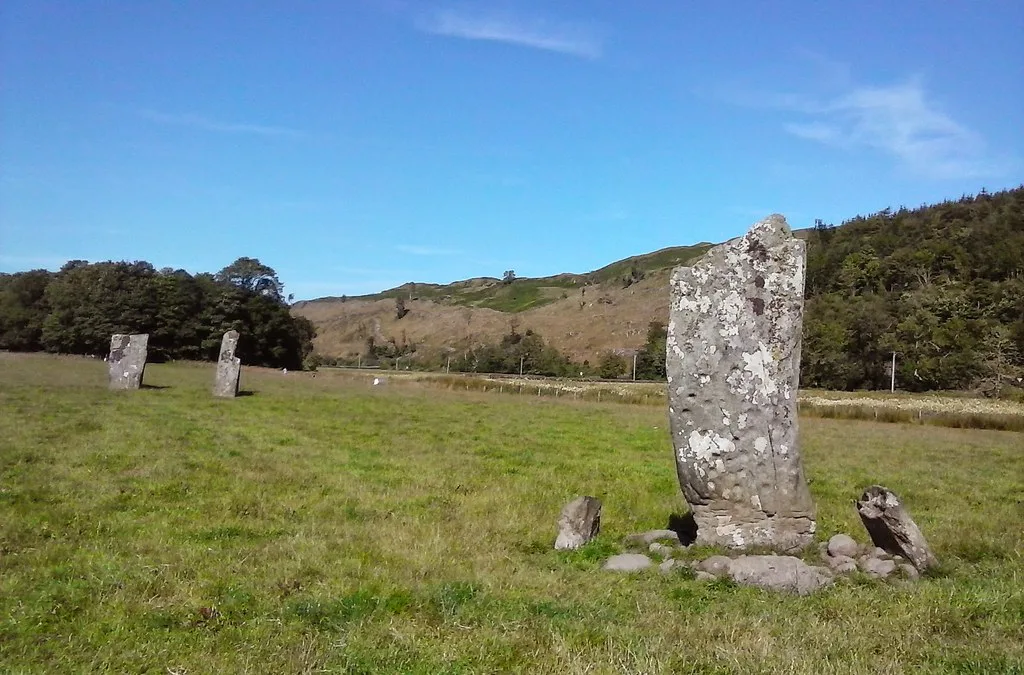
Bring waterproofs and sturdy boots, because the approach crosses open moor and weather changes quickly. Skip Machrie Moor if you want a staffed visitor centre or a short roadside stop. Read more in our Machrie Moor circles guide.
4. Kilmartin Glen, Argyll
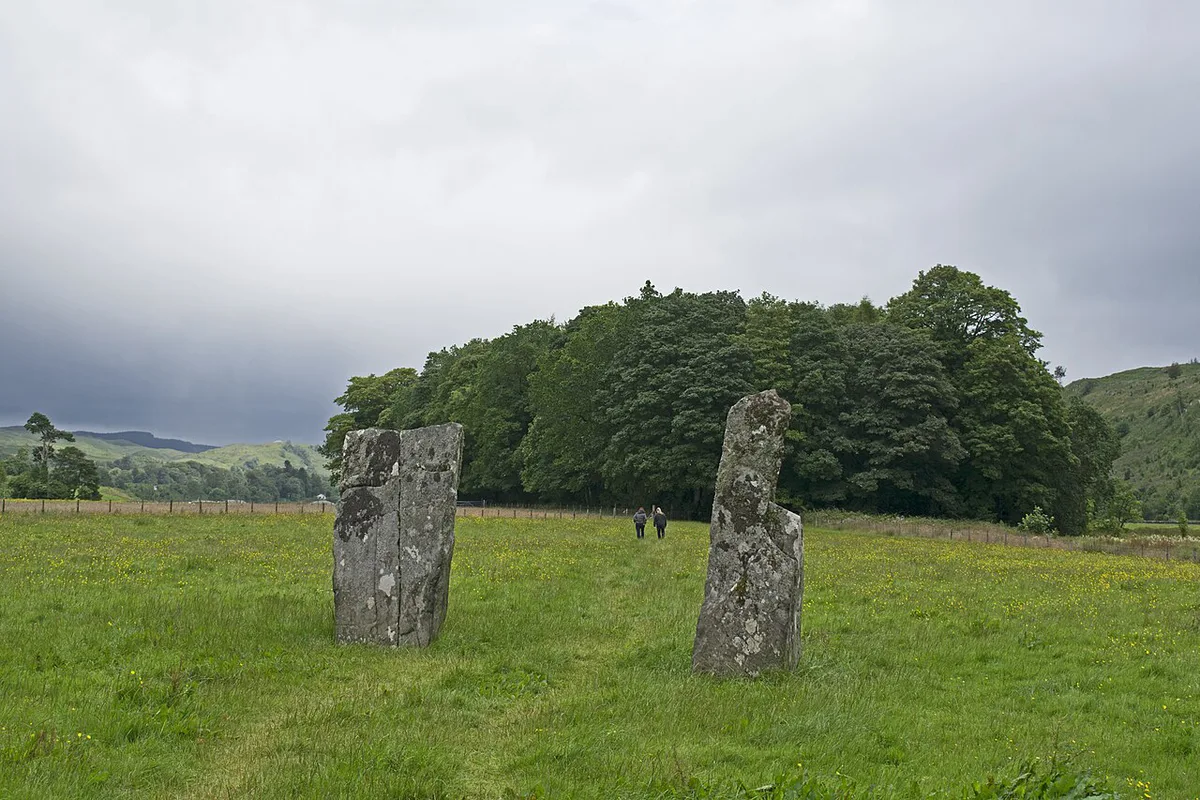
Kilmartin Glen is a valley in Argyll where standing stones, burial cairns and other prehistoric monuments sit close together. Its strength is variety. You can move between several monuments in one outing instead of committing to a single circle. Kilmartin Museum provides context for the finds and landscape, and it is a useful starting point before you walk the glen.
This is a good fit for road-trippers and history readers who prefer depth over a single famous photograph. Skip it if you want a dramatic skyline circle in the Callanish style. Kilmartin rewards slow wandering instead. Our Kilmartin prehistoric landscape guide suggests how to sequence the stops.
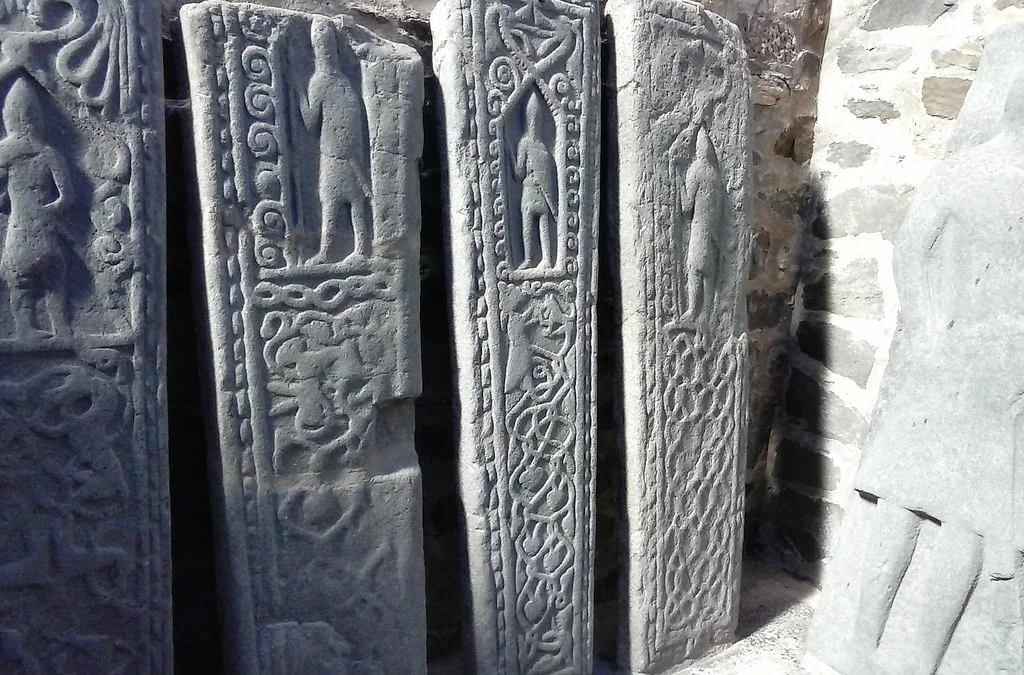
5. Clava Cairns, near Inverness
Clava Cairns is a Bronze Age burial site where ring cairns are surrounded by standing stones, a few minutes' planning from Inverness. It is the easiest of the five for a day trip, which makes it the best option for first-timers with limited time. Read about the Clava burial cairns for site layout and what to look for among the stones.
Readers based in the city can compare driving and tours in our guide to a day trip from Inverness. Wet weather turns the ground soft, so wear shoes you do not mind getting muddy. Skip Clava if you want open skyline views. Its atmosphere is enclosed and quiet instead.
Which Scottish Stone Circle Fits Your Trip
Lewis needs a ferry of just over two hours from Ullapool or a flight from Inverness. Argyll, Arran and Inverness work with less planning. Use the table to match each site to your time and base.
Standing 4.8 m (about 16 ft) tall, the Callanish monolith makes the Ullapool ferry, just over two hours, worth the crossing.
| Site | Region | Nearest base | How to reach it | Typical visit | Best fit |
|---|---|---|---|---|---|
| Callanish | Outer Hebrides | Stornoway | Ferry from Ullapool or flight from Inverness, then drive or bus | Half day plus overnight | Flagship trip, photographers |
| Stenness and Brodgar | Orkney | Orkney's main towns | Ferry or flight north | Half day | Long-trip road-trippers |
| Machrie Moor | Arran | Arran villages | Ferry to the island, then drive or bus | Half day | Walkers, island visitors |
| Kilmartin Glen | Argyll | Kilmartin village | Drive | Half day to full day | History readers, road-trippers |
| Clava Cairns | Highlands | Inverness | Drive or tour | Short visit | First-timers, Outlander fans |
Standing Stones and Outlander
Craigh na Dun is the fictional stone circle at the centre of the Outlander story, and no single Scottish circle is the set. Fans often visit real circles such as Clava Cairns to get the atmosphere. Our guide to the Craigh na Dun connection explains which sites readers usually pair with the series and what is rumour.
What the Stones Were For: Astronomy, Burial and Ceremony
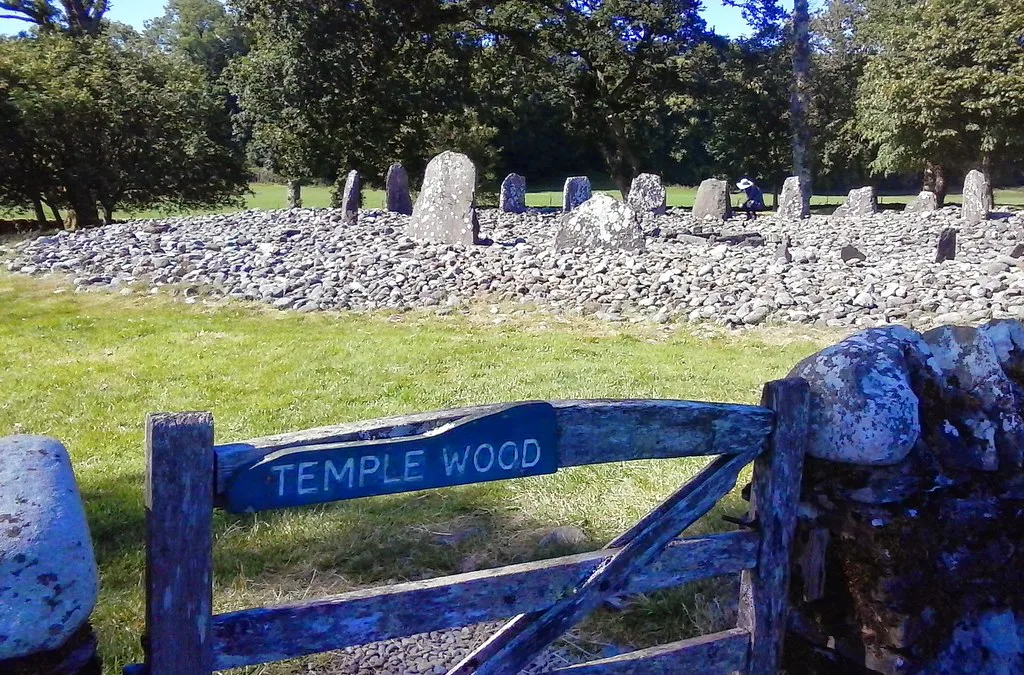
No written record survives, so every explanation is an interpretation. A leading theory for Callanish is lunar: every 18.6 years the moon is said to skim low along the southern horizon at a standstill. Burial cairns inside Callanish and at Clava point to a ceremonial role as well. Most researchers allow for several purposes at once. Stand at Callanish at dusk and the Lewisian gneiss, some of the oldest rock on Earth, makes the case better than any sign.
How to Plan Routes, Seasons and Weather
Group sites by region instead of crossing the country twice. Pair Inverness with Clava Cairns, Argyll with Kilmartin Glen, and Lewis with an overnight stay. July and August are estimated to be the busiest months, while January, February and December are the quietest. Early morning before 7am and late evening after 9pm are quieter still. Pack waterproofs year-round, since Hebridean weather changes quickly. Visit Outer Hebrides lists ferry and travel information for Lewis. Stay on paths, avoid climbing on stones where signs ask, and close gates around livestock.
July and August are the busiest months, so arriving before 7am gives you a quieter visit.
Mistakes to Avoid at Scottish Stone Circles
Most problems come from underestimating distance and weather.
- Underestimating island travel
- The Lewis ferry alone takes just over two hours, and sailings need booking in summer.
- Relying on a visitor centre
- Callanish's visitor centre status has changed, so plan to enjoy the stones themselves.
- Assuming parking exists
- Some sites have limited roadside parking, so allow extra walking time.
- Skipping waterproofs
- Open moor and hilltop sites offer no shelter in rain.
- Confusing free access with free neighbours
- An open stone circle can sit beside a ticketed attraction, so check each place separately.
Beyond Stone Circles: Related Ancient Sites
A broch is an Iron Age tower, built long after the stones, so avoid mixing the two on a Lewis itinerary. Dun Carloway on Lewis is the nearest broch to Callanish. Scotland's brochs are covered in a wider guide. In Shetland, Jarlshof's layered settlement and Mousa's intact broch are better framed as later sites than stone circles. For carved monuments, see Pictish symbol stones. Defensive earthworks are covered in our guide to Iron Age hillforts. Roman-era remains are covered in our guide to Roman sites across Scotland.
Orkney's Neolithic sites, including Skara Brae, Maeshowe and the Ring of Brodgar, have their own Skara Brae and Orkney guide.
For how Callanish and Scotland's other circles fit into the wider European picture, see our overview of megalithic sites in Europe.
Frequently Asked Questions
What are the standing stones in the UK?
Scotland alone has Callanish on Lewis, Stenness and Brodgar in Orkney, Machrie Moor on Arran, Kilmartin Glen in Argyll and Clava Cairns near Inverness. Each sits in a different region with its own travel needs.
Are the Callanish stones older than the pyramids?
Callanish is roughly 5,000 years old, with quoted dates from about 3000 BCE to 2900–2600 BC. Treat any claim of strict seniority over a particular monument with caution, because dating ranges overlap.
Explore More Guides
Keep planning your trip with these guides.
Guides
- Callanish Stones: How to Visit, History and Tips
- Clava Cairns Guide
- Clava Cairns from Inverness: How to Get There and What to Expect
- Kilmartin Glen: Prehistoric Sites and Visit Planning Guide
- Jarlshof, Shetland
- Mousa Broch: How to Visit Shetland's Iron Age Tower
- Brochs in Scotland: Best Iron Age Towers to Visit
- Dun Carloway Broch Guide
- Machrie Moor Stone Circles: Arran Visitor Guide
- Pictish Stones: What They Are and Where to See Them
- Roman Sites in Scotland: Where to See Antonine Wall Remains
- Hillforts in Scotland: Where to See Them & What to Expect
- Outlander Standing Stones: Real Scottish Sites to Visit
Related guides



Continue reading
Guides on the same trip

