Last updated November 2026: brochs in Scotland are tall, hollow-walled drystone towers from the Iron Age, and nothing like them stands outside the country. Mousa in Shetland is the tallest and best preserved, at about 13 m (43 ft). This guide ranks the visitable sites by payoff, then shows how to fit them into a mainland, island or short trip.
Featured image: lost penguin, CC BY-SA 2.0, via Flickr.
Brochs in Scotland at a glance: what they are and which to visit
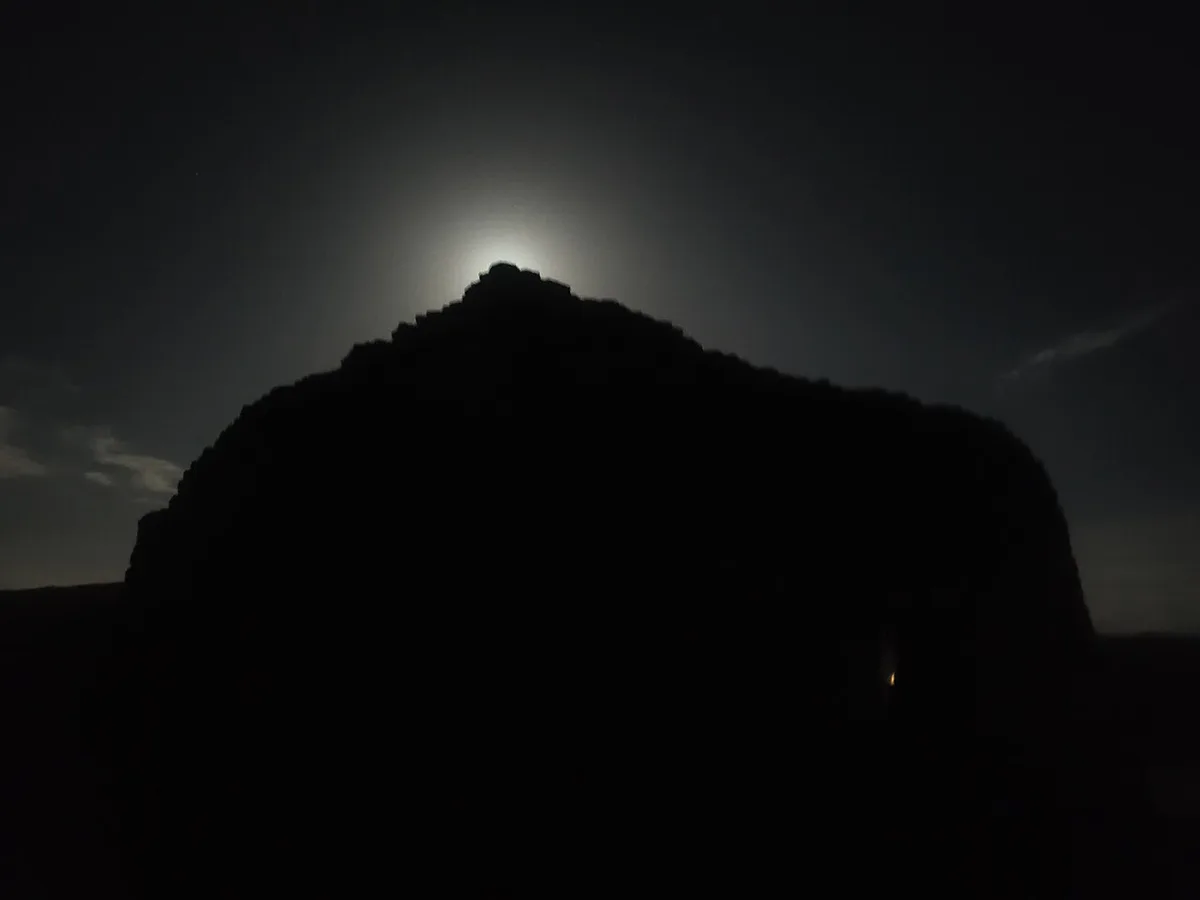
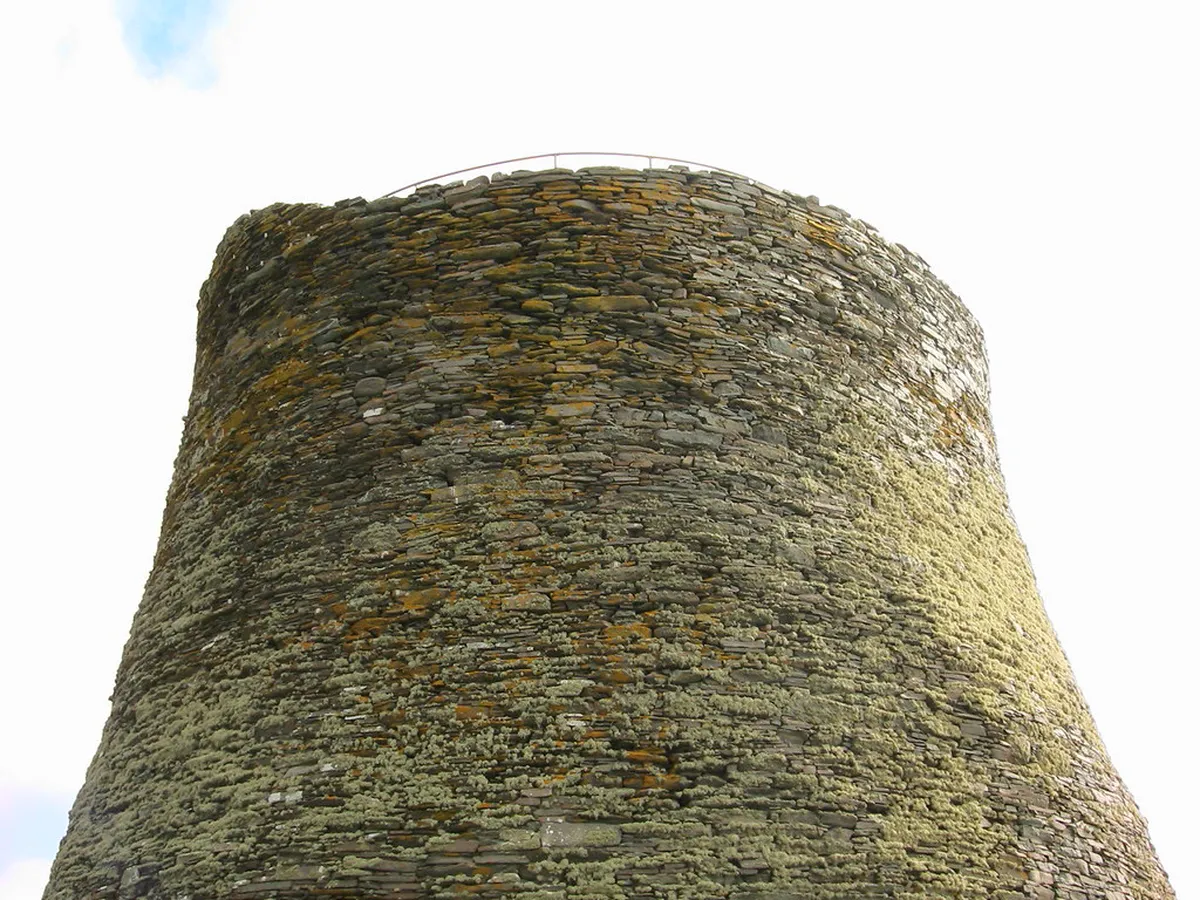
A broch is a tall, dry-stone, hollow-walled roundhouse tower built in the Iron Age. Historic Environment Scotland (HES) and museum interpretation agree on that shape. What brochs were for, and exactly when each one rose, remains debated. Some stood alone, while others anchored clusters of smaller buildings. Sources count hundreds across Scotland, mostly on the islands and in Sutherland and Caithness. Many survive only as low ruins, so the table below sorts the visitable sites by what you actually see.
| Broch | Region | Access type | What you see | Best for |
|---|---|---|---|---|
| Mousa | Shetland | Boat-dependent island | Tallest broch, about 13 m; petrels nest in the stonework | Anyone who wants the most intact tower |
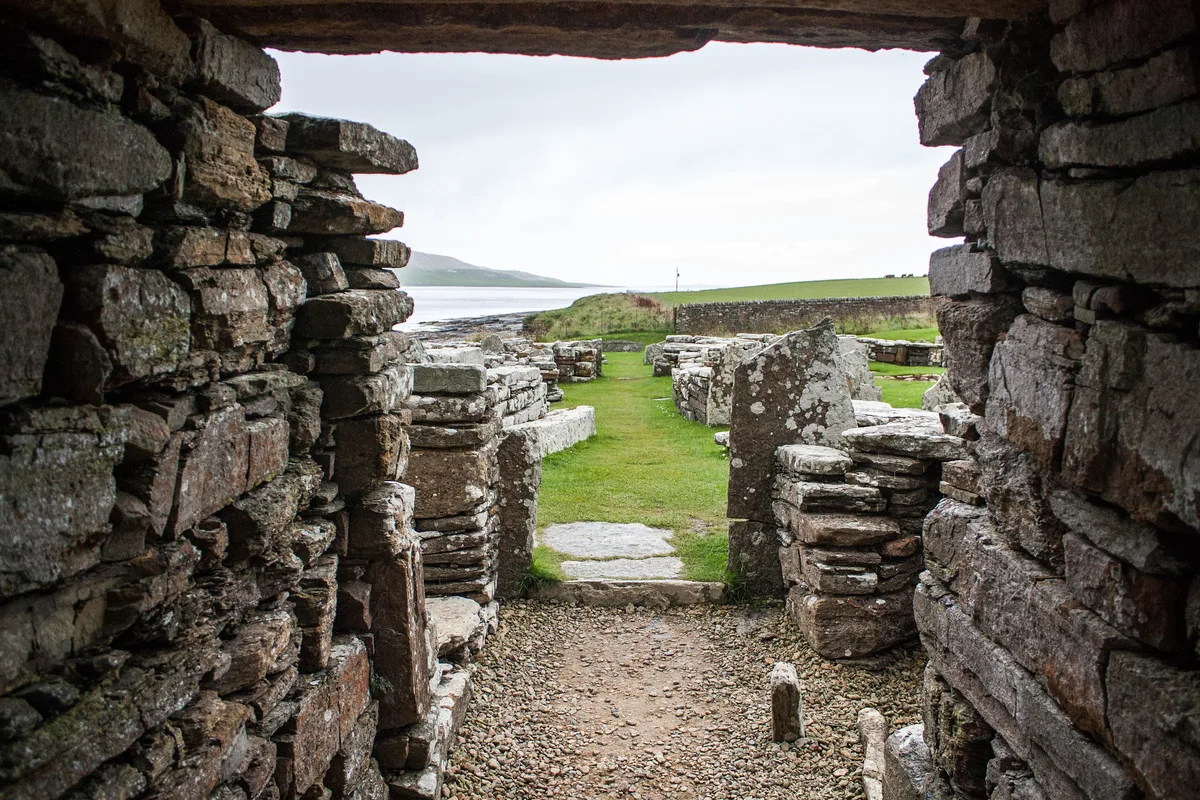
| Gurness | Orkney Mainland | HES site | Best-preserved broch village in Scotland | Settlement layout and village life |
| Midhowe | Rousay, Orkney | HES site on an island | 4.3 m walls, stone partitions, spring-fed water tank, hearth | Interior detail |
| Dun Carloway | Lewis | HES site | About 9 m of wall with galleries | Tall and intact on an island road trip |
| Dun Telve and Dun Troddan | Glenelg, Highlands | HES sites about 500 m apart | Dun Telve stands to about 10 m; Dun Troddan to about 7.5 m | Easy mainland stop, two brochs in one visit |
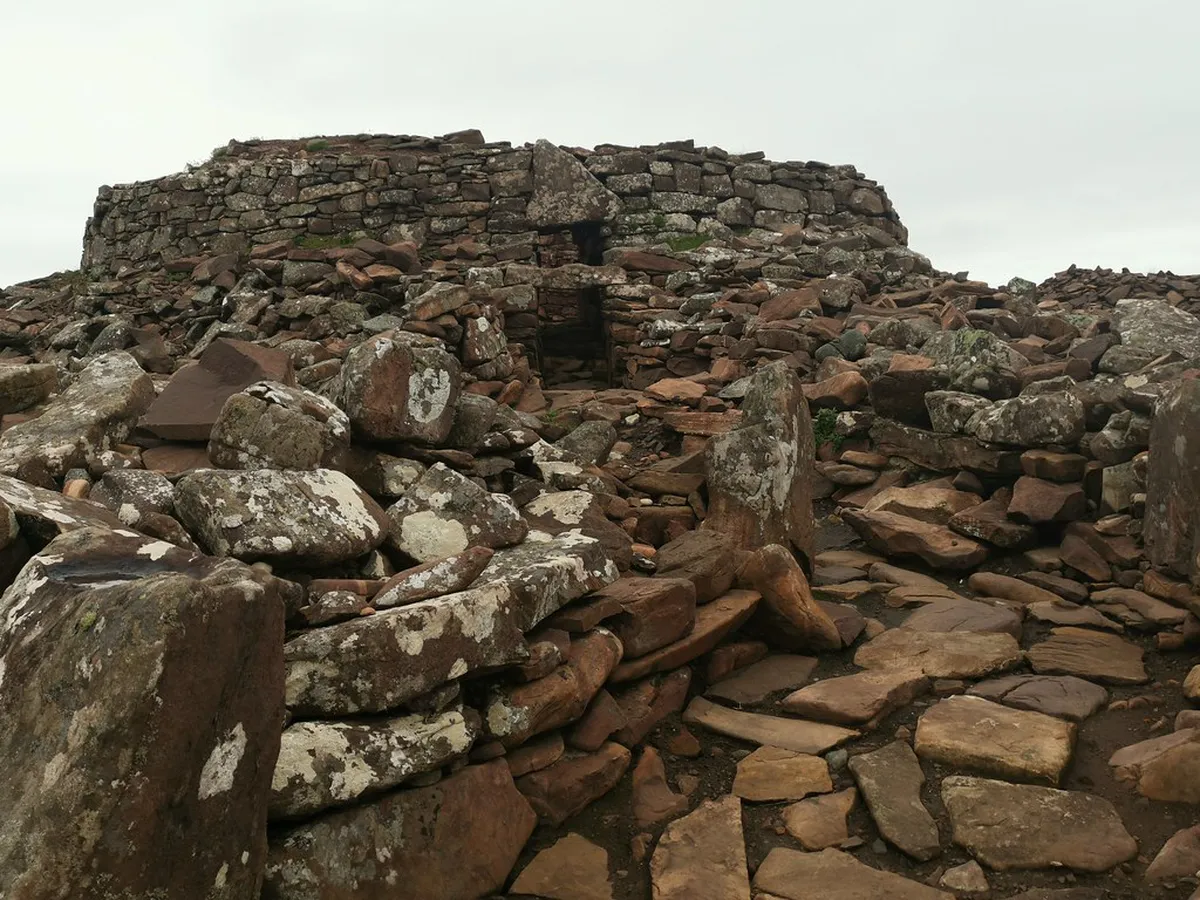
| Dun Dornaigil | Sutherland | Mainland site | About 7 m standing, with a triangular lintel stone | North Coast 500 drivers, photography |
| Dun Beag | Skye | HES site | 20 surviving stair steps | Skye itineraries |
| Jarlshof | Shetland | HES multi-period site | Broch only 2.4 m high, plus later settlement | Layered history rather than a tower |
| Carn Liath | Sutherland | Mainland site | Ruin about 3 m high | Completists |
Best brochs to visit, by region
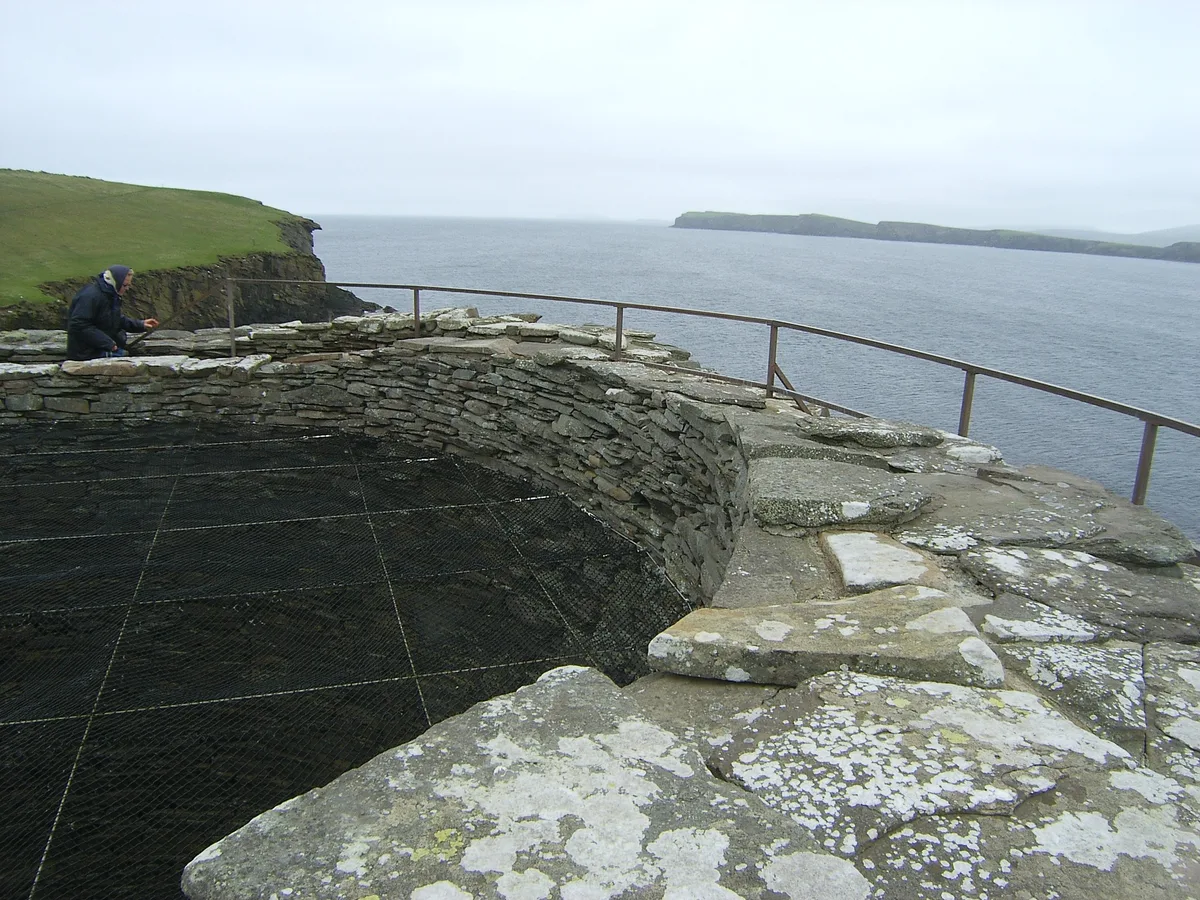
Each region below has a different payoff. Heights and dates come from HES pages, and a few sources disagree by a few decimetres, so treat figures as approximate.
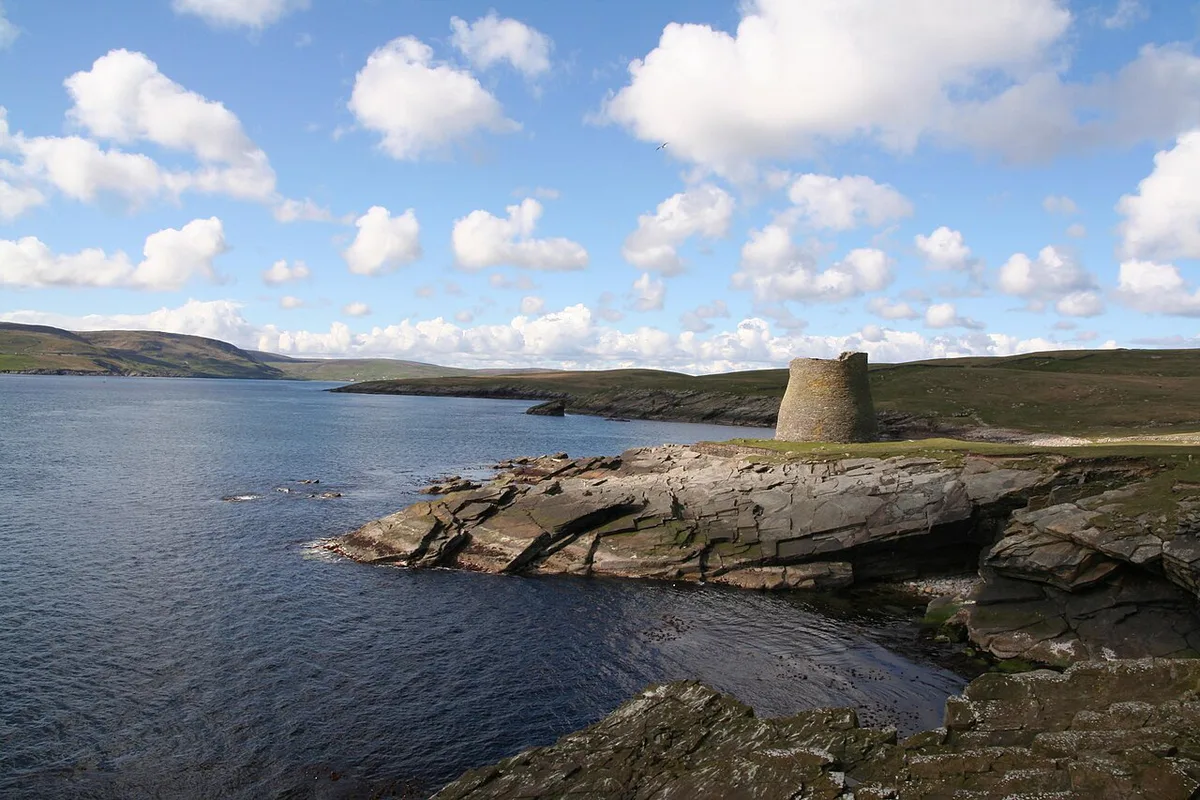
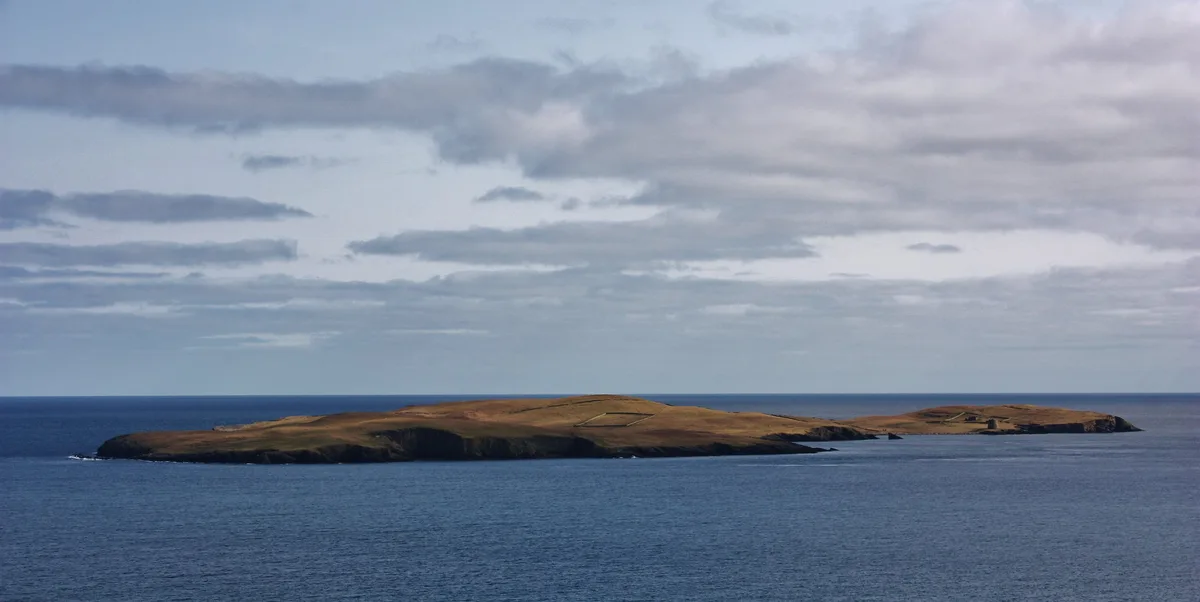
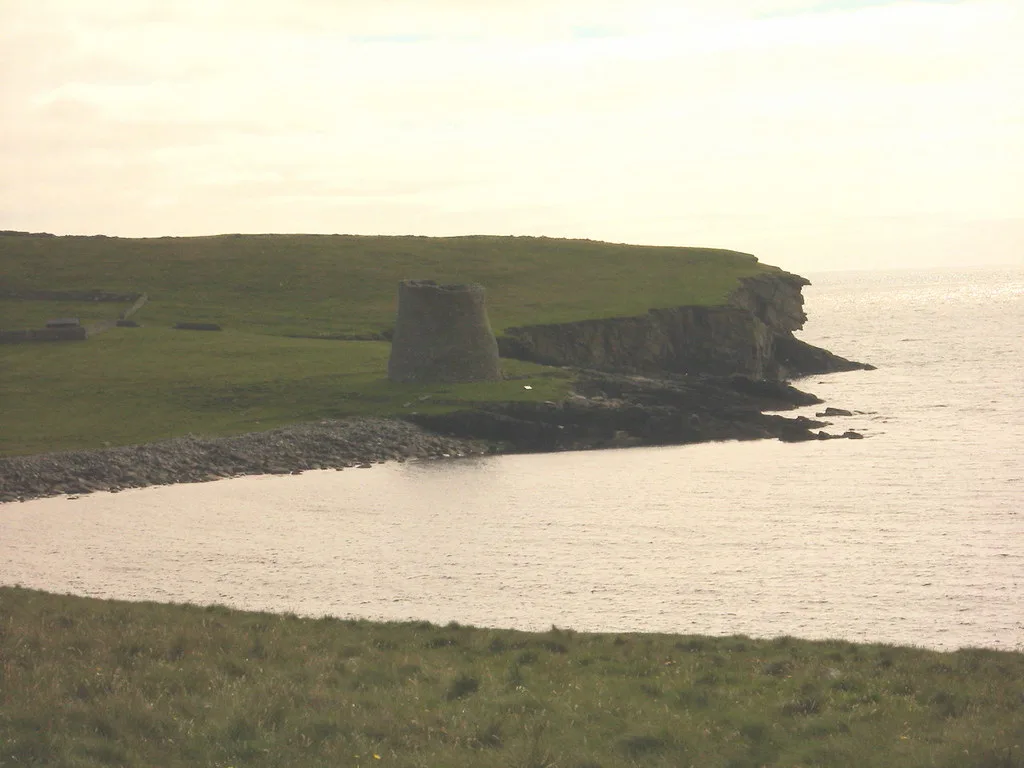
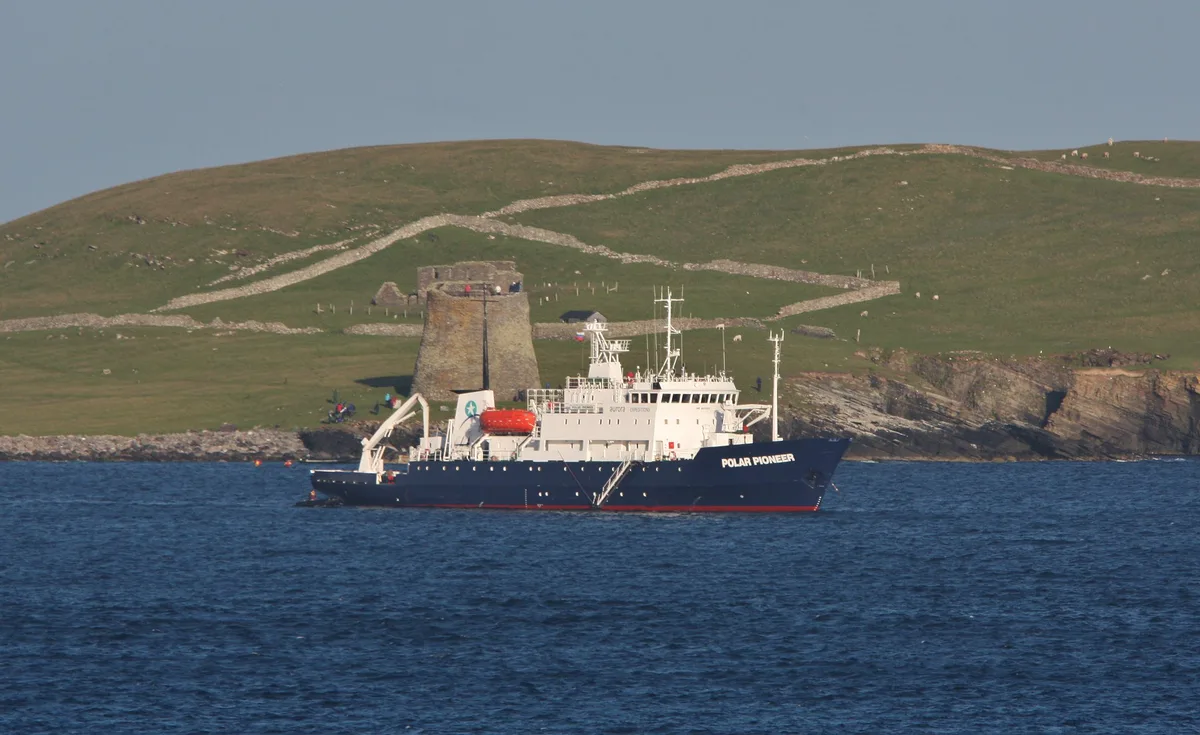
- Shetland, Mousa: stands about 13 m (43 ft) tall, and HES gives a build date of about 300 BC. Its Statement of Significance allows 400 BC to the 1st century AD. Storm petrels nest in gaps in the stonework, and the island is an RSPB reserve. Our Mousa visitor guide covers the trip in detail.
- Shetland, Clickimin: sits near Lerwick, on a promontory where people lived from about 1000 BC until about AD 500. Nobody knows whether it was a stronghold, a status symbol or both.
- Shetland, Jarlshof: its broch stands only 2.4 m (8 ft) high. Settlement here began around 2700 BC and ran to the AD 1600s. Read our guide to the Jarlshof prehistoric and Norse settlement before you go.
- Orkney, Gurness: HES calls Gurness the best-preserved broch village in Scotland. It is one of around ten brochs along Eynhallow Sound. Excavation showed the village began between 500 BC and 200 BC.
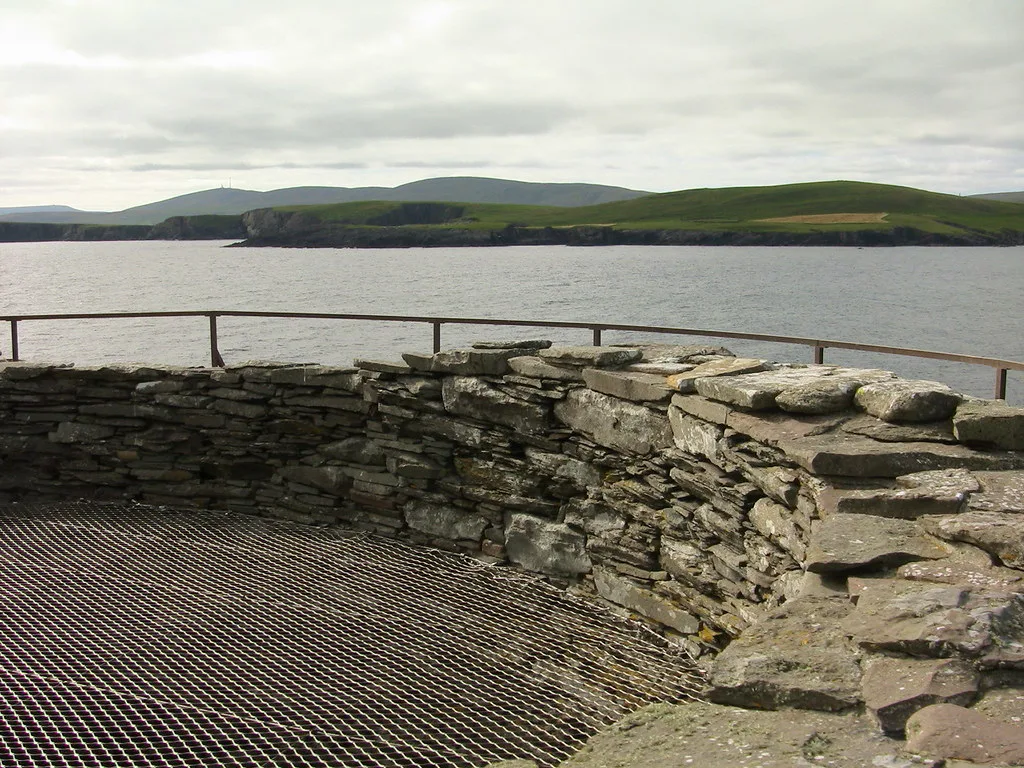
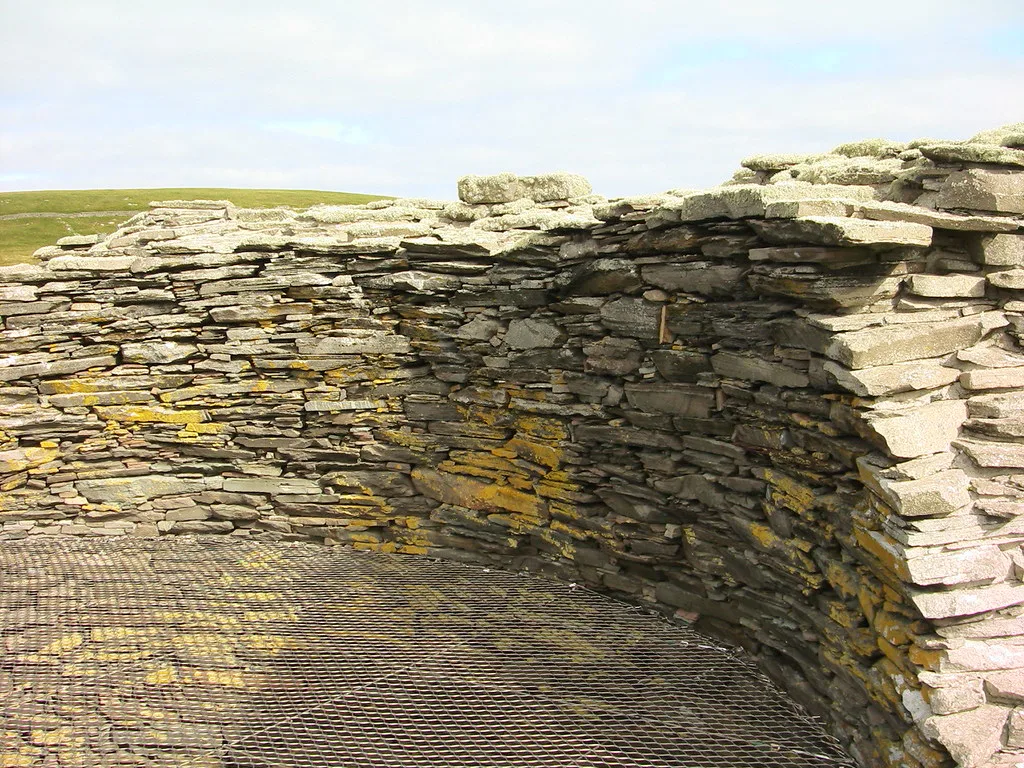
- Orkney, Midhowe on Rousay: stands 4.3 m (14 ft) today but could have been twice that. Inside you can still see stone partitions, a spring-fed water tank and a hearth.
- Lewis, Dun Carloway: reaches about 9 m (30 ft) and was probably built around 200 BC. Excavations suggest use until about AD 1000. Our page on Dun Carloway on Lewis has the visit details.
- Skye, Dun Beag: 20 steps of the stone stair survive. Nobody knows its original height, but about 10 m seems likely by comparison with other brochs.
- Highlands, Dun Telve and Dun Troddan at Glenelg: stand about 500 m (a third of a mile) apart, which is very unusual. Dun Telve is more than 20 m across, and part of it still reaches 10 m (33 ft). Dun Troddan stands to about 7.5 m (25 ft).
- Highlands, Dun Dornaigil in Sutherland: about 7 m (23 ft) of wall survives, with the best triangular lintel stone in Scotland. Its interior has never been excavated.
- Highlands, Carn Liath in Sutherland: stands 3 m (10 ft) today, though it could once have been at least three times that. Set expectations for a ruin.
- Borders, Edin's Hall: one of very few Lowland brochs, at 22 m (72 ft) across. HES says it may be closer to a big Iron Age roundhouse than a true broch.
- Caithness, Caithness Broch Centre: a small museum in the old school at Auckengill near Wick. It focuses on the Nybster broch, excavated in 2011. Check current opening status before you plan around it.
Which broch is right for you?
Start with what you want from the visit, then match it to a site. Height matters most at Mousa (13 m) and Dun Carloway (9 m), and neither is easy to reach in a rush. A whole settlement matters more at Gurness and Jarlshof, where the broch is only one part of the site.
- Tallest and most intact: Mousa first, then Dun Carloway.
- A whole settlement: Gurness for the village, Jarlshof for thousands of years of layers.
- An easy mainland stop: Glenelg's two brochs, or Dun Dornaigil beside the road north.
- An interior to look into: Midhowe's partitions and water tank, or Dun Beag's stair.
- Photography: Dun Dornaigil's lintel and Mousa's silhouette.
- A North Coast 500 road trip: Dun Dornaigil, Carn Liath and the Caithness Broch Centre.
How to plan your time
Islands need extra days, because every crossing is a flight or ferry. Edin's Hall in the Borders sits far from every other site here, so treat it as a separate trip. For wider context, Scotland's standing stones cover the older Bronze Age monuments.
Glenelg's two brochs, Dun Telve and Dun Troddan, stand about 500 m apart, so one stop covers two. Skye's Dun Beag pairs with them on a west-coast itinerary.
- Highlands and North Coast 500: combine Dun Dornaigil, Carn Liath and the Caithness Broch Centre near Wick, driving north to south or the reverse.
- Orkney plus Shetland: pair Gurness and Midhowe on Orkney with Mousa, Clickimin and Jarlshof on Shetland. This is the best sequence for the tallest tower and a full village.
- Skye and Glenelg pairing: visit Dun Beag on Skye and the two Glenelg brochs on the mainland, which are about 500 m apart.
- Lewis: Callanish standing stones sit on the same island as Dun Carloway, so the two fit one trip.
Costs, tickets, access and seasons
Brochs fall into three access types: staffed HES sites, unstaffed ruins you walk up to, and boat-dependent Mousa. Check each HES page, such as the Gurness page, for current times and tickets. Mousa adds a boat fare on top of anything else, so look up operators through Visit Shetland. Petrels use the stonework seasonally, and weather can cancel crossings, so build a spare day into any island plan.
Getting around and where to base
A hire car is usually essential, and many northern and island roads are single-track with sparse services. Pick one base per region and check the official ferry and flight pages before booking. VisitScotland lists current transport and accommodation options.
- Shetland: Lerwick, which is near Clickimin.
- Orkney: Kirkwall, for Gurness and the ferry to Rousay.
- Lewis: Stornoway, for Dun Carloway.
- Skye: Portree, for Dun Beag.
- Glenelg and the west Highlands: Glenelg or Kyle.
- Sutherland: Lairg or Tongue, for Dun Dornaigil and Carn Liath.
- Caithness: Wick, for the Broch Centre at Auckengill.
Mistakes to avoid
Most disappointments come from mismatched expectations rather than bad sites.
- Expecting every broch to be climbable. Most are fenced ruins you view from the base or the entrance.
- Treating every "dun" name as a broch. A dun is a fortified site, and many are not brochs, so see our guide to Scottish hillforts.
- Allowing too little time for island logistics. A single missed crossing can cost a day.
- Relying on one boat or ferry slot, especially for Mousa.
- Visiting only for the tower. Gurness, Midhowe and Jarlshof reward you with context, such as a fragment of a Roman bronze vessel found at Midhowe.
- Skipping the wider Iron Age picture. Carved Pictish symbol stones and Roman frontier sites show who else shaped these landscapes.
Frequently Asked Questions
How many brochs are in Scotland?
Hundreds survive as ruins. Many sources cite around 500 identified sites, mostly on the islands and in Sutherland and Caithness. Nineteenth-century counts reached 374, so figures vary with the era and the source.
Related guides
Continue reading
Guides on the same trip