
Roman Sites in Scotland: Where to See Antonine Wall Remains
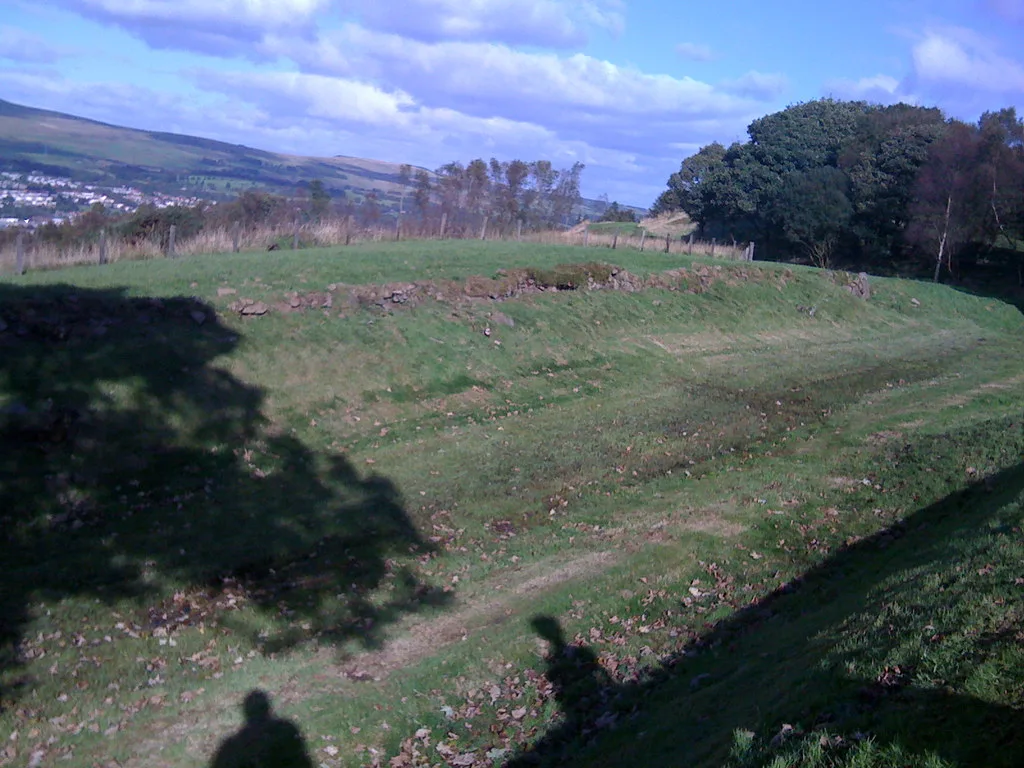
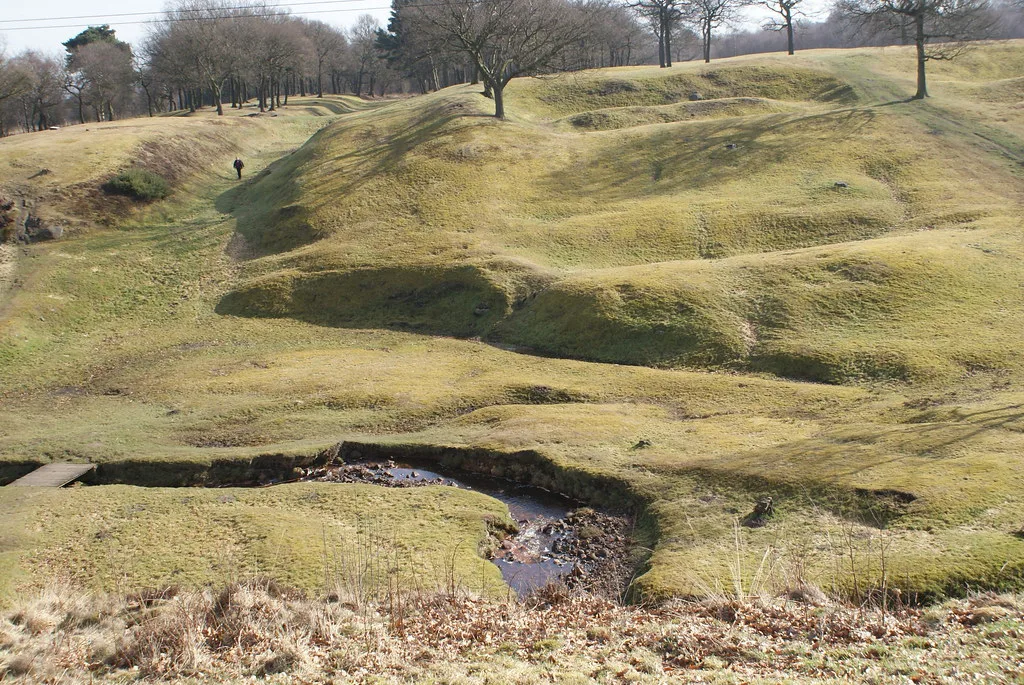
Last updated November 2026: Roman sites in Scotland mark a northern frontier, not a province. The Antonine Wall is the main visitable Roman monument, and it is mostly grass-covered earthworks, a ditch and fort platforms. You will not find standing Roman buildings, so this guide ranks places by what you can actually see.
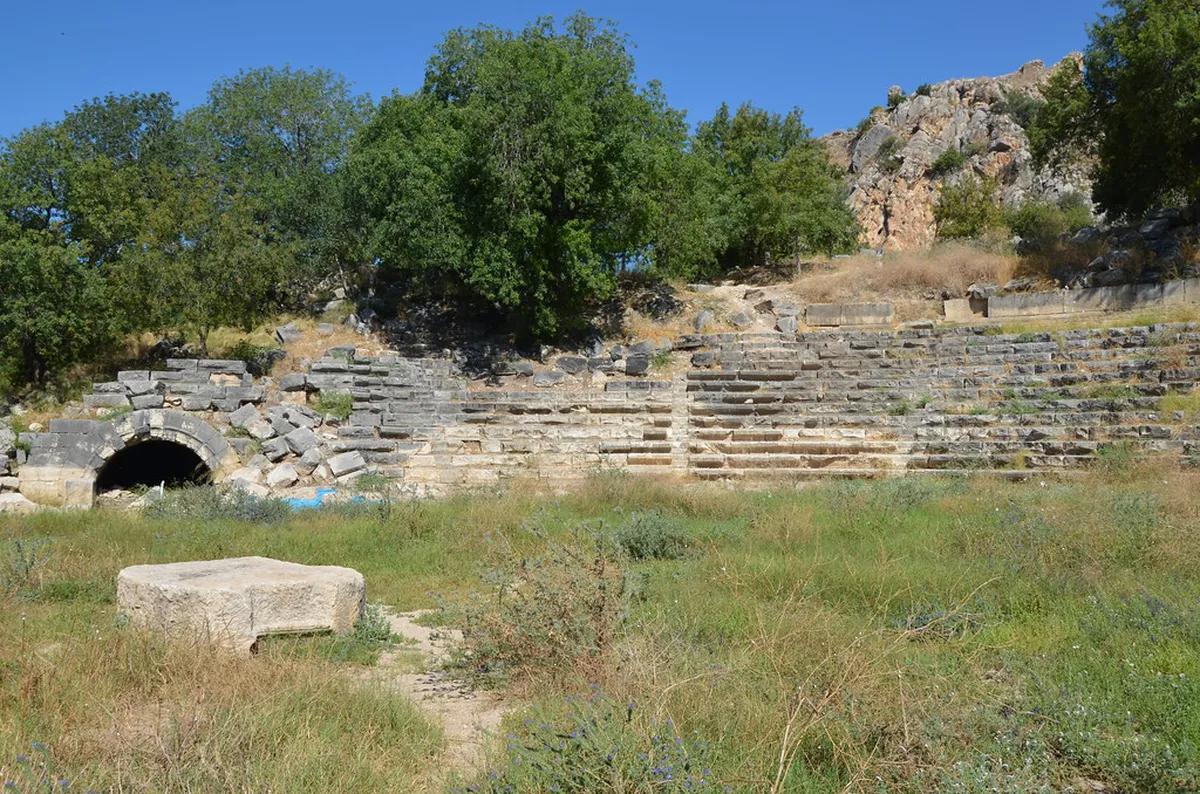
Featured image: Following Hadrian, CC BY-SA 2.0, via Flickr.
Roman Sites in Scotland at a Glance
Most visitable Roman remains sit on or near the Antonine Wall in the Central Belt. Expect low banks, ditches and interpretive signs rather than masonry. Bearsden Bath House is the main exception, because it shows stone walls. Opening details change, so check the Historic Environment Scotland site pages before you travel.
| Site | What you see | Best for |
|---|---|---|
| Rough Castle Fort | Ramparts, ditch and fort platform on the Antonine Wall | Walkers and history fans |
| Bearsden Bath House | Stone footings of a Roman bath-house | Anyone wanting real masonry |
| Callendar Park, Falkirk | A stretch of the wall line in town parkland | Easy, short stops |
| Watling Lodge | Section of the wall ditch | Quick photo stop |
| Ardoch Roman fort, Perthshire | Earthwork ramparts of a fort | Earthwork enthusiasts with a car |
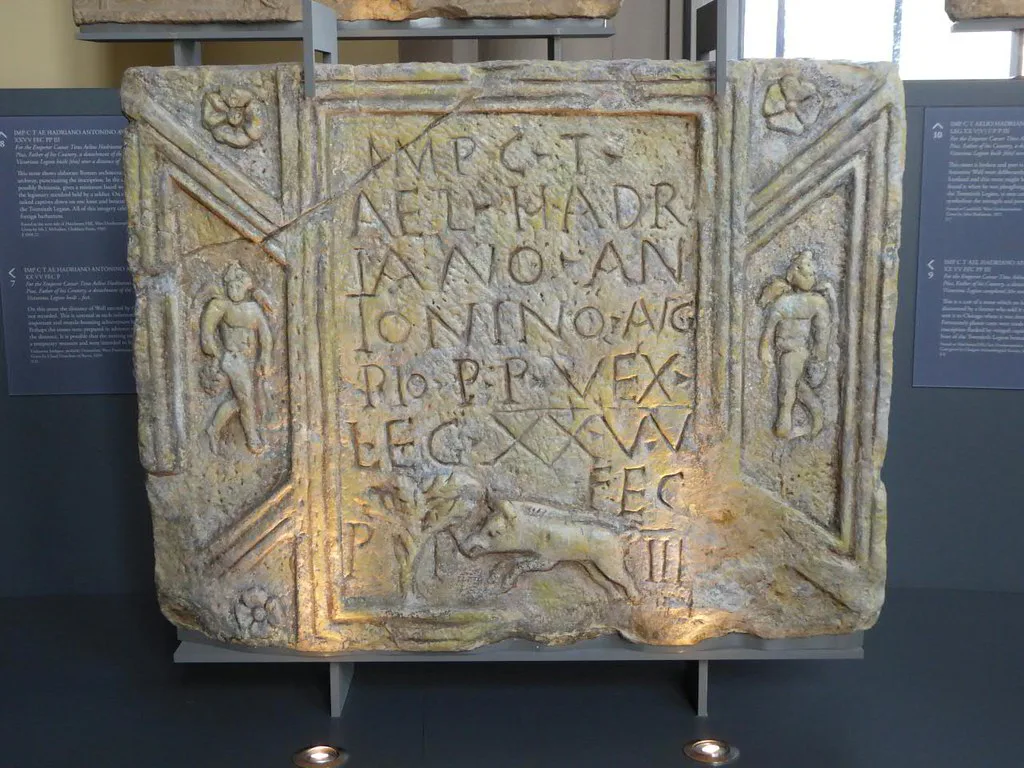
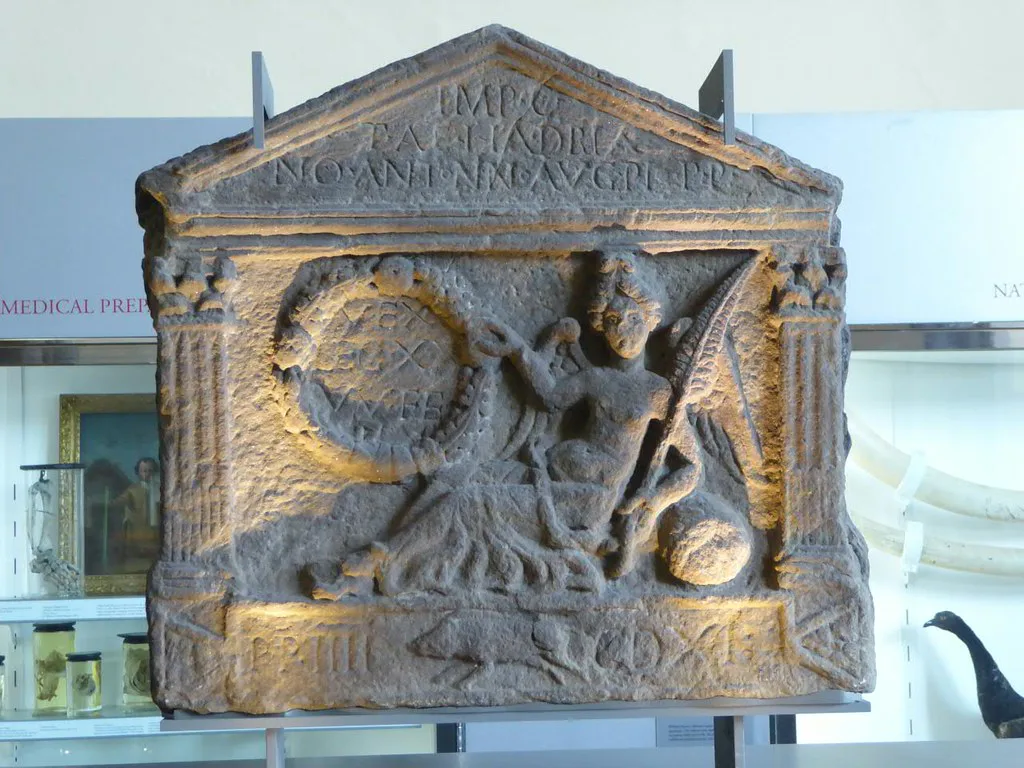
| Hunterian Museum, Glasgow | Roman finds from the Antonine Wall | Wet-weather days |
Why Scotland's Roman Sites Look Different
Rome pushed north of Hadrian's Wall and built the Antonine Wall as its northernmost frontier. Soldiers defended it for about 20 years, from 142 to 162 CE. Builders laid a stone base and topped it with turf, which gave a rampart about 2 m high. Turf rots and slumps, so centuries later you see grassy banks. Hadrian's Wall in England has long runs of stone. If you expect that, skip the Antonine Wall and choose a museum instead. The Antonine Wall is one of Scotland's six UNESCO World Heritage Sites, and its value lies in the line of the frontier rather than in tall walls.
Best Roman Sites to Visit
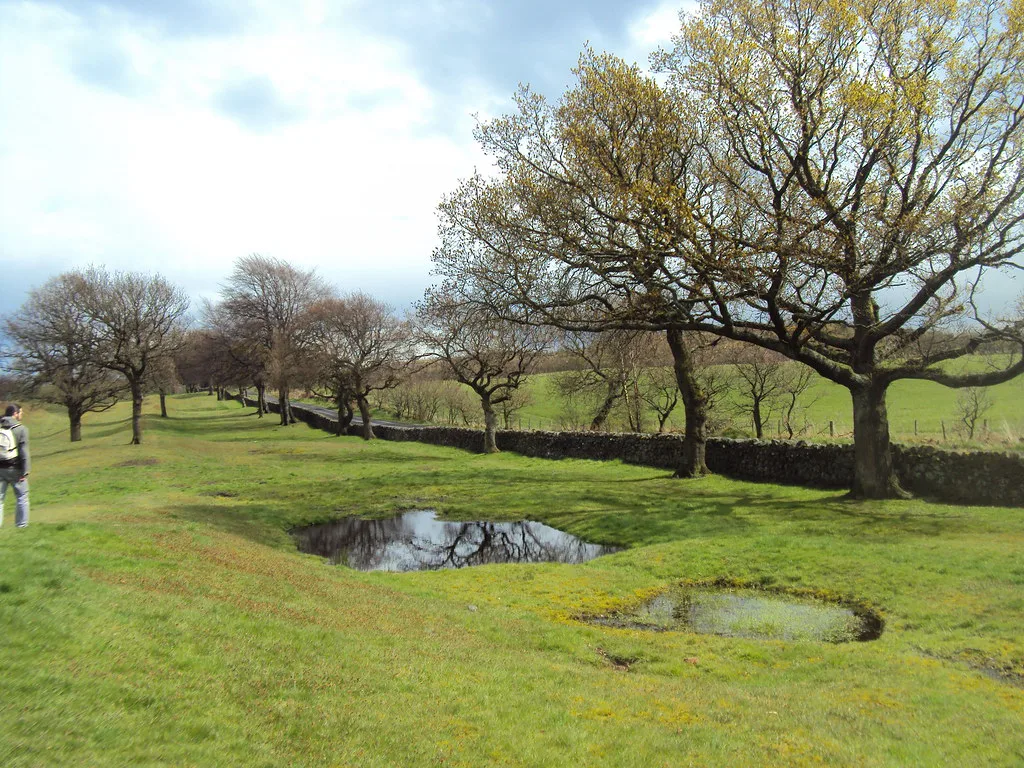
Start with Rough Castle Fort. It has some of the clearest earthworks on the wall, with a ditch and rampart you can walk beside. It suits walkers and anyone who likes reading a landscape.
- Rough Castle Fort: best for seeing the ditch and rampart together. Skip it if you want buildings.
- Bearsden Bath House: best for casual visitors, because the stone remains are easy to read. It is a short stop rather than a day out.
- Callendar Park, Falkirk: best for families, since the wall line sits inside public parkland with space to roam.
- Watling Lodge: best for a quick look at the wall ditch between longer stops.
- Ardoch Roman fort, Perthshire: best for earthwork fans who have a car and want a site away from the Antonine Wall.
Roman Sites That Are Mostly Buried or in Museums
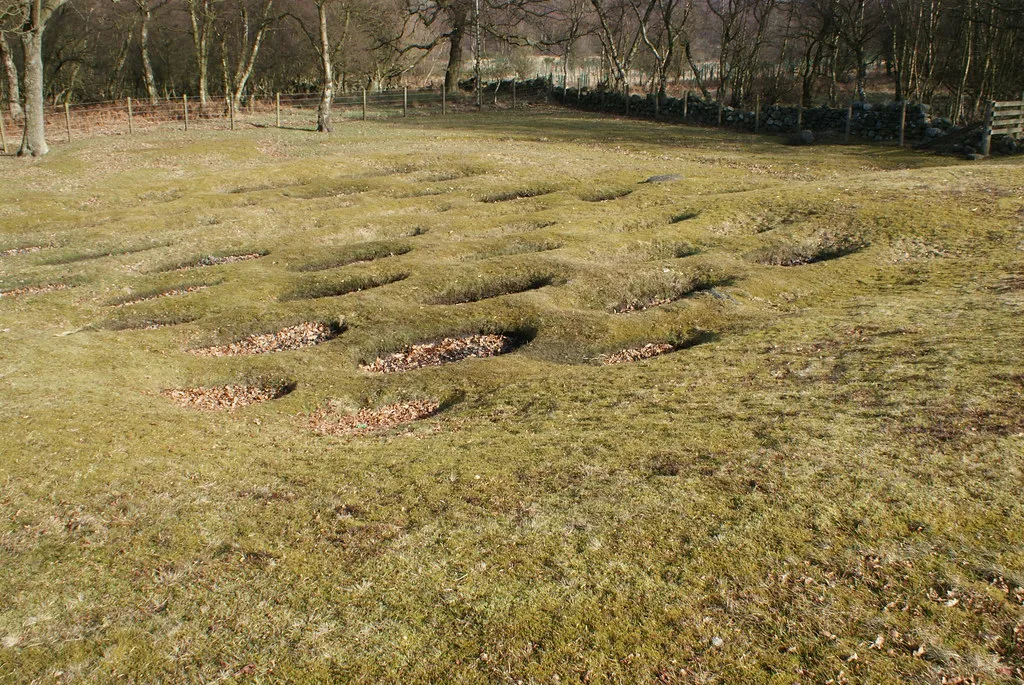
Many Roman sites in Scotland lie under fields. A 2023 geophysical survey by Historic Environment Scotland found a tenth fortlet at Carleith in Clydebank. Only nine were known before, and up to 41 may once have stood along the wall. Carleith is buried, so it is not a visit target. It shows that discovery is still going on. For finds, head to the Hunterian Museum in Glasgow, which holds Roman material from the Antonine Wall. Check local displays in Falkirk and Bearsden as well. Other candidates such as Inchtuthil and Newstead have little to see above ground, so treat them as research stops rather than sightseeing.
Expect a handful of visible sites, though up to 41 may once have stood along the wall, so the frontier is mostly out of sight.
Planning a Roman Day Trip
Base yourself in Glasgow or the Central Belt. The wall crosses central Scotland, so several stops sit within a short drive of each other. A car makes pairing Rough Castle with Callendar Park easy. Trains and buses can reach Falkirk and Bearsden, but check timetables with Traveline Scotland or ScotRail for the stops you want. Allow roughly two hours for a pair of nearby sites and a half day if you add the Hunterian. These times are approximate. Paths run over grass and can be muddy after rain, so wear boots. Pick a dry spell in late spring or summer for walking sections of the wall. Save museums for wet days.
Costs, Tickets and Opening Hours
Open-air earthwork sites on the wall line are generally outdoor places you can walk around, while staffed attractions and museums set their own hours. Fees and hours change each season, and Historic Environment Scotland publishes the current details for sites it manages. Prices and hours were not checked for this guide, so use the official visit pages for each site, and local council pages for sites in public parks.
Pairing Roman Sites with Scotland's Prehistoric Sites
Roman Scotland is a short chapter. Native monuments are far older and often easier to see. If you want taller, more visible remains, try 5 Best Standing Stones in Scotland: Sites, Maps and Visit Tips. Hill enclosures that predate the Romans are covered in Scotland's hillforts. Iron Age towers from the northern and western Scotland are in Scottish brochs. For carved stones from the centuries after Rome, see Pictish Stones: What They Are and Where to See Them. These guides do not claim a Roman link, but they show who lived here before and after the frontier.
Related guides



Continue reading
Guides on the same trip


