
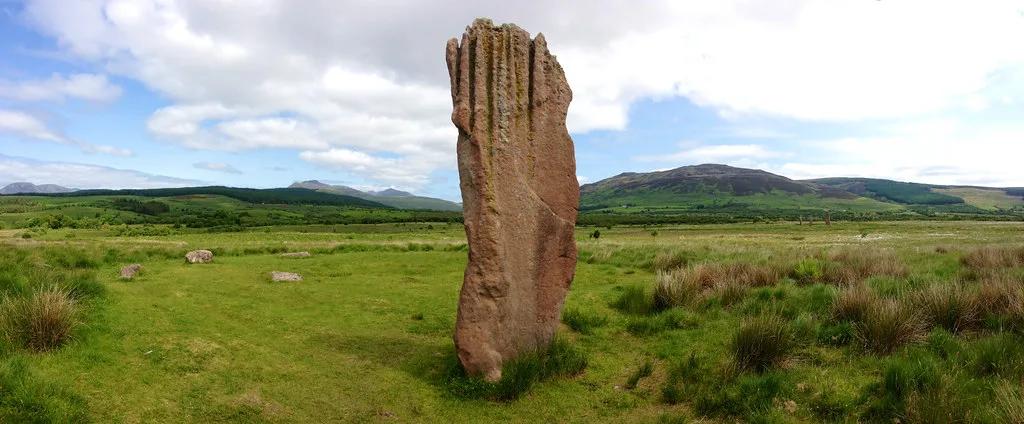
Last updated November 2026, this guide covers the Machrie Moor stone circles on the Isle of Arran, where six circles sit on open moorland among other prehistoric remains. Circle 2, with its tall slabs, is the one to see if you only have time for a single stop. It suits walkers who like exposed, quiet landscapes more than visitors who want a short, polished attraction.
Featured image: jcookfisher, CC BY 2.0, via Flickr.
What You'll See At The Machrie Moor Stone Circles
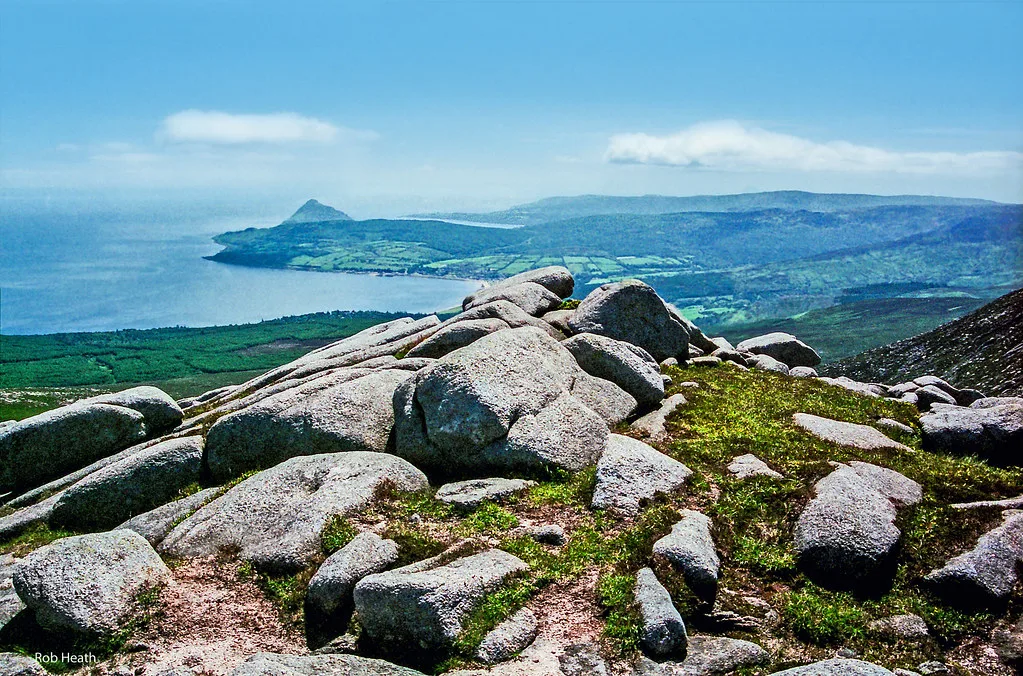
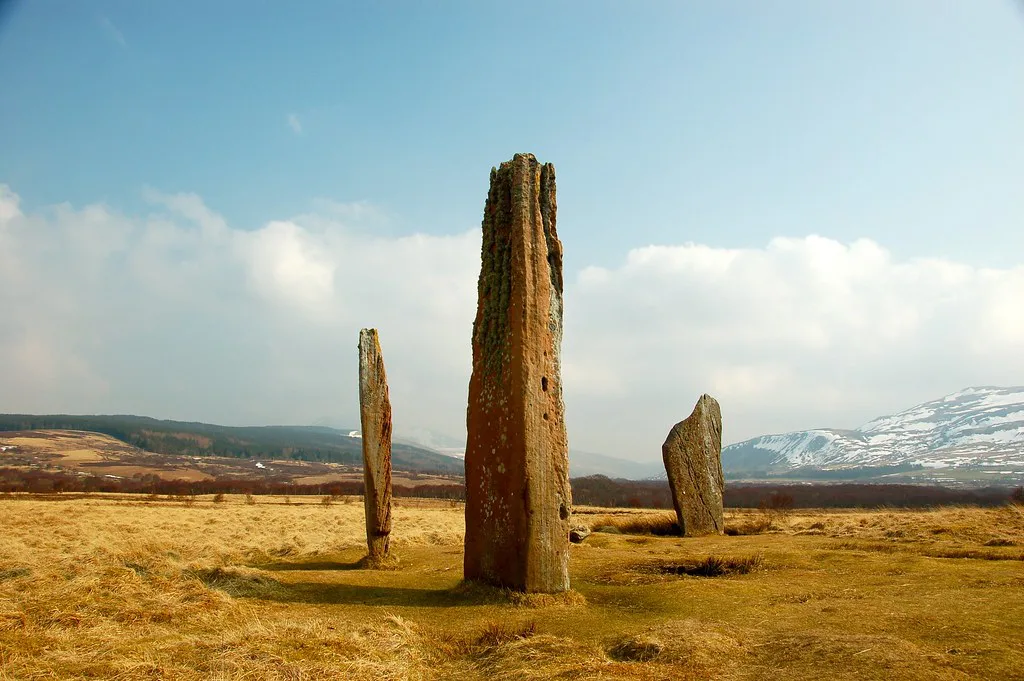
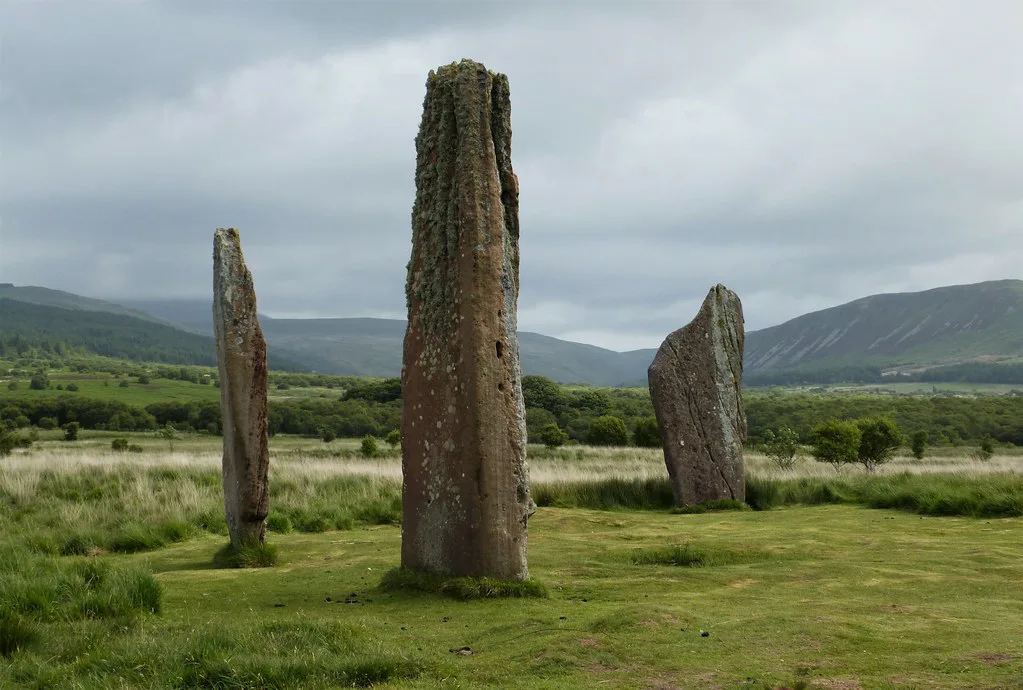
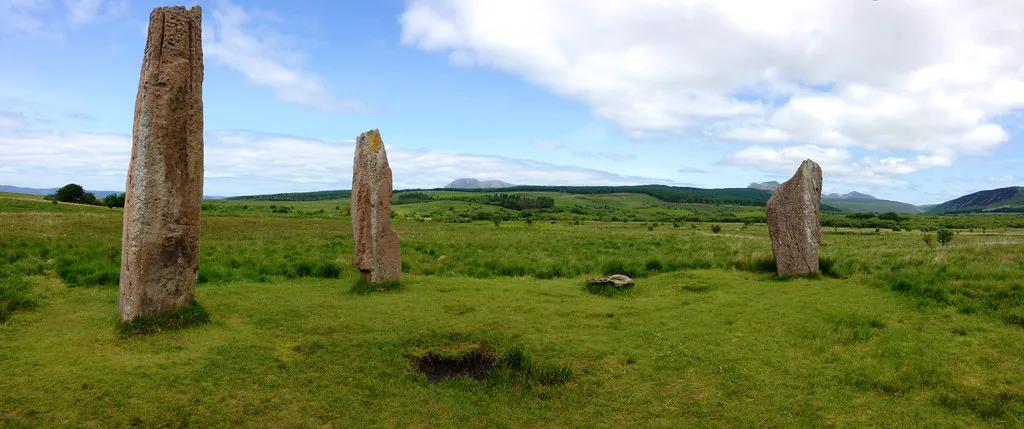
Machrie Moor is a Neolithic and Bronze Age landscape on Arran, and Historic Environment Scotland looks after it. Six circles are spread across the moor, and other prehistoric remains lie around them. Circle 2 is the standout, with tall slabs that stand well above head height. Its tallest stone is given as 4.9m in photographer captions, and the site is described as more than 4,000 years old. Treat both figures as approximate until you see the on-site panel or the official record on the Historic Environment Scotland visitor pages.
- Circle 2: the tall slabs most photographs show, and the clearest reason to make the trip.
- Other circles: lower and quieter, spread across the moor, so allow time to walk between them.
- Surrounding remains: scattered prehistoric features that reward a slow look rather than a quick photograph.
How To Get To Machrie Moor
Arran is reached by ferry, and most visitors travel onward from Brodick. Ferry sailings, bus routes and parking change by season, so use Visit Arran's travel information to plan the crossing and the last leg to the moor.
The Walk: Distance, Terrain And Time Needed
Machrie Moor is a walk across open, exposed moorland, so expect uneven and sometimes wet ground. Current path length, surface and suitability for prams or limited mobility are listed on the official site page rather than guessed here.
Costs, Access And Opening Times
Admission, access arrangements and any seasonal restrictions are set by Historic Environment Scotland. Read its entry before you travel, because it is the one place that stays current.
Historic Environment Scotland sets access for a site over 4,000 years old, so check its rules before planning a winter visit, when daylight runs short.
Best Time To Visit And What To Wear
Wet ground is the main issue, so waterproof boots matter more than anything else you pack. Midges can be a nuisance in warm, still weather, and the moor offers little shelter from wind. Winter daylight is short, which leaves little margin if the walk runs long. Low sun suits photography of the tall stones, and general planning help is on VisitScotland.
How Machrie Moor Compares To Other Scottish Stone Sites
Machrie Moor works best when you want several circles in one open landscape. Our guide to standing stones in Scotland places it among the country's other major sites. For a different setting, see Callanish on the Outer Hebrides. A valley of monuments is covered in our Kilmartin Glen guide, and burial cairns are in our Clava Cairns guide.
| Site | Setting | What you see | Best for |
|---|---|---|---|
| Machrie Moor | Open moorland on Arran | Six circles and other prehistoric remains | Walkers who want an exposed, quiet landscape |
| Callanish | Outer Hebrides | A major stone setting | Visitors already travelling to the islands |
| Kilmartin Glen | A valley of monuments | Many prehistoric features close together | Visitors who want variety in one area |
| Clava Cairns | Near Inverness | Burial cairns with standing stones | Visitors based in Inverness |
Is Machrie Moor Worth It? Who Should Skip It
Machrie Moor is worth the trip if the moor walk appeals to you as much as the stones. Skip it if you are short on time, since the ferry and onward journey take real planning. Poor weather also changes the experience, because wet, windy moorland is tiring and views of the stones can be lost in cloud.
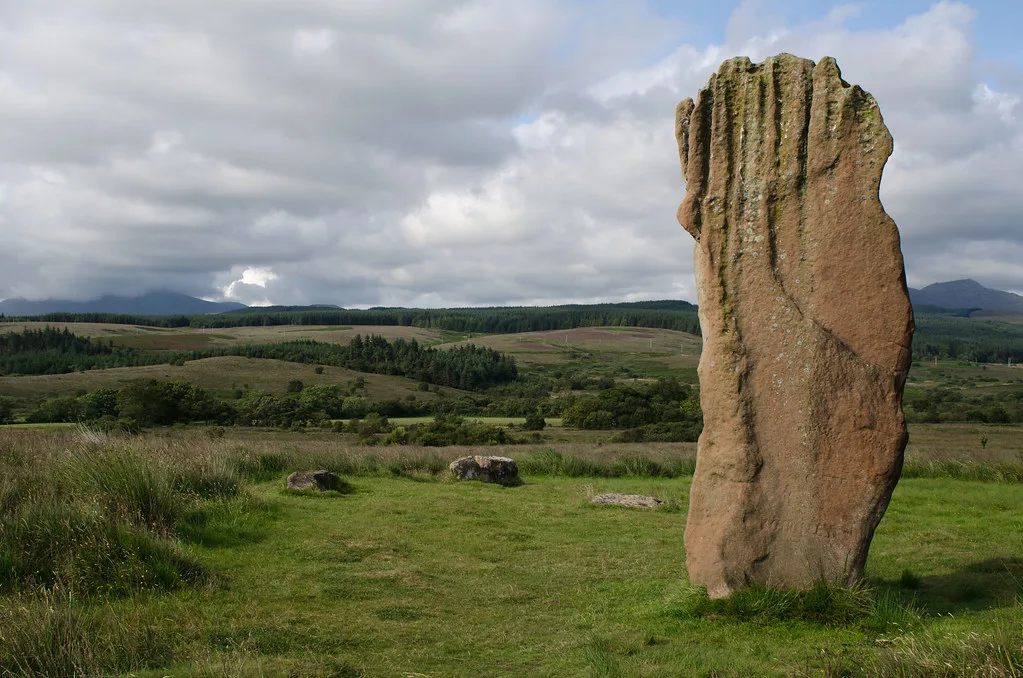
Wet, windy moorland can hide the stones in cloud, so aim for the 4.9m slab first if the weather turns.
- Mistake: wearing trainers. The ground can be boggy.
- Mistake: visiting for one circle only. Circle 2 is the highlight, but the others add context.
- Mistake: leaving late in winter. Daylight is limited.
Look Beyond Circle 2
Circle 2 is the visual anchor at Machrie Moor, but it is only one part of a landscape containing 6 stone circles. Its tallest slab is described as 4.9m high, making it the clearest place to begin when visibility is poor or time is limited.
After seeing the tall stones, pause to look across the surrounding moor before moving on. The lower circles can feel less dramatic individually, yet they explain why this is more than a single monument stop. Their dispersed setting is part of the experience.
The circles belong to a prehistoric landscape described as more than 4,000 years old. Do not expect museum labels or a tightly managed visitor circuit. Use the on-site interpretation and Historic Environment Scotland information to identify features, and allow the landscape itself to set the pace.
Related guides



Continue reading
Guides on the same trip


