Outlander Standing Stones: Real Scottish Sites to Visit
Last updated November 2026. Outlander standing stones are a mix of fiction, a constructed film set and real Scottish monuments you can walk to. This guide separates the three and ranks the real sites by how much trip they ask of you. For the wider picture, start with our Scottish standing stones guide.
Featured image: Maurice King, CC BY 2.0, via Flickr.
Outlander standing stones: the quick answer
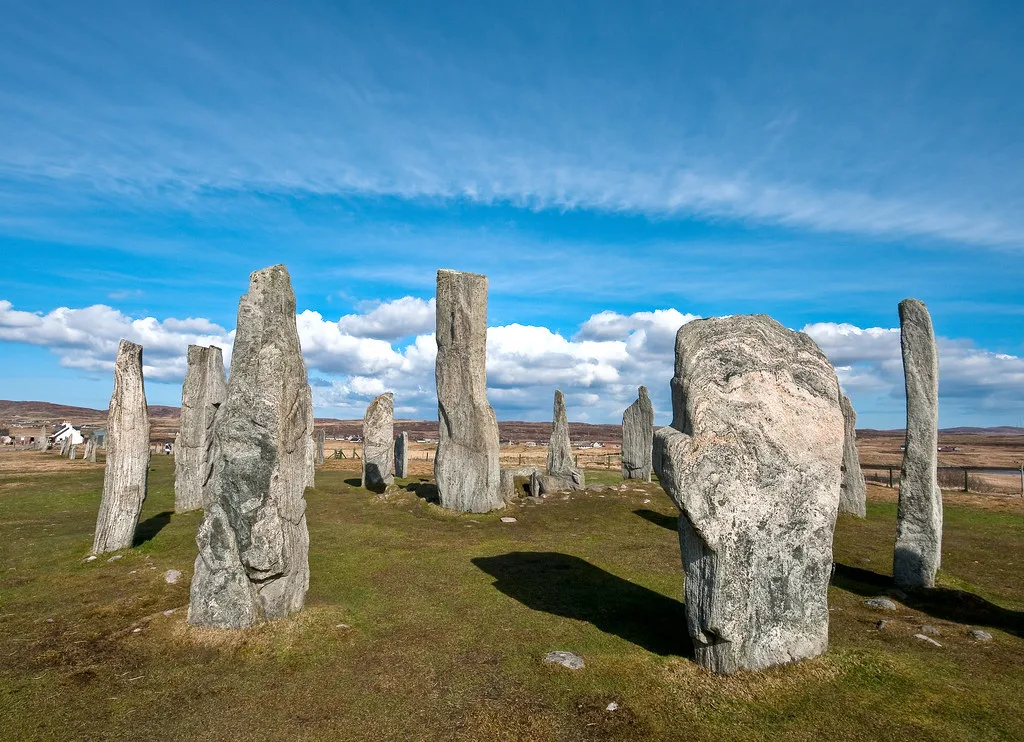
Craigh na Dun is fictional. It is not a named, visitable circle. On screen, the stones were a constructed set on a Scottish hillside near Kinloch Rannoch, not an ancient monument. No real circle is the filming location, so no real circle can promise you a time-travel moment. What you can visit are genuine prehistoric sites that fans link to the story. The table below sorts them by the type of connection.
Outlander standing stones at a glance
Use this table to match a site to your base and your appetite for travel. Connection types are kept honest: fan association means readers and fans have compared the site to the story, not that anything was filmed there.
| Site | Outlander link | Access and cost | Base and getting there | Skip if |
|---|---|---|---|---|
| Callanish, Isle of Lewis | Fan association only | Check Visit Outer Hebrides for visitor centre details | Lewis; ferry or flight, then a car | You only have a mainland day |
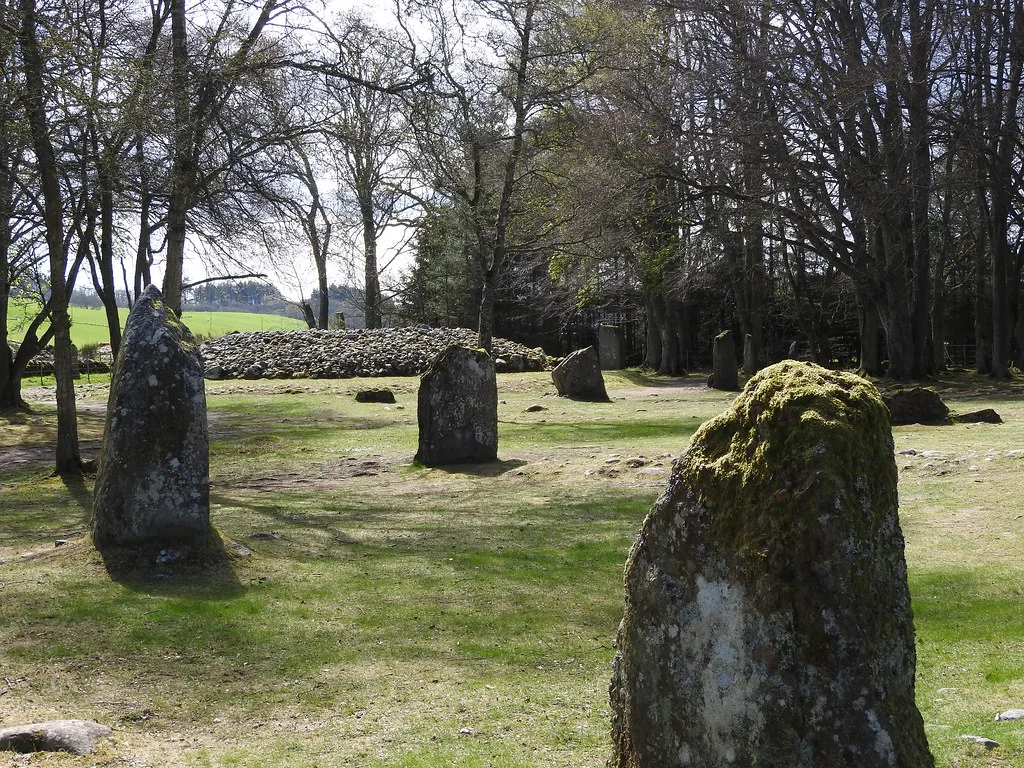
| Clava Cairns, near Inverness | Fan association; commonly paired with the story | Historic Environment Scotland site; check its page for current access | Inverness; car or a tour | You want a tall, open stone circle |
| Kilmartin Glen, Argyll | No confirmed link | Check Kilmartin Museum for the valley's sites | Argyll; car is easiest | You want a direct Outlander tie |
| Machrie Moor, Arran | No confirmed link | Open moorland walk; check Visit Arran | Arran; ferry, then a car or bus | Ferry timing is tight |
Which real stones are linked to Outlander
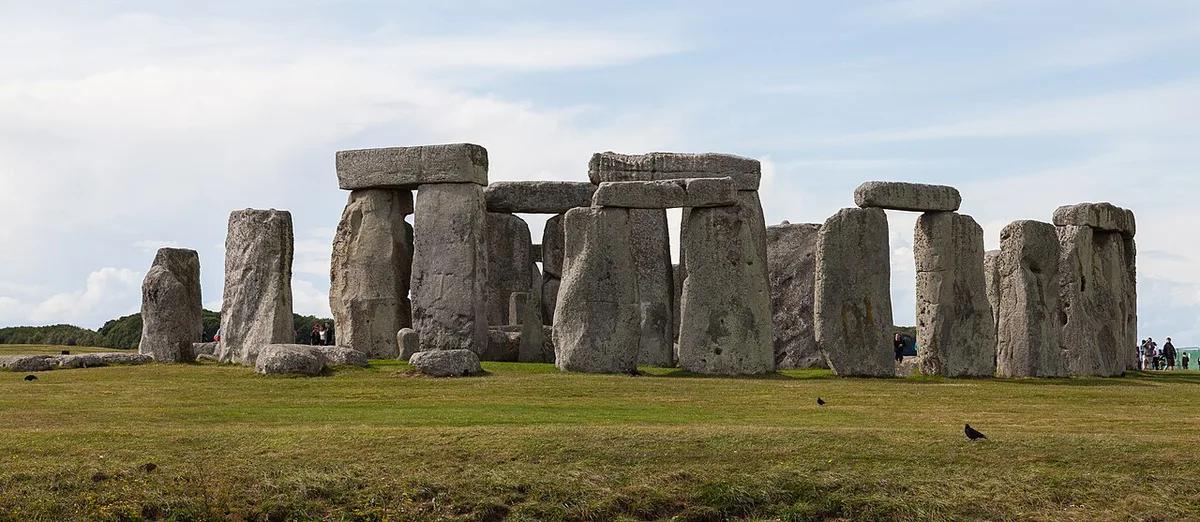
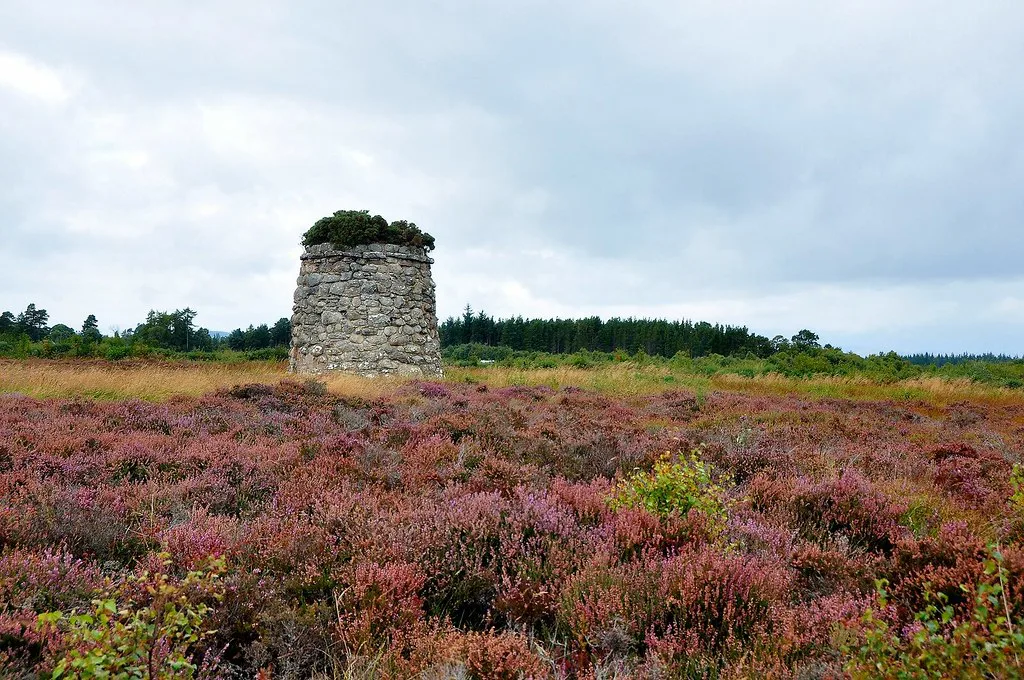
Keep three categories apart. First, the novels place Craigh na Dun in a fictional Highland setting. Second, the TV series built its own stones for the screen. Third, fans visit real circles because the atmosphere matches the story. Most real sites fall into that third group. Corrimony Cairn is a separate case: Diana Gabaldon's novels mention it in connection with General Simon Fraser's burial. It is a different site from Clava, so do not treat the two as one stop.
Callanish and the Western Isles
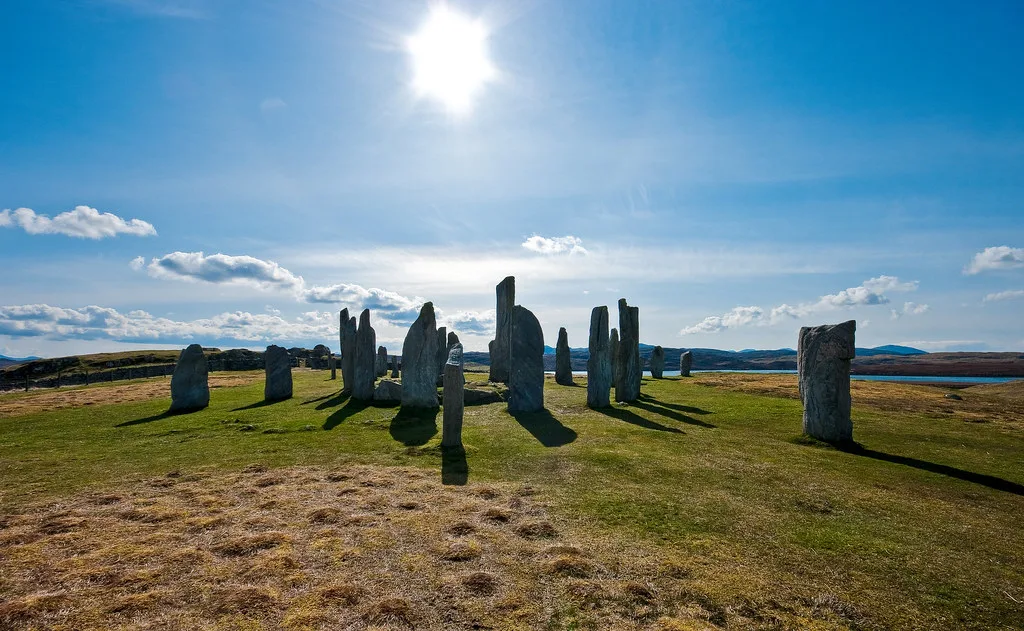
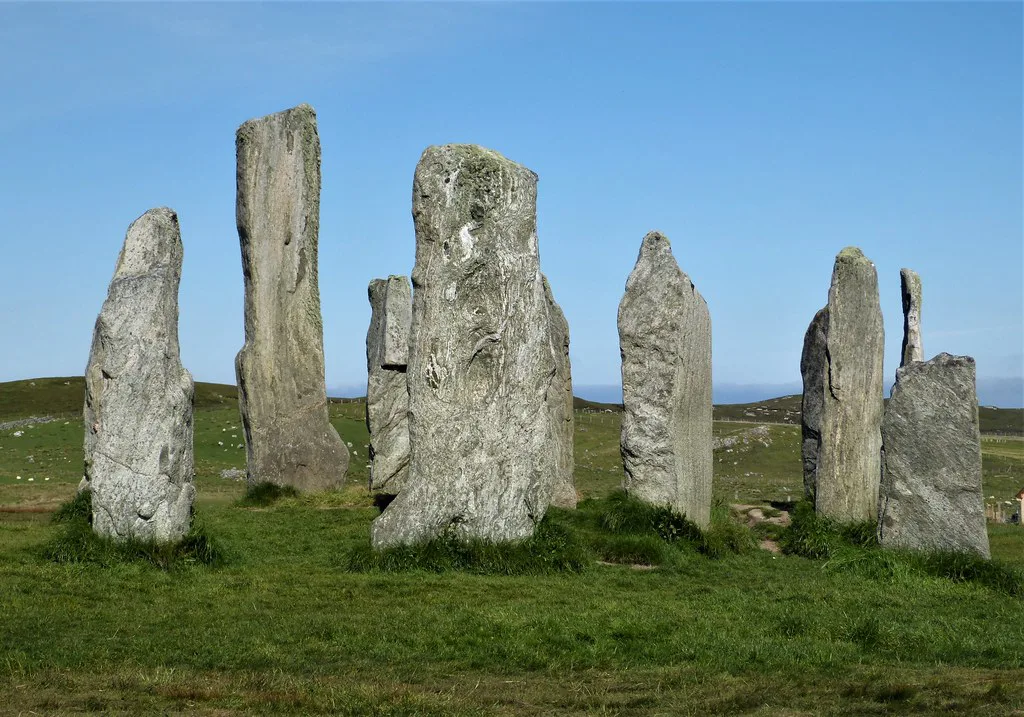
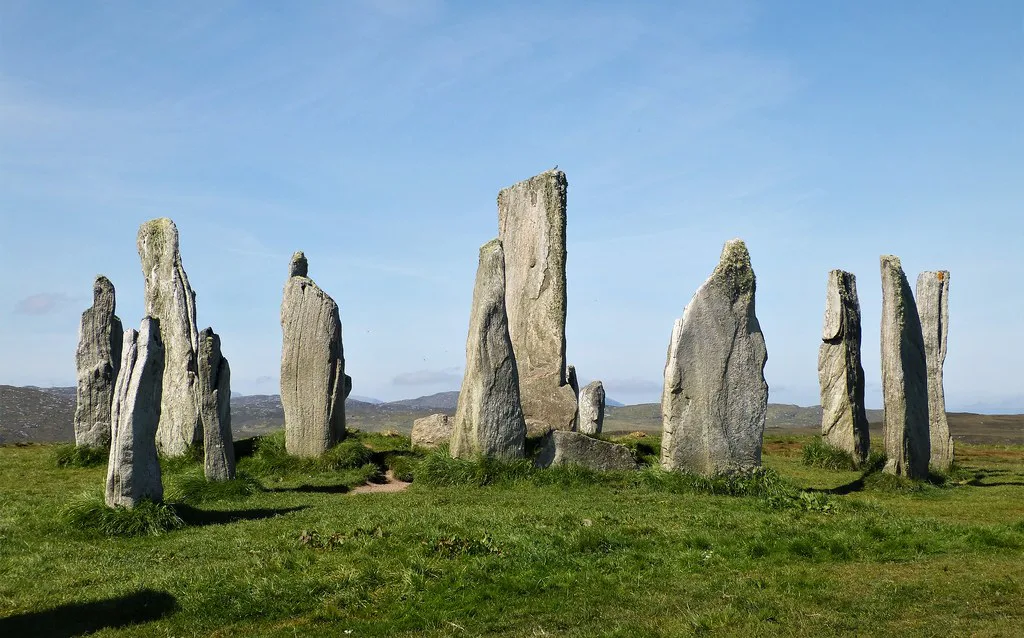
Callanish on the Isle of Lewis is the site fans most often compare to Craigh na Dun. That is a fan's opinion, not a filming fact. Tall, thin stones and a long horizon give it the right mood. Our Callanish stones guide covers the layout and the light. Visit Outer Hebrides lists current visiting details for Lewis. If you have time on the island, add Dun Carloway Broch Guide: Visiting Lewis's Iron Age Tower as a nearby stop. Lewis needs its own days because of the ferry or flight.
Clava Cairns and Inverness
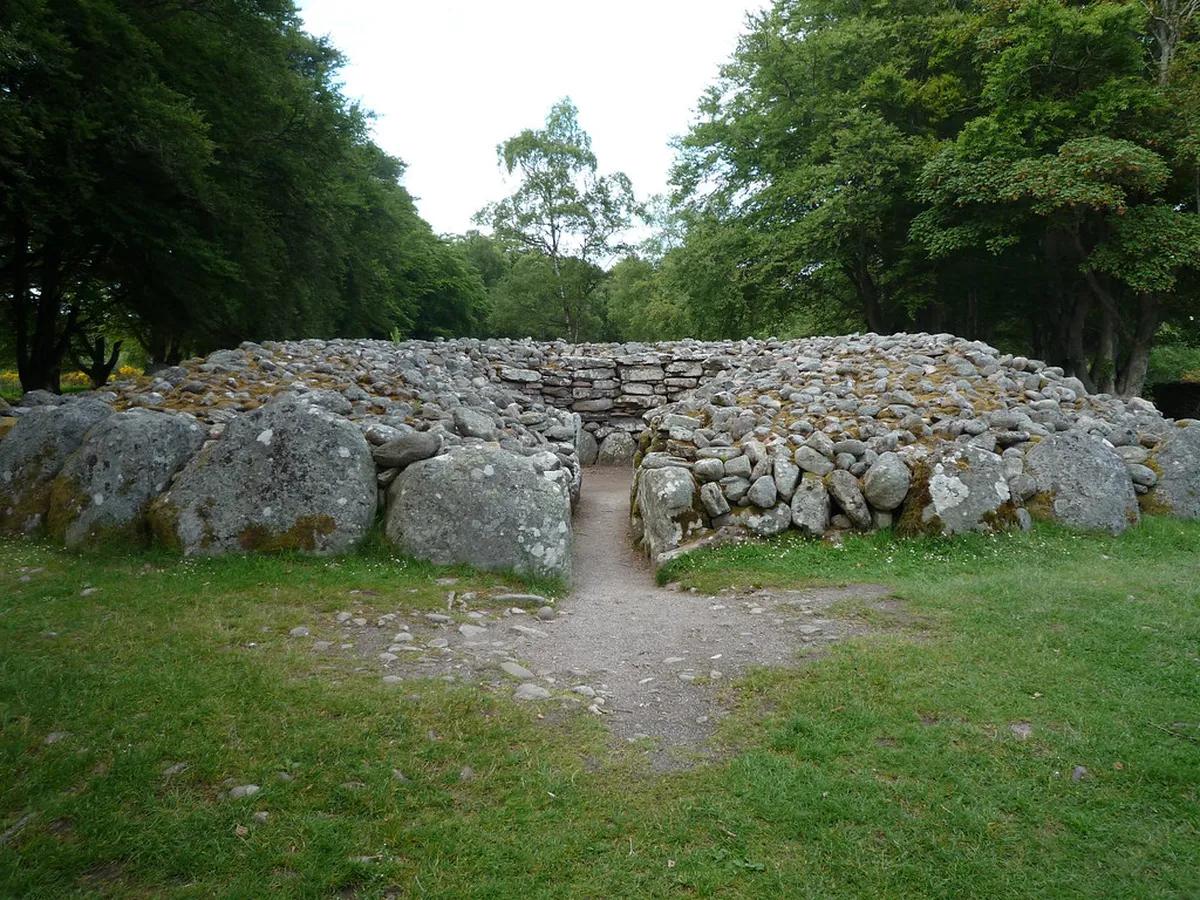
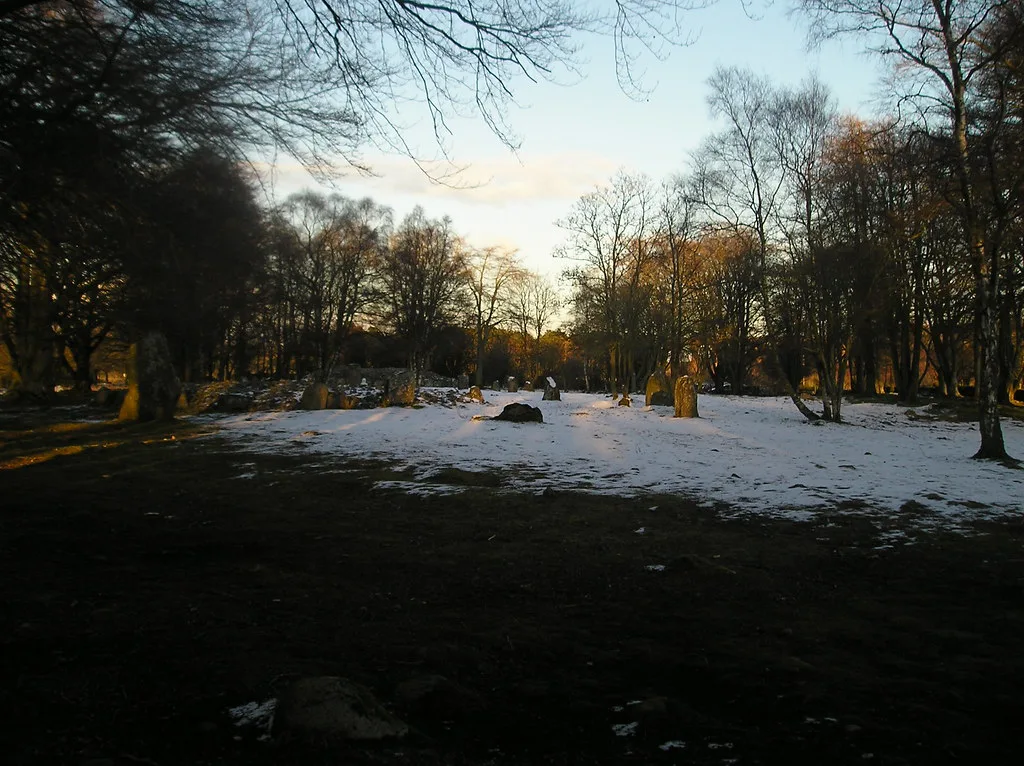
Clava Cairns sits near Inverness and is the easiest real site to reach from a mainland base. It is a Bronze Age cairn complex, not a single circle, and reads as quiet and weathered rather than dramatic. Historic Environment Scotland publishes current access details for its sites. Our Clava Cairns guide explains what you will see. For buses, driving and tours, read getting to Clava Cairns from Inverness. Keep Corrimony separate, since the novels name it for a different scene.
Other Scottish stone sites worth the detour
Two more sites suit travelers who want atmosphere without an Outlander claim. Kilmartin Glen: Prehistoric Sites and Visit Planning Guide in Argyll packs several monuments into one valley, and Kilmartin Museum is the place to start. Machrie Moor Stone Circles: Arran Visitor Guide on Arran are an open moorland walk. Visit Arran covers ferry and island travel. Neither site has a confirmed Outlander link, so go for the stones themselves.
Real Outlander filming locations you can visit instead
If the draw is the show rather than the prehistory, several real places did appear on screen. Because the Craigh na Dun stones were a built set, these castles and villages are the nearest thing to a genuine filming visit. Most sit in the Central Belt, so they pair easily with Edinburgh or Stirling rather than the Highlands.
| Place | Role in the series | Base and notes |
|---|---|---|
| Doune Castle, near Stirling | Castle Leoch | Historic Environment Scotland site; check its page for opening hours and ticket details |
| Culross, Fife | Cranesmuir | Village with its 17th-century Culross Palace; the National Trust for Scotland lists current opening |
| Midhope Castle, Hopetoun estate | Lallybroch | Near South Queensferry; entry has been by pre-booked ticket, so confirm on the Hopetoun estate website |
| Blackness Castle, Falkirk area | Fort William garrison | On the Firth of Forth; a Historic Environment Scotland site |
| Falkland, Fife | 1940s Inverness | Streets used for the Frank scenes; free to wander as a working village |
How to combine them
Doune, Culross and Blackness are all within a day's drive of Edinburgh or Stirling, but a car makes the day far easier than buses. Treat the standing-stone sites above as separate days. Clava and Callanish are in the Highlands and islands, and a Central Belt castle day will not fit around them.
Filming access changes. Estates sometimes restrict entry, so check each owner's official page before you set off, especially for Midhope.
How to plan a stone-circle trip
For a first trip, Inverness is the lower-friction base. Clava fits into a half day, and you avoid island transport. Choose Lewis if Callanish is your priority and you can give it a full day or more. Add Argyll or Arran as separate days, because ferry timing and driving distances rarely combine with the Highlands. A car is the easiest option at every site. Tours suit Inverness best. Low winter light can flatter the stones, but weather changes fast, so plan buffer time. For a wider shortlist, see our Scotland standing stones overview.
Visiting respectfully and safely
Follow the signs at each site. Do not climb on stones or cairns, and do not light fires or leave offerings. Paths can be muddy, so wear waterproof footwear. Access rules can change, so read the official page for the site you are visiting. Expect real circles to be quiet and weathered rather than theatrical. If you want a different kind of Scottish carved stone, try our Pictish stones guide.
Mistakes to avoid
Avoid these common errors when planning an Outlander stone trip.
- Searching for the filming circle. The on-screen stones were a built set, so no real site is Craigh na Dun.
- Mixing up Clava Cairns and Corrimony Cairn. They are different sites.
- Combining Lewis and Inverness in one day. The travel time does not work.
- Assuming old access advice still applies. Some commenters' tips date from 2011, so check the official page.
Related guides
Continue reading
Guides on the same trip