Last updated November 2026: Pictish stones are carved monuments from early medieval northern and eastern Scotland, and the best way to see them is to pick one region and a few sites. Prehistoric circles in our guide to Scotland's standing stones are far older and carry no such symbols. Pictish carvings are a different kind of monument, made by a named early medieval people.
Featured image: shirokazan, CC BY 2.0, via Flickr.
What Are Pictish Stones?
Pictish stones are carved slabs and boulders made by the Picts, who lived in eastern and northern Scotland in the early medieval period. Their symbols are unique to Pictland and appear on stone, not on any surviving written record of the language. Picts lived alongside the older fortified settlements described in our Scottish hillforts guide. They also faced the Roman frontier covered in Roman Sites in Scotland: Where to See Antonine Wall Remains. Most stones sit in the east and north, from Perthshire and Angus up through Aberdeenshire, Moray and Highland.
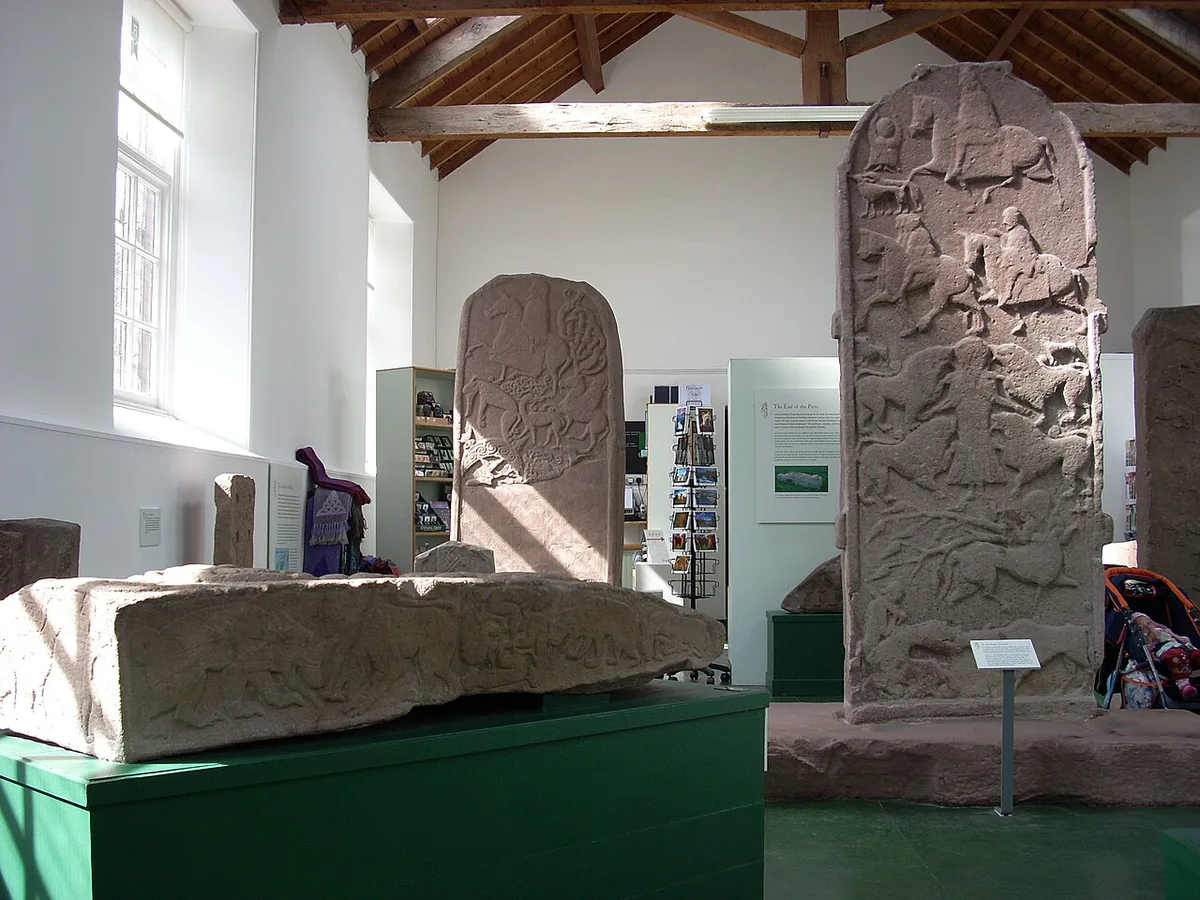
Class I, II and III Pictish Stones Explained
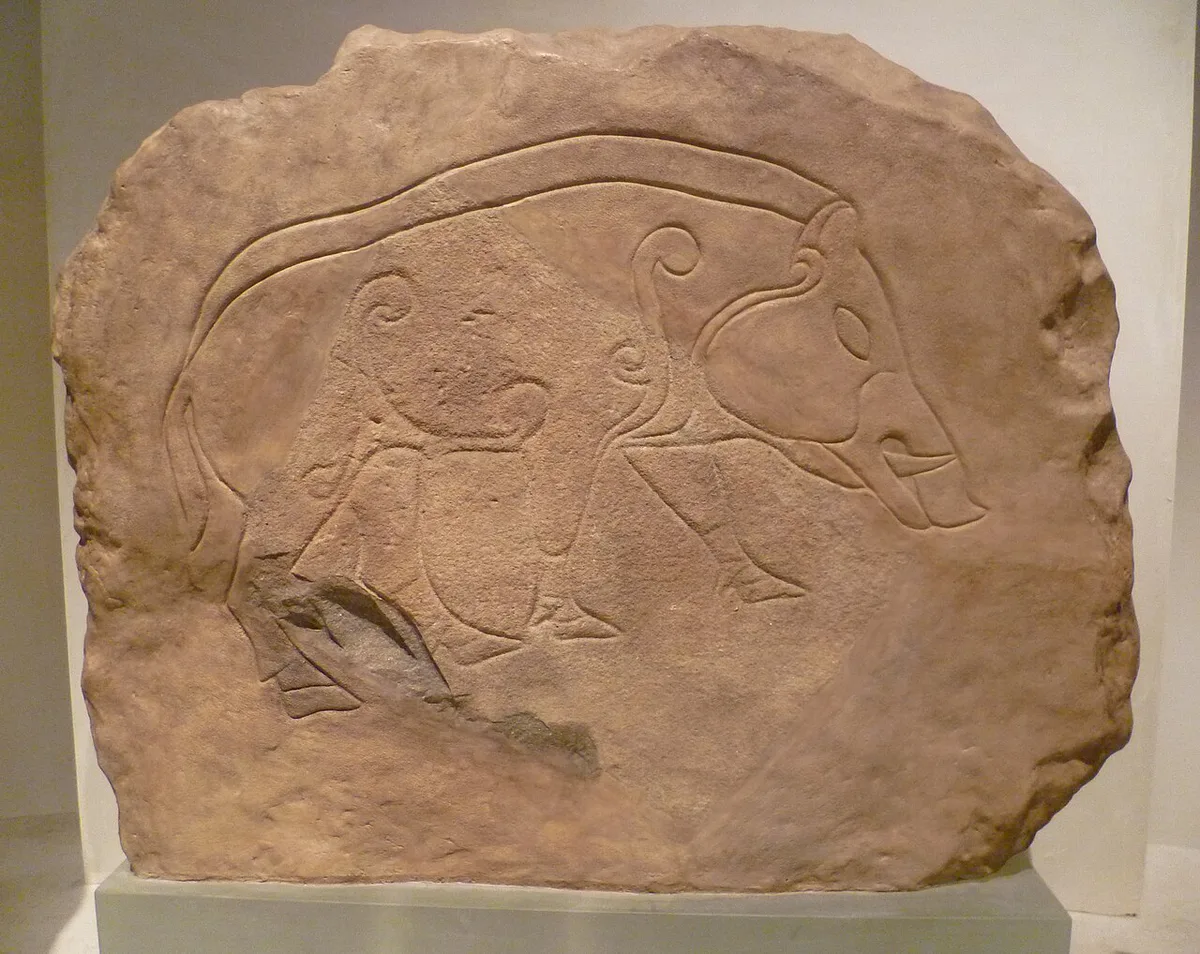
Scholars sort the stones into three classes. The class tells you what you are looking at and how much detail to expect.
| Class | What it shows | What to expect |
|---|---|---|
| Class I | Incised symbols on unshaped stones, with no cross | Simple outlines, often weathered and easy to miss |
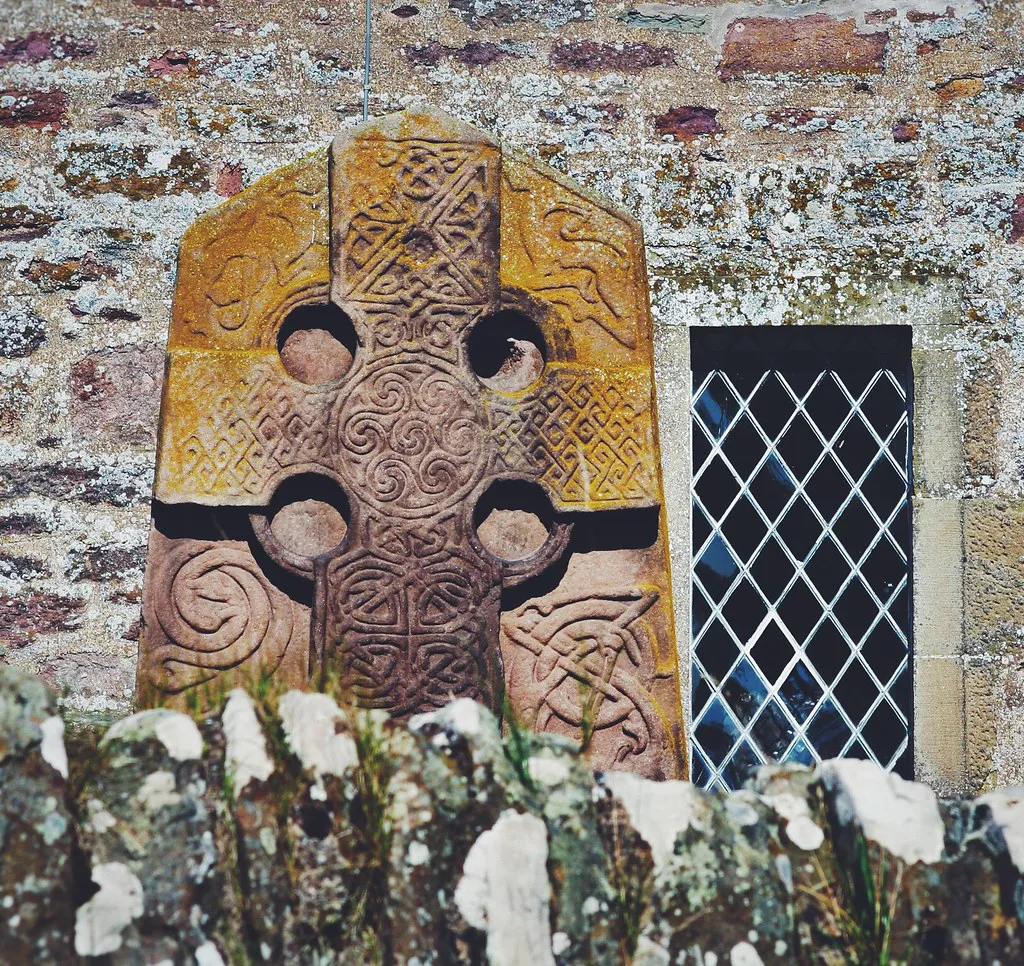
| Class II | Cross-slabs with Pictish symbols alongside a cross | Finest carving, with relief figures and knotwork |
| Class III | Christian carving, no Pictish symbols | Cross-slabs and grave markers, less distinctive |
How to Read Pictish Symbols
Stones carry a repeating set of symbols. Common ones include the crescent and V-rod, the Z-rod, the mirror and comb, and animal figures such as the eagle and the serpent. Scholars disagree on what they meant. Proposals include names, lineages, alliances and status, but none is settled. Treat any single reading you see on a sign as one interpretation, not a fact.
When the Stones Were Carved and What Happened to the Picts
Dating is approximate, and scholars still argue over the sequence. A broad outline is enough for a visit:
- Class I stones are generally placed earlier, in roughly the 6th and 7th centuries, though some specialists would push dates either way.
- Class II cross-slabs are usually placed later, often across the 8th and 9th centuries, when Christian imagery and Pictish symbols appear on the same stone.
- Class III stones belong to the later period of Christian carving, once the symbol tradition had faded.
The Picts do not appear in later records as a separate kingdom after the 9th century. Pictland merged with the Gaelic kingdom of the Scots, and the Pictish language and symbol system dropped out of use. That is why the stones matter: they are among the few surviving products of Pictish culture, and no Pictish text explains them.
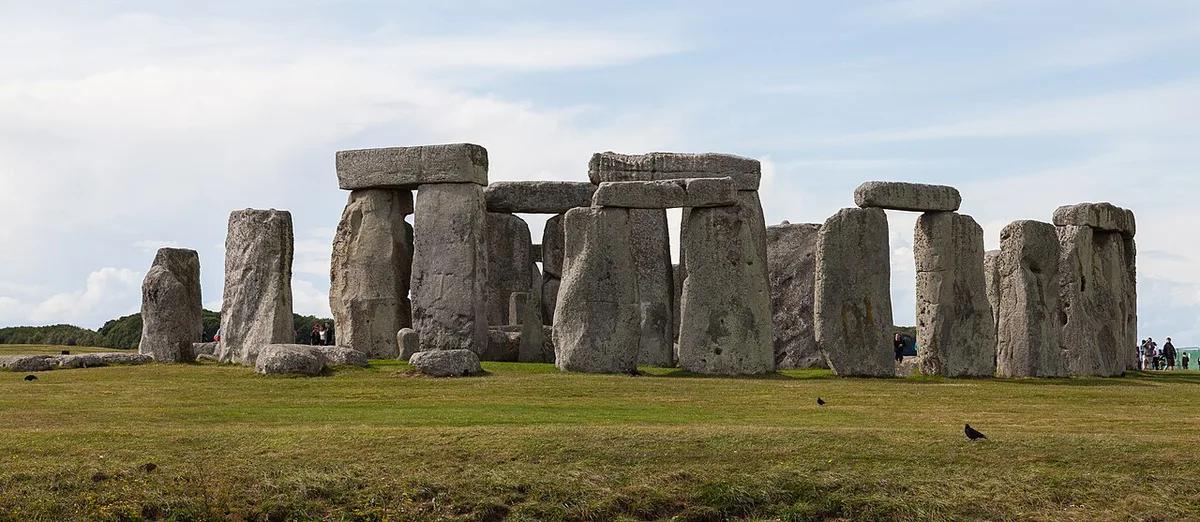
It also helps to remember how much older some of Scotland's better-known monuments are. The Neolithic monuments of Orkney, such as the Standing Stones of Stenness, were raised thousands of years before any Pictish symbol was cut. Keeping that gap in mind stops the two traditions blurring together when you visit several sites in a week.
Where to See Pictish Stones by Region
Group your trip by region rather than chasing a national list. Angus and Perthshire hold some of the best-known carved slabs, and Aberlemno in Angus is a good starting point. Aberdeenshire and Moray have further stones across farmland and churchyards. Easter Ross and Highland suit an Inverness base, where you can pair a stone stop with prehistoric cairns on the Clava Cairns day trip. In the Northern Isles and Hebrides, carved stones sit within a landscape of Norse and Iron Age remains. Broch sites such as Mousa Broch: How to Visit Shetland's Iron Age Tower offer broader context for Shetland.
Best-Known Pictish Stones and What Makes Each Worth the Trip
If you only have time for a handful of stones, these are the ones most often singled out. All are in the regions covered above; confirm access with the custodian before you go.
| Stone | Where | Class | Why it stands out |
|---|---|---|---|
| Aberlemno churchyard cross-slab | Angus | II | A cross on one face and a battle scene on the other. The scene is often linked to the Battle of Dunnichen (Nechtansmere) in 685, though that identification is debated. |
| Meigle collection | Perthshire | II and III | The largest group of sculptured stones in one place, including the famous slab showing a figure among beasts. |
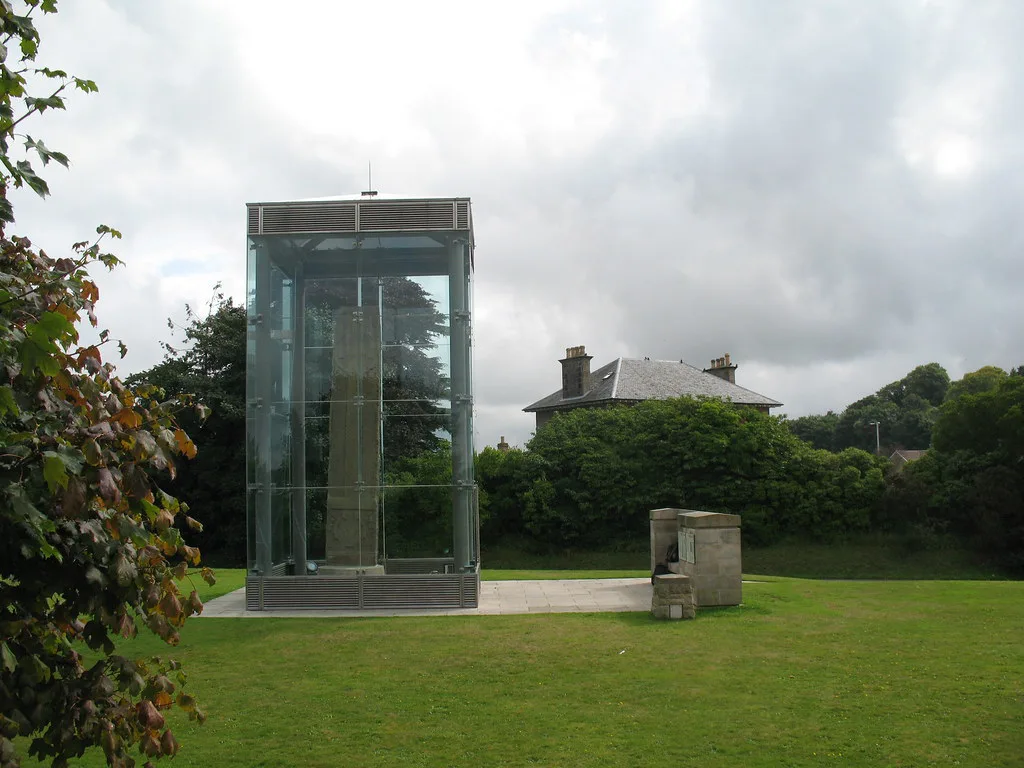
| Sueno's Stone | Forres, Moray | Class II-style cross-slab | A tall slab carved with processions and fighting figures, now sheltered in a protective glass enclosure. |
| Hilton of Cadboll | Easter Ross | II | Known for its mirror-and-comb symbols and intricate relief. A replica marks the original site, while the surviving original slab is held in the National Museum of Scotland in Edinburgh. |
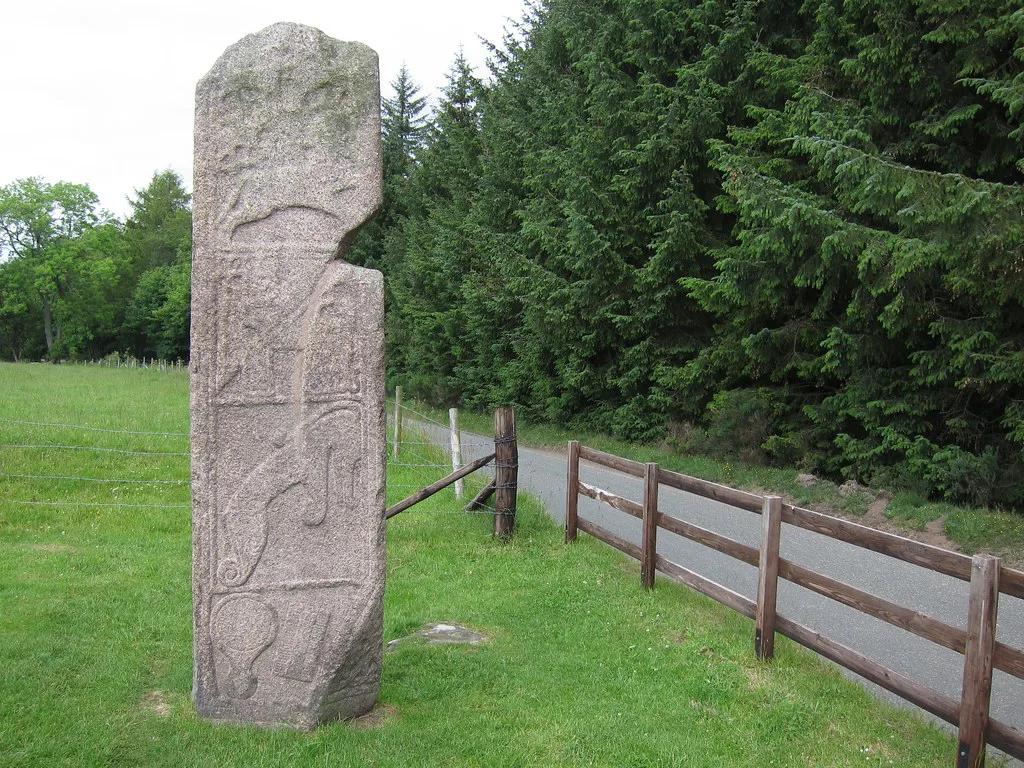
| Maiden Stone | Aberdeenshire, near Bennachie | II | A tall roadside slab with a cross and symbols, easy to combine with a Donside drive. |
Which stone feels best depends on what you want. Aberlemno and Meigle suit a first visit, Hilton of Cadboll rewards anyone who likes the story of how a monument ends up split between a field and a museum, and Sueno's Stone is a quick stop if you are already in Moray.
Replicas and originals are common, so check whether the stone you are seeing is the real carving. Information boards, where they exist, usually say.
Museum Stones vs Stones in the Landscape
Some stones stand where they were found, in churchyards, fields or by roads, and are free to see at any time. Others have moved indoors for protection, and replicas may mark the original spot outdoors. At Meigle, a collection of sculptured stones is displayed in a museum run by Historic Environment Scotland at Meigle. Indoor stones are easier to read and keep dry. Outdoor stones give you the setting but depend on weather.
Access, Tickets and Opening Times
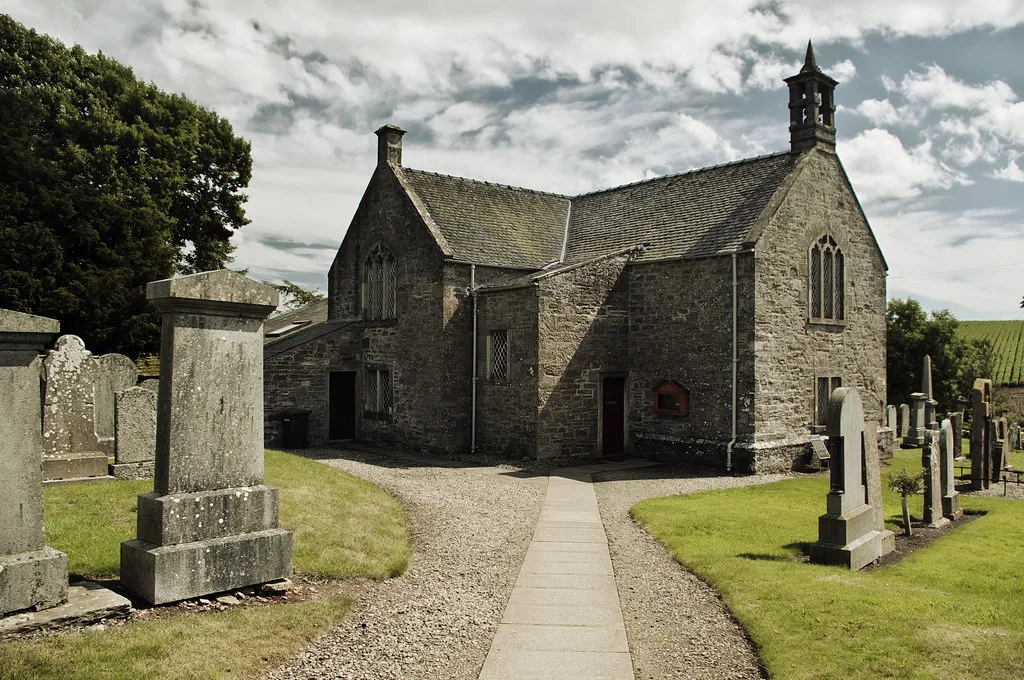
Access varies by site, so treat the table as a starting point. Prices and hours were checked in November 2026 against official pages, which are the place to confirm anything seasonal. For Aberlemno, the Angus Council website is the starting point.
| Site | Setting | Access notes |
|---|---|---|
| Aberlemno, Angus | Churchyard and roadside stones | Outdoor; surface and seasonal arrangements vary, check the council page |
| Meigle Sculptured Stone Museum, Perthshire | Indoor museum | Staffed museum; check the official page for hours and entry |
| Roadside and field stones elsewhere | Open ground | Usually no staff or signage; rough ground likely |
Sample Routes and How Much Time to Allow
Keep each route to one region, because Pictland is large and drives add up.
- Half-day from Inverness: pair one Highland stone stop with the Clava Cairns Guide: What to See, History & Visiting Tips burial monuments, which are prehistoric, not Pictish.
- One-day Angus and Perthshire loop: see the Aberlemno stones, then go indoors at Meigle.
- Themed multi-day route: base yourself in one region and add one stop a day, mixing outdoor stones with a museum.
Mistakes to Avoid and Photography Tips
Do not treat Pictland as one small day trip, because sites are spread across several regions. Do not expect staff or signs at roadside stones. Poor weather makes shallow carvings hard to read, so low raking light or a dry spell helps. Check photography rules at indoor sites before you raise a camera.
Pictish Stones and Scotland's Other Ancient Sites
Pictish carving belongs to a later period than most of Scotland's famous monuments. Compare it with the prehistoric circles at Callanish on Lewis. Argyll's Kilmartin Glen: Prehistoric Sites and Visit Planning Guide offers a similar contrast, with burial and ritual sites far older than any symbol stone. For Shetland, Jarlshof's layered settlement shows how later peoples built on earlier ones. If you are visiting for screen tie-ins, our Outlander stone sites are prehistoric, not Pictish.
A 1-Day First Visit: Aberlemno and Meigle
For a manageable first encounter, make a 1-day Angus-and-Perthshire outing with 2 contrasting stops: Aberlemno and Meigle. Start at Aberlemno, where churchyard and roadside stones give the outdoor context that makes Pictish carving feel part of the landscape. Check the Angus Council page before leaving, as surface conditions and seasonal arrangements can affect a visit.
Continue to Meigle Sculptured Stone Museum for an indoor comparison. Its Historic Environment Scotland collection is easier to study in poor weather, but opening hours and entry arrangements should be confirmed before travel. This pairing also helps you recognise the difference between weathered outdoor lines and protected carved detail. It is a more realistic introduction than trying to cover several regions in one day.
Related guides
Continue reading
Guides on the same trip