
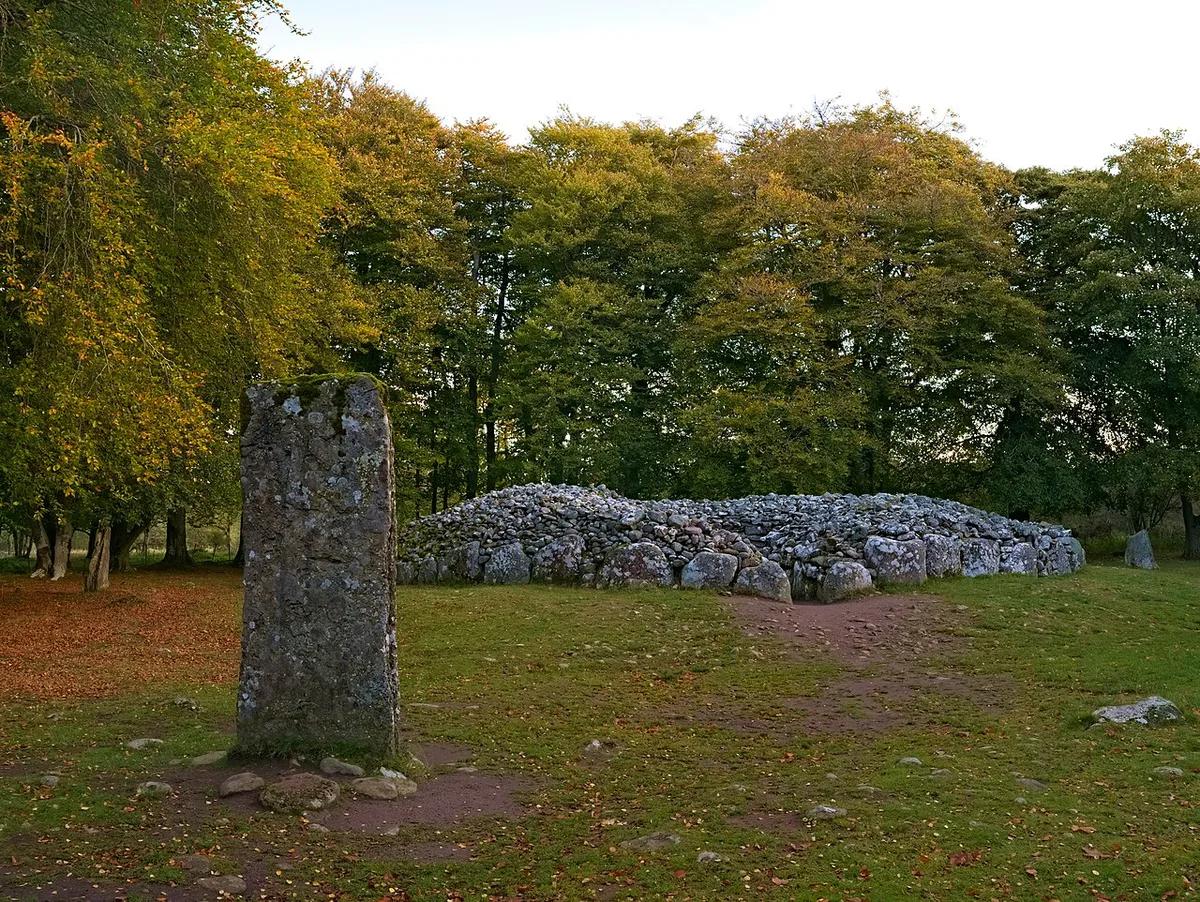
Clava Cairns Guide: What to See, History & Visiting Tips
Last updated November 2026. The clava cairns at Balnuaran of Clava are a Bronze Age cemetery of ring cairns and passage graves with standing stones, east of Inverness. Historic Environment Scotland cares for the site. It suits anyone who wants a quiet, open-air prehistoric monument, and our route details from Inverness cover the journey step by step.
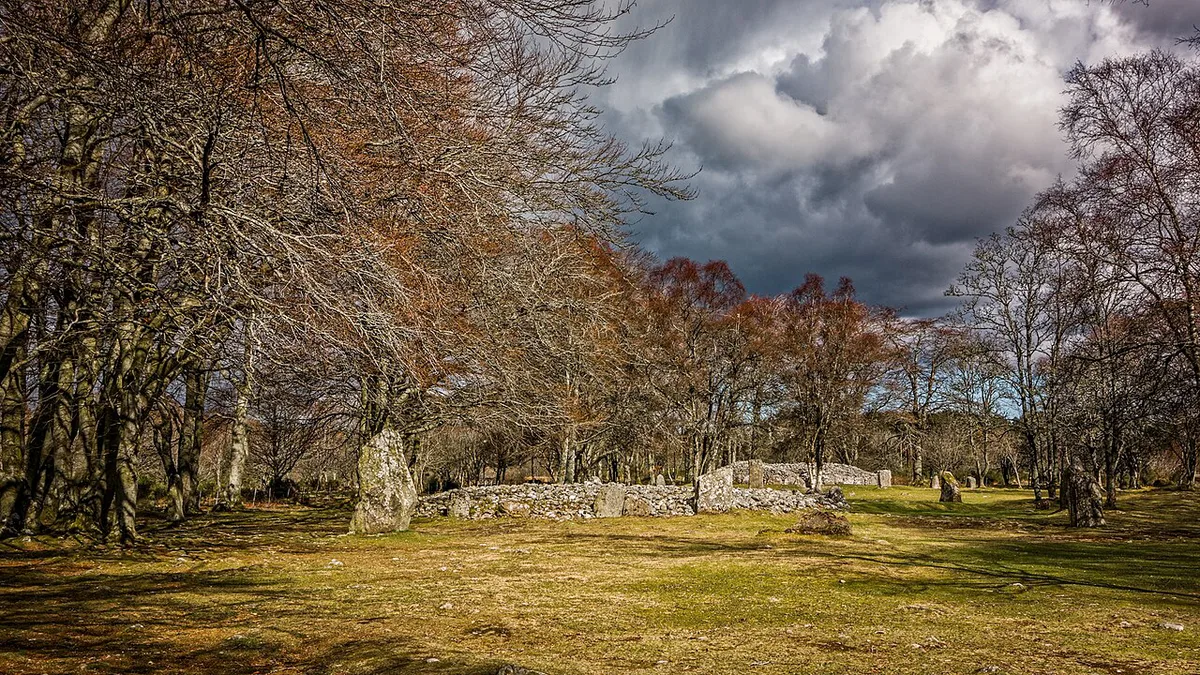
Featured image: Daniel Kraft, CC BY-SA 3.0, via Wikimedia Commons.
What are the Clava Cairns?
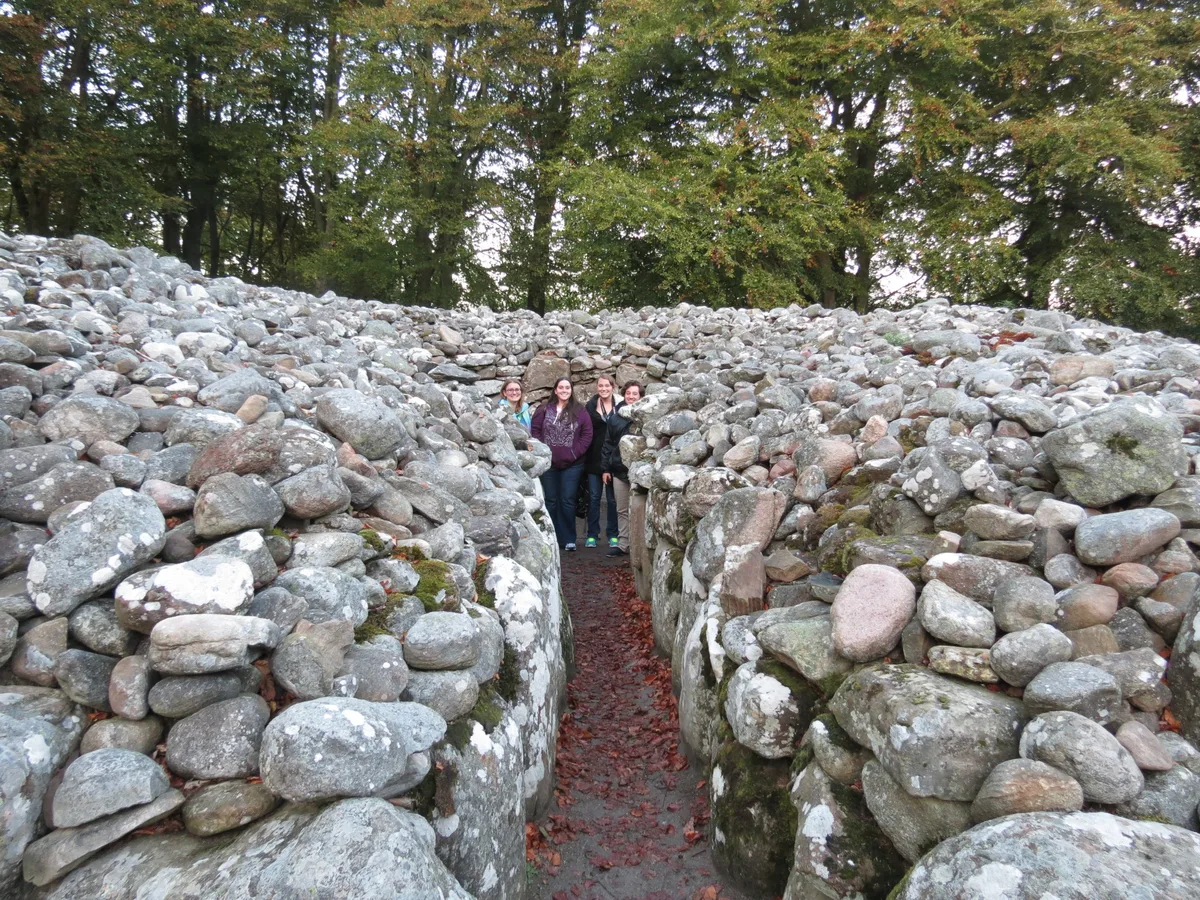
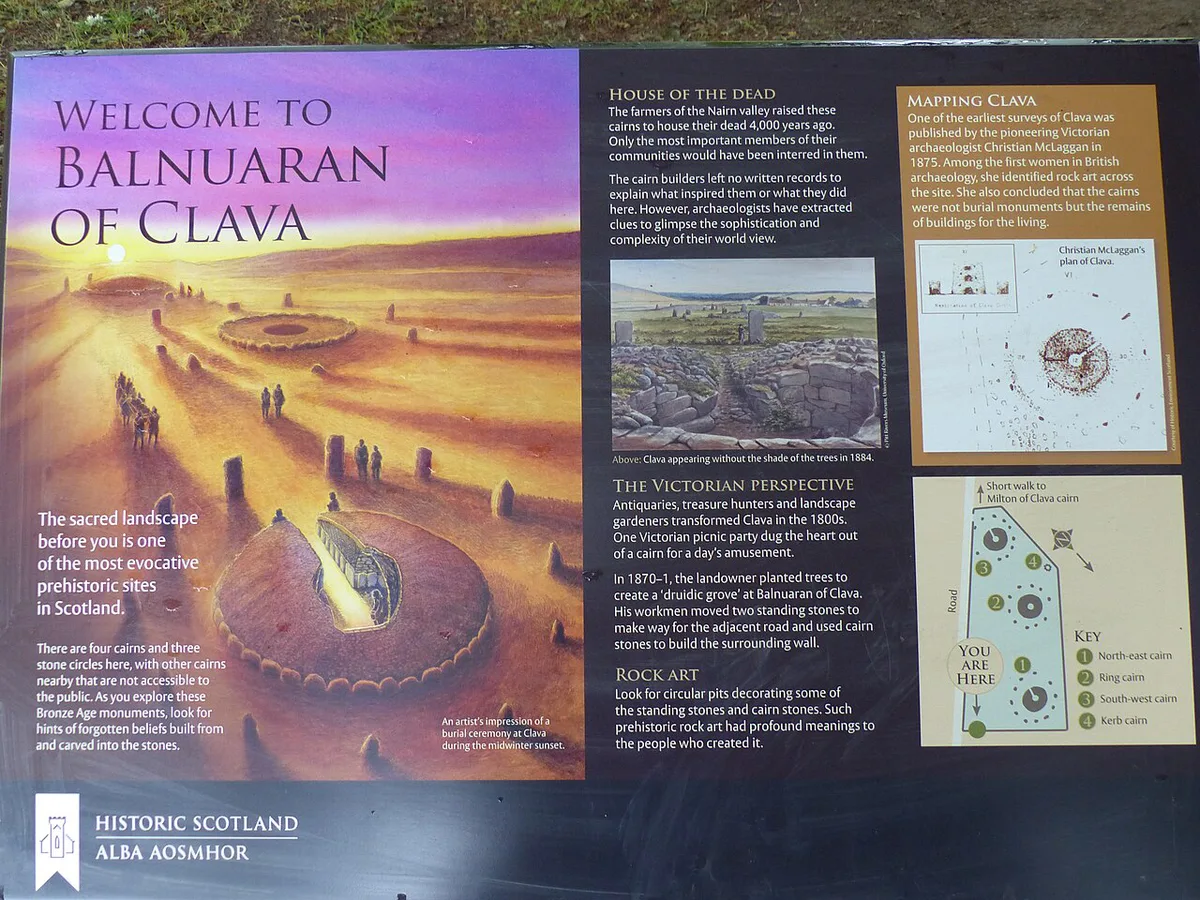
Balnuaran of Clava is a prehistoric burial ground. Its monuments are cairns: piles of stone built over or around burial space. Some are ring cairns, and some are passage graves with a stone-lined way in. Standing stones circle several of them. Together they make one of the best-known Bronze Age sites near Inverness. It is also an anchor stop in our Scottish standing stones hub.
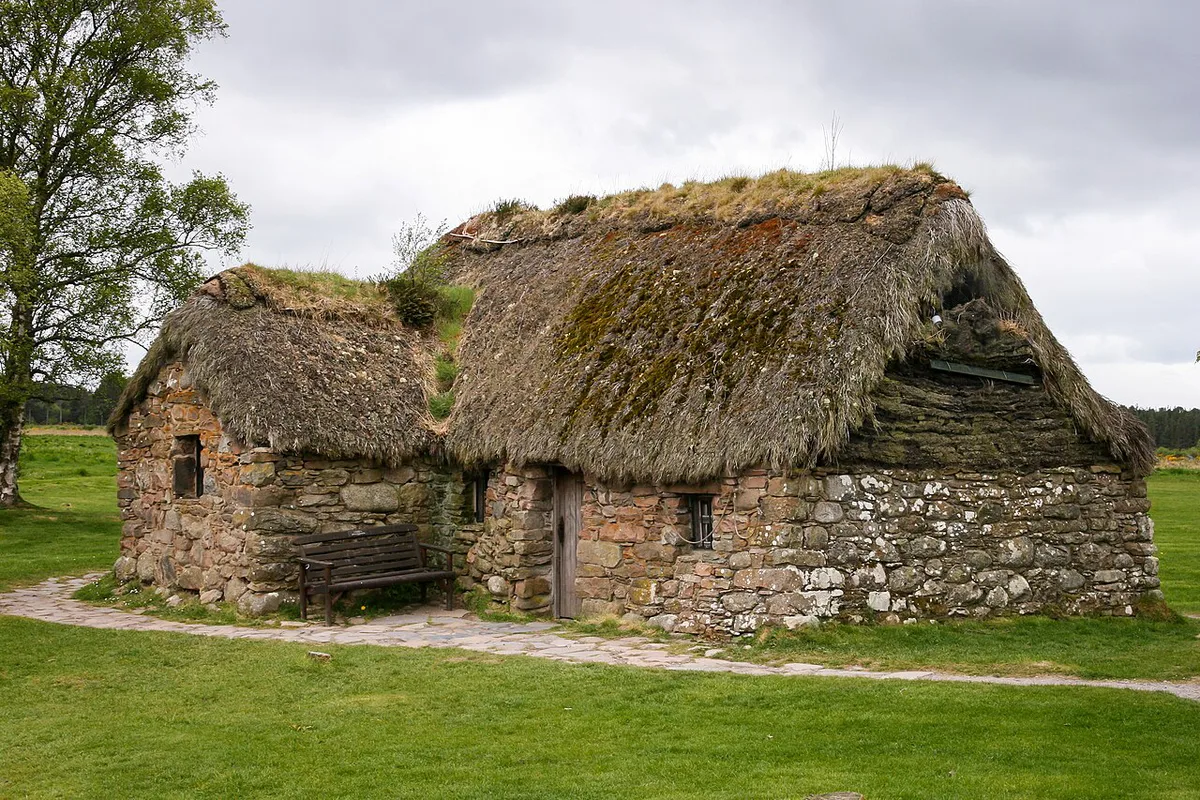
What you will see on site
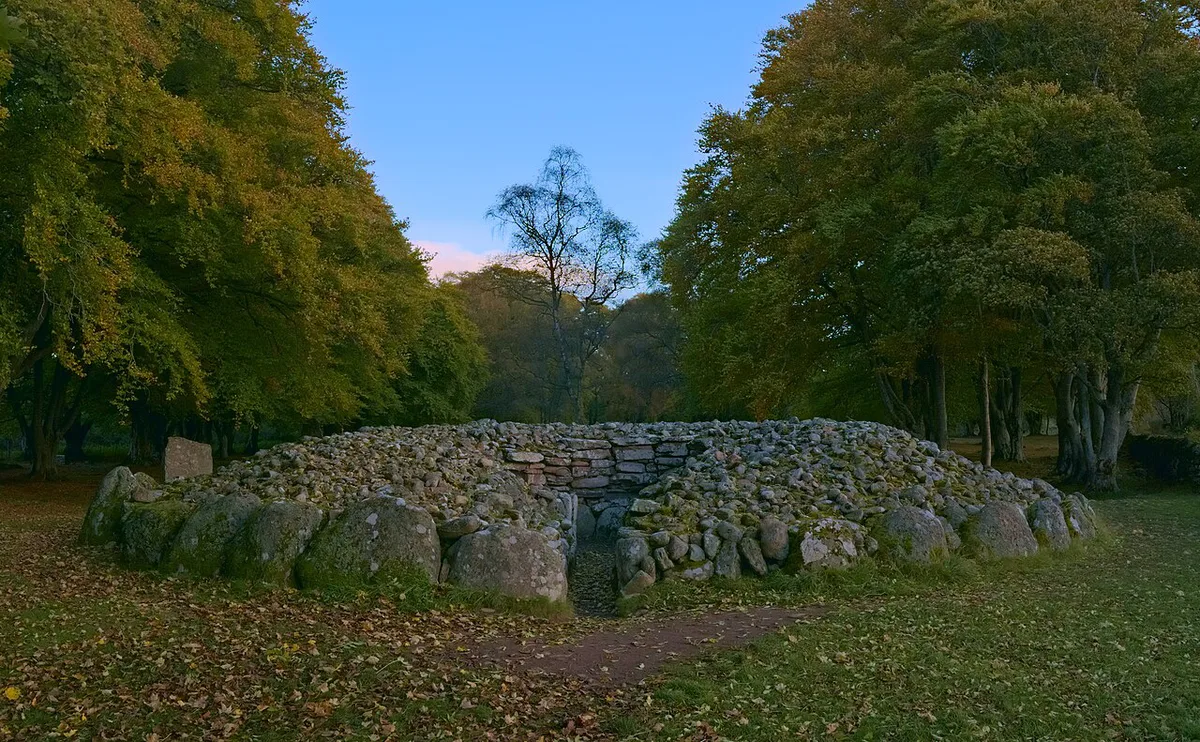
Expect a small, open-air site, not a visitor complex. You walk between the monuments on foot and read them at close range. Look for the features below.
| Feature | What it is |
|---|---|
| Passage graves | Round cairns with a stone-lined passage leading in |
| Ring cairns | Rings of stone with an open centre |
| Standing stones | Upright stones encircling the cairns |
| Kerbs and cup marks | Edge stones and small carved hollows on some stones |
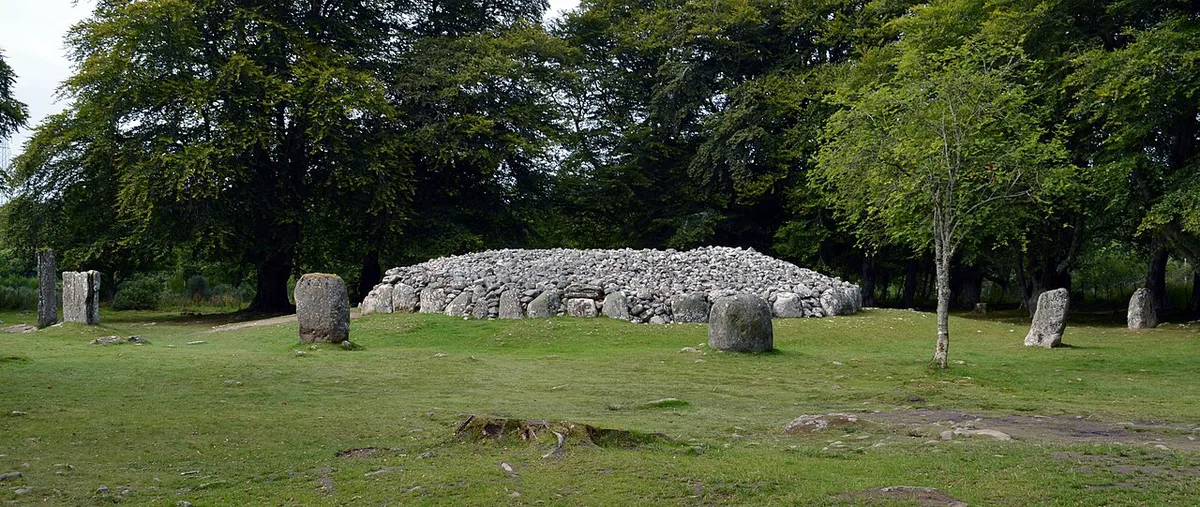
Why the archaeology matters
Clava-type cairns are a regional style, distinct from the chambered cairns found elsewhere in Scotland. Their ring-and-passage layout shows how Bronze Age communities arranged their dead. Some writers link the passage alignments to the midwinter sunset. Treat that as an interpretation rather than settled fact. The cup marks are also open to several readings.
Visiting: access, cost and rules
Historic Environment Scotland publishes current access, rules and any charges on its official visit pages. Read them before you set out. They also cover conduct around the stones and the ground underfoot. Dress for Highland weather, because the site is outdoors and paths can be wet in winter.
Facilities, accessibility and photography at Balnuaran of Clava
Balnuaran of Clava is a small, unstaffed, open-air monument, so plan for what the site does not have as much as for what it does.
What to expect on the ground
- Facilities: expect a small car park and no visitor centre. Bring water and any food with you, and use facilities in Inverness or at your next stop before arriving.
- Paths and surfaces: the monuments stand in grass and woodland, so the ground can be soft, uneven and muddy after rain. Waterproof footwear is more useful than hiking boots.
- Accessibility: visitors who use a wheelchair or have limited mobility should check Historic Environment Scotland's visit page for current access details, since surfaces vary between monuments.
- Dogs and children: both are generally fine on a short visit. Keep dogs under control and ask children not to climb on the cairns or stones.
Photography
Low winter sun and early-morning light bring out the texture of the kerbs and cup-marked stones, and they also keep crowds thin. The passage graves are hard to shoot in full from one spot, so walk the perimeter of each cairn. Do not stand or lean on the stonework to get an angle. Rules on drones and on commercial filming sit with Historic Environment Scotland, so check them before you fly or shoot for work.
How long to allow
A short stop lets you see the main cairns and circles. A slower visit lets you read each monument and compare the passage graves with the ring cairns. Winter daylight in the Highlands is short, so plan an earlier visit in that season.
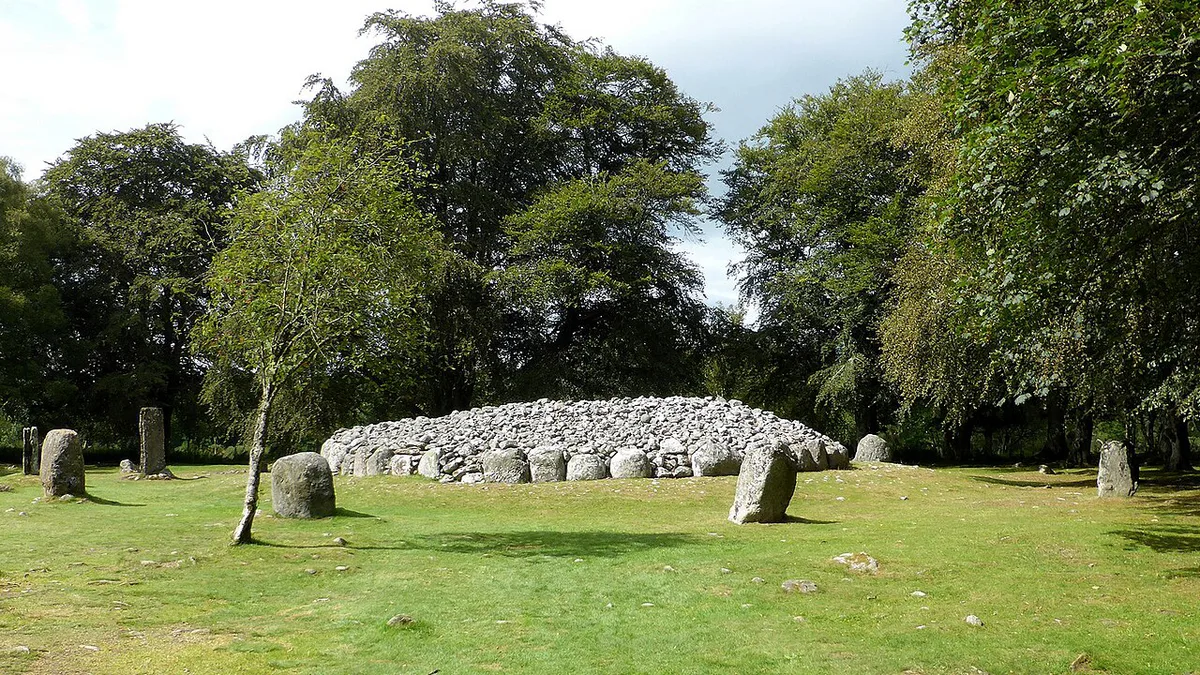
Plan for 60–90 minutes if you want to read the kerbs and cup-marked stones, and arrive earlier in winter.
Getting there
You can reach the site by car, bus or tour from Inverness. Car gives the most flexibility, and tours add commentary. Local tourism information is on VisitScotland. Our Inverness transport guide compares the options in full.
Pairing Clava Cairns with Culloden and other nearby stops
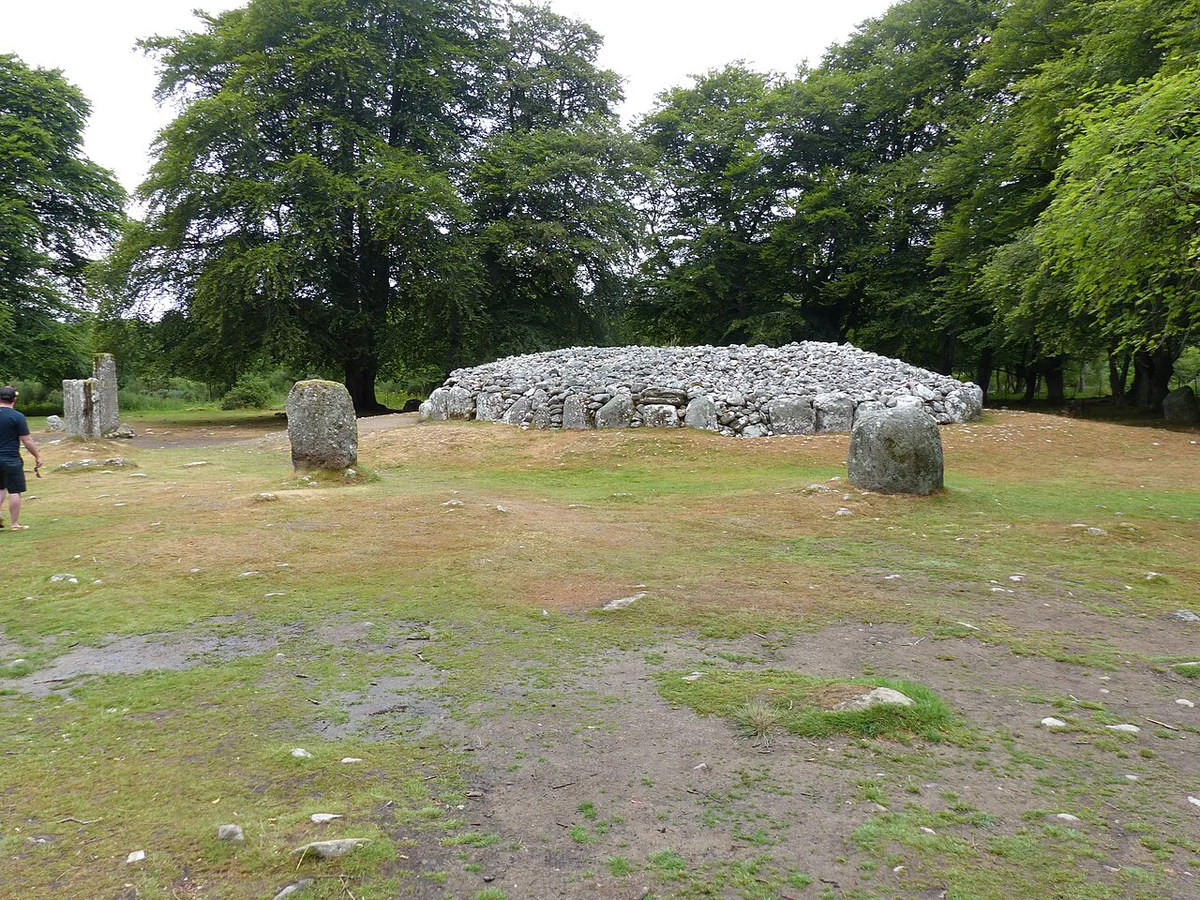
Clava is a short stop, so most visitors pair it with something else east of Inverness. The pairings below fit a half-day by car or on a small-group tour.
- Culloden Battlefield: It lies only a couple of kilometres from the cairns, so the two sit naturally together. The site is run by the National Trust for Scotland, and it pairs a Bronze Age cemetery with an 18th-century battlefield. Check the Trust's website for opening hours and ticket prices before you go.
- Cawdor Castle: A short drive further east, it suits a slower day. The castle and its gardens have their own seasonal opening, so confirm dates on the official site first.
- Fort George: Further along the Moray Firth coast, this large 18th-century fortress is better suited to a separate half-day than a quick add-on.
If you plan to see Clava and Culloden in one outing, visit Clava first. It is outdoors and depends on daylight, while Culloden has an indoor visitor centre you can use if the weather turns.
Without a car, check the current bus timetable from Inverness before committing to more than one stop. Services to a monument that sits outside a village are less frequent than the main routes, and winter timetables are often thinner. Tours that combine Clava with Culloden remove that problem and add commentary at both sites.
Clava Cairns vs other Scottish prehistoric sites
Clava is compact and easy to fit into a day from Inverness. Other sites reward longer trips. Fans of the TV series should read about the Outlander-linked stones before assuming which circle is which.
Allow 30 minutes at Clava for a brief stop, while longer-trip sites like Kilmartin's monuments need a full day.
| Site | Type | Best for |
|---|---|---|
| Callanish circle | Standing stones in the Outer Hebrides | Island trips and a famous stone setting |
| Kilmartin's monuments | Cairns and standing stones in Argyll | A full day among many monuments |
| Machrie Moor circles | Stone circles on Arran | Moorland walking and circles |
| Jarlshof in Shetland | Prehistoric settlement | Layered settlement history |
Plan your time at Clava Cairns
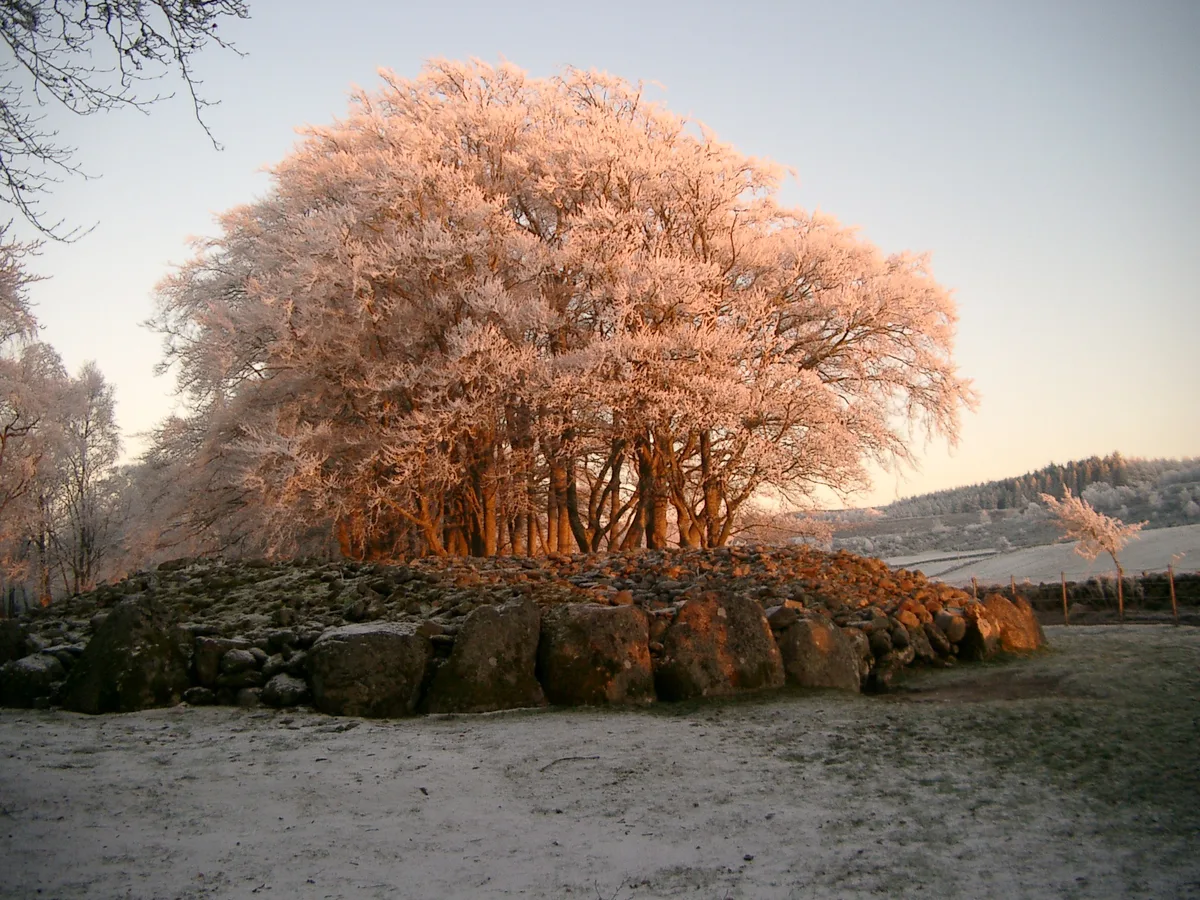
Allow 30 minutes if Clava Cairns is a brief stop on a wider Highland day. That is enough time to walk between the principal cairns, notice the surrounding standing stones and understand the contrast between passage graves and ring cairns.
Set aside 60–90 minutes for a slower visit. This gives you time to look closely at the kerbs, cup-marked stones and the different monument layouts. It also leaves room to pause at the information on site rather than treating the cairns as a quick photograph stop.
A half-day works best if you want to combine the monuments with another nearby destination. Keep Clava itself as the archaeological focus, because it is a compact open-air cemetery rather than a large visitor attraction. In winter, arrive earlier than you might in summer, as Highland daylight is limited and the ground can be wet.
Check Historic Environment Scotland’s current visitor information before leaving, particularly if weather affects your plans.
Related guides



Continue reading
Guides on the same trip


