Dun Carloway Broch Guide: Visiting Lewis's Iron Age Tower
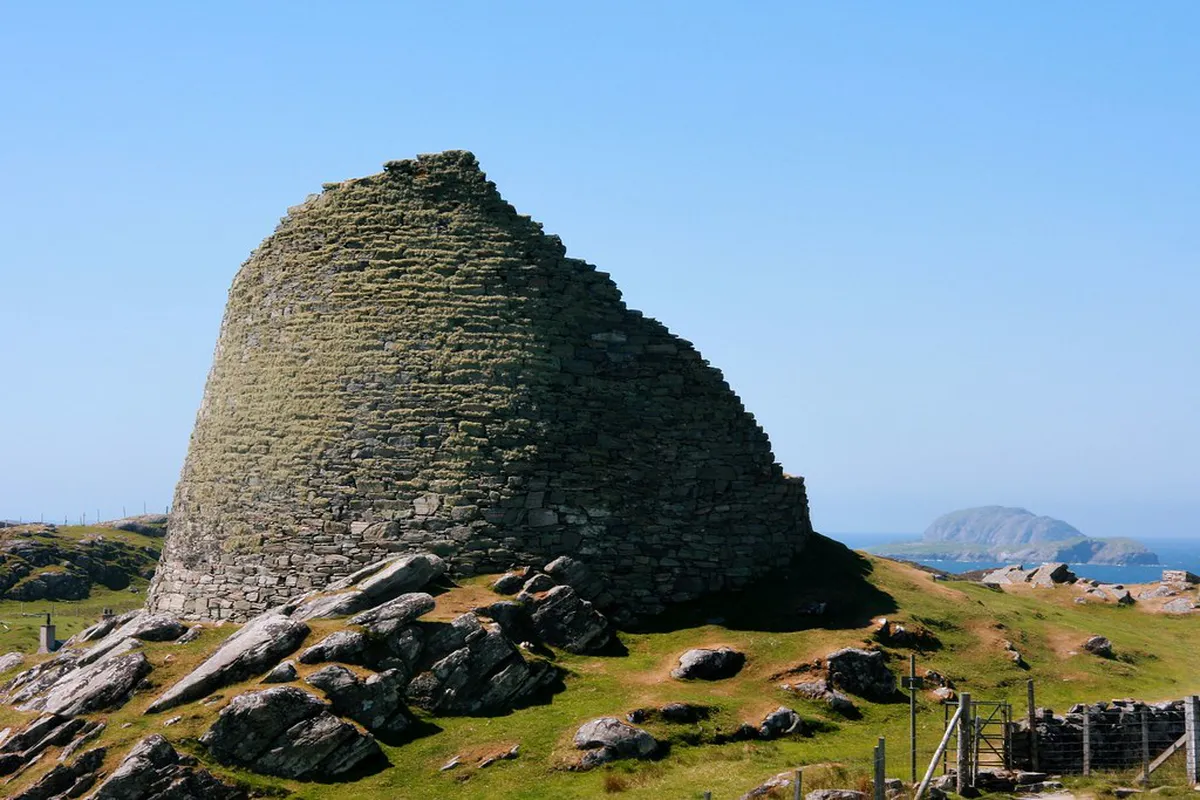
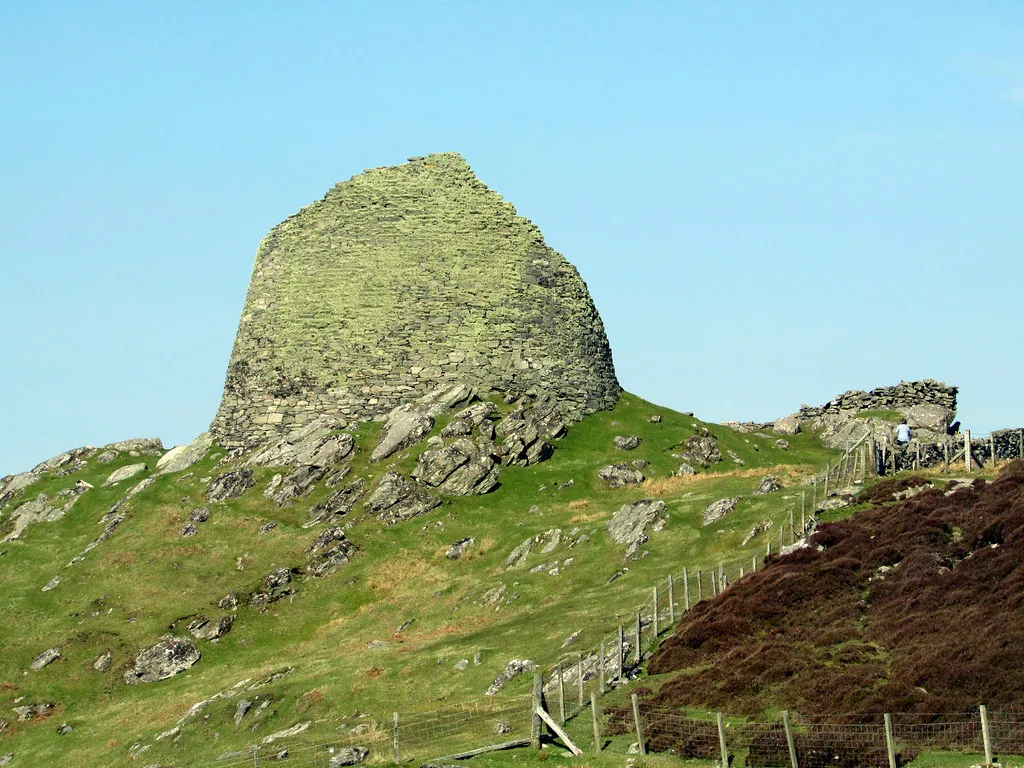
Last updated November 2026: Dun Carloway broch is an Iron Age tower on the west side of Lewis in the Outer Hebrides, and its walls still stand to a considerable height. It is roughly 2,000 years old and is widely described as one of the best-preserved brochs on the Scottish islands. A short uphill walk of about five minutes from the car park brings you to the stonework.
Featured image: Chris Fleming, CC BY-SA 2.0, via Flickr.
Dun Carloway broch at a glance
Here is the short version before the detail. Use it to decide whether the stop fits your Lewis day.
- Location: near Carloway, on the west side of the Isle of Lewis, Outer Hebrides.
- Type: Iron Age broch, a hollow-walled stone tower.
- Access: a short uphill walk from the car park.
- On site: a small visitor centre near the start of the path.
- Best for: anyone who wants to see how a broch was built, in a few quiet minutes on the island's west coast.
What a broch is and why Dun Carloway stands out
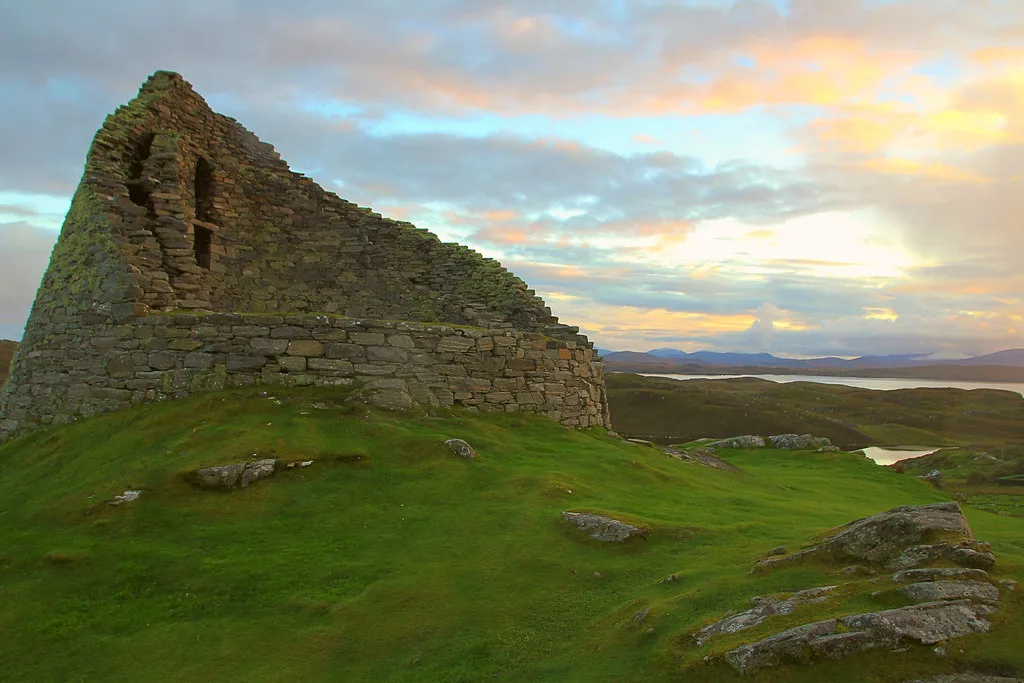
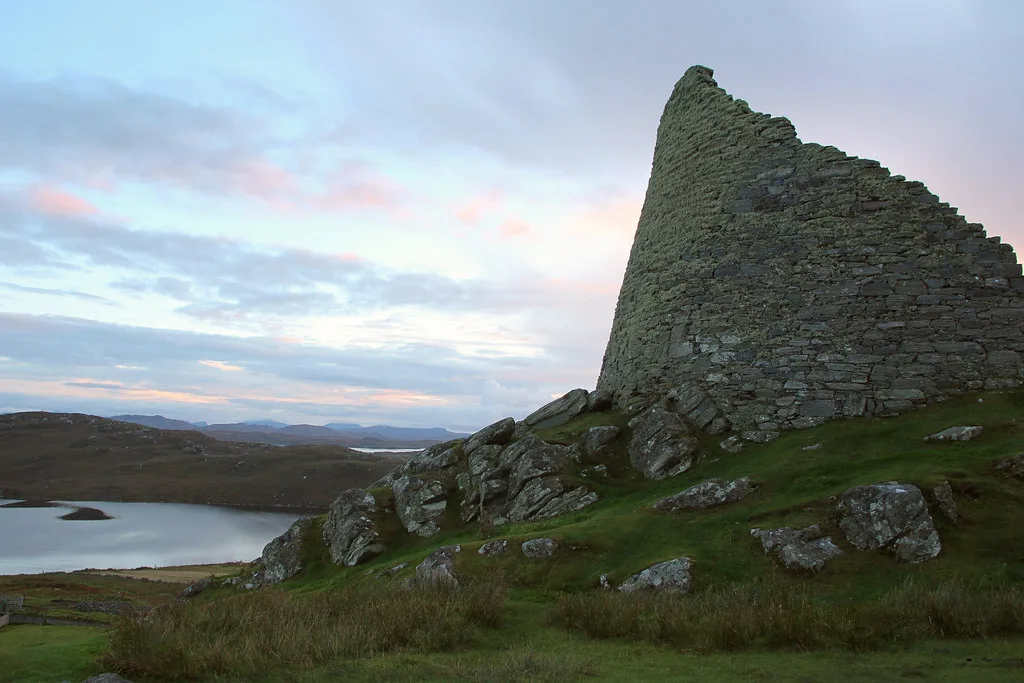
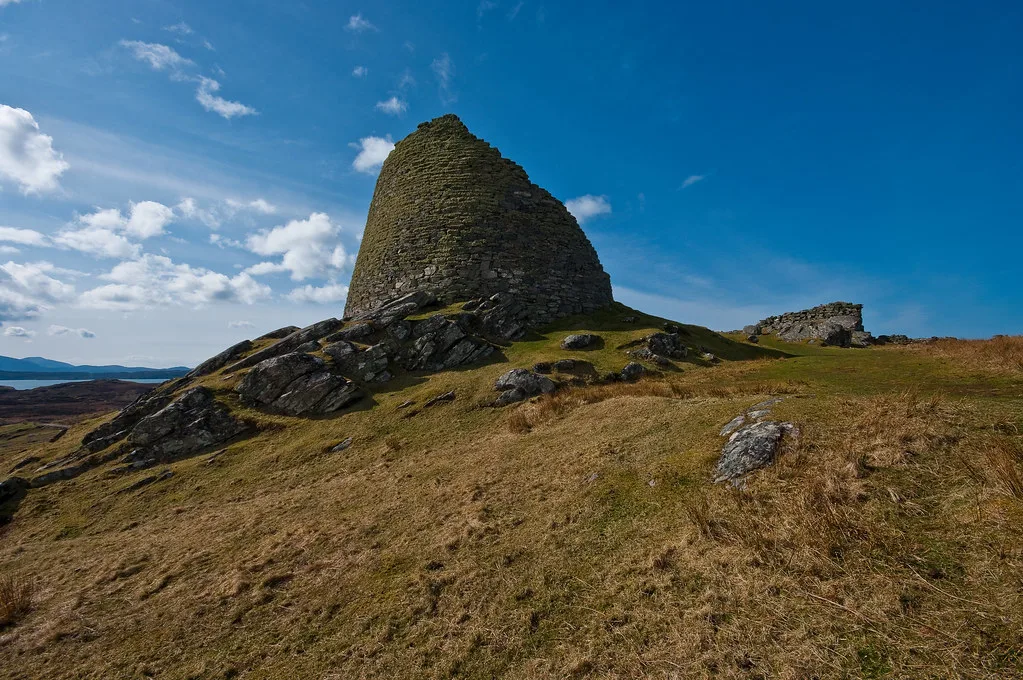
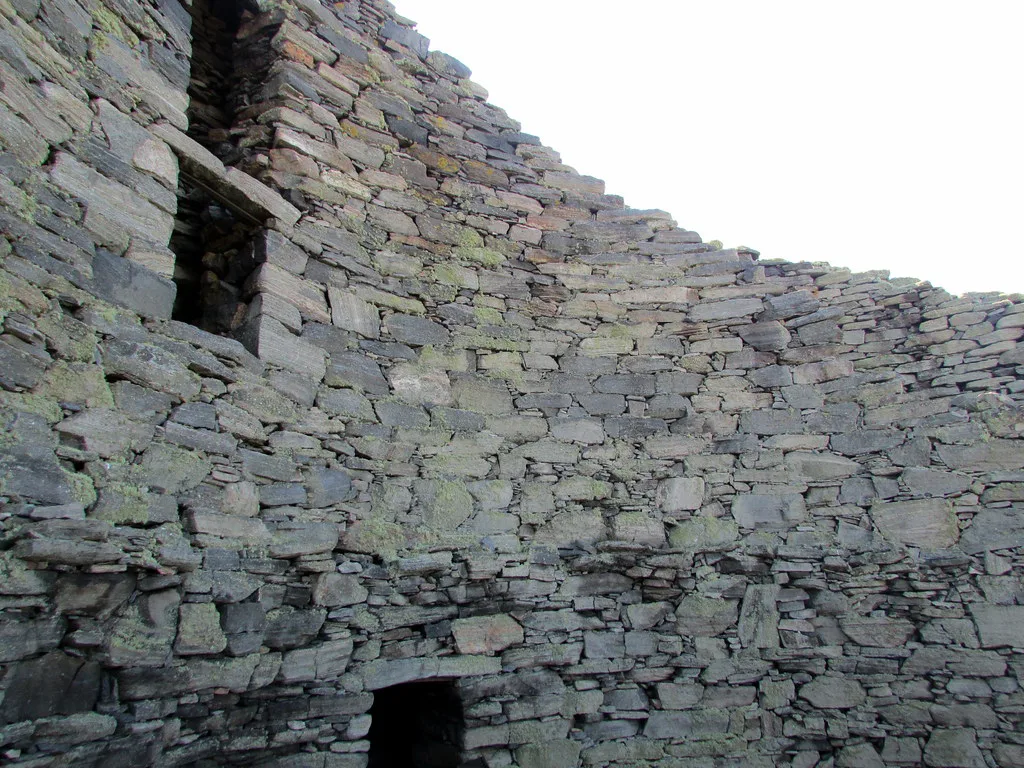
A broch is a round, drystone tower built in the Iron Age, with a thick, hollow wall and a central court. Dun Carloway shows that design unusually clearly because the wall survives high enough to read its structure. Stand at the base and you can see the wall rising in layers, with the open court inside. Scotland has many broch sites, and our guide to brochs across Scotland explains the wider picture. Dun Carloway is the Lewis example worth building a west-coast day around.
How to get to Dun Carloway
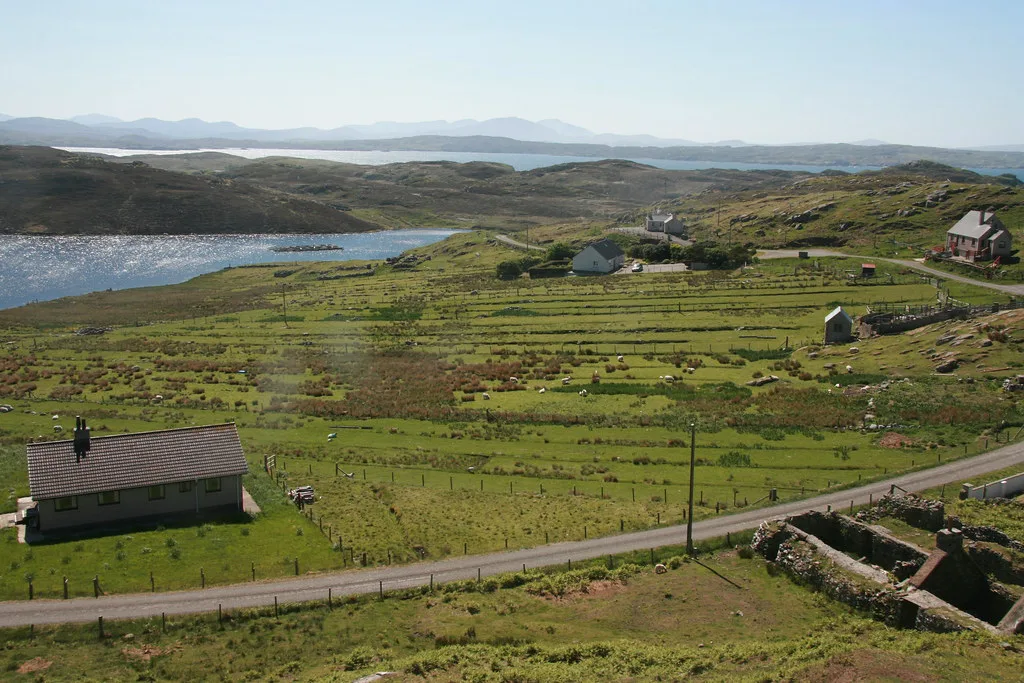
Lewis is reached by ferry or by air. The Visit Outer Hebrides site lists travel options to the islands and local transport. Stornoway is the island's main town, so most visitors start there and drive west to Carloway. A car gives you the most freedom on rural roads, and you should allow extra time for single-track sections. Bus services on the island are limited, so check current timetables before relying on one.
The walk up and what to expect on site
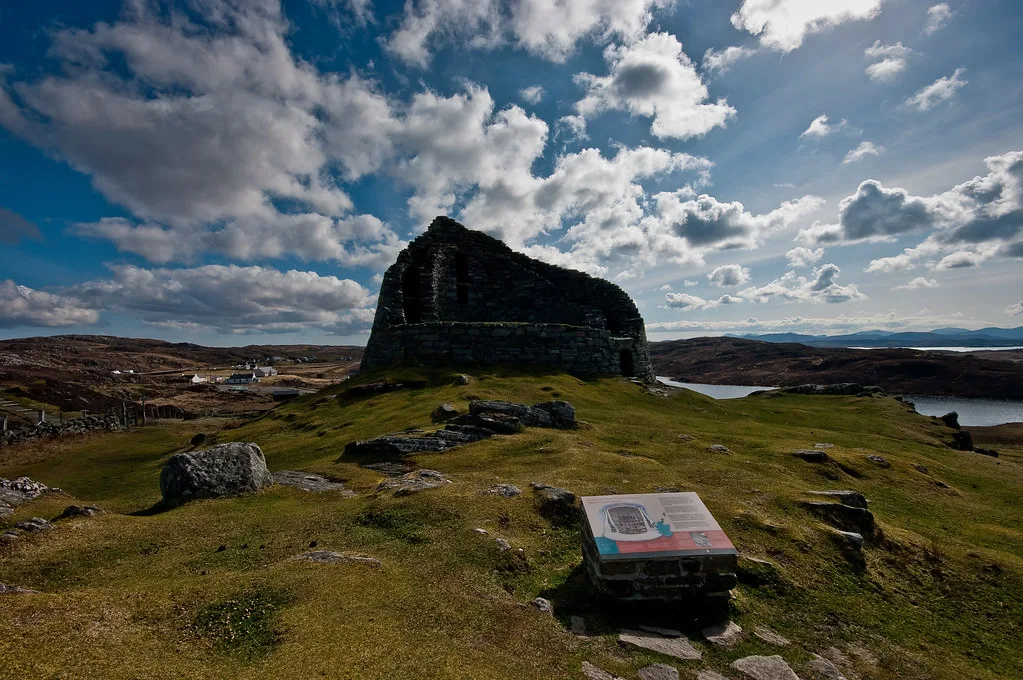
Park at the car park, then follow the path uphill. The walk takes about five minutes at an easy pace, but it is a climb rather than a stroll. Wear shoes with grip, because the ground can be wet and the hill is open to the wind. Bring a windproof layer in any season, since the Atlantic weather on Lewis changes quickly. In summer, midges can make a still evening unpleasant, so pack repellent. Treat the stonework with care: leave the walls as you find them and do not climb on them. Sheep may graze nearby, so keep any dog under control.
Visitor centre, opening times and costs
A small visitor centre sits near the start of the path and adds context to what you see on the hill. Opening hours and any charges are not fixed in our notes, so check Historic Environment Scotland for current details before you go.
How long to spend and how to pair it with Callanish
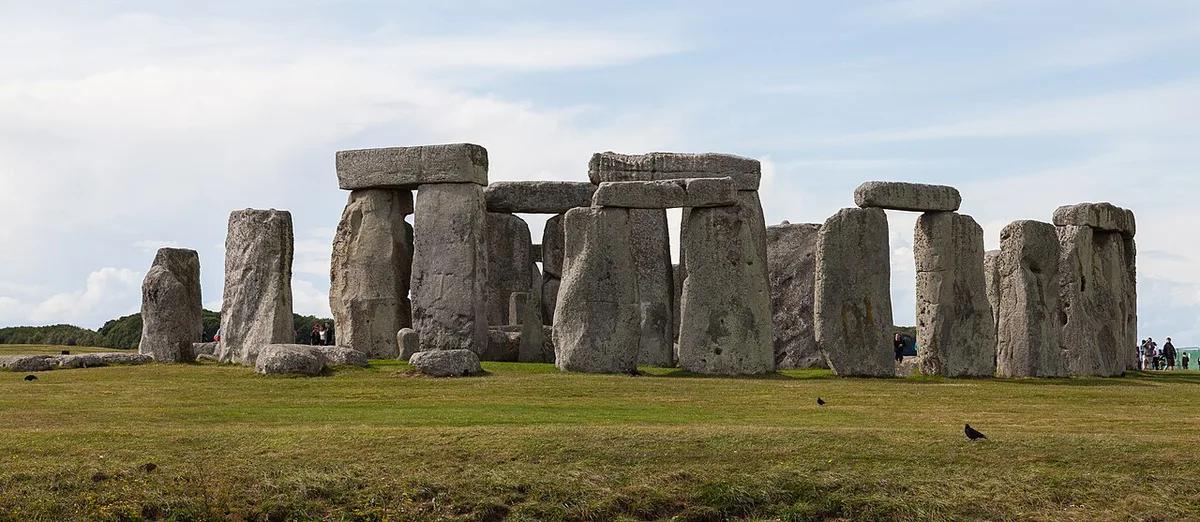
Allow time for the walk up, a slow circuit of the stonework, and the walk back down. That makes Dun Carloway a short stop rather than a full-day outing. Its value rises when you pair it with other west Lewis sights. The obvious partner is the Callanish Stones, a very different kind of monument. Callanish is a stone circle with a wide-open feel, while Dun Carloway is a compact tower you can read up close. For the wider region, see our guide to 5 Best Standing Stones in Scotland: Sites, Maps and Visit Tips. Start at whichever site suits the light and the weather, and keep the other for later in the day.
Dun Carloway vs other brochs
Not every broch is as easy to reach. Mousa Broch: How to Visit Shetland's Iron Age Tower sits on an island in Shetland and needs a boat trip, so it demands more planning. Jarlshof is also in Shetland, but it is a layered settlement site rather than a single standing tower. Dun Carloway sits between the two in effort: no boat, a short climb, and a clear view of one broch's structure. Use Shetland Amenity Trust for the Shetland sites if you are comparing routes.
| Site | Location | Type | How you reach it |
|---|---|---|---|
| Dun Carloway | Lewis, Outer Hebrides | Iron Age broch tower, with walls you can read up close | Short uphill walk from the car park, no boat needed |
| Mousa Broch | Island in Shetland | Broch | Boat trip required, so more planning |
| Jarlshof | Shetland | Layered settlement site rather than a single standing tower | Check Shetland Amenity Trust for routes |
Who should skip it, and the best time to go
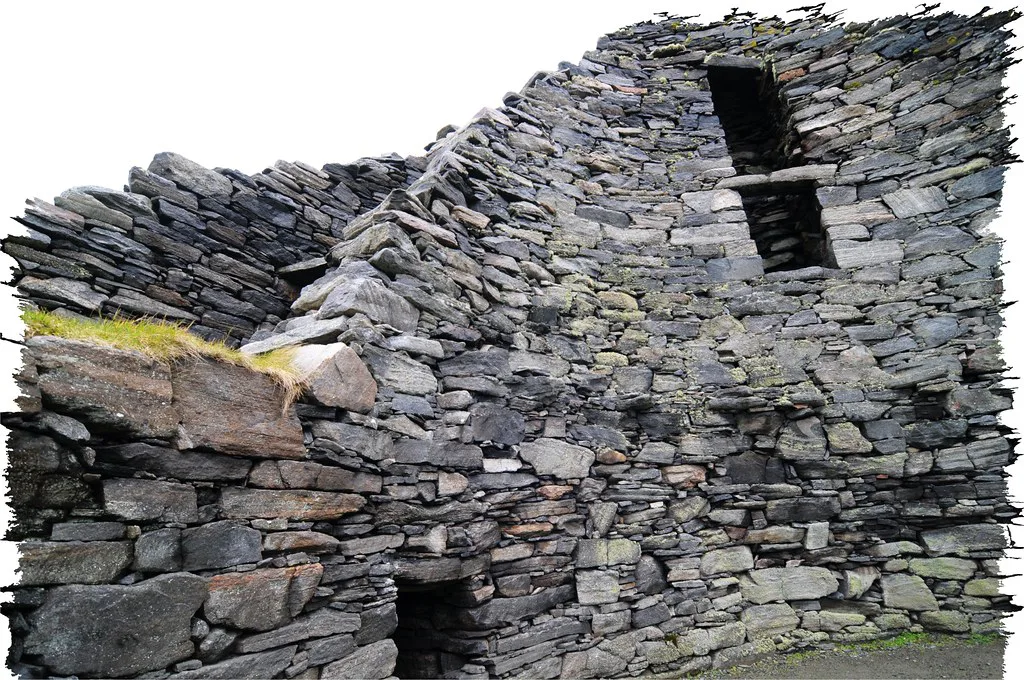
Skip or shorten the stop if the uphill path is a problem for you or your group. Visitors who prefer a fully interpreted museum experience may find the site light on displays. For photographs, low sun and clear air show the wall texture best. Wind and rain are common, so waterproof protection for your camera is worth packing. Go early or late for a quieter hill, and leave a margin for the daylight on shorter winter days.
Related guides
Continue reading
Guides on the same trip