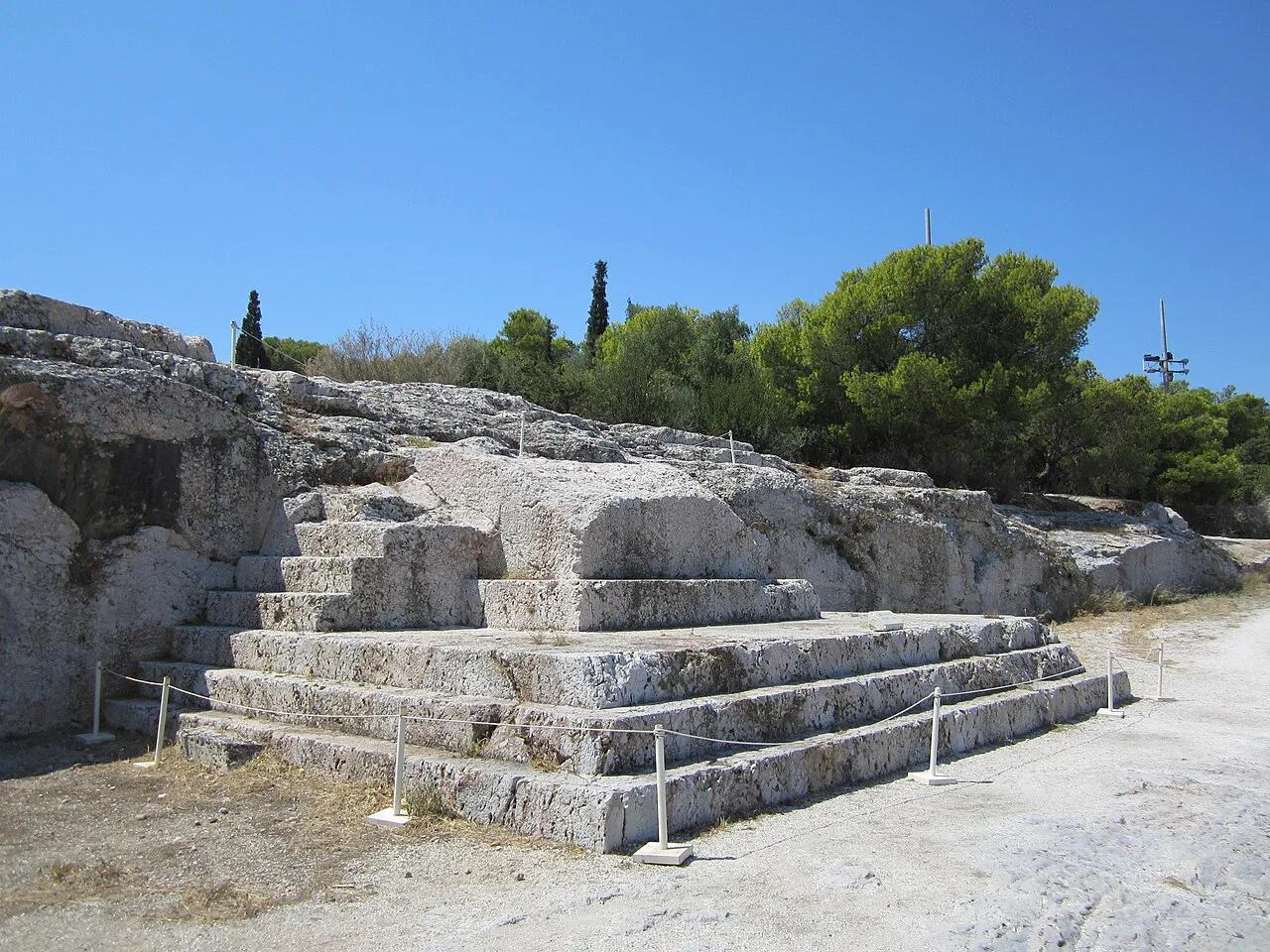
Last updated November 2026. The Pnyx is the hillside west of the Acropolis where the Athenian Assembly met, and it is a quiet, open-air stop rather than a monument. Come for the rock-cut speaker's platform and the retaining wall, and skip it if you want columns and carved stone. Visitors planning a wider walk can start from our guide to 10 Best Ruins in Athens: Ancient Sites, Tickets & Day Trips.
Featured image: Tomisti, CC BY-SA 4.0, via Wikimedia Commons.
What the Pnyx is and why it matters
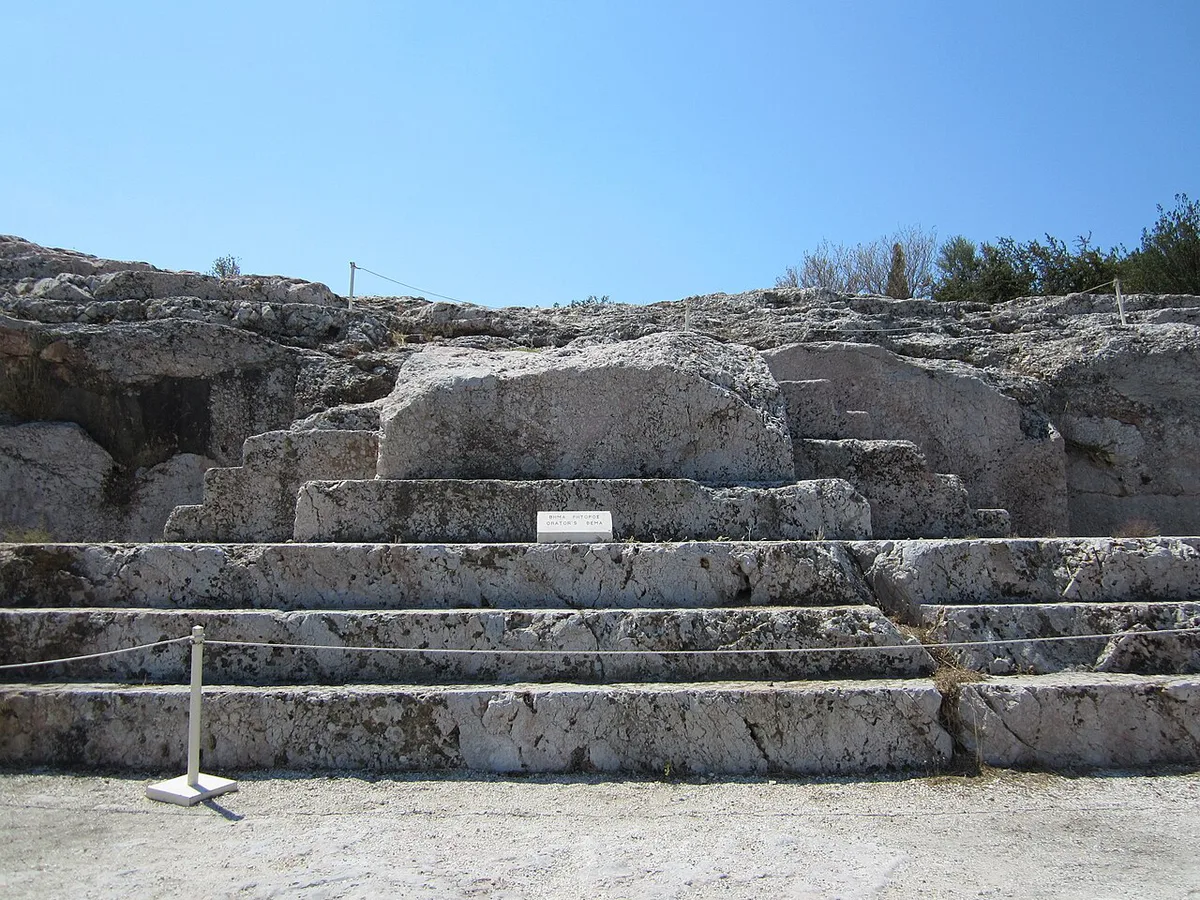
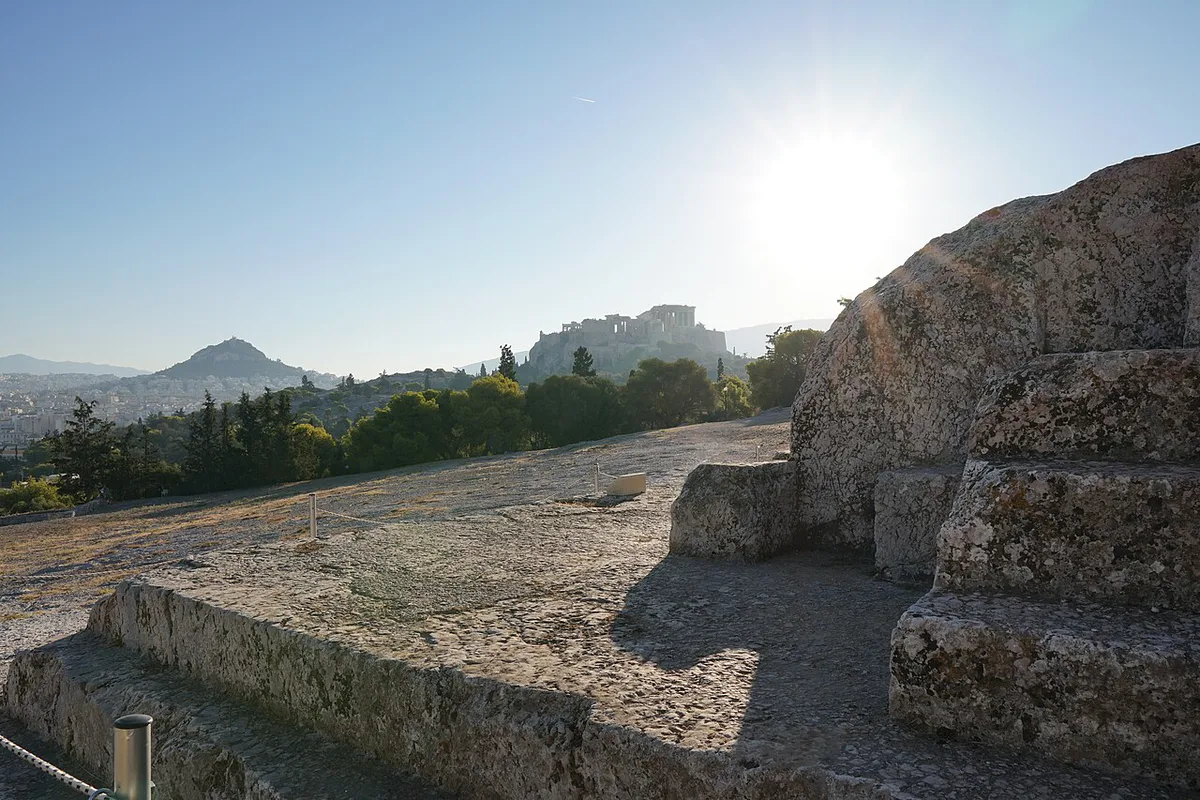
The Pnyx was the meeting place of the Athenian Assembly, where citizens gathered on a slope to debate and vote. It lies west of the Acropolis. Today you see bare rock, a terrace and a large retaining wall that held up the sloping ground where people sat. The speaker's platform, called the bema, is the focal point. Standing near it explains the site better than any sign does. The Hellenic Ministry of Culture describes how the monument was built and altered over time, so read its entry on the official ticketing portal for the construction phases instead of relying on memory or hearsay. People often search the word "Pnyx" expecting a different organisation with the same name. This page covers only the ancient hill in Athens.
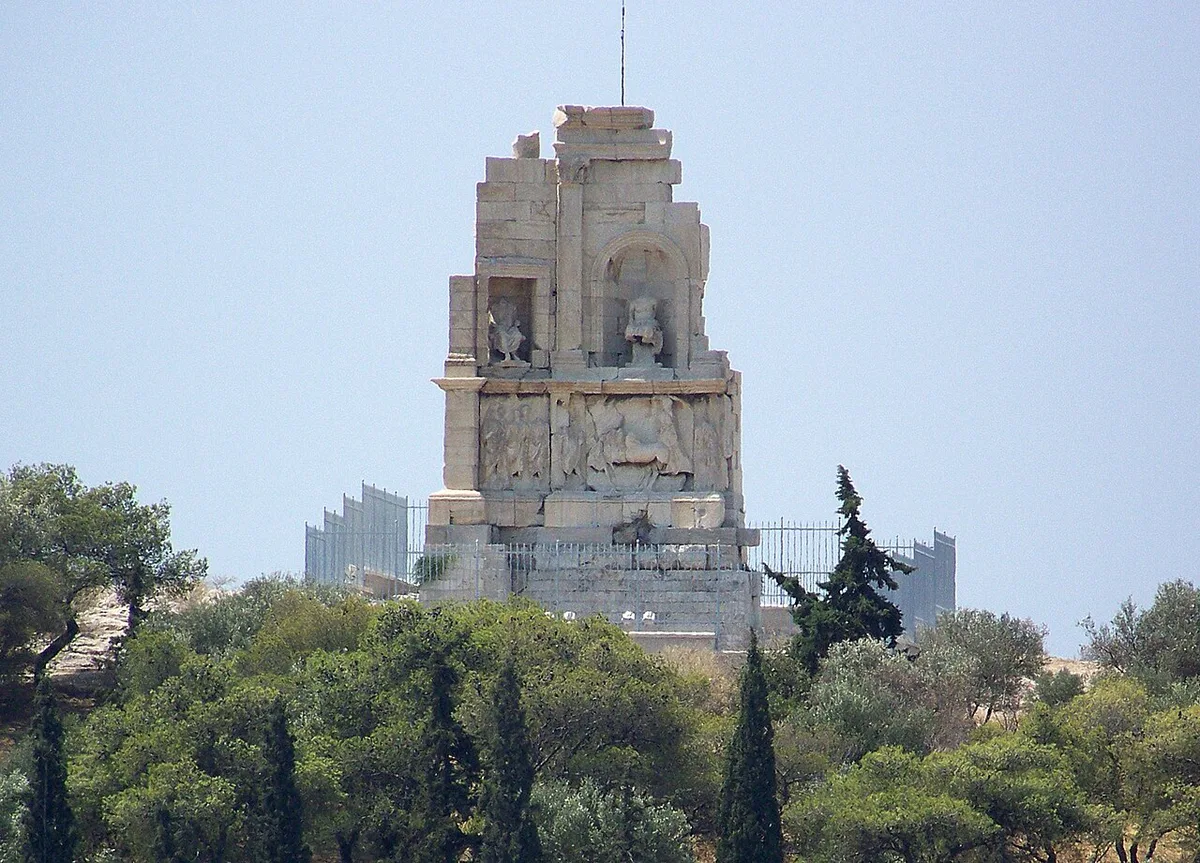
How the Athenian Assembly met on the Pnyx
Knowing how a meeting worked makes the bare rock easier to read. The Assembly (the Ekklesia) was open to adult male citizens, and it decided matters such as war and peace, public finance and the fate of officials. Ordinary meetings took place roughly forty times a year, so the hillside was in regular use rather than reserved for rare occasions.
- Who spoke: any citizen could address the crowd from the bema, which is why orators such as Pericles and Demosthenes are tied to the place in the popular imagination.
- How votes were taken: most decisions were made by a show of hands. Some matters needed a minimum attendance, commonly cited as 6,000 citizens.
- Crowd size: estimates of how many people the slope held vary by building phase and by scholar, so treat any single figure as approximate.
- Later history: over time the Assembly also met in other venues, including the Theatre of Dionysus, so the Pnyx is one chapter of the story and not the whole of it.
On site, picture the terrace filled with seated citizens facing the speaker, with the slope rising behind them. The retaining wall and the cut rock are what remain of that arrangement.
Is the Pnyx worth visiting?
It is worth a stop if you care about how Athenian democracy worked in practice. The reward is atmosphere and context, not spectacle. Plan to see it as a short, quiet break between larger sites. Skip it if you want roofed or monumental remains, if uneven rock and slopes are a problem, or if you would be walking at midday in summer heat. In those cases, the better substitutes are the Temple of Hephaestus, Athens: Tickets, Hours & Visit Tips or the Roman Agora, which are easier to read at a glance.
Pnyx vs other Athens ancient sites
Four nearby stops serve different moods. Use this table to decide which ones earn your time.
| Site | What you see | Effort and terrain | Best for | Skip if |
|---|---|---|---|---|
| Pnyx | Bema, terrace, retaining wall | Uneven rock and slopes, little shade | Democracy and quiet views | You want monuments |
| Areopagus Hill | Rocky outcrop beside the Acropolis | Steep, smooth rock | Skyline views | Rock is slippery or hot |
| Theatre of Dionysus | Stone seating and stage area | Stepped slope on the Acropolis side | Theatre history | You prefer open ground |
| Roman Agora | Roman-era market remains | Mostly level walking | Easy city stop | You want Classical Athens |
Getting there and what to expect on site
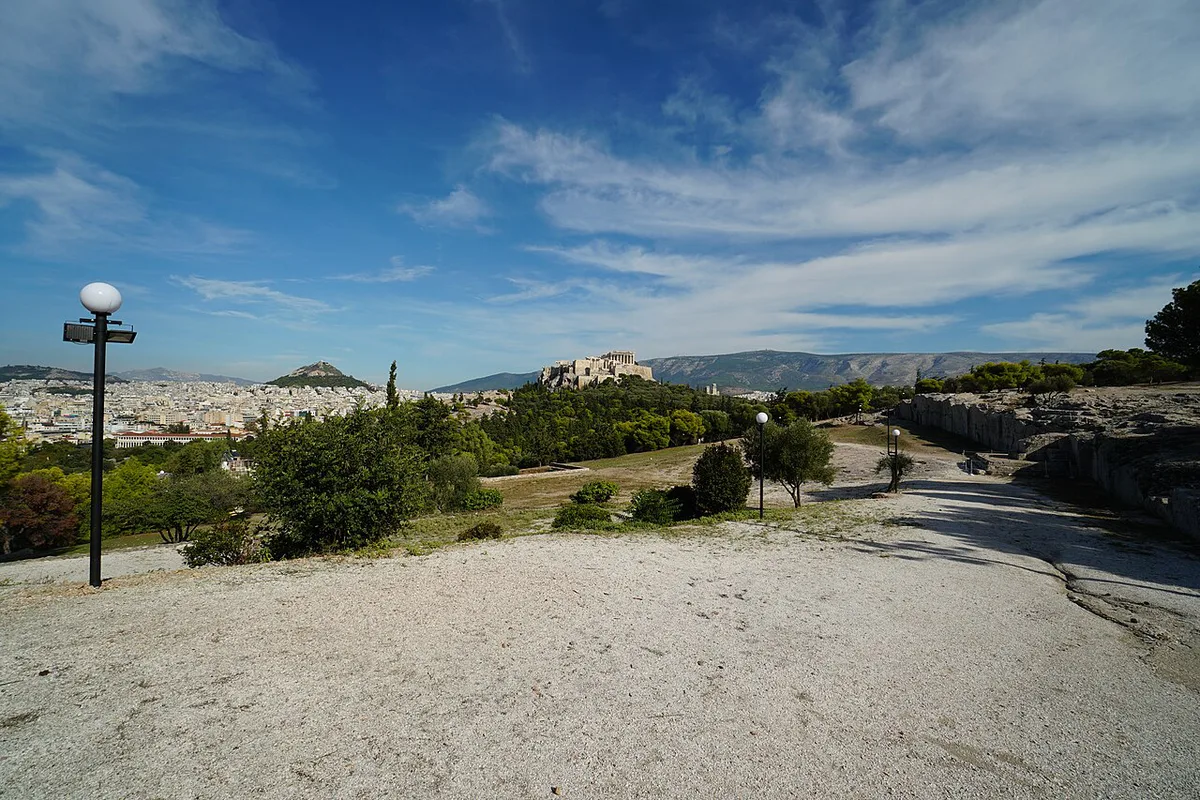
Expect an open hillside with rock underfoot and almost no roofed cover. Wear shoes with grip and carry water and sun protection. The ground is uneven, so the site suits people who are comfortable on slopes and is difficult for anyone with limited mobility. Many visitors approach on foot from the Acropolis area, which keeps the walk short. Entrance point and access details can change, so check the Ministry's listing before you set out.
What to look for on the rock: bema, wall and views
With no roofed remains and little signage, it helps to arrive with a short checklist. A visit usually takes 20 to 30 minutes unless you linger for the view.
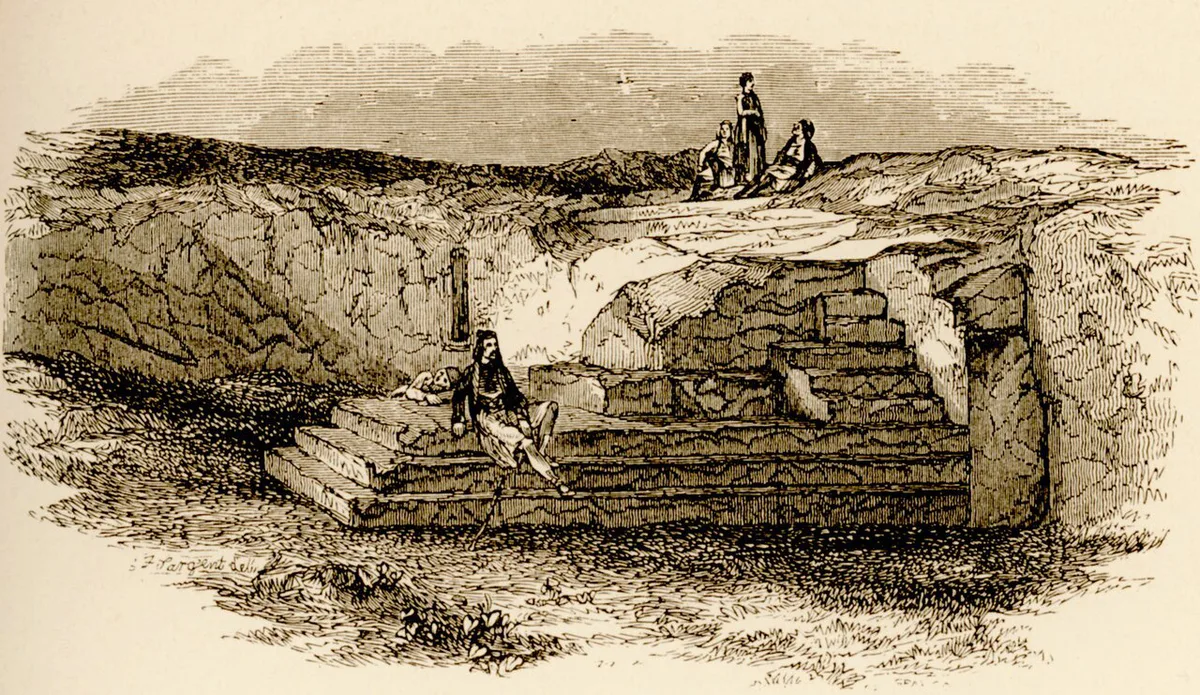
- The bema. The stepped, rock-cut platform is the focal point. Stand beside it and look back across the terrace to see how a speaker would have faced the crowd.
- The retaining wall. Its large, carefully fitted blocks held up the artificial terrace. Walk along it to see how much ground was levelled to create the meeting space.
- The slope itself. Notice how the ground rises behind the bema. The shape of the hill, more than any carved stone, is what made the place work for speeches.
- The Acropolis view. The Parthenon rises over the eastern side of the site, which makes the Pnyx a good place to photograph the rock from outside the main crowds.
Light matters here. Early morning and the hour before sunset give softer shadows on the rock and the wall, and they are also more comfortable than midday, when there is almost no shade. Wear shoes with grip, because the rock can be polished and slippery in places, and keep to the paths rather than climbing on the cut faces.
Tickets, opening hours and combined-pass options
The Ministry of Culture publishes current hours, admission rules and closures on its e-tickets site. This page does not quote hours or prices because they change by season. Before you buy anything, see whether the Pnyx is covered by the pass described in our Athens combined ticket guide. Coverage is the one detail worth confirming first, because many visitors assume it without checking.
How to fit the Pnyx into an Athens ruins day
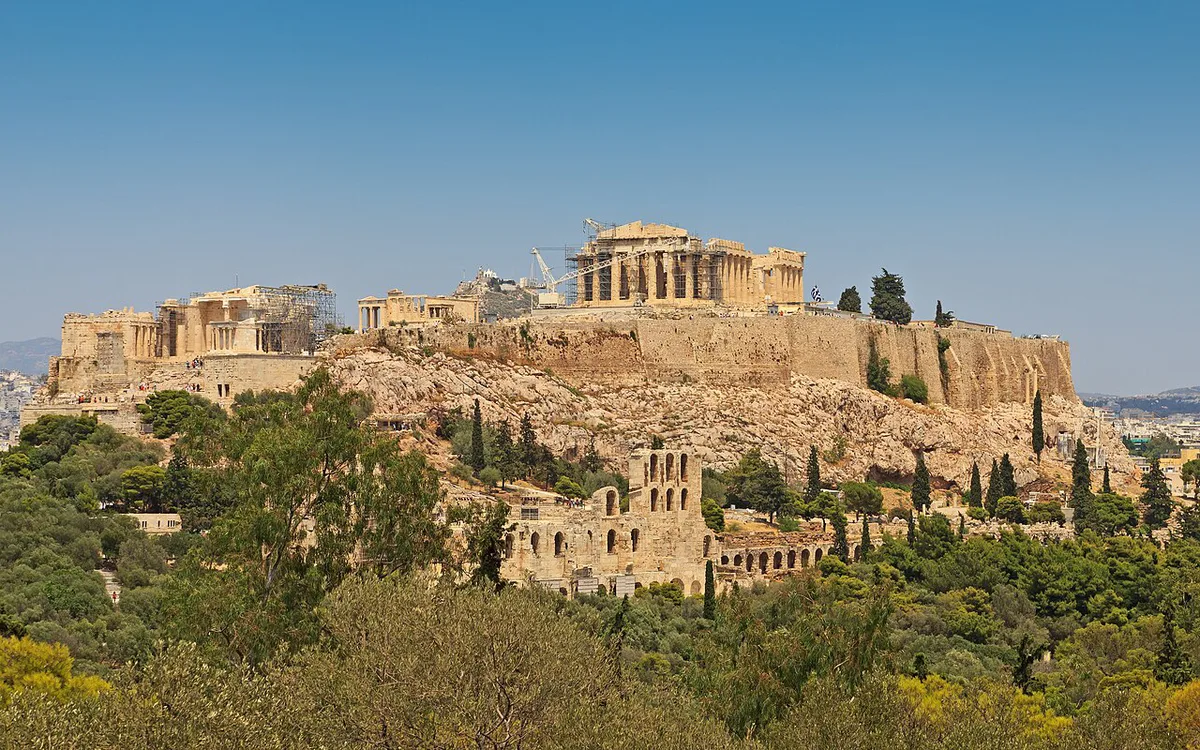
For a short visit, treat the Pnyx as a single stop and pair it with Areopagus Hill (Mars Hill) Athens: History, Visit Guide. Both are open rock with sweeping views, so they suit early morning or late afternoon. For a longer day, add the Theatre of Dionysus Athens: Visit Guide, History & Tickets and the Roman Agora. The American School of Classical Studies maintains an excavation resource for the nearby Athenian Agora, which adds civic context to the Pnyx. Start with the Pnyx while the light is soft, then move to the larger monuments as the day warms up.
- Short route: Pnyx and Areopagus Hill, with no ticket commitments beyond what you check.
- Longer route: Pnyx, Areopagus Hill, Theatre of Dionysus, then the Roman Agora.
- Mistakes to avoid: expecting a roofed site, going without water, confusing the Pnyx with the Areopagus, and assuming ticket coverage.
Nearby stops and where to stay for this walk
Stay in the streets around the Acropolis if you want to reach the hill on foot. Pick the area, not a named hotel, and check walking routes on a current map. Outside central Athens, the Temple of Aphaia, Aegina: Getting There, Tickets and What to See and the Eleusis Archaeological Site: Visit Guide & Mysteries make separate trips. Start with the official Visit Greece site for current regional planning.
Related guides


Continue reading
Guides on the same trip