Marathon Tomb (Tumulus of the Athenians): History & How to Visit
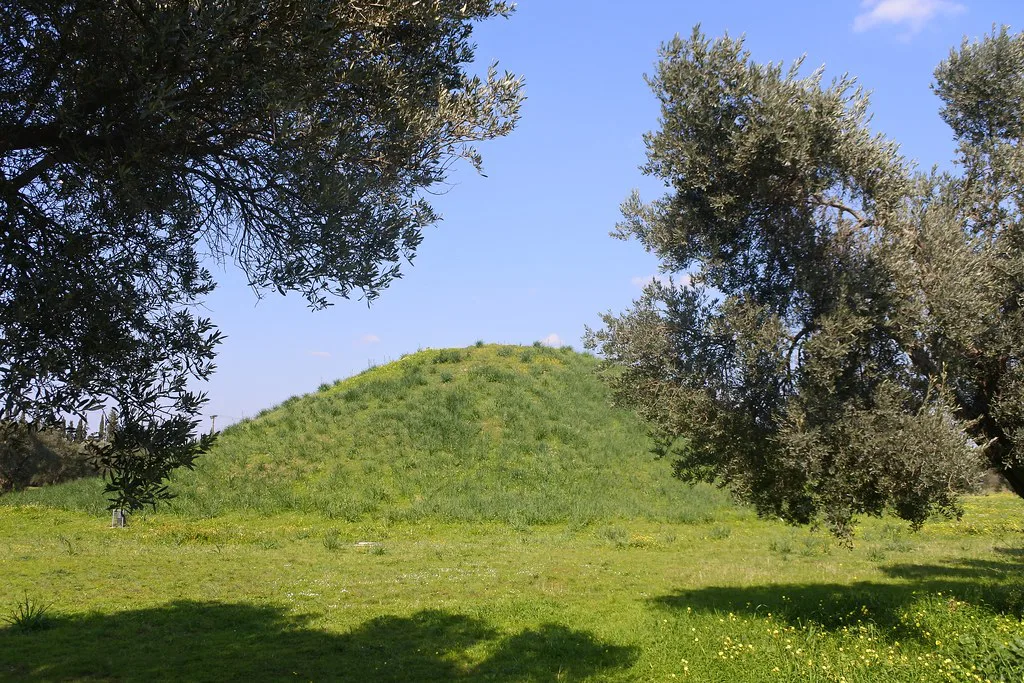
Last updated November 2026: the marathon tomb is the grass-covered burial mound on the Marathon plain, the grave of the Athenians who fell in the Battle of Marathon in 490 BC. Known as the Soros or the Tumulus of the Athenians, it makes a short add-on to an Athens trip. Expect a mound, a path and signage rather than standing ruins.
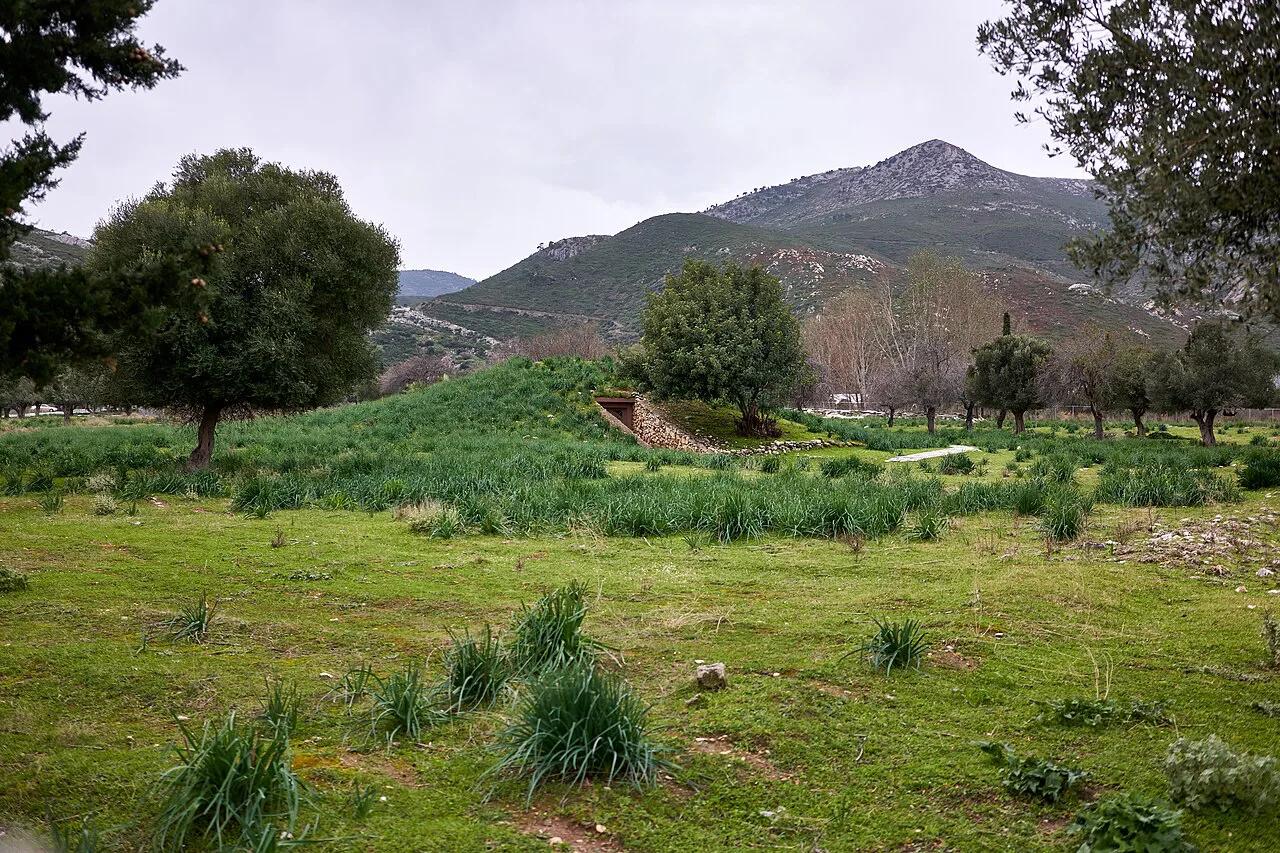
Featured image: George E. Koronaios, CC0, via Wikimedia Commons.
What the Marathon Tomb Is (and Who Is Buried There)
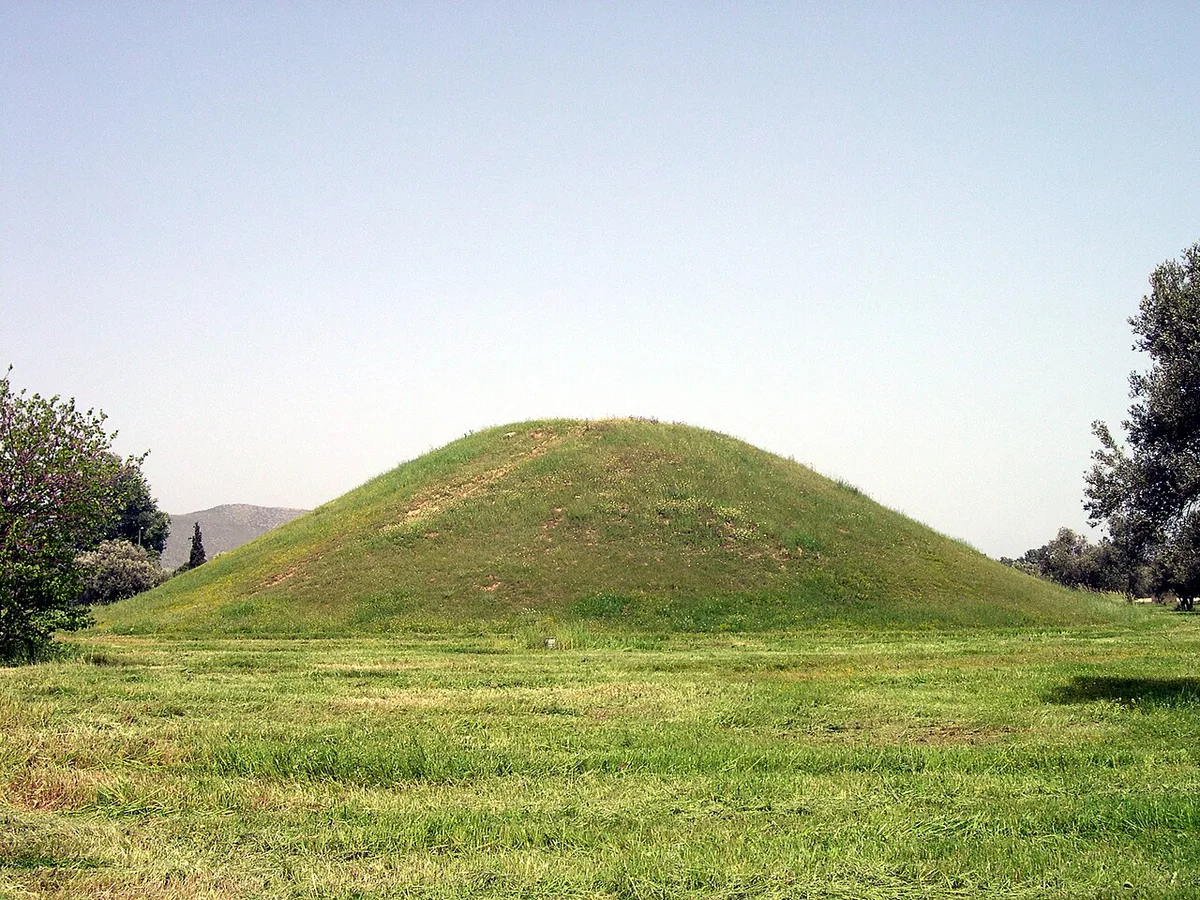
The Soros rises about 9 m (roughly 30 ft) above the plain. According to Herodotus, 192 Athenians died in the battle, and they are the men commemorated here. Fallen Athenians were normally buried in the Kerameikos in Athens. Burial on the battlefield was a rare honor, granted for what the city saw as extraordinary bravery. Searchers for the "Marathon burial mound" or the "Soros of Marathon" are looking for this same monument. A smaller mound at Vrana is believed to be linked to the Plataeans, the other Greeks who fought alongside Athens.
Is the Marathon Tomb Worth Visiting? Go or Skip
Worth it depends on what you want from a ruin. The mound itself is modest, and its value lies in the history under your feet. Use the lists below to decide.
- Go if you already know the Battle of Marathon story and want to stand where the Athenian dead were buried.
- Go if you have a car or a half day to spare and are building an Attica itinerary with the Temple of Aphaia, Aegina: Getting There, Tickets and What to See or Brauron.
- Skip if you have only one day in Athens. The Acropolis area and the 10 Best Ruins in Athens: Ancient Sites, Tickets & Day Trips give far more per hour.
- Skip if you expect dramatic columns or carved stone. You will find grass, a path and signage.
- Skip if you have no car and little interest in history, because the return trip costs real time.
How to Get There from Athens
Marathon lies on the plain northeast of central Athens, in Attica. Three options exist. We have not confirmed current bus numbers, fares or journey times, so check the KTEL Attica timetable before you set out. Plan the return trip first, since services back to Athens are less frequent than outbound ones.
Budget 30 to 45 minutes at the Soros itself. Remember that buses back to Athens run less often than outbound ones.
| Option | Time | Cost level | Flexibility | Last mile |
|---|---|---|---|---|
| KTEL bus | Check KTEL Attica | Lowest | Fixed timetable | Check the stop's distance from the mound |
| Car or taxi | Check a live map | Medium to high | Highest, easy to combine stops | Park near the mound |
| Guided tour | Check the operator | Highest | Fixed itinerary, often several stops | Transport included |
Tickets, Opening Hours and What You See on Site
Hours, ticket status and winter closing times are set by the Hellenic Ministry of Culture. Check the Ministry of Culture e-ticket site and the Ephorate for the day you travel. Do not assume your Athens pass applies, and read the Athens Combined Ticket: Does It Still Exist? What to Buy Instead guide before counting on it. On site you see a grass-covered mound with a path to the top. Replica stelae and signage explain the burial, and the plain around it shows why the Athenians chose this ground.
What the Excavations Found
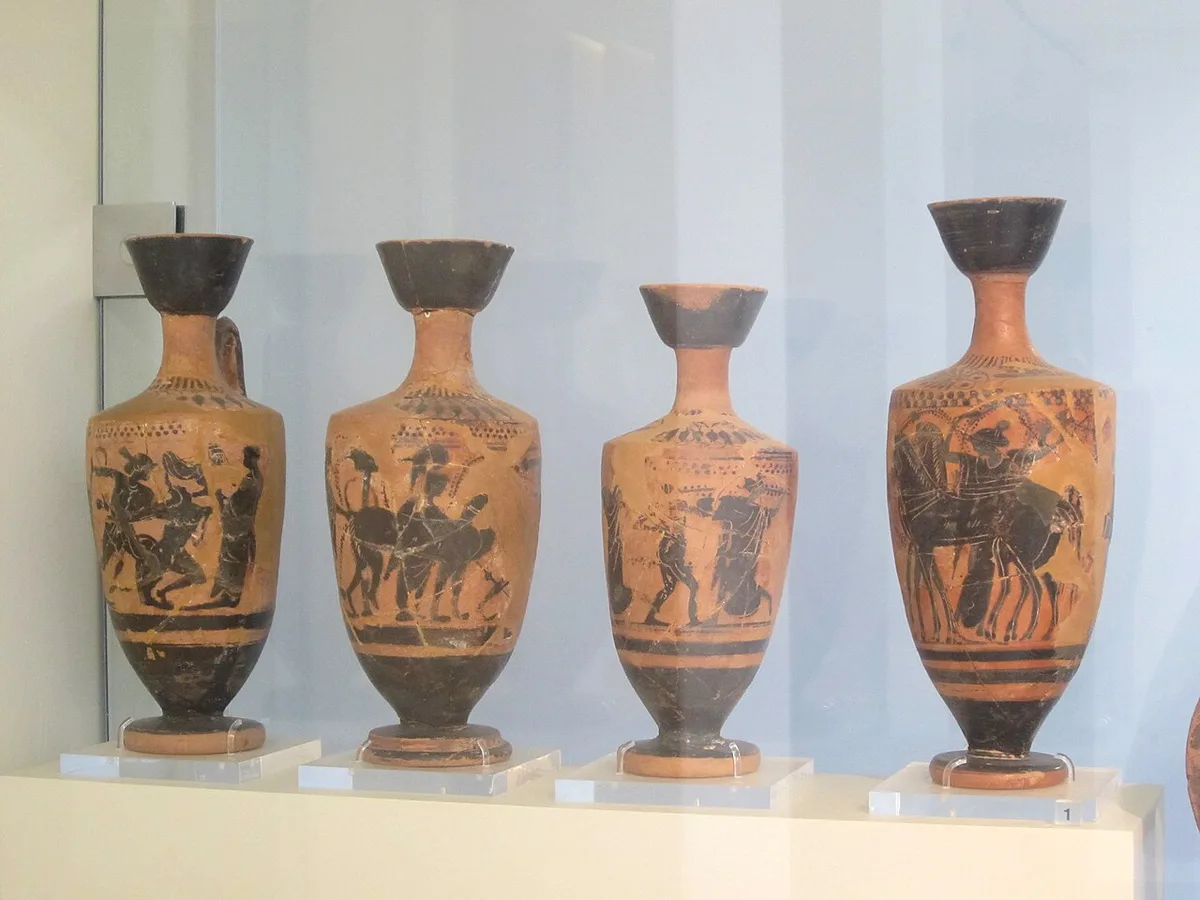
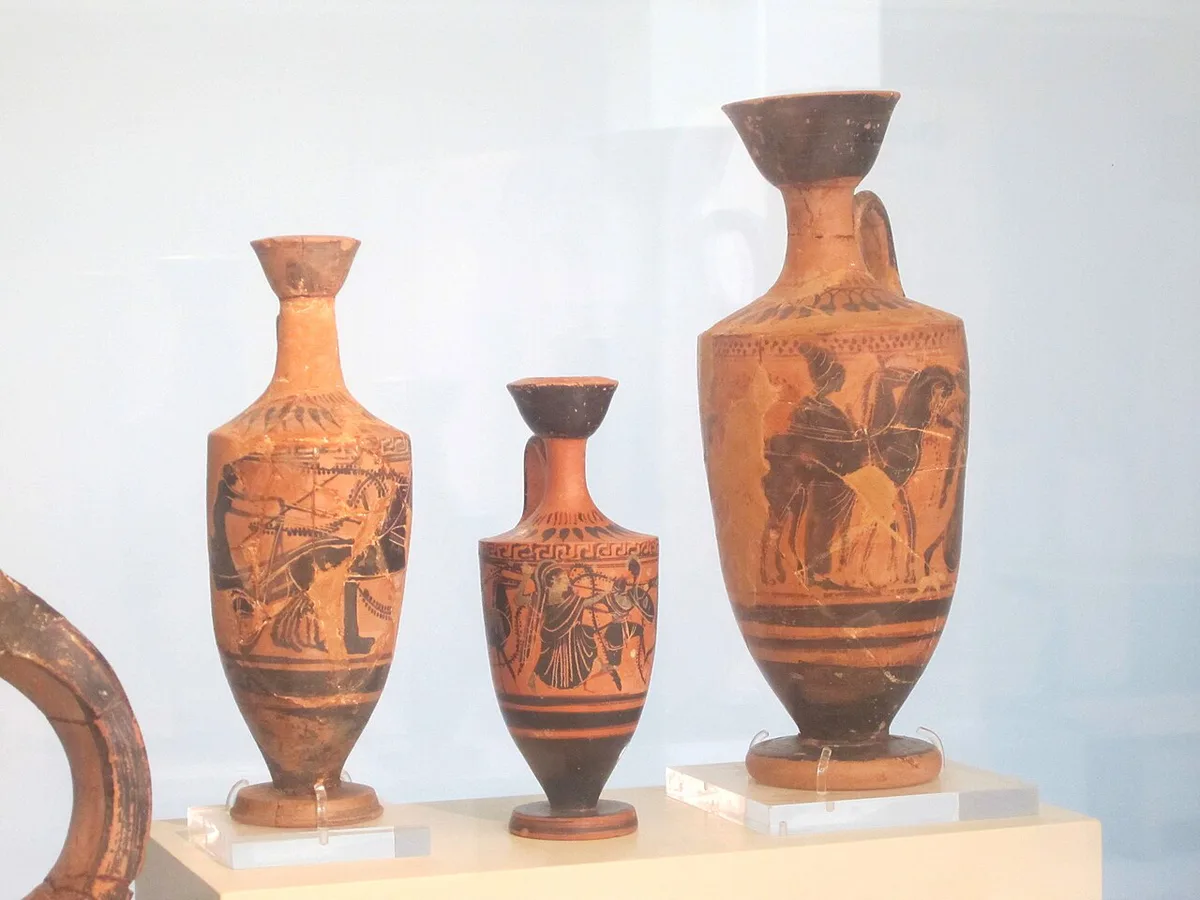
For centuries the Soros looked like any hill on the plain. Heinrich Schliemann dug into it in 1884 and found nothing conclusive. Valerios Staïs excavated in 1890–1891 and found a layer of cremated remains, funeral vases called lekythoi, and arrowheads. Those finds dated to the early 5th century BC and matched the battle. The cremations and arrowheads are the archaeological evidence. The names inscribed on tribal stelae, and the story of Pheidippides running to Athens, come from tradition and ancient writers.
Where the Fighting Happened: What the Location Suggests
Scholars suggest the mound's position marks where the Greek center fought. Herodotus and modern historians describe a thinned Athenian center and stronger wings that closed in on the Persians, a pattern often called double envelopment. Treat that reading as interpretation rather than proof. The tomb's location is a clue, not a battle map.
The Trophy of Marathon and Nearby Stops
A reconstructed Trophy of Marathon stands near the Great Marsh. Fragments of the marble original were found in a medieval tower. The Marathon Archaeological Museum is a separate site from the tomb, so plan it as its own stop. Check each stop's status before you go.
- Stop 1: the Soros, as the main stop. Allow roughly 30 to 45 minutes as an estimate.
- Stop 2: the Marathon Archaeological Museum, for finds from the plain. Allow roughly an hour as an estimate.
- Stop 3: the Trophy of Marathon replica by the Great Marsh. Allow a short stop of 15 to 20 minutes as an estimate.
- Optional: the Vrana mound, linked to the Plataeans.
The "Tomb of the Persians" Mystery
Visitors often ask where the Persian dead lie. Herodotus gives the figure of 6,400 Persian dead. No "Great Mound of the Persians" has been found. One common guess is unmarked mass pits and marshland, but that remains speculation.
Compare Herodotus's 192 Athenians with his 6,400 Persian dead. The Athenian count has a visible mound, but the Persian one does not.
Ritual and Memory: Why the Mound Mattered
The Soros was more than a grave. Annual rites and hero-cult offerings are attested at the mound, which marks the dead as honored heroes. For more on the Athenian democracy these men defended, see Areopagus Hill (Mars Hill) Athens: History, Visit Guide and the Pnyx in central Athens. Base yourself in Athens rather than Marathon, and use Visit Greece for wider Attica planning.
Related guides


Continue reading
Guides on the same trip