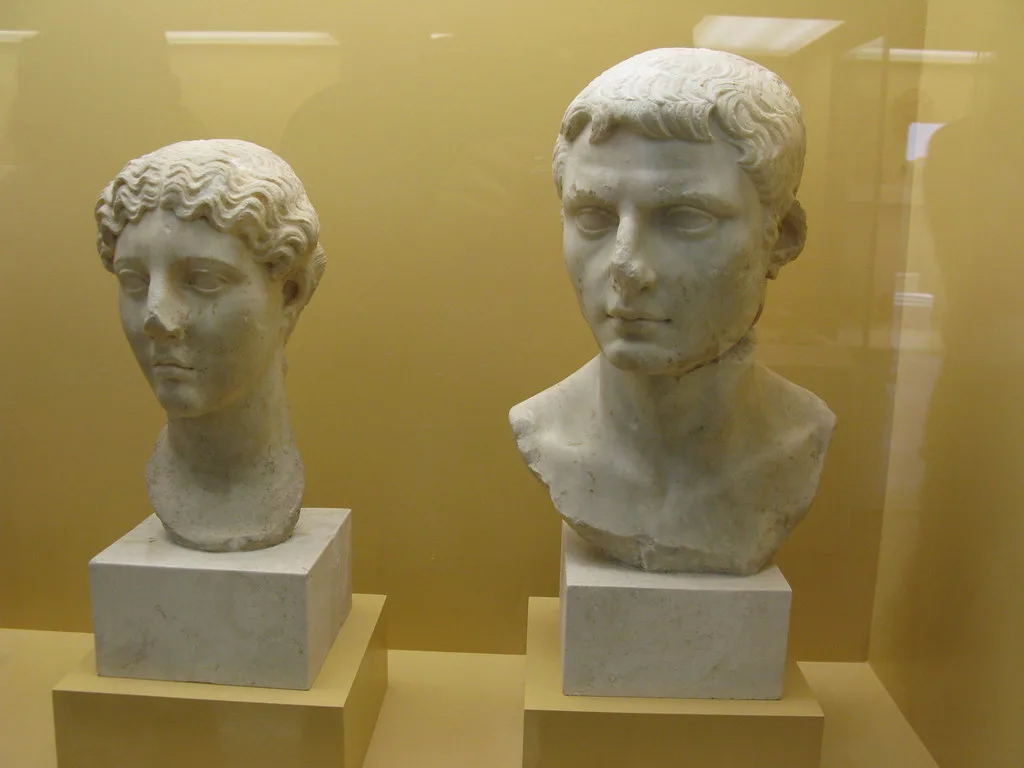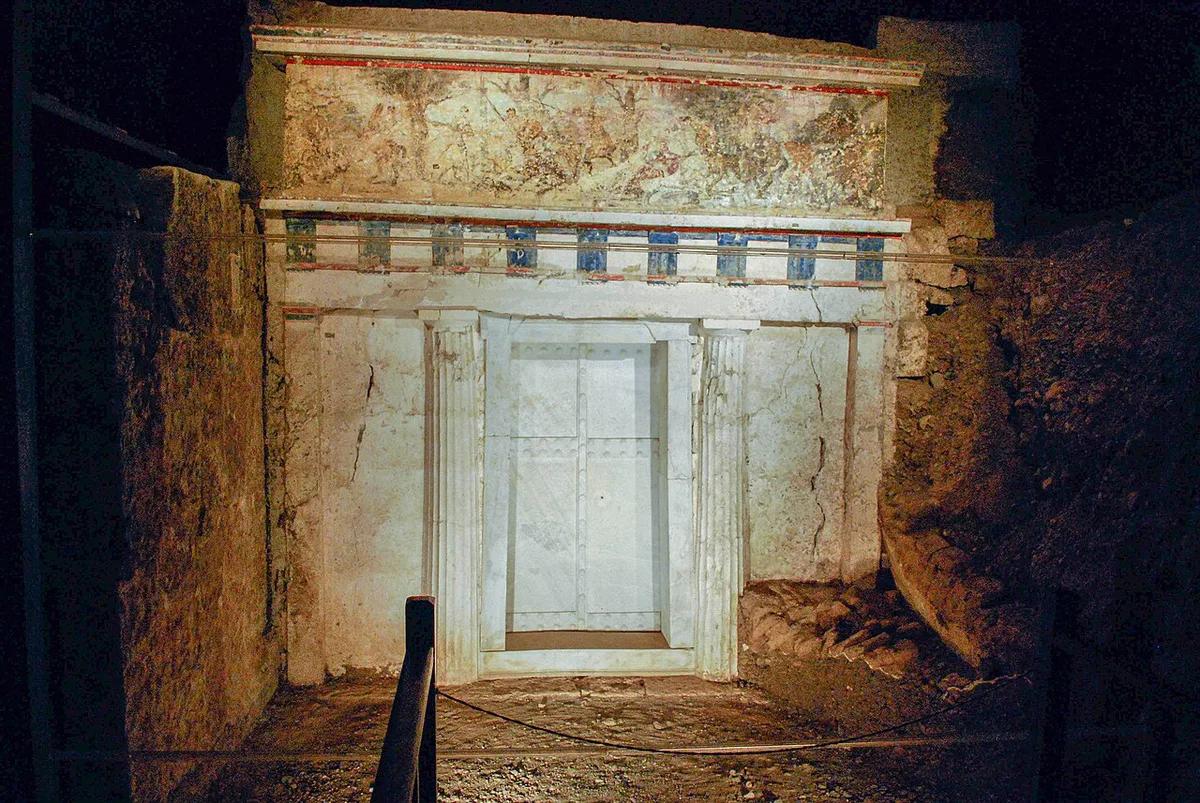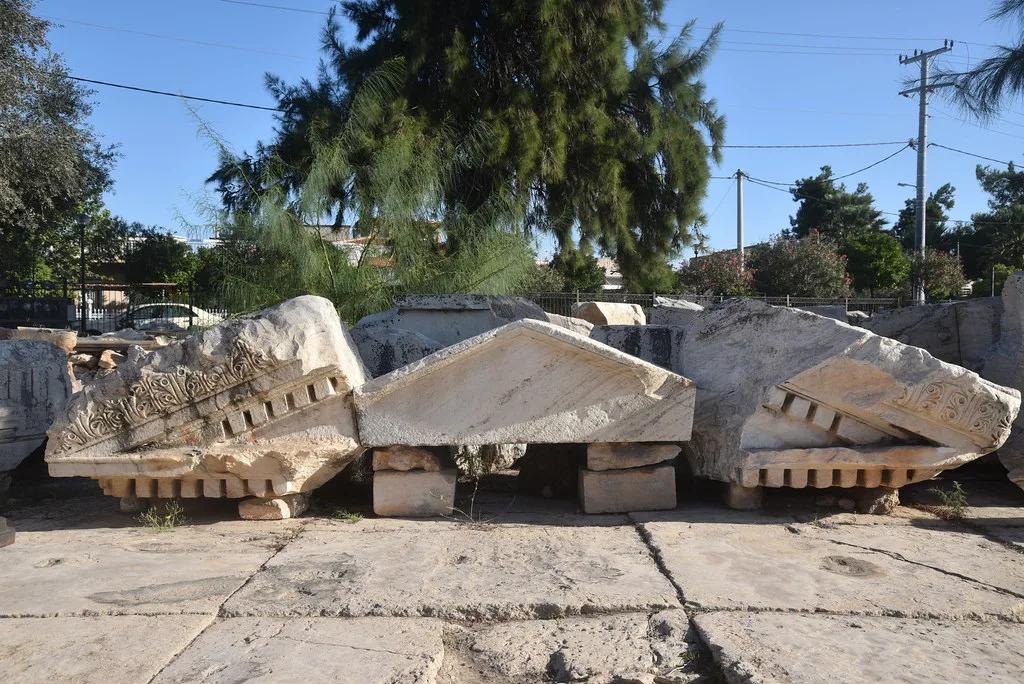
Last updated November 2026: Eleusis, in modern Elefsina west of Athens, was the sanctuary of Demeter and Persephone and the home of the Eleusinian Mysteries. Today it is an archaeological site with a museum, and it suits mythology readers more than anyone chasing standing monuments. Allow a half-day from Athens, and read on for what survives, how the ritual maps onto the ruins and who should skip it.
Featured image: Following Hadrian, CC BY-SA 2.0, via Flickr.
Eleusis at a glance
Eleusis was a sanctuary dedicated to Demeter and Persephone, and it hosted the Eleusinian Mysteries, an annual set of initiations. Visitors now find ruins and a museum in Elefsina, a town in West Attica. Three anchor points organize any visit: the Sacred Way, the Telesterion and the Ploutonion.
- What it is: the ancient sanctuary of Demeter and Persephone, now an archaeological site and museum.
- Best for: mythology fans, history readers and anyone who wants the story behind the Mysteries.
- Skip if: you want restored temples, or you have only one day in Athens.
- Time needed: a half-day, including the trip from Athens.
- Official details: tickets and hours are listed on the Ministry of Culture e-ticket site.
Why Eleusis was sacred
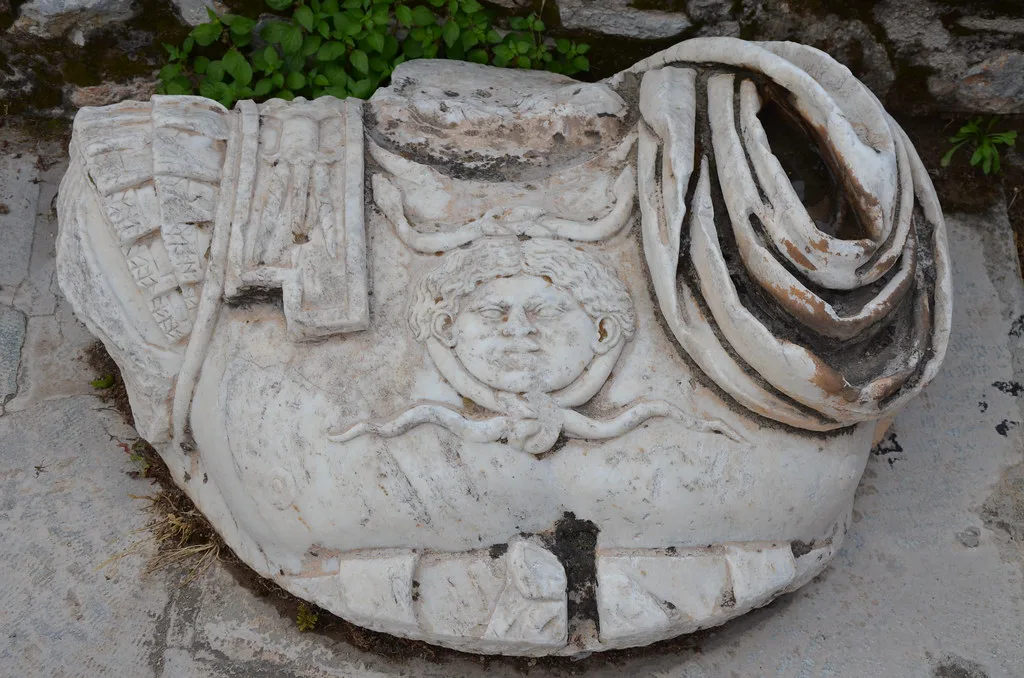
Ancient myth ties Eleusis to the Homeric Hymn to Demeter. Hades abducted Persephone, and Demeter searched for her daughter across the earth. Accounts say she rested at Eleusis during that search. There she mentored Demophon, the son of the local king, until his mother grew suspicious. Demeter then revealed herself as a goddess and ordered a temple built in her name. Zeus eventually arranged for Persephone to spend most of the year with her mother. Triptolemus, King Celeus and Eumolpus were taught the rites before Demeter left, according to one retelling. That story is why the sanctuary sat at the center of the Mysteries.
What were the Eleusinian Mysteries?
The Mysteries were annual initiations in the cult of Demeter and Persephone. Scholars link their pattern to the myth's three phases of descent, search and ascent. Participants swore secrecy, and the core of the rite is still unknown. George Mylonas wrote in 1961 that the secret was kept successfully and may never be unraveled. Two priestly families, the Eumolpidae and the Kerykes, ran the ceremonies under the hierophant. One account says the rites were open to anyone who spoke Greek and had not committed murder, slaves included. Initiates are believed to have hoped for a better afterlife. Emperors joined too, and Hadrian is recorded as initiated in 124 CE and again in 128 CE. The end is dated differently by different writers. A decree of Theodosius in 379 CE and the sack by Alaric in 395 CE are the usual markers. Athens took political control of Eleusis in myth and history alike, so the cult was tied to the city. For the wider Athenian picture, start with our guide to 10 Best Ruins in Athens: Ancient Sites, Tickets & Day Trips.
Lesser and Greater Mysteries explained
Two linked festivals made up the cycle. Ancient detail is thin, and modern accounts disagree, so treat the table as a summary of contested points.
| Lesser Mysteries | Greater Mysteries | |
|---|---|---|
| Venue | Agrai, on the Ilissos river southeast of the Acropolis, per one account | Eleusis itself |
| Season | Spring in one account, midwinter in another | Late summer in one account |
| Role | Preparation, with a piglet sacrifice to qualify | Main initiation and the climax in the Telesterion |
| Where sources disagree | Season and exact rites | Length, with one account giving 10 days |
What to see at the Eleusis archaeological site
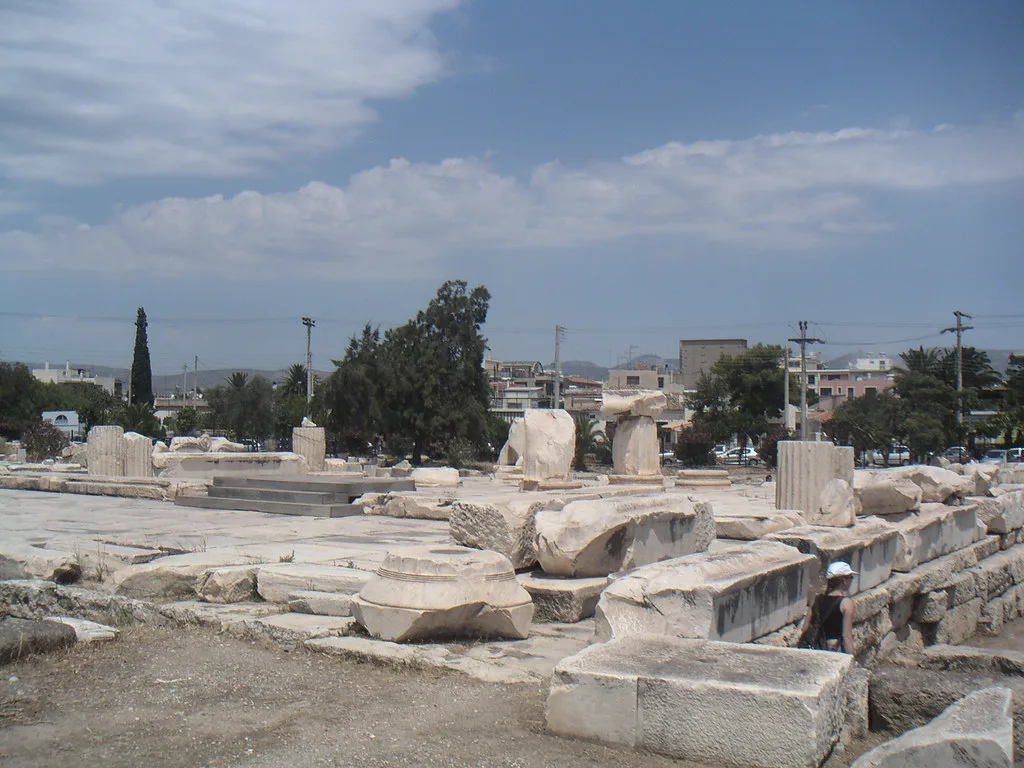
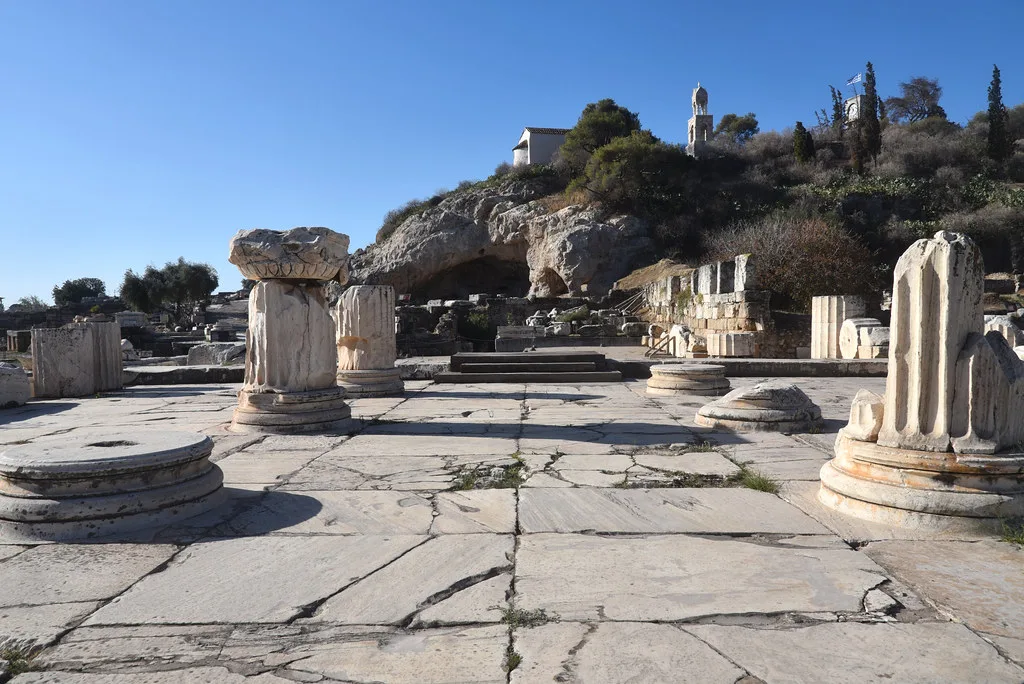
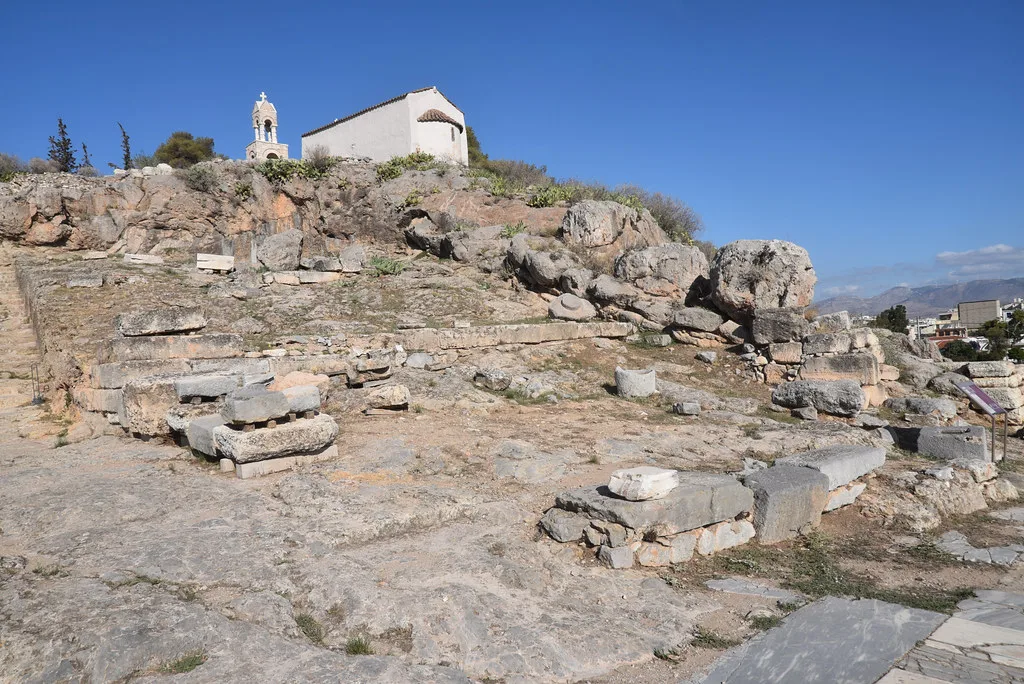
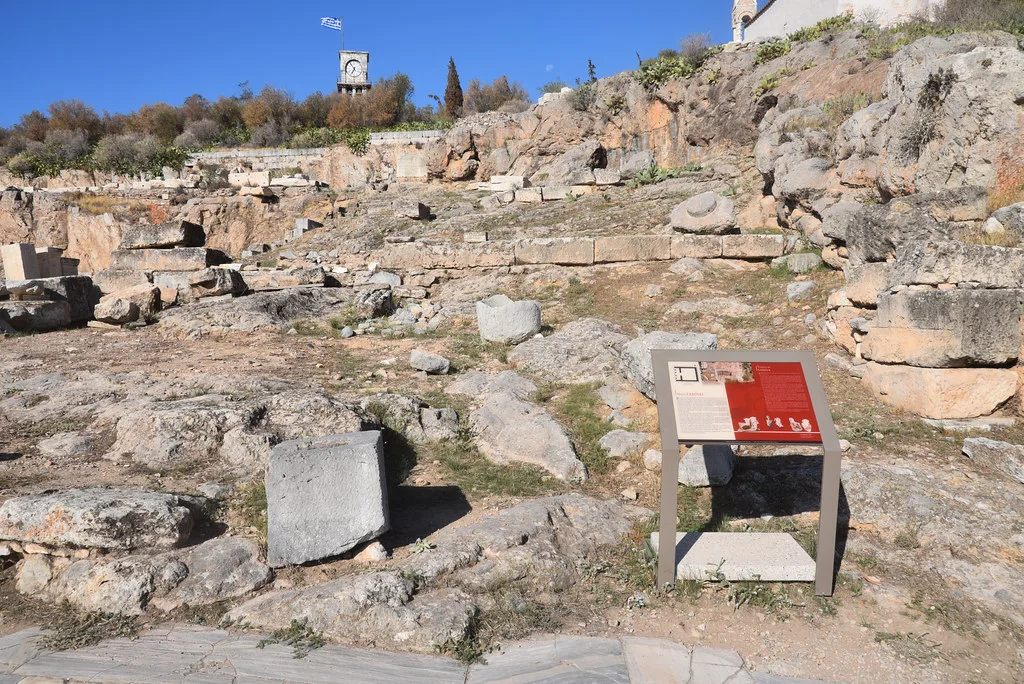
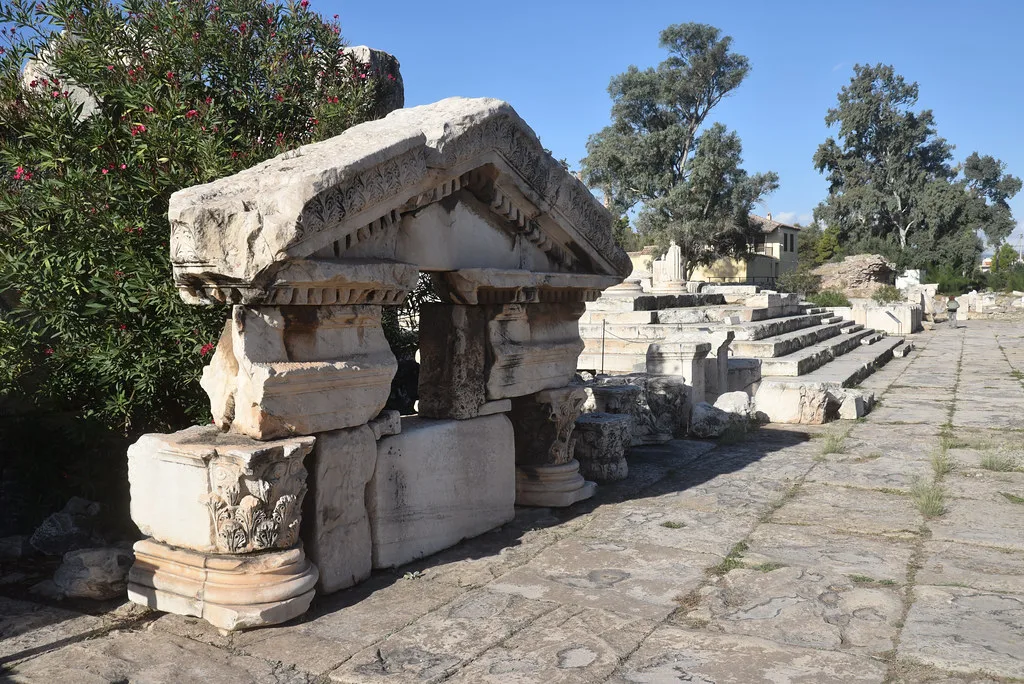
Expect foundations and fragments, not a restored temple. Knowing the ritual turns them into a route. The Sacred Way is the ancient road linking Athens to the sanctuary, and processions of initiates followed it. The Telesterion was the initiation hall, where the hierophant presided over the secret climax. The Ploutonion is a cave tied to Plouton, a name for Hades, which links the site to the descent in the myth. The Archaeological Museum of Eleusis holds finds from the sanctuary and is worth the time. Roman patrons such as Hadrian also left their mark on the site. Walk the ruins first and the museum second, so the objects make sense against the ground plan.
Hadrian is recorded as initiated in 124 CE and again in 128 CE, so his Roman-era patronage shows up in the ruins you walk through before the museum.
How to plan your time on site: a self-guided route
Eleusis is compact, but it is easy to walk it without understanding what you are looking at. A simple order keeps the visit coherent and stops it feeling like a field of low walls.
- Start at the entrance and the Sacred Way. Take a moment to picture the procession arriving from Athens, because everything inside the precinct is organised around that approach.
- Move on to the Telesterion. This is the centre of the site. Stand in the footprint of the initiation hall and note how large it is. The rite happened inside, out of public view.
- Find the Ploutonion. The cave is small and easy to pass without noticing. It is the physical link to the descent of Persephone.
- Finish at the museum. Seeing the finds after the ground plan lets you place each object in the sanctuary.
Practical tips
- Time: most visitors need roughly 90 minutes to two hours for the ruins and museum together, not counting the journey from Athens.
- Heat: shade is limited on open ground. In summer, go as early as the site opens and carry water.
- Footwear: paths are uneven and stony, so wear sturdy shoes rather than sandals.
- Read first: a short summary of the Homeric Hymn to Demeter before you arrive does more for the visit than any sign on site.
- Check before you go: opening hours and any closed areas can change by season, so confirm on the Ministry of Culture e-ticket site.
How to get to Eleusis from Athens
Eleusis lies west of Athens in modern Elefsina. Routes, fares and walking times change, so check Hellenic Train and OASA for current options before you go.
Tickets, opening hours and combined-ticket options
Prices, seasonal hours and closures are set by the Ministry of Culture. Check the official e-ticket listings for the site and museum, and ask there whether an Athens combined ticket covers Eleusis.
Is Eleusis worth it, and who should skip it?
Eleusis rewards context. Without the myth, the ruins read as low walls on open ground. With it, they become a stage for the most famous initiation rite in ancient Greece. Hurried first-timers are better served by the Acropolis and the Agora. The Temple of Hephaestus, Athens: Tickets, Hours & Visit Tips gives a far more complete building in a short stop. The Roman Agora is another easy first-day choice. Elefsina is also an industrial port town, so go for the sanctuary rather than expecting a polished resort setting.
- Mythology fans: yes, this is the main reason to go.
- First-time Athens visitors: see the central sites first.
- Families: workable if children enjoy the Demeter and Persephone story.
- Short-stay travelers: skip unless you have a spare half-day.
- Photographers: the ruins and museum finds reward patient shooting.
Eleusis versus other Attica ruin trips
Attica has several ruin trips beyond the city, and each gives something different. Eleusis is the choice for ritual and myth. The Temple of Aphaia, Aegina: Getting There, Tickets and What to See suits readers who want a standing temple. Brauron adds another sanctuary story. The Marathon Tomb (Tumulus of the Athenians): History & How to Visit suits those following the famous battle. Pick one per day rather than stacking them, since each needs its own transport.
Other Greek sanctuary sites to pair with Eleusis
If Eleusis appeals because it is a place of worship rather than a city, other Greek sanctuaries give a useful comparison. They are further afield than Attica day trips, so treat them as part of a longer Greece itinerary rather than add-ons.
- Olympia: the sanctuary of Zeus and the home of the ancient games. It has far more to see on the ground than Eleusis, and our guide to the Olympia Archaeological Museum covers the finds that explain the site.
- Dion: a sacred city at the foot of Mount Olympus with sanctuaries to several deities, including Demeter. Our guide to Dion Archaeological Park explains what survives and how to visit.
How they differ
Eleusis is defined by a secret rite that left almost no written record, so the experience is imaginative: you reconstruct ritual from foundations and the myth. Olympia and Dion are better for readers who want a larger, more legible landscape of temples, baths and civic buildings.
For a single-country trip, a sensible split is Eleusis for Athens-based mythology interest and Olympia or Dion when you are already travelling in the Peloponnese or northern Greece. Do not try to combine them in one day, as the distances are too large.
Where to stay and eat
Most visitors base themselves in Athens and return the same day. Elefsina's visitor facilities are not well documented, so plan meals around your return trip. Visit Greece is the place to check local information.
Related guides


Continue reading
Guides on the same trip