
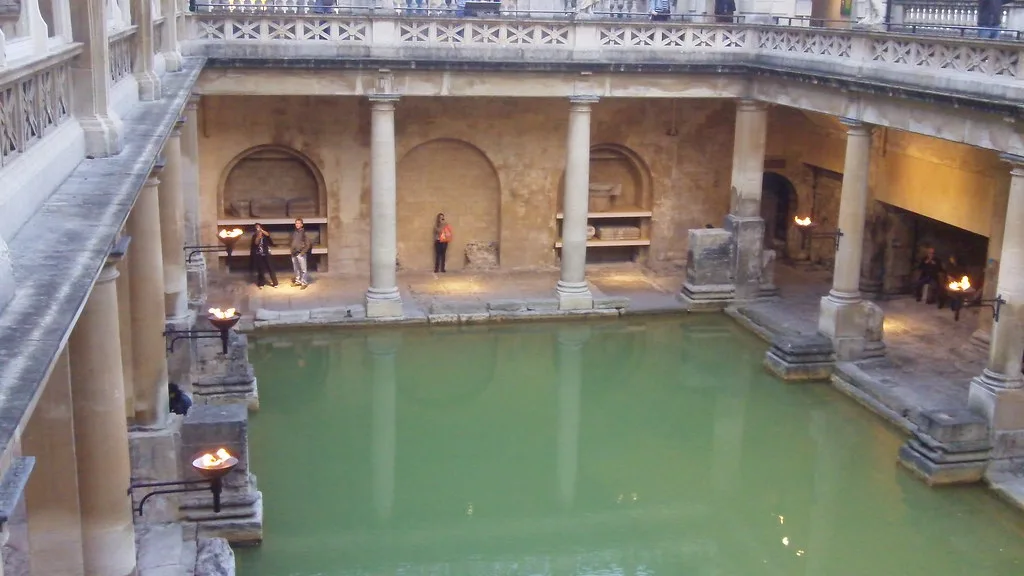
Roman Sites in England: Best Places to Visit and How to Choose
Last updated November 2026. Choosing between Roman sites in England comes down to what you want to see standing in front of you: a bathing complex, a mosaic floor, a fort wall or a museum case. Bath suits first-timers, Fishbourne and Chedworth suit mosaic fans, and Richborough suits anyone curious about the invasion coast. Use the table and route notes below to match a site to your time and transport.
Featured image: TopTipsBath, CC BY 2.0, via Flickr.
The short answer: where to go first
Pick by what you want from the day. First-timers should start at Bath, because the Roman Baths in Bath combine standing architecture, a museum and an easy rail link. Mosaic lovers should head for a villa, and Roman Villas in England: Best Ones to Visit and How to Choose compares the main options. Military and frontier fans should look to Richborough in Kent and Hadrian's Wall in the north. Visitors with a car and a free weekend get the most from the rural villas, which sit far from railway stations.
- First visit: Bath, for the baths, the museum and the spring that still runs.
- Mosaics: Fishbourne in West Sussex, or Chedworth in Gloucestershire.
- Quiet ruins: Wroxeter in Shropshire, where wide open ground replaces crowds.
- Invasion story: Richborough in Kent, tied to the AD 43 landing.
- Car-free: Bath first, then city museums in places like Colchester, Chester and St Albans.
How to choose: what a Roman site means in England
England has no single Roman monument that works like the Colosseum. Instead, remains come in five types, and each rewards a different expectation. Baths are the most complete experience, because water, stone and a museum share one building. Villas give you floors and painted rooms, often under modern protective roofs. Forts and walls give you low stone lines and big skies. Towns that were abandoned, such as Wroxeter and Silchester, give you open fields with a few standing pieces. Cities that kept growing, such as London, York and Lincoln, usually give you fragments and museum cases rather than ruins.
- Baths and spas: roofed, interpreted, busiest.
- Villas: mosaics, hypocaust floors and small museums.
- Forts and frontier: outdoor walks, limited cover, weather matters.
- Abandoned towns: wide fields, walls and few signs of daily life.
- Living cities: fragments, crypts and museum displays.
Best Roman sites in England by type
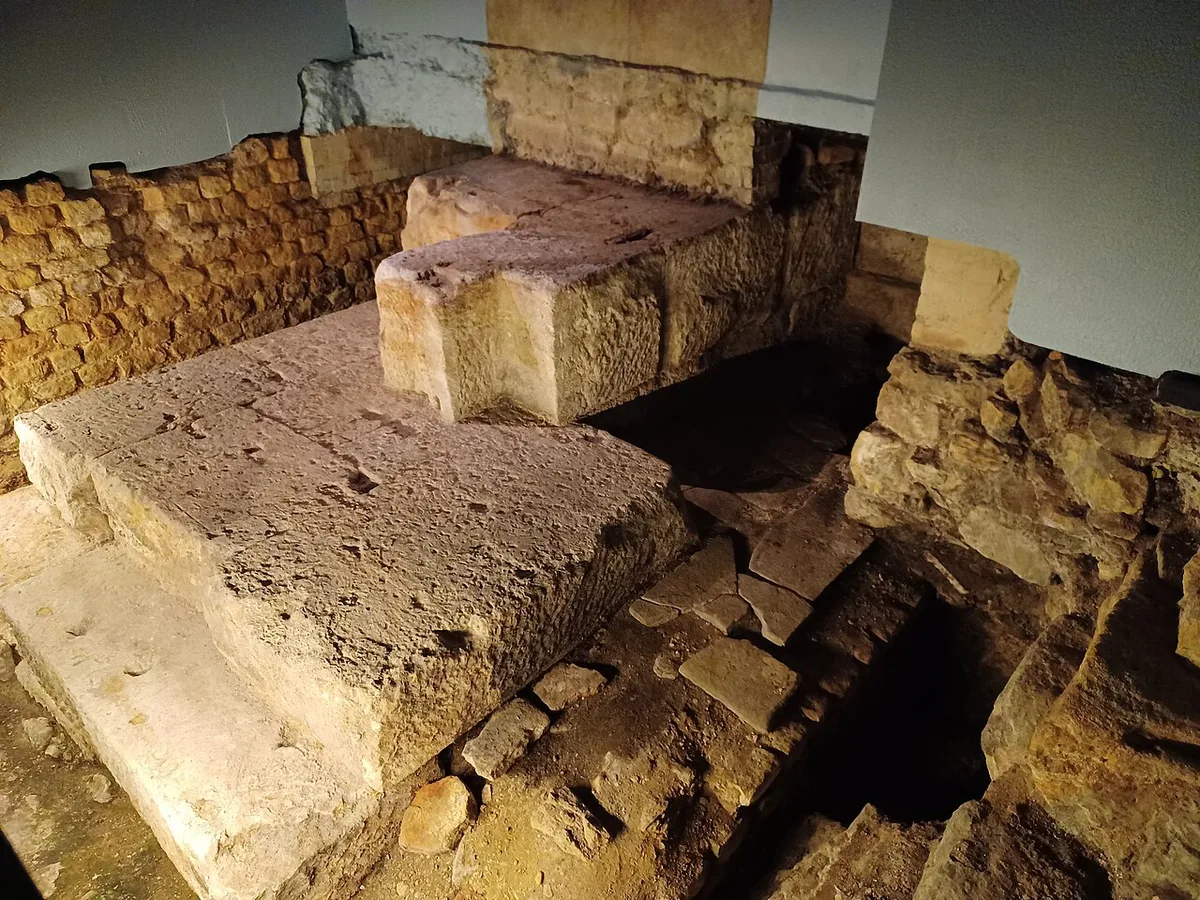
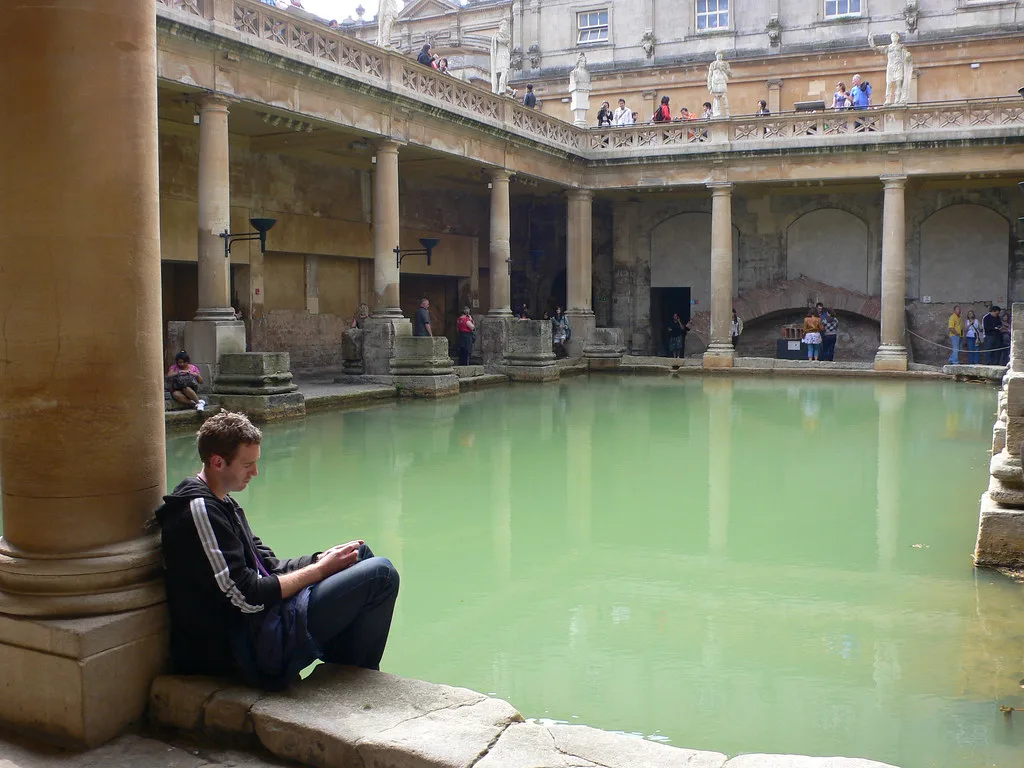
Each type below names the places worth a dedicated trip. Bath is the flagship, and many readers weigh whether the Roman Baths are worth visiting before building a trip around them. The short version is yes for a first visit. Bath has the baths, the temple story and the museum in one place. For the goddess worshipped there, see Sulis Minerva: Bath's Roman Goddess and Where to See Her. If you wonder about bathing, swimming in the Roman Baths is not allowed, and the modern Thermae Bath Spa is the place to soak. Evening visits are covered in torchlit evenings at the Roman Baths.
Villas and mosaics
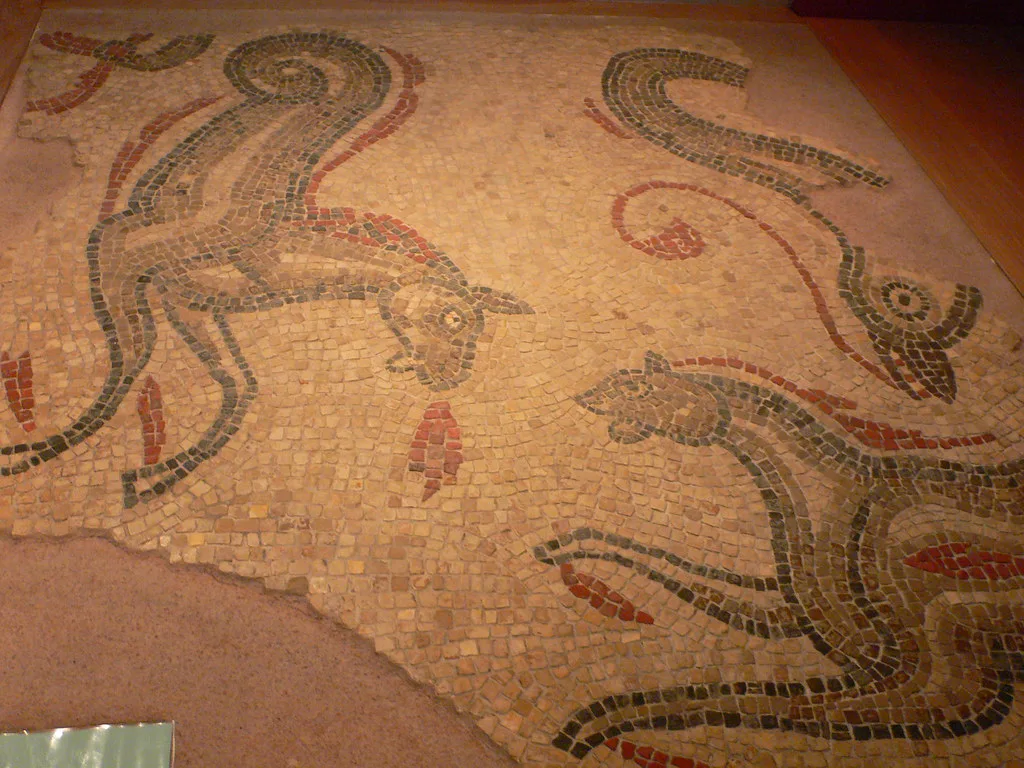
Four villas anchor any mosaic trip. Fishbourne Roman Palace: Visitor Guide & Planning Tips in West Sussex is a grand residence with extensive floor mosaics and a recreated garden. Chedworth Roman Villa: Visiting Guide, Mosaics & Tips sits in Gloucestershire woodland and is run by the National Trust. Lullingstone Roman Villa: Visitor Guide and Planning Tips in Kent is known for its covered remains and its painted rooms. Bignor Roman Villa: Mosaics, Visiting Tips & Getting There in West Sussex is a family-run site, and its own website lists its seasonal opening. Fishbourne and Bignor are close enough to pair in one day by car.
Roman towns, forts and the coast
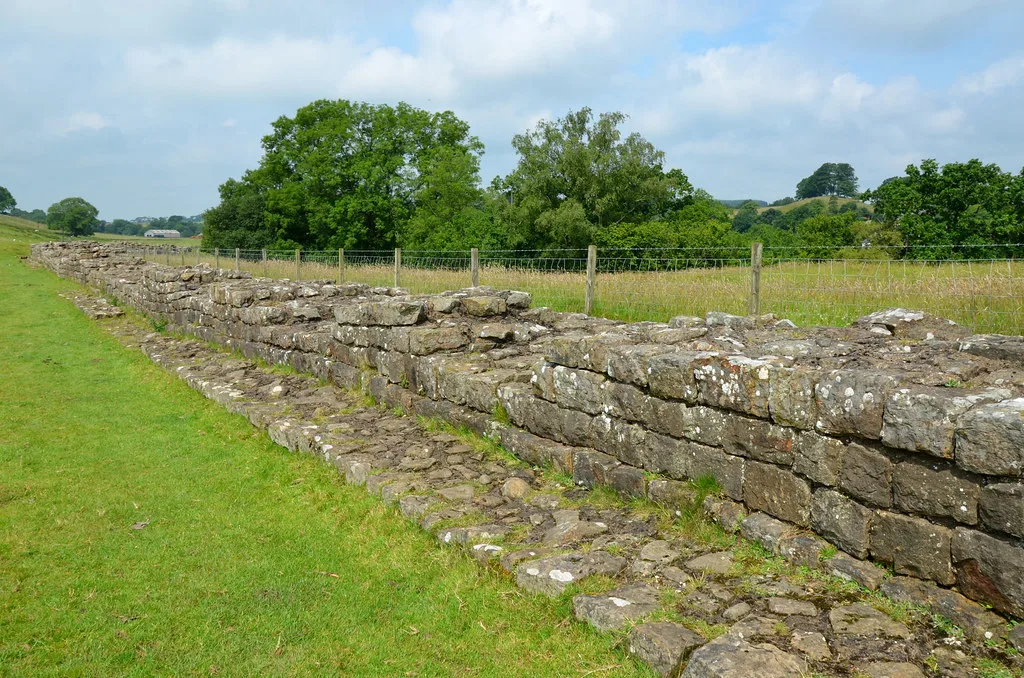
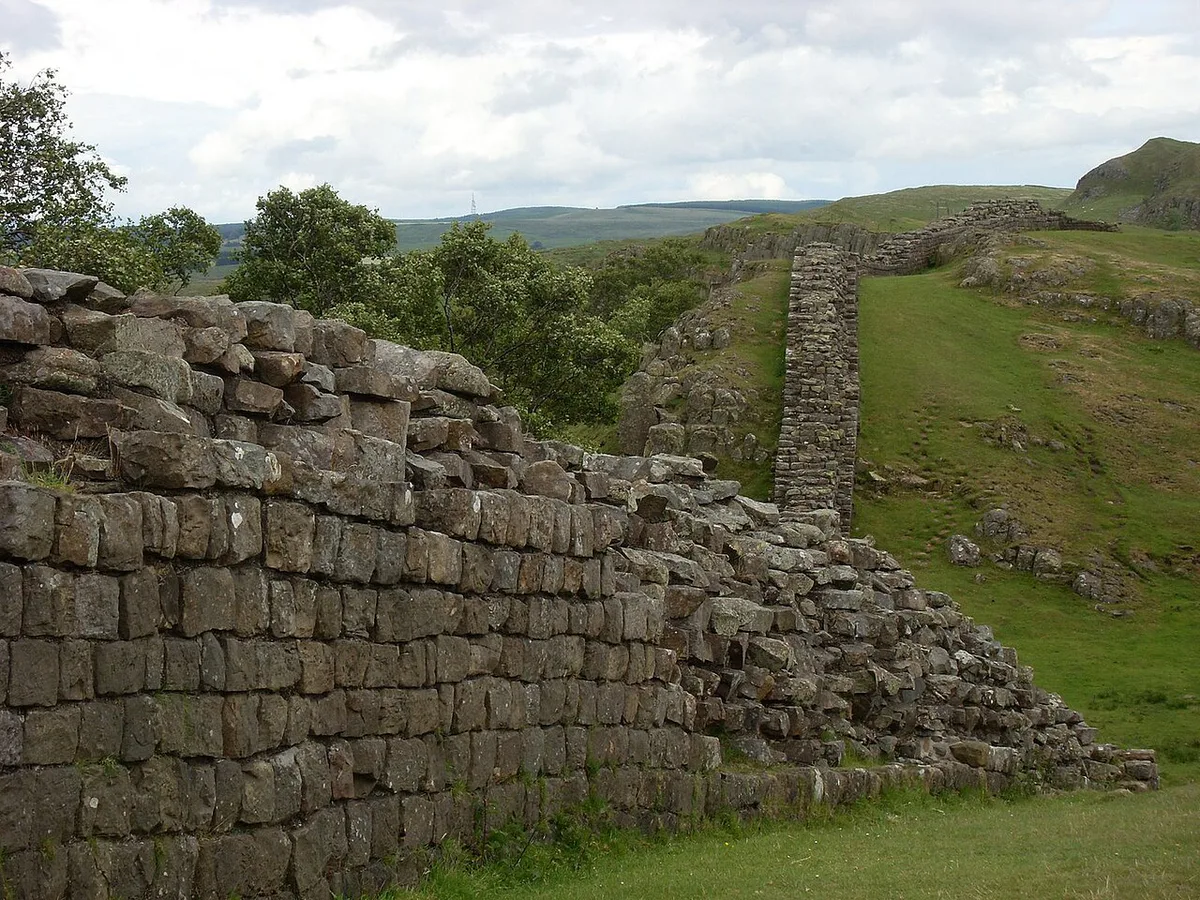
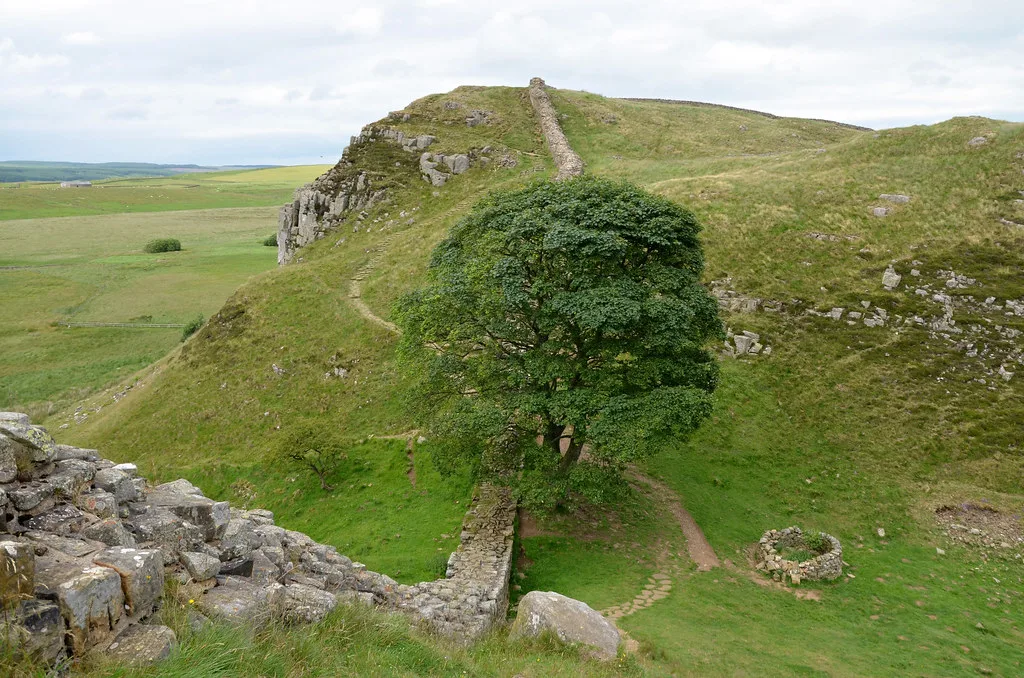
Wroxeter and Silchester show what happens when a Roman town was never built over. Wroxeter Roman City: What to See and How to Visit in Shropshire has a tall standing wall and excavated bath-house remains in open countryside. Silchester Roman Town (Calleva Atrebatum): Visitor Guide in Hampshire is mostly a circuit of the town wall around fields, so expect a walk rather than a building. Richborough Roman Fort: Visitor Guide, Access and What to See in Kent marks the AD 43 landing and gives you fort walls beside the Kent coast. Hadrian's Wall is the northern frontier and deserves its own walking plan, since Vindolanda and the wall forts belong in a separate guide. Caerleon, with its National Roman Legion Museum, is in Wales, so Caerleon Roman Fortress: Visitor Guide to Isca counts as a border-crossing side trip.
Cities with Roman traces
London, Chester, York, Lincoln, St Albans and Colchester all grew over their Roman origins. Expect pieces rather than whole buildings. Chester keeps sections of its city walls and an amphitheatre. St Albans has a theatre site and a museum on the old town of Verulamium. Colchester's museum stands on Roman foundations, and Lincoln has a surviving Roman arch. Treat these places as museum-led days, with a short walk to the visible fragments. Check each local museum before you travel, since opening patterns differ.
Comparison table: what you will see
This table rates visibility by how much Roman fabric you can actually see on site. Access describes the practical way in.
| Site | Type | Visibility | Best for | Access |
|---|---|---|---|---|
| Bath | Baths and museum | Substantial remains plus museum | First-timers, couples | Rail-friendly |
| Fishbourne, West Sussex | Palace and villa | Mosaics under cover, garden | Mosaic fans, families | Car easiest |
| Chedworth, Gloucestershire | Villa | Substantial remains in woodland | Mosaic fans, walkers | Car needed |
| Lullingstone, Kent | Villa | Covered remains | History buffs | Car easiest |
| Bignor, West Sussex | Villa | Mosaics in thatched-style buildings | Mosaic fans | Car needed |
| Wroxeter, Shropshire | Town | Partial remains in open fields | Quiet days out | Car easiest |
| Silchester, Hampshire | Town | Mostly wall circuit | Walkers | Car needed |
| Richborough, Kent | Fort | Partial walls and museum | Military fans | Car easiest |
| London, York, Chester | City traces | Mostly museum and fragments | City breaks | Rail-friendly |
Plan your route
Group sites by region, because the gaps between regions are long. In the South coast and Kent cluster, Fishbourne and Bignor make a good one-day pair, and Lullingstone and Richborough make a second day in Kent. In the Cotswolds and the West, Bath and Chedworth fit a two-day trip, though Chedworth needs a car. In the Midlands and borders, Wroxeter is a standalone day. In the North, the wall deserves a separate trip. The weak link is the cross-country leg between Kent and Gloucestershire, so avoid trying to join them in one weekend. For Bath planning, see how long to spend at the Roman Baths before you set your day.
- One day: Bath alone, or Fishbourne plus Bignor by car.
- Two days: Bath and Chedworth, or Lullingstone and Richborough.
- Three days: add Wroxeter or Silchester as a separate day, not a stopover.
Costs, tickets and opening hours
Roman sites in England sit under different owners, and that changes how you pay. Some belong to national bodies, some to the National Trust, and some are independent or museum-run. Passes only help when the sites you pick share an owner, so check before you buy one. Prices and hours checked November 2026 were not fixed across sites, so use each official page. For Bath, start at the Roman Baths official site, then read Roman Baths Tickets: Where to Book and Which to Choose and Roman Baths Opening Times: Check Hours & Plan Your Visit. Villas and rural sites often run seasonal schedules, with fewer days in winter.
Getting there and where to base yourself
Bath is the easy base for car-free visitors. For a London day trip, Roman Baths From London: Train, Tour & Day Trip Guide explains the journey, and Great Western Railway publishes the timetable. Cities with museum-led Roman traces also suit rail travel. Villas such as Chedworth and Bignor, and the town sites of Wroxeter and Silchester, are rural, so plan a car or taxi and allow extra time for country lanes. Base yourself near the cluster you want rather than commuting from a central city.
Common mistakes and who should skip what
Most disappointment comes from mismatched expectations. Don't expect ruins in a city centre, because London and York show fragments. Don't underestimate rural travel time, since villa lanes are slow. Check seasonal closures before a winter visit. Don't count Wales as England, because Caerleon is across the border. Families with young children may prefer Fishbourne or Bath, which have more interpretation. Walkers who dislike museums may prefer Richborough, Wroxeter or Silchester, and visitors who want guaranteed cover in wet weather should choose Bath or a roofed villa.
Frequently Asked Questions
Are there Roman ruins in England?
Yes. England has Roman baths at Bath, villas such as Fishbourne and Chedworth, forts such as Richborough, and abandoned towns such as Wroxeter. Cities like London and York keep only fragments.
What are the most famous Roman ruins?
In England, the Roman Baths at Bath and Hadrian's Wall are the best known. Fishbourne is the best known for mosaics. Outside England, the Colosseum in Rome is the usual answer.
Related guides



Continue reading
Guides on the same trip


