Lullingstone Roman Villa: Visitor Guide and Planning Tips
Last updated November 2026. Lullingstone Roman Villa sits in the Darent Valley near Eynsford, Kent, and English Heritage looks after it. It is best known for its mosaics and for painted rooms that may have served as an early Christian house-church. This guide covers what survives, how to read the dating, and how to plan a visit alongside other Roman Villas in England: Best Ones to Visit and How to Choose.
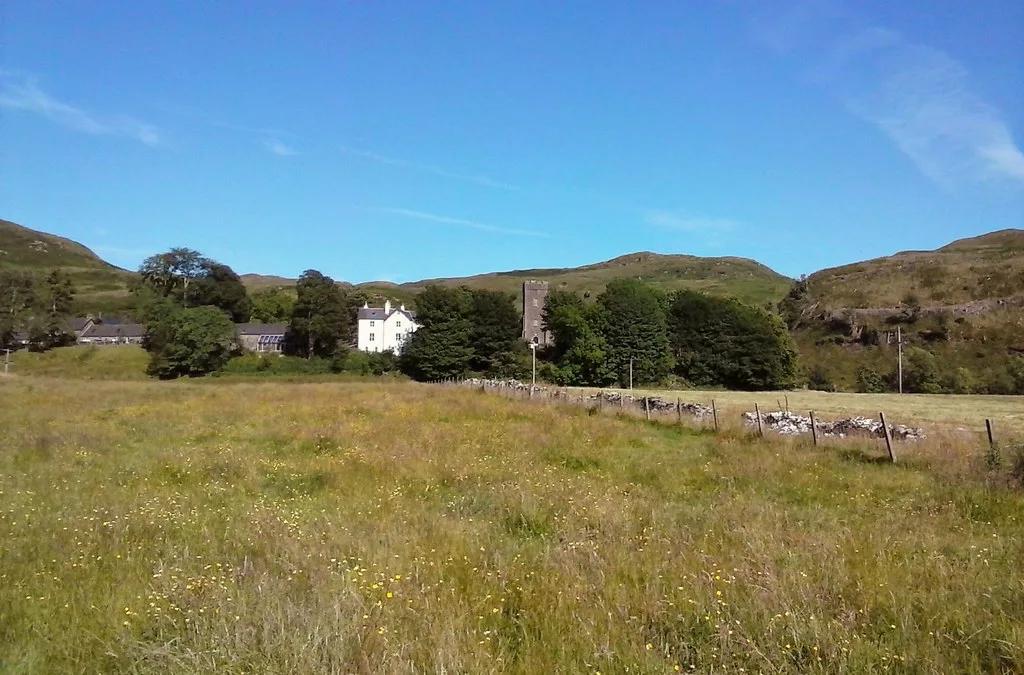
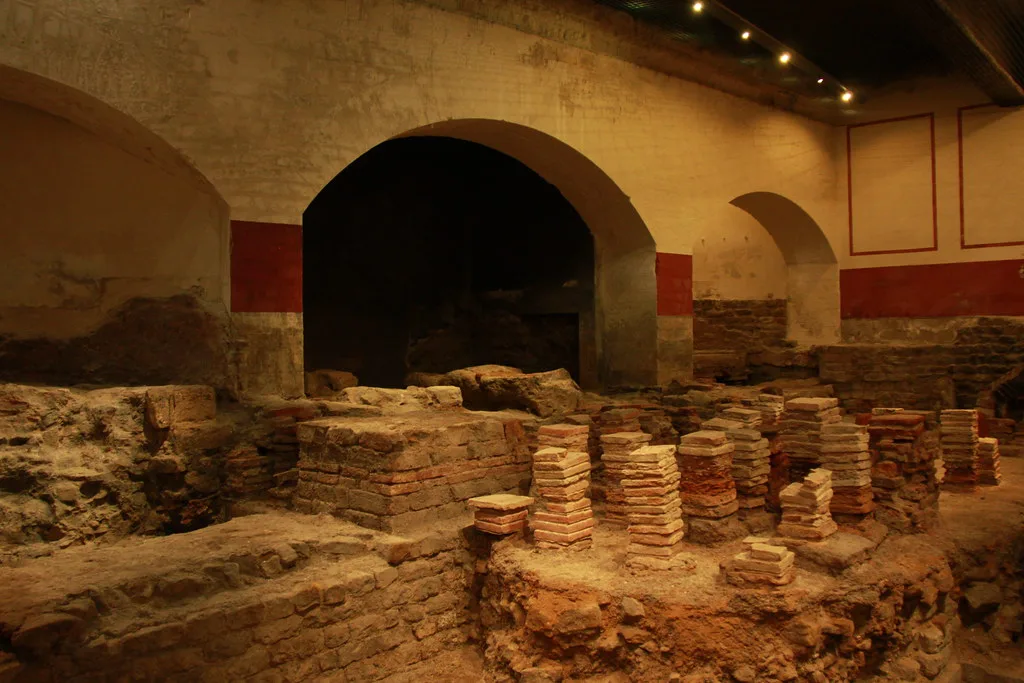
Featured image: Following Hadrian, CC BY-SA 2.0, via Flickr.
Lullingstone Roman Villa at a glance
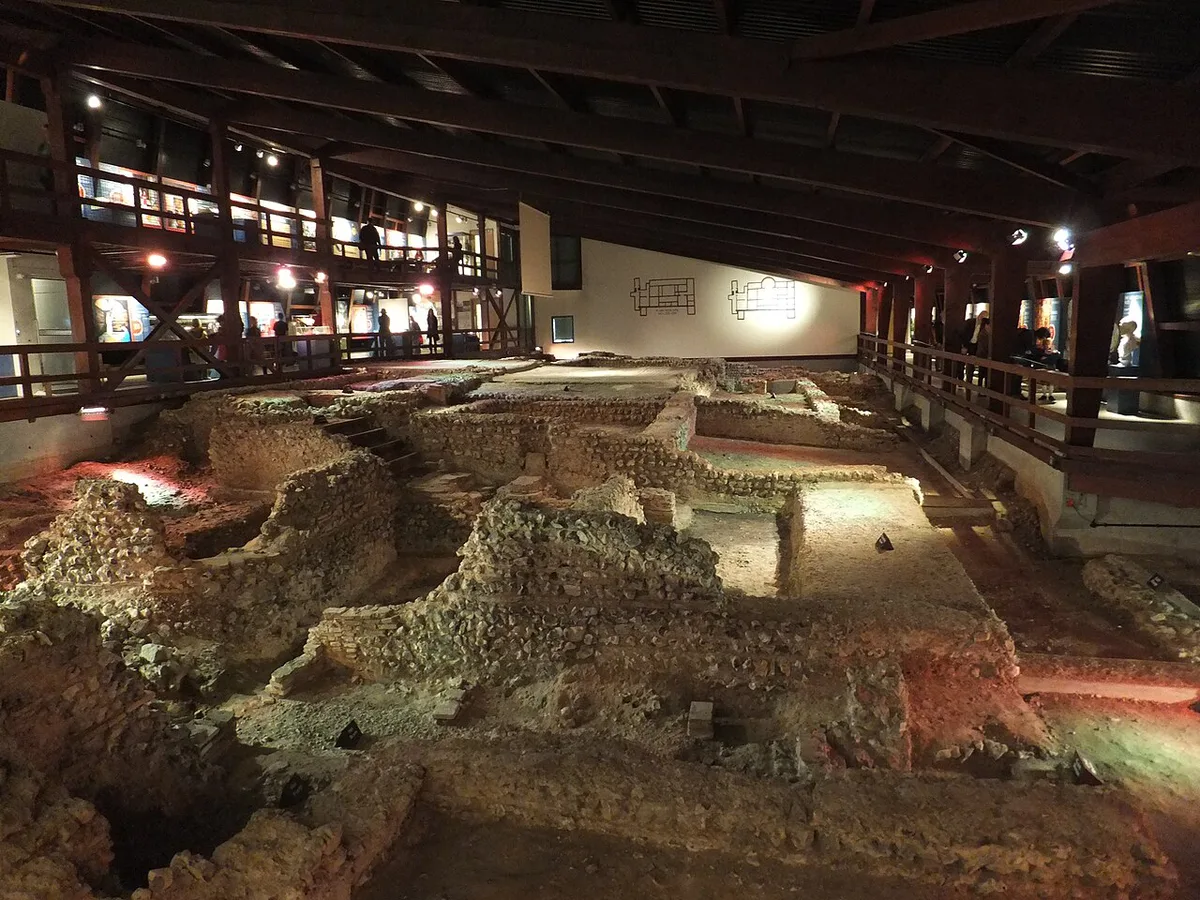
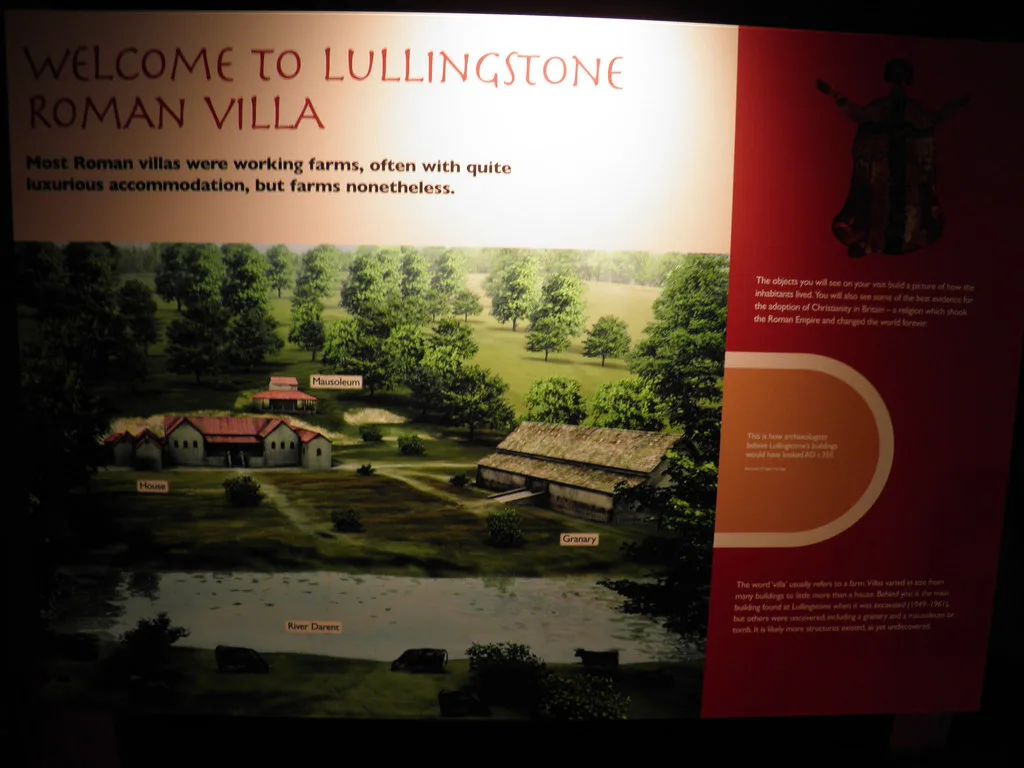
Lullingstone is a compact villa site rather than a sprawling park. The ruins are preserved under a cover building, so a visit works in poor weather as well as good. Excavation began in 1949, and the villa was first built in the 1st century AD.
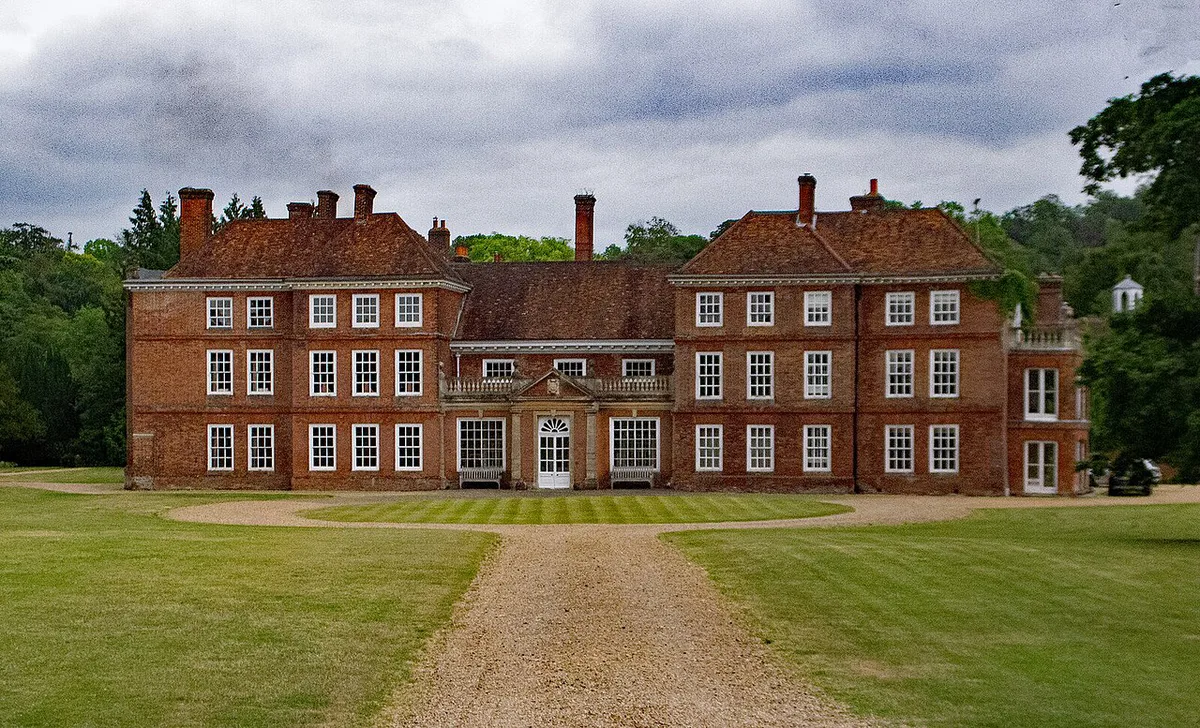
- Where: Darent Valley, near Eynsford, Kent
- Run by: English Heritage
- Best for: mosaics, wall paintings and the story of a villa that changed over centuries
- Less suited to: anyone expecting a large outdoor estate or a full-day attraction
What you can see at the villa
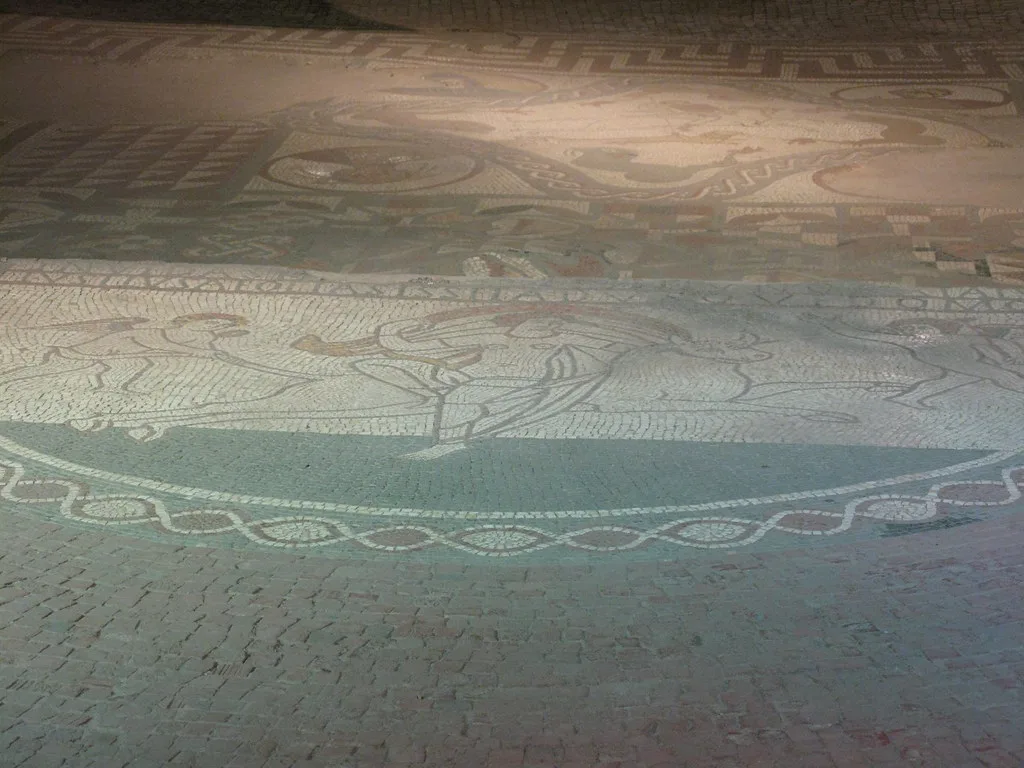
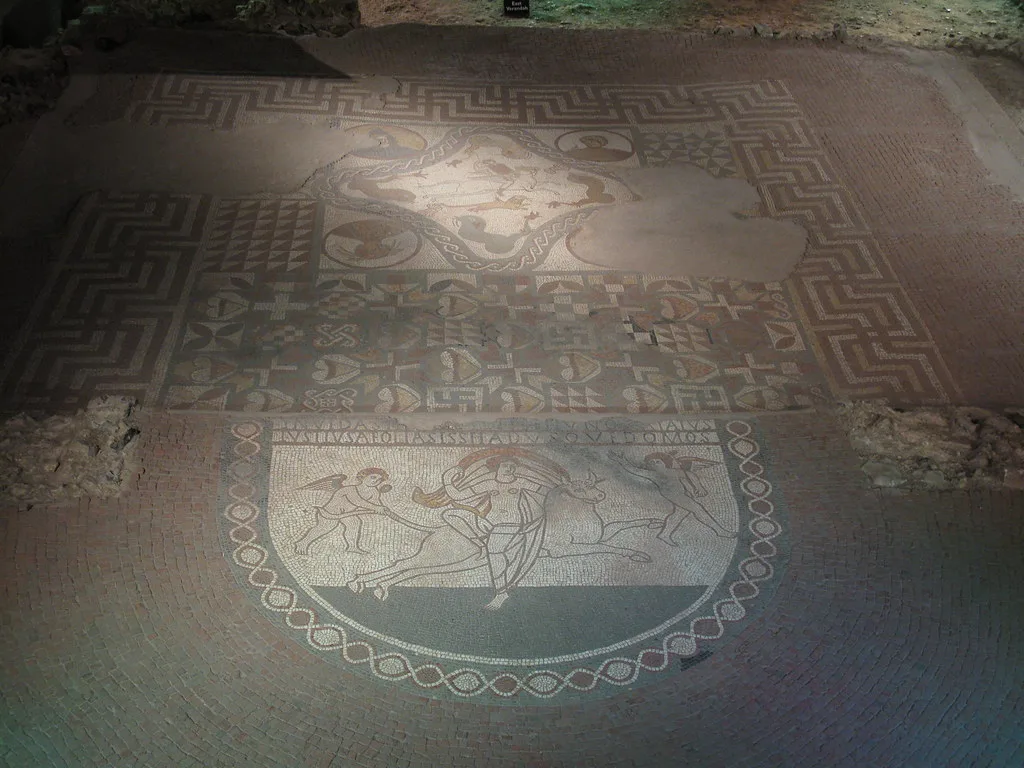
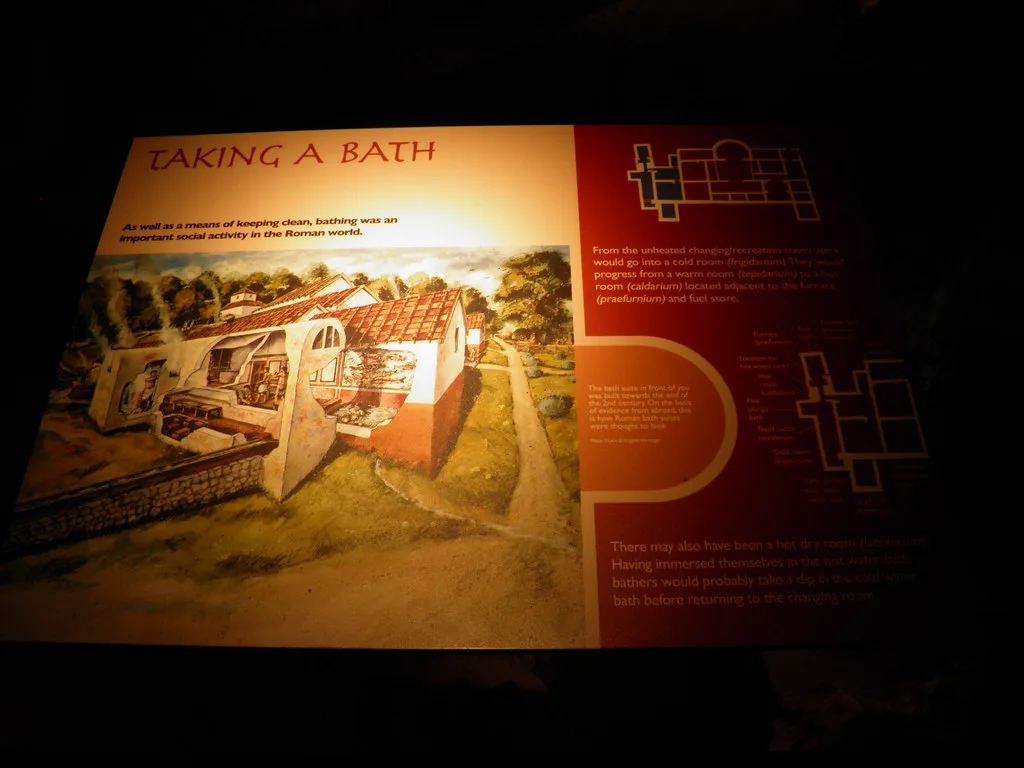
Mosaic floors are the first draw. They survive inside the cover building, so you view them from a raised position rather than walking across them. The bath house is the second feature. Remains of its hypocaust, the underfloor heating system, are visible, and they show how warm rooms were built over hot-air channels. The painted rooms are the third. Their wall paintings are why many visitors choose this villa over others.
Why Lullingstone differs from other Roman villas
Most villas are remembered for floors and bath suites. Lullingstone adds a late phase in which Christian imagery survives. The villa was extended and remodelled several times before it was abandoned around 420 AD. That long span lets you read one house across several generations. Interpretation matters here. The painted rooms are described as a possible house-church, which means the evidence is strong but not a signed confession. Treat the label as an informed reading of the paintings and the room layout. Dating of individual phases comes from excavation and later study, so expect museum panels to use careful wording.
Tickets, opening hours and booking
Admission, member concessions, seasonal opening days and any timed-entry rule are set by English Heritage and can change. Prices and hours were not re-checked for this update, so read the current figures on the English Heritage Lullingstone page before you travel. Smaller sites often open on fewer days outside summer, so do not assume daily opening in winter.
How to get there from London and Kent
Eynsford is the village nearest the site. Plan the journey as a rail leg to the Eynsford area plus a local transfer, or drive and use the on-site parking if the operator lists it. Check National Rail for current train times and the English Heritage page for the walking route and parking details. Step-free access inside a cover building can differ from the car park approach, so ask the site before you arrive if mobility matters.
- Rail: check the current timetable and the walk or taxi link from the station
- Car: confirm parking arrangements and charges on the official page
- Day trip: leave enough margin for the last entry time
How long to allow and what to pair it with
Allow a short visit rather than a full day, since the ruins sit inside one cover building. That makes Lullingstone easy to pair with a second stop. For a Kent-coast Roman option, add Richborough Roman Fort: Visitor Guide, Access and What to See. If you want a bigger Roman day out elsewhere, the Roman Baths in Bath work as a separate trip. Check each site's own hours before you stack two visits into one day.
Lullingstone vs Fishbourne, Chedworth and Bignor
Choose by what you want to see rather than by distance alone. Our guide to Roman sites in England shows how these places fit together. For Chedworth, the National Trust Chedworth page lists visit details. For Bignor, the Bignor Roman Villa site does the same.
| Villa | Read more | Choose it if |
|---|---|---|
| Lullingstone (Kent) | This guide | You want the painted rooms and mosaics under cover |
| Fishbourne | Fishbourne Roman Palace: Visitor Guide & Planning Tips | You want a palace-scale Roman site |
| Chedworth (Gloucestershire) | Chedworth Roman Villa: Visiting Guide, Mosaics & Tips | You want a countryside villa run by the National Trust |
| Bignor | Bignor Roman Villa: Mosaics, Visiting Tips & Getting There | You want another mosaic villa to compare |
Is Lullingstone Roman Villa worth visiting?
Yes, if you care about how Roman Britain changed over time. It suits visitors who like detail, such as mosaics, heating systems and wall paintings. Skip it if you expect a large outdoor site or a full-day attraction. Do not arrive at closing time, and do not assume the transfer from the station is short without checking it. Wheelchair users and families with pushchairs should contact English Heritage about access before travelling.
Frequently Asked Questions
What is a Roman villa?
A Roman villa was a country house with farmland attached, usually owned by a wealthy family. Many had bath suites, heated floors and decorated rooms. Lullingstone shows all of these features in one place.
Related guides
Continue reading
Guides on the same trip