
Silchester Roman Town (Calleva Atrebatum): Visitor Guide
Last updated November 2026. Silchester Roman Town is the ruined Roman town of Calleva Atrebatum in north Hampshire, where walls and an amphitheatre stand in open countryside. We'd call it a site for walkers and Roman-history readers, not for anyone expecting roofed rooms or a museum. Here is what survives, how to arrive, and who should pick a different Roman site instead.
Featured image: yvonnehulbert, CC BY 2.0, via Flickr.
What Is Silchester Roman Town?
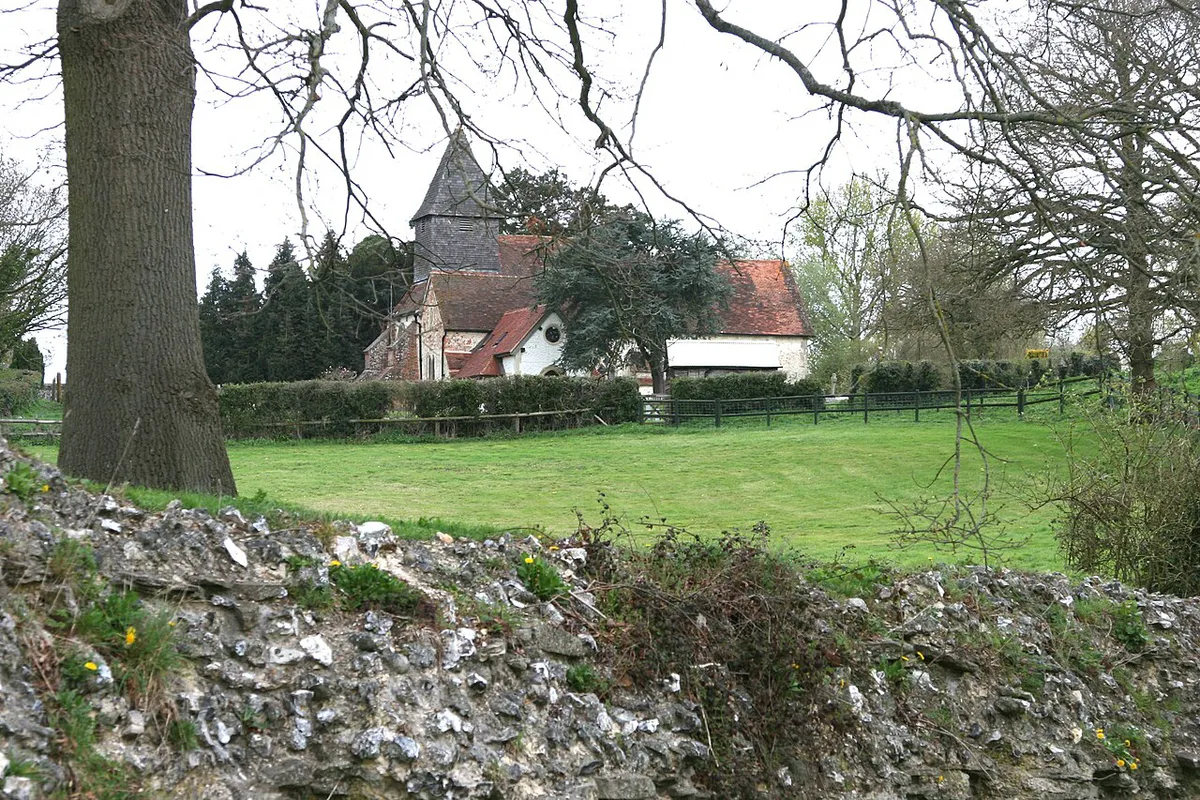
Calleva Atrebatum means "Calleva of the Atrebates". It began as an Iron Age oppidum and later became a town in the Roman province of Britannia. It served as the civitas capital of the Atrebates tribe. Today its ruins are known as Silchester Roman Town. They lie in the countryside of north Hampshire, between Basingstoke and Reading, close to Tadley. Silchester sits among the places we'd list in our guide to Roman Sites in England: Best Places to Visit and How to Choose, but it is far quieter than most of them.
What You Can See Today
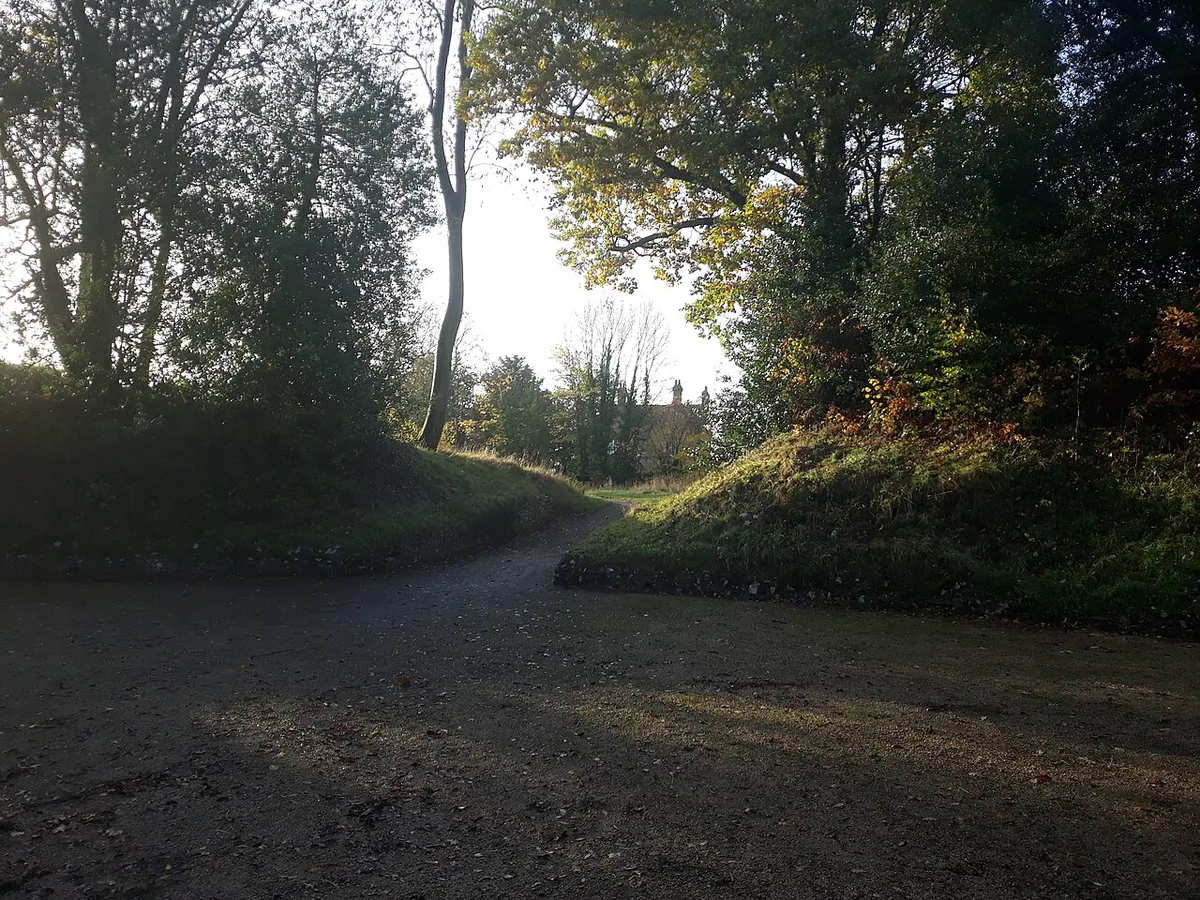
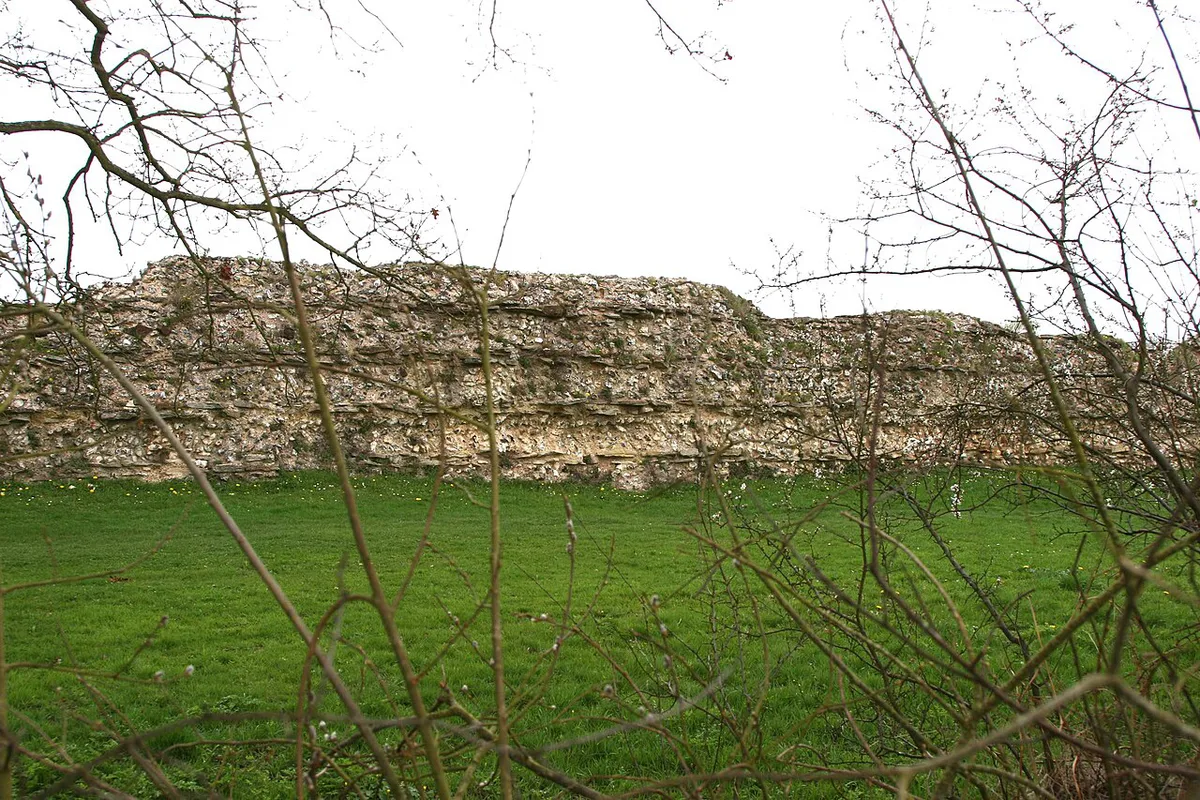
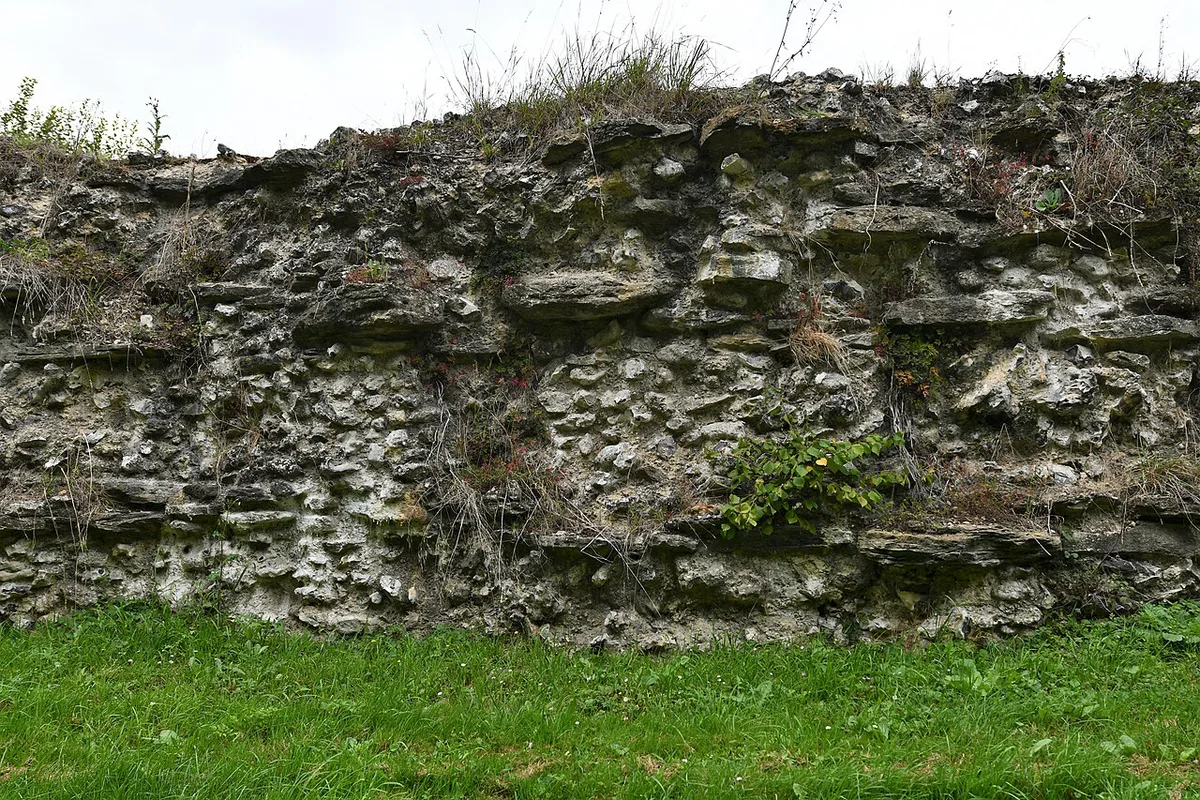
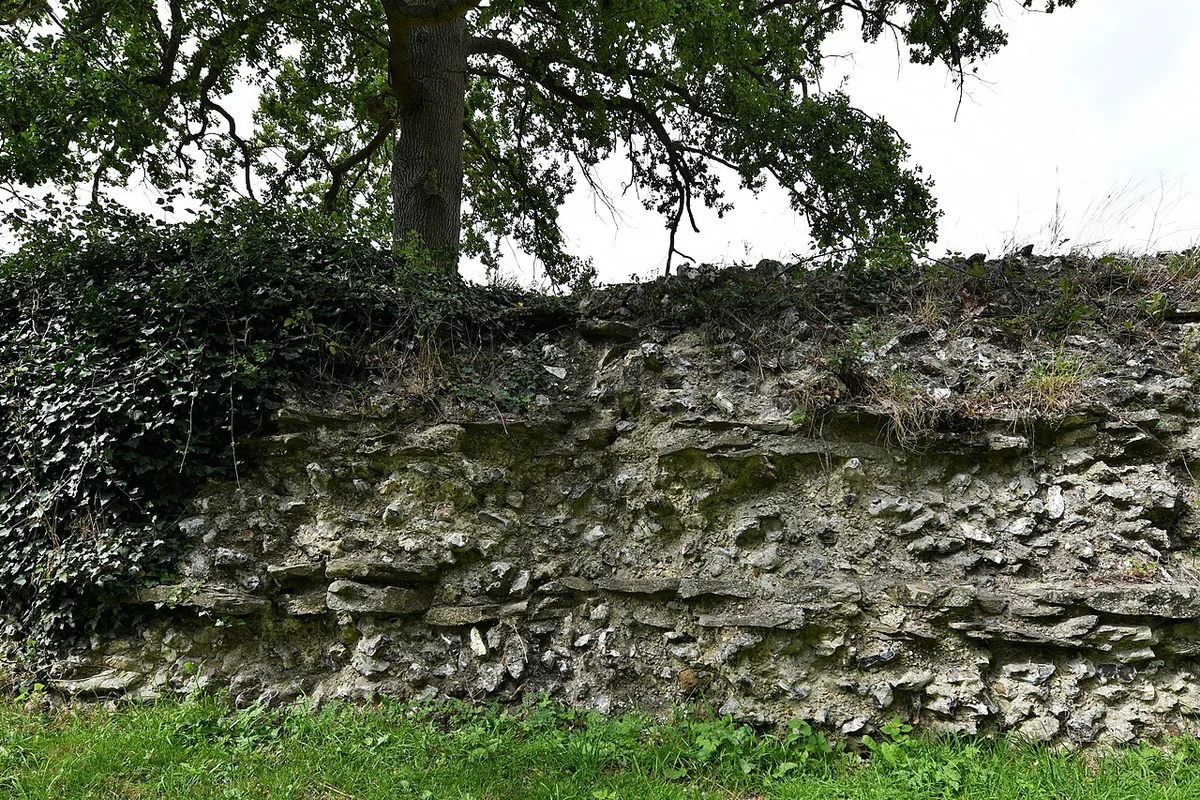
Most of the town lies buried, so the visible remains are mostly earthwork and masonry on the surface. Expect a walk, not a tour. The University of Reading's Department of Archaeology has excavated here through its Silchester Town Life Project, and that work is why so much is known about what lies underground. The university's archaeology pages carry the project's current status.
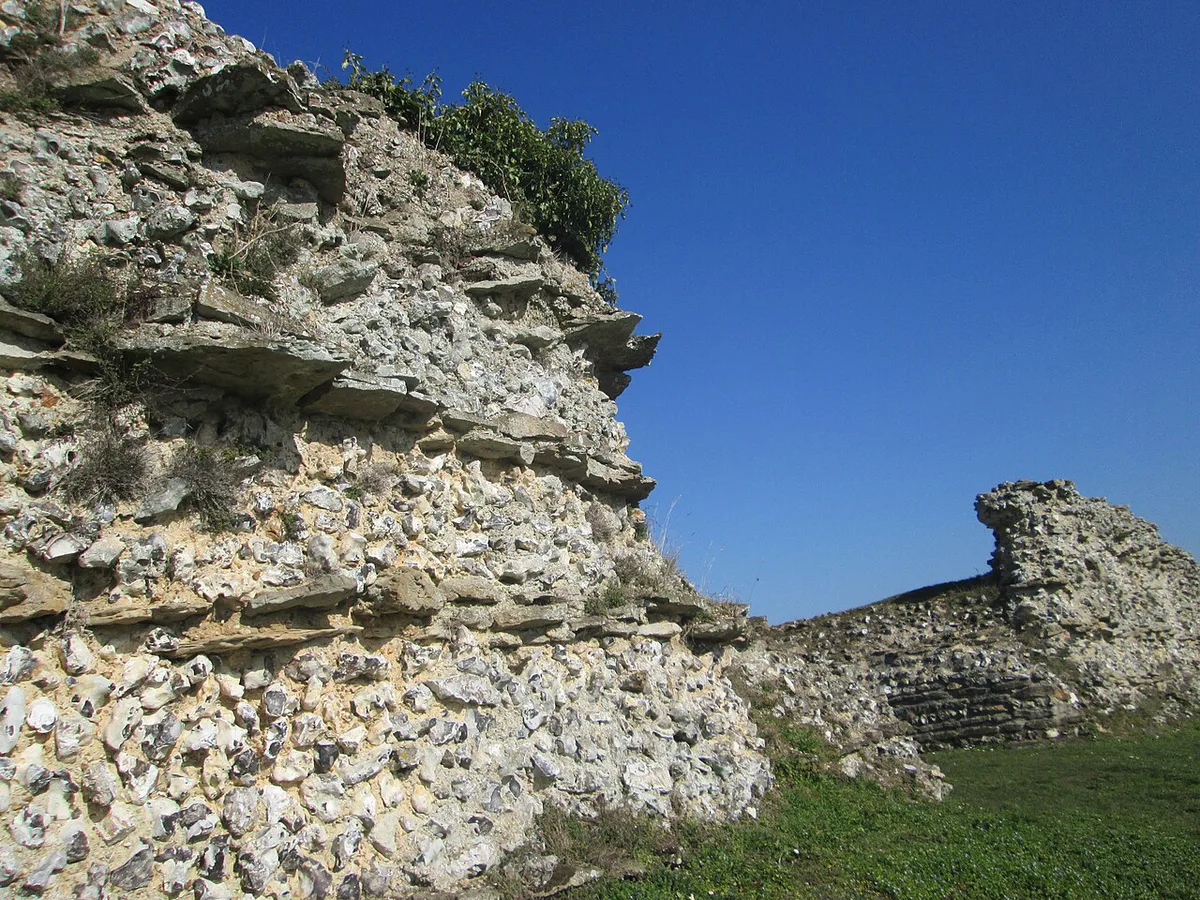
- You will see: stretches of the town walls, the Roman amphitheatre, and open fields where streets and buildings once stood.
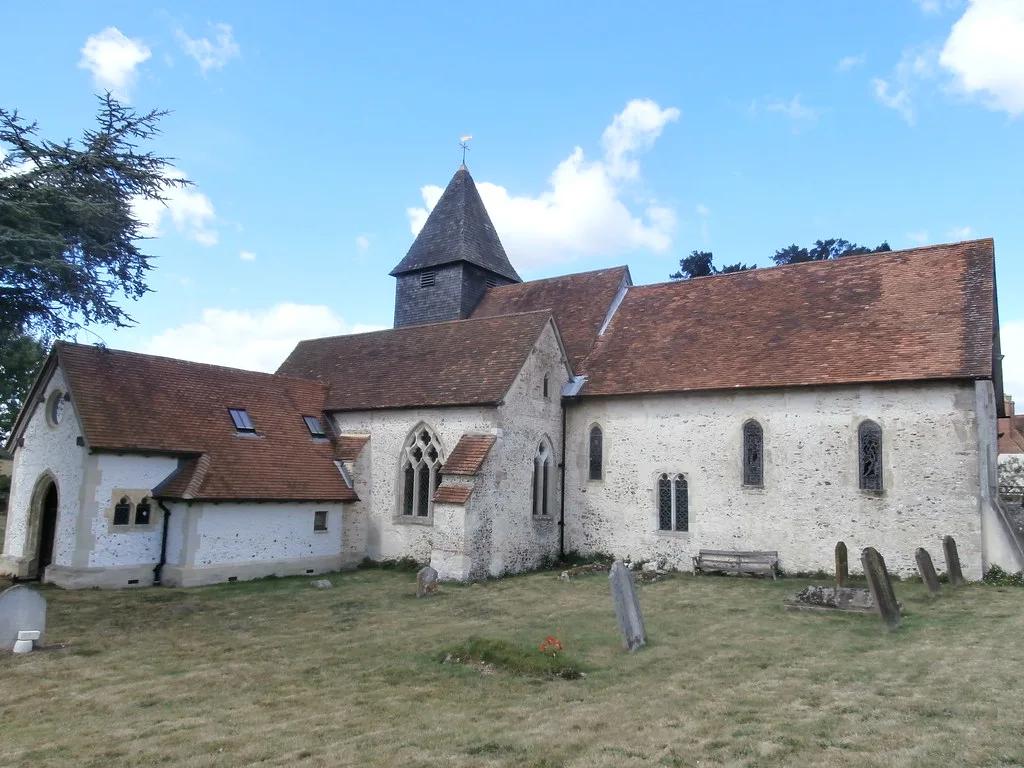
- You will see: St Mary the Virgin, a church standing just inside the walls.
- You won't see: reconstructed buildings, mosaics under cover, or a Roman bathhouse. Baths, temples and a forum basilica are said to be here, but they are below ground.
- You won't see: much interpretation, so read up on Calleva before you set out.
Is Silchester Worth Visiting?
It is worth the trip if you like atmosphere and a sense of scale. A whole Roman town stands in farmland with no modern town built over it. We'd skip it if your priority is mosaics, heated floors or a café stop. Our comparison below uses decision criteria rather than a ranking, and every cell is a general description. Facilities at each site are best confirmed with the owner.
| Site | What survives | Best for | Effort or facilities |
|---|---|---|---|
| Silchester | Walls, amphitheatre, buried town | Walkers, archaeology fans | Rural, check official source |
| Wroxeter | Ruined Roman city | Visitors wanting a comparable town site | Check official source |
| Richborough | Fort remains | Short stops, military history | Check official source |
| Fishbourne | Palace with mosaics | Mosaics and interiors | Check official source |
- Skip it if you need reconstructions or panels explaining every wall.
- Skip it if you need toilets, shelter or food on site, since we found no confirmed facilities.
- Skip it if you have mobility needs and are unsure of the ground conditions.
- Choose it if you want a quiet walk through a real Roman townscape.
Getting There: Car, Train, Bus
Silchester village lies north of Basingstoke and south of Reading, just outside Tadley. Driving is the simplest option for a short visit. Mortimer station on the Reading to Basingstoke line is the nearest rail option we can point to. From there it is a country walk, partly along lanes. Check National Rail for the current service pattern and local operators for any bus. No bus route or parking arrangement turned up in our sources.
| Mode | Practical notes | Main friction |
|---|---|---|
| Car | Quickest route to the village and walls | Parking not confirmed |
| Train | Mortimer station, then a walk | Country lanes, possibly without pavements |
| Bus | Not confirmed | Local operator's timetable |
Access, Opening, Costs and Facilities
Opening times, admission, parking, toilets and a ticket office are not confirmed for Silchester. Check the current owner or manager's official page, or Historic England's record, before you travel.
How Long to Spend and a Sample Visit
A walk around the walls and the amphitheatre fits into a short visit. Add the church and a loop through the fields for a longer outing. Reading University's excavation team has worked within the walls, so check for any dig dates that might affect access. Expect mud and uneven grass after rain, and wear proper footwear. We'd pick a dry spell outside winter, when the walls are easier to follow and the grass is firm. A longer walk can follow the Roman road toward London, locally called the Devil's Highway. Check an Ordnance Survey map for which stretches are open footpaths.
Finds, Museums and Where to See More Roman Britain
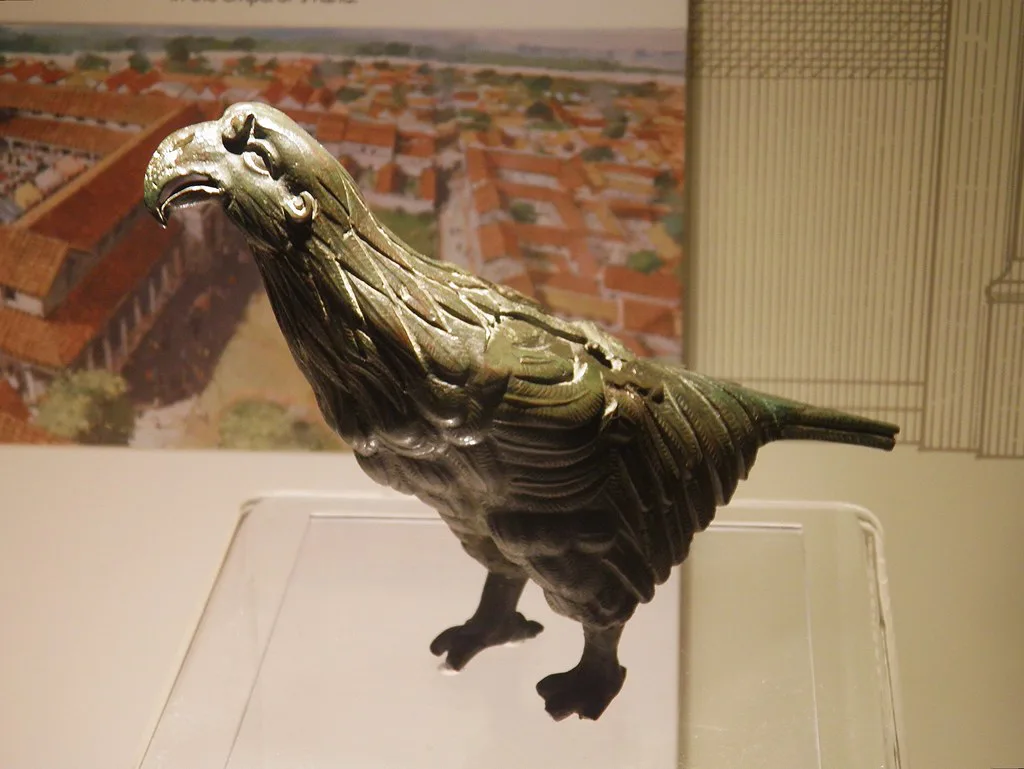
Excavated material is usually held in a museum rather than on site. Which museum displays the Silchester finds is unclear, so ask the University of Reading or the site manager. For a larger, ruined town, compare Wroxeter. Fort remains are at Richborough, and a legionary base is at Caerleon. If mosaics matter more, start with our guide to Roman Villas in England: Best Ones to Visit and How to Choose. Fishbourne is one option on that list. The Bignor Roman Villa site covers another, and Chedworth and Lullingstone are further choices. For a fully presented Roman site, the Roman Baths in Bath is our contrast. See also whether the Roman Baths are worth visiting.
Mistakes to Avoid
Do not arrive expecting facilities, because none are confirmed. Wear boots, carry water and keep to paths so you do not damage the earthworks. Do not climb on the walls. We'd also check for excavation or event dates before you go, since fieldwork can change what is open.
Related guides



Continue reading
Guides on the same trip


