

Can You Swim in the Roman Baths? Rules & Where to Bathe in Bath
Last updated November 2026. Can you swim in the Roman Baths? No: swimming and bathing in the ancient Great Bath are not permitted, because the site is a museum. If you want to soak in Bath's hot spring water, book a session at Thermae Bath Spa instead.
Featured image: NH53, CC BY 2.0, via Flickr.
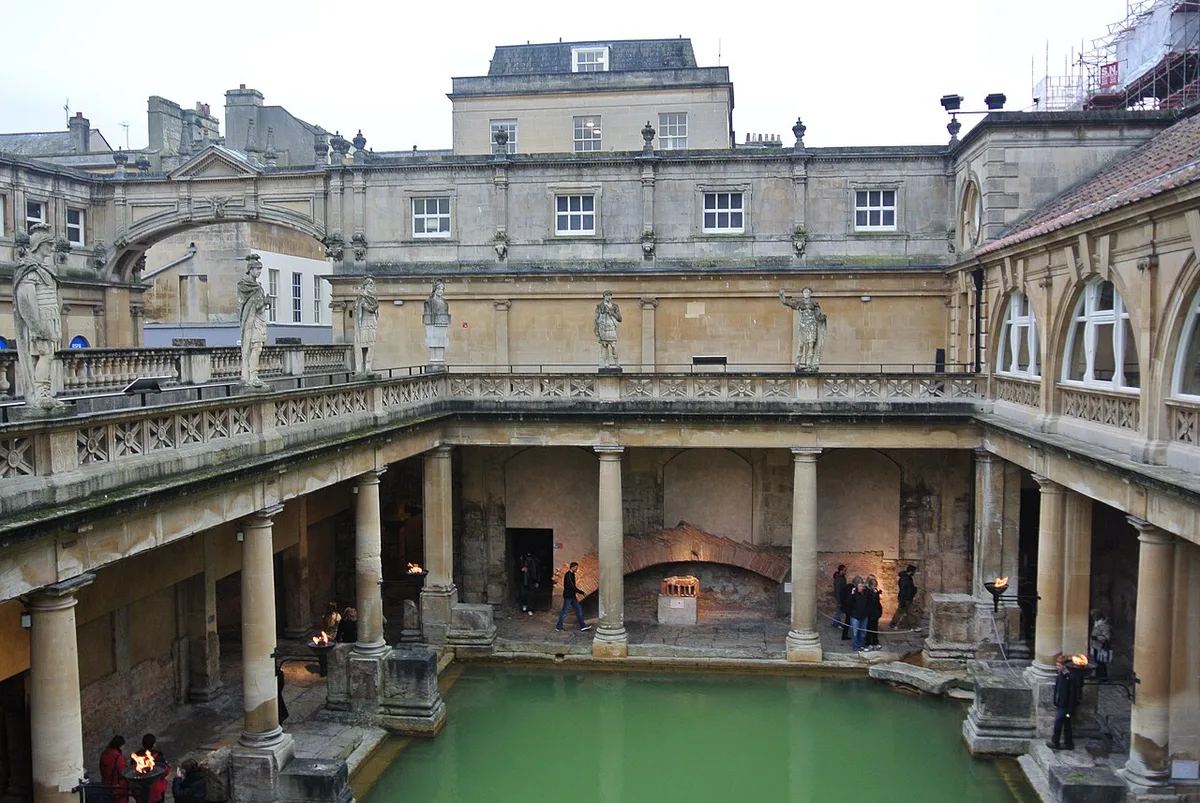
Short answer: can you swim in the Roman Baths?
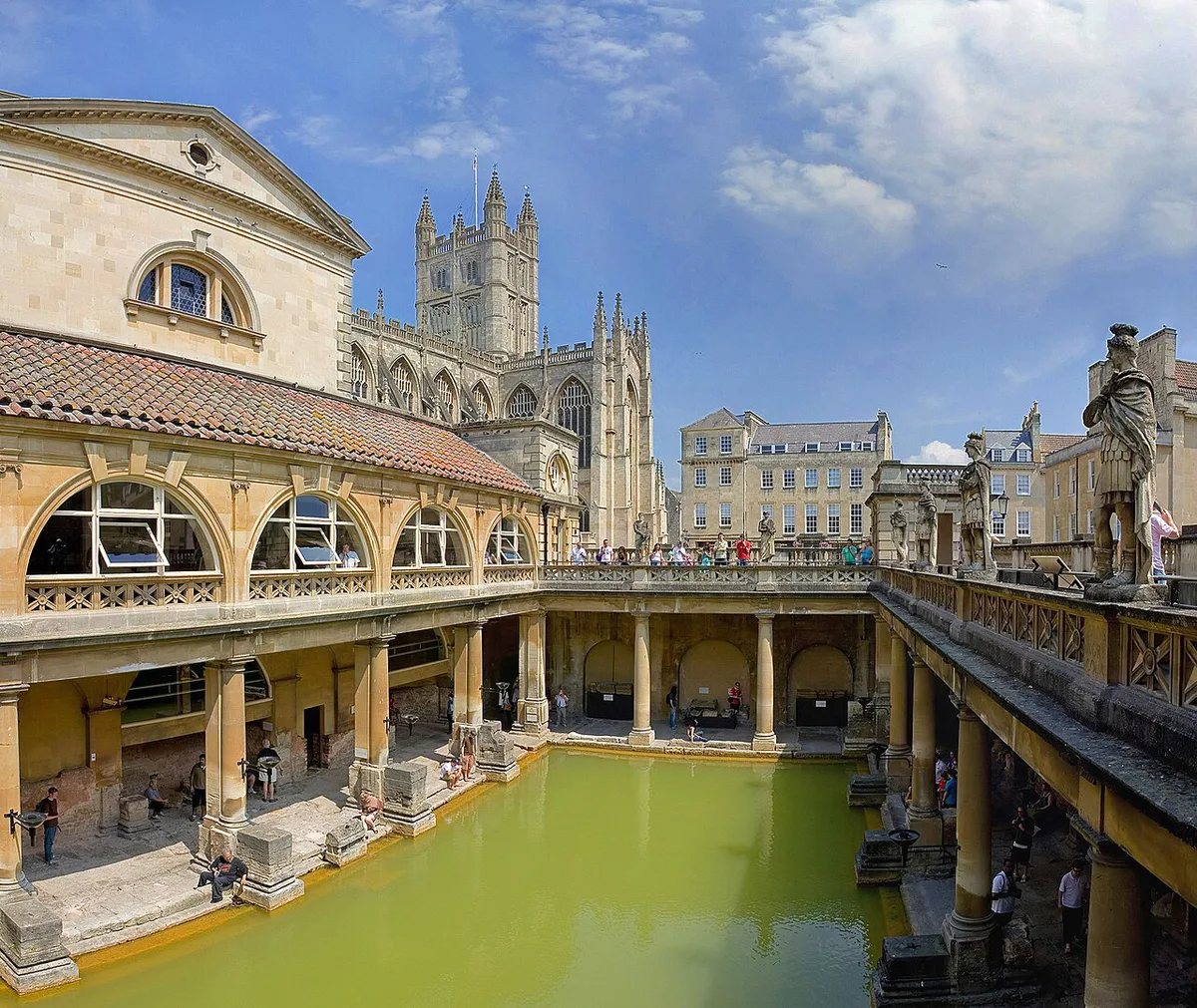
No. Visitors walk around the Great Bath on the terrace and look at the water from above. Paddling and dipping a hand in are off limits, and the water is not safe to touch or drink. If bathing is your goal, skip the museum ticket and head to the modern spa covered below.
Why swimming isn't allowed
Roman Baths is a heritage site and museum, not a pool. Visitors move through a protected archaeological complex, and the Great Bath is part of that preserved structure. Bodies in the water would put the ancient stonework and lead lining at risk. The water is also not treated for bathing, which is why it is kept out of reach. Rules and notices can change, so read the visitor guidance on the official Roman Baths site before you travel.
When bathing ended and why the Great Bath looks green
Visitors often ask whether swimming here was ever allowed, and why the water in the Great Bath is green. Both have simple answers.
Bathing stopped decades ago
The spring water was used for bathing in Bath for centuries. Public bathing in the Roman Baths complex ended in the late 1970s, after a health scare linked to the untreated thermal water. Since then the complex has operated purely as a museum, and the hot springs are used for bathing only in the modern spa buildings, where the water is treated and managed.
The green colour
- Sunlight and algae: The Great Bath was roofed in Victorian times, but the water is open to daylight, and the warm, mineral-rich water encourages algae growth. That gives it the green tint.
- Not a sign of cleanliness: The water is not meant for contact, so the colour is not a measure of anything for bathers. Treat it as part of the heritage display.
- Lead lining: The Great Bath's base is still lined with Roman lead sheets, one more reason the water is kept off limits.
For anything specific about water quality or current notices, rely on the official Roman Baths website, not on the colour you see from the terrace.
What you can do at the Roman Baths instead

You can walk the terrace above the Great Bath and see the Roman Spring, where hot water still rises. The museum displays finds from the temple precinct and the bathing complex. Planning matters more than swimming gear here. Our guide to seasonal opening hours helps you pick a slot. Another page explains how long to allow inside. Ticket options are laid out in the guide to entry tickets. For a full overview of the site, start at the Roman Baths cluster hub.
- Look down on the Great Bath from the terrace.
- See the Roman Spring, the source of the hot water.
- Browse the museum displays from the temple precinct.
- Ask about water tasting at the Pump Room and its current availability.

Where to bathe in Bath's hot spring water
Modern thermal bathing happens at Thermae Bath Spa, a spa in the city that uses the natural hot spring water. This is the real answer for anyone who arrived hoping to swim. Booking rules, age limits, session lengths and prices are set by the operator, so read them on its site before you plan a day around it. Prices and hours change each year, so none are quoted here.

Thermae Bath Spa needs 2 separate bookings, so a museum ticket won't get you in. Its age rules and session times are worth settling before you fix the rest of your day.
| Option | Can you get in the water? | Best for | Booking and cost |
|---|---|---|---|
| Roman Baths visit | No, viewing only | History, archaeology, Sulis Minerva | Timed ticket; see the official site |
| Thermae Bath Spa | Yes, thermal bathing | Relaxing in the hot spring water | Age rules and prices are on the spa's site |
| Both in one trip | Spa only | A full day in Bath | Book each separately, no assumed combined ticket |
What to expect at Thermae Bath Spa
Thermae Bath Spa is a modern spa that opened in 2006, and it uses the same natural thermal water that feeds the Roman site. It is a different experience from the museum, so it helps to know what you are booking.
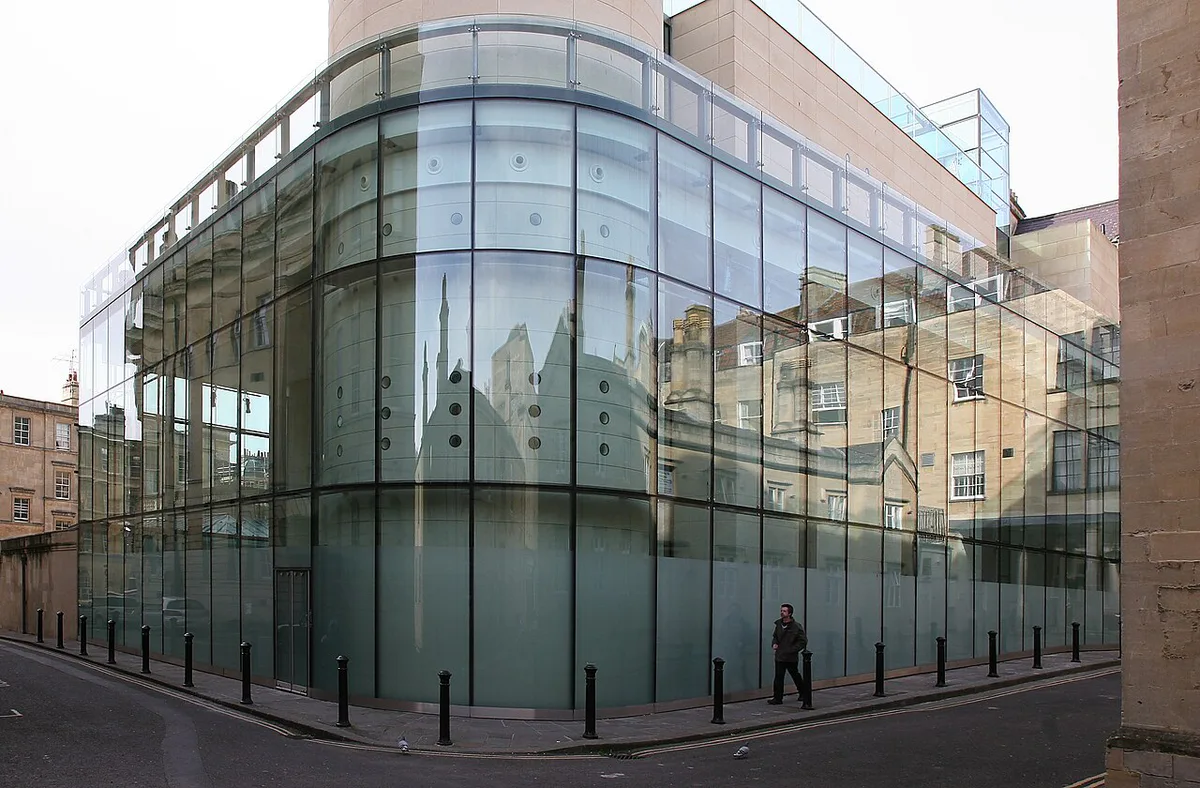
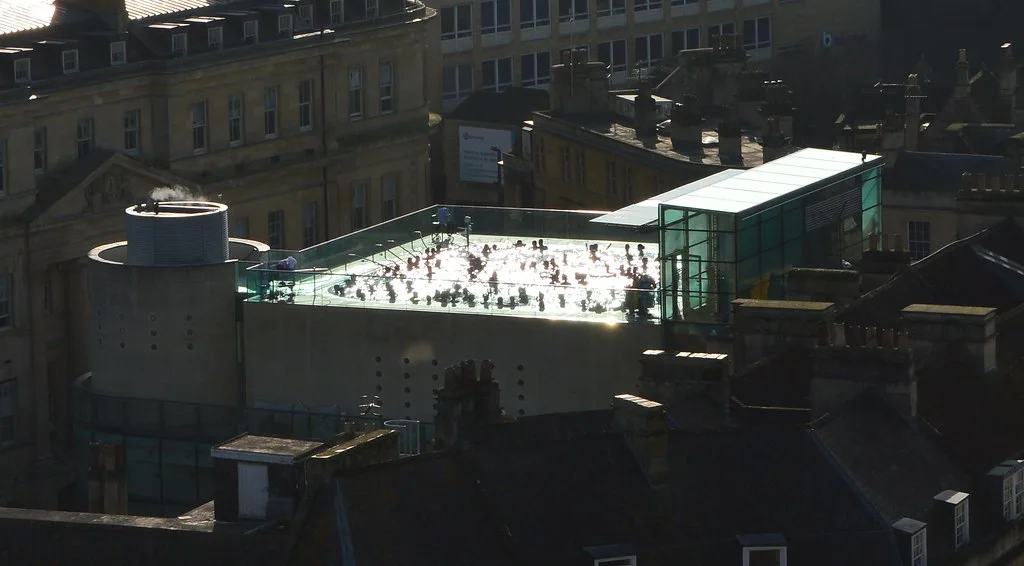
- The New Royal Bath: The main spa building has indoor thermal pools and steam rooms, plus an open-air rooftop pool with views over the city's rooftops and the surrounding hills.
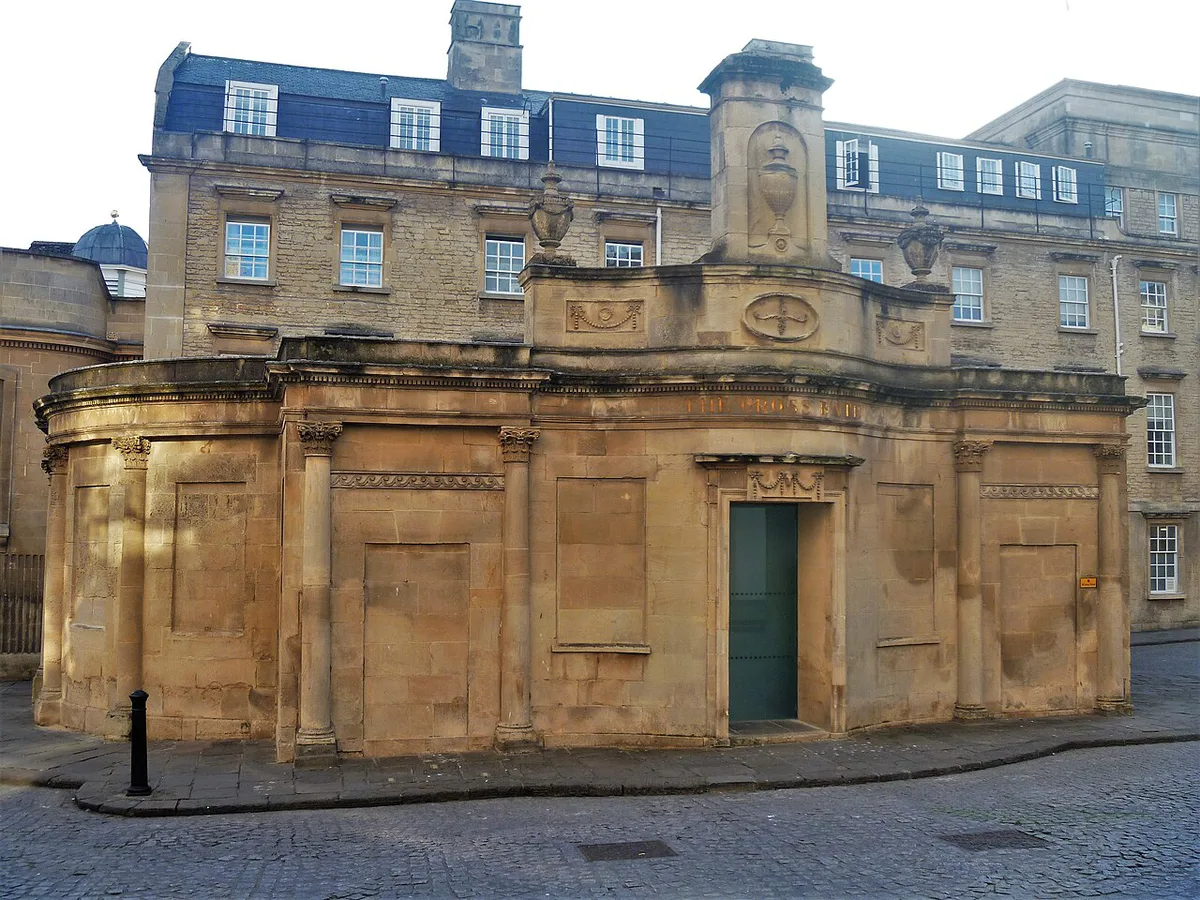
- The Cross Bath: This is a smaller, more intimate thermal bath nearby, in a historic spring setting. The spa's site explains how and when it can be booked.
- Session length: Spa sessions are time-limited, so plan the rest of the day around your slot, not the other way round.
- What to bring: Swimwear, towels and robes are handled differently depending on the package. Ask what is supplied when you book, and what you need to pack.
The rooftop pool is the closest thing to bathing in Bath's hot spring water in a way that echoes Roman bathing. In cold weather the steam over the water is part of the appeal.
Age rules, session times and prices are set by the operator and change over time, so check the Thermae Bath Spa site before you build an itinerary around it.
How Romans really bathed here
Roman bathing followed a sequence of hot, warm and cold rooms, and Bath's complex was built around a natural hot spring. The spring was also sacred. It belonged to a temple precinct dedicated to Sulis Minerva. For the goddess behind the site, read our page on Sulis Minerva and her temple. Details of individual pools and rooms differ between sources, so treat any single blog's measurements with caution.
Choosing: Roman Baths, spa or both
Pick by what you want from the day. History-first travelers should spend their time in the museum and skip the spa. Relaxation-first travelers should book the spa and treat the museum as optional. If you are unsure the museum justifies a ticket, our verdict on whether it is worth visiting will help. Evening visitors can look at torchlit evening visits. Day-trippers can read about getting to Bath from London before planning a spa session.
- Mistake to avoid: buying a museum ticket expecting to swim.
- Mistake to avoid: turning up at the spa without checking its booking rules.
- Mistake to avoid: assuming the spring water is drinkable because it is hot and natural.
Planning a Roman Baths and spa day

Choose the Roman Baths for archaeology and Thermae Bath Spa for bathing. They are 2 separate experiences, so plan 2 separate bookings if you want to do both. A Roman Baths ticket gives you access to the museum and viewing areas, but it does not allow swimming or water contact.
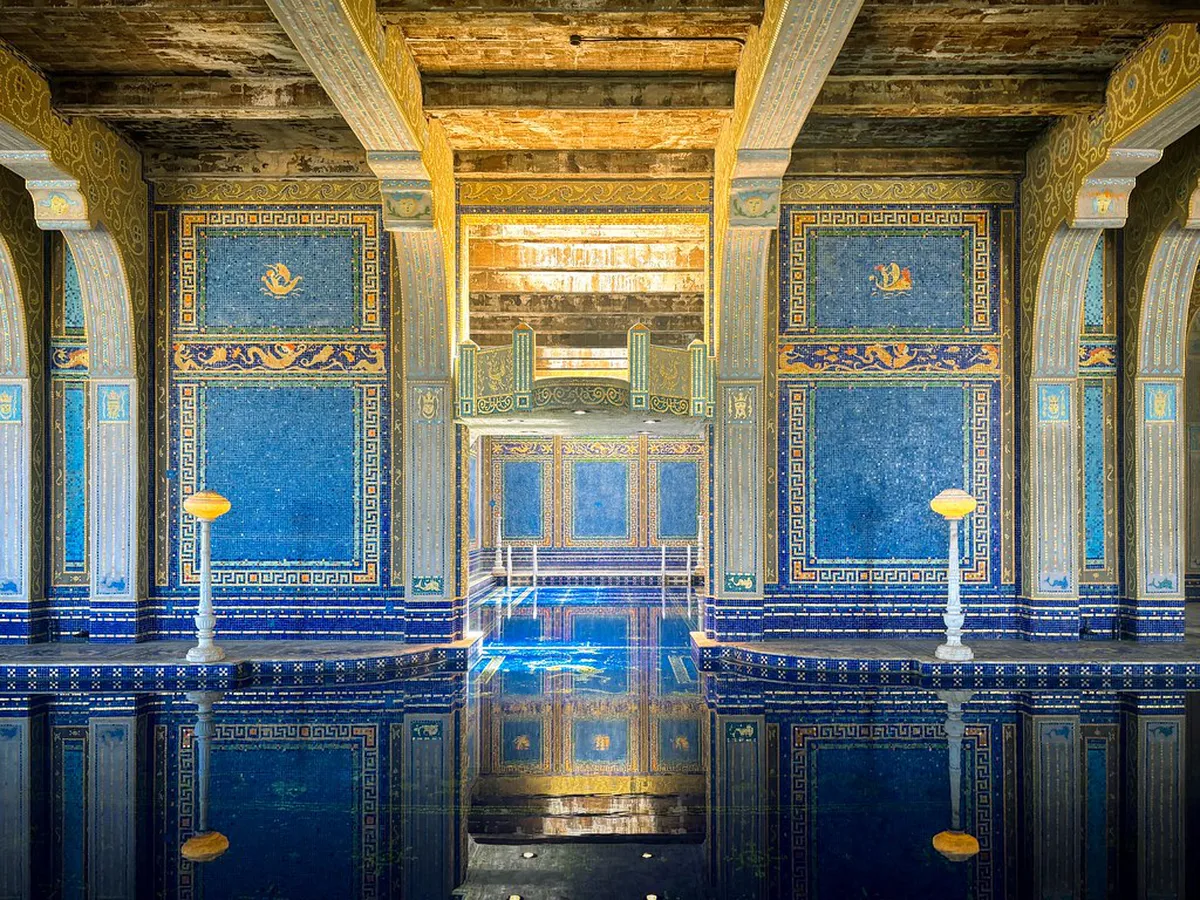
Start with the museum if you want to understand the Great Bath, the Sacred Spring and the temple precinct. Then book the spa separately for time in Bath’s thermal water. This split works well for visitors who want history as well as relaxation. It also prevents a common mistake: treating 1 museum ticket as entry to a thermal pool.
Check the spa operator’s current session times, age rules and availability before fixing the rest of your itinerary. The Roman Baths’ timed-entry guidance matters too. Both stops can fit into a day, but neither should be assumed to include the other.
Related guides



Continue reading
Guides on the same trip


