
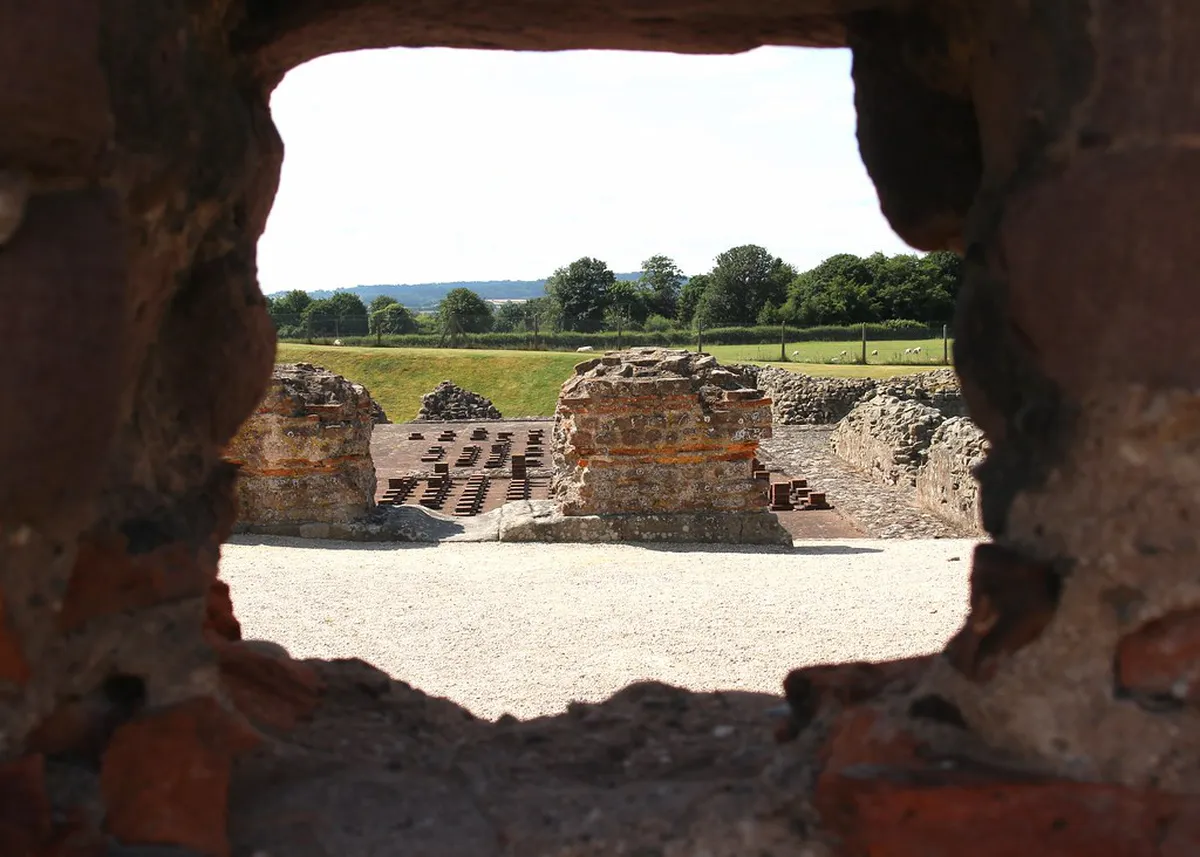
Last updated November 2026. Wroxeter Roman City is what remains of Viroconium Cornoviorum, a Roman city near Shrewsbury in Shropshire, now cared for by English Heritage. You walk across open ground to a tall surviving bathhouse wall, excavated baths and a reconstructed Roman townhouse. It suits ruin-lovers and history-minded families more than anyone hunting intact mosaics, and English Heritage's Wroxeter page has current visitor details.
Featured image: Ruth and Dave, CC BY 2.0, via Flickr.
What Wroxeter Roman City Is (and Why It Matters)
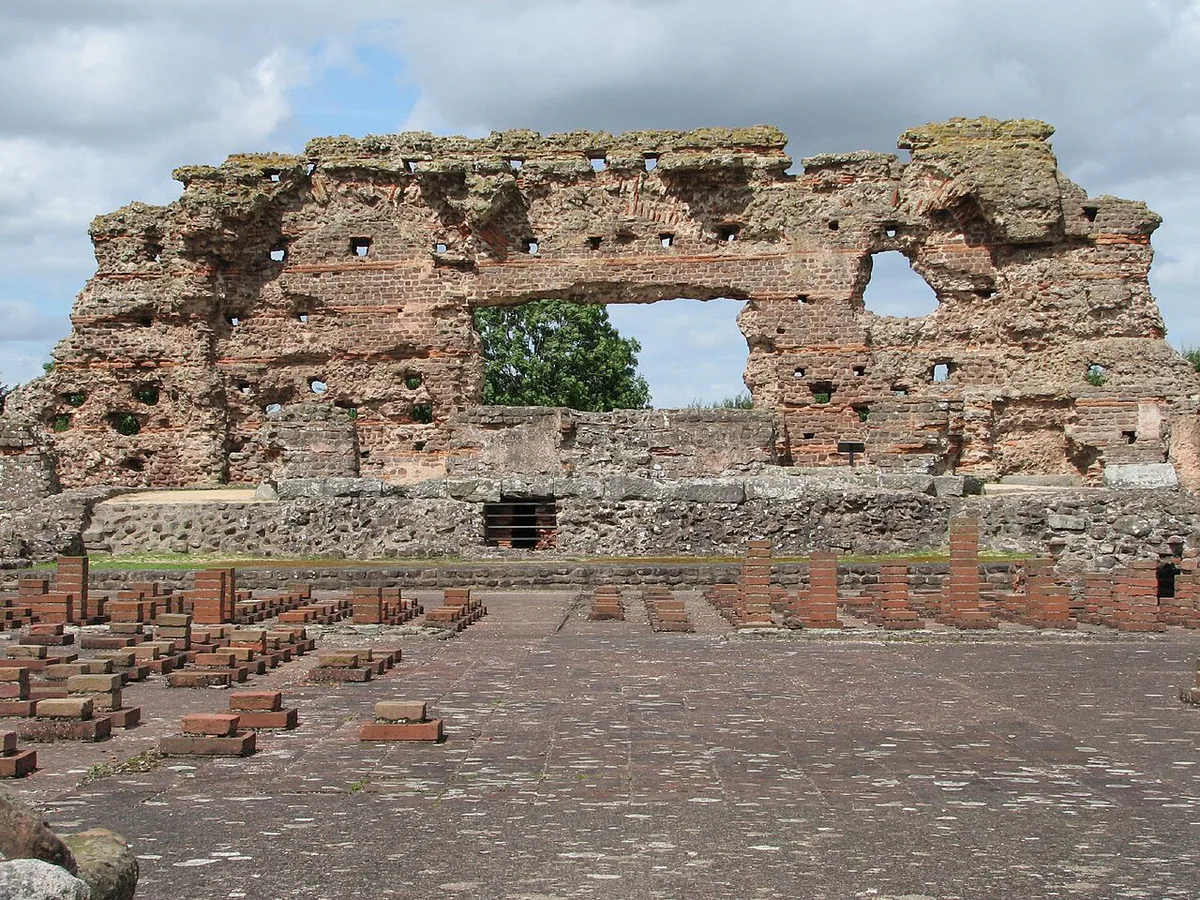
Viroconium Cornoviorum was a Roman city whose name points to the Cornovii, the tribe of this part of the Welsh Marches. Today it lies in farmland near Shrewsbury, with much of the ancient city still beneath the fields. That makes it a different kind of visit from a villa or a fort. You are standing in a town plan, not a single building.
What You Can Actually See
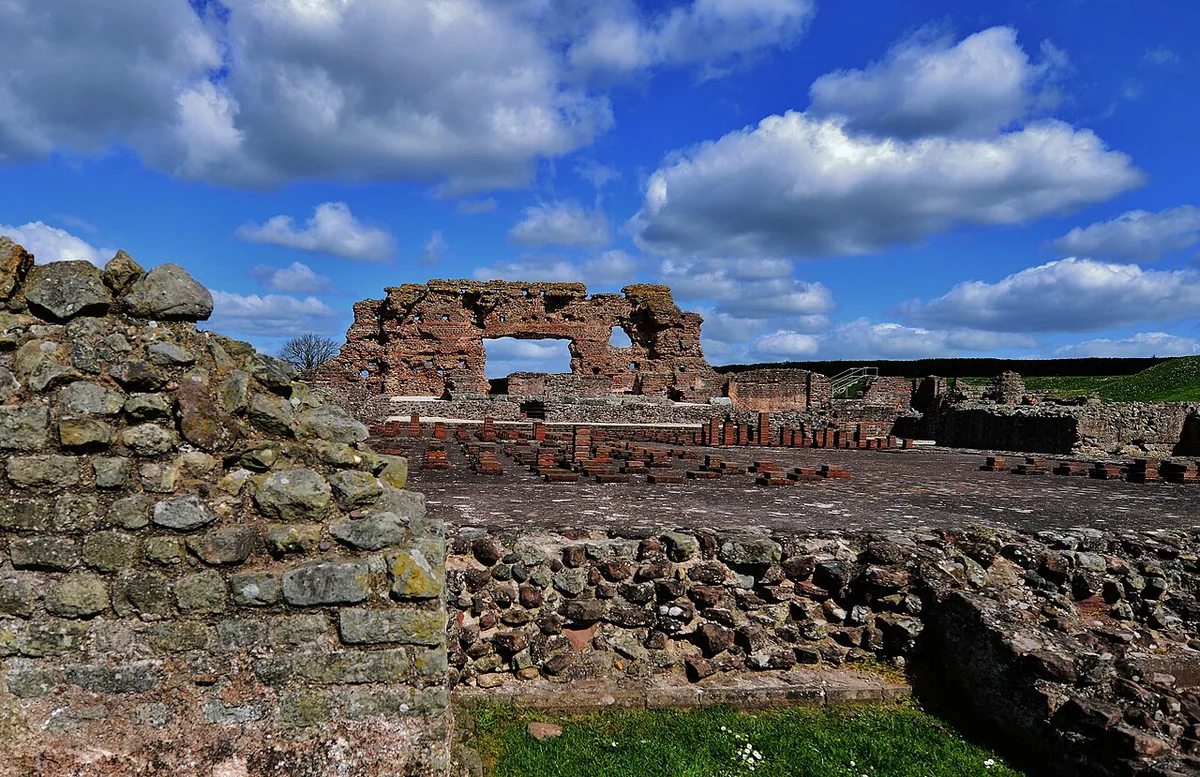
Three features anchor the visit. Each one shows a different side of daily life in a Roman city.
- The Old Work: the surviving wall of the bathhouse complex, still standing as the site's signature feature.
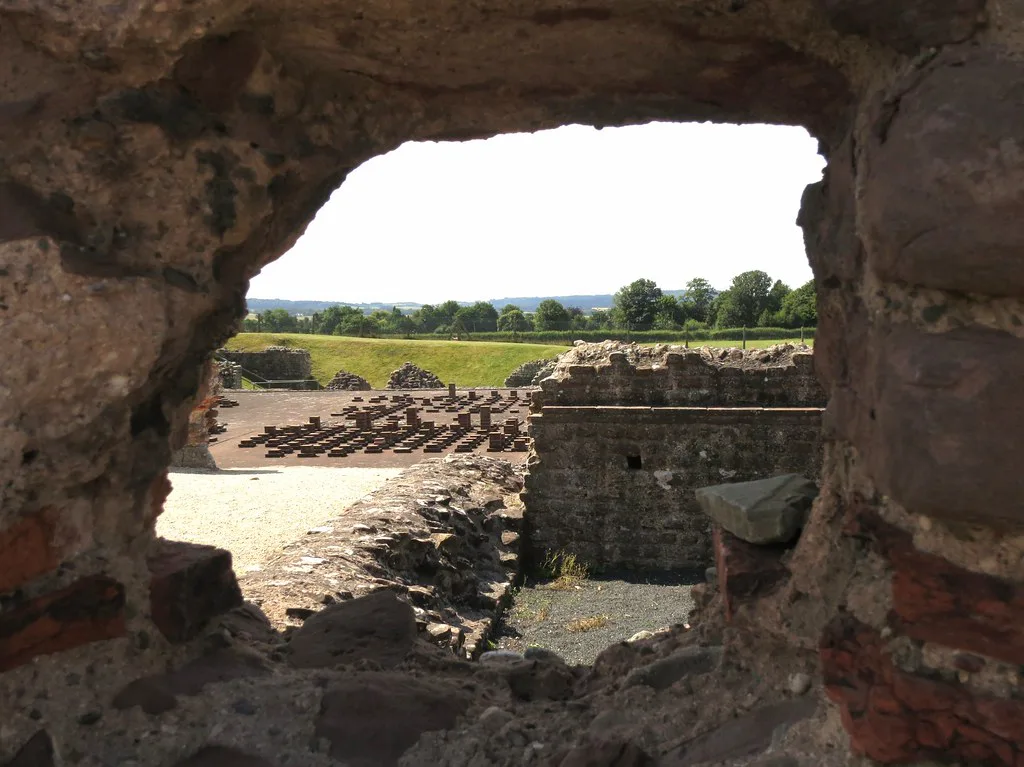
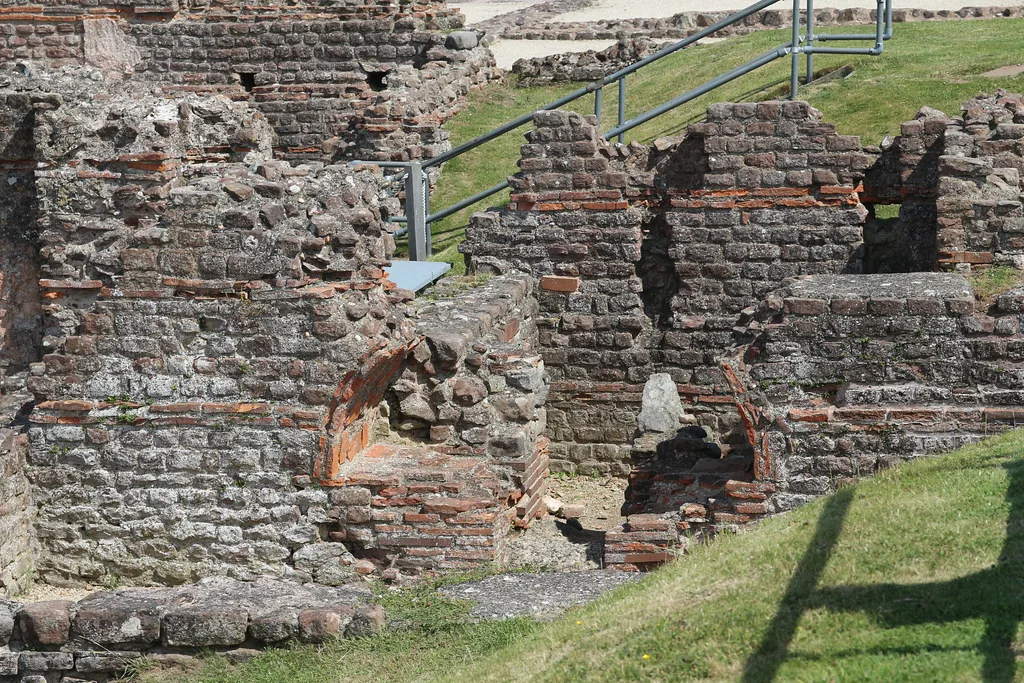
- The excavated baths: exposed foundations that let you trace how the bathing suite was laid out.
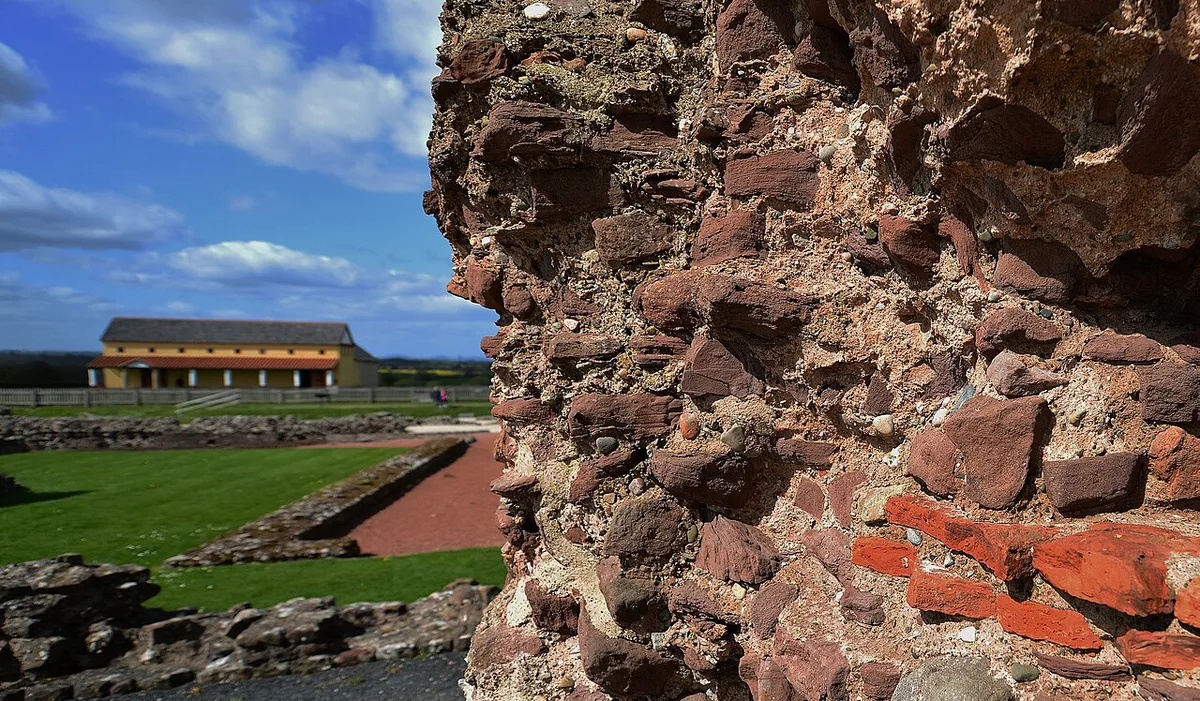
- The reconstructed Roman townhouse: a rebuilt house that shows how a city dwelling looked and felt.
What Is Not Here
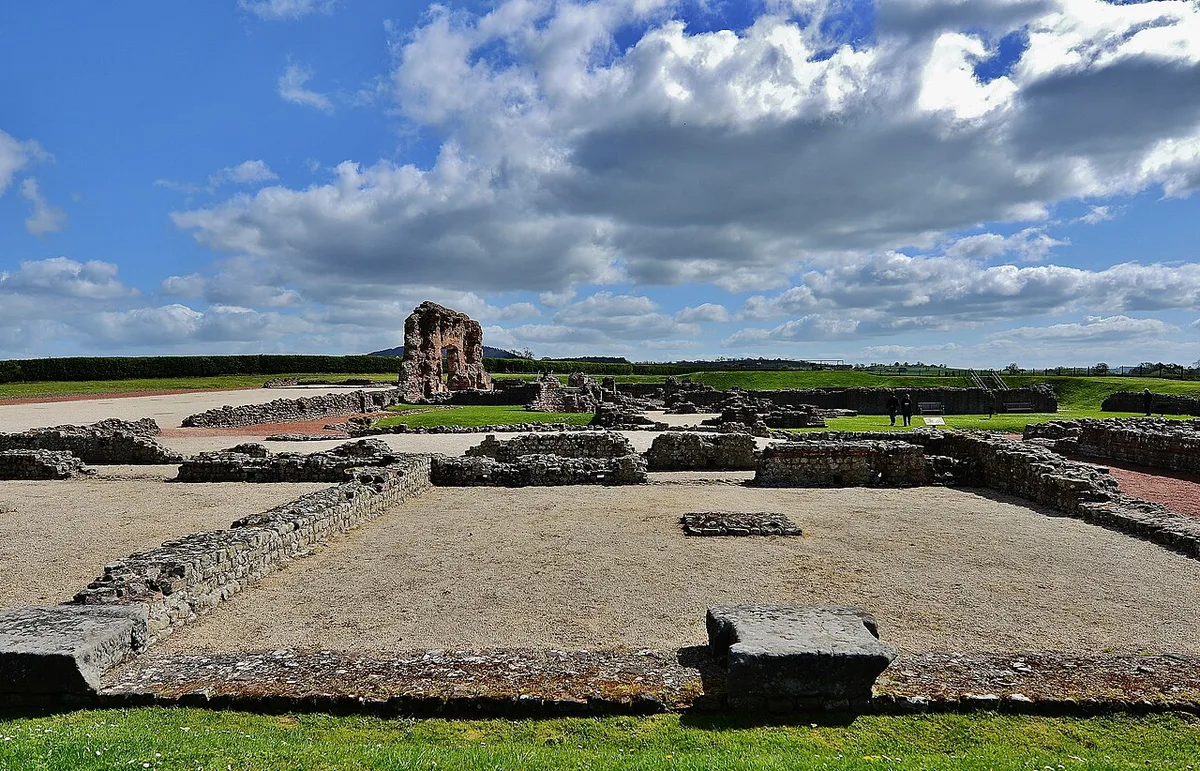
Do not expect a fully standing city. Most of Viroconium remains buried or unexcavated, so you read the layout from low walls and open ground. Intact mosaics and decorated villa rooms are not the draw here.
Tickets, Opening Hours and Seasonality
No current price or timetable is confirmed for this page. Check English Heritage's official Wroxeter page for admission, seasonal opening, booking rules and any membership benefits.
How Long to Allow and How to Plan the Visit
Start at the Old Work, then follow the excavated baths and finish at the townhouse. Most of the site is open air, so fine weather suits it best, and a wet day shortens a visit. English Heritage's page is the place to check for any on-site exhibit before you decide how long to stay.
Getting There: Car, Public Transport and Access
Wroxeter is a rural site outside Shrewsbury, so check how you will arrive before you leave. Use Traveline or Shropshire Council for current bus services, and English Heritage for parking, step-free routes, toilets, a cafe and dog rules.
Wroxeter vs Other Roman Sites in England
Wroxeter is a Roman city, which sets it apart from the villas, forts and bath complex covered elsewhere. Our guide to Roman sites in England maps the wider choice. Comparing site types helps you decide whether Wroxeter fits your trip.
| Site type | What survives | Best for |
|---|---|---|
| City: Wroxeter | Bathhouse wall, excavated baths, reconstructed townhouse in open ground | Reading a town plan and open-air ruins |
| Roman town: Silchester | Town remains in a rural setting | A second Roman town to compare |
| Fort: Caerleon or Richborough | Military remains | Anyone who prefers forts |
| Villa: Fishbourne, Chedworth and others | Decorated rooms and mosaics | Interior decoration |
| Bath complex: Bath | A developed bathing experience | A fully developed Roman bath visit |
- Choose Wroxeter if you want the scale and open ground of a Roman city.
- Skip it if you only want mosaics and villa interiors.
Combining Wroxeter With Other Stops and Mistakes to Avoid
Shrewsbury is the natural base for a Wroxeter day. Verify opening and transport before you set out, because a rural site punishes a missed bus or a closed day. For the closest town comparison, see Silchester Roman Town (Calleva Atrebatum): Visitor Guide. Prefer military remains? Try Caerleon's Roman fortress or Richborough Roman Fort: Visitor Guide, Access and What to See. Mosaic seekers should browse Roman Villas in England: Best Ones to Visit and How to Choose instead. For a fully developed Roman bath experience, head to the Roman Baths in Bath.
Its 3-stop route is mostly open air, so a wet day shortens the visit. Check the weather before setting out.
A Simple Route Through Wroxeter
Use the site’s 3 main features as a simple walking order. Begin at the Old Work, the tall wall from the bathhouse complex. It gives the clearest first impression of how substantial Roman Viroconium once was.
Next, follow the excavated baths. Their low foundations make more sense after seeing the wall above them. Finish at the reconstructed Roman townhouse, which adds a domestic perspective to the public bath complex.
This 3-stop route helps set expectations for an open-air ruins visit. Wroxeter is not a preserved street of complete buildings. Much of the city remains beneath the surrounding fields, so the experience relies on imagination as well as visible stonework. Check English Heritage’s current visitor information before travelling, especially if weather may affect your plans.
Related guides



Continue reading
Guides on the same trip


