Last updated November 2026: Caerleon Roman Fortress is the legionary base of Isca Augusta, in Newport, South Wales. Its remains sit across the town in separate venues, so you are not visiting one walled enclosure. Plan on a half day to see the baths, amphitheatre, barracks and museum without rushing.
Featured image: Otter, CC BY-SA 4.0, via Wikimedia Commons.
Caerleon Roman Fortress at a glance
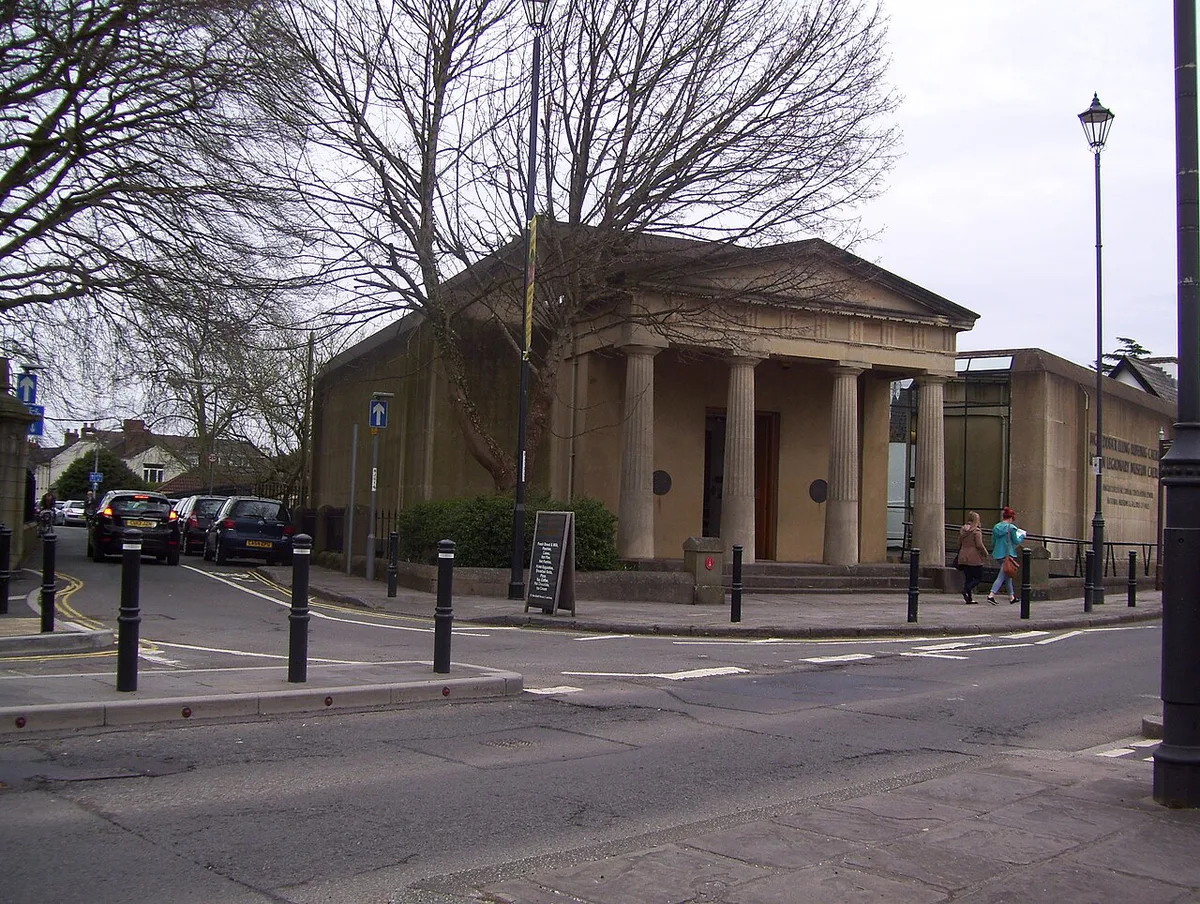
Four public venues make up the visit. Cadw runs the fortress baths on High Street, Caerleon, NP18 1AE. Close by you will find the amphitheatre, a row of barrack foundations and the National Roman Legion Museum. Walking between them is short, which makes a single day trip realistic. Verdict: this is the best-known place in Britain to understand how a legion lived, rather than how a spa town bathed.
| Venue | What you see | Time estimate | Check before you go |
|---|---|---|---|
| Fortress baths (Cadw, High Street) | Covered bath hall, pool remains, film projection | 45-60 minutes | Admission, hours, access |
| Amphitheatre | Excavated oval arena and entrance | 20-30 minutes | Opening days, access |
| Barracks | Foundation walls of barrack blocks, latrines, cookhouses | 20-30 minutes | Opening days, access |
| National Roman Legion Museum | Finds from the fortress and town | 45-60 minutes | Admission, hours, access |
Isca Augusta: what the fortress was
Isca Augusta was founded in AD 75 and stayed in use for just over 200 years. It sits at the western edge of Roman Britain's reach in Wales. Along with York and Chester, it is one of three permanent legionary fortresses in Roman Britain. Caerleon matters because later building covered less of it than at most such fortresses, so archaeologists have had unusual access. Excavation continues into the 21st century on the fortress and its civilian settlement, the canabae. That settlement grew up outside the fortress walls to serve the soldiers.
What to see in Caerleon
Each venue answers a different question about a legion's daily life. Standing remains and museum displays are separate, so set your expectations before you go.
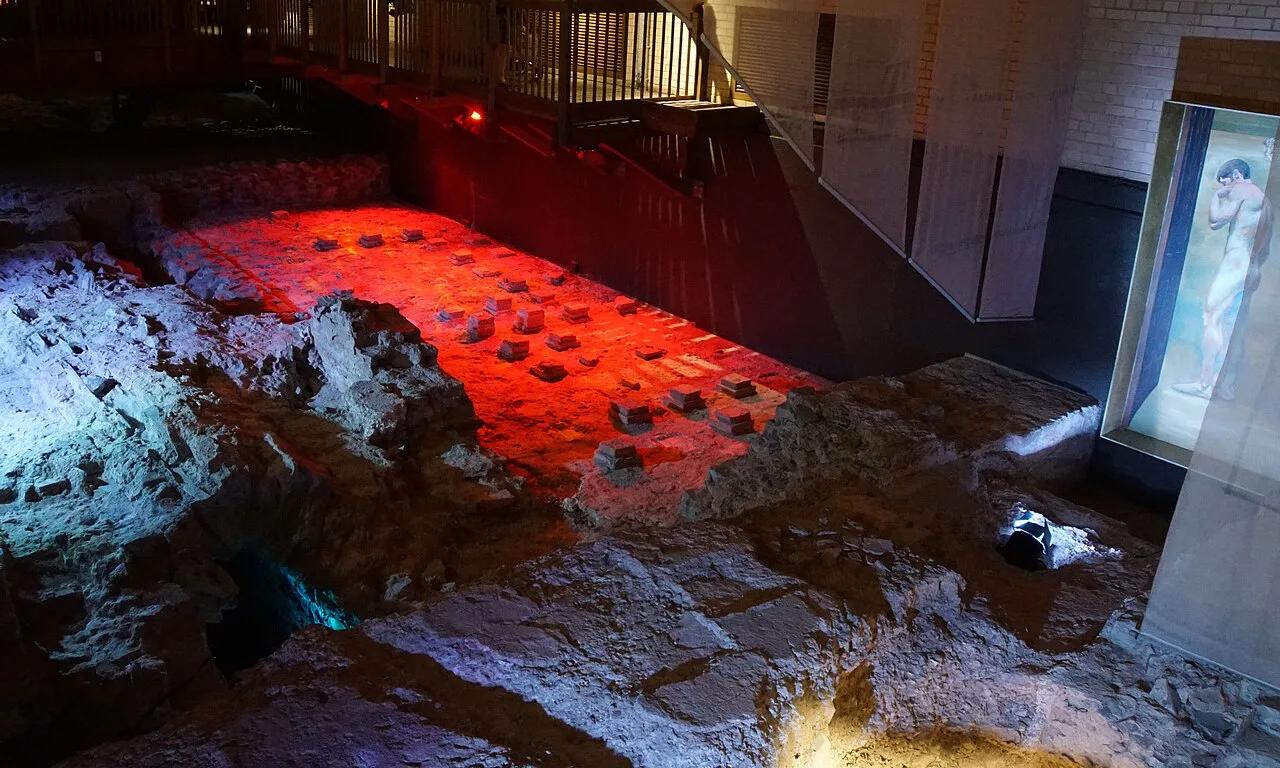
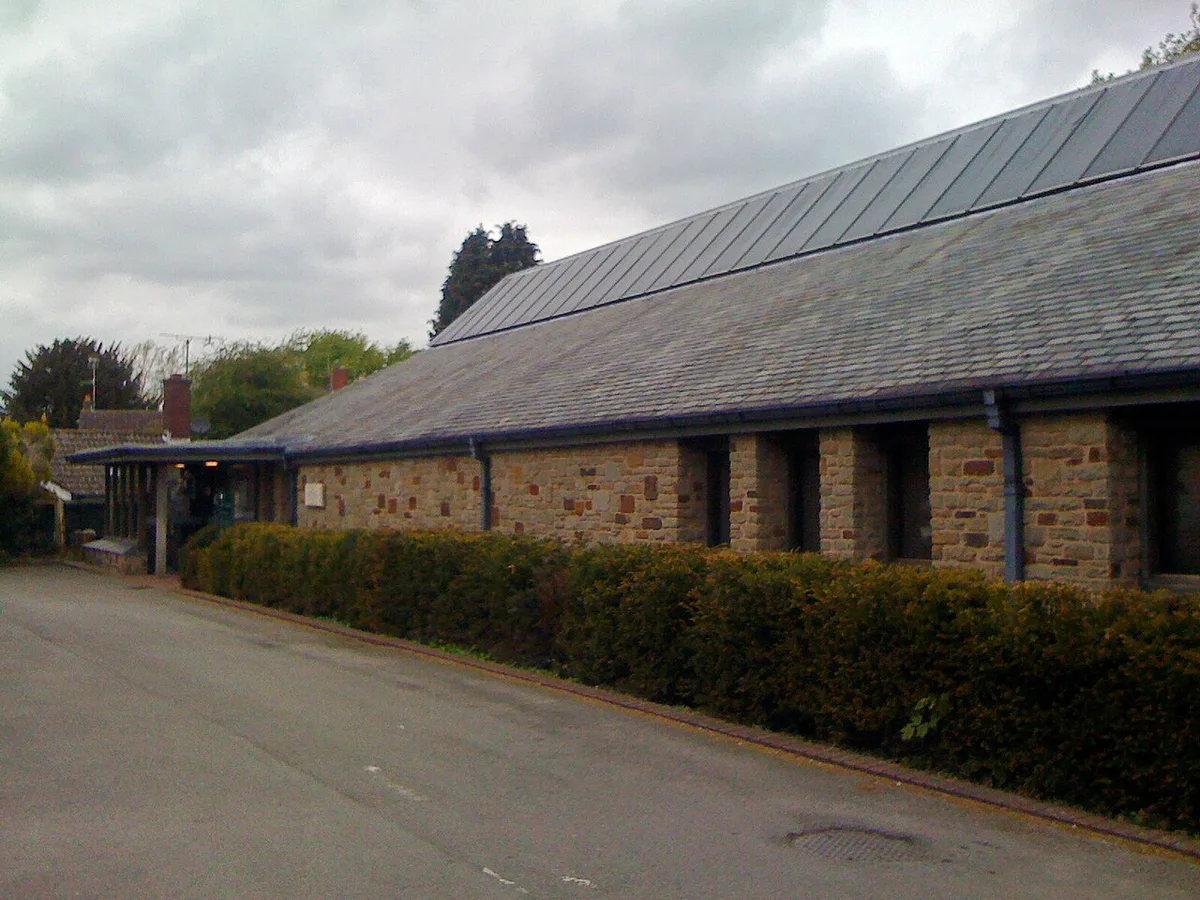
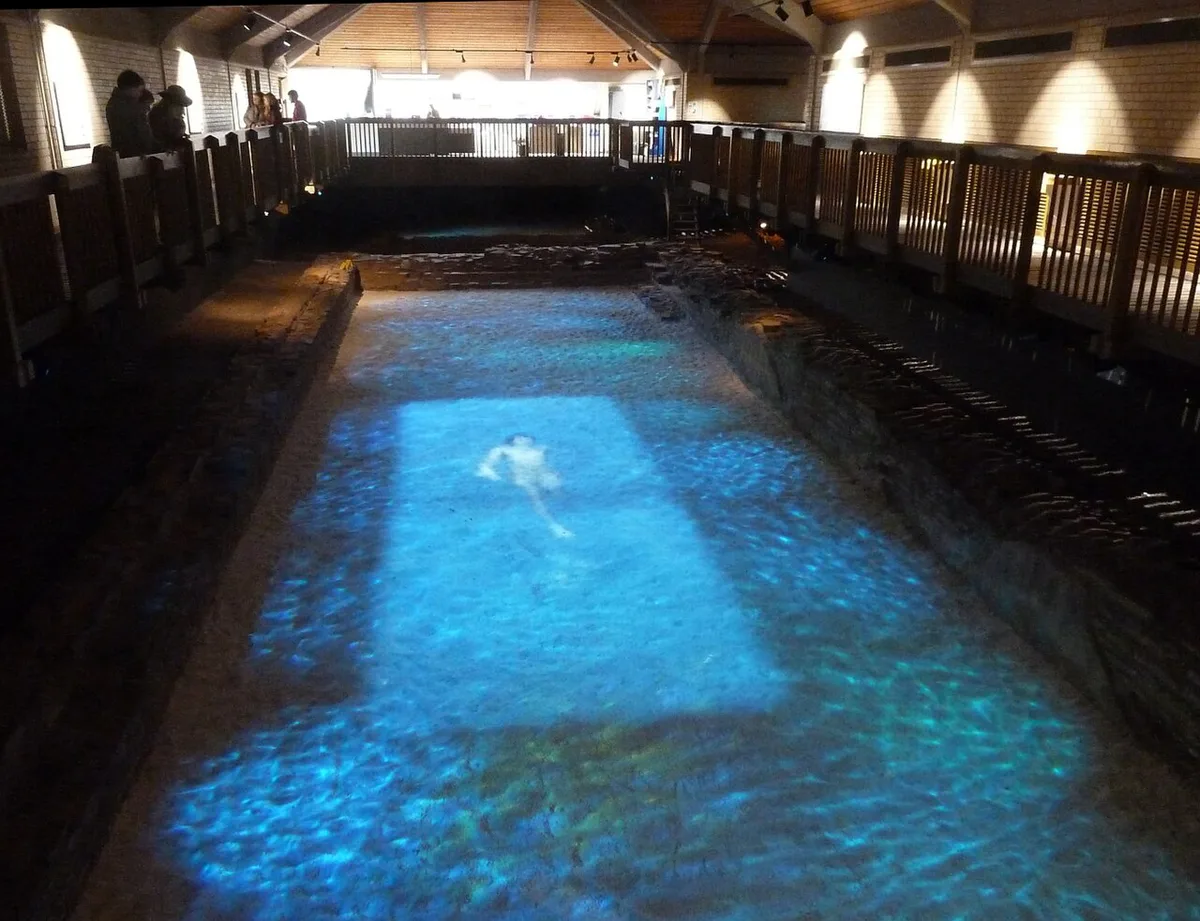
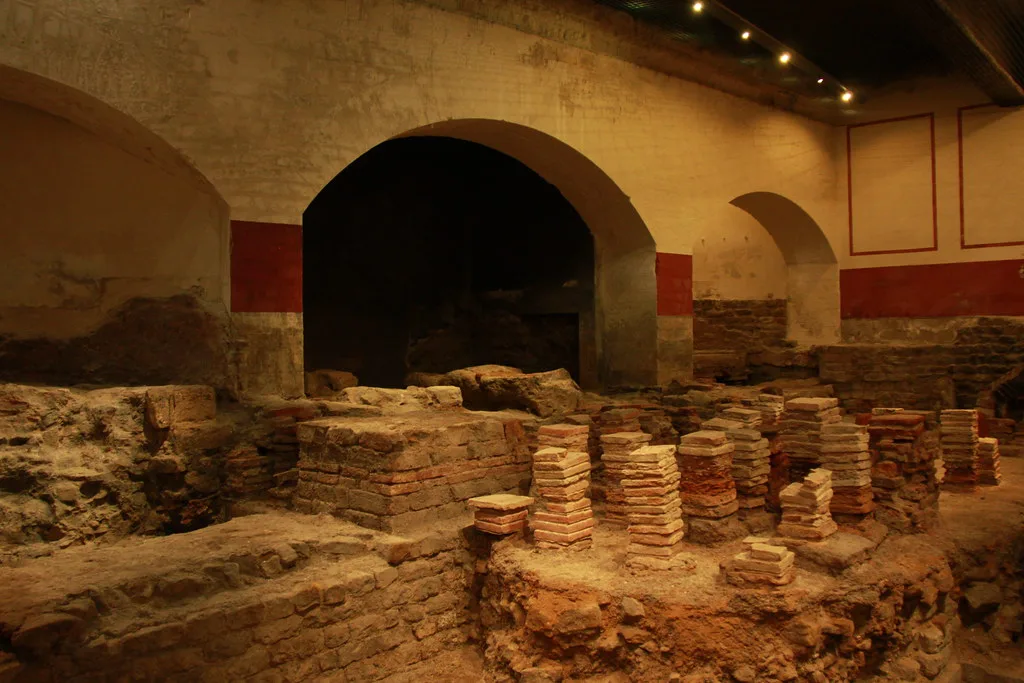
- Fortress baths: inside a modern covered building you walk past the remains of a natatio, an open-air pool that once held more than 80,000 gallons. Film projection adds a Roman soldier swimming through the space. Best for first-time visitors.
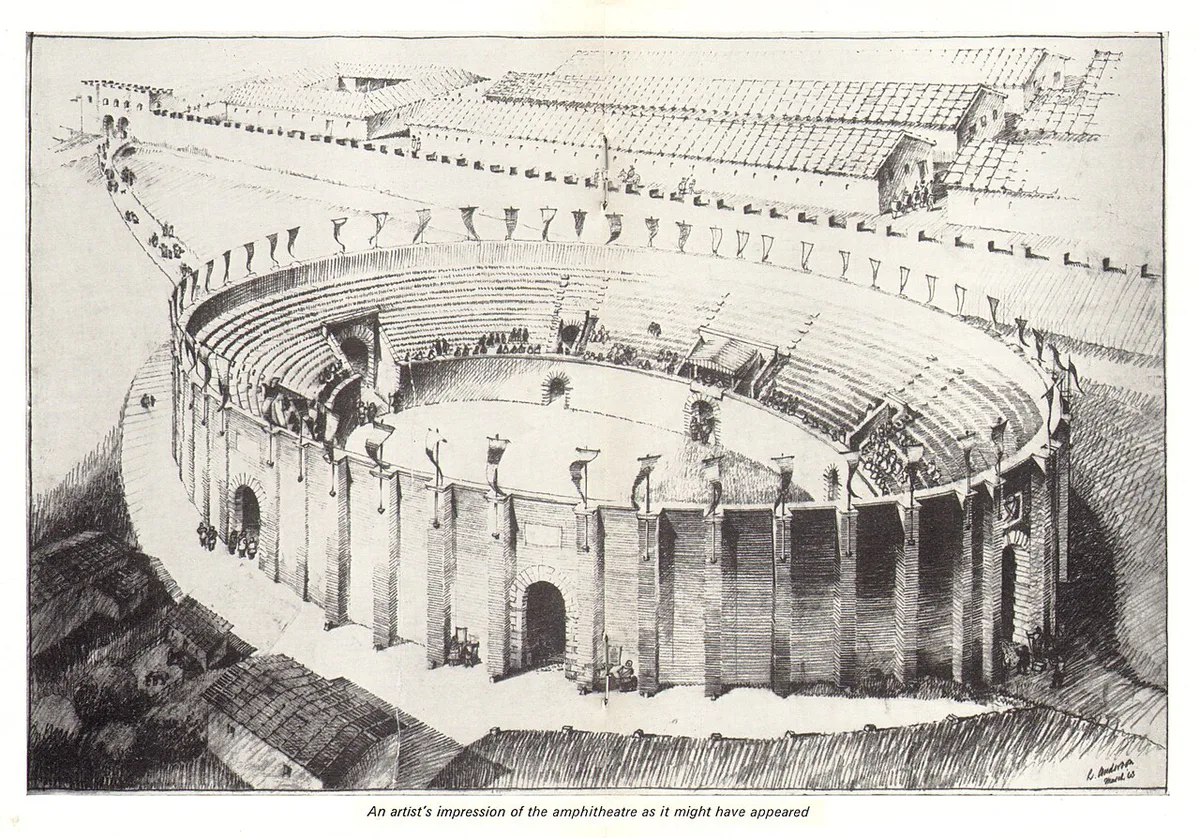
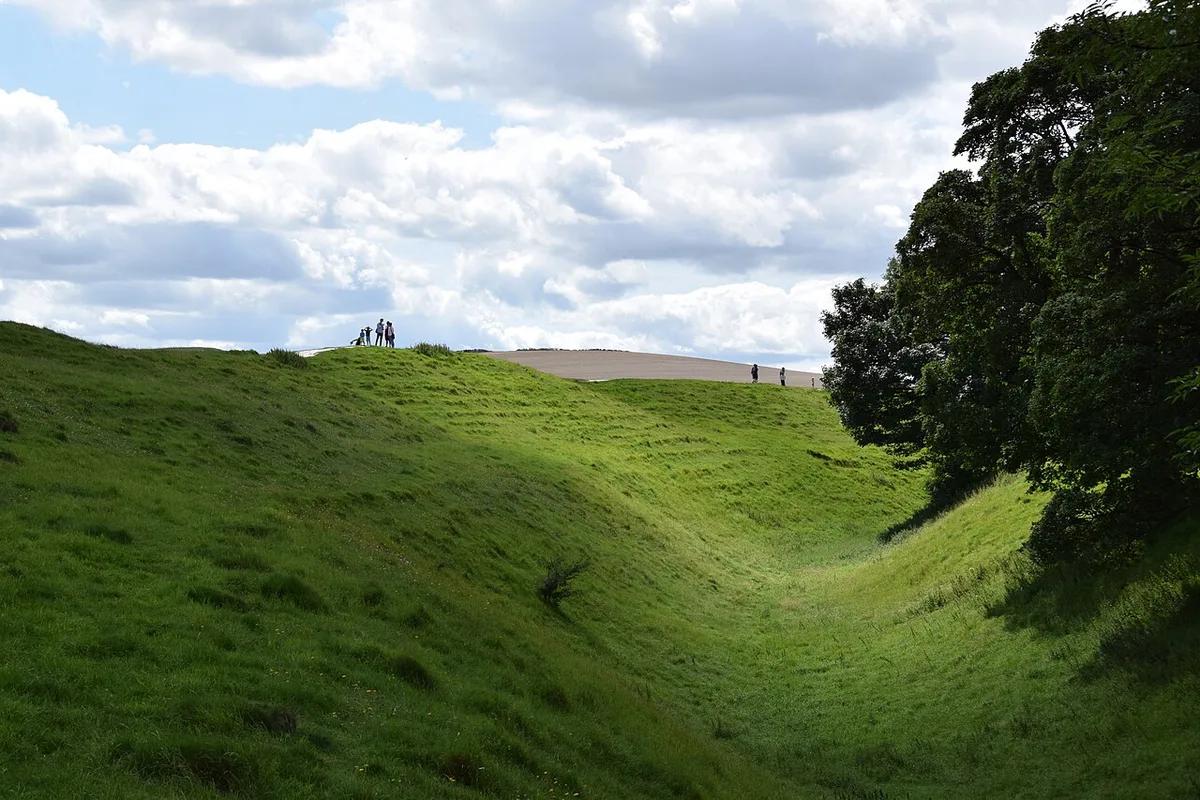
- Amphitheatre: you enter through the great north entrance into an excavated oval arena that held about 6,000 spectators. VisitWales calls it the most complete Roman amphitheatre in Britain. Best for families who need room to move.
- Barracks: low foundation walls show three barrack blocks, communal latrines, cookhouses, drains and a corner turret. VisitWales describes them as the only Roman legionary barracks on view in Europe. Best for readers who like plans over polish.
- National Roman Legion Museum: finds from the fortress include a 1st-century wooden writing tablet, gemstones from the bath drains and a stone coffin with a skeleton. Details and current displays are on the museum's official page. Best for context before or after the outdoor sites.
How to plan your Caerleon visit
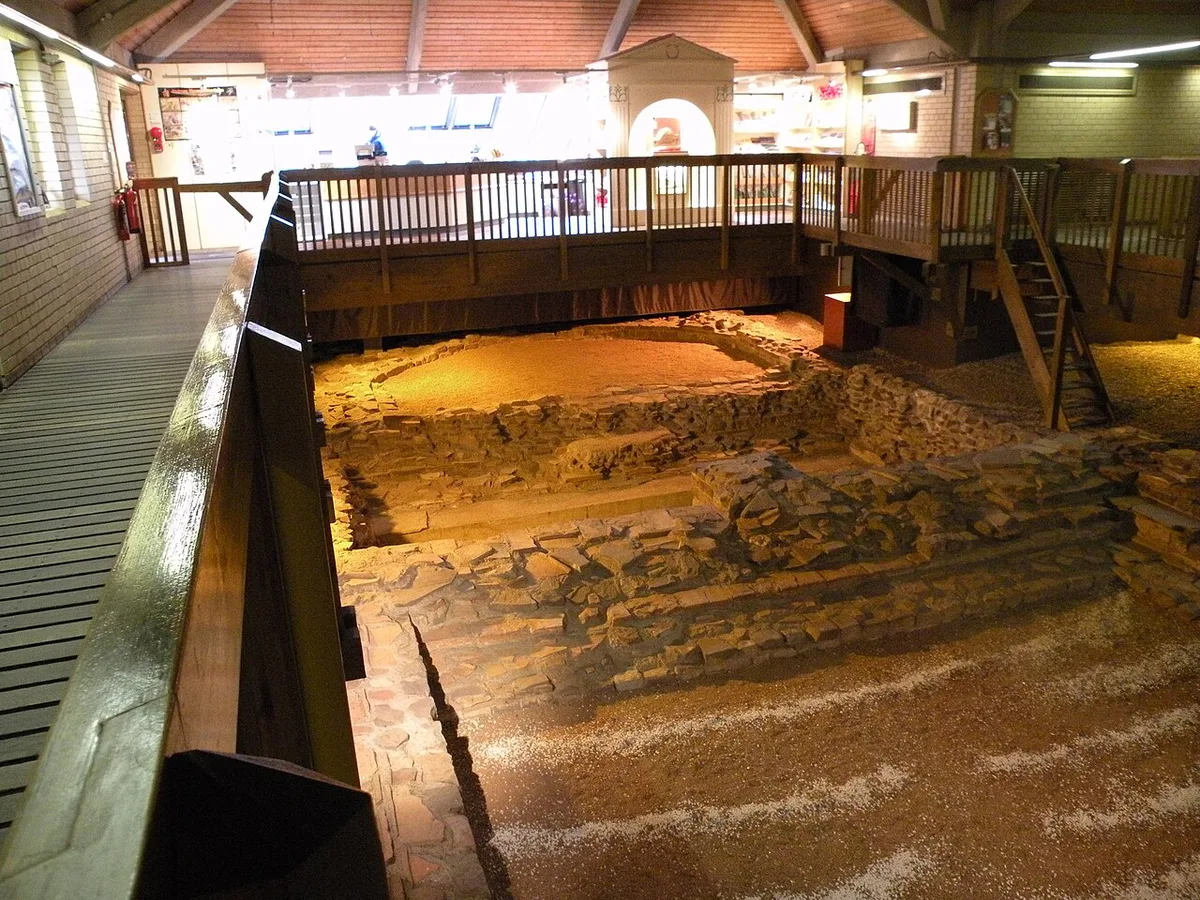
Start at the fortress baths, because the film and layout explain the rest of the town. Walk to the museum next, then the barracks, and finish at the amphitheatre, which suits the end of the day. These timings are estimates, not published figures. A short visit of about 2 hours covers the baths and amphitheatre. A half day of 3 to 4 hours adds the museum and barracks at an easy pace. Choose dry weather for the amphitheatre and barracks, since both are open-air and exposed. The baths and museum work as indoor stops if rain arrives. Allow time for a stroll in town, where the River Usk is within reach.
Venue estimates run from 20-30 minutes to 45-60 minutes each, so the museum and baths alone take 90-120 minutes.
Costs, tickets and opening hours at Cadw Caerleon
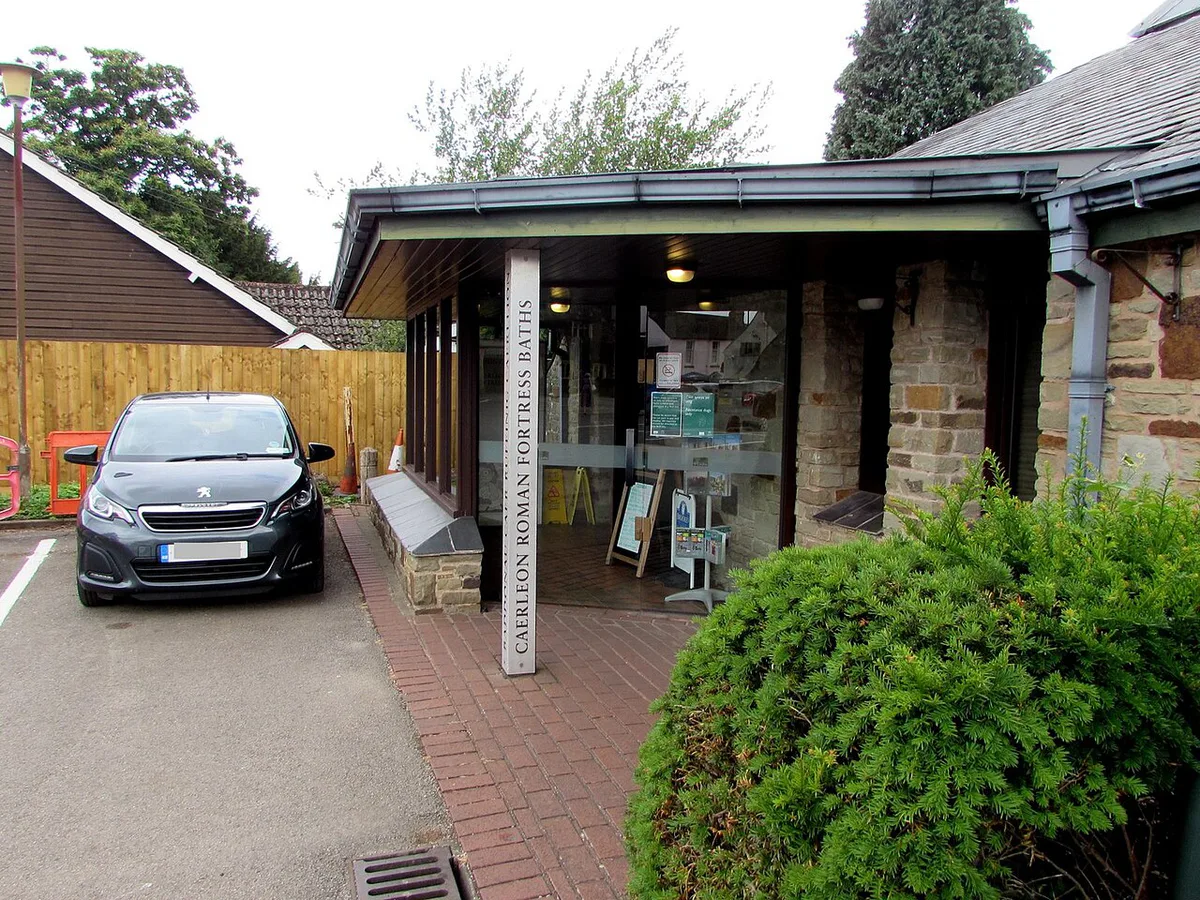
Cadw runs the fortress baths, and the museum is a separate venue with its own page. Admission, seasonal hours and opening days can differ between venues, so do not assume they match. Cadw's Caerleon page lists current admission, hours and accessibility, including buggy and wheelchair access. For enquiries, VisitWales lists 03000 252239 as the telephone number. Check the museum's own page for its admission and hours, since you may pay differently at each stop. Hours and prices were last checked in November 2026 and no figures are quoted here because they change by season.
Getting to Caerleon from Cardiff and Newport
Newport is the nearest city, and Cardiff works as a wider base with more hotels. Caerleon is a town inside Newport, so look for Caerleon on journey planners rather than searching for the Roman sites by name. Train and bus timetables change, so use Transport for Wales or the local bus operator for current services. If you drive, search for car parks in Caerleon town centre and confirm availability, as parking details are not published here. Use the postcode NP18 1AE for the fortress baths on High Street.
Caerleon vs the Roman Baths in Bath
Both sites involve Roman bathing, but they tell different stories. Caerleon centres on a military fortress. Bath centres on a bathing complex and a sacred spring. Our guide to the Roman Baths in Bath covers the Bath side in depth. For help deciding whether Bath fits your trip, read whether the Roman Baths are worth visiting. Bath's own official site handles ticketing, and our Roman Baths tickets guide explains it. At Caerleon, check Cadw and the museum instead.
| Question | Caerleon | Roman Baths, Bath |
|---|---|---|
| Main focus | Legionary fortress: baths, barracks, amphitheatre | Bathing complex and temple spring |
| Layout | Several venues across a town | Compact single site |
| Country | Wales | England |
| Best for | Military life and open-air ruins | Bath cult and bathing history |
Mistakes to avoid at Caerleon
A few planning slips are easy to avoid once you know the layout.
- Expecting one walled enclosure: the remains are spread across Caerleon town.
- Assuming every venue opens on the same days: check Cadw and the museum separately.
- Skipping the barracks: they are low foundations, but they show the legion's living quarters.
- Treating Caerleon as England: it is in Newport, Wales. For wider Roman trips, see our Roman Sites in England: Best Places to Visit and How to Choose guide.
- Skipping the museum: the writing tablet and coffin put names and faces to the ruins.
Frequently Asked Questions
Is Caerleon worth visiting?
Yes, if you want to see how a Roman legion lived. Four venues cover baths, an amphitheatre that held about 6,000 people, barrack foundations and a museum. If you have already seen Bath, Caerleon adds a military view rather than a spa one.
What is Caerleon famous for?
Caerleon is known for Isca Augusta, a legionary fortress founded in AD 75. It is one of three permanent legionary fortresses in Roman Britain, with York and Chester. Visitors come for the baths, amphitheatre, barracks and museum.
Related guides
Continue reading
Guides on the same trip