
Roman Villas in England: Best Ones to Visit and How to Choose
Last updated November 2026. Roman villas in England were country estates built after the conquest of AD 43, and four of them are the best places to see mosaics and underfloor heating up close. Fishbourne and Bignor in West Sussex, Chedworth in Gloucestershire and Lullingstone in Kent each suit a different kind of visit. This guide helps you pick one and decide whether to combine two.
Featured image: Hyspaosines, CC BY-SA 2.0, via Flickr.
Quick answer: the best Roman villas to visit in England
Fishbourne is the one to pick for scale and gardens. Bignor is the one for 4th-century floor mosaics, including a gladiator-themed design. Chedworth is the Cotswolds choice, run by the National Trust. Lullingstone is the Kent option for a separate regional trip. Fishbourne and Bignor sit close enough to Chichester to pair on one trip, while the other two each need their own day.
What counts as a Roman villa (and what doesn't)
A villa was a country estate, usually the centre of a working farm. Bignor began as a 1st-century AD farmstead and grew into a luxury residence that may have sat at the heart of an estate of about 6,000 acres. Fishbourne is usually called a palace because it is the largest known Roman domestic building in Britain. Forts, towns and bathhouses are different site types, and a later section sorts them out.
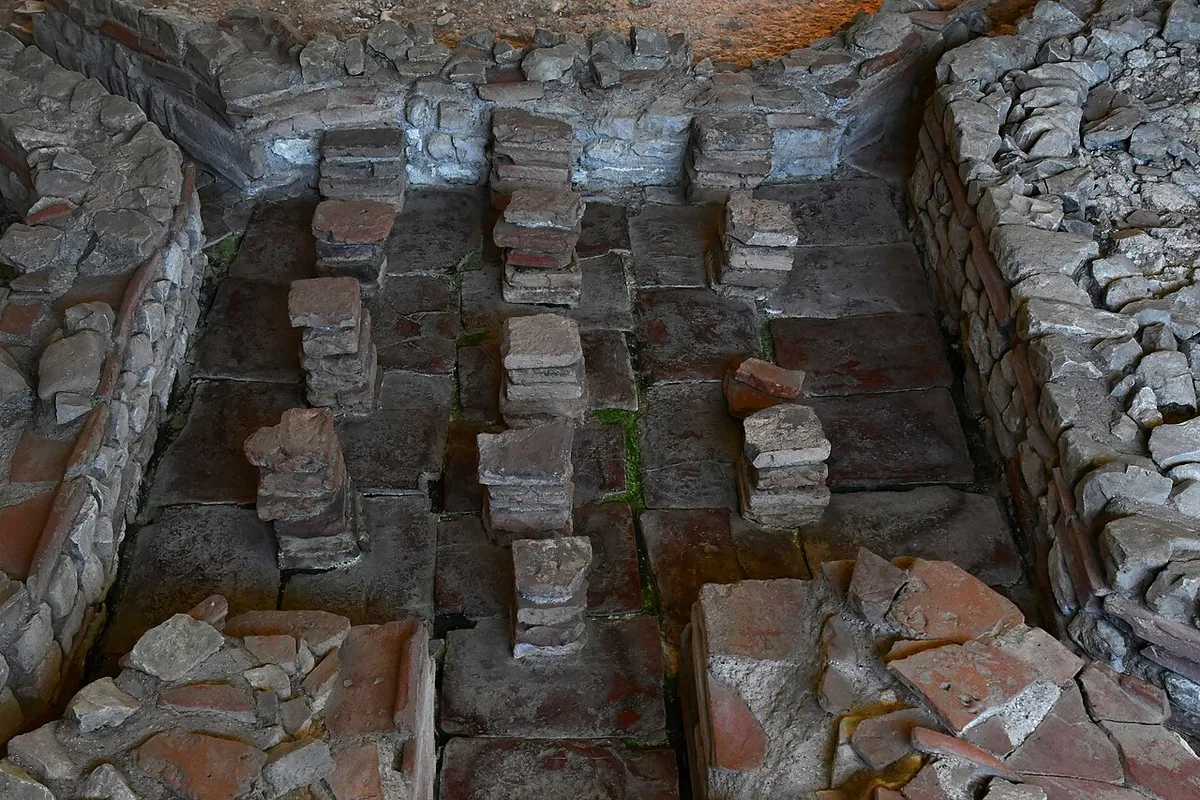
- Villa: a rural estate house, often with mosaics and a hypocaust (underfloor heating).
- Palace: Fishbourne, dated to around AD 75–80 and far larger than a typical villa.
- Town: Roman streets and public buildings, such as Silchester and Wroxeter.
- Fort: a military base, such as Richborough.
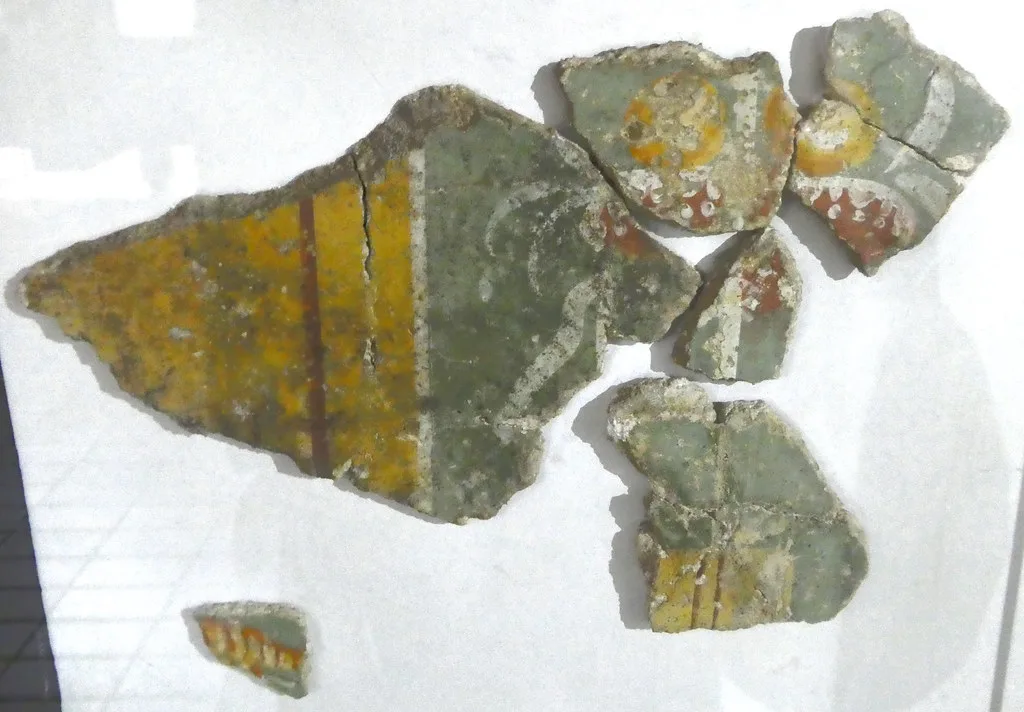
Compare the main Roman villas side by side
Use this table to see what each site is known for before you read the finer detail. Cells marked "check official site" have no firm figure we can state, so the operator's own page is the place to confirm.
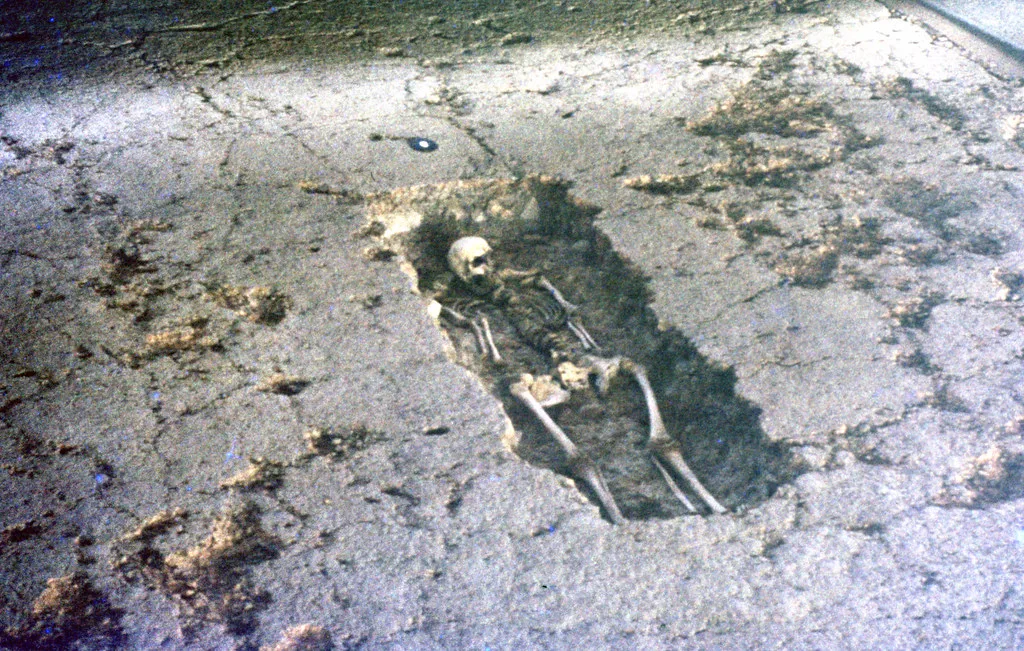
| Site | Region | Best known for | Covered or outdoor | Car-free feasibility | Seasonal opening |
|---|---|---|---|---|---|
| Fishbourne Roman Palace: Visitor Guide & Planning Tips | West Sussex, near Chichester | Mosaics, hypocaust, baths and recreated formal gardens | Check official site | Check official site | Check official site |
| Bignor Roman Villa: Mosaics, Visiting Tips & Getting There | West Sussex | 4th-century mosaics, including a gladiator-themed floor | Check official site | Check official site | Check official site |
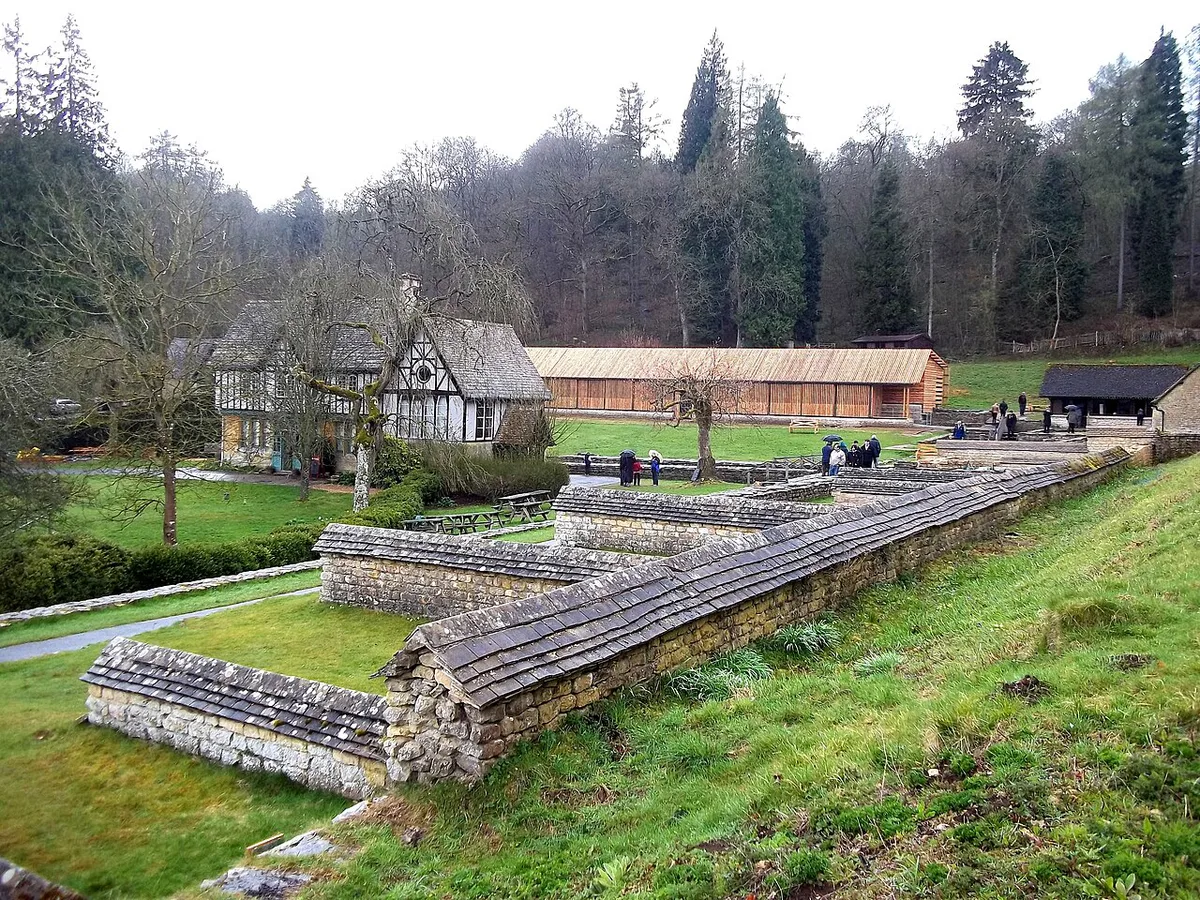
| Chedworth Roman Villa: Visiting Guide, Mosaics & Tips | Gloucestershire, Cotswolds | Mosaics in a National Trust setting | Check official site | Check official site | Check official site |
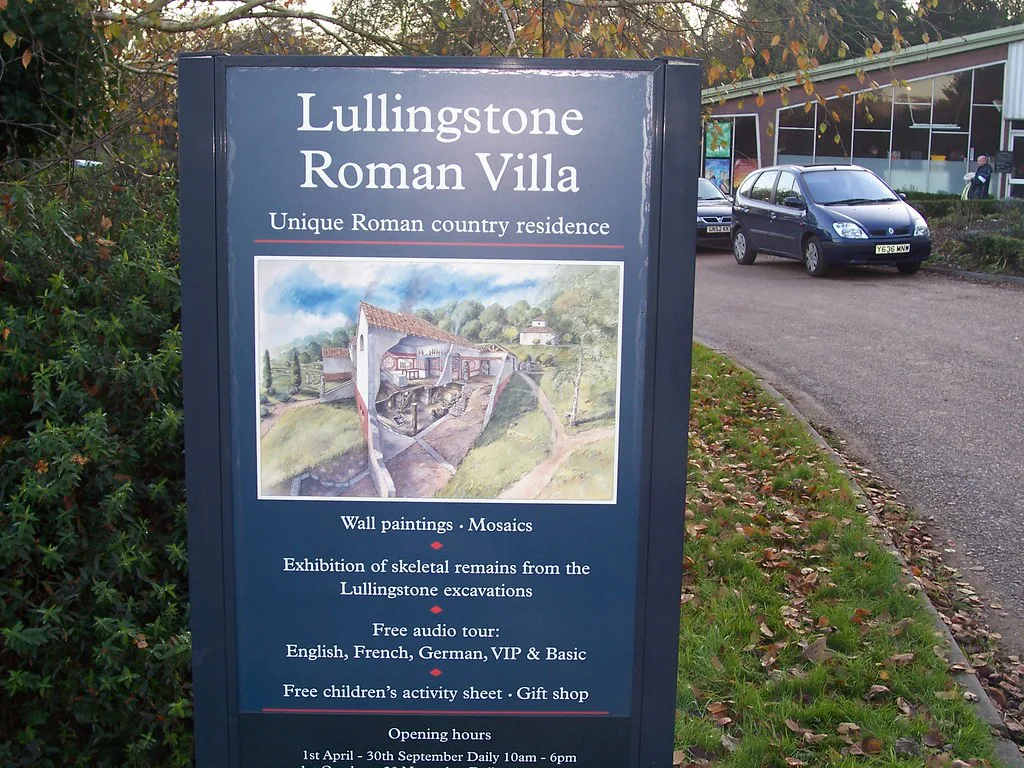
| Lullingstone Roman Villa: Visitor Guide and Planning Tips | Kent | A villa visit in south-east England | Check official site | Check official site | Check official site |
Which Roman villa should you visit?
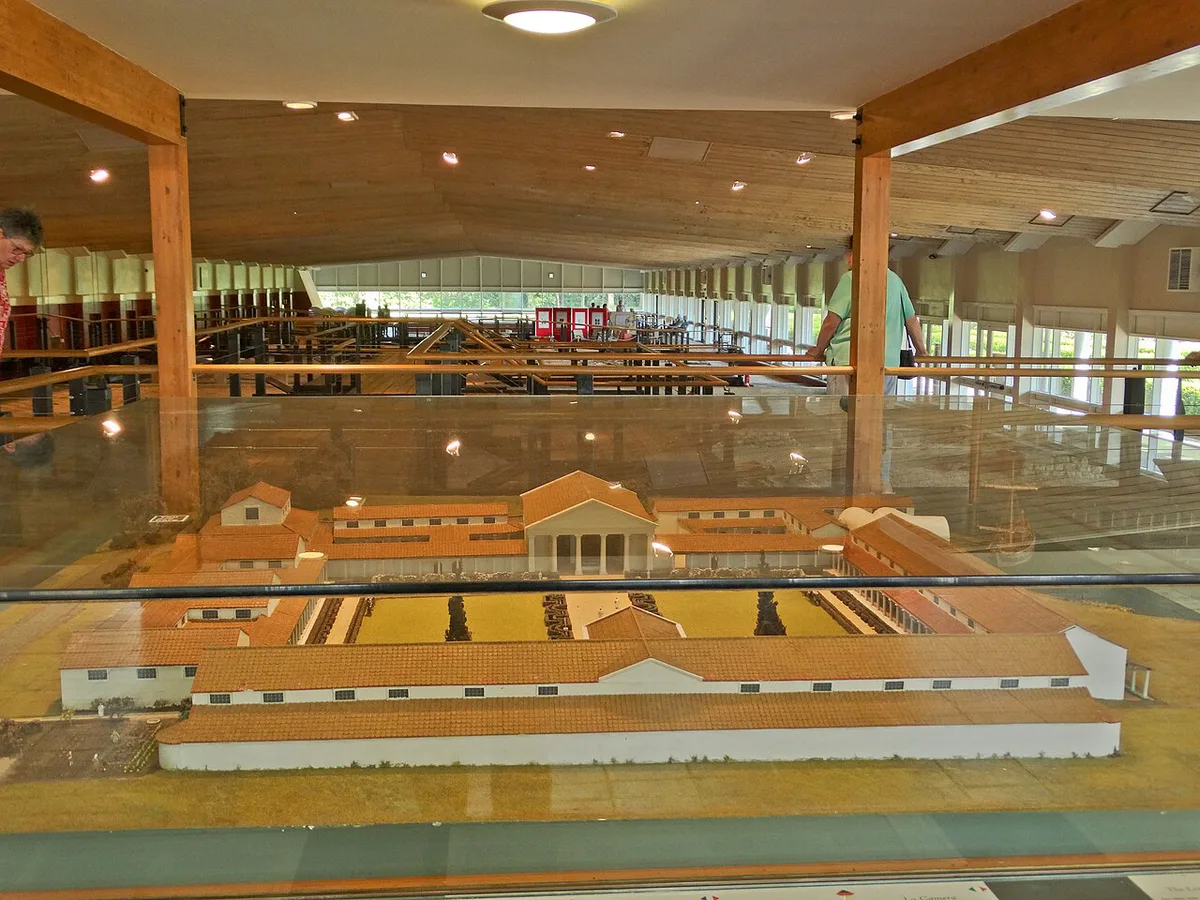
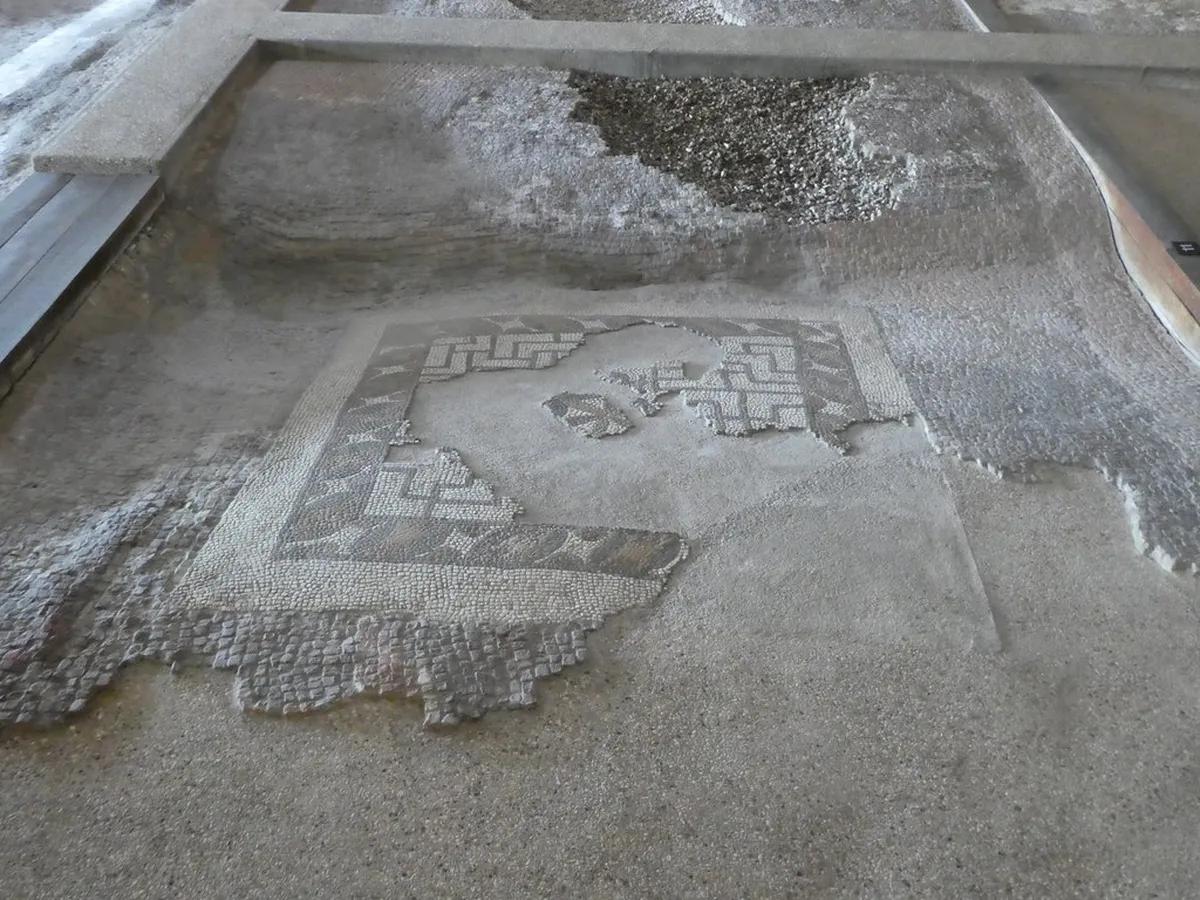
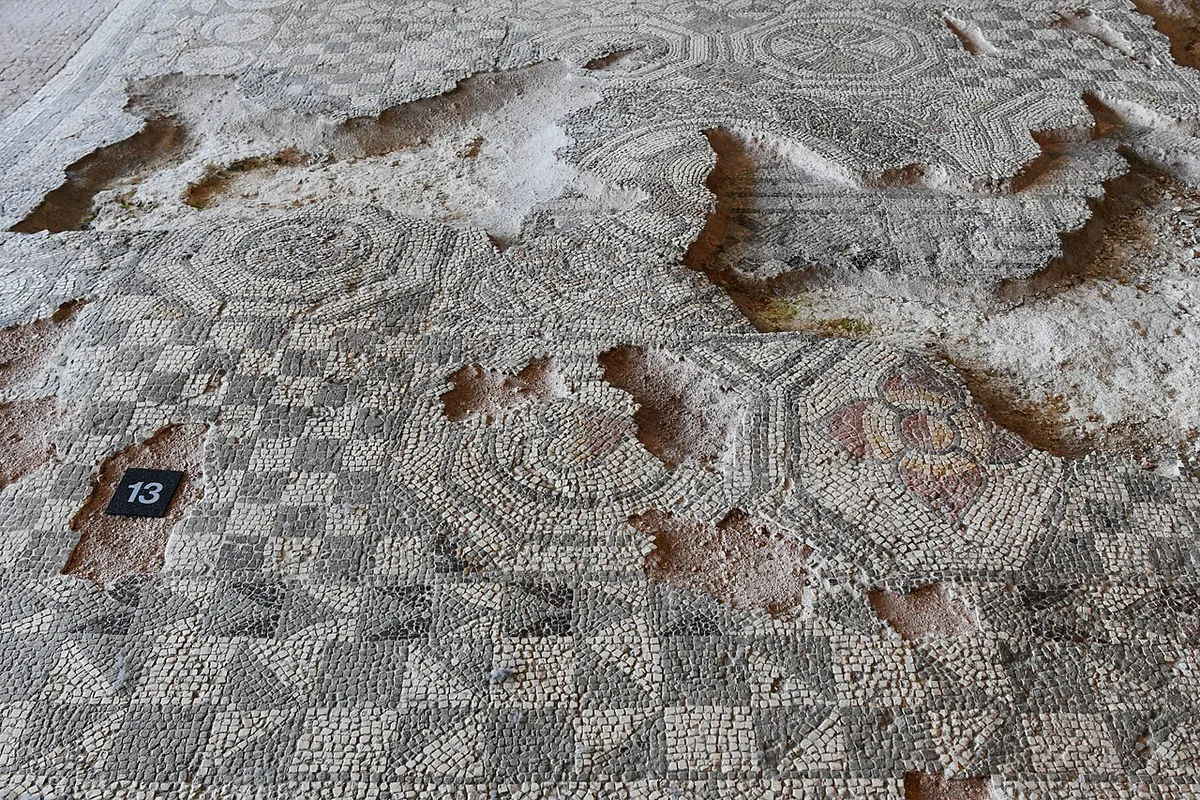
Match the villa to your priority. Mosaic fans should start with Bignor, whose 4th-century floors include the gladiator scene. Fishbourne has the strongest all-round story, with mosaic flooring, hypocaust heating, baths and gardens on a site where each of four wings ran about 100m.
Each of Fishbourne's four wings ran about 100m, so budget walking time there even if you only came for one mosaic.
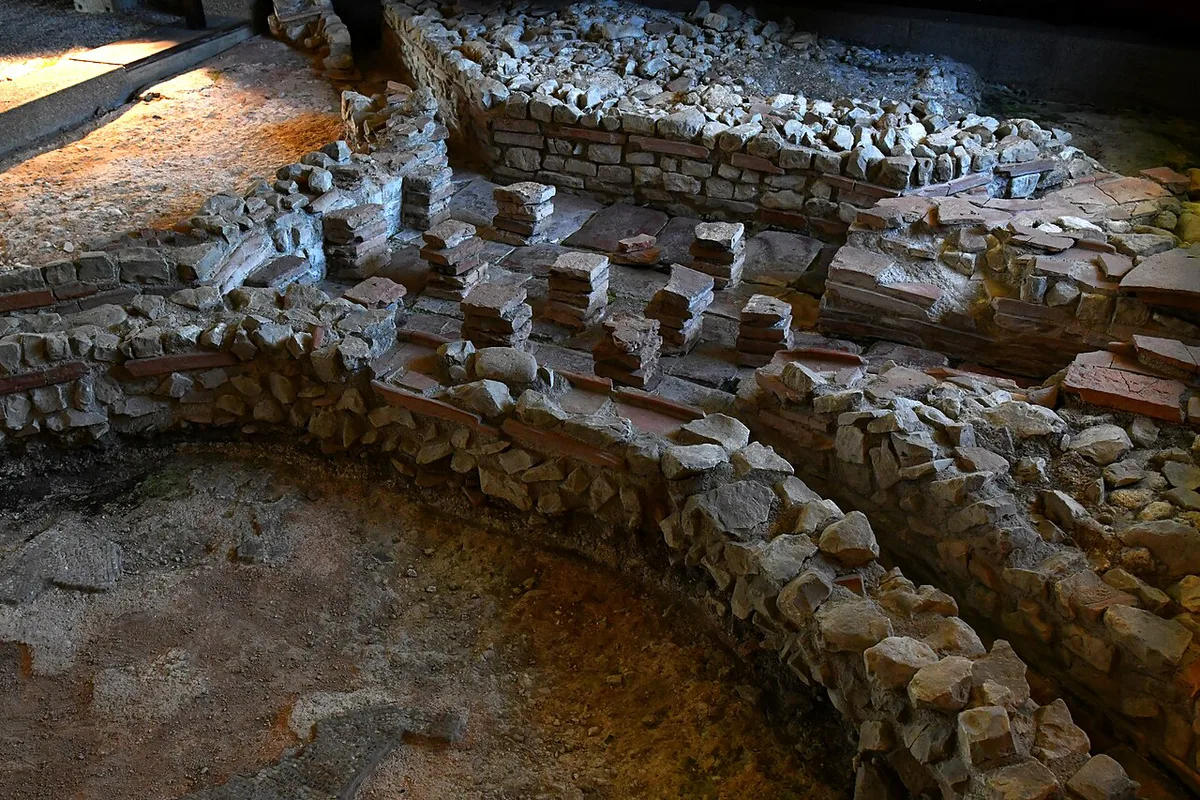
- Mosaics: Bignor first, Fishbourne second.
- Families: Fishbourne, because the recreated gardens give children something to walk through.
- Wet weather: ask each site how much of its remains sit under cover before you book.
- Short on time: Fishbourne alone, near Chichester.
- No car: check train and bus options to each site before committing.
How to combine Roman villas into a trip
Fishbourne and Bignor are both within range of Chichester, a town the Romans founded. Chichester lies roughly 80 miles south-west of London, so a base there suits a two-villa weekend. Chedworth in the Cotswolds and Lullingstone in Kent are each a separate regional day. Check drive times on a route planner for your own start point, because rural lanes slow journeys down. A car makes the Sussex pair far easier than public transport.
Chichester sits roughly 80 miles south-west of London, so a car-free visitor should check the train times before choosing it as a base.
Tickets, opening times and passes
Prices and hours checked November 2026 against official pages, which publish no single national rate. Each villa sets its own tickets and seasonal dates, and several open fewer days in winter. Read the National Trust page for Chedworth's current opening details. Bignor publishes its own details on the official Bignor site. National Trust members may get access at Chedworth, so check your membership before buying a ticket.
Beyond villas: other Roman sites in England
Our guide to Roman sites in England covers the wider picture. Silchester is a Roman town site, not a villa. Wroxeter is a Roman city in Shropshire. Richborough is a Roman fort in Kent. Caerleon is a fortress in Wales, covered in our Caerleon fortress guide. For baths and a temple complex, the Roman Baths in Bath are a different experience from a villa.
Mistakes to avoid
A few assumptions cause most disappointing visits.
- Assuming year-round opening: winter hours can be limited.
- Expecting a fully reconstructed villa: most sites show floors, foundations and models.
- Treating Fishbourne's palace as a typical villa: it is on a far larger scale.
- Ignoring weather: outdoor ruins are unpleasant in heavy rain.
How the villas were rediscovered
Several of England’s best Roman domestic sites only reappeared through chance discoveries. Bignor Roman Villa was found in 1811, long after its 4th-century mosaic floors had been buried. The site began as a 1st-century AD farmstead, then expanded into a much grander residence. This helps explain why visitors usually see protected pavements and excavated rooms rather than a complete Roman house.
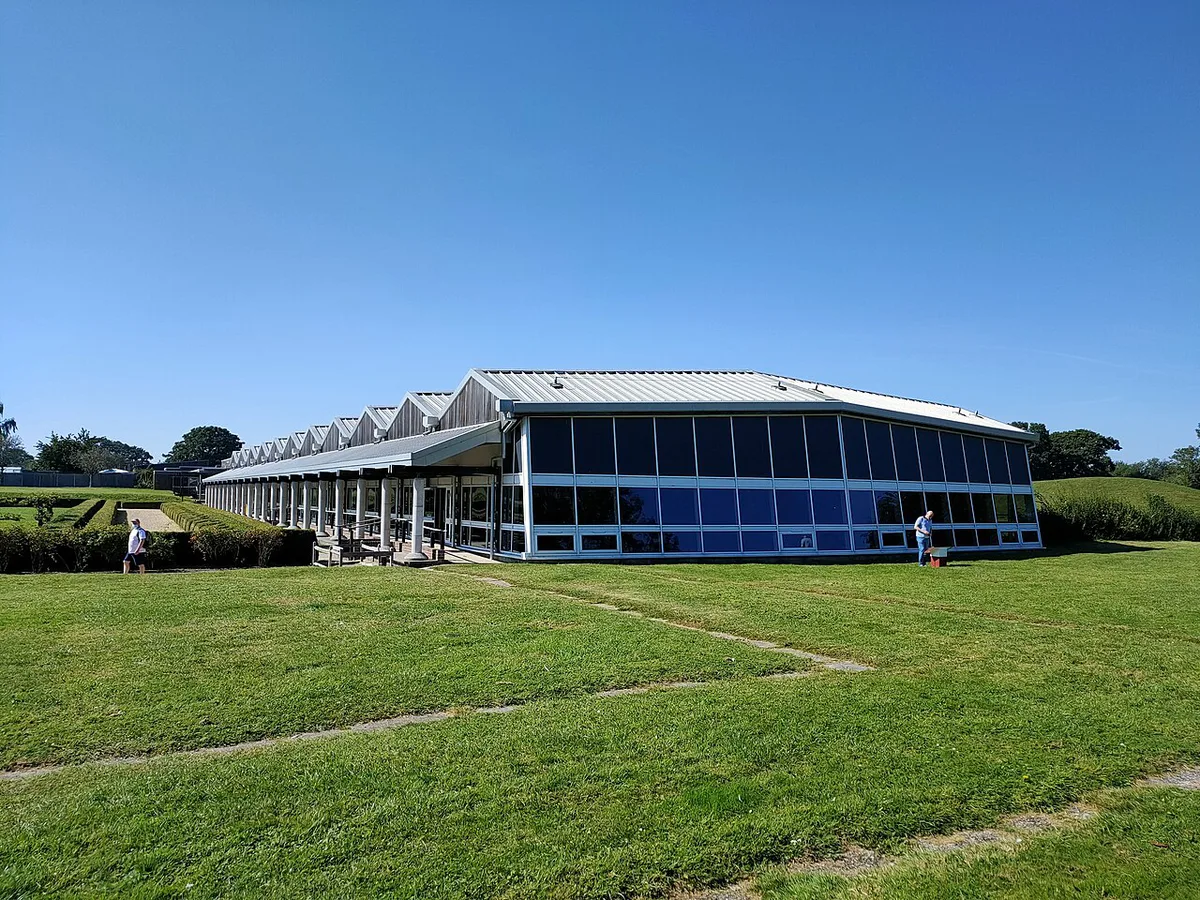
Fishbourne Roman Palace was uncovered in 1960 during water-company trenching near Chichester. It dates from about AD 75–80 and was later damaged by a major fire around AD 270. Its excavated remains include mosaics, baths and hypocaust heating, alongside recreated gardens. Look for interpretation that explains the original room layout, since the palace’s four wings each extended for about 100m around the formal garden.
Related guides



Continue reading
Guides on the same trip


