
Fishbourne Roman Palace: Visitor Guide & Planning Tips
Last updated November 2026: Fishbourne Roman Palace is a first-century Roman home and archaeological site near Chichester in West Sussex. It is run by Sussex Past and holds the largest collection of early Roman mosaic floors in Britain. This guide covers what you see, how to plan the day, and how Fishbourne compares with other Roman sites in England.
Featured image: Hyspaosines, CC BY-SA 2.0, via Flickr.
Fishbourne Roman Palace at a glance
Fishbourne sits on Roman Way, Fishbourne, Chichester, PO19 3QR. Sussex Past operates it, and the site is best known for its mosaic floors and a replanted Roman garden. A museum and a Collections Discovery Centre sit alongside them.
- Best for: mosaic lovers, garden visitors and anyone who wants a palace-scale Roman home rather than a ruined fort.
- Skip it if: you want a bathing complex or a hilltop fortress. Other sites suit that better.
- Don't miss: the museum, which explains the site before you walk the floors.
What you'll see: mosaics, garden and museum
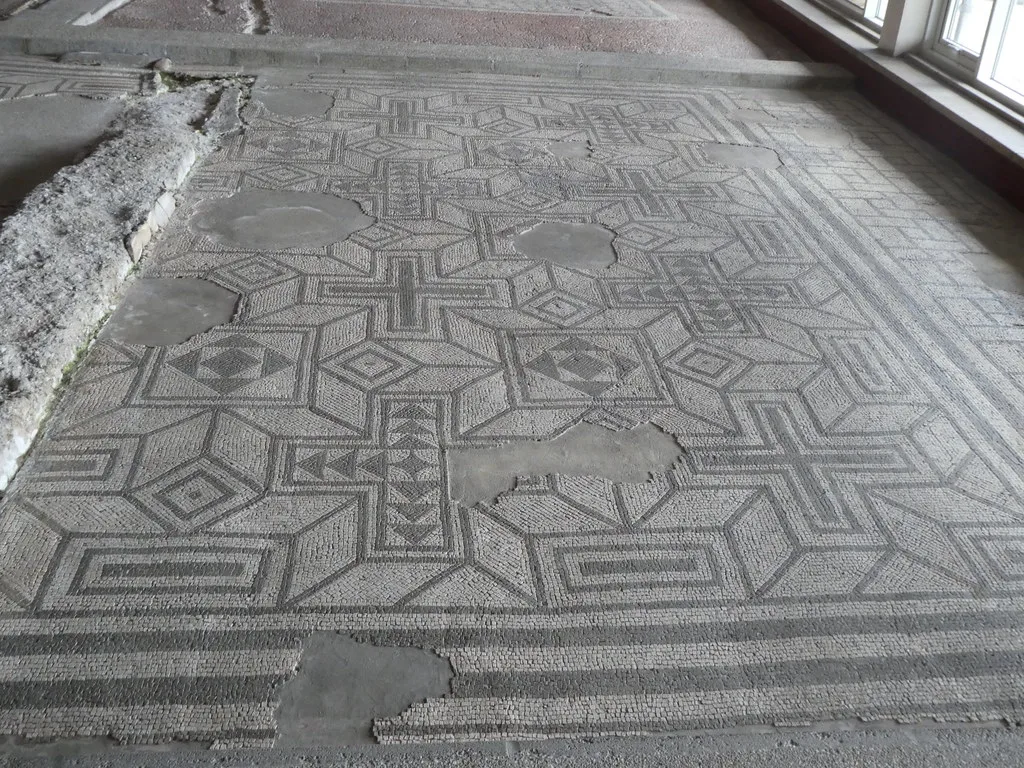
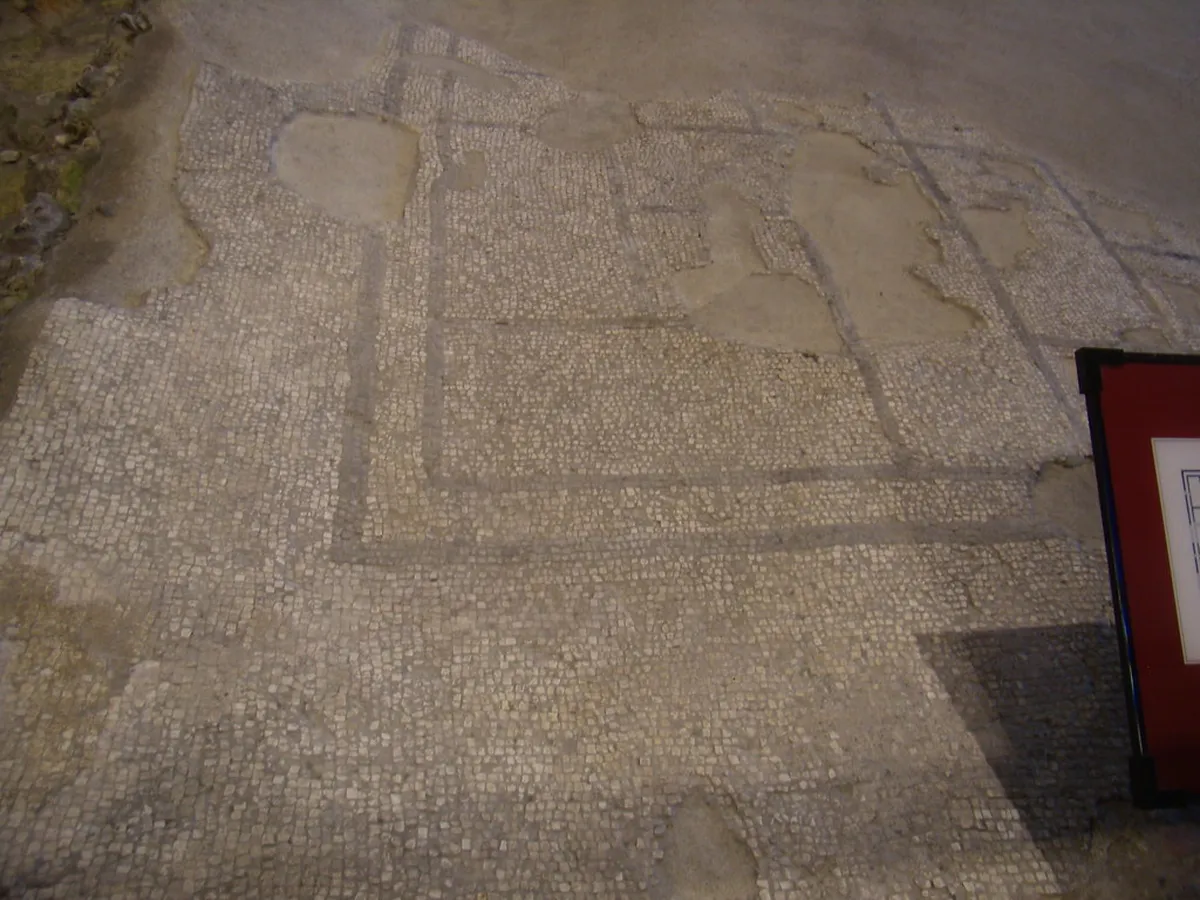
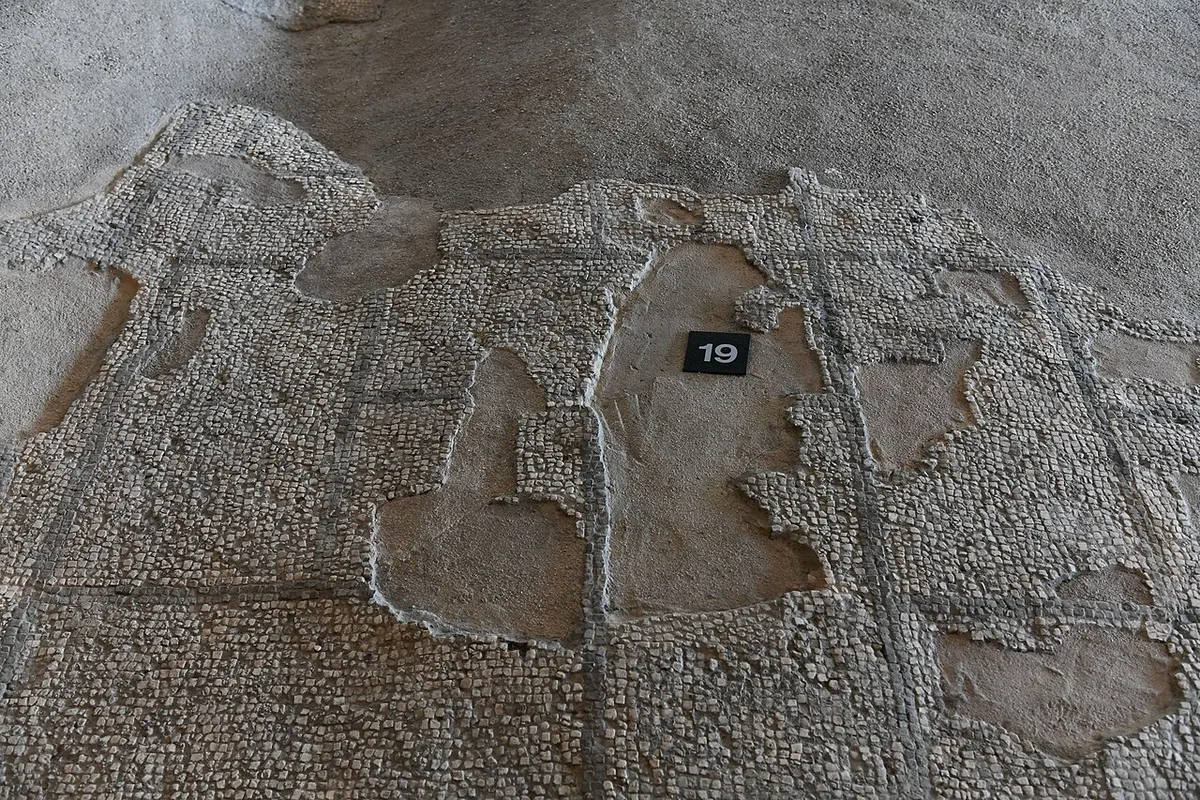
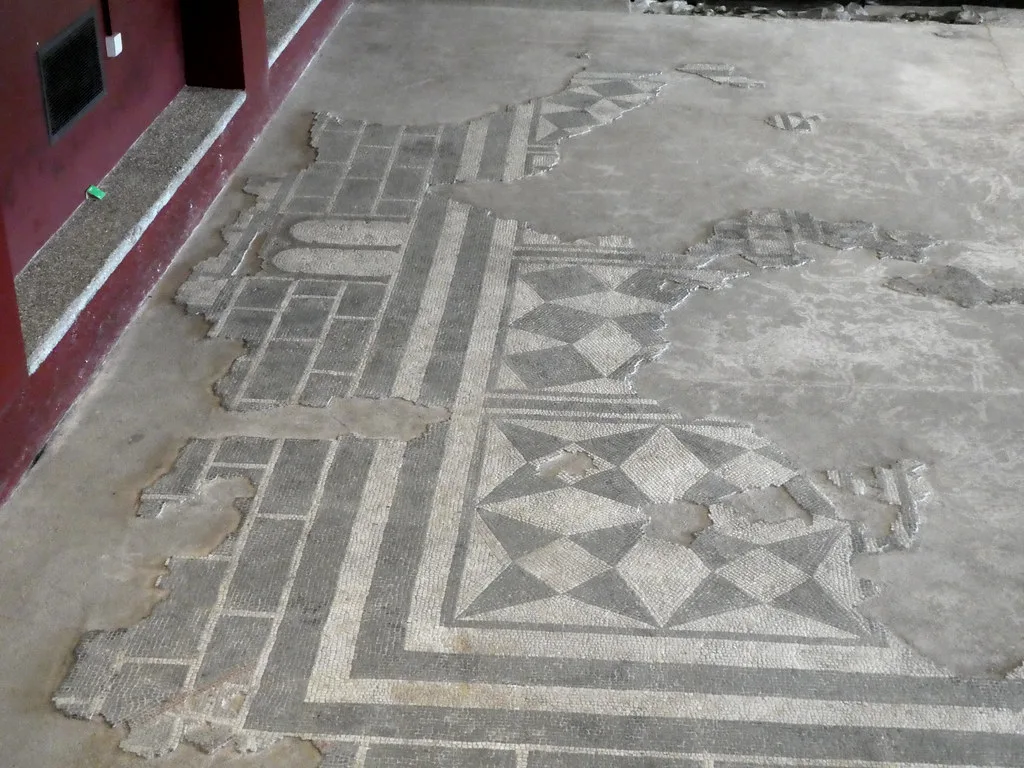
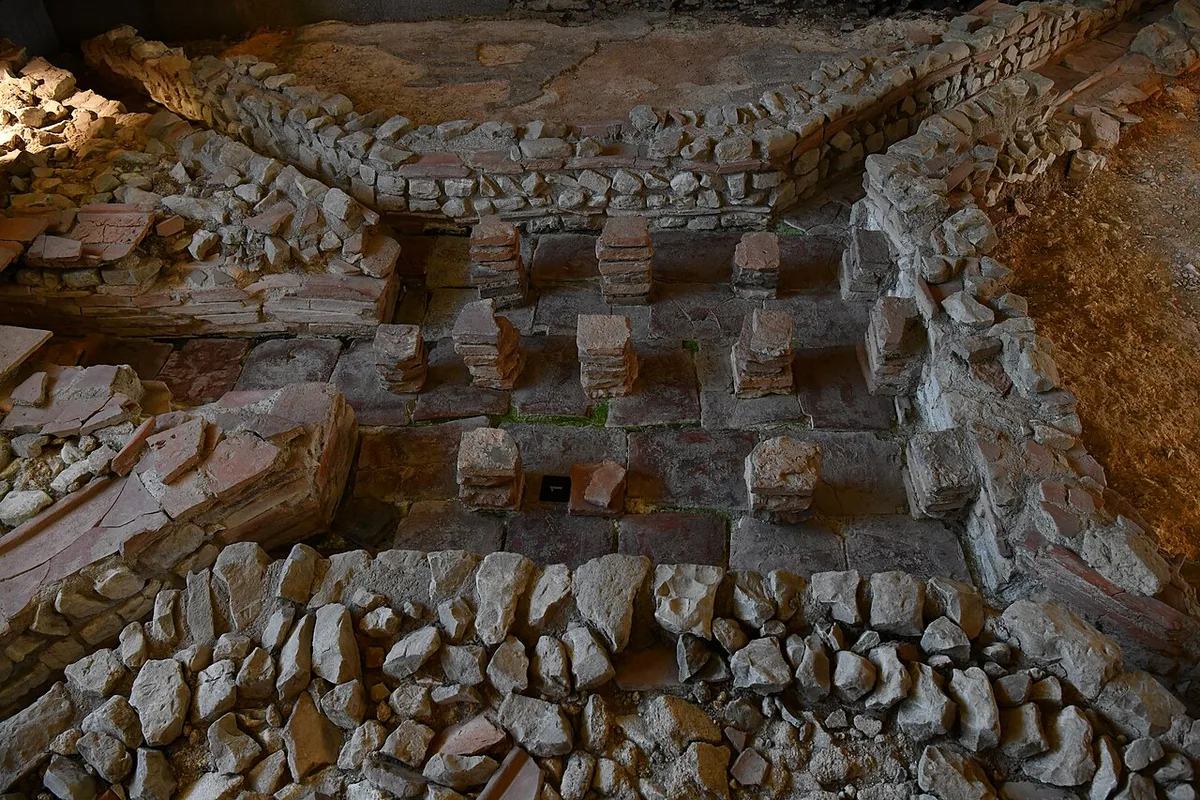
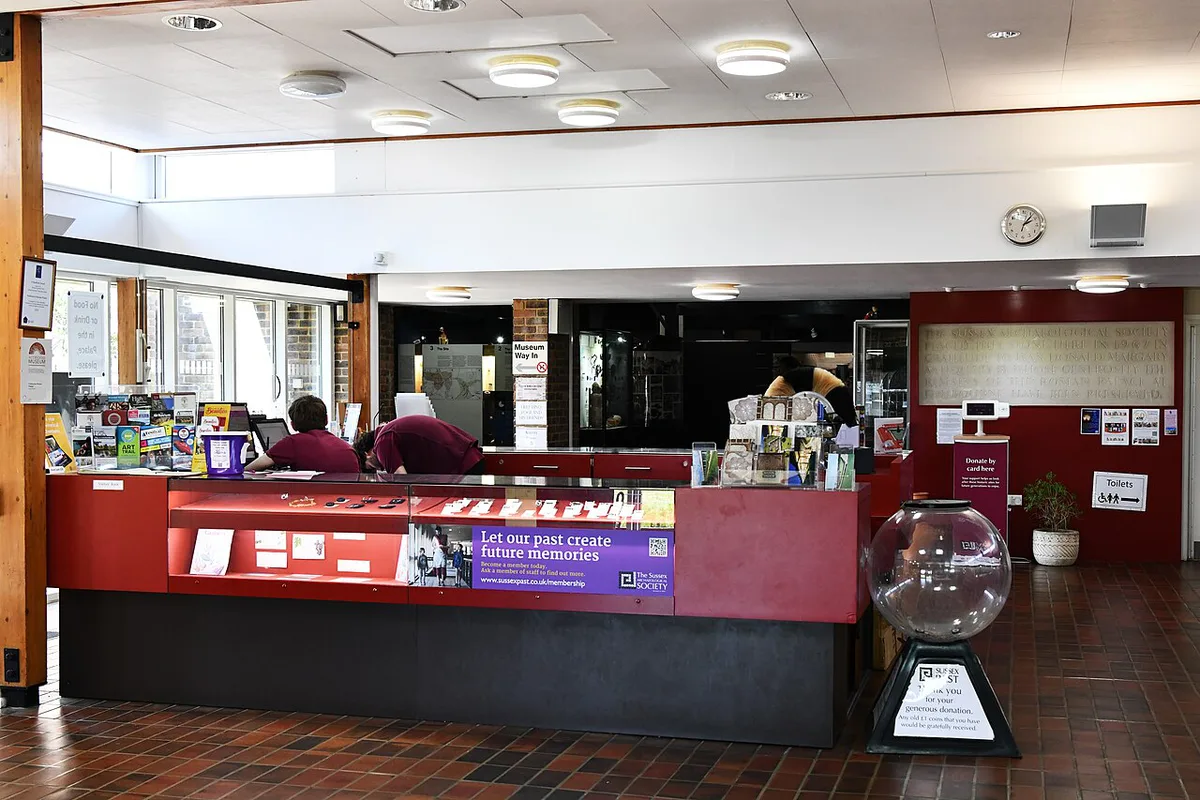
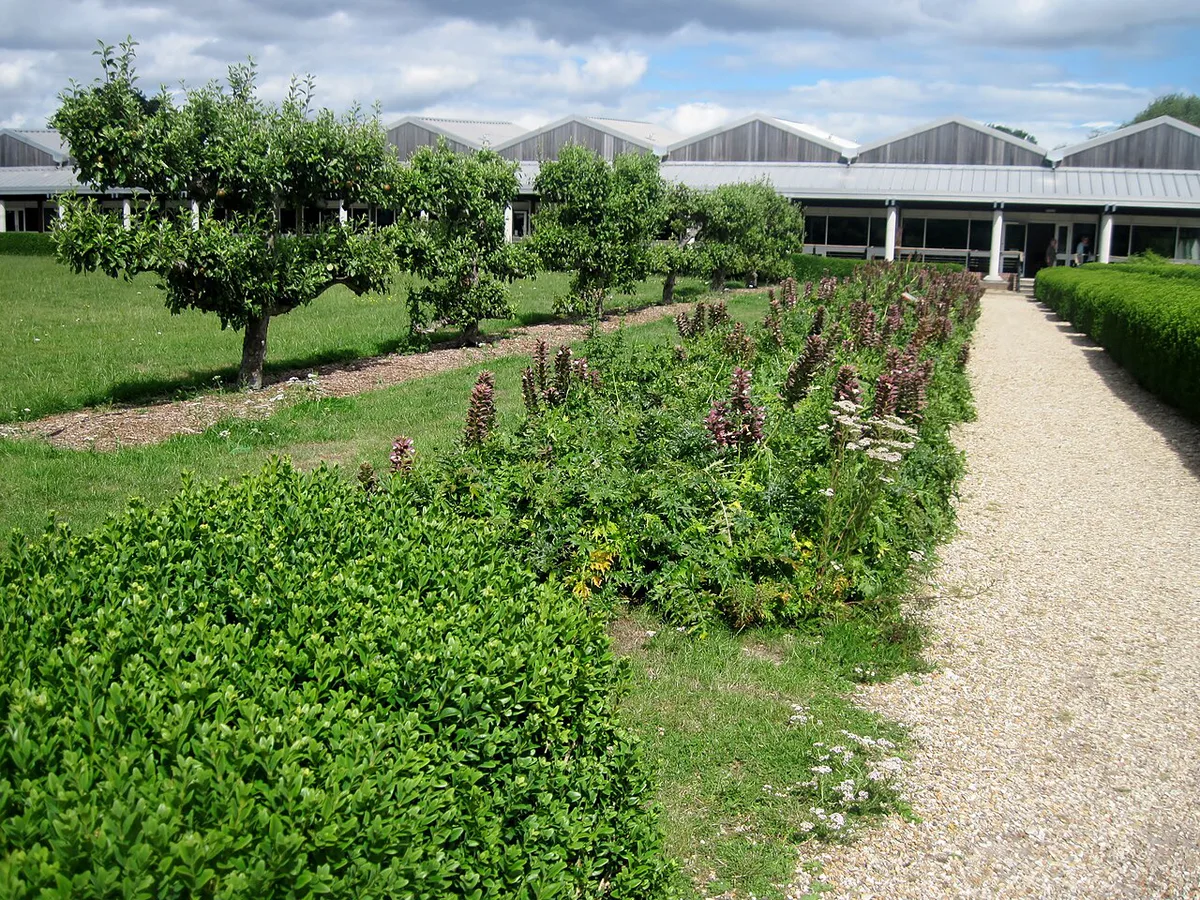
Mosaic floors are the draw. They remain where Roman builders laid them, so you look at the floors of a first-century home rather than pieces moved into a gallery. Outside, the garden has been replanted to its original plan, with box hedging marking the layout. Inside the museum, artefacts and displays tell the history of the site. The Collections Discovery Centre houses a conservation laboratory and a sensitive store, which shows how finds are looked after once they leave the ground. Free parking and a café are listed for visitors.
Who built it and why it matters
Scholars often associate the palace with Cogidubnus, a local ruler in early Roman Britain. That link is an attribution rather than a certainty, so treat it as the leading theory. What the ground itself shows is scale. Fishbourne was a home on a much grander footprint than a typical rural farm. That makes it a useful counterpoint to the smaller country houses covered in our guide to Roman Villas in England: Best Ones to Visit and How to Choose.
Discovery and excavation: how Fishbourne came to light
Fishbourne was found by accident. In 1960 a workman digging a trench for a water main in the village hit Roman remains. Archaeological work began soon afterwards, and Barry Cunliffe led the excavations through the 1960s. That is why a major Roman residence turned up under modern fields and gardens rather than in a known archaeological zone.
The dig showed that the story runs in layers:
- Around AD 43: early timber buildings linked to the Roman military arrival in the area.
- Around AD 75: the large masonry residence that the site is known for, built around formal courtyards and gardens.
- Later centuries: alterations and new mosaics, then destruction by fire in the late third century.
The date of the grand building and the Cogidubnus link are still debated, so read the museum labels as the best current reading rather than settled fact. The 1960s dig also explains why the mosaics are under a protective building. They were uncovered in place and then covered for conservation, which is the reason you can see them where they were laid.
Look for the Cupid on a dolphin mosaic, one of the best-known floors on the site, and compare it with the geometric black-and-white patterns elsewhere in the same building.
Tickets, opening hours and how to save
Sussex Past sets prices, seasonal opening days and any membership or annual-pass options, and they change from year to year. No current figure is quoted here, so read the Sussex Past Fishbourne page before you travel. For a Sussex Roman day, compare the total with the cost of a second site before you buy.
How long to spend and a sample visit plan
A first visit works best with the museum first, then the mosaics, then the garden. Rushing the museum is the usual mistake, because it gives the floors their context. Add the Collections Discovery Centre if you like conservation work. Arrive early enough to see the mosaic areas before closing, as hours vary by season.
- Short stop: museum, mosaic floors and a garden loop.
- Fuller visit: add the Collections Discovery Centre and time in the café.
- Combined day: pair Fishbourne with Chichester city for its Roman street plan and cathedral.
Getting there and parking
Use PO19 3QR for satnav. Free parking is listed at the site, so driving is simple. Fishbourne and Chichester both have railway stations, but check the walking route and timetable on National Rail before you commit to a car-free trip. For the same Sussex Roman theme, Bignor Roman Villa is a natural second stop.
Enter PO19 3QR in satnav, then pair the stop with Chichester's Roman street plan and cathedral on the same day out.
Pairing Fishbourne with Chichester's Roman sites
Fishbourne is only a short drive from Chichester, so the two make an easy single day. Chichester was the Roman town of Noviomagus Reginorum, and its four main streets still follow the Roman cross-plan, which is easy to follow on foot from the Market Cross.
A practical order for the day:
- Morning at Fishbourne. Do the museum, mosaics and garden while the site is quieter, and check the Sussex Past page for the day's closing time.
- Lunch in Chichester. The centre is compact and has plenty of cafés and pubs near the cathedral.
- Afternoon in the city. Walk the Roman street plan, visit the cathedral, and see Roman remains at The Novium Museum, which displays part of a Roman bath house found beneath the site.
If you have a second day, Bignor Roman Villa is a rural counterpart with its own mosaics. Seeing both shows the gap between a palace-scale residence and a working villa estate. For a wider look at how towns and villas compare, see our guide to the best-preserved Roman towns.
Opening days differ between sites and seasons, so confirm each one before you build the day around it.
Fishbourne vs other Roman sites in England
Each Roman site answers a different question. Fishbourne is for mosaics and palace-scale living. For Bath, our guide to the Roman Baths in Bath covers a bathing and temple complex, which is a different trip. Rural villas such as Lullingstone and Bignor offer a smaller, quieter scale. Gloucestershire's Chedworth Roman Villa: Visiting Guide, Mosaics & Tips adds a countryside setting. For towns and forts, see our overview of Roman Sites in England: Best Places to Visit and How to Choose.
| Site | Type | Best for |
|---|---|---|
| Fishbourne | Palace-scale Roman residence | Mosaics, garden and museum |
| Bignor | Rural villa | A Sussex villa with mosaics |
| Chedworth | Rural villa | Countryside setting |
| Lullingstone | Rural villa | A smaller villa visit |
| Roman Baths, Bath | Bathing and temple complex | Bath-focused city trip |
Accessibility, families and practical tips
Access details change with the season and with building work, so ask Sussex Past about step-free routes, buggies and wheelchairs before you go. Families often do well here because the garden gives children space outdoors between the museum and the floors. Check current school-holiday activities on the official page. Common mistakes are skipping the museum, arriving late for the mosaic areas, and assuming every area is open year-round.
Fishbourne or Bath? Choose the right Roman day out
Choose Fishbourne if you want to understand domestic Roman life through original mosaic floors and a palace-scale residence. The site is on Roman Way, Fishbourne, Chichester, PO19 3QR, so it also combines naturally with time in Chichester.
Choose Bath if you want monumental public architecture. The Roman Baths are a bathing and temple complex, while Fishbourne is a first-century home with a replanted garden and museum displays.
Fishbourne suits visitors who prefer a focused heritage stop and want to see how elite rooms were arranged. Bath is the stronger choice for a city-based day with a large urban attraction. Fishbourne is the better match for a Sussex itinerary, especially when paired with Chichester or Bignor Roman Villa.
Related guides



Continue reading
Guides on the same trip


