
Peloponnese Ancient Sites: Best Ruins and How to Plan a Visit
Last updated November 2026: Peloponnese ancient sites are best treated as six core picks, namely Olympia, Mycenae, Epidaurus, Ancient Corinth, Ancient Messene and Mystras. Mycenae, Epidaurus and Corinth fit a day trip or short loop from Athens or Nafplio. Olympia and Messene need more time, so use the comparison table below to match sites to your days.
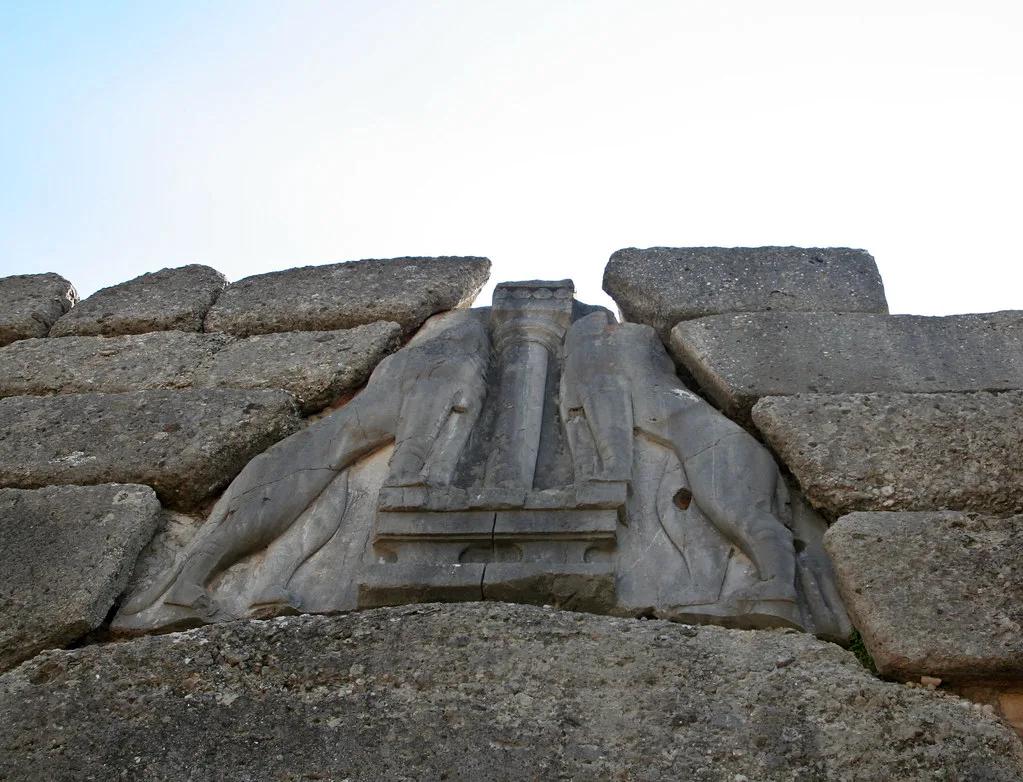
Featured image: Sharon Mollerus, CC BY 2.0, via Flickr.
The short answer: which Peloponnese ancient sites to prioritise
Six sites cover what most first-time visitors want from the region. Olympia anchors the list, because its sanctuary hosted the Games from the 8th century BC. Mycenae has been a UNESCO World Heritage Site since 1999. Epidaurus is known for a theatre of about 14,000 stone seats, built in the 4th century BC. Ancient Corinth and Ancient Messene are the two large city ruins. Mystras is Byzantine rather than ancient, but it fits any southern loop.
- Olympia: the birthplace of the Games, with temples, a running track and a major museum.
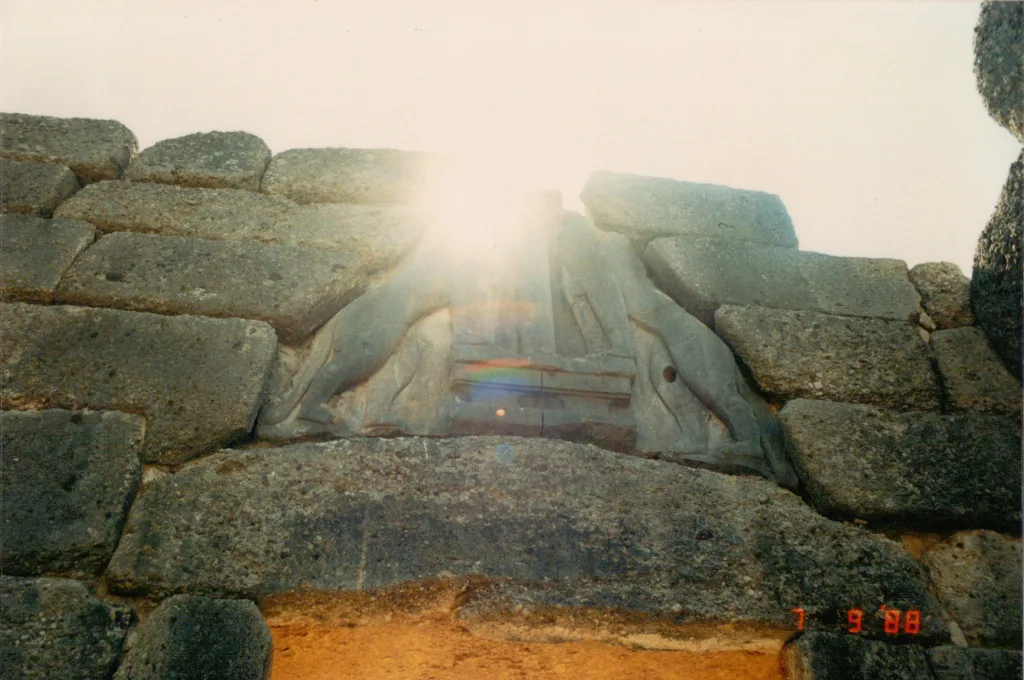
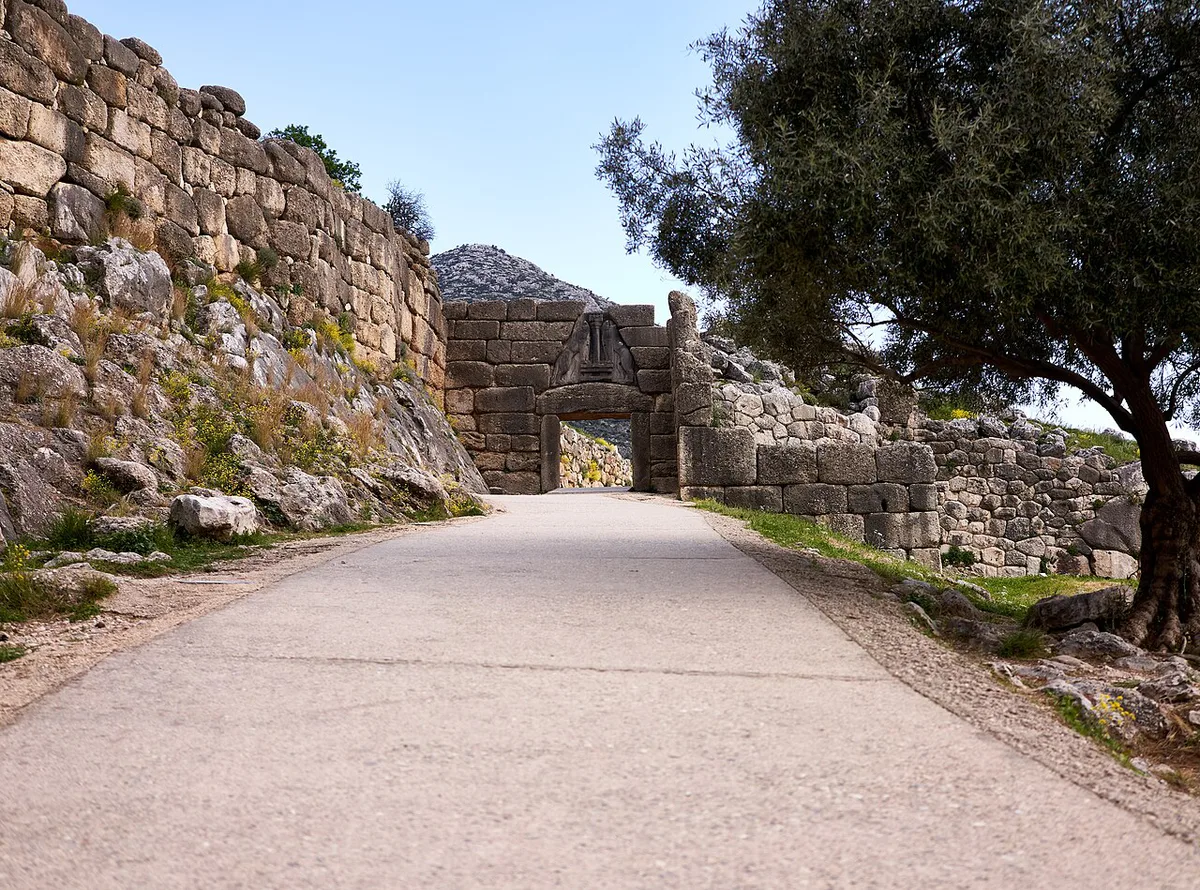
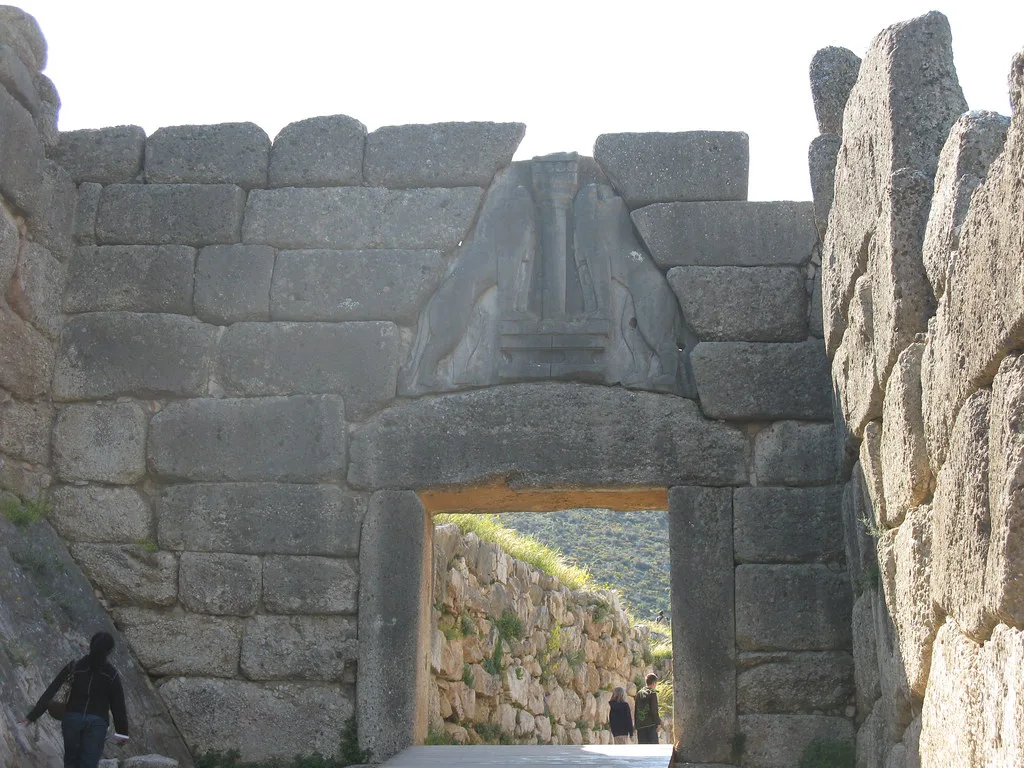
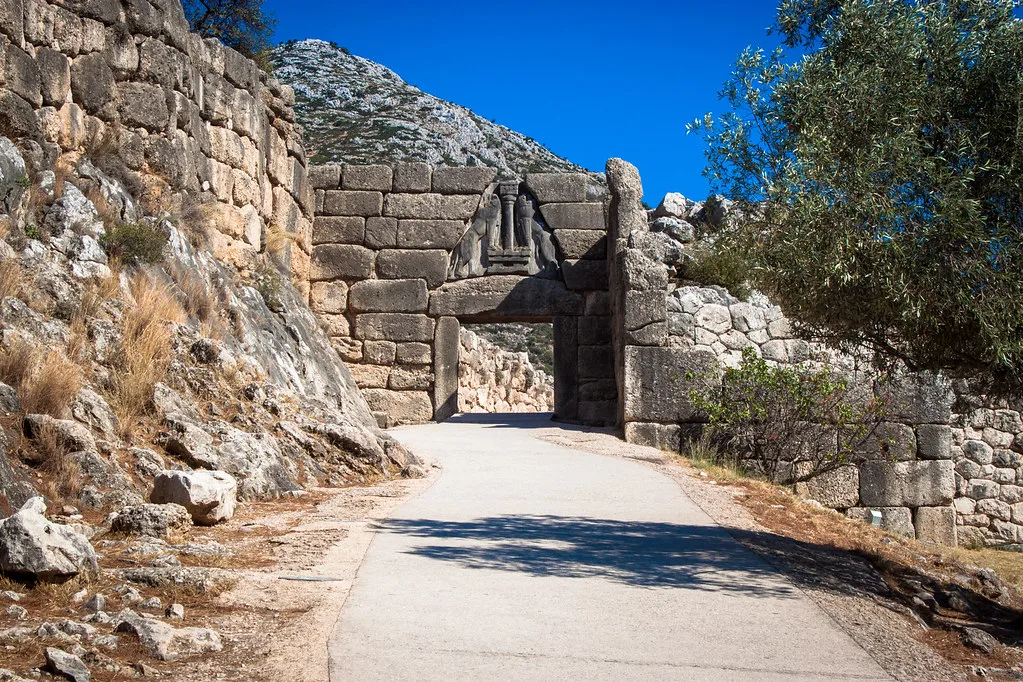
- Mycenae: the Lion Gate and the citadel of the Mycenaean world.
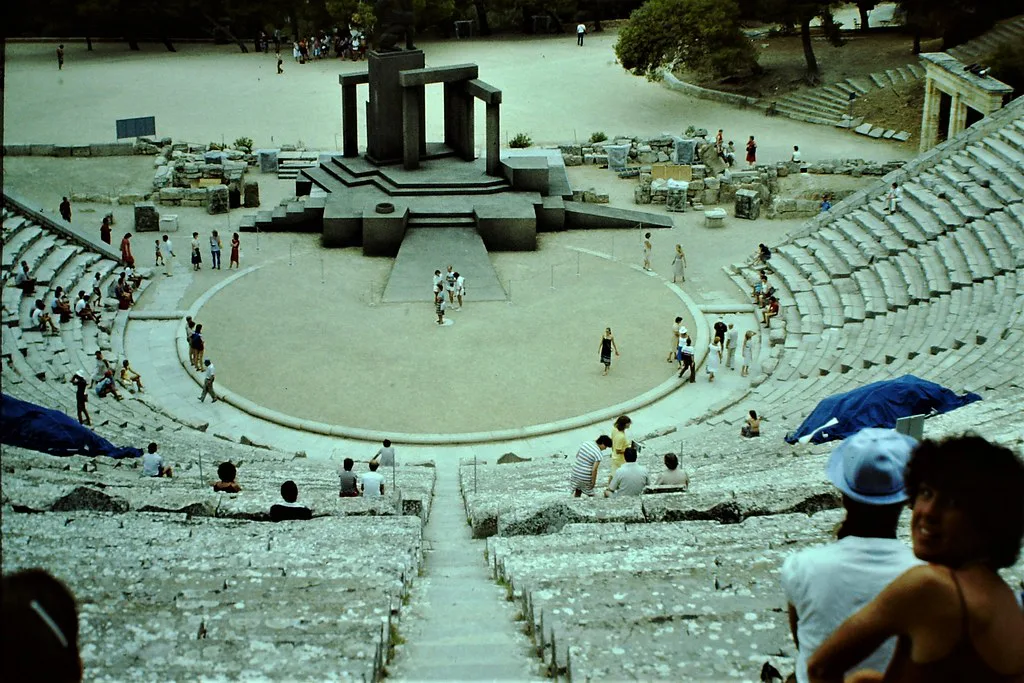
- Epidaurus: a healing sanctuary whose theatre still hosts modern summer performances.
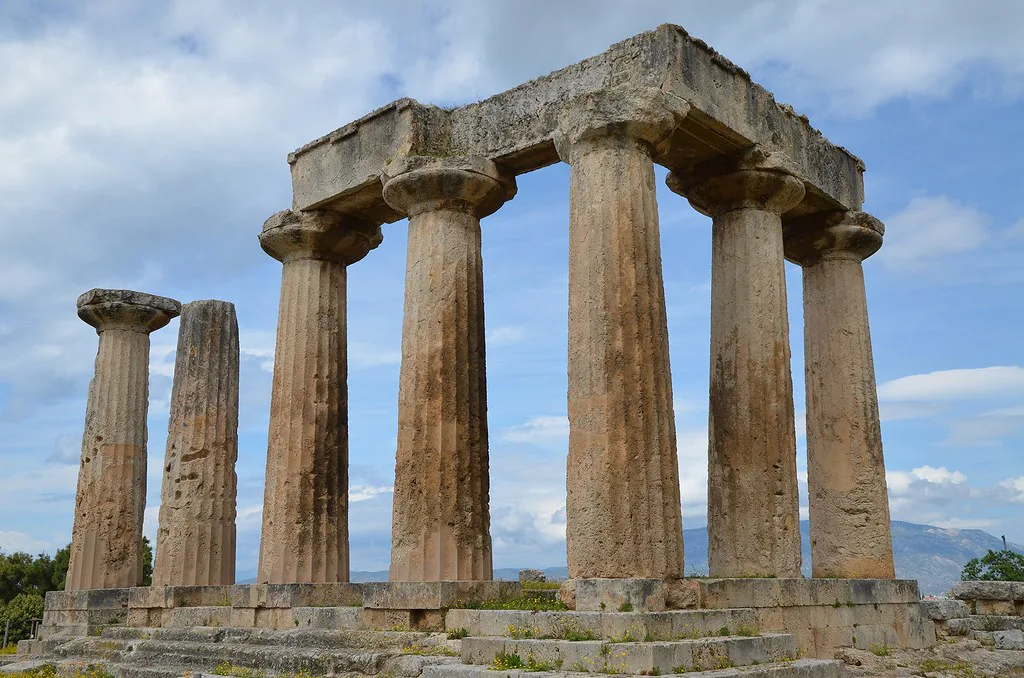
- Ancient Corinth: a city ruin that fits easily into an Athens day trip.
- Ancient Messene: a large, underrated city with a stadium, theatre, temples and fortification walls.
- Mystras: a medieval hill town that pairs well with a stay in Sparta.
Peloponnese ancient sites at a glance
This table compares the main stops by period, time needed, effort and base town. Time labels are planning guides, not official visit lengths.
| Site | Era or best for | Typical time | Effort | Base town |
|---|---|---|---|---|
| Olympia | Sanctuary of the Games, from the 8th century BC | Half day to full day | Wide site, long walks | Olympia |
| Mycenae | Mycenaean citadel and tombs | Half day | Hill climb, uneven stone | Nafplio |
| Epidaurus | Healing sanctuary and 4th-century BC theatre | Two to three hours | Theatre steps, wide grounds | Nafplio |
| Ancient Corinth | City ruins | Short stop to half day | Moderate walking | Athens or Nafplio |
| Ancient Messene | Founded 369 BC; large city site | Half day | Large site, much walking | Kalamata or Pylos area |
| Mystras | Byzantine and medieval, not ancient | Half day | Hillside on several levels | Sparta |
Best ancient sites by interest
Choose by period first, then by time. Mycenaean sites cluster around Nafplio, and the Treasury of Atreus dates to around 1250 BC. Bassae's temple dates to the 5th century BC and sits high in Arcadia. Each group below suits a different kind of traveller.
- Mycenaean: Mycenae, Tiryns, the Treasury of Atreus and the Tomb of Clytemnestra. Choose these for Bronze Age citadels and domed tombs.
- Classical and sanctuary: Olympia, Epidaurus, Nemea, Isthmia and Bassae. Choose these for temples, athletic venues and theatres.
- City ruins: Ancient Corinth, Ancient Messene, Argos and the Sparta acropolis. Choose these for streets, civic buildings and walls.
- Byzantine and medieval: Mystras's Byzantine hill town and the upper town of Monemvasia. Both are medieval rather than ancient. Add them for variety, not as ancient highlights.
Olympia: the anchor site
Olympia covers about 105 ha, so it rewards a half day at minimum. Our full Olympia guide covers the layout in detail. For background, read how the ancient Games worked. Inside the site, start at the Temple of Zeus. Next, find the Temple of Hera. Walk the original running track at Olympia last. Finish at the archaeological museum on site, where many finds from these buildings are displayed.
Ancient Messene and the southwest
Ancient Messene was founded in 369 BC and ranks among the region's most underrated large sites. Walk its stadium, theatre, temples and fortification walls, and you get far more space than at most busier ruins. Read our Ancient Messene guide before you go. Further north in Arcadia, the temple at Bassae sits in mountain country. Near Pylos, the Palace of Nestor covers 15,300 m² and works as a short stop. Methoni's castle is a medieval extra, worth one line on a southwest route. Rural roads here make a car the simplest option.
Itineraries and time trade-offs
More sites mean more driving and shorter visits. Pick your loop by days available, and drop sites before you rush them. Our Athens to Olympia route guide helps if Olympia is your priority.
Plan around the site's footprint: about 105 ha at Olympia alone needs its own half day, before adding Messene or Mystras to a 3–4 day loop.
- Athens day trip: choose 2 sites at most from Ancient Corinth, Mycenae and Epidaurus. Skip Olympia, Messene and Mystras on a single day.
- 2-day Argolid loop: Ancient Corinth, Mycenae, Nafplio and Epidaurus, with a night in Nafplio. Nafplio's Palamidi fortress is a one-hour add-on at most.
- 3–4 day loop: add Olympia, Messene and the Mystras hill town. Expect long drives between them, and give Olympia the longest visit.
Tickets, opening hours and seasonal timing
Prices, hours and free-entry days are set by the Ministry of Culture and change by season. Check the official Ministry e-ticket portal for current figures.
- Olympia entry details are in our Olympia ticket guide.
- Closures and winter hours appear in Odysseus site listings.
- Summer heat is strong and shade is limited on many sites. Visit early, and carry water and a hat.
- Epidaurus hosts modern summer performances in its theatre, so check the programme if you plan an evening visit.
Getting around: car, tour or public transport
A car gives the most freedom. Rural sites such as Bassae, Messene and Mystras are far easier to reach by car than by bus. Public buses exist; see KTEL Ilias timetables for services serving Olympia. Cruise visitors can read our Katakolo to Olympia guide. Organised tours suit the Athens day trip, because they handle parking and timing.
- Mistake to avoid: stacking three or four sites into one day. You will spend more time driving than walking.
- Mistake to avoid: relying on buses for Bassae or Messene. Services are sparse, so plan a car or taxi.
- Mistake to avoid: arriving at midday in summer. Start at opening time instead.
Where to base yourself
Four bases cover most routes. Nafplio reaches Mycenae and Epidaurus without long driving. Olympia town puts you beside the sanctuary and its museum. Kalamata or the Pylos area suits Messene, the Palace of Nestor and Bassae. Sparta is the natural base for Mystras. Pick one base per two nights to keep packing to a minimum. General regional planning help sits on Visit Greece's Peloponnese pages.
Which sites to skip or shorten
Some sites reward a quick look rather than a long one. Isthmia, Argos, the Sparta acropolis and Perachora suit travellers who already know their interests. Tiryns suits Bronze Age enthusiasts based near Nafplio. Kaiadas chasm is a minor stop, so treat it as a short detour. Skip these first if time is short. Keep your hours for Olympia, Mycenae, Epidaurus and Messene.
Frequently asked questions about Peloponnese ancient sites
How many days do you need? Allow 2 days for Corinth, Mycenae and Epidaurus from a Nafplio base. A 3–4 day loop gives Olympia, Ancient Messene and Mystras enough time without reducing every stop to a brief walk.
Which site is best for first-time visitors? Olympia is the strongest single choice for sanctuary buildings, the original running track and its museum. The archaeological area covers about 105 ha, so reserve at least half a day.
Is Epidaurus worth visiting beyond the theatre? Yes. The sanctuary adds context to the famous 4th-century BC theatre, which has about 14,000 stone seats. It is a better stop when paired with Mycenae or Nafplio than rushed from Athens.
Do you need a car? A car is most useful for Messene, Bassae and Mystras. Public transport can work for Olympia, but sparse rural services make multi-site itineraries difficult without driving.
Related guides



Continue reading
Guides on the same trip

