Archaeological Museum of Olympia: What to See, Tickets and Visit Tips
Last updated November 2026: the Archaeological Museum of Olympia is a separate building from the ruins, and it is the strongest reason to plan a full visit. Allow 1–2 hours inside for the Hermes of Praxiteles, the Nike of Paionios and the sculptures from the Temple of Zeus. We'd treat it as half of Olympia, not a bonus after the ruins of ancient Olympia.
Featured image: Andy Hay, CC BY 2.0, via Flickr.
Is the Archaeological Museum of Olympia worth it?
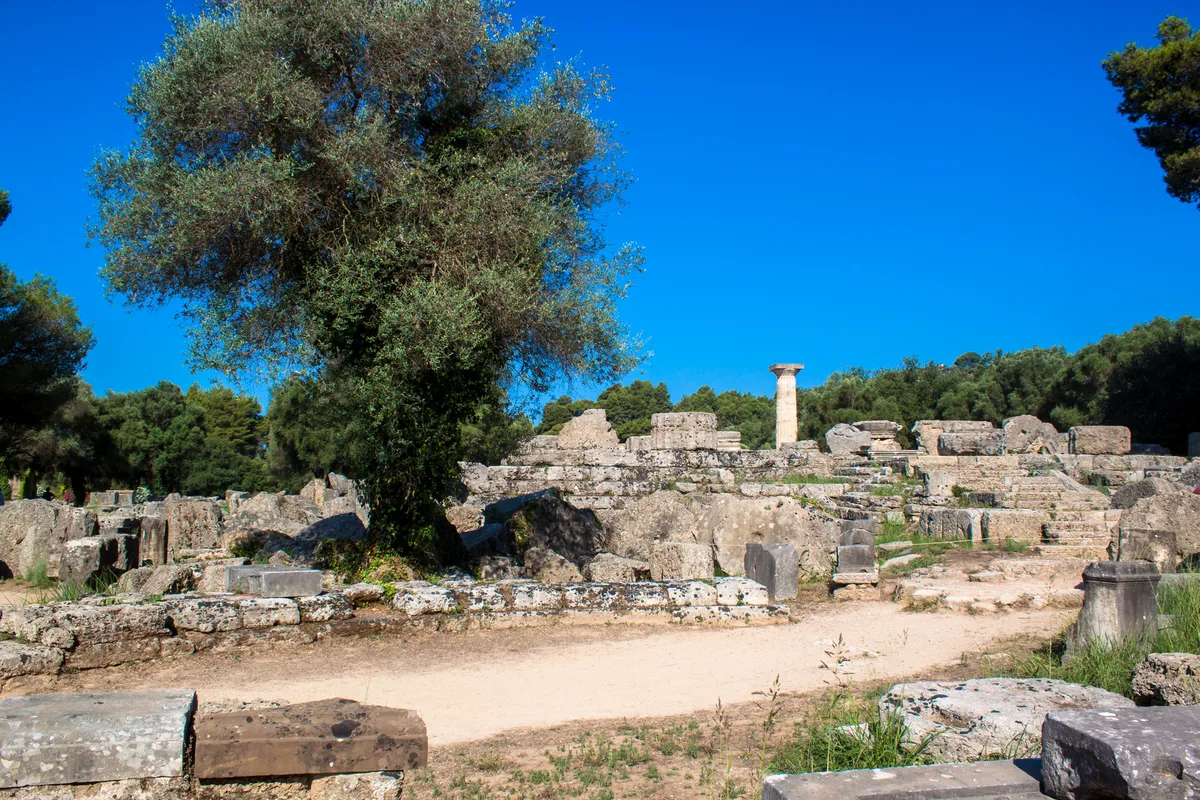
Yes, and by a wide margin. Reviewers who walked the ruins first often call the museum their highlight, because the artefacts can be seen up close. In our view, the site shows you the layout and the museum shows you what stood there. Without it, the Temple of Zeus is mostly fallen column drums. Four takeaways before you plan:
- Time: 1–2 hours for the museum and 2–3 hours for the ruins, so plan at least a half day.
- Must-sees: the Hermes of Praxiteles, the Nike of Paionios and the Temple of Zeus sculptures.
- Ticket: visitors report about €20 per person for a combined ticket covering the ruins and the museum.
- Weather: it is your indoor stop in summer midday heat or rain.
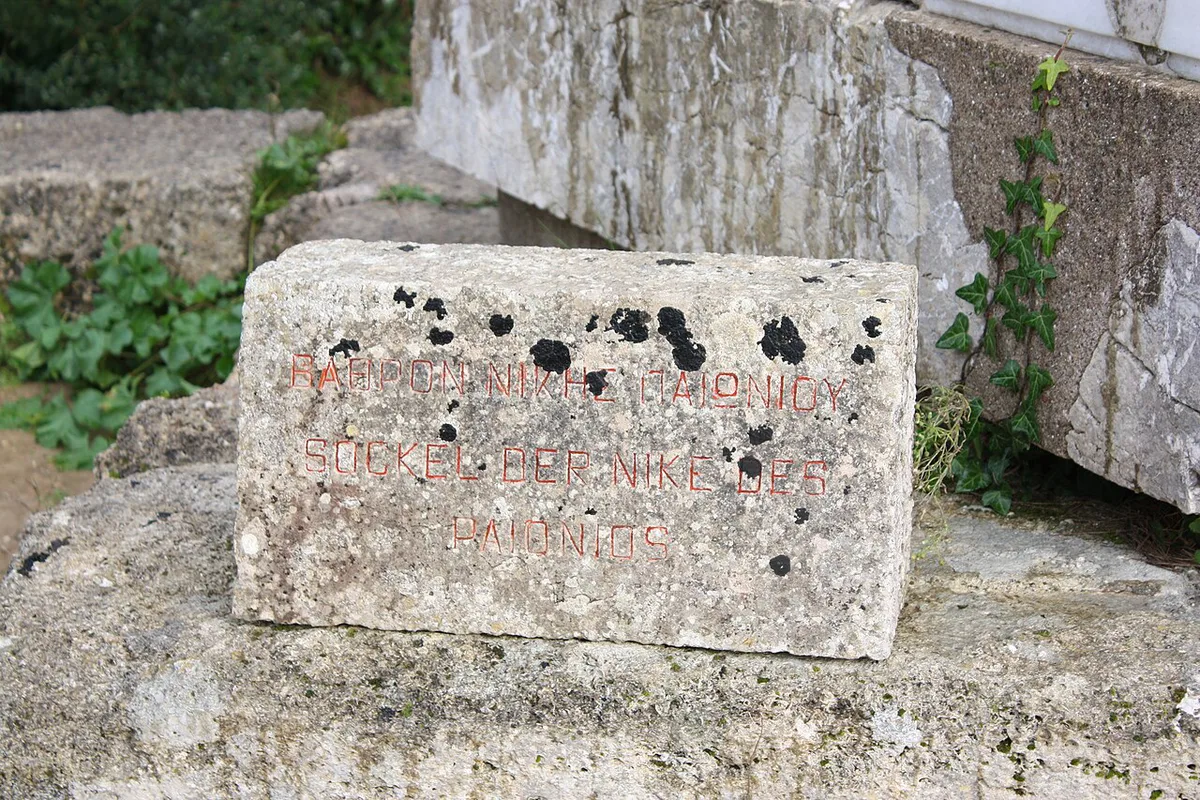
What to see inside the Archaeological Museum of Olympia
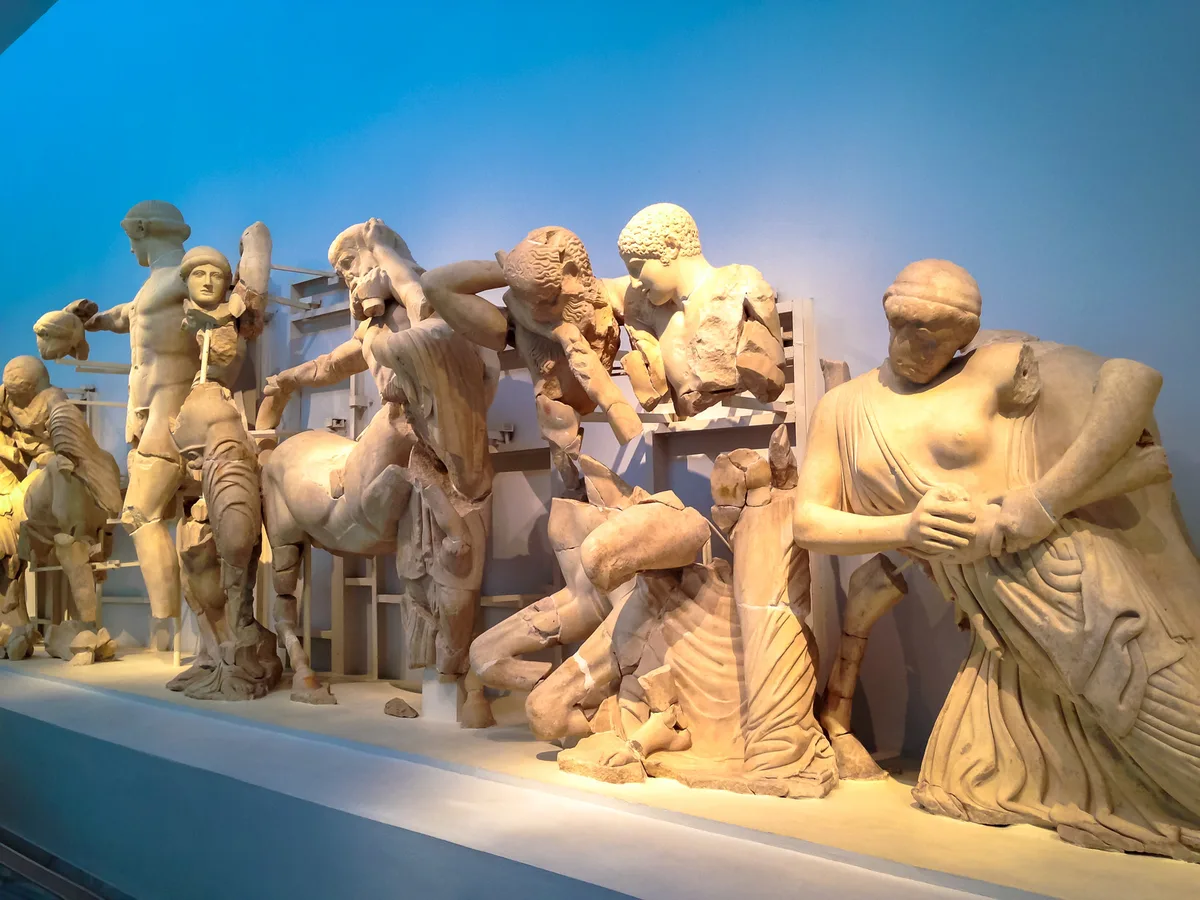
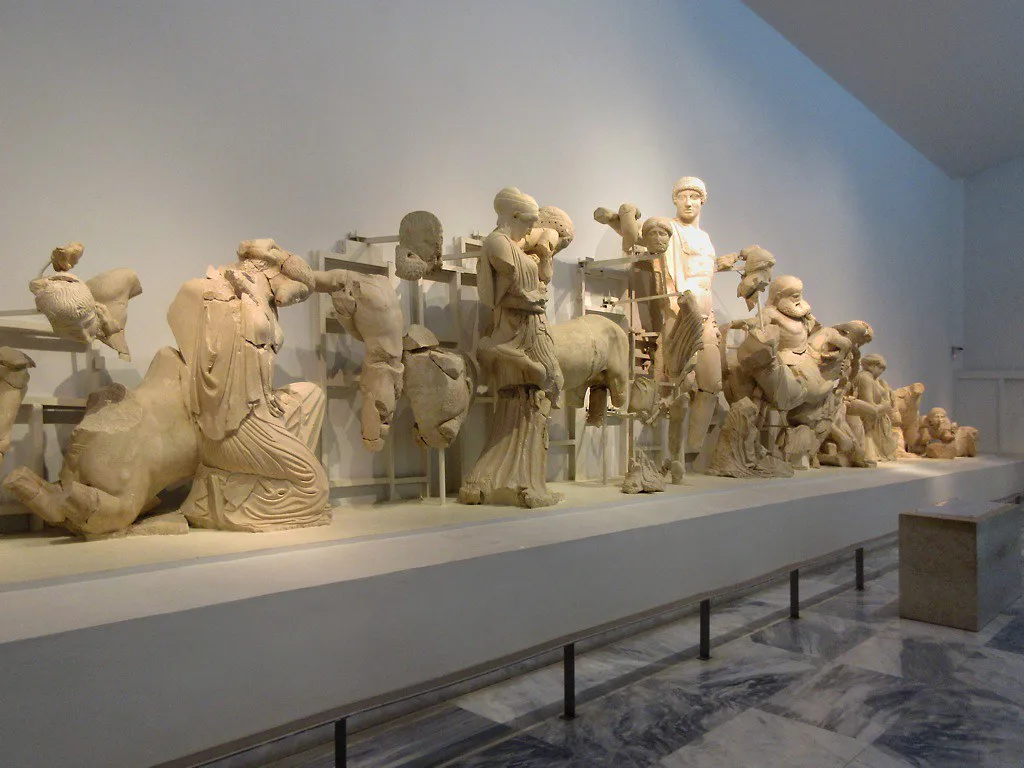
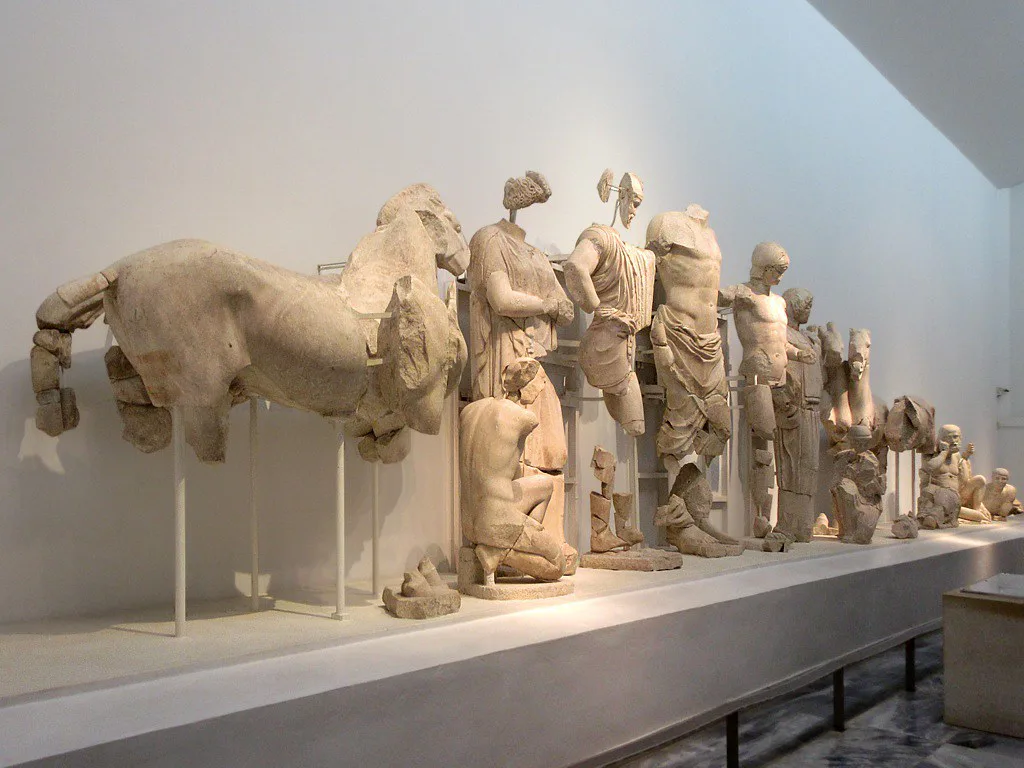
Finds are grouped by the sanctuary they came from. Three objects draw most visitors, and each rewards a slow look. Pediment and metope sculptures once decorated the Temple of Zeus, so we'd see them before standing at its foundations. Smaller cases of bronzes deserve a few minutes too.
- Hermes of Praxiteles: the marble statue most visitors come for. Visitors describe it as displayed in a hall of its own, so give it unhurried time.
- Nike of Paionios: a statue of Nike, the goddess of victory. It makes the link between sport and religion at Olympia easy to grasp.
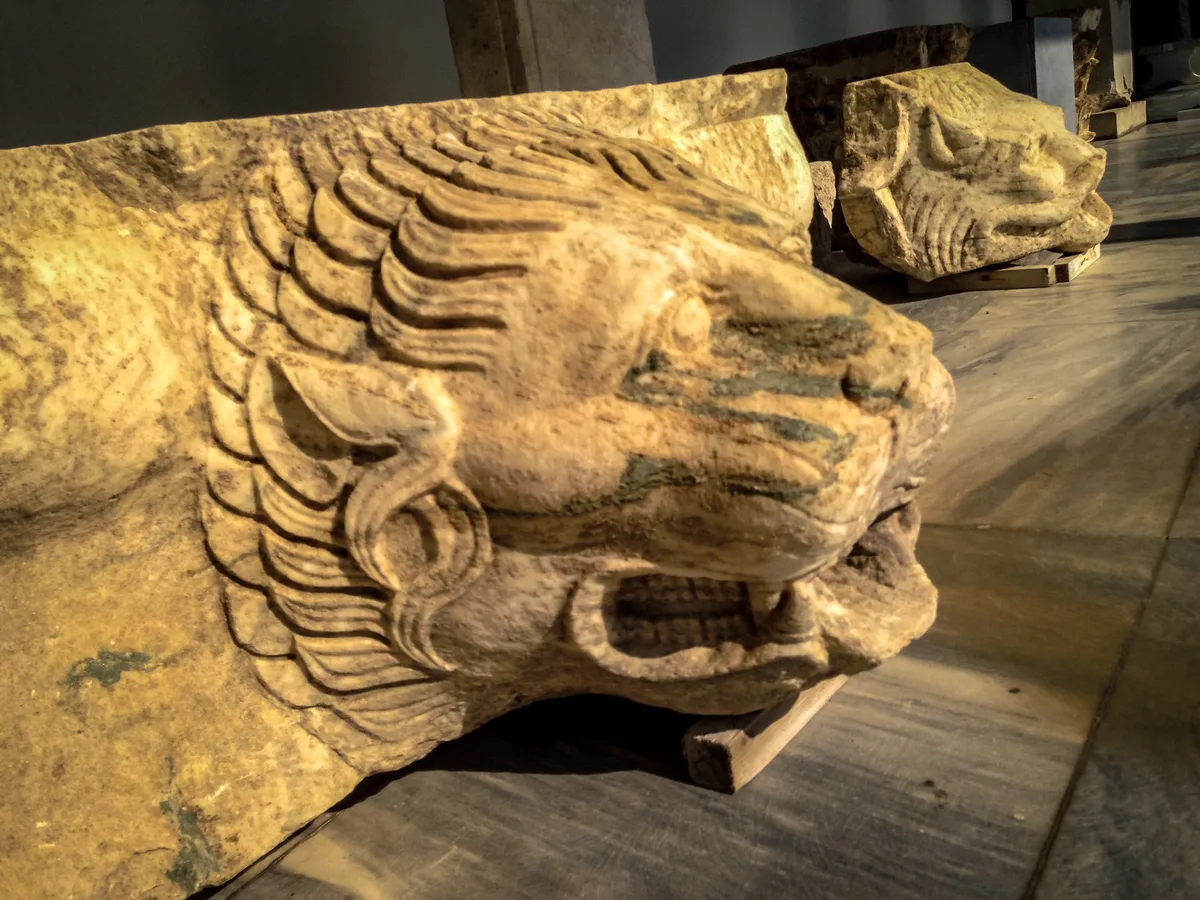
- Temple of Zeus sculptures: pediment and metope figures from the temple. Look for how the scenes fill the awkward triangular and square frames.
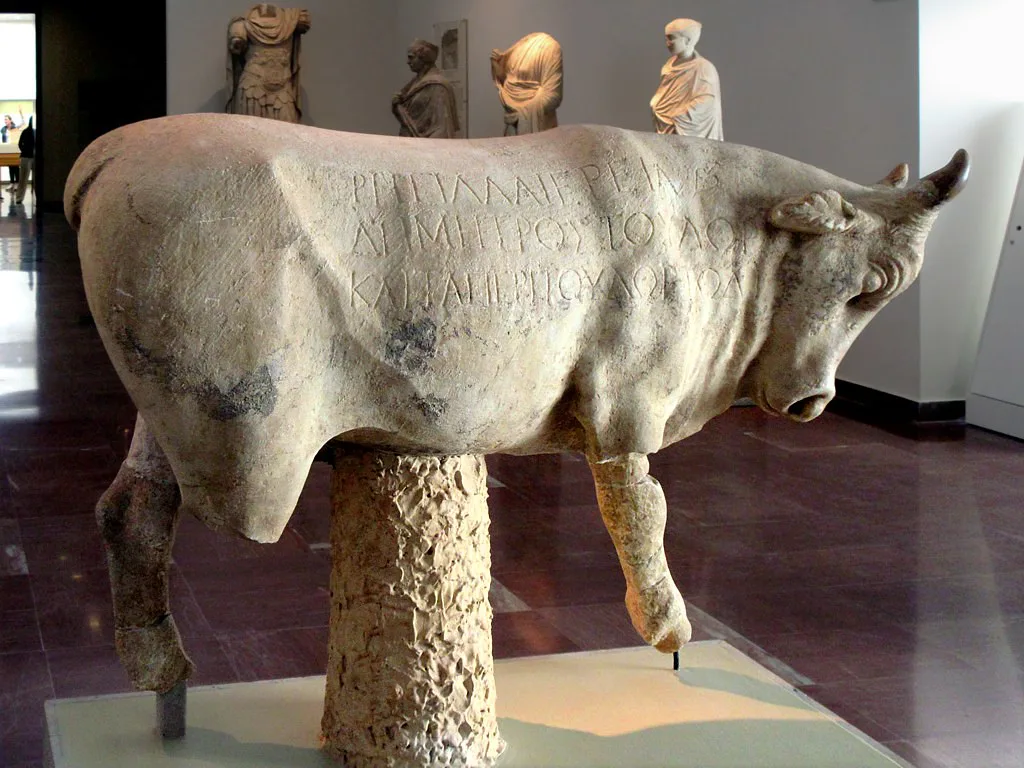
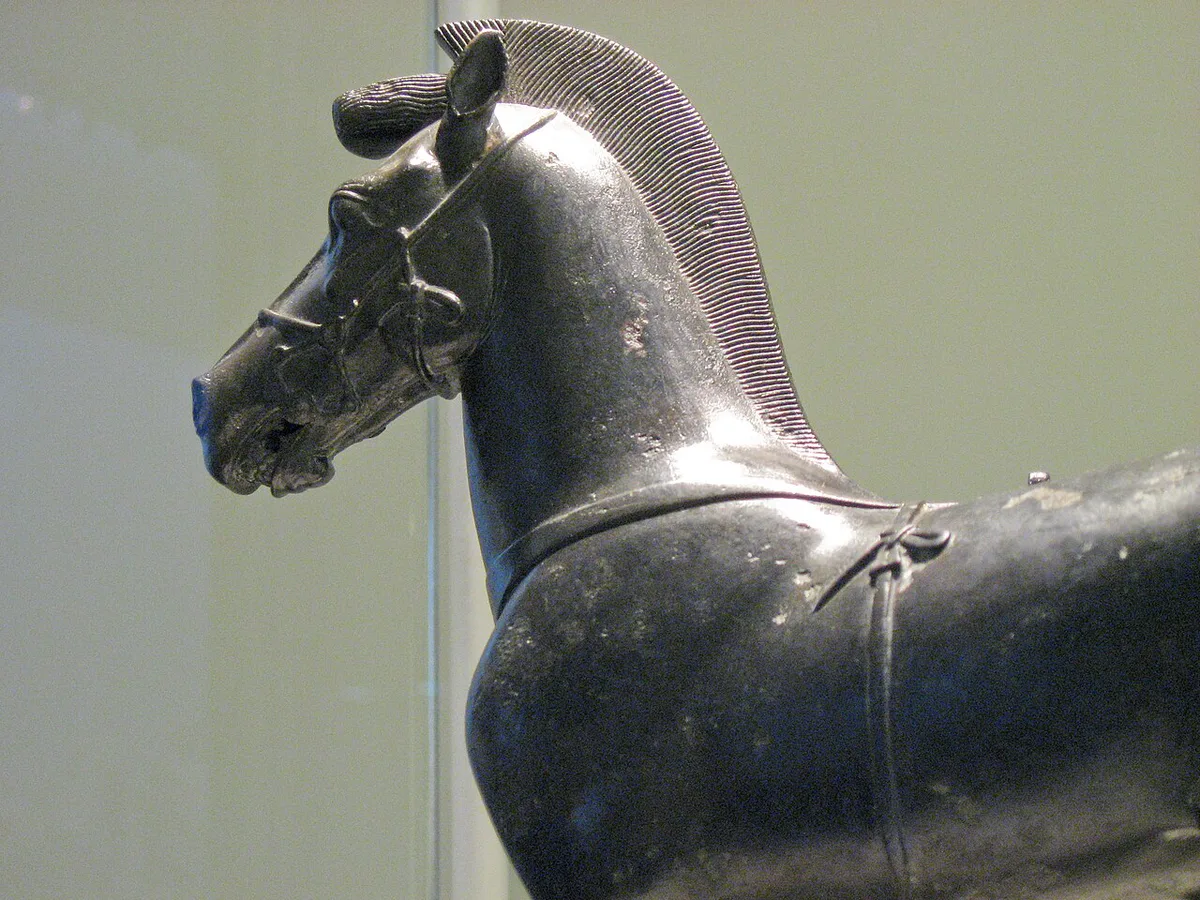
- Bronzes and offerings: smaller objects from the sanctuary. They show what athletes and visitors left for the gods.
How long to allow: a 60-minute route and a 2-hour route
Visitor estimates run from at least 90 minutes to 1–2 hours inside the museum. One reviewer put ruins and museum together at a good 3 hours. Treat every duration here as an estimate, and add time if you like reading labels.
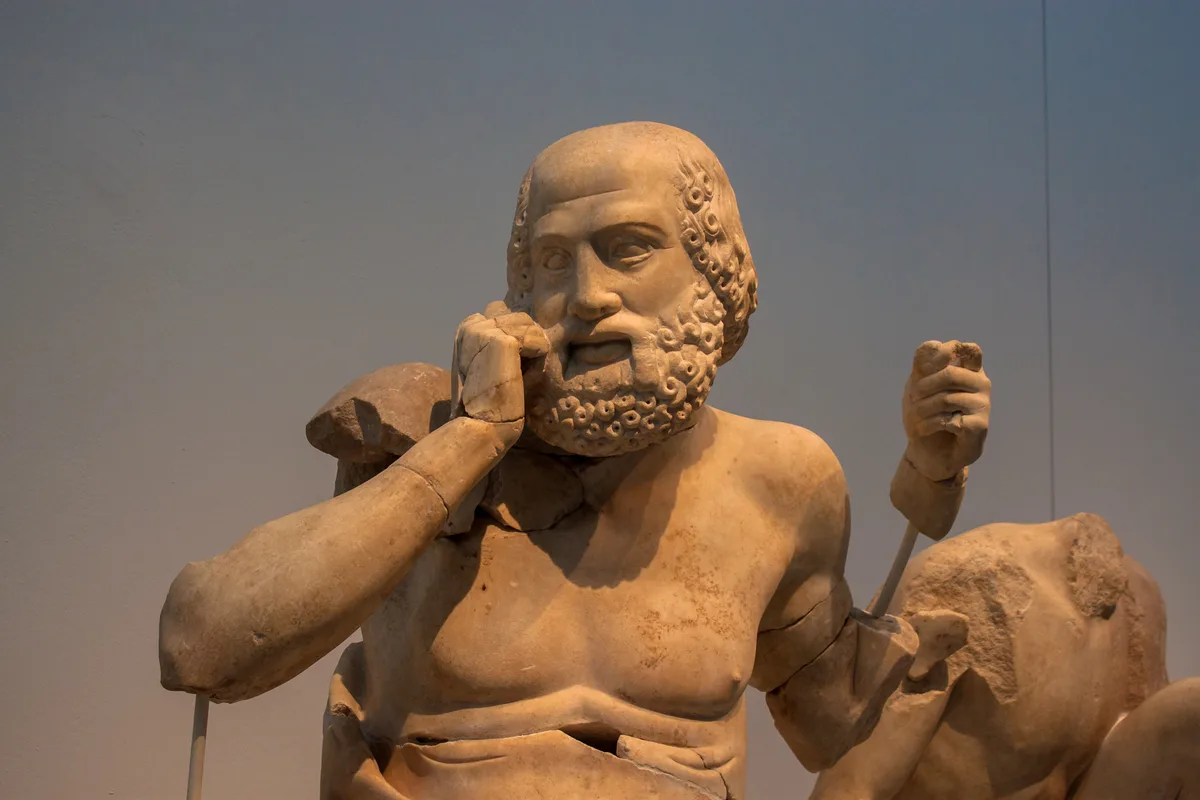
- 60-minute highlights route (our estimate): about 20 minutes with the Hermes of Praxiteles, 10 with the Nike of Paionios, 25 with the Temple of Zeus sculptures and 5 at the bronze cases.
- 90–120 minute fuller visit (our estimate): the same three stops at a slower pace, then the bronzes, smaller offerings and the shop.
Museum or ruins first? A trade-off guide
Visitors split on order. One popular guide starts at the stadium at opening and keeps the museum for the afternoon. A reviewer who followed the ticket flow entered the museum first, straight from the payment desk. Both work, so choose by season and energy. In summer, our pick is ruins at opening and the museum around midday. In spring and autumn, we'd start inside for context. Walk the ancient stadium early if you do go outdoors first. Temple of Hera sits close to the stadium inside the site, so pair them in one morning.
| Order | Best when | Trade-off |
|---|---|---|
| Museum first | Spring or autumn; you want context before the stones | You enter the ruins later, when tour buses arrive from about 11 am |
| Ruins first | Summer; you want the coolest hour outdoors | You see the ruins without the sculptures that explain them |
| Split across two days | You overnight in Archaia Olympia | Needs a night's stay, but both visits stay unhurried |
Tickets, opening hours and free-entry days
Visitors report about €20 per person for a combined ticket that covers the ruins and the museum. Prices below reflect November 2026 reports. Buying ahead is the common advice, because reviewers describe long lines at the gate. You can book through the Hellenic Ministry of Culture's e-ticket platform. For hours, reduced rates and free days, use the Odysseus museum page. Winter closing times are earlier than summer ones. Some visitors mention free entry on the first Sunday of the month and on certain winter days. We can't confirm that schedule, so check Odysseus before you rely on it. The separate Museum of the History of the Ancient Olympic Games may not be on the same ticket, so ask at the desk. Our Olympia ticket guide compares booking routes.
Getting to the museum from Athens, Pyrgos, Katakolo and Archaia Olympia
Archaia Olympia village is a 10-minute walk from the site gate. Pyrgos, the regional town, is about 20 minutes away by road. A local bus from Pyrgos costs around €3–4 one way. Driving from Athens takes about 3.5 hours. By bus, expect 4–5 hours with a change. Check KTEL Ilias timetables for Pyrgos services. Our Athens to Olympia routes cover both options. Cruise passengers should read the Katakolo shore-day plan. Drivers should set the satnav to the official parking areas. One reviewer says a plain site pin led to a back road. Cruise visitors with a short stop should see these in order:
A 10-minute walk from the site gate suits early starts, and early starts matter when summer highs reach 32–38°C.
- Hermes of Praxiteles first, since it is the single must-see.
- Nike of Paionios second.
- Temple of Zeus sculptures third.
- Stadium last, only if time remains after at least 90 minutes inside.
Who should do what
Match the visit to your day. This table sets out the order and priorities for each kind of traveller.
With 3.5 hours of driving from Athens, the 2–3 hours of ruins and 1–2 hours of museum leave a tight day.
| Visitor | Time available | Recommended order | Must-see objects | Ticket and booking note |
|---|---|---|---|---|
| Cruise passenger on a short stop | About 90 minutes at minimum | Museum first, stadium if time remains | Hermes, Nike, Zeus sculptures | Pre-book; buses arrive from about 11 am |
| Day-tripper from Athens | Half day on site, after about 3.5 hours' drive | Ruins at opening in summer, museum at midday | Hermes, Zeus sculptures, bronzes | Buy the combined ticket ahead |
| Overnight guest | A full morning plus an afternoon | Museum the afternoon before, ruins at opening | All major pieces and bronzes | Check whether a second-day entry is allowed |
| Family with kids | 60-minute route | Run the stadium, then a short museum visit | Nike and Hermes | Check current reduced rates |
| History or sport enthusiast | 2 hours or more | Museum first for context | Everything, plus the Olympic Games museum | Ask which museums the ticket covers |
Heat, rain, crowds and the best time to go
Summer highs reach 32–38°C with almost no shade among the ruins. That makes the museum the right midday stop. Tour buses arrive from about 11 am, so arrive earlier or later. Winter highs run 10–15°C, with frequent rain and short days. Fewer visitors come then, but check closing times before you go. In rain, the museum is the best use of your ticket.
Mistakes that cost visitors time
Most problems are avoidable with a little planning:
- Arriving at midday in summer, when heat and tour buses peak.
- Skipping pre-booking and queuing at the gate.
- Underestimating time: 60 minutes only covers highlights.
- Treating the museum as optional, then missing the sculptures that explain the ruins.
- Following a plain map pin to a back road instead of the official parking.
Accessibility, facilities, food and where to stay
Visitors report first aid, toilets, cafés and gift shops on site. Regional tourism listings flag access features for some Olympia sites, so confirm the museum's arrangements with the Ministry. Labels explain the objects, but a guide or audio tour adds context. Guided and self-guided options both exist. For a stay, Archaia Olympia has small guesthouses and tavernas along its main street, Kondili. It gives you the shortest walk to the gate. Pyrgos has more beds as a fallback.
Nearby and related sites to combine
The separate Museum of the History of the Ancient Olympic Games is smaller and focused on athletic objects. For context, the IOC's history of the ancient Games dates them to 776 BC. For a wider route, our Peloponnese Ancient Sites: Best Ruins and How to Plan a Visit guide maps the options. Messene's ancient ruins suit an archaeology-heavy route. The hill town of Mystras is about 91 km away. Temple of Apollo at Bassae adds a mountain temple. For the Games themselves, read the story of the Games.
Frequently Asked Questions
What are some of the ruins in Olympia, Greece?
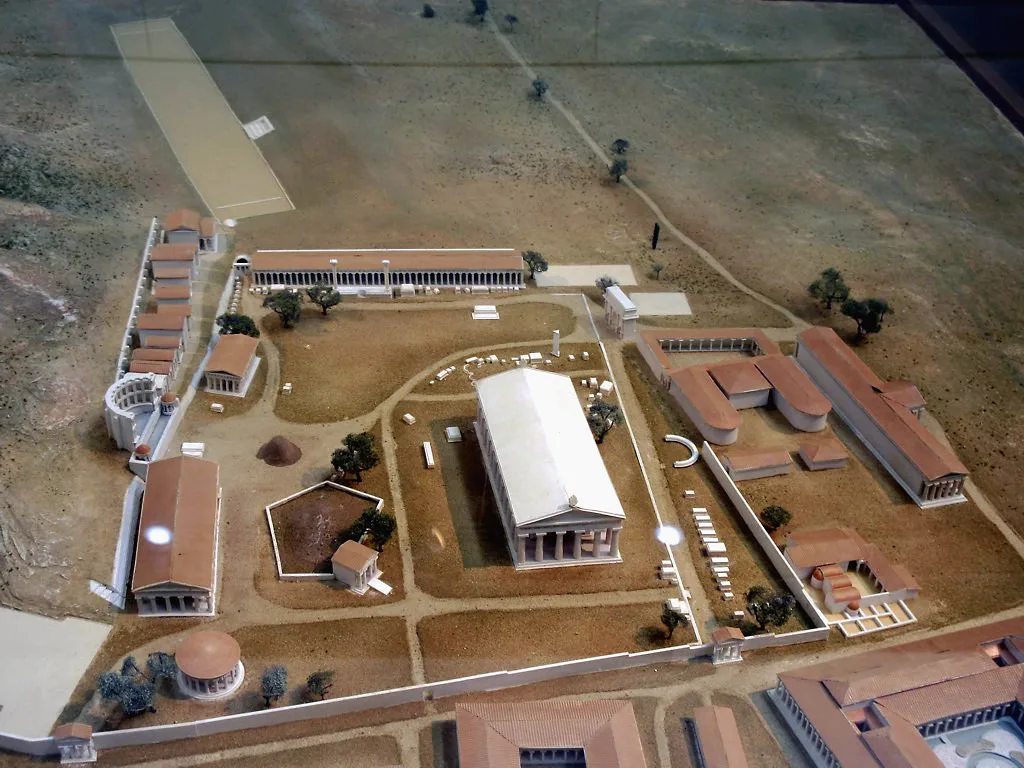
Main ruins include the Temple of Zeus, the Temple of Hera and the ancient stadium. You can also see the Philippeion, the Palaestra and Gymnasium, and the Workshop of Pheidias. The museum holds the sculptures from these buildings.
Related guides


Continue reading
Guides on the same trip