
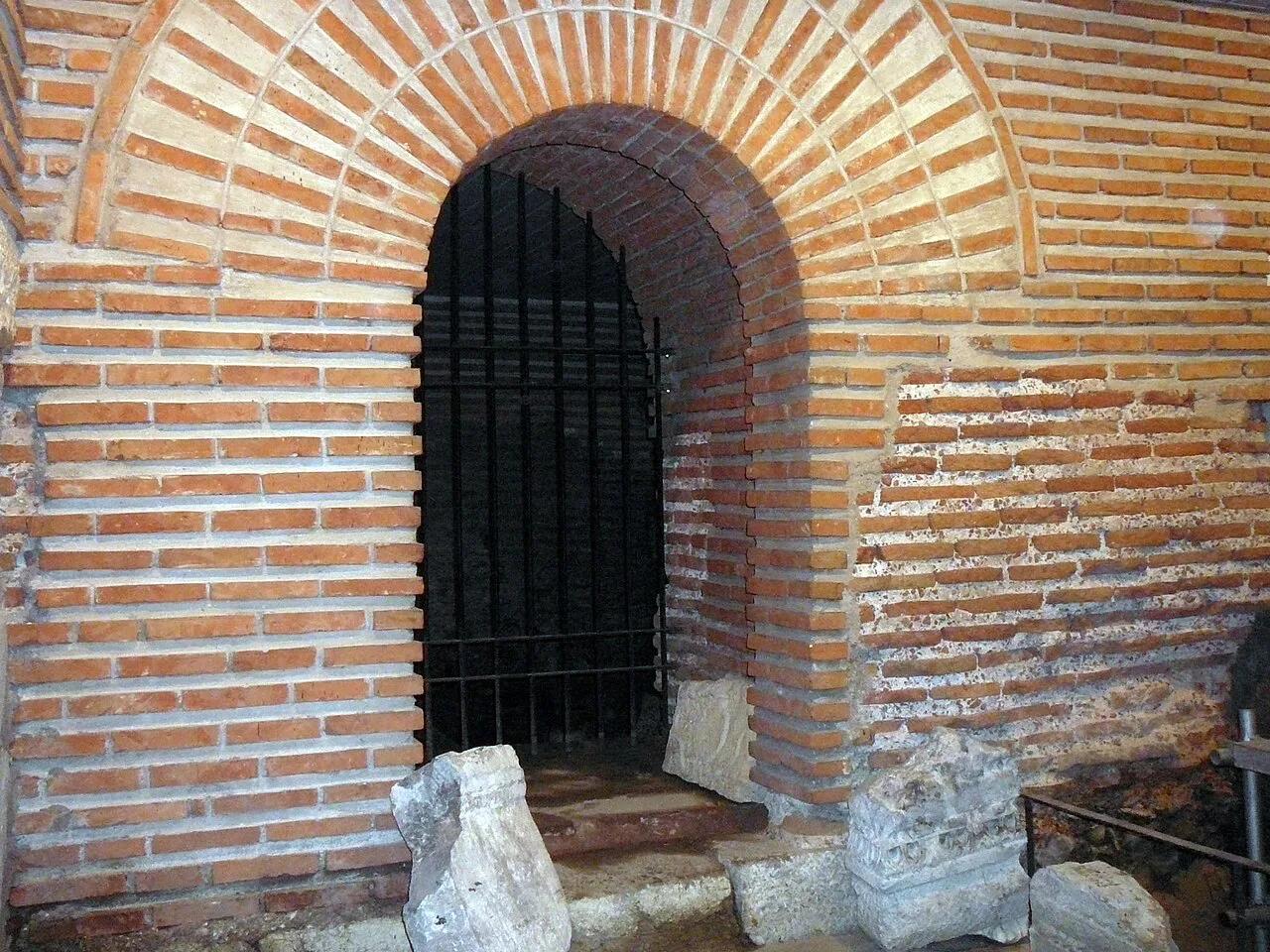
Last updated November 2026. Serdica is the Roman city that lies beneath modern Sofia, and its name comes from the Serdi tribe. Visible remains sit in the city centre, in the Serdica Archaeological Complex at the Serdika metro station, around the Rotunda of St. George. This guide covers what you can see, how long to allow and how the site compares with the rest of Bulgaria's ancient heritage.
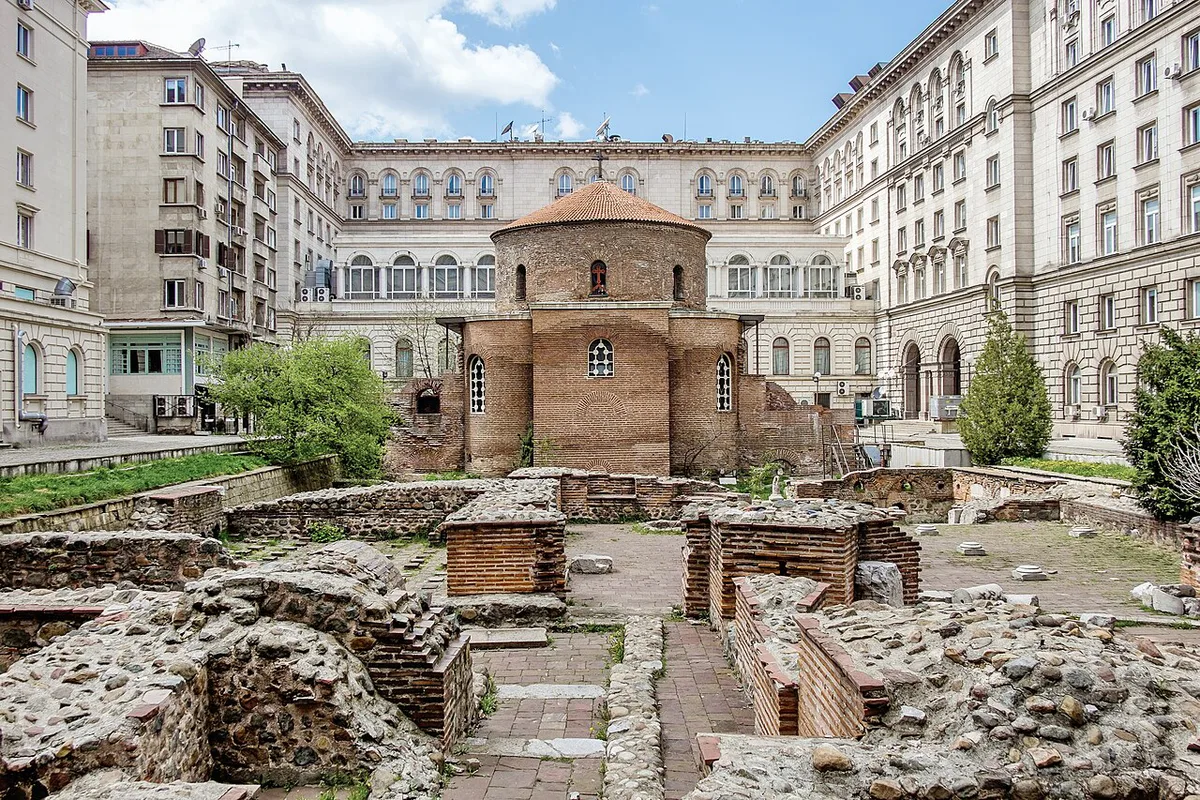
Featured image: Elena Chochkova, CC BY-SA 3.0, via Wikimedia Commons.
What Was Serdica?
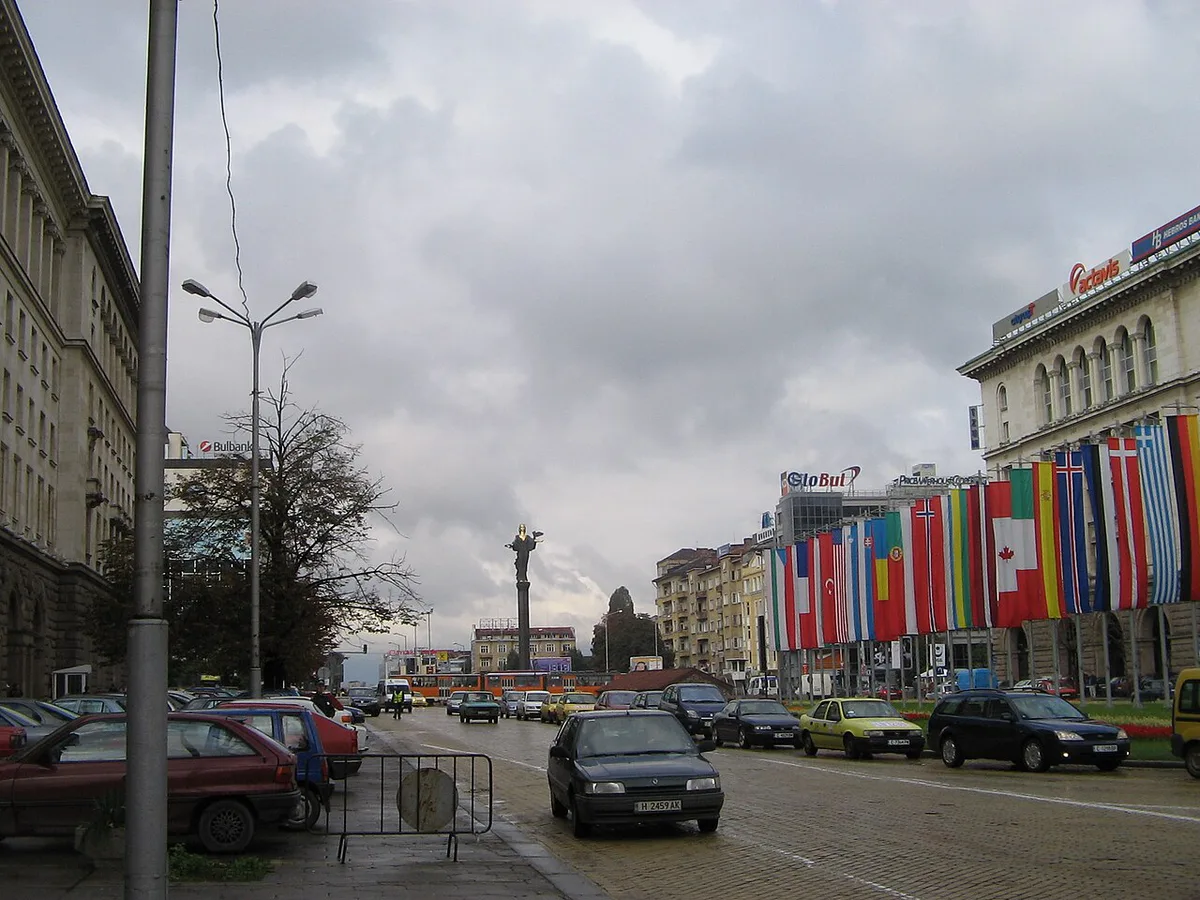
Serdica was the ancient city on the site of today's Sofia. Sofia is the modern capital, and the Roman streets and buildings lie under it. The name goes back to the Serdi, the tribe that gave the settlement its identity before Roman rule. That is why you walk through a working capital to reach the ruins, not through a fenced archaeological park.
Where to See Serdica Today
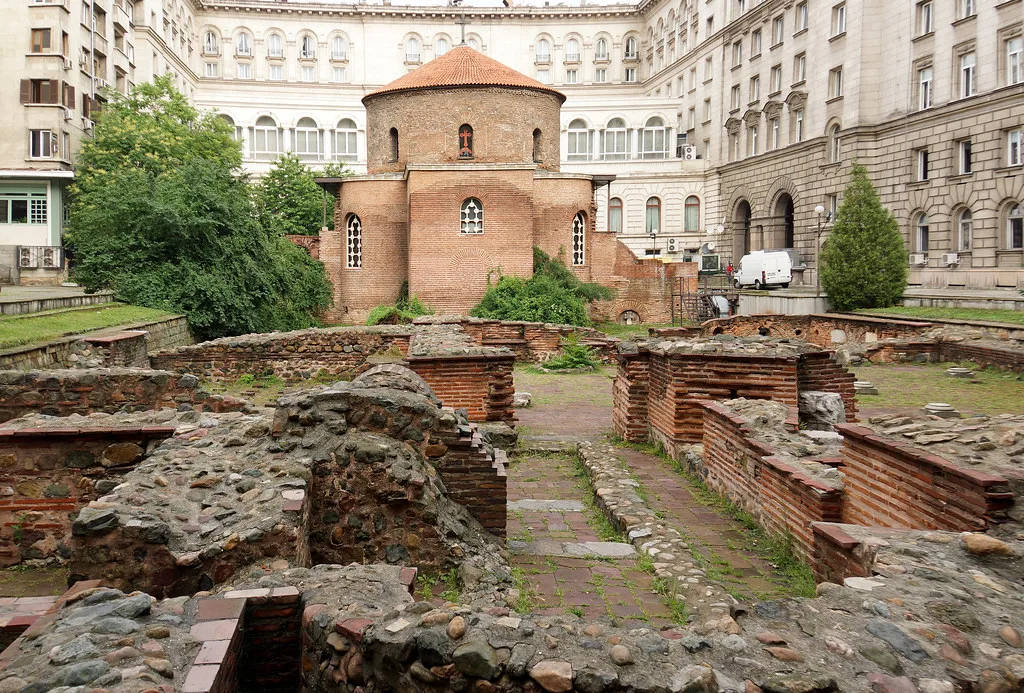
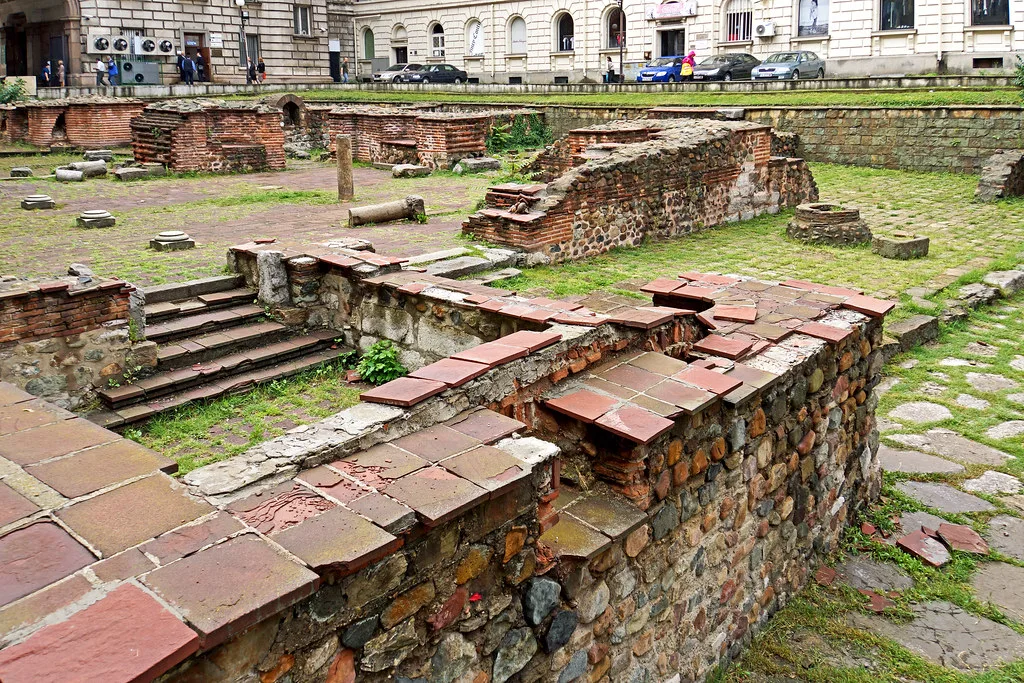
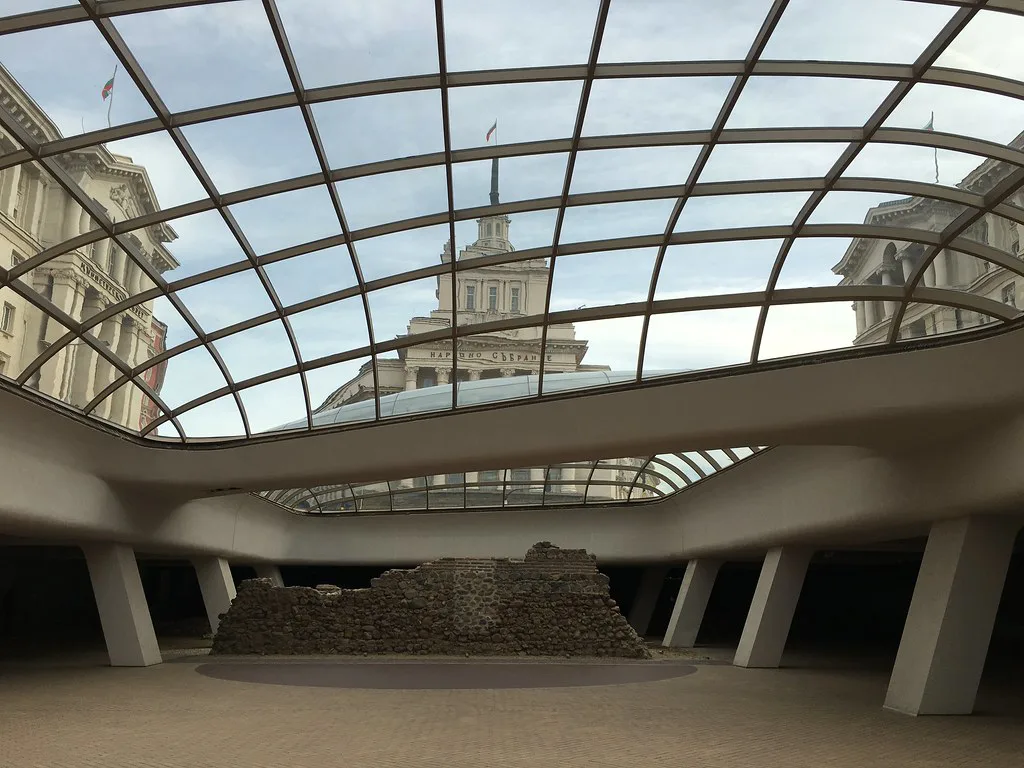
Start at the Serdika metro station in central Sofia. The Serdica Archaeological Complex is built into this area, and the Rotunda of St. George stands around it. Remains are fragments set inside the modern city, so expect pieces of streets and walls, not a large open site.
| Stop | Where | What it gives you |
|---|---|---|
| Serdica Archaeological Complex | Serdika metro station area, central Sofia | Roman-era remains integrated into the modern station |
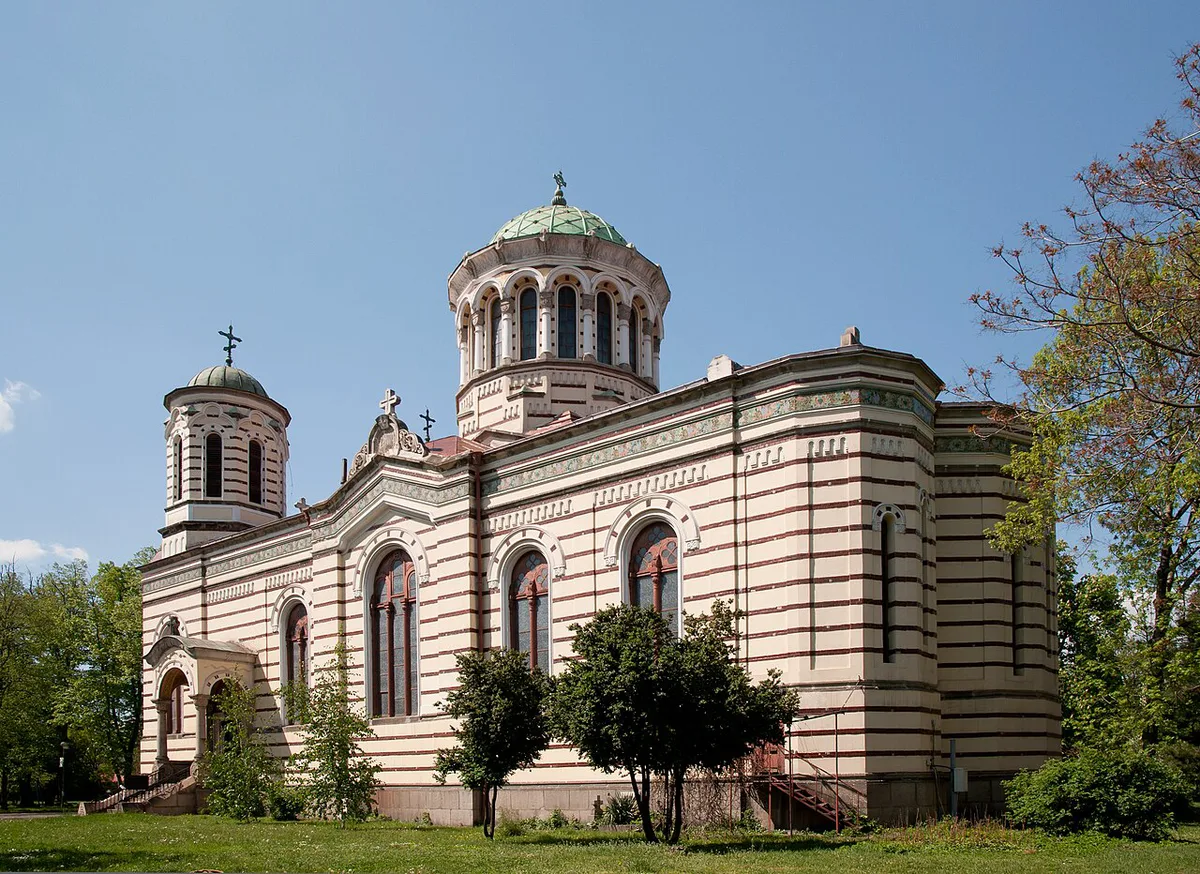
| Rotunda of St. George | Around the station area | A standing building that anchors the walk |
How Much Time to Plan
A quick pass takes 30 to 45 minutes. That suits a first-timer who is also seeing the rest of central Sofia. A history-focused visit can fill a half day if you add the museum context for finds from the region. Families and rainy-day visitors can use the metro-station setting as a short, sheltered stop.
Stopping at Serdika metro station for 30 to 45 minutes works for a first look. Add a museum stop for regional finds and the visit stretches toward a half day.
Costs, Tickets and Opening Hours
Some remains are part of the city's public space, while enclosed ones may keep their own hours. Current fees and opening times are listed on the official Sofia portal. Prices and hours were last checked November 2026 only at that source, so use it on the day you plan to go.
Serdica Among Bulgaria's Ancient Sites
Serdica is a Roman city under a capital, so it feels different from Bulgaria's open-air ruins. For more visible Roman architecture, read about the Roman ruins across Bulgaria. In Plovdiv, the Roman theatre is a clearer example. The Roman stadium sits in the same city. For a coastal contrast, see Nessebar Old Town: What to See, Tickets & How to Visit.
- Pre-Roman Thracian side: start with the Thracian tombs hub, then the Kazanlak tomb.
- Open-air and hilltop sites outside the capital: Perperikon and the Madara Rider: How to Visit Bulgaria's Cliff Relief.
- Finds and museum context: Thracian gold treasures.
Mistakes to Avoid
Do not expect a single archaeological park. Do not assume every remain is free or every remain is ticketed. Do not skip checking hours for any enclosed remains before you travel. Add a museum stop if you want to see actual finds from the region.
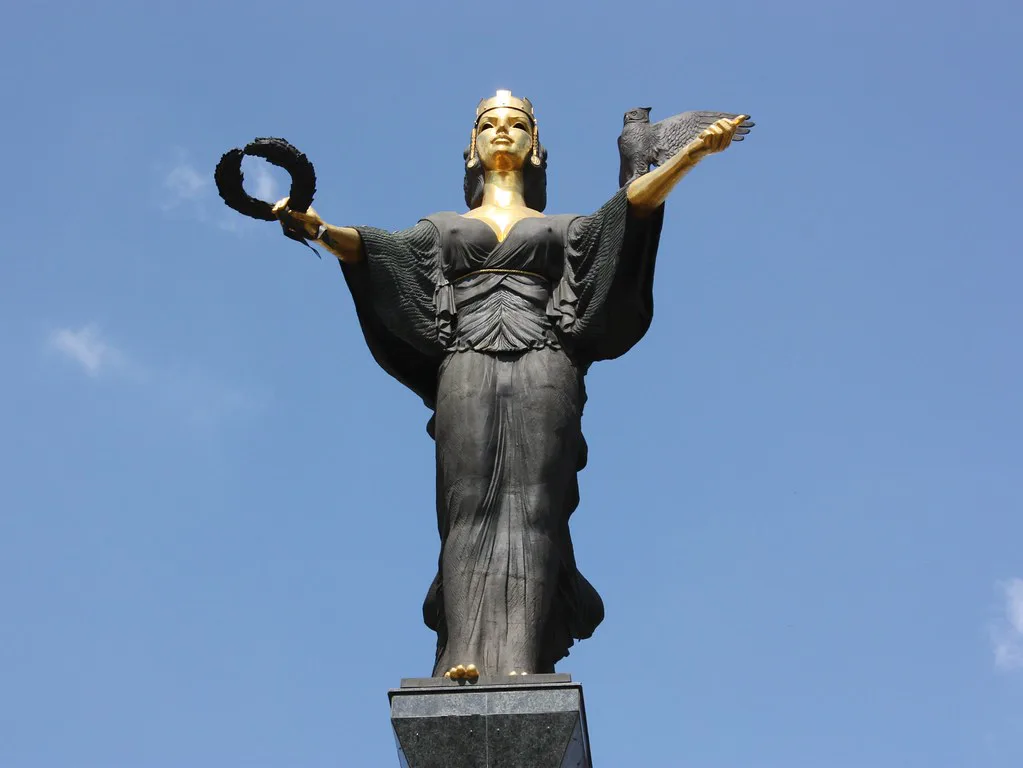
A Simple Serdica Walking Route
Start at Serdika metro station, where the Serdica Archaeological Complex is integrated into central Sofia. Begin by looking for the exposed Roman remains around the station area. This is the best choice when you want to understand how the ancient city sits beneath a working capital.
A focused pass can take 30 minutes if you stay around the metro complex and view the visible fragments of streets and walls. Allow 45 minutes if you also walk to the Rotunda of St. George, which gives the route a standing landmark rather than only archaeological fragments.
Keep expectations modest. The value is in seeing Roman remains woven into the modern centre, not in following a long trail through a fenced archaeological park. Add museum context separately if you want to see finds from the region and turn the stop into a longer history visit.
Frequently Asked Questions
What does Serdica mean?
Serdica is the ancient name of the city that became Sofia. It comes from the Serdi, the tribe linked with the settlement.
Related guides

Continue reading
Guides on the same trip