
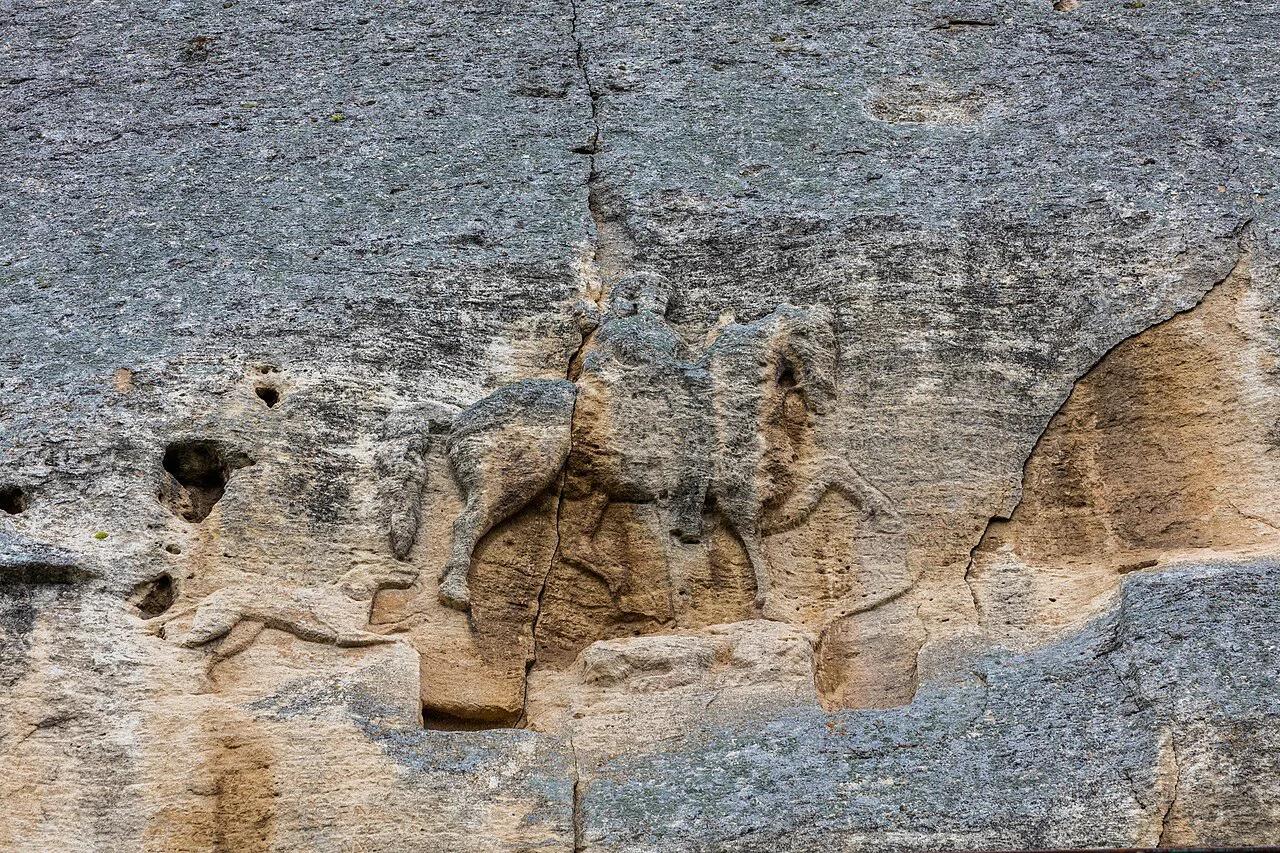
Last updated November 2026: the Madara Rider is a rock relief of a horseman carved high on a cliff near Madara village in Shumen province, Bulgaria. UNESCO lists it as a World Heritage Site, and scholars attribute it to the early 8th century and the First Bulgarian Empire. Use this guide to plan the approach, the climb, and a day that adds Pliska, Veliki Preslav, and Shumen.
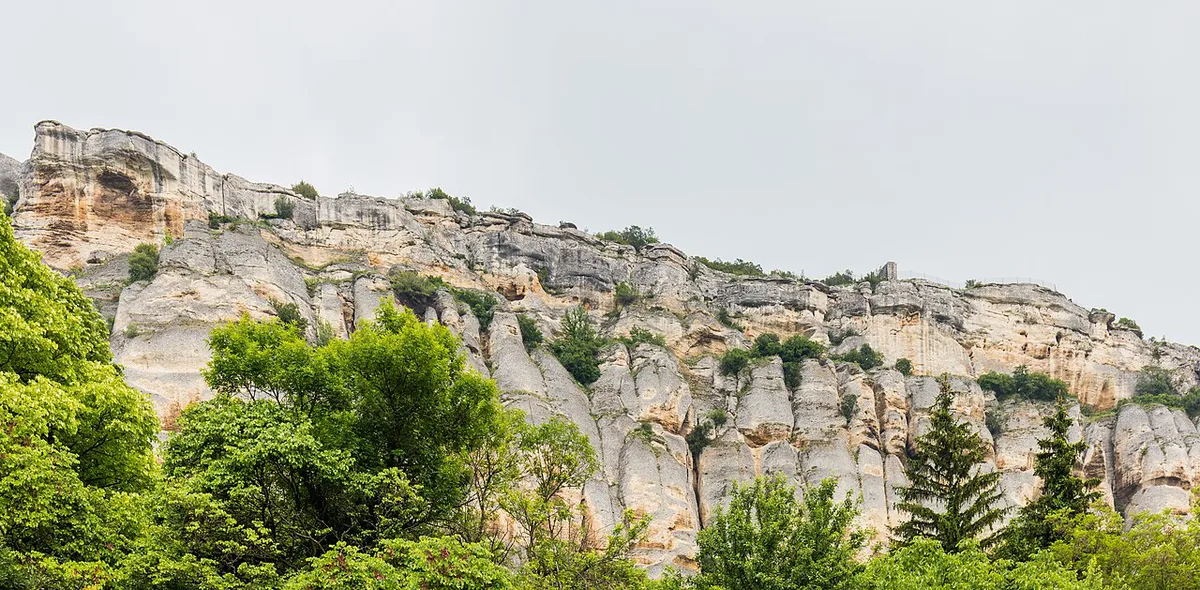
Featured image: Diego Delso, CC BY-SA 4.0, via Wikimedia Commons.
What the Madara Rider is
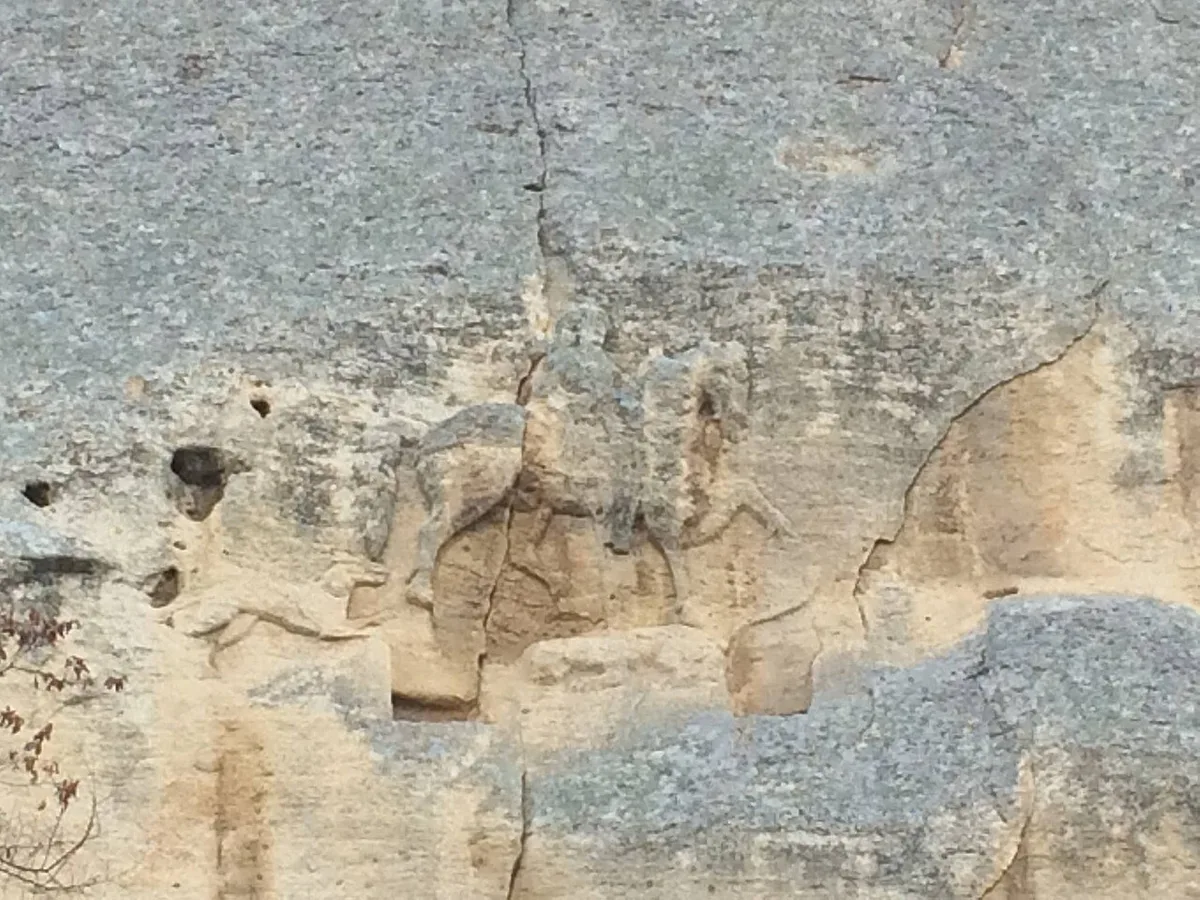
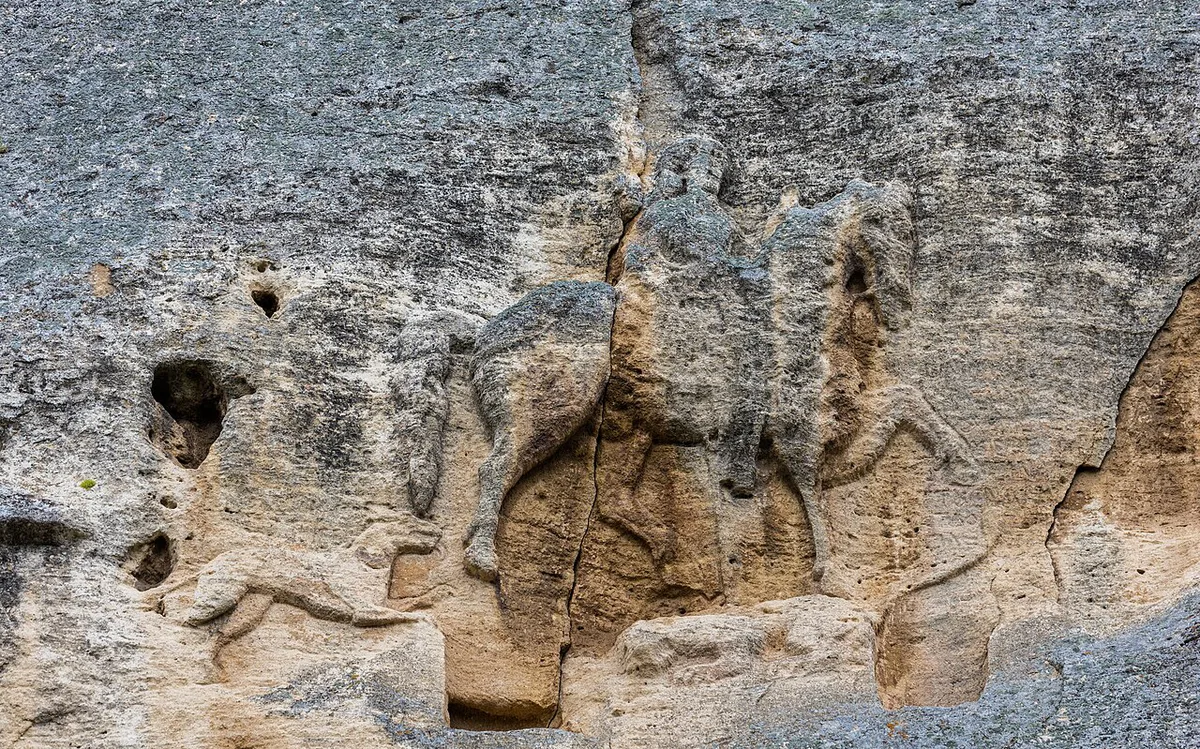
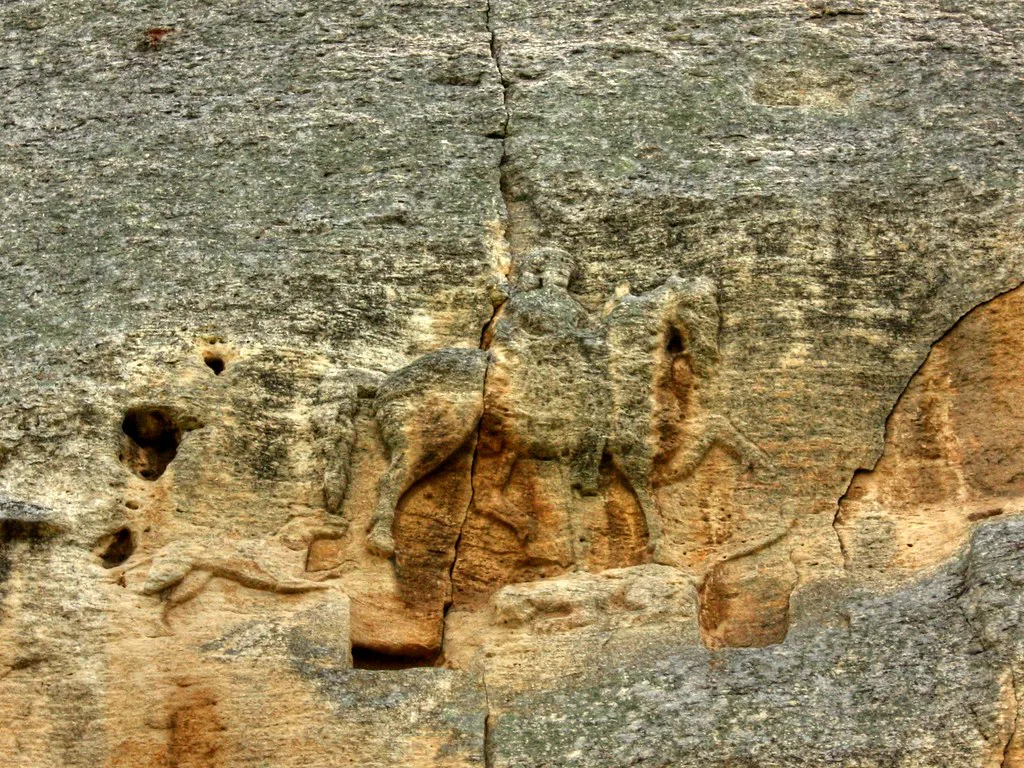
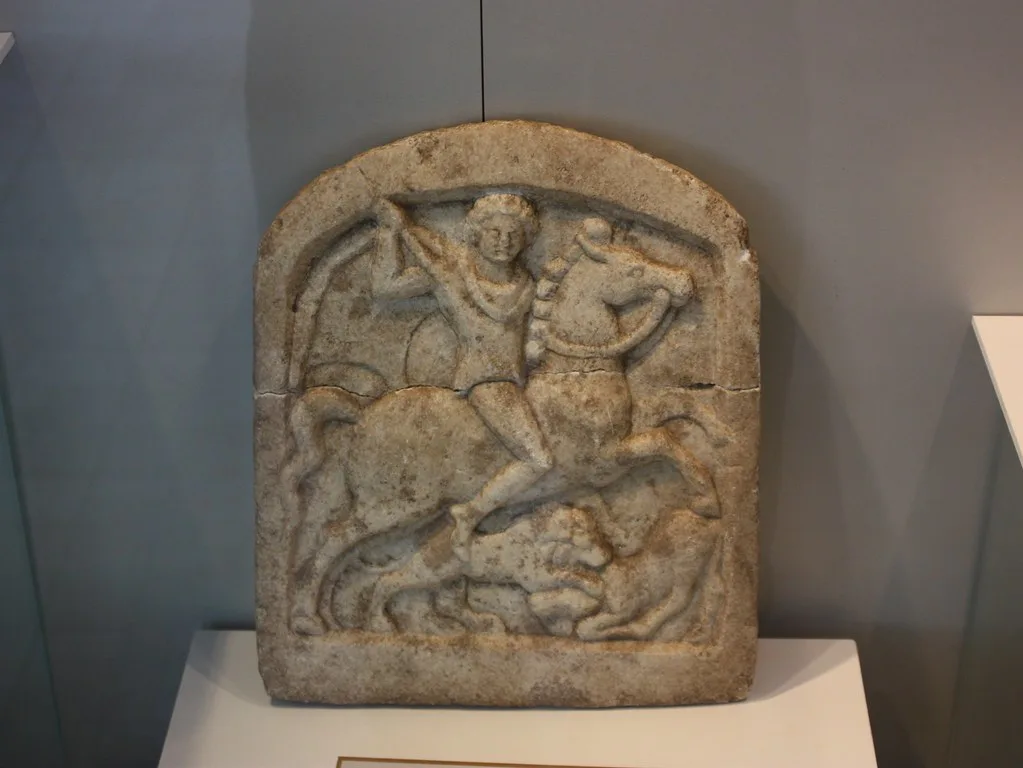
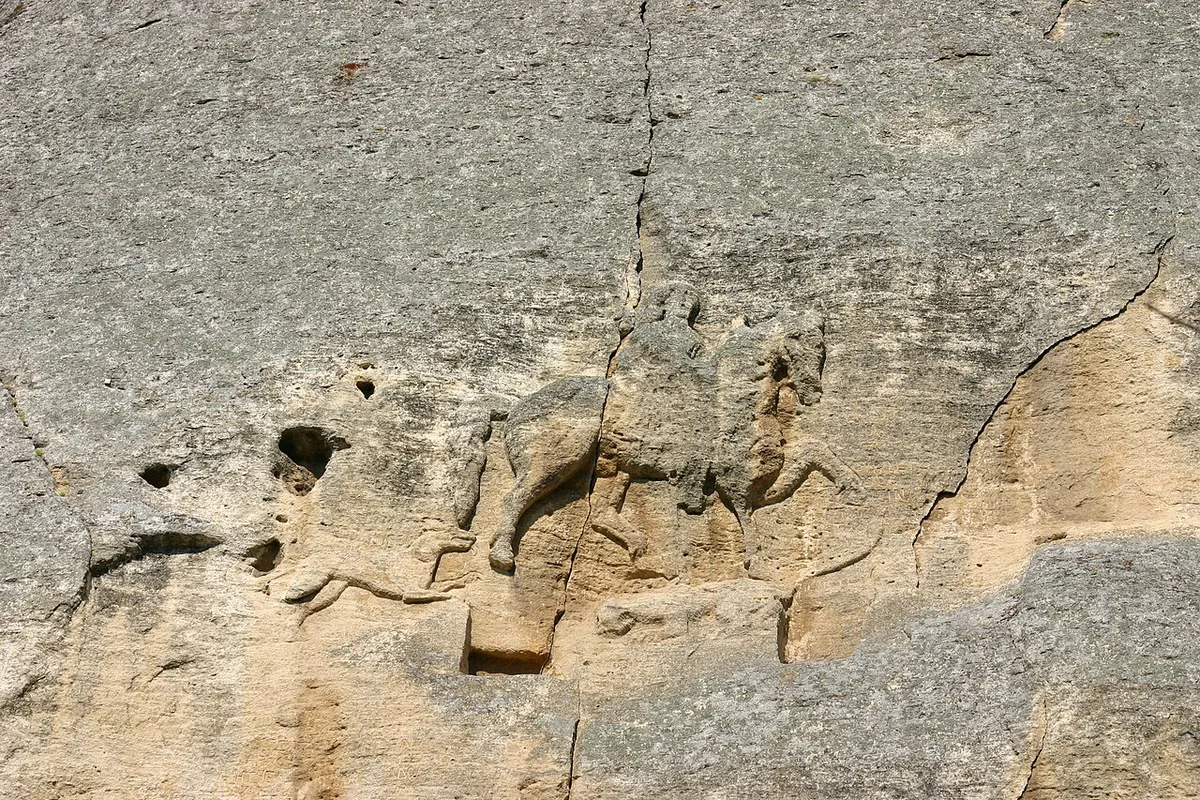
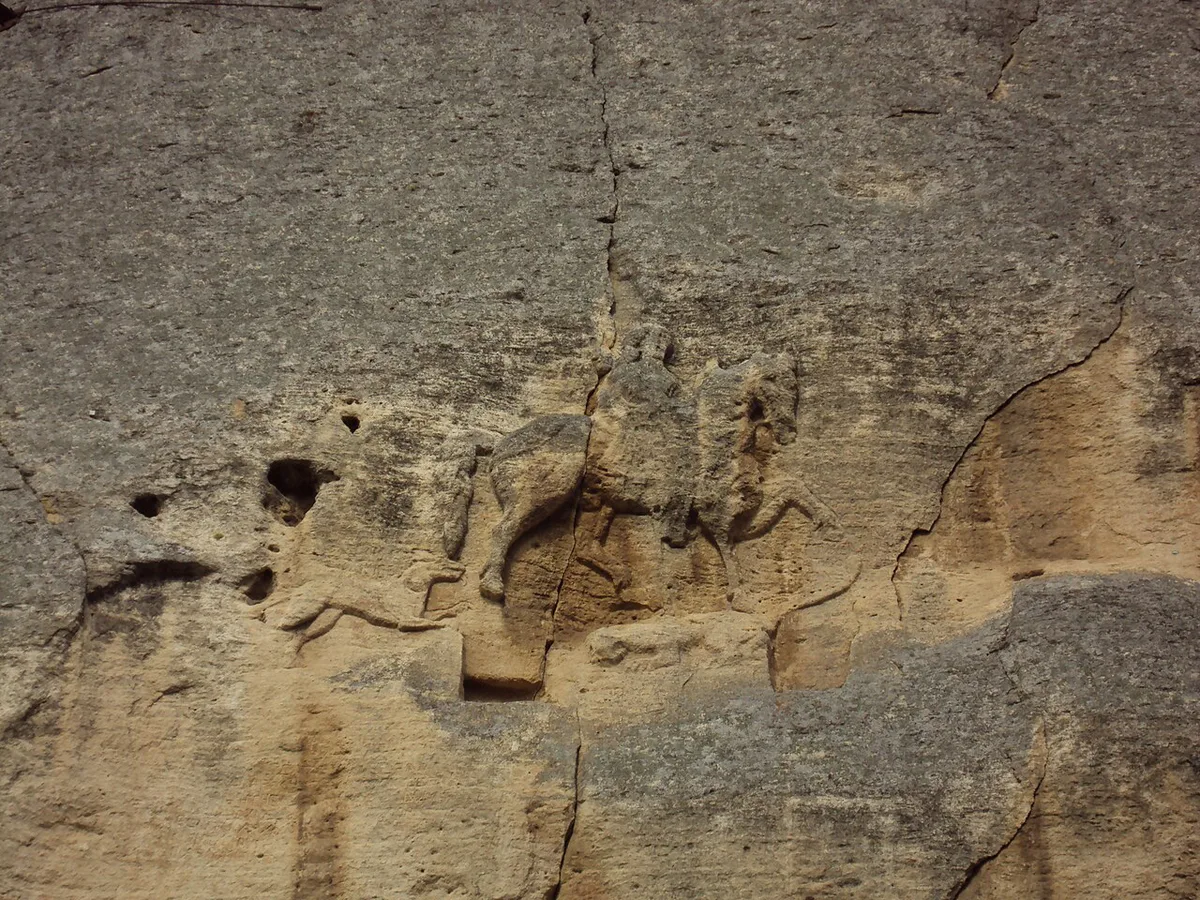
Carved into a sheer cliff, the relief shows a horseman with a hunting dog behind the horse and a lion beneath it. Scholars generally link it to the khans of the First Bulgarian Empire and date it to the early 8th century. Greek inscriptions around the figures record events from the reigns of several rulers, and scholars still debate how to read them.
UNESCO inscribed the site in 1979 under criteria (i) and (iii). Its listed core covers 1.2 hectares, with a buffer zone of 501.7 hectares. Bulgarian sources also call the monument the Madara Horseman.
How to get to the Madara Rider
Madara village sits in Shumen province, and Shumen is the natural base. A rental car gives the most freedom, because the reserve, Pliska, and Veliki Preslav are spread across the countryside. Without a car, plan on a bus or train to Shumen and then a taxi or guided transfer to the reserve. Timetables change, so check the current schedule on the railway and intercity bus operators' sites.
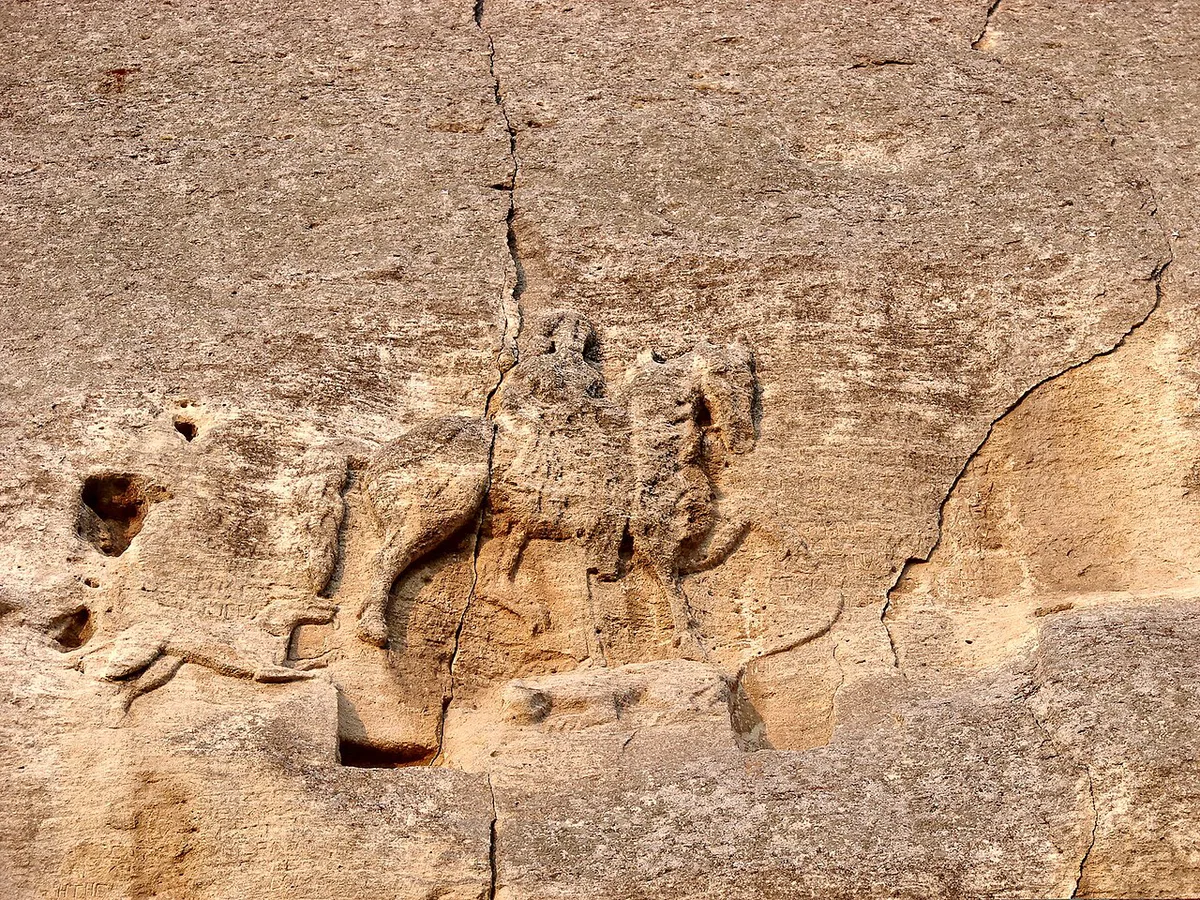
From the parking area, a walk leads to the viewing platform at the foot of the cliff. Stone steps then climb to the plateau above.
| Option | Flexibility | Effort | Cost level |
|---|---|---|---|
| Own car | High: set your own stops | Low | Mid, plus fuel and parking |
| Bus or train plus taxi | Low: tied to timetables | Medium | Low to mid |
| Guided tour | Fixed itinerary | Low | Highest |
Tickets, opening hours, and costs
Ticket prices, seasonal hours, and closed days for the Madara reserve are published by the Shumen History Museum. Check museum-shumen.eu for current leva figures before you go. Bulgaria's national tourism portal is a second place to look for general visitor information.
How long to spend and what to see
Allow a short stop if you only want the relief. Allow longer if you climb to the plateau, where a medieval fortress ruin overlooks the plain. A cave sits within the reserve too, so ask at the entrance about current access and any trail closures.
| Plan | What you see | Time and effort |
|---|---|---|
| Relief only | Viewing platform and the carving | Short; flat walk from parking |
| Plus plateau | Stone steps, fortress ruin, cave | Half a day; steps are the main effort |
| Plus Pliska and Preslav | Two early Bulgarian capitals | Full day; a car makes it realistic |
Best time to visit
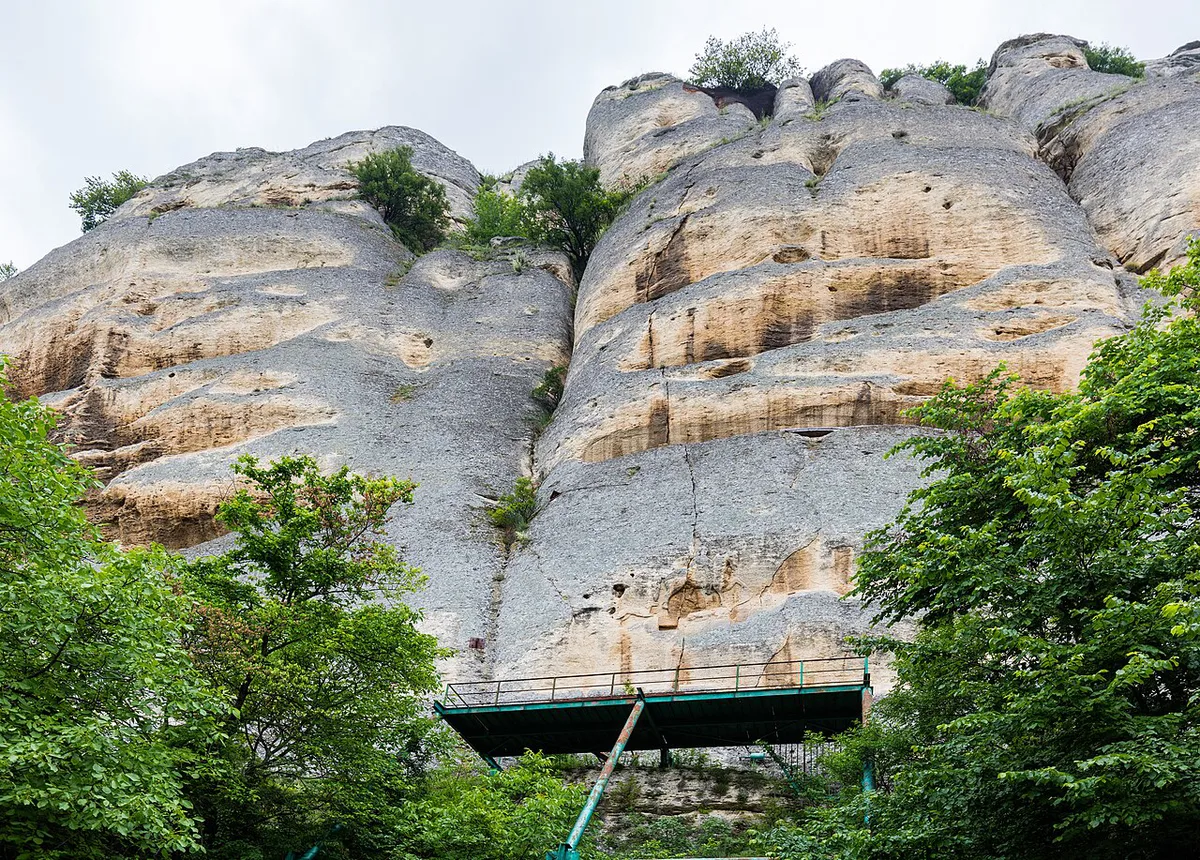
Summer brings heat on the exposed steps and the plateau. Winter brings short days and slippery stone. Spring and autumn suit the climb best. The carving sits high above the platform, so bring binoculars or a zoom lens, because fine details are hard to pick out with the naked eye. Check which hours the cliff face holds good light, since shadow can flatten the relief.
Combine it with Pliska, Veliki Preslav, and Shumen
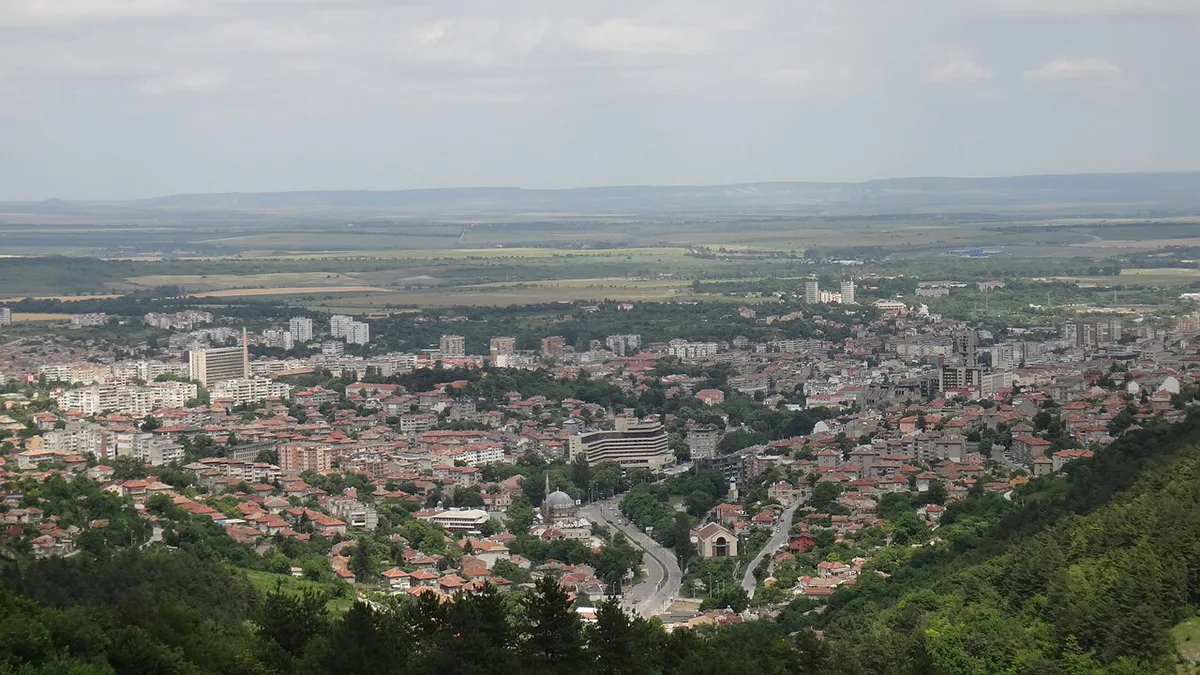
Pliska and Veliki Preslav were the first two capitals of medieval Bulgaria. Visiting them with the relief tells the early Bulgarian story in one day. Shumen is where you can see the Founders of the Bulgarian State monument on the hill above town. Staying one night in Shumen suits a car-free trip, since it avoids a long same-day return. A day trip from Varna also works if you drive, but check the journey time first.
Pair the relief's early 8th century date with Pliska and Veliki Preslav, the first two capitals, to see the state's early centuries in sequence.
Bulgar, not Thracian: where it fits
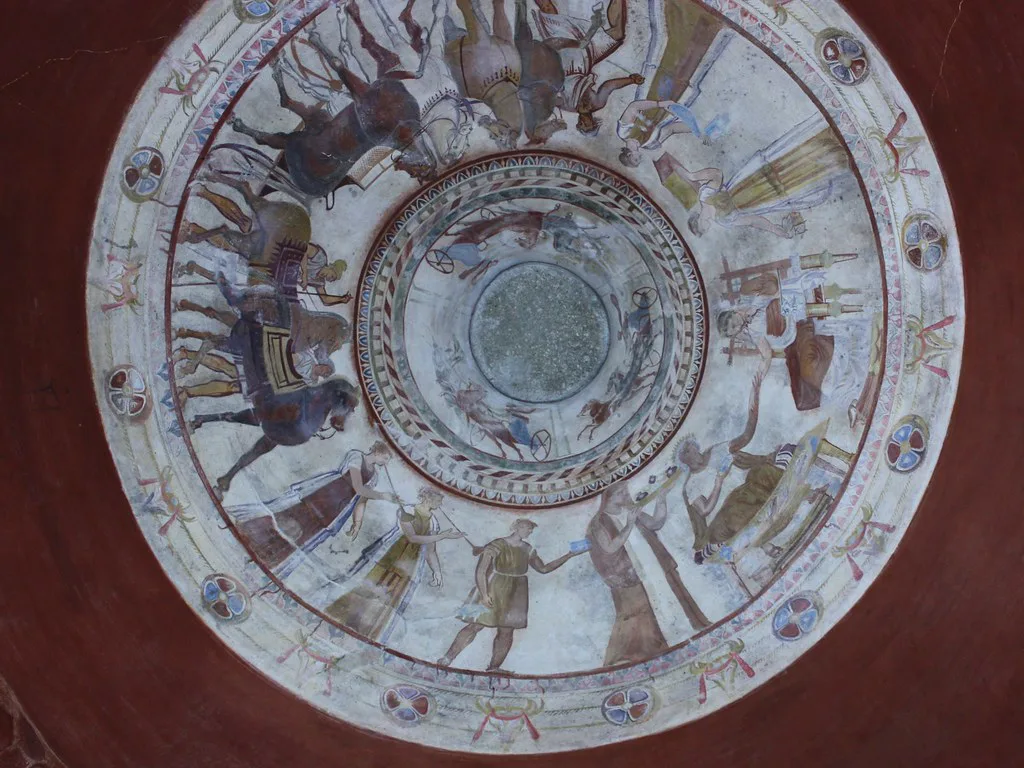
The Madara Rider belongs to the Bulgar era, not to the Thracian world. If you arrived through the heritage cluster, start with our guide to Thracian tombs in Bulgaria for that earlier culture. Thracian metalwork is covered in Thracian gold treasures. For another UNESCO stop on the Black Sea coast, see Nessebar Old Town: What to See, Tickets & How to Visit. Rome's legacy is covered in Roman Ruins in Bulgaria: Best Sites and Planning Tips. Those sites lie in other regions, so plan separate trips for them.
Mistakes to avoid and who should skip the climb
Most problems come from timing and footwear. Skip the plateau if any of these apply:
- Arriving too late for the site's last entry; check the closing time first.
- Wearing smooth-soled shoes on the stone steps, especially when wet or icy.
- Expecting a close-up view; the relief is seen from below.
- Climbing with limited mobility or very small children; the viewing platform alone still shows the carving.
Frequently Asked Questions
Who is the Madara horseman?
The figure is an anonymous rider, and scholars debate whether he represents a ruler or a god. Most link the relief to the khans of the First Bulgarian Empire. The Greek inscriptions around him record events from the reigns of several rulers.
Related guides

Continue reading
Guides on the same trip