
Sveshtari Tomb: Visiting the UNESCO Thracian Tomb (Access, Tips)
Last updated November 2026: the Sveshtari tomb is a UNESCO-listed Getic royal tomb from the 3rd century BC, in Razgrad Province in northeast Bulgaria. Ten carved female figures and painted murals set it apart from other Thracian tombs. It suits drivers and archaeology fans more than day-trippers on a tight schedule.
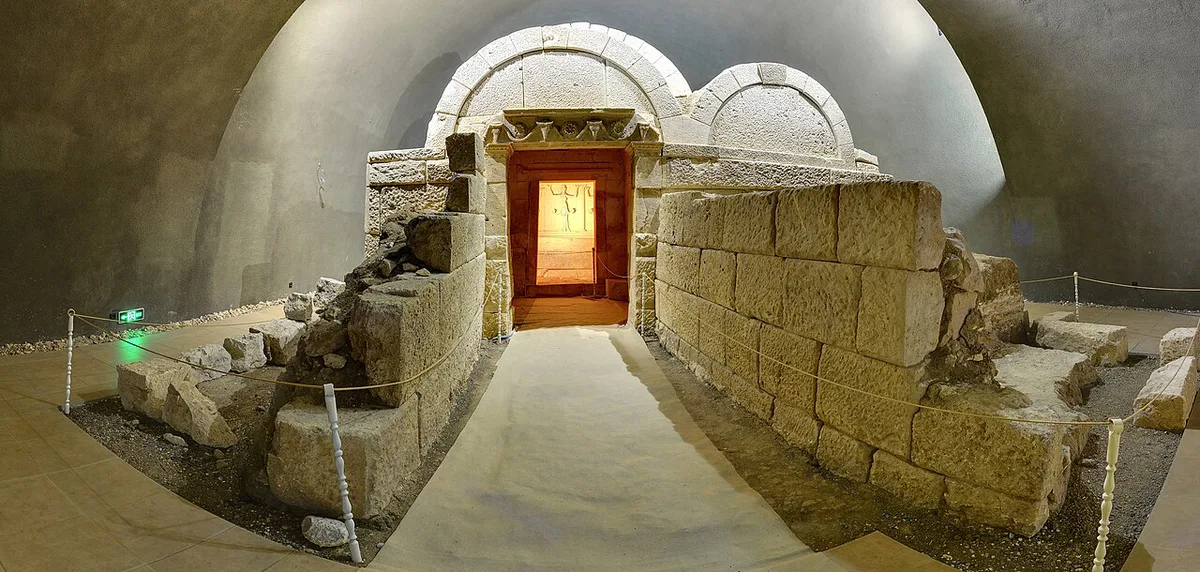
Featured image: Interact-Bulgaria, CC BY-SA 4.0, via Wikimedia Commons.
What the Sveshtari Tomb Is
The Thracian Tomb of Sveshtari (Свещарска гробница, Sveshtarska grobnitsa) lies 2.5 km (1.6 miles) southwest of Sveshtari village. The village is about 42 km (26 miles) northeast of Razgrad. UNESCO inscribed the tomb in 1985 as reference 359, under criteria (i) and (iii). Maps and older guides also spell it Svestari or Sveshchari. For the wider picture, start with our guide to Thracian tombs across Bulgaria.
What You See: Caryatids, Murals and the Mound
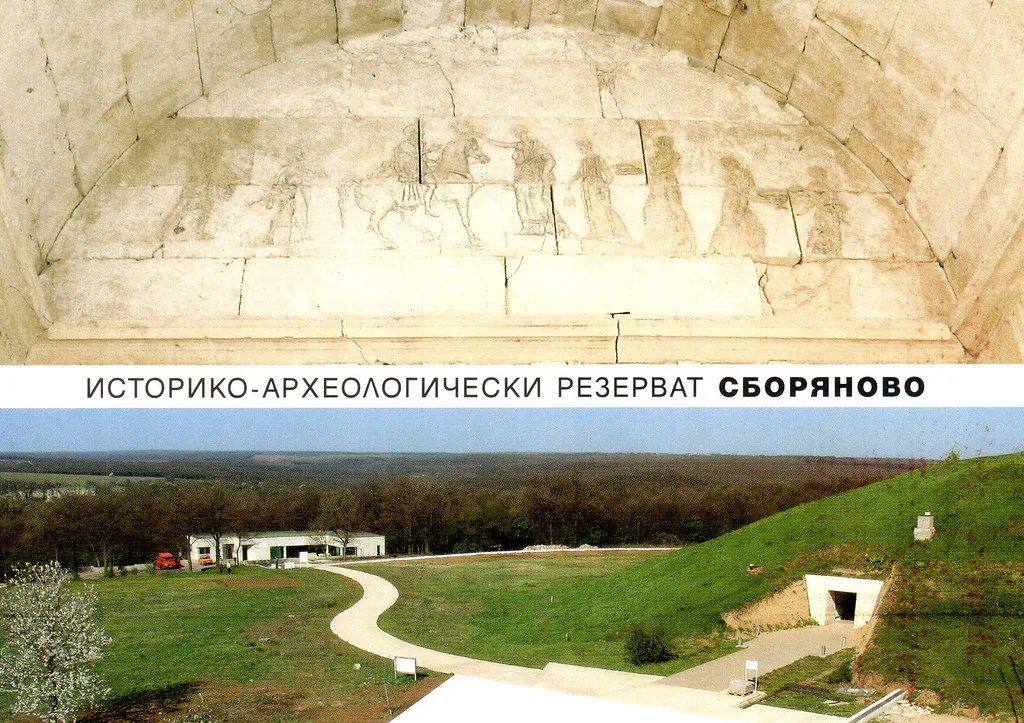
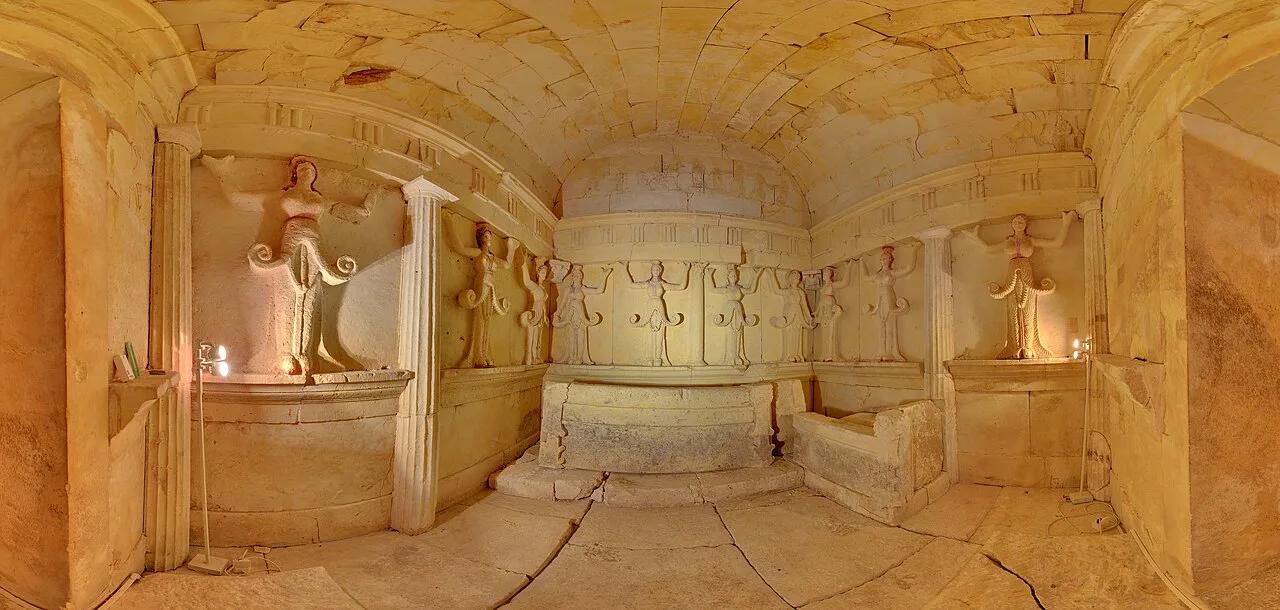
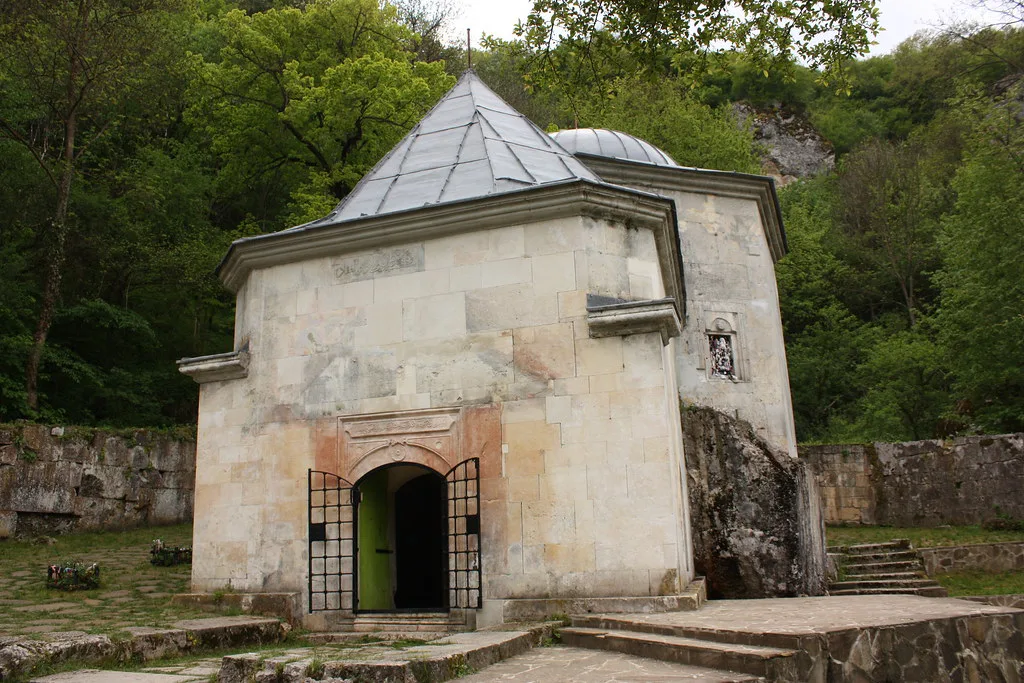
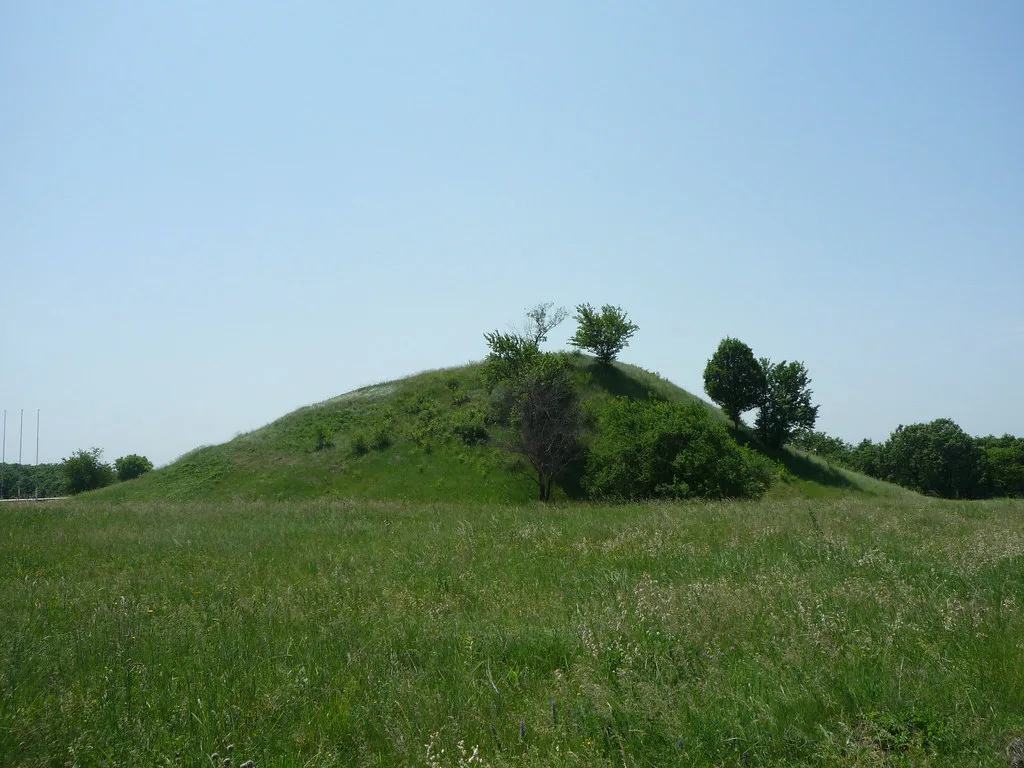
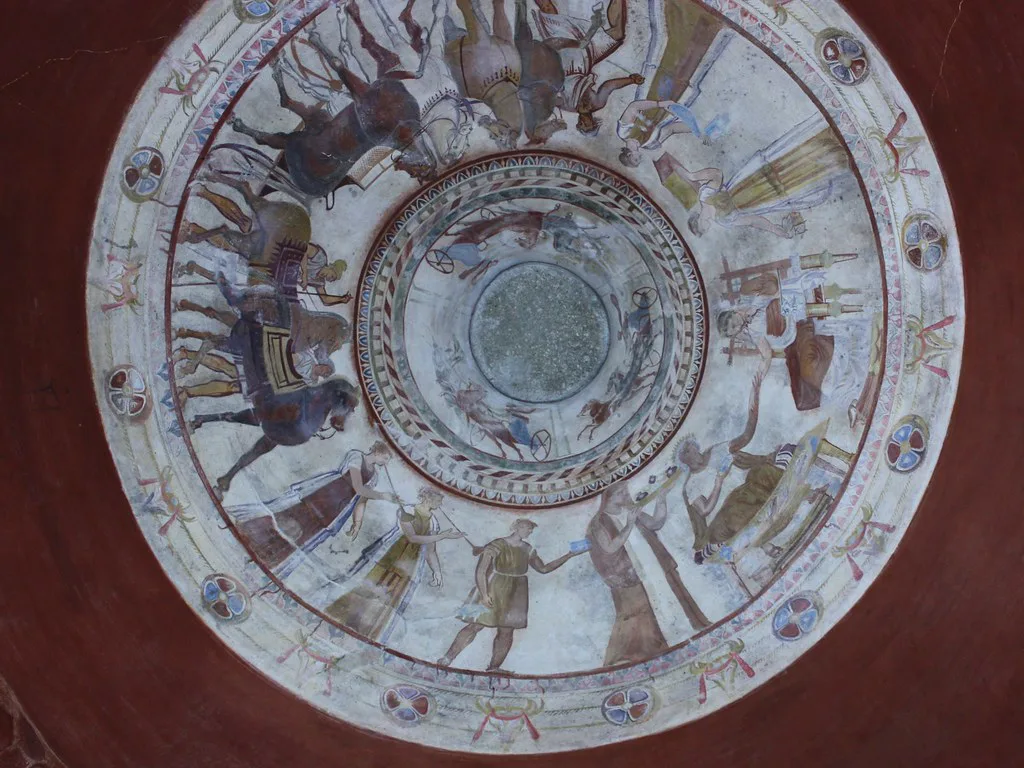
Archaeologists excavated the tomb in 1982, inside Mound No. 7 of the East Mound Necropolis of Sboryanovo, also called Ginina Mogila. Construction dates to the first quarter of the 3rd century BC. Ten female figures carved in high relief line the central chamber. They are polychrome caryatids, half human and half plant. A decorated lunette in the vault and painted murals complete the scheme. Descriptions of the site call these caryatids the only examples of their type found so far in the Thracian lands. The tomb is probably the grave of the Getic king Dromichaetes and his wife, a daughter of Lysimachus. Treat that attribution as probable, not proven.
Mound No. 7 sits in the Sboryanovo necropolis, and dozens of other Getic mound tombs surround it in the reserve.
Getting There and Getting Around
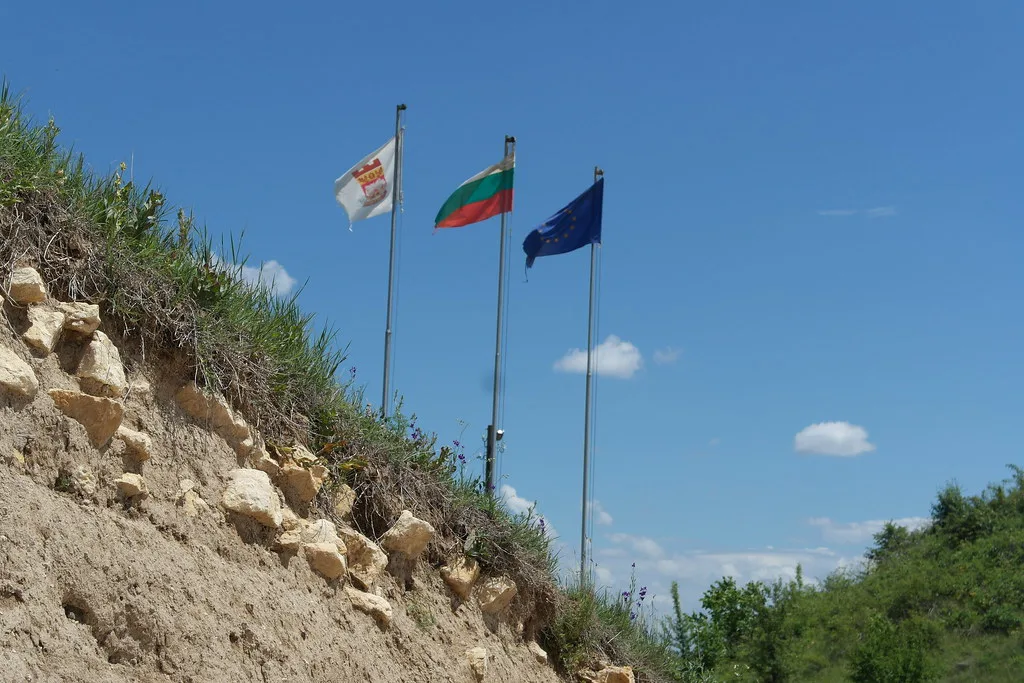
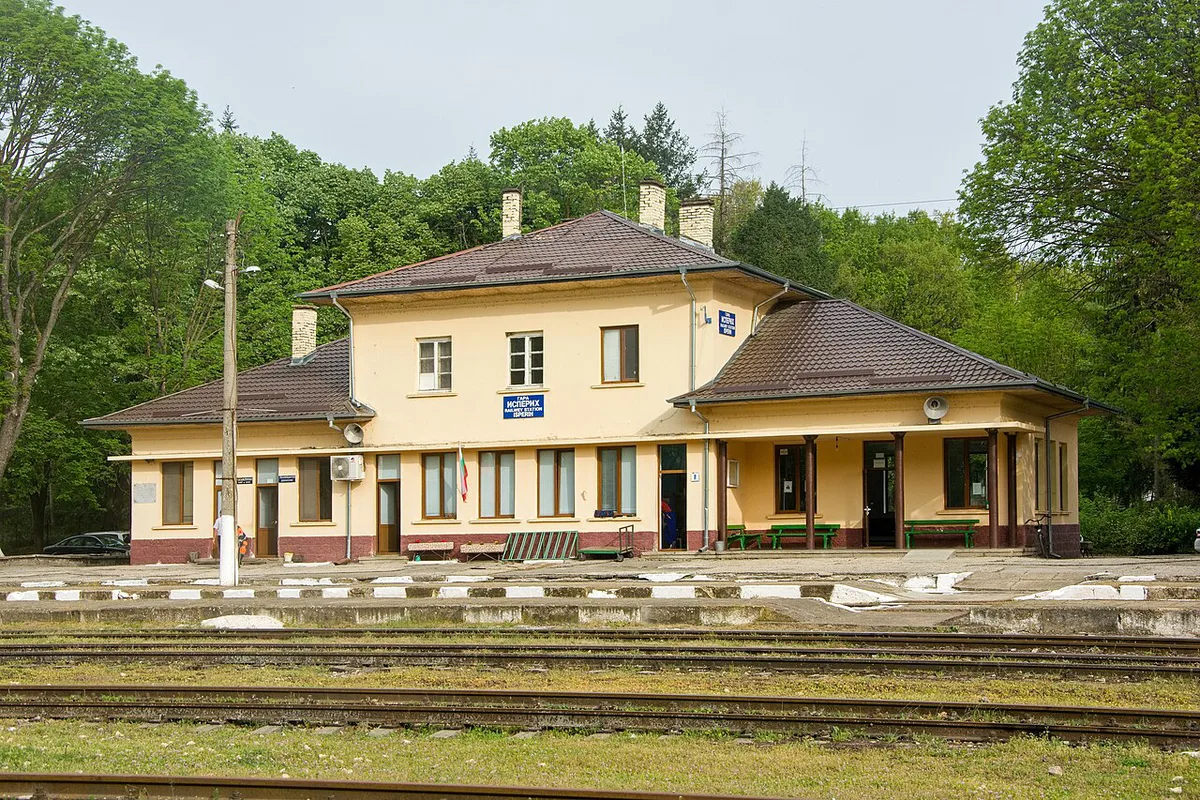
A car is the practical choice, because the tomb stands 2.5 km from the nearest village. Razgrad, 42 km from Sveshtari, is the nearest larger town named in the site's records. Isperih and Silistra are other possible bases. Ask your driver or host for current drive times, since none are published for this guide. Taxis from Razgrad or Isperih and a private tour are the alternatives to driving. Bus schedules to Sveshtari village are not documented here, so confirm locally before you rely on public transport.
Hours, Tickets and Interior Access
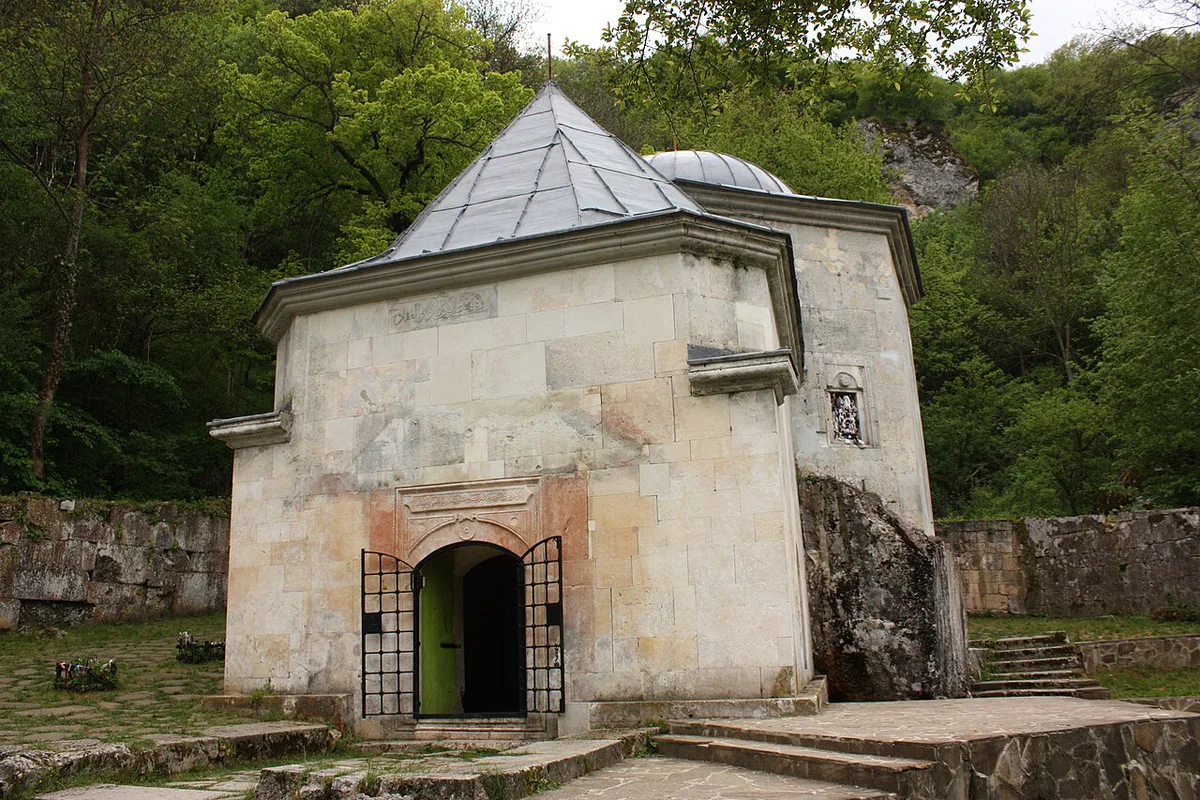
No 2026 opening hours, ticket price or interior-access rule is confirmed for this site. Check the Ministry of Tourism and Bulgaria's official travel portal for current details.
- Mistake to avoid: driving out without checking that the tomb is open and that the chamber can be entered.
- Ask whether entry is in small groups, since fragile paintings often limit access.
- Carry cash in leva in case card payment is unavailable at the site.
How Long to Plan and What to Combine
Allow a half day for the tomb and its surroundings, and a full day if you add other stops. That is an estimate, not a published figure. Remains of a fortified Getic settlement lie nearby, dated to c. 335–250 BC and possibly the city of Helis. Its outer stone wall runs up to 4 m thick around about 10 hectares. An inner wall encloses about 5 hectares. Dozens of Getic mound tombs surround the site, which forms the Sboryanovo Historical and Archaeological Reserve. In 2012 archaeologists found a golden ring, 44 female figure depictions and 100 golden buttons in 150 tombs of the 4th century BC. Read more in our piece on Thracian gold finds. Treasure is generally held in museums, so do not expect to see gold at the tomb itself. Longer itineraries can add Perperikon or the Tatul Thracian Sanctuary, Bulgaria: Visitor Guide. Both sit in other regions and need separate days.
Near the tomb, the fortified settlement dates to c. 335–250 BC, overlapping the tomb's construction in the first quarter of the 3rd century BC.
Sveshtari Vs Other Thracian Tombs
Sveshtari is worth the detour if you are driving the northeast and want Thracian art beyond the usual stops. Skip it if you rely on public transport or have only one day in Varna or Sofia. Compare it with the two tombs below before you decide.
| Tomb | Region | What stands out | Effort to reach |
|---|---|---|---|
| Sveshtari | Ludogorie, Razgrad Province | Ten caryatids, murals, lunette | Car or taxi; last 2.5 km from village |
| Kazanlak tomb | See our Kazanlak guide | See the guide | Ask locally |
| Aleksandrovo Tomb: Thracian Murals Near Haskovo (Visitor Guide) | See our Aleksandrovo guide | See the guide | Ask locally |
Where to Stay
Razgrad is the closest town named in the records, 42 km from Sveshtari village. Isperih and Silistra also work as bases for the northeast. Compare current listings and drive times before booking.
Related guides

Continue reading
Guides on the same trip