
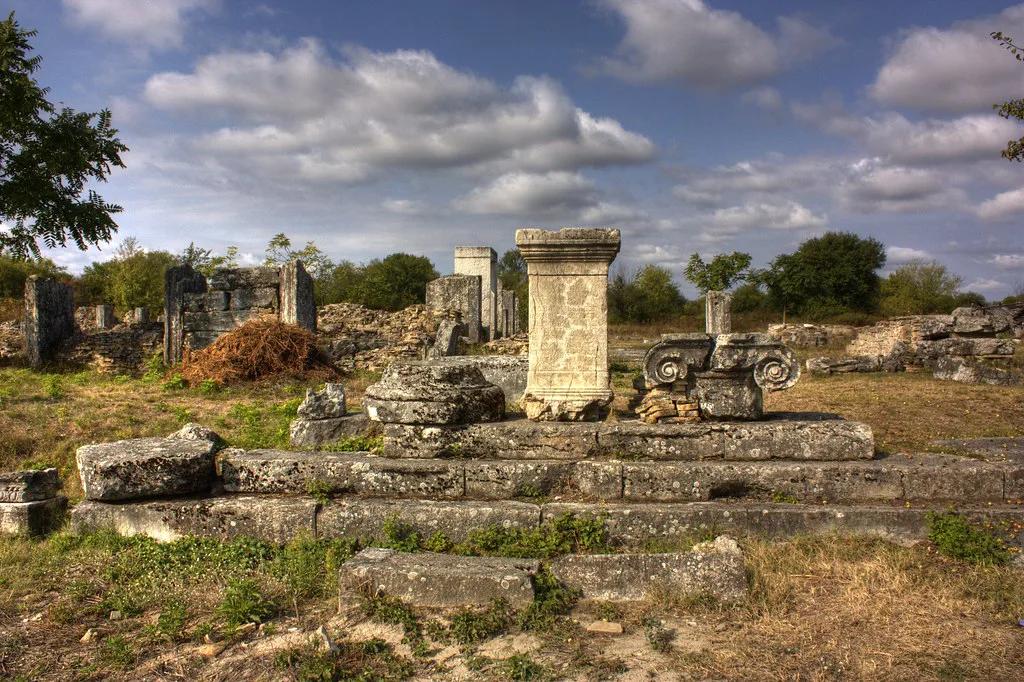
Last updated November 2026. The best Roman ruins in Bulgaria are Serdica in Sofia and the theatre and stadium of Roman Philippopolis in Plovdiv. If you want to go beyond the two cities, Nicopolis ad Istrum near Veliko Tarnovo, Ulpia Oescus near Pleven and Abritus are the next names to look up. Many famous "ancient" sites here are Thracian rather than Roman, so this guide separates the two.
Featured image: Klearchos Kapoutsis, CC BY 2.0, via Flickr.
Roman Ruins in Bulgaria at a Glance
Start with the city sites, which need no car and fit into a stopover. Choose the others only if you enjoy foundations, mosaics and open ground.
| Site | Area | Roman or Thracian | Access | Best for |
|---|---|---|---|---|
| Serdica | Sofia | Roman | City walk | Short Sofia stopover |
| Roman theatre and stadium | Plovdiv | Roman (Philippopolis) | City walk | Easiest big payoff |
| Nessebar | Black Sea coast | Layered; check each period | Town visit | Combining with a beach stay |
| Devnya Museum of Roman Mosaics | Devnya | Roman | Check transport locally | Mosaic fans |
| Villa Armira | Near Ivaylovgrad | Roman villa | Likely needs a car | Remote villa seekers |
| Nicopolis ad Istrum, Ulpia Oescus, Abritus | North Bulgaria | Roman cities | Likely needs a car | Sparse-ruin enthusiasts |
Roman Ruins in Sofia and Plovdiv
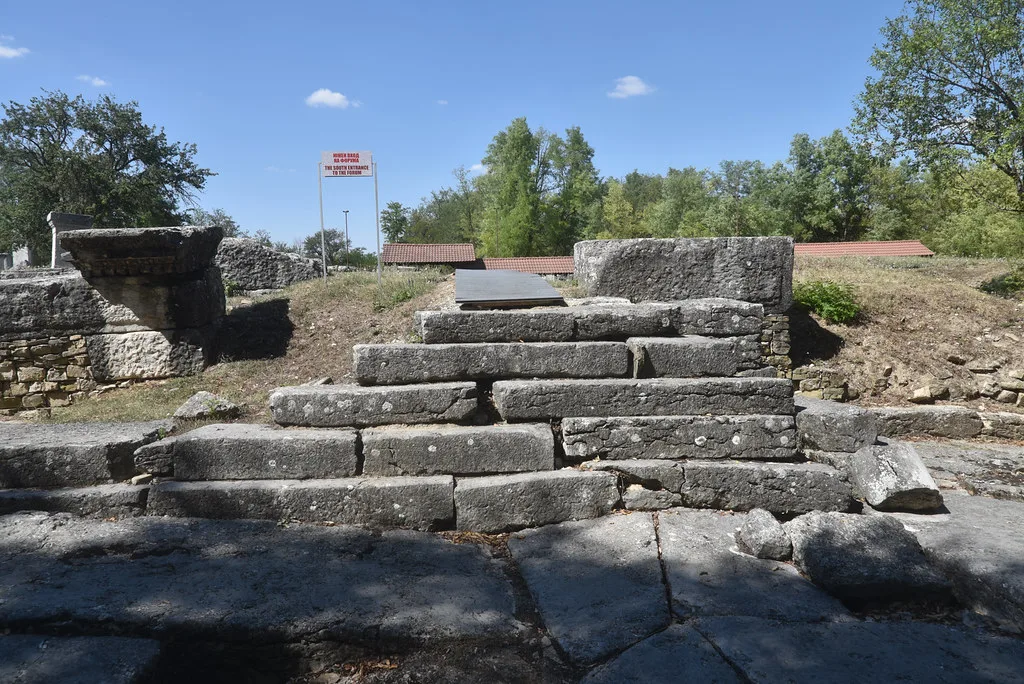
Serdica in Sofia is the Roman city beneath the modern capital, so it works for a few spare hours. Sofia's municipal tourism portal is the place to check current visitor details. Plovdiv sits on ancient Philippopolis. Its Roman theatre and Roman stadium are the clearest answer to what Roman Bulgaria looked like. Plan both on foot, and see Visit Plovdiv for the city's own listings. Skip these only if you dislike ruins set among modern streets.
Roman Sites on the Black Sea Coast
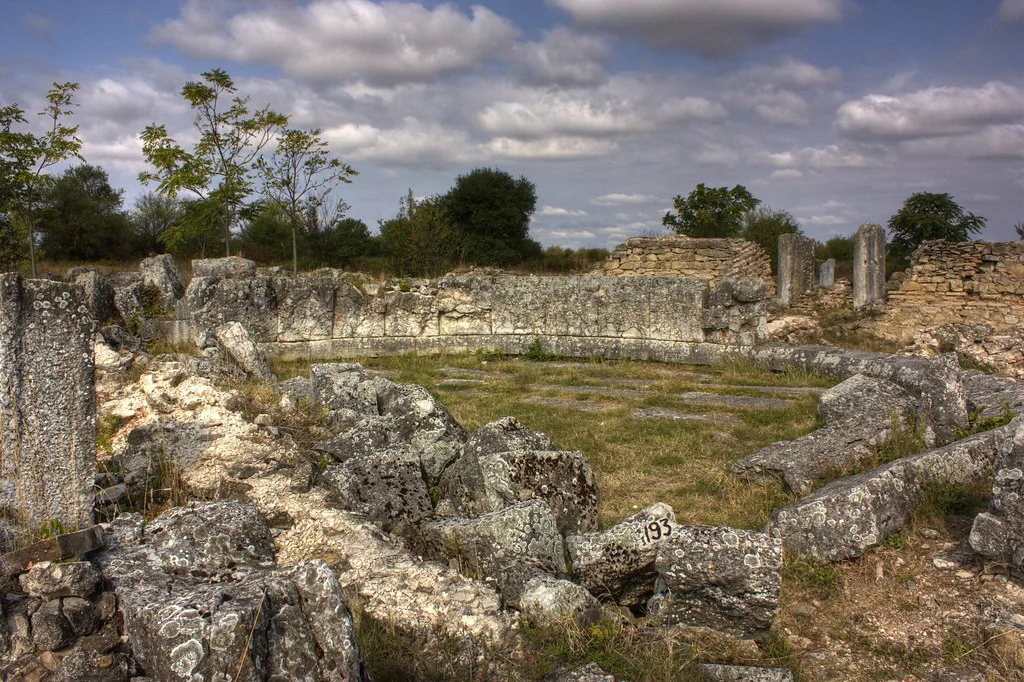
Nessebar Old Town: What to See, Tickets & How to Visit layers several periods, so check each structure's era before you label it Roman. The Devnya Museum of Roman Mosaics is the coast's dedicated Roman stop. It suits travelers who care more about floor mosaics than about standing walls.
Roman Sites Beyond the Main Route
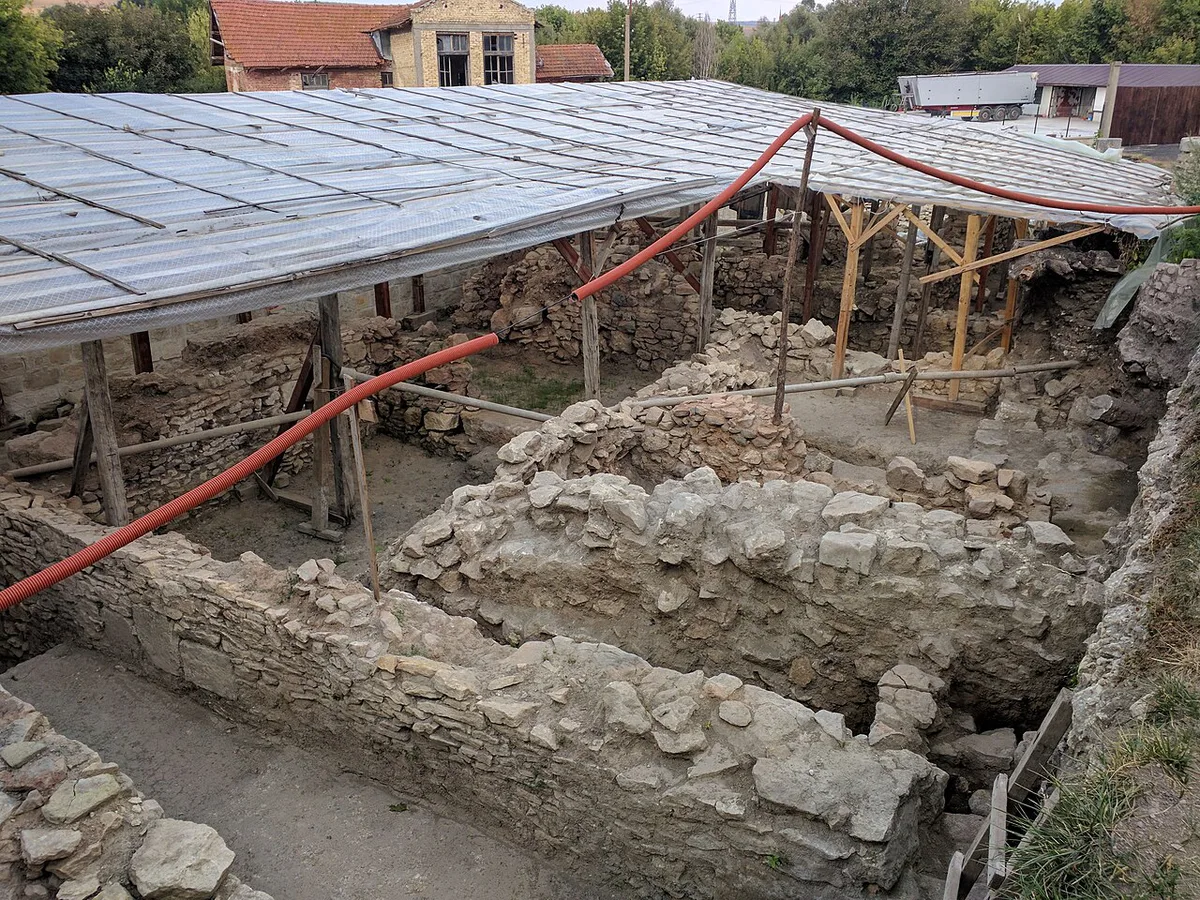
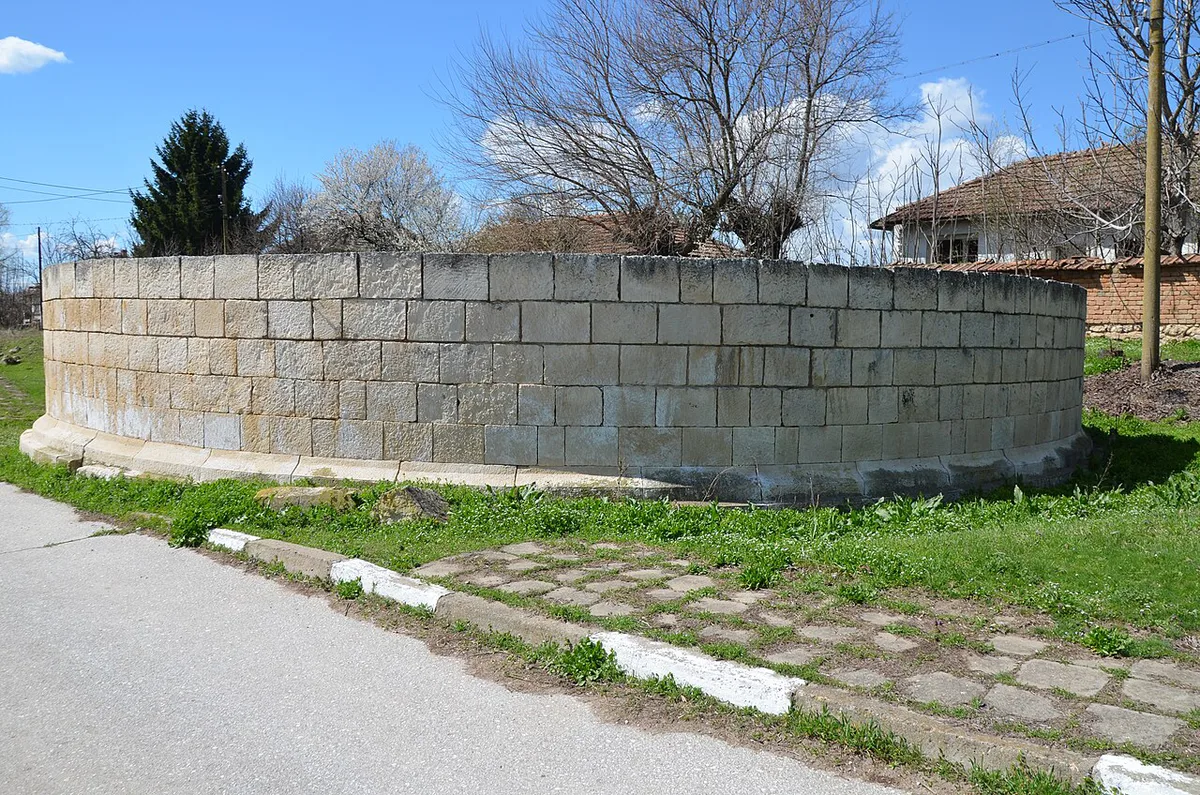
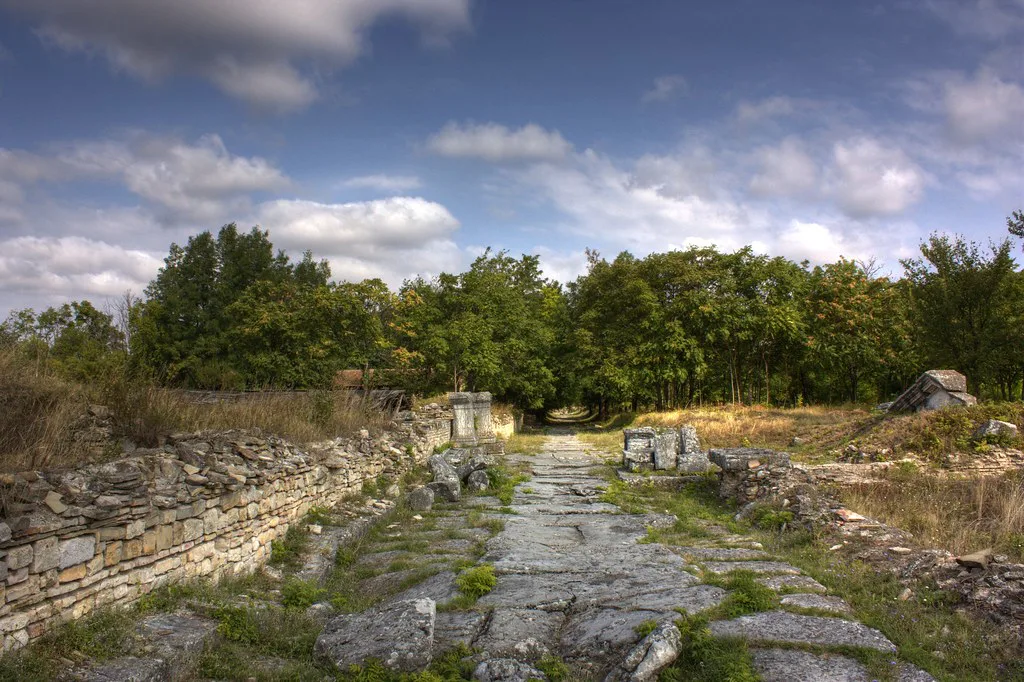
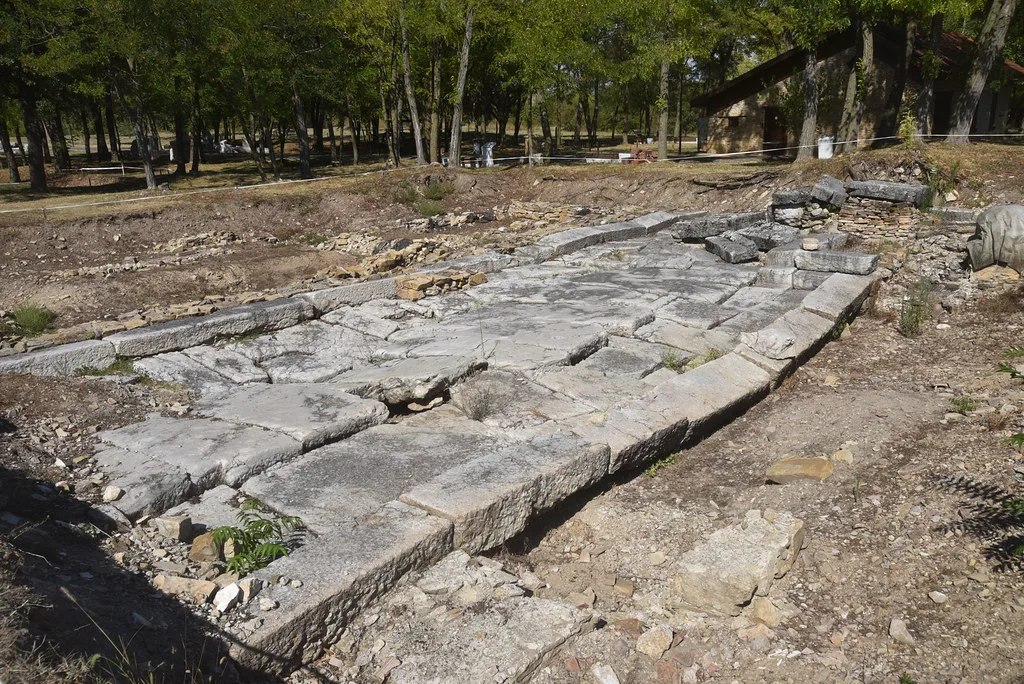
Villa Armira near Ivaylovgrad is a Roman villa far from the standard circuit. Nicopolis ad Istrum, Ulpia Oescus and Abritus are Roman cities with sparse remains. Treat all of them as car-based trips, and do not expect to reach two of them in one day without checking distances first.
Roman or Thracian? Sites Often Mixed Up
The Thracians predate Rome in Bulgaria, and several headline sites belong to them. Use the Thracian tombs overview as your starting point for that side.
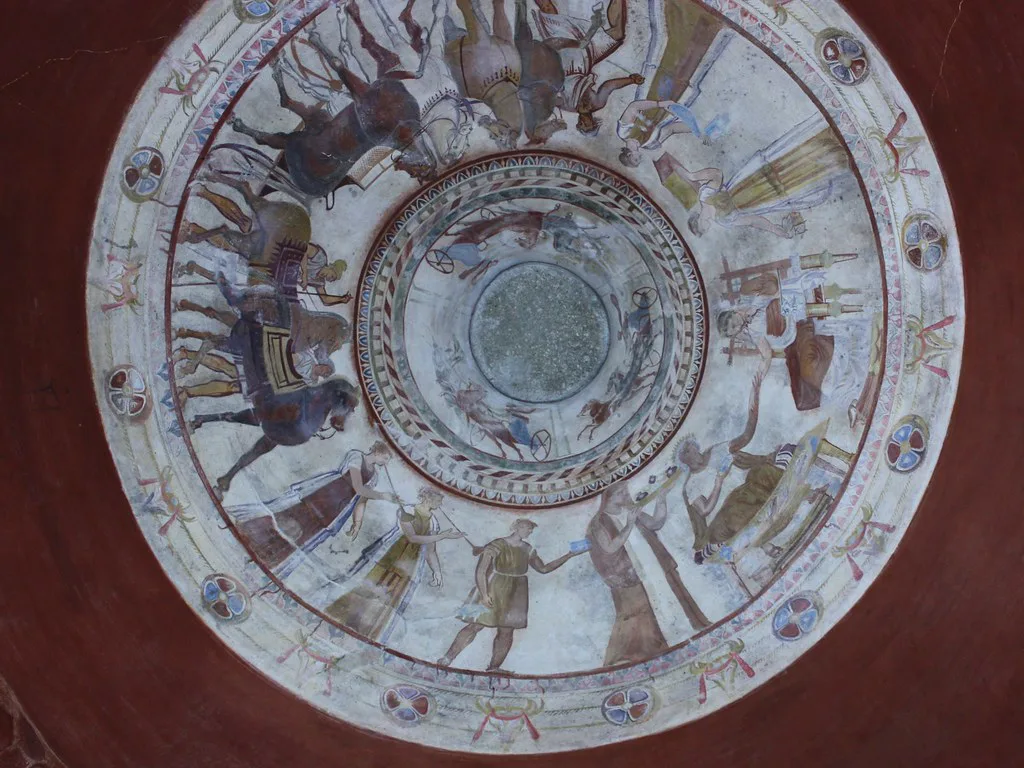
- Kazanlak Thracian Tomb: Replica, Access & Visit Guide: Thracian burial art, not Roman.
- Perperikon: a Thracian rock sanctuary, so keep it off a Roman list.
- Sveshtari Tomb: Visiting the UNESCO Thracian Tomb (Access, Tips): Thracian.
- Aleksandrovo Tomb: Thracian Murals Near Haskovo (Visitor Guide): Thracian.
- Tatul Thracian Sanctuary, Bulgaria: Visitor Guide: Thracian.
- Madara Rider: How to Visit Bulgaria's Cliff Relief: read it separately from the Roman cities.
- Thracian Gold: Treasures to Know and Where to See Them in Bulgaria: Thracian metalwork.
Costs, Tickets and Opening Hours
No confirmed ticket prices or hours are listed here, and they change by season. Check the official museum or municipal page for each site before you go.
Getting Around and Where to Base Yourself
Sofia and Plovdiv make the best bases because their Roman sites are walkable. Day trips to the northern cities and Villa Armira are easier by car. Look up train and bus options on the operators' own pages, and do not assume distant sites share a day.
How to Choose a Roman-Ruins Itinerary
For a 1-day Roman-history stop, choose either Sofia or Plovdiv rather than trying to connect them with a remote site. Serdica, the Roman theatre and the Roman stadium are all urban stops. They are the simplest choices if you are travelling without a car.
With 2–3 days, use Sofia and Plovdiv as separate bases. This gives you time for the visible monuments without turning the visit into a transport exercise. Plovdiv is the better pick for substantial public Roman architecture. Sofia suits travelers who want ruins woven into a capital-city stay.
Save Devnya, Villa Armira, Nicopolis ad Istrum, Ulpia Oescus and Abritus for a longer trip. These sites are spread across different regions. A car is the practical option for the northern cities and Villa Armira. Check the relevant museum or municipal page before setting out, especially for access and opening details.
Related guides
Continue reading
Guides on the same trip