
Plovdiv Roman Stadium: What to See, Where & Is It Worth It
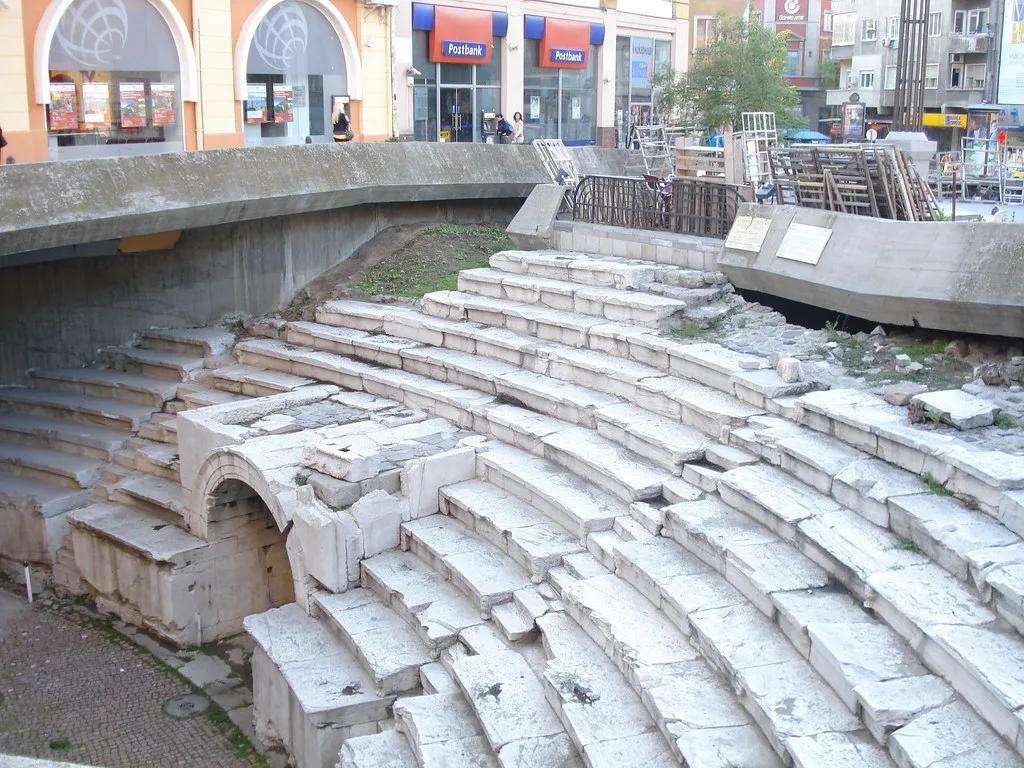
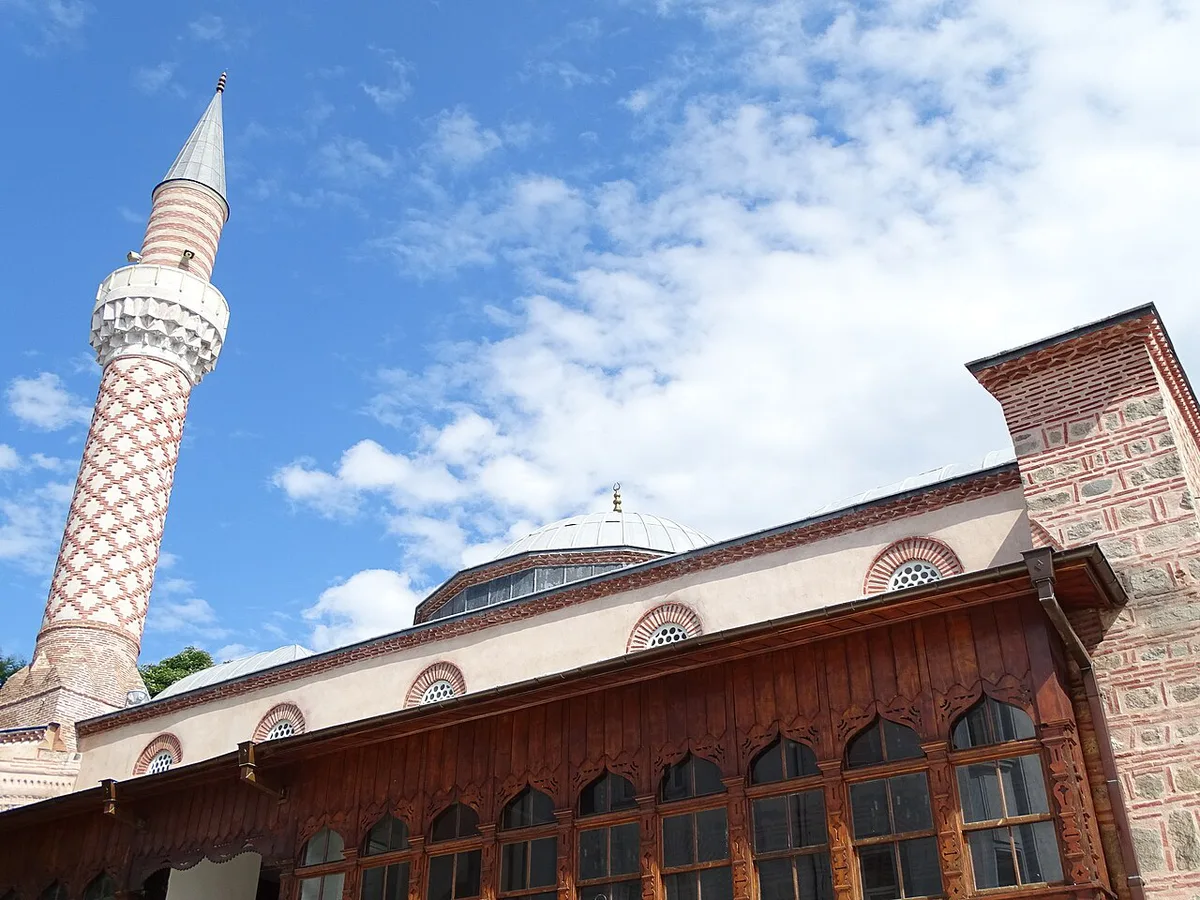
Last updated November 2026: the Plovdiv Roman stadium, known as the Ancient Stadium of Philippopolis, lies under Knyaz Alexander I street in the city's central pedestrian area. One visible section sits at Dzhumaya Square, beside the Dzhumaya Mosque, and the rest stays buried beneath shops and cafés. Allow roughly 15–30 minutes, then walk on to the Roman theater.
Featured image: by Mark Huguet, CC BY-SA 2.0, via Flickr.
Plovdiv Roman Stadium at a Glance
Only part of the stadium can be seen, so set your expectations before you go. Think of it as an urban-archaeology stop rather than a theater-scale ruin. Sofia City Guide puts a stadium visit at 15–30 minutes, against 30–60 minutes for the theater. Prices and hours were checked in November 2026 against public listings, so confirm current details on the official tourism site before you travel.
- Site: Ancient Stadium of Philippopolis, Plovdiv, Bulgaria
- Location: under pedestrian Knyaz Alexander I street, with a visible section at Dzhumaya Square
- Landmark: Dzhumaya Mosque stands beside the visible section
- Time needed: about 15–30 minutes
- Best paired with: the Roman theater in the Old Town
Where to Find the Stadium in Central Plovdiv
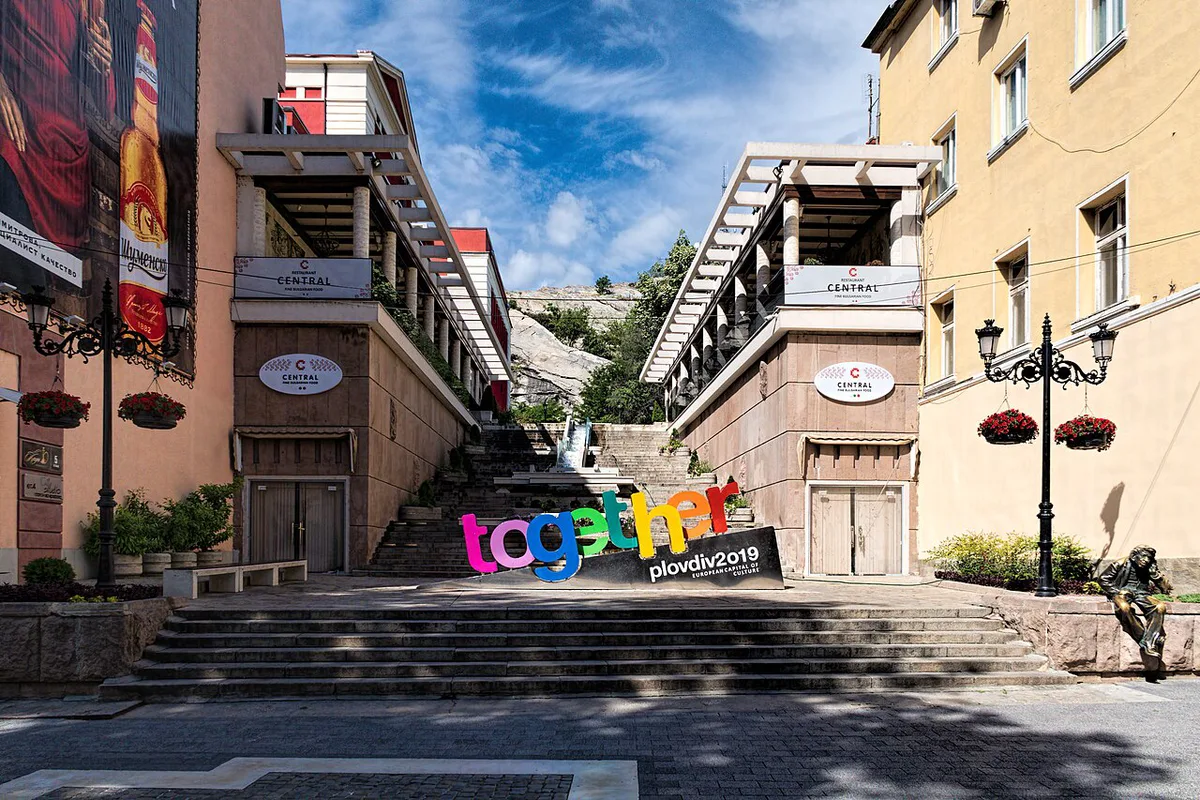
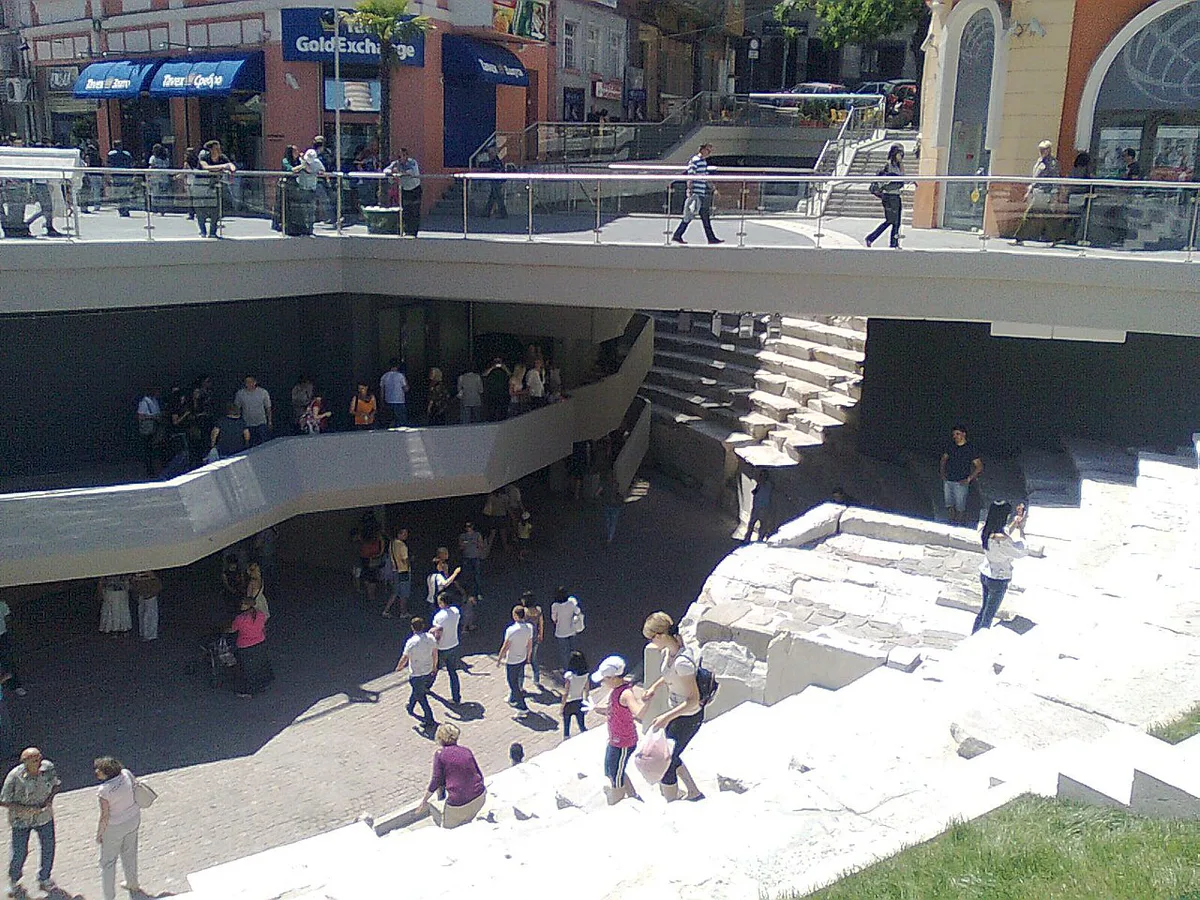
Start on Knyaz Alexander I street, the central pedestrian axis lined with shops and cafés. Walk to Dzhumaya Square and look for the Dzhumaya Mosque. The visible stadium section is right beside it, sunk below the modern paving. Most of the track and seating lies under the street you just walked along. From here the Old Town begins to climb, so the stadium makes a natural first stop before the uphill walk to the theater. Official visitor maps are on the Visit Plovdiv tourism site.
What You Can Actually See (and What's Buried)
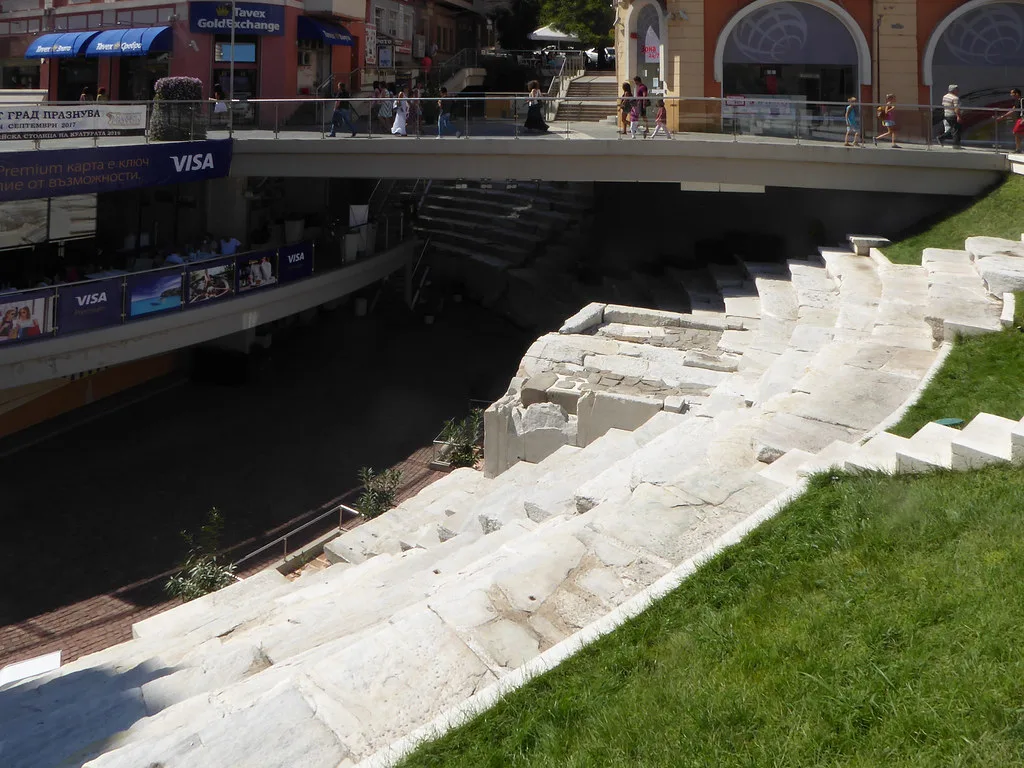
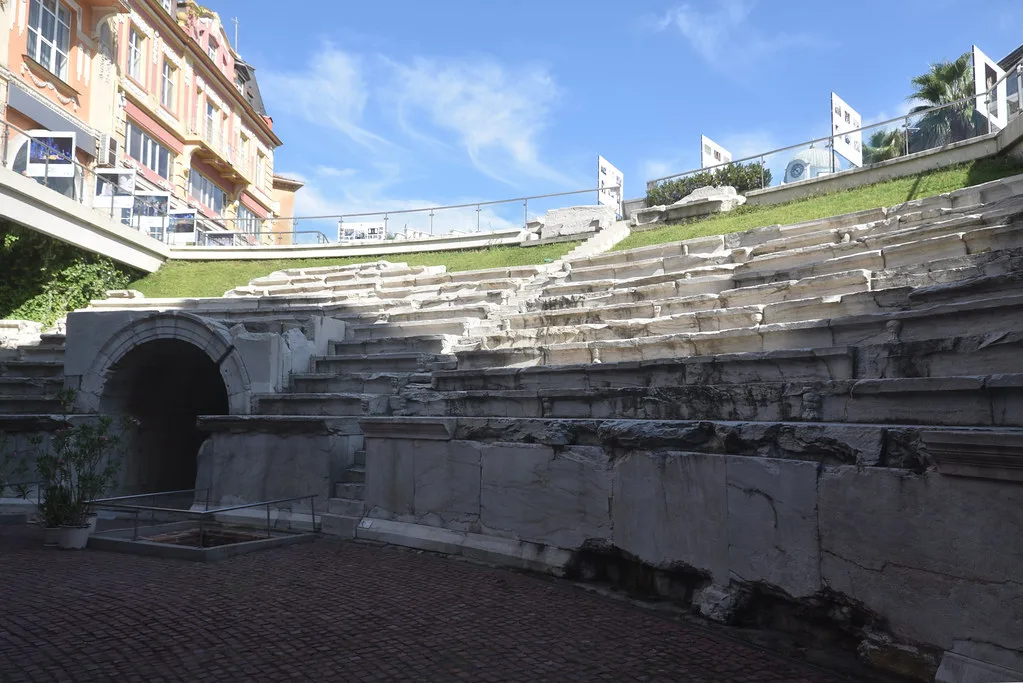
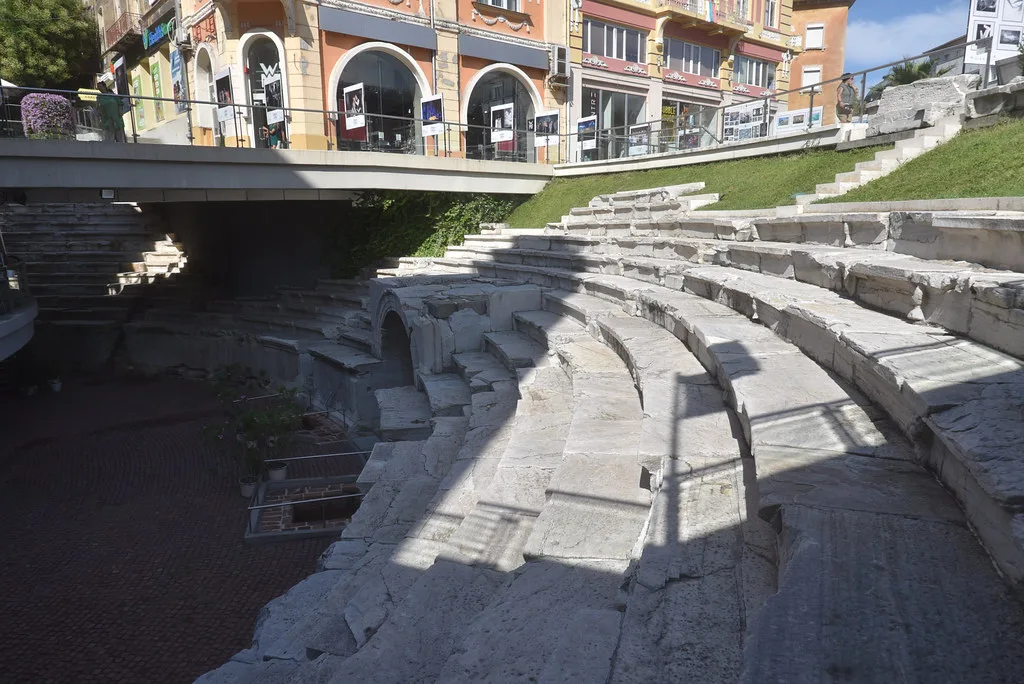
You see curved masonry and stone courses at or below street level, framed by modern buildings. You do not see a full oval arena. A stadium was built for foot races and athletic contests, so its long, narrow plan runs under the street rather than rising on a hillside like the theater. Visitors expecting a theater-scale ruin tend to leave disappointed. Urban-archaeology and city-planning fans usually enjoy it most, because it shows how Plovdiv was built over Philippopolis layer by layer. The stadium's own website, antichen-stadion-plovdiv.bg, hosts a 3D reconstruction at /virtual-tour/. Use it to picture the full structure before or after your visit, since it supplements the remains and does not replace seeing them.
A Short History of Philippopolis' Stadium
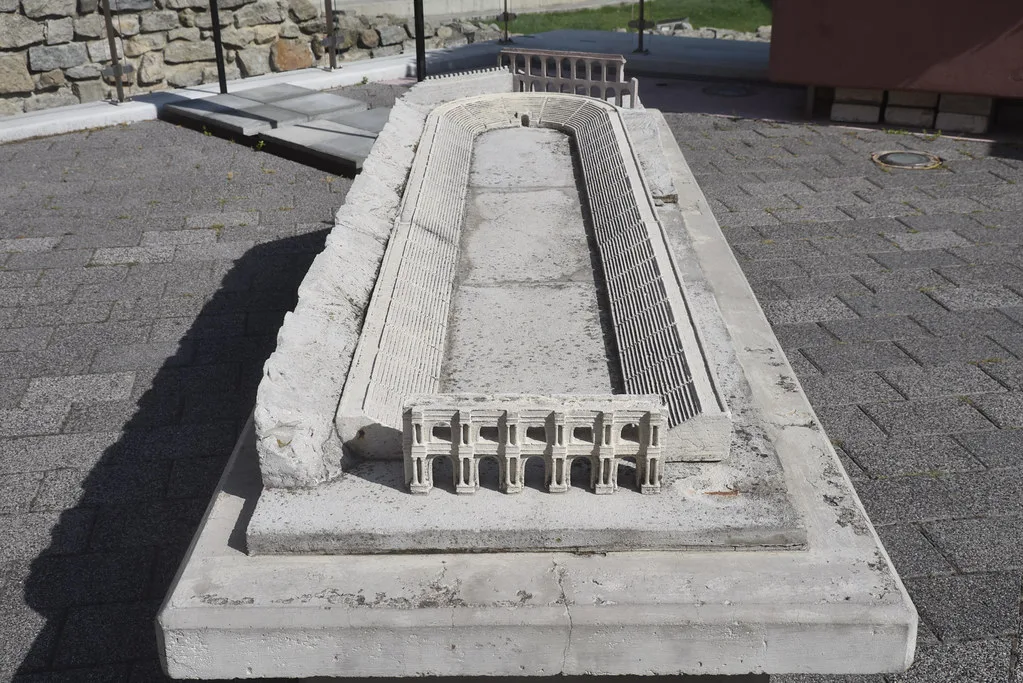
Philippopolis was a major Roman city in the Balkans, and its public buildings included a stadium, a theater, a forum and an odeon. The theater dates to the reign of Emperor Domitian, 81–96 AD, and belonged to a wider urban building program. Exact figures for the stadium's length, capacity and construction date are best taken from the stadium's own site, so this guide gives none. Plovdiv began as a Thracian settlement long before Rome, which is why Nebet Tepe matters to the story.
Tickets, Hours and Accessibility
No dependable fee or opening-hours figure is published for the visible section, so check the official Plovdiv visitor information for current terms. The approach along Knyaz Alexander I street is pedestrian and level, which suits strollers and most wheelchairs. The climb from there to the Old Town theater is uphill on uneven cobbles. Travelers with reduced mobility can do the stadium and skip the climb without losing much.
Stadium vs. Theater vs. Other Roman Sites
Each ancient site in Plovdiv offers a different experience. Use this table to decide how to spend your time. For the wider national picture, see our guide to Roman Ruins in Bulgaria: Best Sites and Planning Tips.
| Site | What you see | Typical time | Effort / access | Best for |
|---|---|---|---|---|
| Ancient Stadium | Partly buried remains beside Dzhumaya Mosque | 15–30 minutes | Flat pedestrian street | Urban archaeology, city planning |
| Roman Theater | Tiered seating and stage building, still used for performances | 30–60 minutes | Uphill, uneven cobbles | First-time visitors, photography |
| Forum and Odeon area | Civic remains of Roman administration | Varies | Mostly central | Roman city life |
| Nebet Tepe | Hilltop remains from early settlement phases, plus views | Varies | Climb, uneven ground | Thracian-era context, sunset views |
Suggested Route: Stadium, Theater, Old Town
Begin in the center with the stadium at Dzhumaya Square. Continue toward the forum and odeon remains if they fit your route. Then climb into the Old Town for the Roman theater and Nebet Tepe. This order keeps the effortful uphill part for last. With a half day, add the theater and a slow Old Town walk. Short on time, do the stadium in about 15–30 minutes and give the rest to the theater. Visit the theater early or late for better light and fewer people. Carry water, because the route is harder than it looks on a map, and midday summer climbs are tiring.
Is It Worth It? By Traveler Type
The stadium rewards some visitors far more than others. Match your plans to the list below.
- First-timer with two hours: yes, as a quick opener before the theater.
- History enthusiast: yes, and add Nebet Tepe and the forum area.
- Family with kids: brief stop only; the theater holds attention better.
- Reduced mobility: do the flat stadium stop and skip the Old Town climb.
- Rainy day: the stadium is short and outdoors, so pair it with a museum.
- Sofia day-tripper: see it first, then compare with Roman Serdica in Sofia.
Mistakes to Avoid at the Stadium
Do not expect a theater-sized ruin, or you will walk past it in two minutes. Do not tackle the theater climb at midday in summer. Do not skip the 3D reconstruction, because it explains what the buried remains cannot show.
A walk-past takes two minutes, but plan 15–30 minutes if you want to see the remains.
Beyond Plovdiv: More Roman and Thracian Sites in Bulgaria
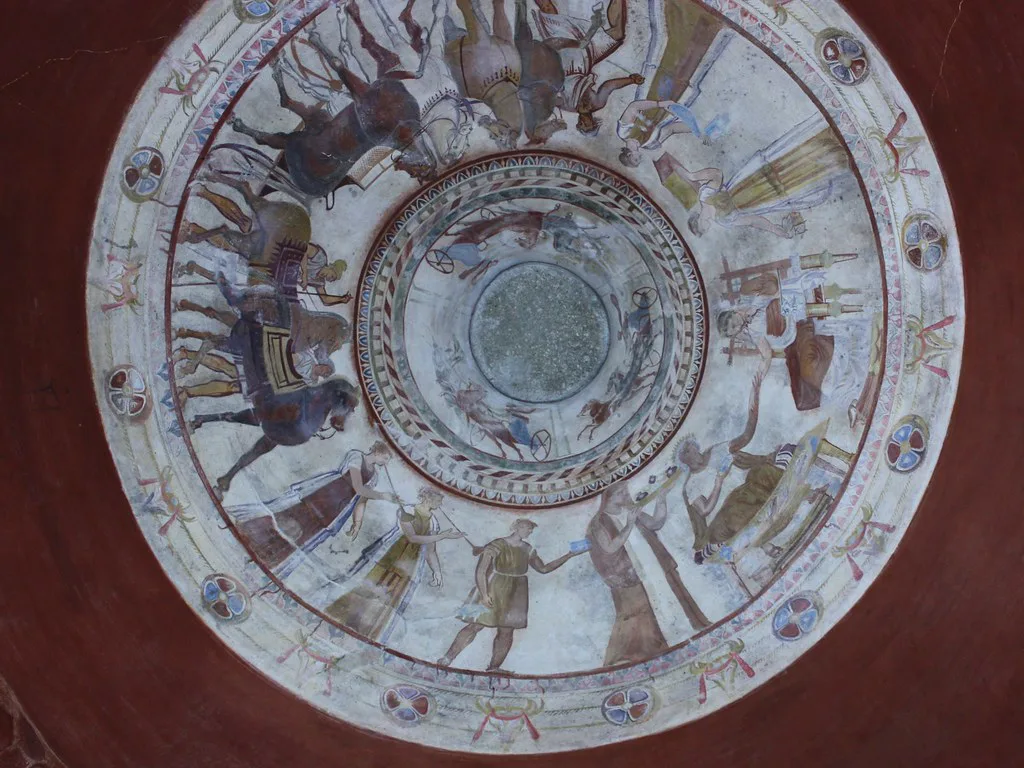
Roman Nessebar is covered in Nessebar Old Town: What to See, Tickets & How to Visit, which suits travelers chasing coastal Roman-era remains. The Madara Rider relief adds an early medieval rock carving. Plovdiv's Thracian roots connect to the Thracian tombs of Bulgaria. The Kazanlak Thracian Tomb: Replica, Access & Visit Guide is the best-known single example. Nothing about the stadium itself is Thracian.
Frequently Asked Questions
Are there any Roman ruins in Bulgaria?
Yes. Plovdiv's stadium and theater are two examples, and Sofia has Serdica. Our Roman Ruins in Bulgaria: Best Sites and Planning Tips guide covers more.
Where is the city of Plovdiv?
Plovdiv is one of the major cities of Bulgaria. Its Roman stadium lies under the central pedestrian Knyaz Alexander I street, with a visible section at Dzhumaya Square.
Related guides
Continue reading
Guides on the same trip