
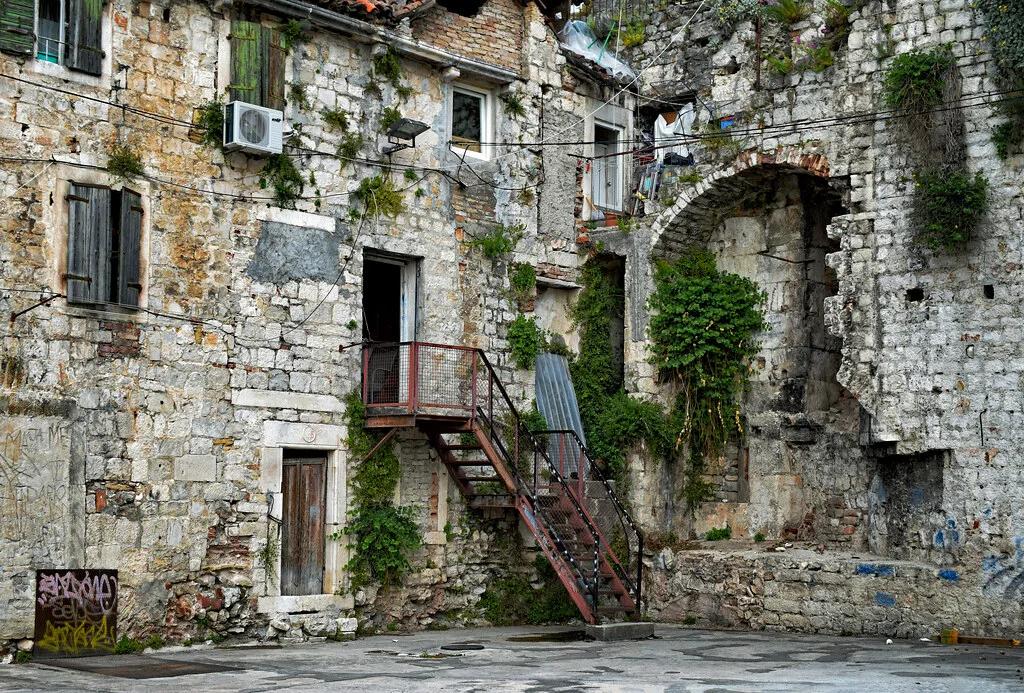
Last updated November 2026. Roman ruins in the Balkans stretch across Croatia, Slovenia, Serbia and North Macedonia, and the standouts are Diocletian's Palace in Split, Felix Romuliana at Gamzigrad, Viminacium near Kostolac and Stobi. Pick by what you want to see: standing walls, excavated streets, or a museum-led site. Use the table and decision notes below to choose, then follow the links to each full guide.
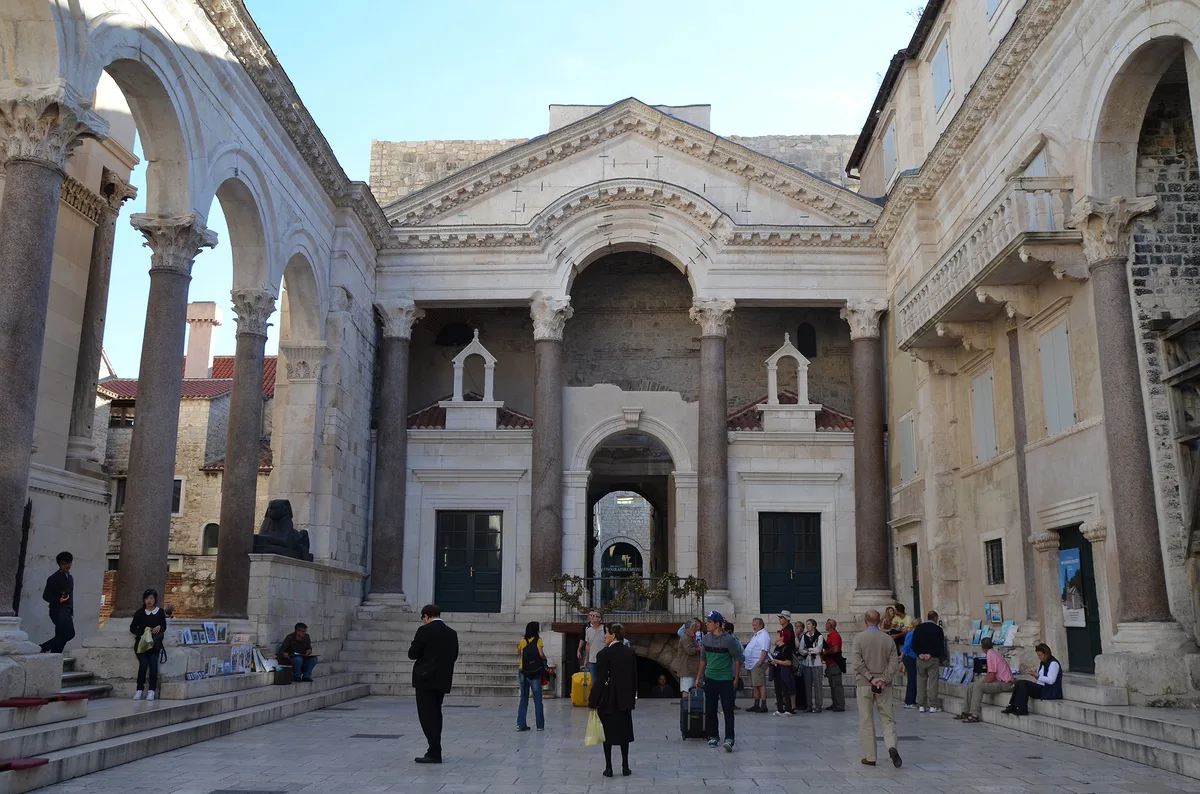
Featured image: Jocelyn777, CC BY-SA 2.0, via Flickr.
Roman Sites in the Balkans at a Glance
Roman rule left different things in different provinces. Dalmatia has a palace still lived in, Pannonia and Moesia have excavated cities and imperial compounds, and Macedonia has theatres and mosaics. Use this table to shortlist before reading the entries.
| Site | Country | What survives | Best for | Base town |
|---|---|---|---|---|
| Diocletian's Palace | Croatia | Walls, gates, cellars, peristyle | First-timers, no-car travelers | Split |
| Narona | Croatia | Museum site with excavated remains | History buffs | Vid, near Metković |
| Emona | Slovenia | Wall fragments and foundations | Short stops | Ljubljana |
| Felix Romuliana | Serbia | Palace complex, gates, towers | Photographers | Gamzigrad |
| Viminacium | Serbia | Excavated legionary city | Archaeology fans | Kostolac |
| Sirmium | Serbia | Excavated remains inside a modern town | Short stops | Sremska Mitrovica |
| Mediana | Serbia | Villa complex | Short stops | Niš |
| Stobi | North Macedonia | Theatre, houses, mosaics | Photographers, families | Vardar valley road trips |
| Heraclea Lyncestis | North Macedonia | Theatre, baths, mosaics | Families | Bitola |
| Ancient Theatre of Ohrid | North Macedonia | Theatre in the old town | No-car travelers | Ohrid |
| Justiniana Prima | Serbia | Late Roman city foundations | History buffs | Southern Serbia |
| Diana Fort and Trajan's Bridge | Serbia | Fort and bridge remains | Scenery seekers | Danube gorge |
How to Choose Between Roman Ruins in the Balkans
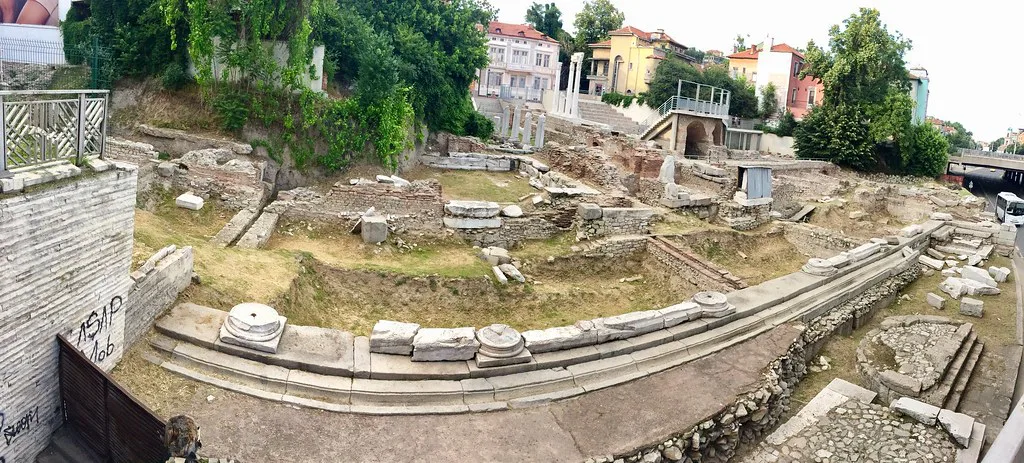
Start with the kind of ruin you enjoy. Standing monuments, such as Split's palace and the Ohrid theatre, reward a short visit. Excavated cities, such as Viminacium and Sirmium, make more sense if you like reading a site's layout and its museum displays. Next, check transport. Split, Ljubljana, Niš, Bitola and Ohrid work without a car, while Gamzigrad, Narona and the Danube gorge sites are much easier with one. Finally, think about season: summer heat on open sites and winter closures both matter, so check hours with each site's official page. Pair a standing monument with an archaeology stop, so a trip does not become a series of foundation outlines. Expect scattered provincial remains, not Colosseum-scale arenas.
12 Roman Ruins in the Balkans, Country by Country
Prices and hours were not checked for this list, so confirm them on each official site before you travel. Each entry gives the essentials and links to the full guide.
1. Diocletian's Palace, Split (Croatia)
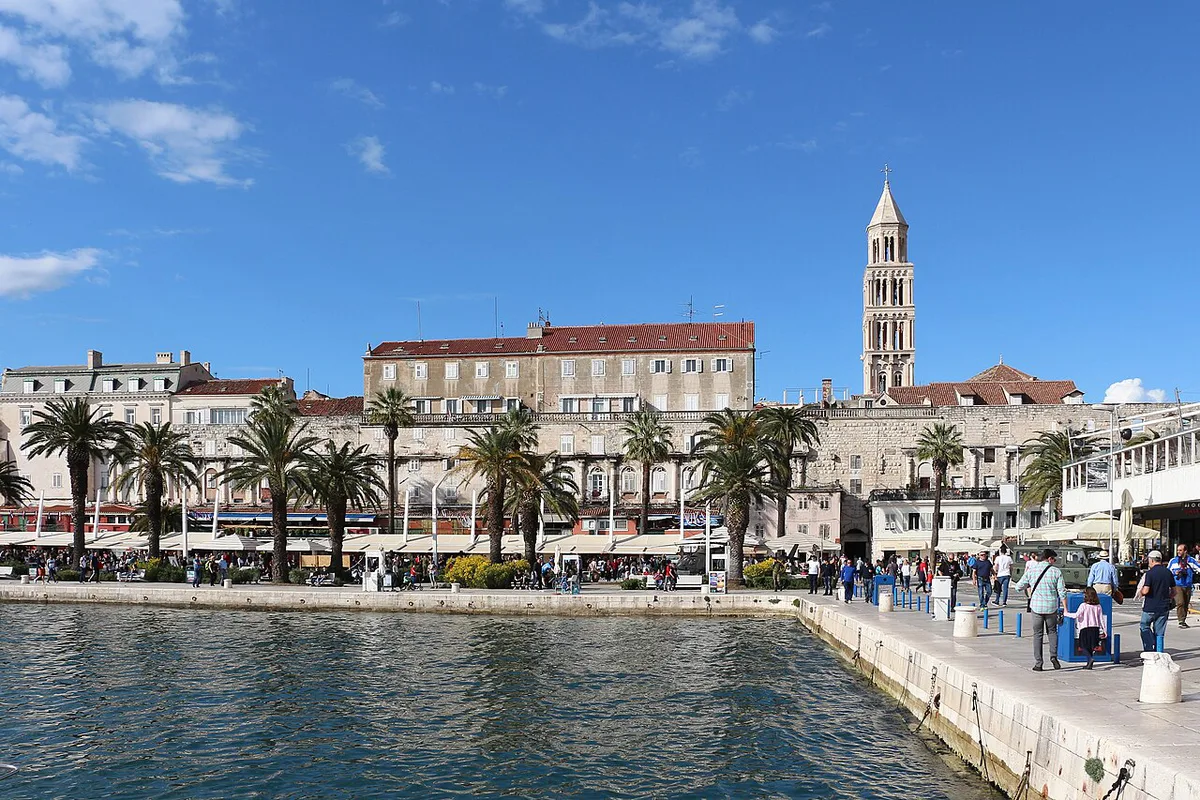
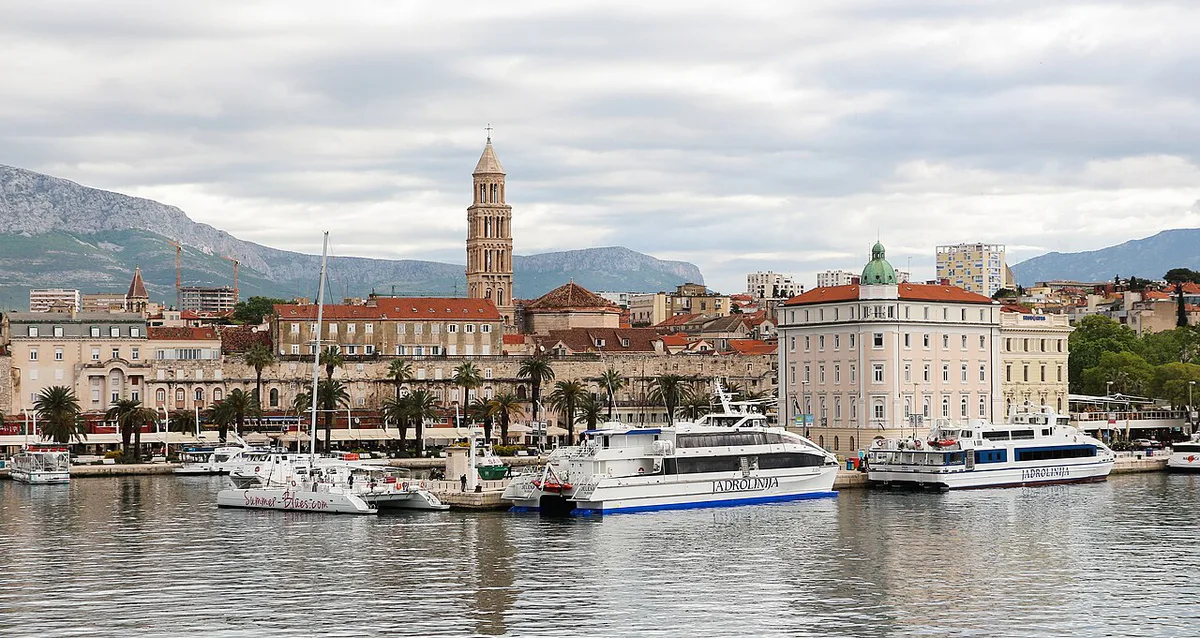
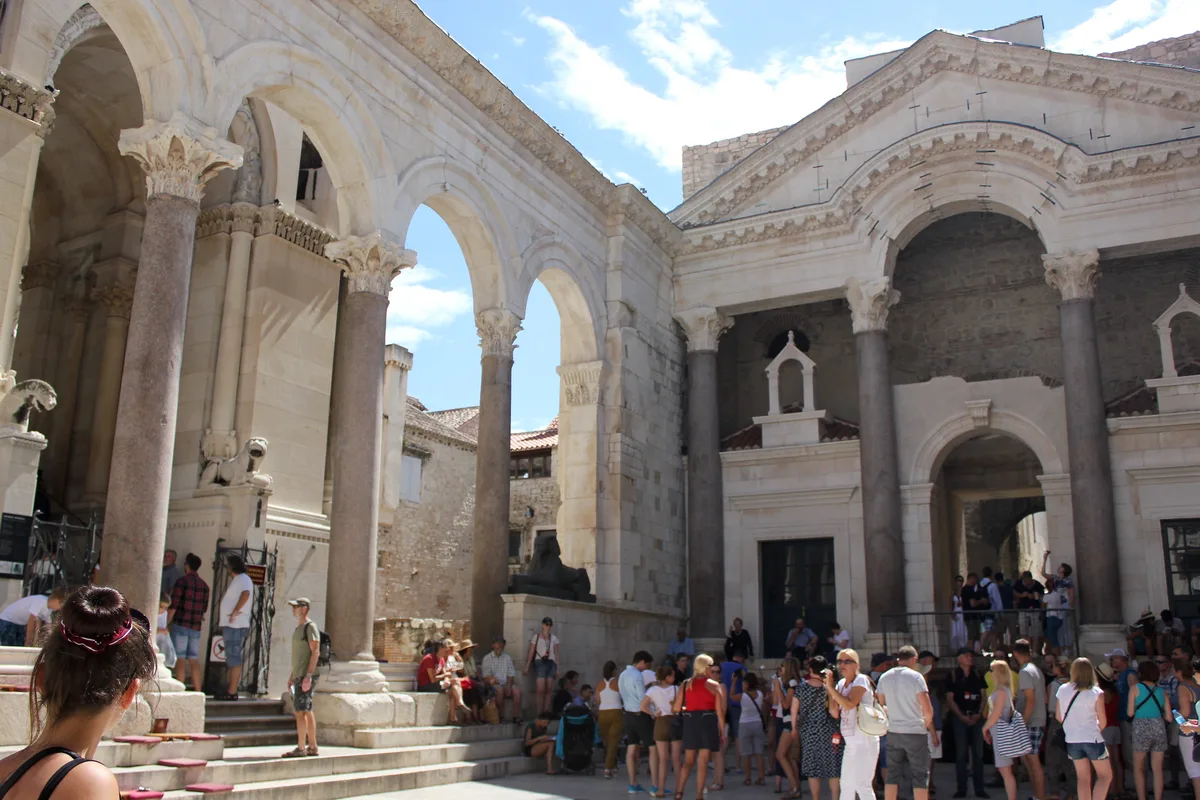
Emperor Diocletian's retirement palace in Split is the most accessible Roman site in the region. Walls, gates, the peristyle and the underground cellars are built into the old town, and people still live and work inside. Plan a half day, and read the Split Tourist Board pages for current visitor information.
If you want the layout explained, a guided palace visit helps. Skip it in peak summer afternoons if crowds bother you, since the narrow lanes fill up.
2. Narona, near Vid (Croatia)
Narona was a Roman colony, and its remains lie around the village of Vid. Narona's museum site shows excavated remains in a museum setting rather than as open ruins. Go for the displays and the sense of a provincial town, not for dramatic standing walls.
Allow a short half day, and plan on a car. Skip it if you only have time for one Croatian stop; Split gives far more to see.
3. Emona, Ljubljana (Slovenia)
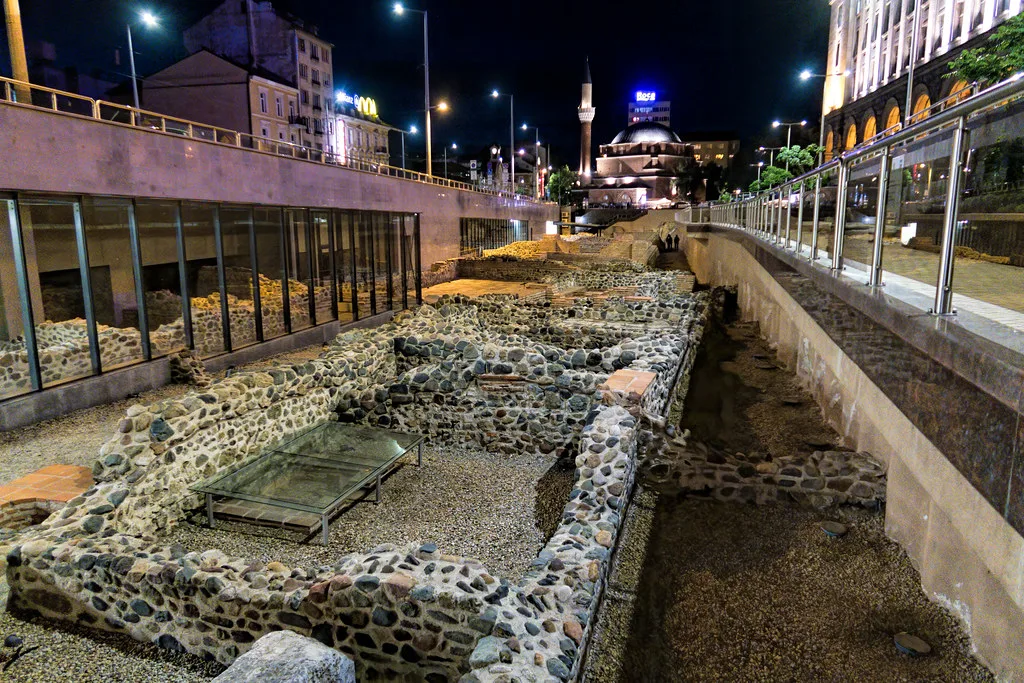
Roman Emona lies under today's Ljubljana, and visible traces are modest. Roman Emona in Ljubljana suits a short walking stop on a city break. Look for wall fragments and foundations, then use the city's museums for context.
Allow an hour or two, and no car is needed. Skip it if you want large monuments; this is a quiet, urban archaeology stop.
4. Felix Romuliana, Gamzigrad (Serbia)
This fortified palace complex is tied to Emperor Galerius, and it is one of the strongest Roman sites in Serbia. Felix Romuliana at Gamzigrad has gates, towers and foundations spread across open ground. Photographers should arrive early or late for softer light on the stonework.
Allow a half day, and expect to drive. Skip it without a car, since public transport to Gamzigrad is limited.
5. Viminacium, near Kostolac (Serbia)
Viminacium was a major legionary camp and city on the Danube frontier. Viminacium's excavated city is an archaeology park, so you walk past foundations and reconstructed areas rather than tall ruins. Archaeology fans can give it a half day, and a car makes it easier to reach.
The Serbian tourism board is the place to start for current visiting details. Skip it if flat excavation fields do not appeal.
6. Sirmium, Sremska Mitrovica (Serbia)
Sirmium was an imperial city, and its excavated remains sit among the streets of modern Sremska Mitrovica. Sirmium in Sremska Mitrovica works well as a short stop on a Vojvodina route. Pair the ruins with the local museum for context, since foundations alone say little.
Allow two or three hours, and use a car or a bus from Novi Sad or Belgrade. Skip it if you expect a large arena.
7. Mediana, Niš (Serbia)
Mediana is a Roman villa complex at Niš, and it is one of the extra stops named in Serbia's Roman heritage. Niš makes a good base because it sits on the Serbian corridor between Belgrade and North Macedonia.
Plan an hour or two, and see our full Serbia guide for the wider route. Skip it if you are short on time and have already seen Felix Romuliana.
8. Stobi (North Macedonia)
Stobi was a prosperous Roman city, and its theatre and mosaics are the main draws. Ancient Stobi city is open, outdoors and photogenic, so allow at least a half day. Bring water and a hat, since shade is limited.
The North Macedonia tourism site lists current visitor details. Skip it in midday summer heat; morning is better.
9. Heraclea Lyncestis, Bitola (North Macedonia)
Heraclea Lyncestis lies at the edge of Bitola and is known for its theatre, baths and floor mosaics. Heraclea Lyncestis near Bitola is an easy family stop, with space to roam and clear signs of daily Roman life.
Allow two or three hours, and walk from the town if you prefer. Skip it if you want a large, intact monument.
10. Ancient Theatre of Ohrid (North Macedonia)
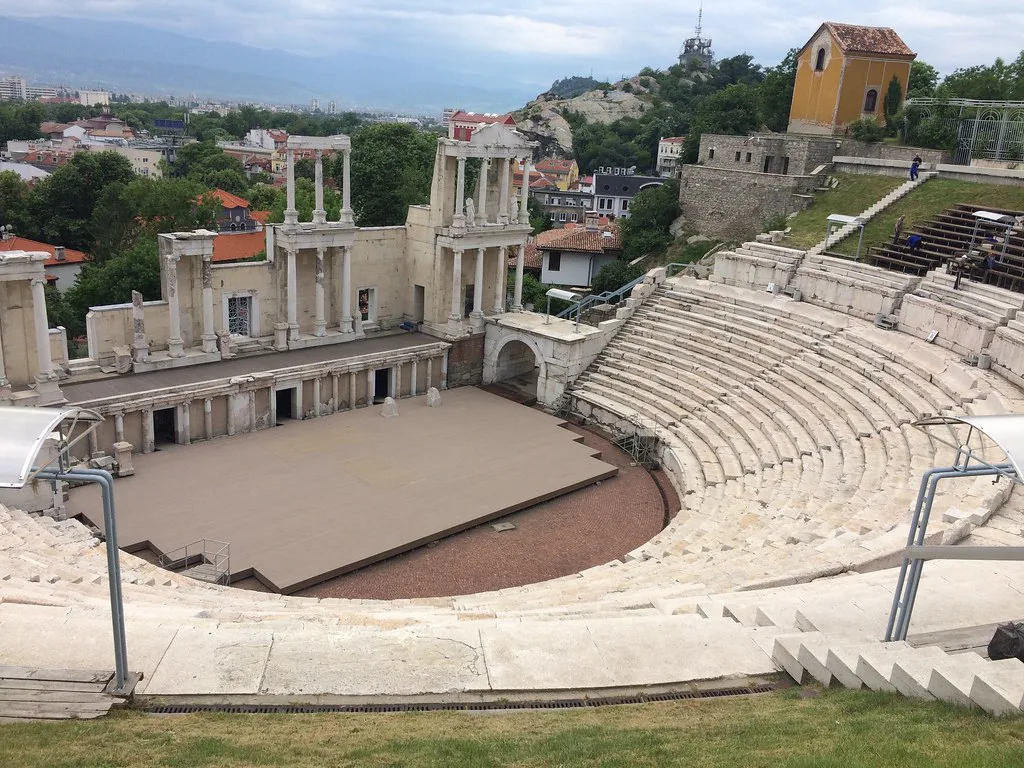
Ohrid's old town holds an ancient theatre that you can reach on foot. The Roman-era theatre in Ohrid is a short stop that pairs well with the lakeside churches and old streets.
Allow an hour, and no car is needed. Skip it if you want a full archaeological site, since the theatre is the highlight.
11. Justiniana Prima (Serbia)
Justiniana Prima was a late Roman city founded under Emperor Justinian. It appears among Serbia's archaeological sites, and remains are mainly foundations. It suits history buffs who already know the earlier imperial sites.
Allow a half day, and go with a car and a map. Skip it if you want standing walls or a museum on site.
12. Diana Fort and Trajan's Bridge (Serbia)
The Danube gorge holds Roman military remains, including Diana Fort and the site of Trajan's Bridge. The scenery is the draw, and the Djerdap National Park pages cover the area. Nearby is the prehistoric Lepenski Vir site, which is not Roman and works as a separate stop.
Allow a full day, and drive. Skip it if you only want large monuments.
Bosnia and Herzegovina and Where to Start
Bosnia and Herzegovina has Roman sites too, and our guide to Bosnia's Roman sites names them. They do not appear in the list above, so read that page before you plan a route there. For a first trip, begin with one standing monument and add one excavated site.
Sample Roman Routes Through the Balkans
Three combinations keep the driving manageable. Each can be done in a few days if you pick two or three stops.
- Dalmatia coast
- Start in Split for the palace, then drive to Narona.
- This route suits travelers who want one famous site and one quieter museum stop.
- You need a car for Narona.
- Serbia Danube and Niš corridor
- Link Sirmium, Viminacium and Felix Romuliana, then finish at Mediana in Niš.
- Most stops need a car.
- The Danube gorge sites can be added on a separate day.
- North Macedonia: Ohrid, Bitola and Stobi
- Start in Ohrid for the theatre, continue to Bitola for Heraclea Lyncestis, and end at Stobi.
- This route works with buses for the first two stops.
- A car makes Stobi much simpler.
Costs, Tickets and Opening Hours
Tickets and hours change by site and season, and no single national page covers them all. Check the Croatian National Tourist Board for Croatia and the official tourism pages linked above for Serbia and North Macedonia. Museum-led sites may close on certain days, so check the site's own page before you go.
Common Mistakes at Roman Sites
Most disappointment comes from mismatched expectations. Avoid these errors.
- Expecting Colosseum-scale remains
- Most Balkan sites are foundations, theatres and palace walls.
- Split's palace is the closest to a standing monument.
- Visiting without context
- Foundations make little sense without a museum or a guide.
- Pair excavation sites with the local museum.
- Ignoring season
- Open sites like Stobi are hot in summer.
- Winter hours can be shorter, so check first.
Frequently Asked Questions
Was Serbia part of the Roman Empire?
Yes. Roman provinces such as Moesia and Pannonia covered parts of present-day Serbia, which is why sites like Viminacium, Sirmium and Felix Romuliana exist.
Was Croatia part of ancient Rome?
Yes. Much of the Croatian coast belonged to the province of Dalmatia, and Split's palace and Narona are the clearest surviving examples.
Was Macedonia in the Roman Empire?
Yes. Macedonia was a Roman province, and Stobi, Heraclea Lyncestis and Ohrid's theatre show that period in present-day North Macedonia.
Explore More Guides
Keep planning your trip with these guides.
Guides
- Diocletian's Palace, Split
- Diocletian's Palace Tour
- Narona
- Felix Romuliana (Gamzigrad) Visitor Guide
- Viminacium Archaeological Park
- Sirmium (Sremska Mitrovica)
- Lepenski Vir Guide
- Stobi, North Macedonia
- Heraclea Lyncestis, Bitola
- Ancient Theatre of Ohrid: History, Access & Visit Tips
- Roman Ruins in Serbia: Best Sites, Routes and Tips
- Roman Ruins in Bosnia: Sites Worth Visiting (and What to Skip)
- Emona (Roman Ljubljana)