
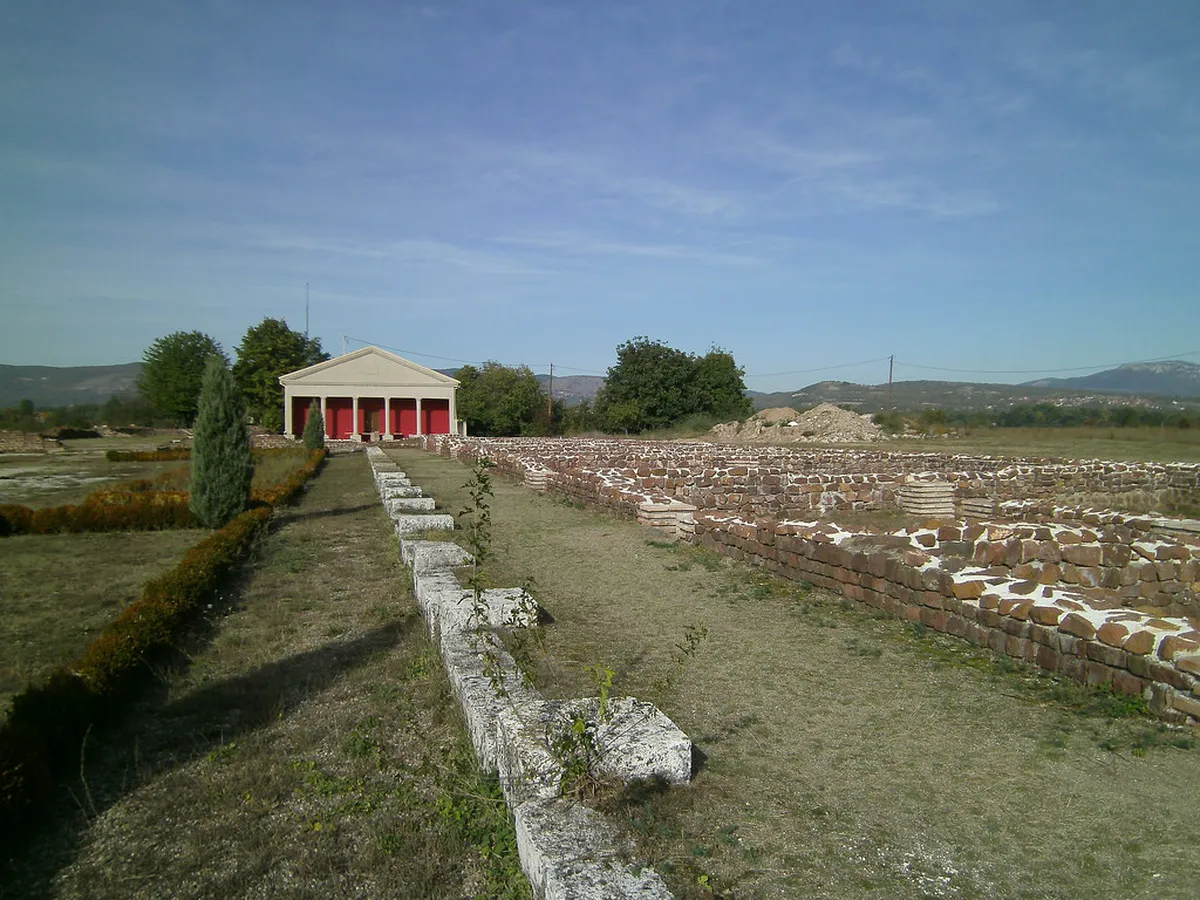
Last updated November 2026: the best Roman ruins in Serbia are Felix Romuliana at Gamzigrad, Viminacium near Kostolac, Sirmium in Sremska Mitrovica, Mediana in Niš and the Singidunum remains in Belgrade. Several Roman emperors were born in what is now Serbia, including Constantine the Great at Naissus (Niš). Sites are spread across the country, so a car makes the route far easier, and this guide sits inside our Roman Ruins in the Balkans: 12 Sites Worth Visiting hub.
Featured image: amanderson2, CC BY 2.0, via Flickr.
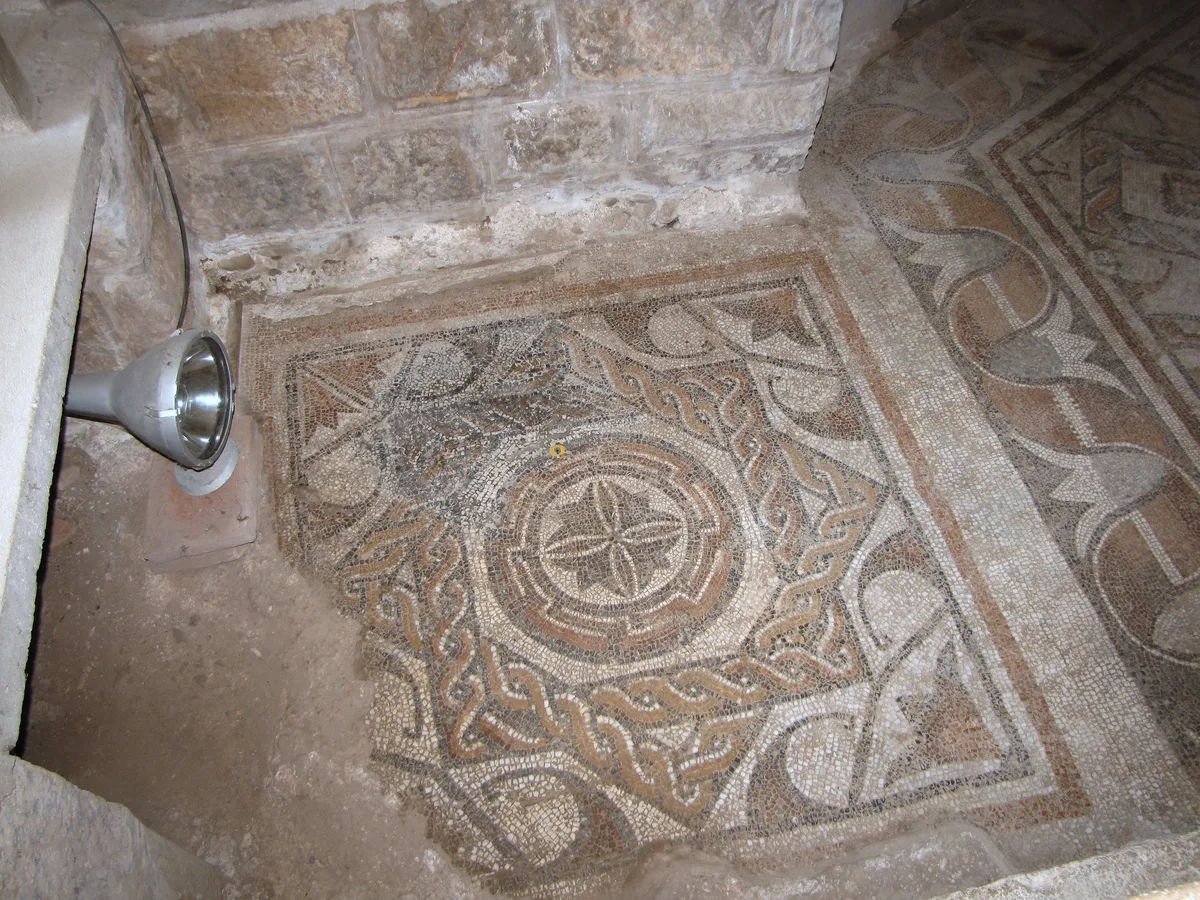
Quick answer: the best Roman ruins in Serbia
Felix Romuliana is the headline stop, Viminacium is the largest excavation, and Sirmium is the easiest imperial capital from Belgrade. Niš adds Constantine's birthplace, while Belgrade gives a city-break half day. Visit times below are our own estimates, not official figures.
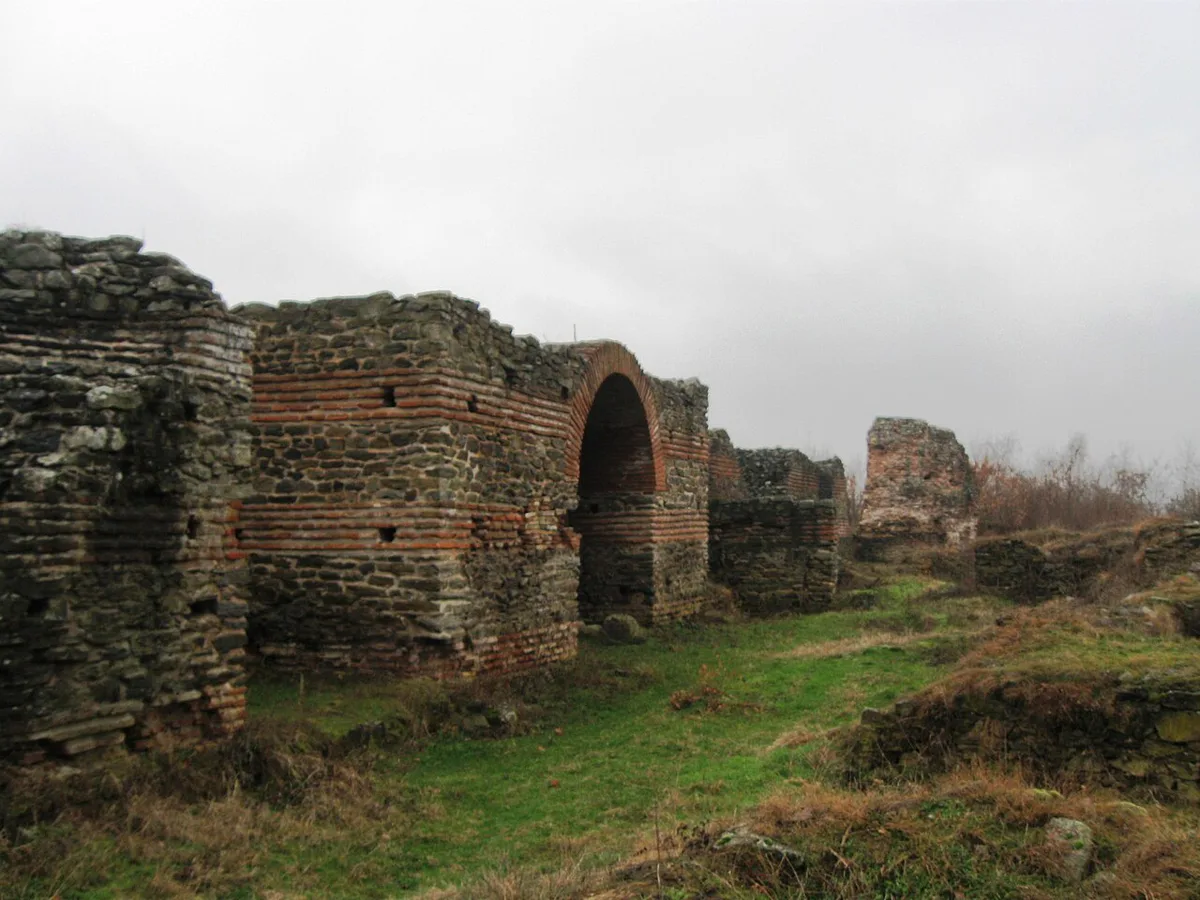
| Site | Nearest base | What you see | Typical visit time (estimate) | Car needed? |
|---|---|---|---|---|
| Felix Romuliana (Gamzigrad) | Zaječar or Niš | Palace complex, temples, mosaics | Half day | Yes, practically |
| Viminacium | Belgrade (Kostolac area) | Excavated streets, necropolis, amphitheatre | Half day | Yes, practically |
| Sirmium | Sremska Mitrovica or Belgrade | Palace remains, baths, museum finds | 2-3 hours | Helpful |
| Mediana (Niš) | Niš | Villa complex, museum archaeological hall | 2 hours | No, from central Niš |
| Singidunum (Belgrade) | Belgrade | Fortress built over the Roman camp, Roman Hall | 2-3 hours | No |
Which Roman site is worth your time?
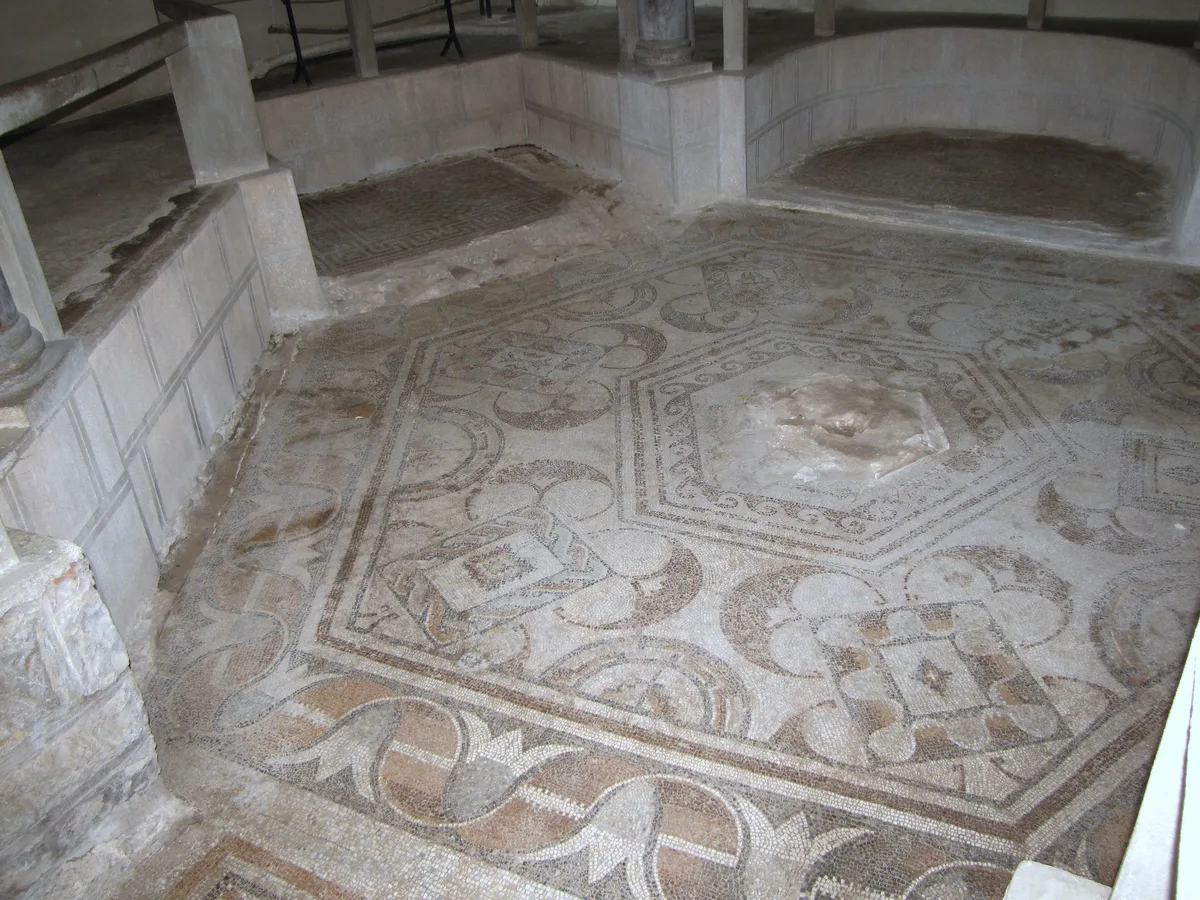
Pick by what you want to stand in front of. Serbia has no Colosseum-scale monuments, so expect foundations, mausoleums and museum finds rather than intact arches.
- History buff: Felix Romuliana for the best-preserved palace complex. Skip it if you cannot spare most of a day.
- Archaeology in progress: Viminacium for a vast legion base and city. Skip it if you want finished, tidy ruins.
- Short city break: Singidunum in Belgrade. Skip it if you expect visible Roman walls; the fortress is mostly later layers.
- Imperial biography: Niš for Constantine, Sirmium for Probus. Skip Sirmium if you only want standing masonry.
- Road-tripper: link Gamzigrad and Niš on one eastern loop. Skip it if you are tied to Belgrade.
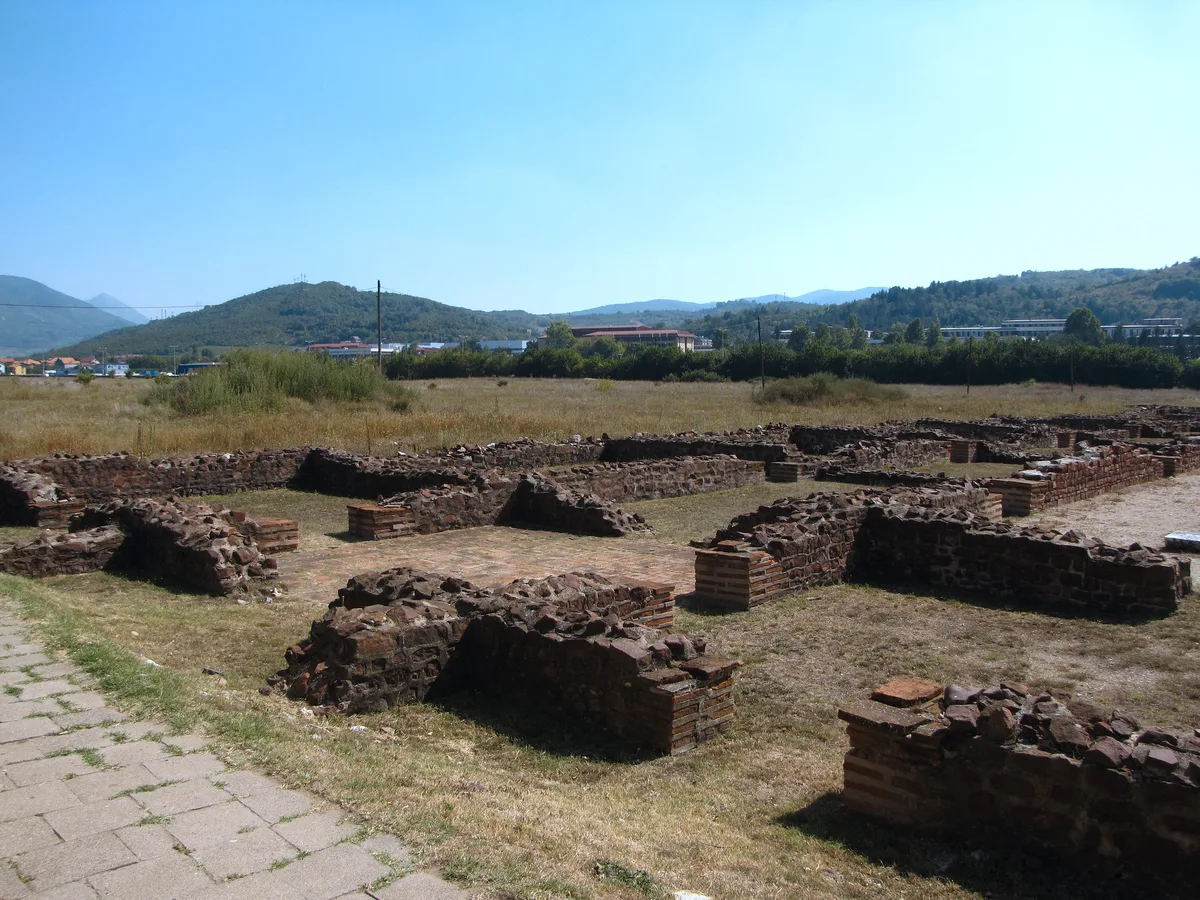
Felix Romuliana (Gamzigrad)
Emperor Galerius built this palace in honour of his mother Romula, and it is a UNESCO World Heritage Site. It is one of the best-preserved Roman complexes in the region, with temples, mosaics and an octagonal throne room. Zaječar is the practical overnight base, with Niš as the larger alternative. Pair the visit with the Šarkamen mausoleum near Negotin, which is tied to the family of Emperor Maximinus Daia. Our dedicated page covers Felix Romuliana in detail.
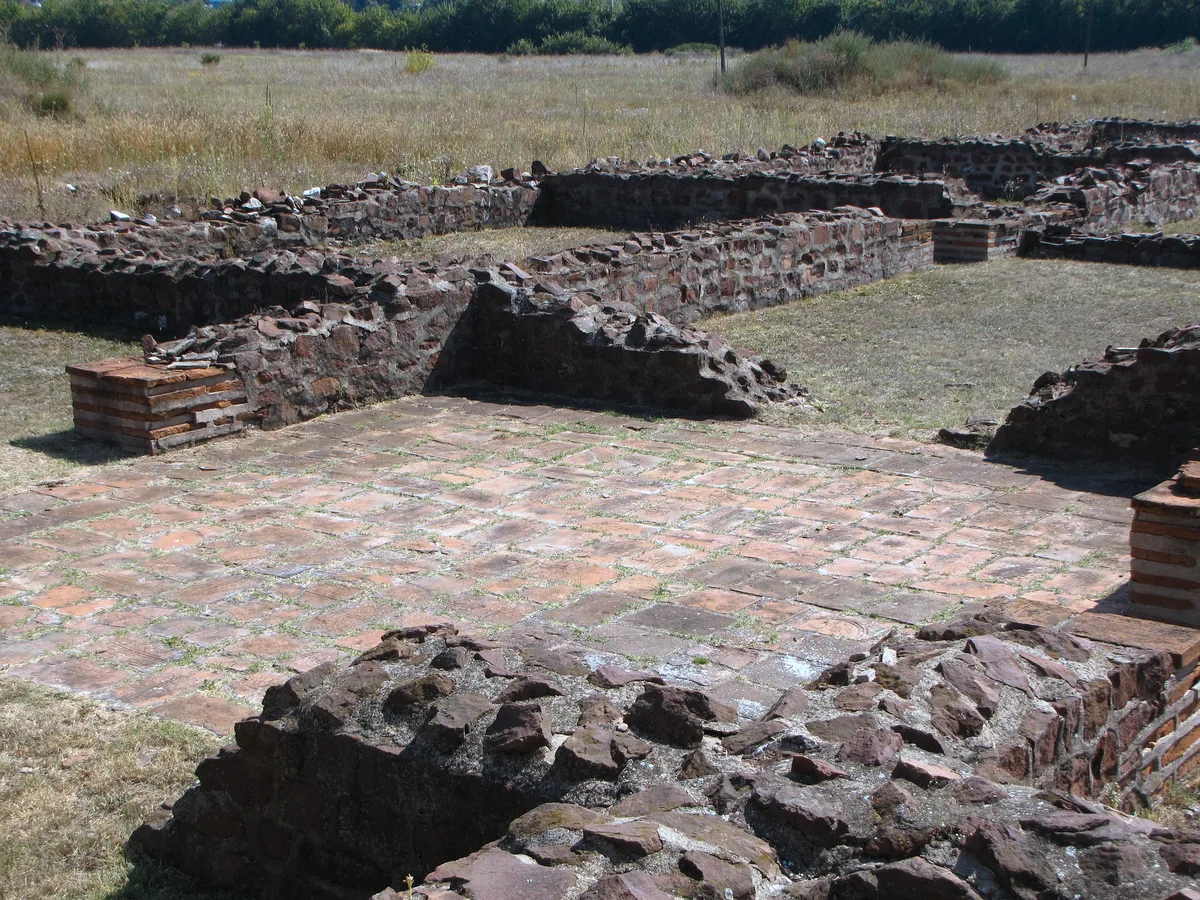
Viminacium near Kostolac
Viminacium was a major legion base and a city of roughly 40,000 inhabitants. On site you find excavated Roman streets, an amphitheatre and a necropolis with tombs, frescoes and gold masks. Mammoth Park displays the remains of a prehistoric mammoth found here. Guided tours make the site easier to read, and the Archaeological Institute in Belgrade is the institutional reference for the research. Read more in our Viminacium guide.
Viminacium was a city of roughly 40,000 inhabitants, so its streets and necropolis reward a guided tour over a quick walk-through.
Sirmium in Sremska Mitrovica
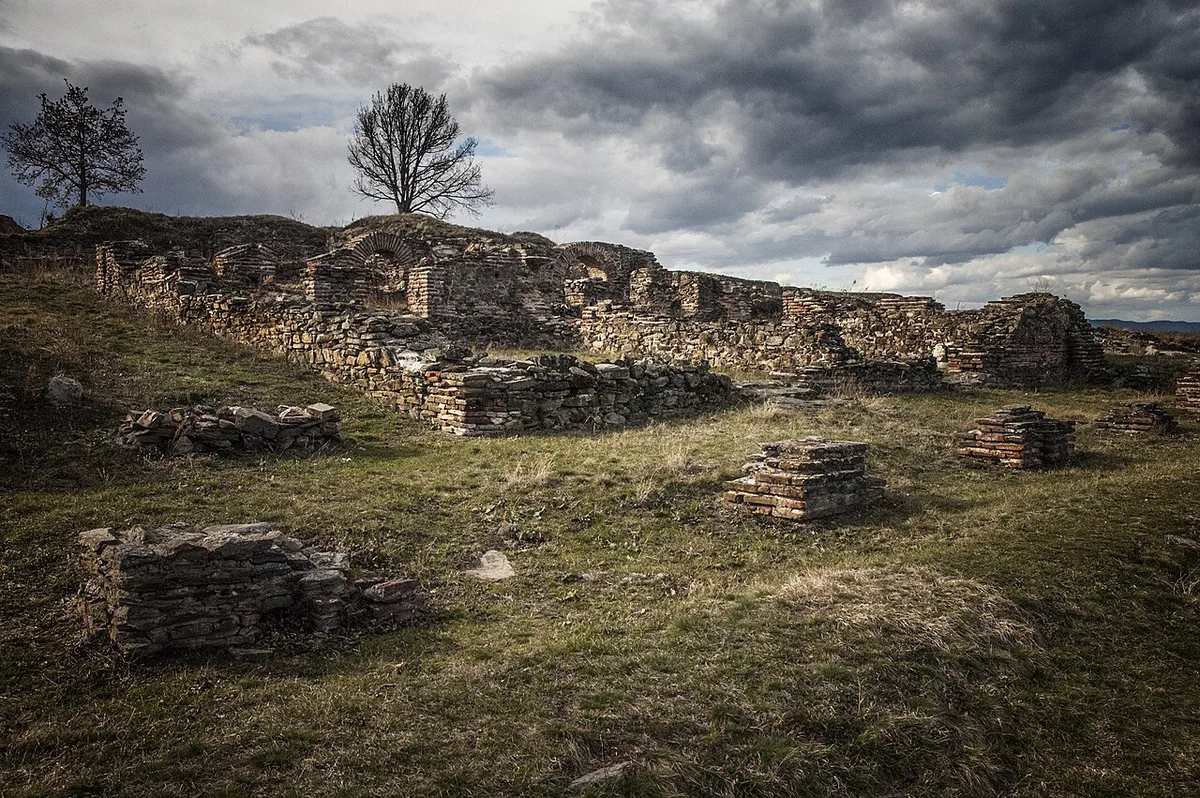
Sirmium was one of the four capitals of the Roman Empire and the birthplace of Emperor Probus. Expect imperial palace remains, the city baths and Roman mosaics, statues and everyday objects in the Museum of Srem. Serbia.com puts the drive from Belgrade at about 1.5 hours. Excavation continues, and in August 2018 RFE/RL reported that archaeologists believed they had found a Roman palace nearby. Our Sirmium page has the full site breakdown.
Sirmium is about 1.5 hours from Belgrade by road, so it works as a day trip from a Belgrade base.
Niš, Naissus and Mediana
Niš is ancient Naissus, birthplace of Constantine the Great. Mediana is a luxurious villa complex tied to Constantine, and the archaeological hall of the National Museum of Niš holds Roman finds. Niš Fortress was built later on earlier foundations, so treat it as a layered site rather than pure Roman. This city is also the best base for southern and eastern routes toward Gamzigrad.
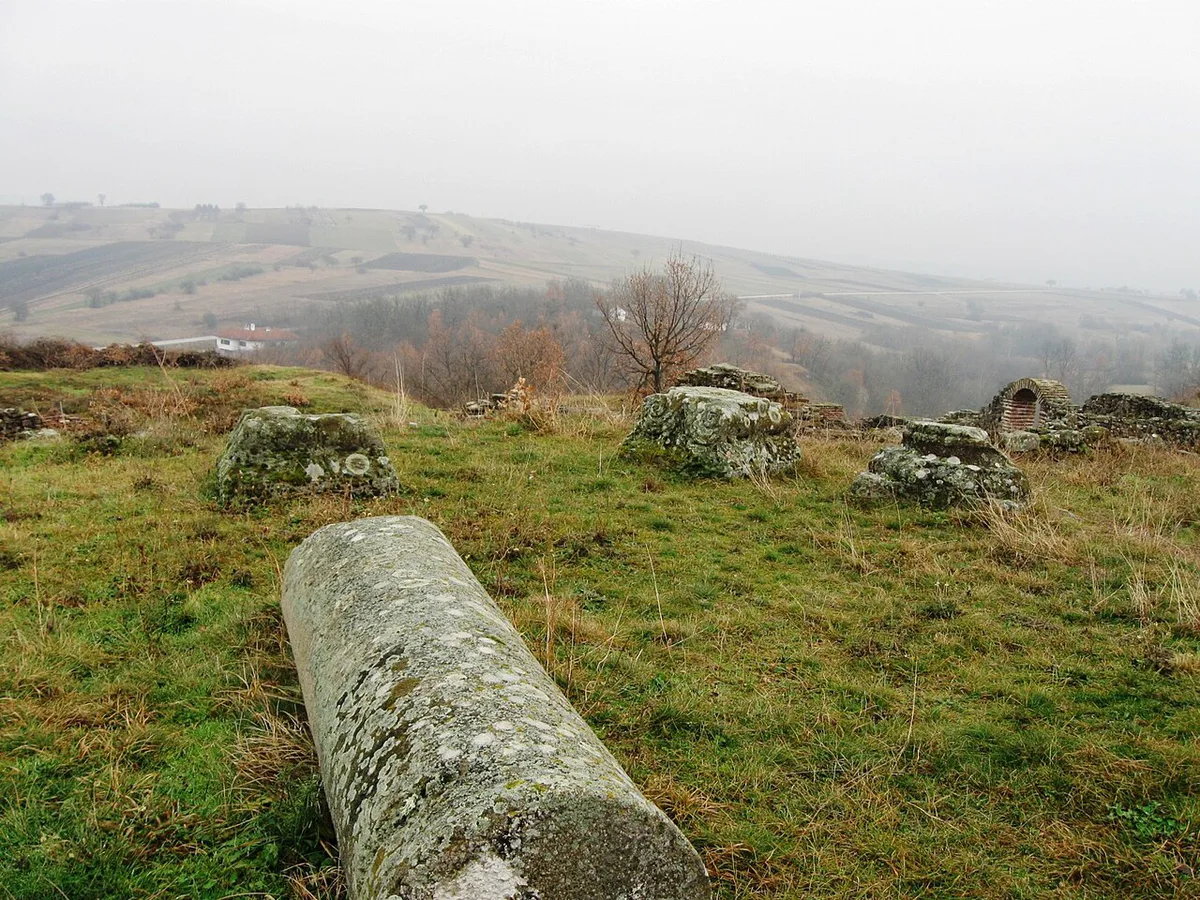
Belgrade and Singidunum
Kalemegdan Fortress stands on the Roman castrum of Singidunum, where the Sava meets the Danube. The Belgrade Roman Hall is an underground chamber in the city centre. Add the structure commonly called the Roman Well inside the fortress, though the name may be misleading. The National Museum holds Roman artefacts from across Serbia, which makes Belgrade an easy half day for city-break travellers.
Danube and frontier sites
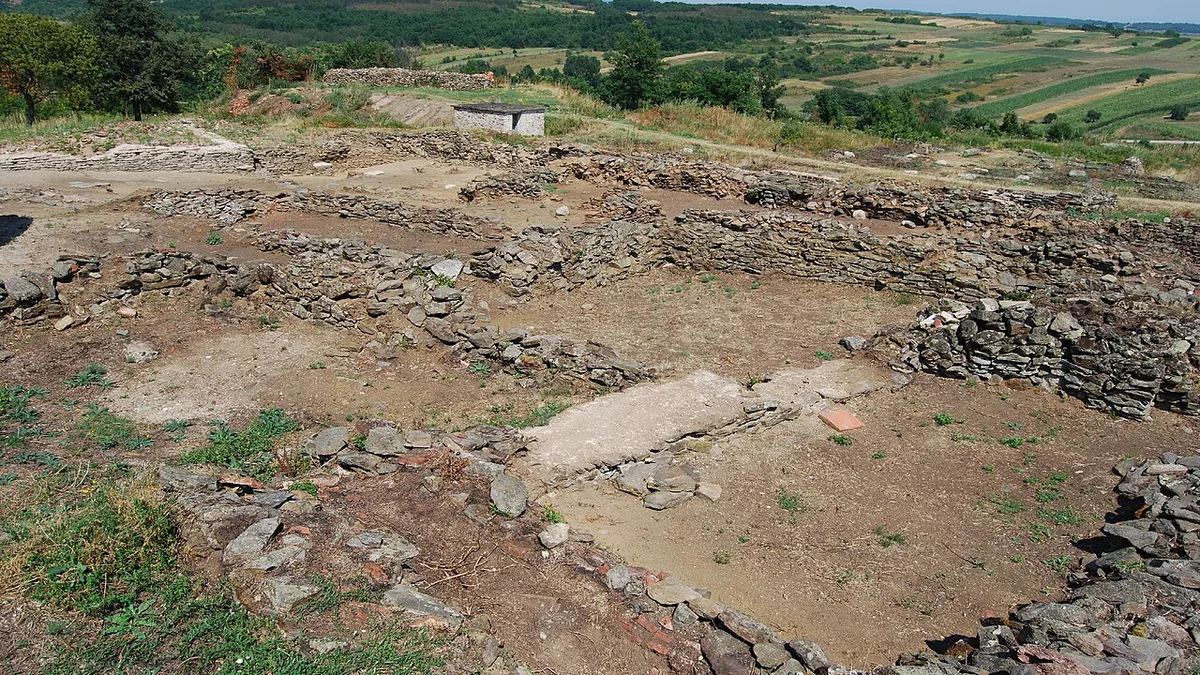
Along the Iron Gates, the Tabula Traiana near Tekija and the remnants of Trajan's Bridge at Kostol are scenic roadside stops rather than ruins to tour. The Djerdap National Park covers the gorge setting. Lepenski Vir is pre-Roman, so read our Lepenski Vir guide as a separate Stone Age stop. With a car and spare time, Ravna (Timacum Minus) near Knjaževac and Caričin Grad near Lebane add late-antique layers.
Sample routes: 1 day, 2 days, 5 days
Treat these as decision blocks and check drive times on a current map. The full Roman Emperors Route runs five days and is inefficient in places because of the long drives east and south.
- 1 day from Belgrade: Viminacium or Sirmium, then Singidunum in the evening.
- 2 days: Belgrade plus Sirmium or Viminacium, then Niš, or Gamzigrad if heading east.
- 5 days: Belgrade, Sirmium, Šarkamen and Gamzigrad, Niš, then back north to Viminacium.
- Trade-off: the Belgrade, Sirmium and Viminacium cluster is compact. Gamzigrad and Niš are the long haul.
Practical logistics: tickets, hours, getting around
Opening days, ticket prices and guided-tour rules change, so use each museum's or site's official page and the national Serbia tourism site. Public transport between the smaller Roman sites is limited, so rent a car in Belgrade or Niš. April to October is the recommended season, and winter closures are possible at outdoor sites. Belgrade works as a base for Singidunum, Sirmium and Viminacium. Niš and Zaječar suit Mediana and Gamzigrad.
Mistakes to avoid
Most disappointments come from expectations, not from the sites.
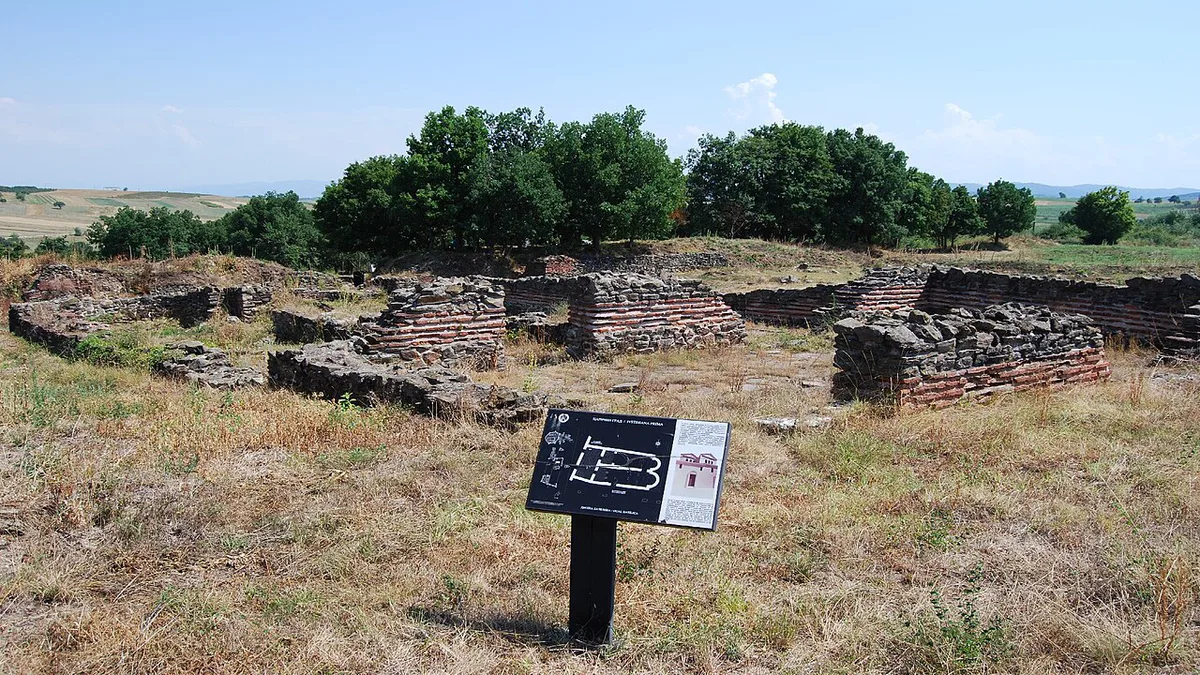
- Expecting Colosseum-scale ruins: many sites are foundations plus museum finds.
- Cramming too much into one day: eastern and southern sites are far apart.
- Skipping the museums: many mosaics and finds are housed there.
- Arriving without checking opening days and guide requirements.
Roman Serbia in the wider Balkans
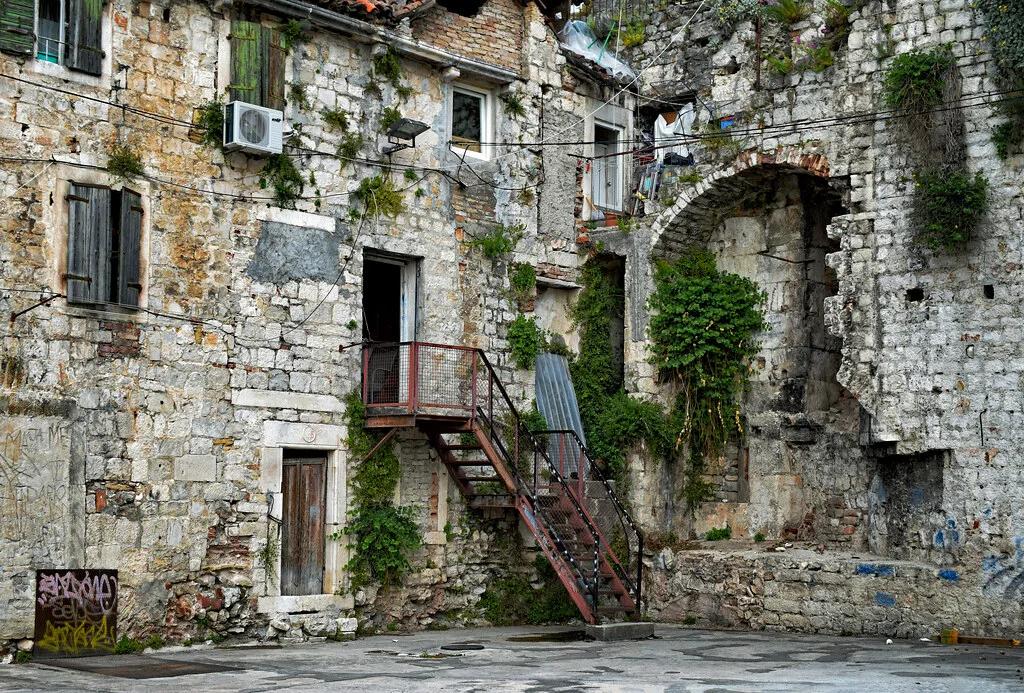
Serbia is the best choice for imperial palaces and tombs. Croatia suits coastal, intact monuments, such as Diocletian's Palace in Split and the finds at Narona. Bosnia is covered in our Roman Ruins in Bosnia: Sites Worth Visiting (and What to Skip) guide. North Macedonia offers Stobi, Heraclea Lyncestis, Bitola: Visitor Guide to the Roman Ruins and the Ancient Theatre of Ohrid: History, Access & Visit Tips. Slovenia's Emona is the northern counterpart.
Frequently Asked Questions
Was Serbia part of the Roman Empire?
Yes. The territory of modern Serbia held Roman cities and forts such as Singidunum, Sirmium, Naissus and Viminacium. Several emperors, including Constantine the Great, were born there.
Related guides
Continue reading
Guides on the same trip