
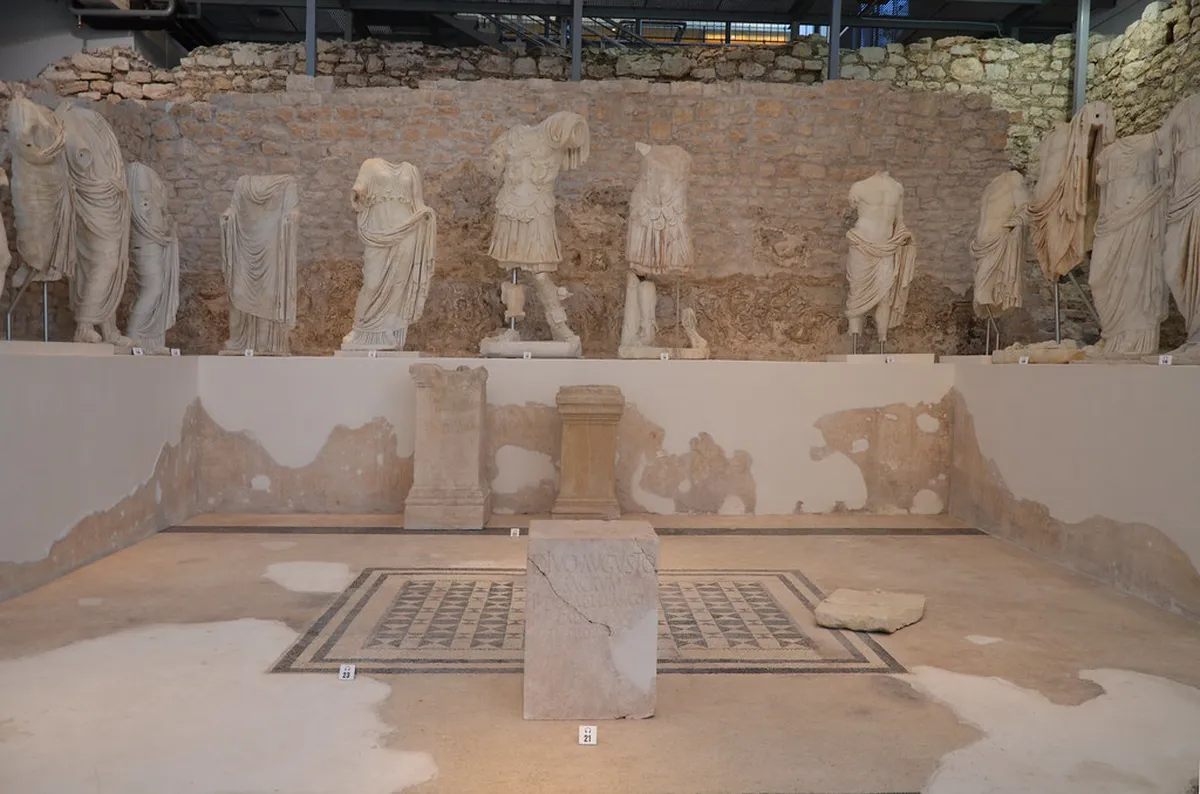
Narona: Roman Colony and Museum Near Metković, Croatia
Last updated November 2026. Narona was a Roman colony on the Neretva river near Vid, by Metković, in southern Croatia. Its finds are shown at the archaeological museum in Vid, which makes it a museum-led stop rather than a field of tall standing ruins. If you want the wider picture, our guide to Roman sites in the Balkans places it among the region's other ancient towns and palaces.
Featured image: Following Hadrian, CC BY-SA 2.0, via Flickr.
Narona at a glance
Narona suits a short, focused stop. Use these points to decide quickly.
- Location: Vid, near Metković, in the Neretva valley of southern Croatia.
- Type of site: Roman provincial colony, interpreted through a museum and excavated remains.
- Best for: Roman-history readers, cluster completists and road-trippers already travelling the Dubrovnik–Split corridor.
- Access: a car makes the stop easiest; check bus options with local operators.
What Narona was
Narona was a Roman colony and river port in the Dalmatian hinterland. Its position on the Neretva tied the inland valley to the Adriatic coast. That role differs from the imperial residences and legionary bases elsewhere in the Balkans. Compare it with Diocletian's Palace in Split, which was built as a ruler's retirement residence. Narona was a working provincial town. Specific dates and excavation histories are best read in the museum's own interpretation, so treat the details there as the authority.
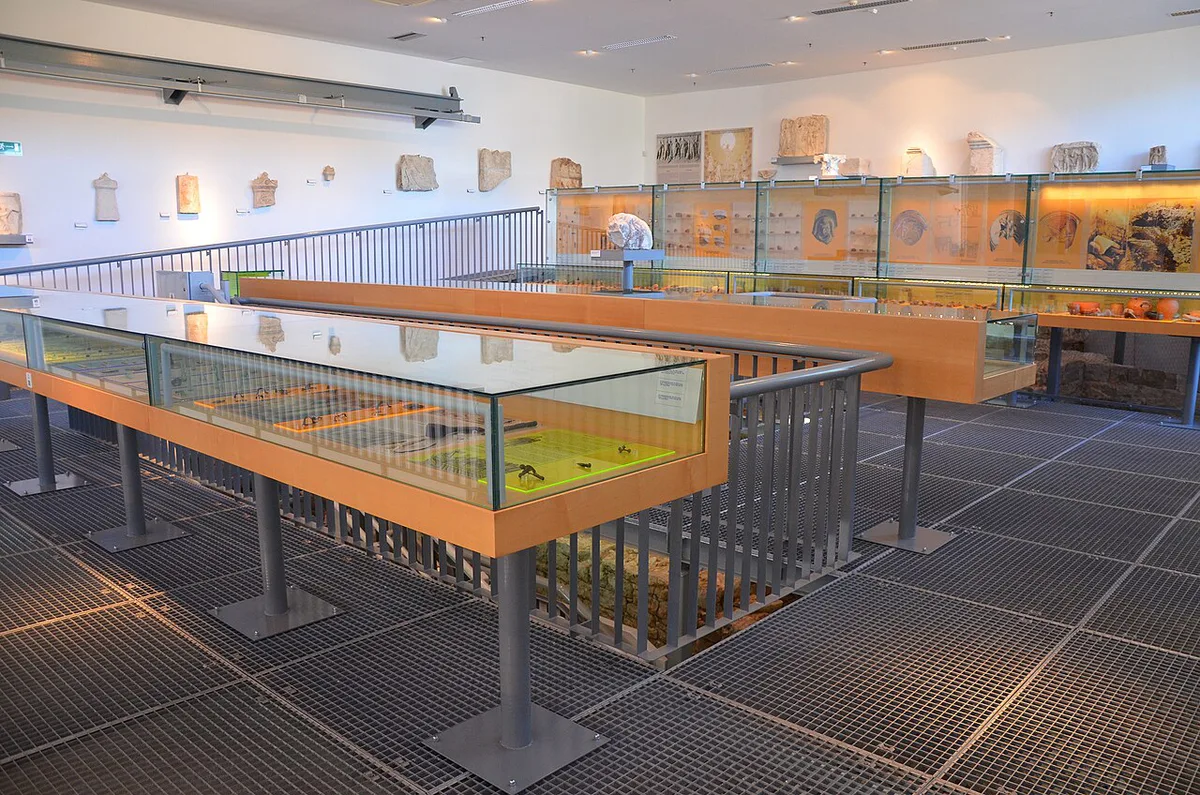
What you can see today at Narona
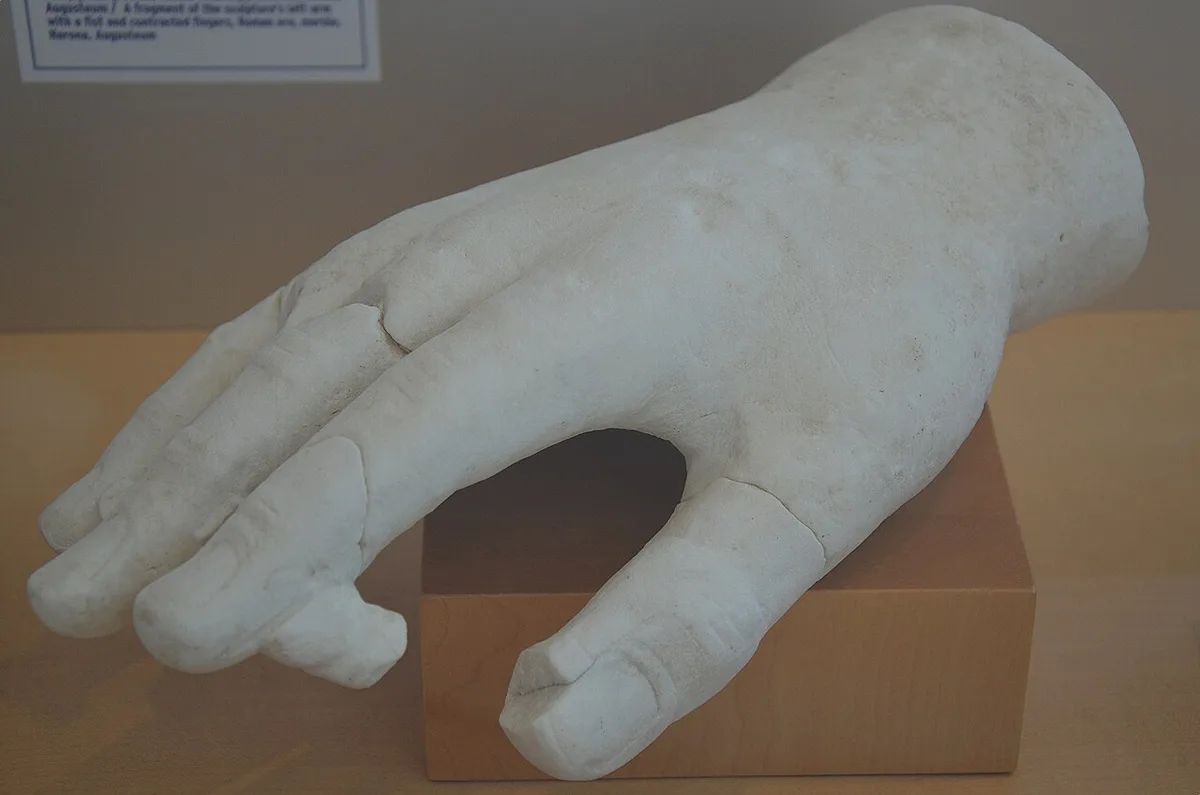
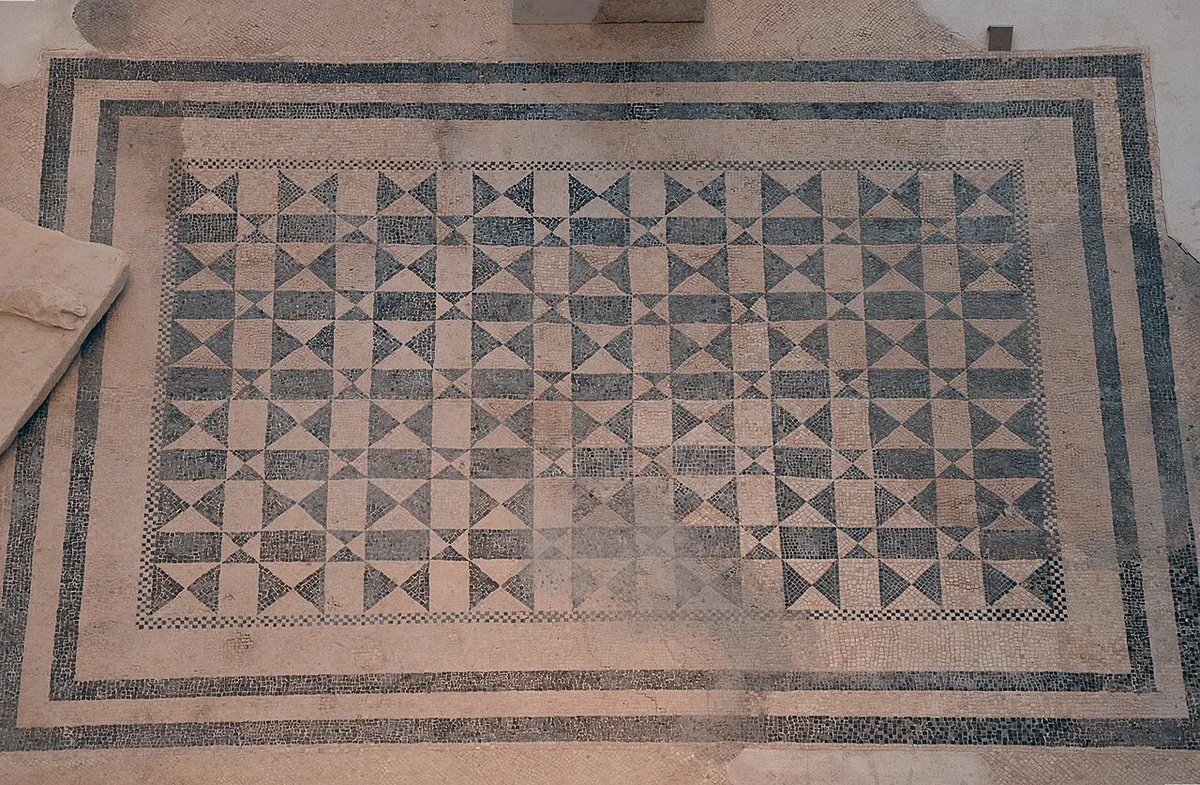
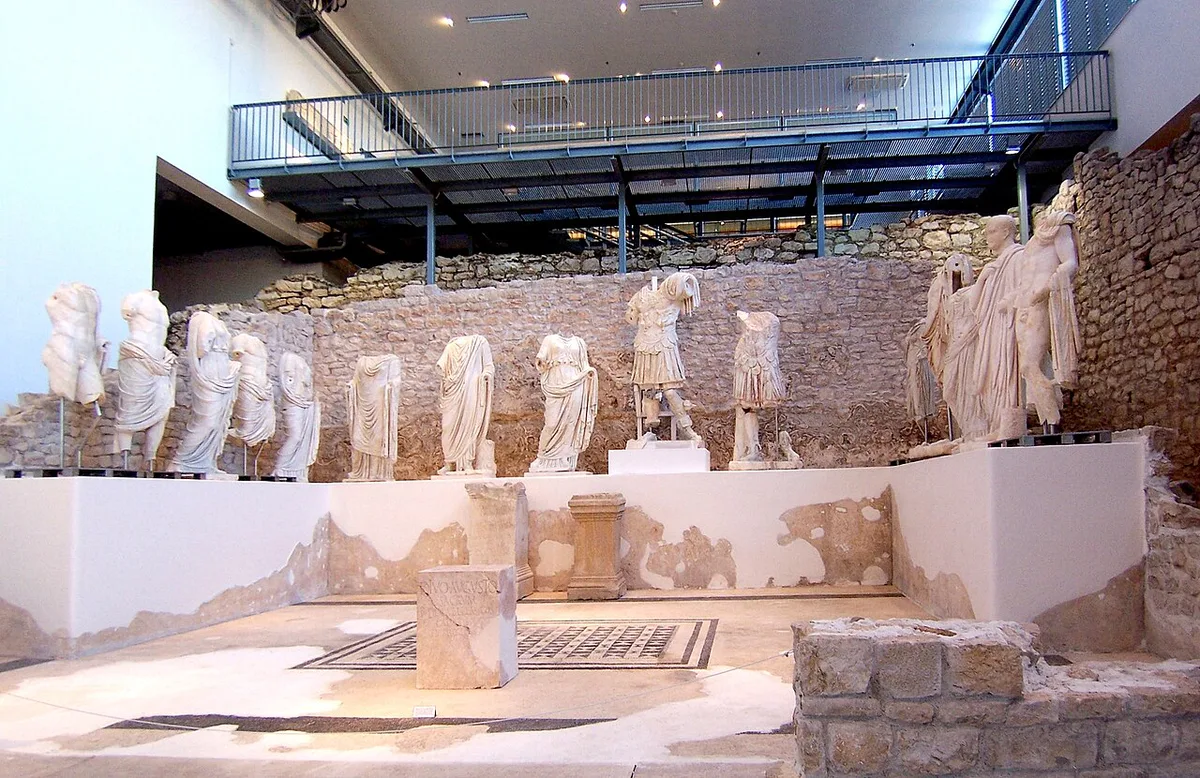
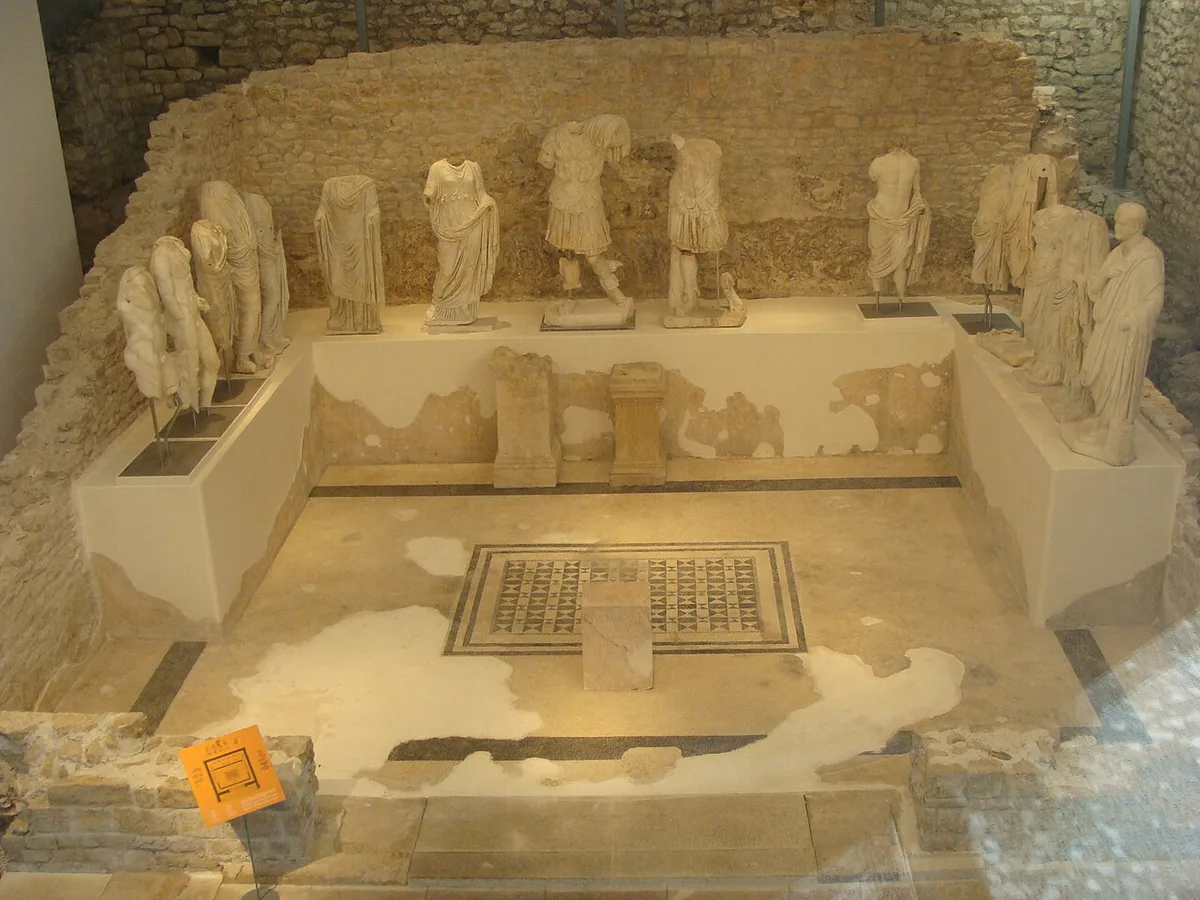
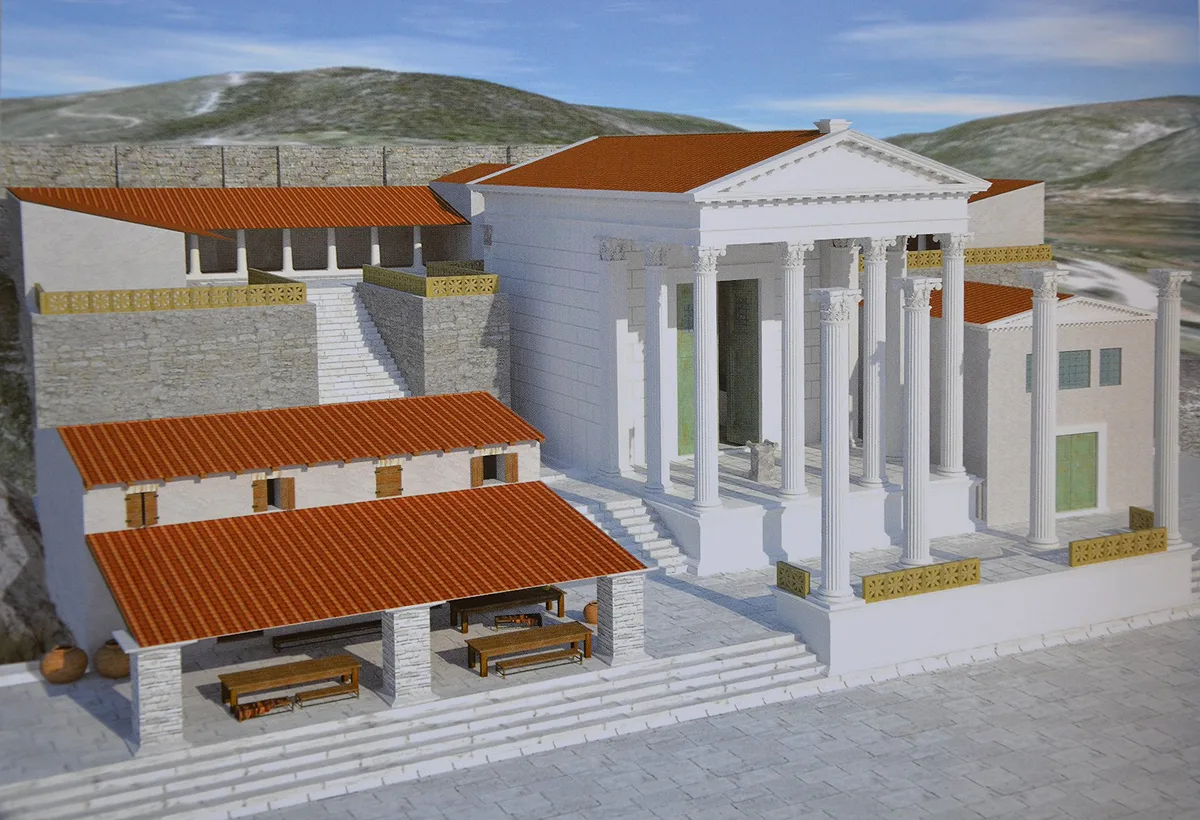
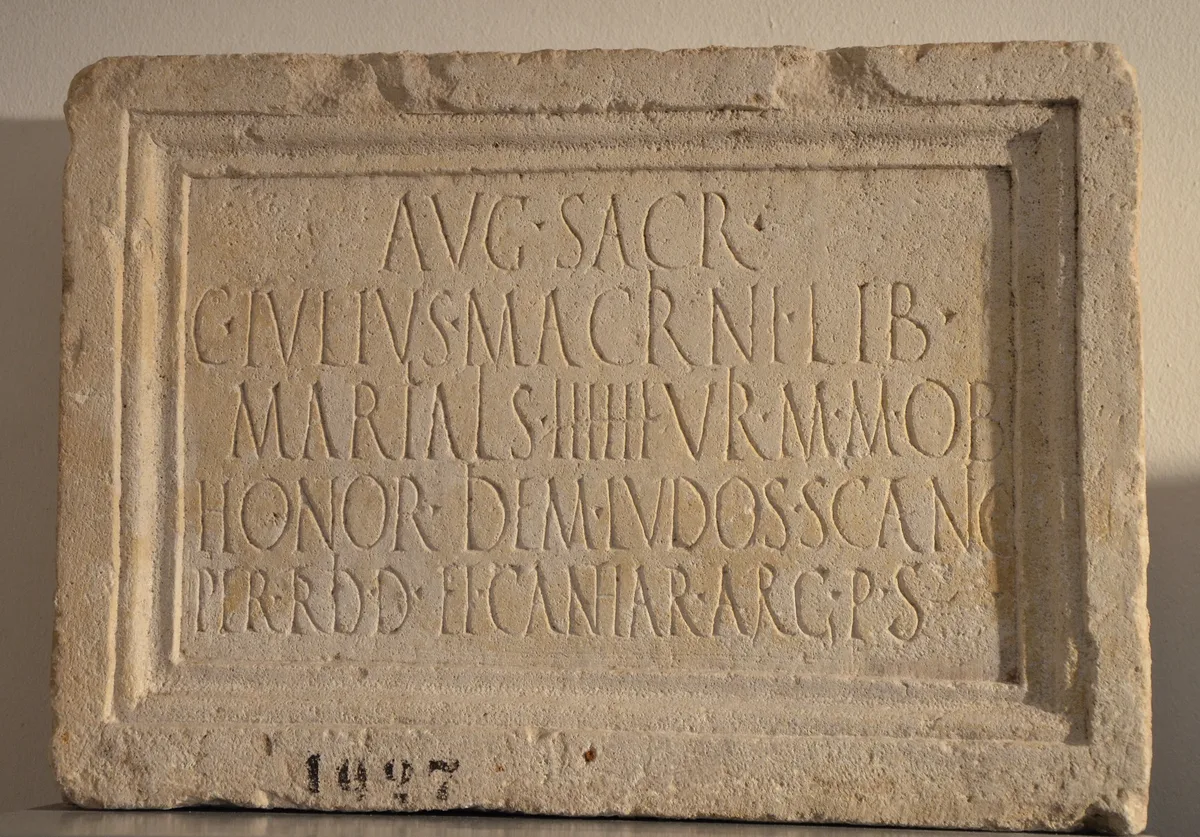
Plan around two things rather than one. The first is the archaeological museum at Vid, where finds from the colony are displayed. The second is the excavated remains in the surrounding landscape. Expect interpretation and fragments rather than a walled complex you can wander for hours. Which structures you can enter on foot changes with conservation work, so ask the museum when you arrive. Reading the exhibits first helps you make sense of whatever you see outdoors.
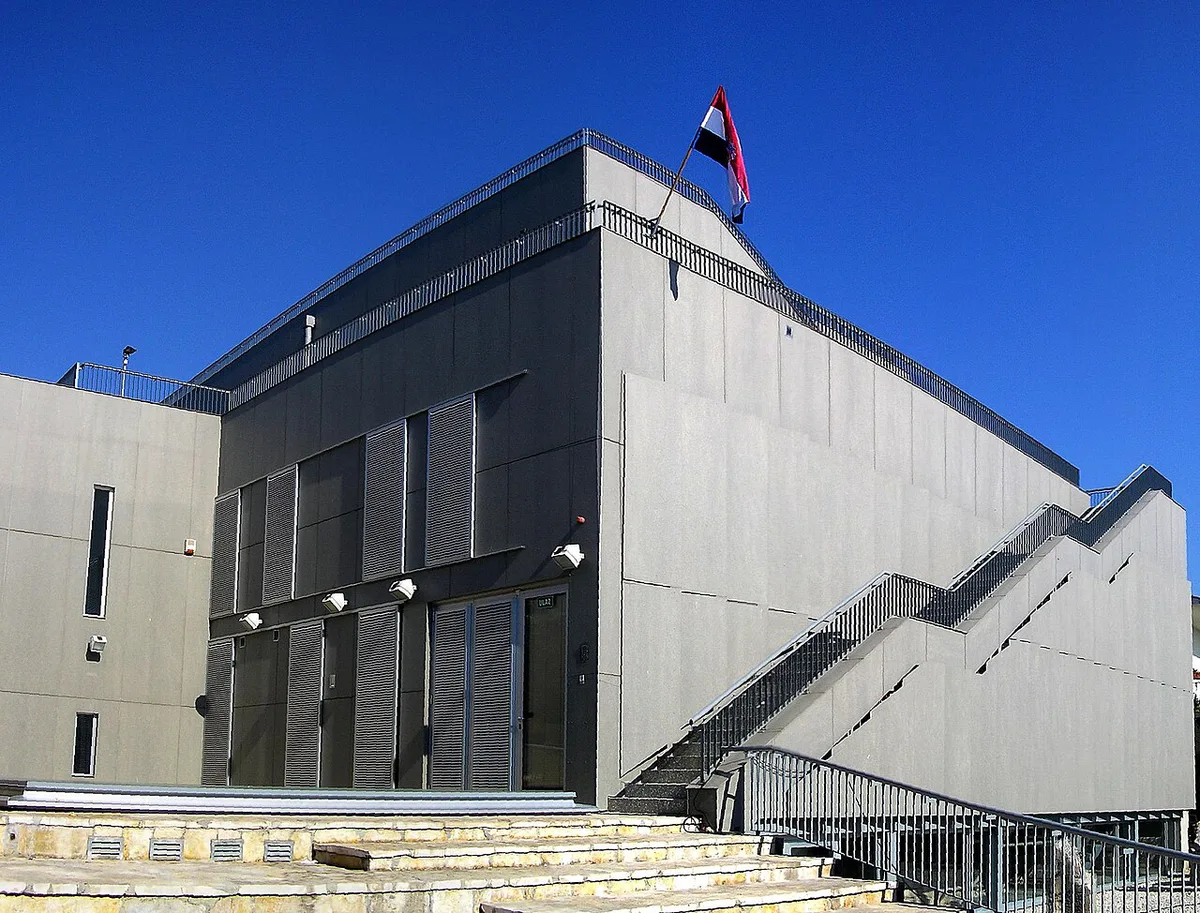
Vid's museum and the surrounding remains are 2 nearby elements, so a car lets you adjust which one comes first.
Getting to Narona from Dubrovnik, Split and Metković
Vid sits close to Metković, so Metković is the natural base for a short visit. Driving gives you the most flexibility, especially for parking near the museum and for pairing the stop with the Neretva delta. From Dubrovnik and Split, Narona fits on the coastal road as a detour rather than a destination. If you prefer public transport, check current timetables with local bus operators before committing. The Croatian National Tourist Board lists regional travel information for planning.
Hours, tickets and timing
Opening days and ticket prices for small regional museums can shift by season and by weekday. Confirm both on the museum's official page before you set out, and carry a backup plan in case it is closed. A visit centred on the museum is usually short, so you can add it to a travel day without rearranging the schedule.
Because Narona is a 2-part stop, a closed museum matters more than it seems, since the outdoor remains offer little on their own.
Is Narona worth it? Who should go
Go if you enjoy reading a Roman town through its objects and want to see how provincial life differed from imperial grandeur. Go too if you are working through the cluster. Skip it if you want monumental scale. For that, head to Felix Romuliana (Gamzigrad) Visitor Guide: Is It Worth the Trip? or Viminacium in Serbia. Visitors who prefer a walkable Roman complex will be happier at Split, where a guided Diocletian's Palace tour adds context.
Combining Narona with other stops
Pair the museum with the Neretva delta and the town of Metković for a half-day built around the river. Travelling onward, Split gives you the palace and Dubrovnik the walled old town. For a cross-border trip, Roman Ruins in Bosnia: Sites Worth Visiting (and What to Skip) are the nearest neighbouring-country option. Completists can continue to Roman Ruins in Serbia: Best Sites, Routes and Tips and Stobi in North Macedonia. Return to the Roman Balkans overview to plan a longer route.
If the museum is closed: a sensible backup plan
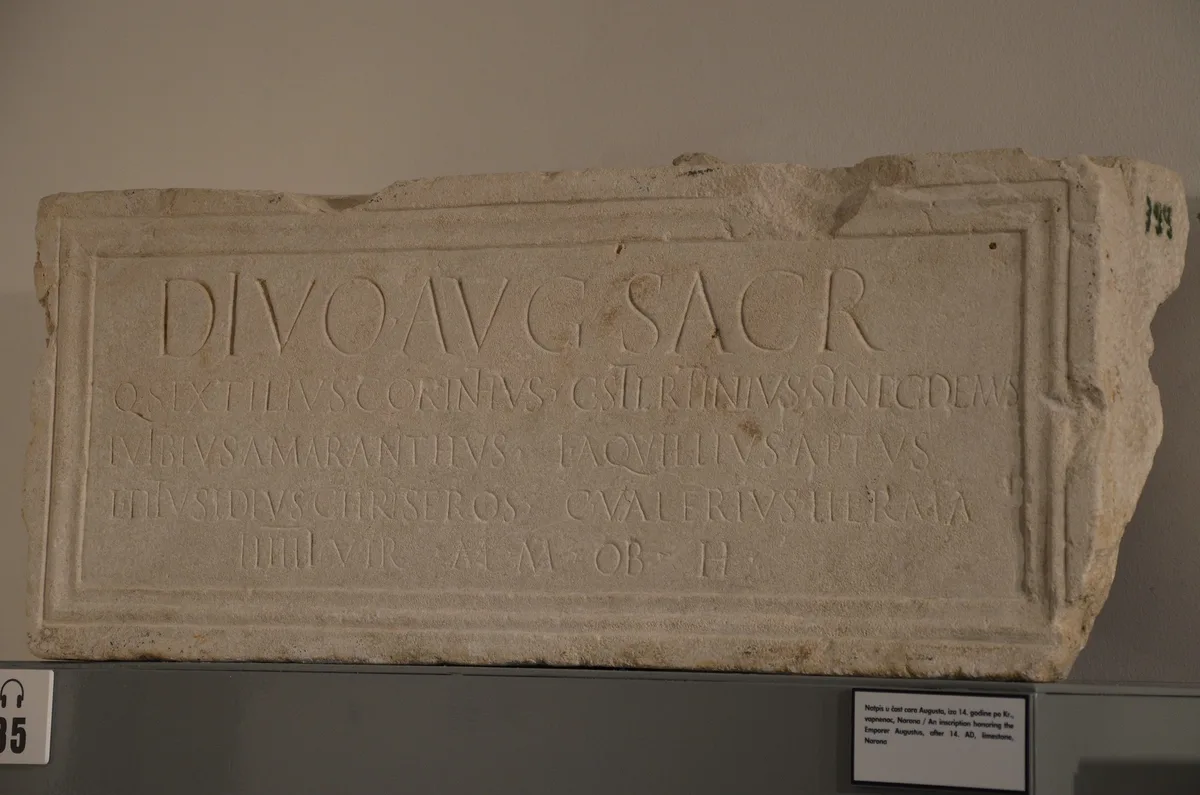
Treat Narona as a 2-part stop: the archaeological museum provides the clearest interpretation, while the surrounding remains supply the setting. If the museum is closed, do not expect the outdoor fragments alone to replace a full visit. Conservation access can change, and the article’s main value comes from connecting objects with the former town.

Instead, use the stop as part of a half-day around Vid, Metković and the Neretva delta. Check the museum’s official page before leaving your accommodation, especially on seasonal or weekday visits. If access is uncertain, keep Narona flexible within a driving day rather than making it the only reason for a long detour from Dubrovnik or Split.
A car remains the easiest option because it lets you adjust the order of the 2 nearby elements: visit the museum first when open, then continue through the valley. Public-transport travelers should confirm the return timetable before committing, since a closure can leave little else to do at the site itself.
Related guides
Continue reading
Guides on the same trip