
Heraclea Lyncestis, Bitola: Visitor Guide to the Roman Ruins
Last updated November 2026. Heraclea Lyncestis is an ancient city founded in the 4th century BC, later Roman, on the southern edge of Bitola in North Macedonia. It is known above all for its mosaics, with a theatre and early Christian remains alongside them. This guide covers what survives, how to reach it and whether it earns a place in a wider tour of Roman sites across the Balkans.
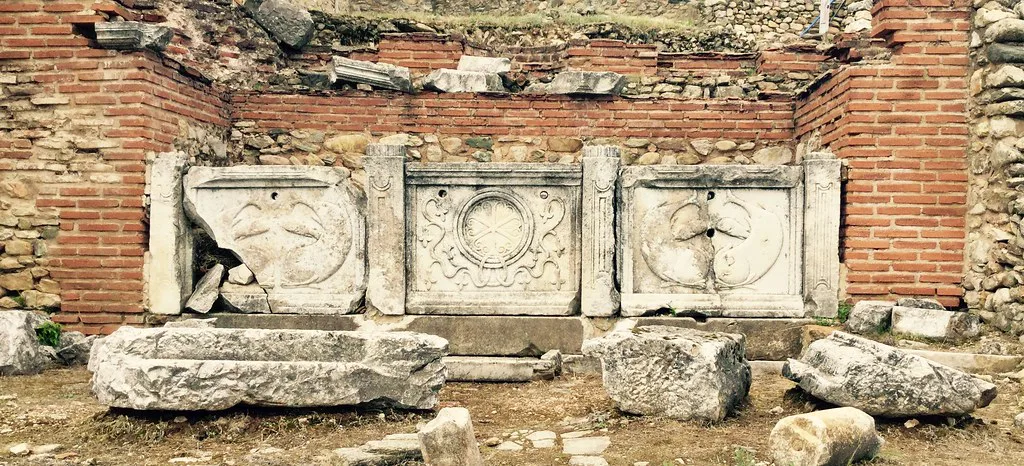
Featured image: mrflip, CC BY-SA 2.0, via Flickr.
Heraclea Lyncestis at a glance
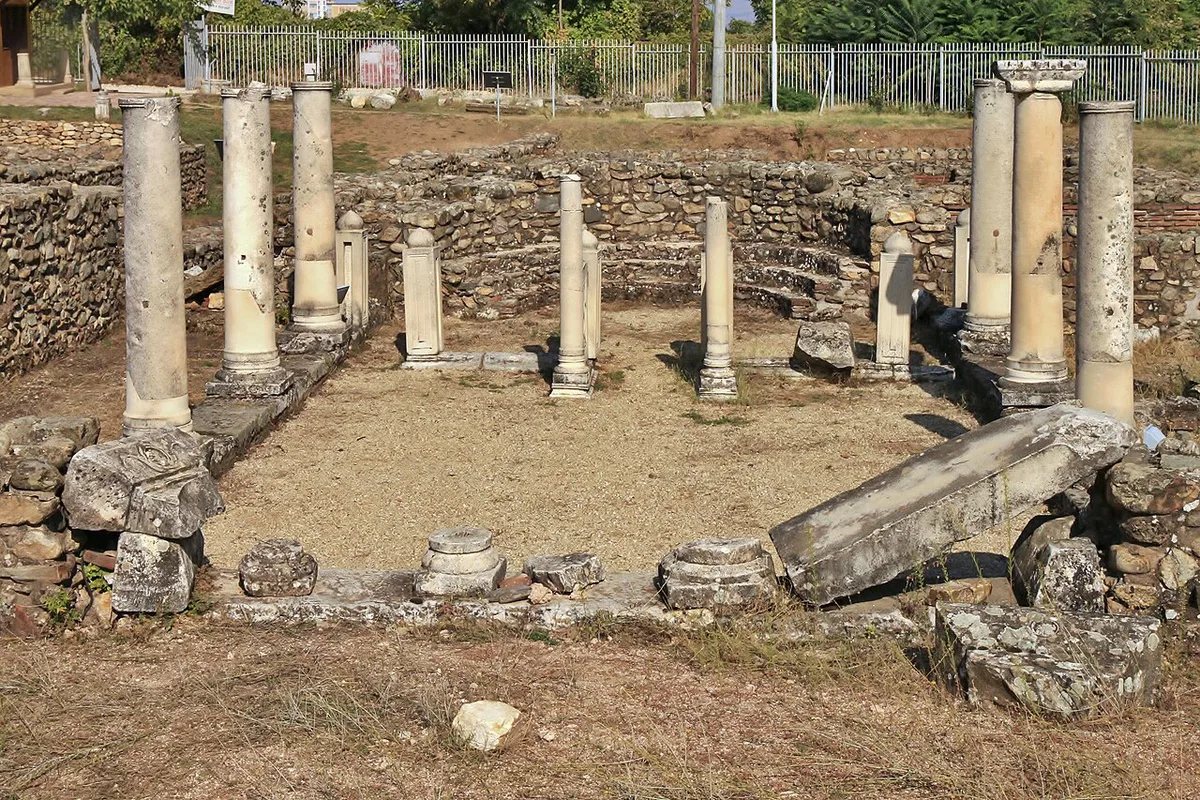
Heraclea Lyncestis (also spelled Heraclea Lincestis) lies about 2 km south of Bitola, in the Pelagonia region. It is a small open-air archaeological site, not a museum with a large indoor collection. History readers and mosaic fans get the most from it.
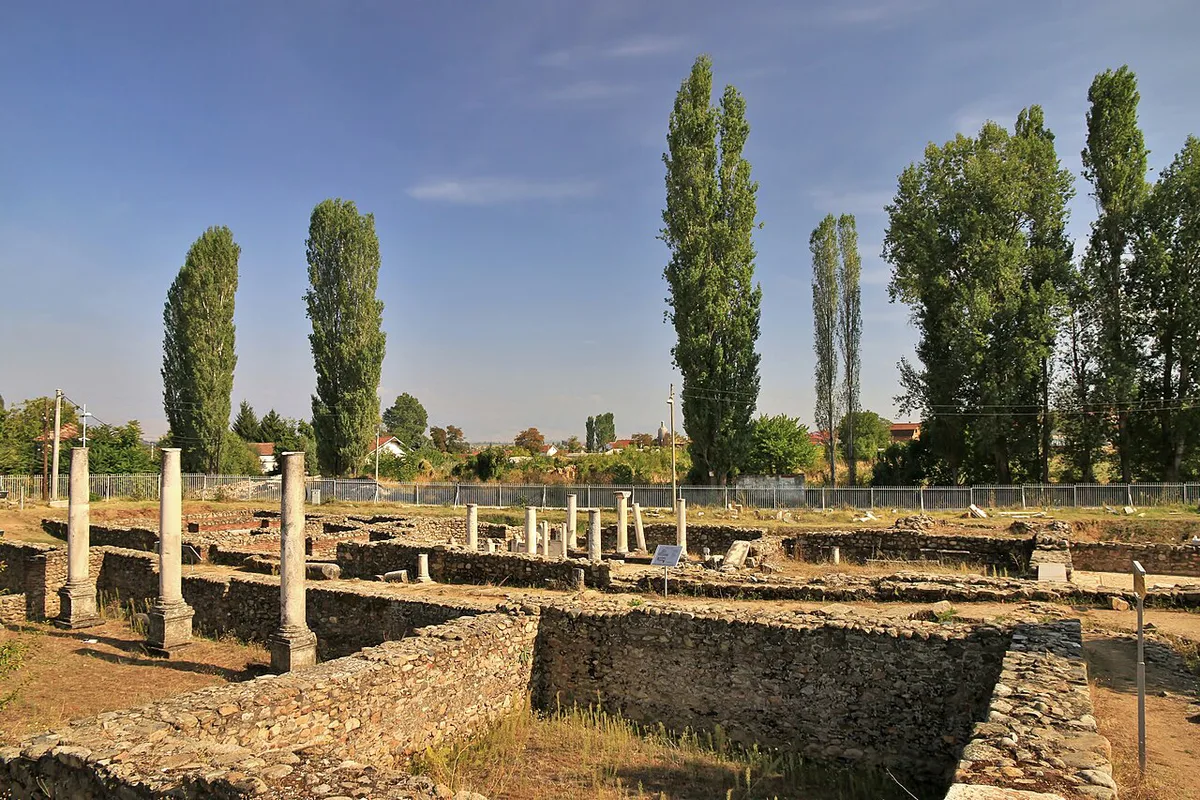
- Where: just south of Bitola, North Macedonia.
- Founded by: Philip II of Macedon, 4th century BC.
- Route: it sat on the Via Egnatia, the Roman road linking the Adriatic coast with Byzantium.
- Best for: mosaics, an ancient theatre and early Christian ruins.
- Logistics: hours and ticket price are not confirmed here, so use the official source below.
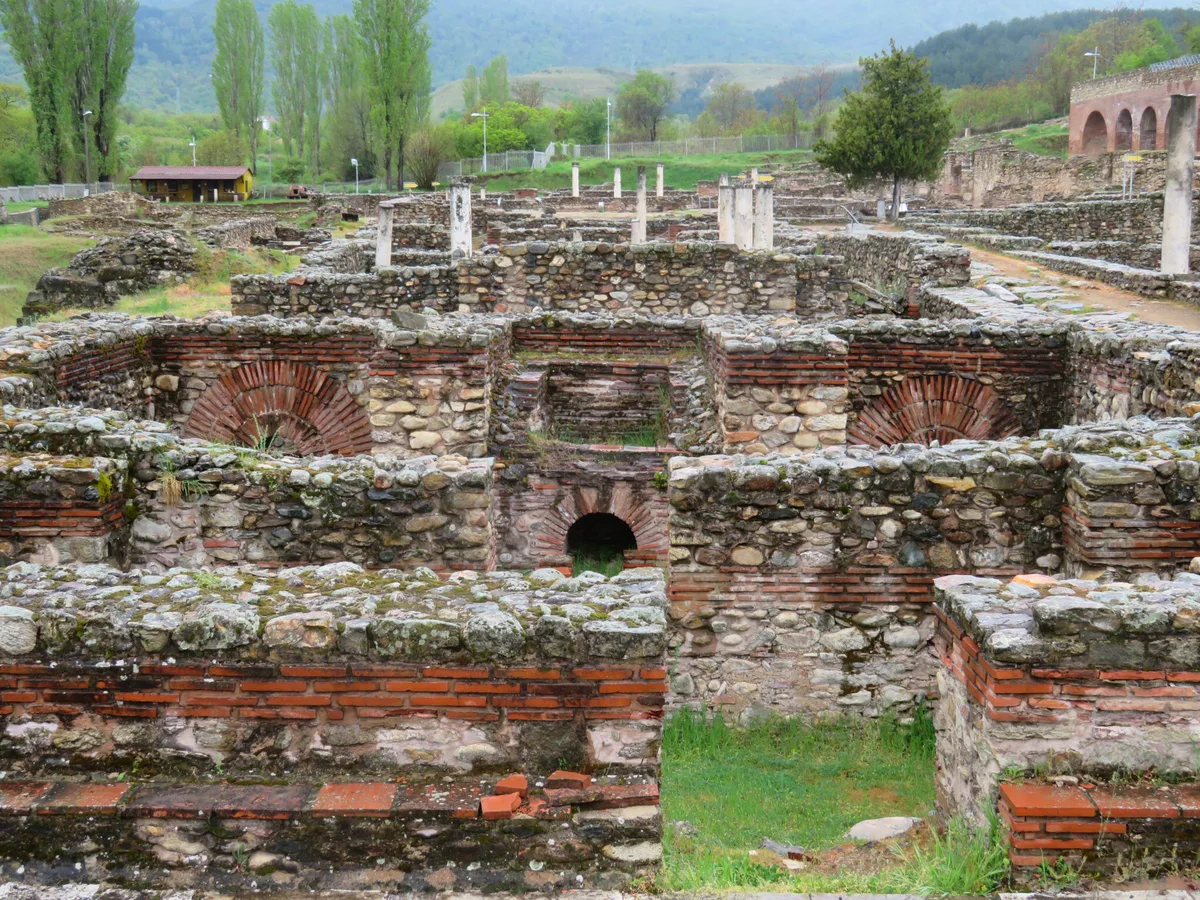
A short history: Philip II to the Via Egnatia
Philip II of Macedon founded the city in the 4th century BC, which answers the common question of how old it is. Its position on the Via Egnatia made it a useful stop between the Adriatic and the east. Roman rule brought new building, and Christian communities later left basilica ruins. That layered story is why the mosaics and the theatre sit within one compact site.
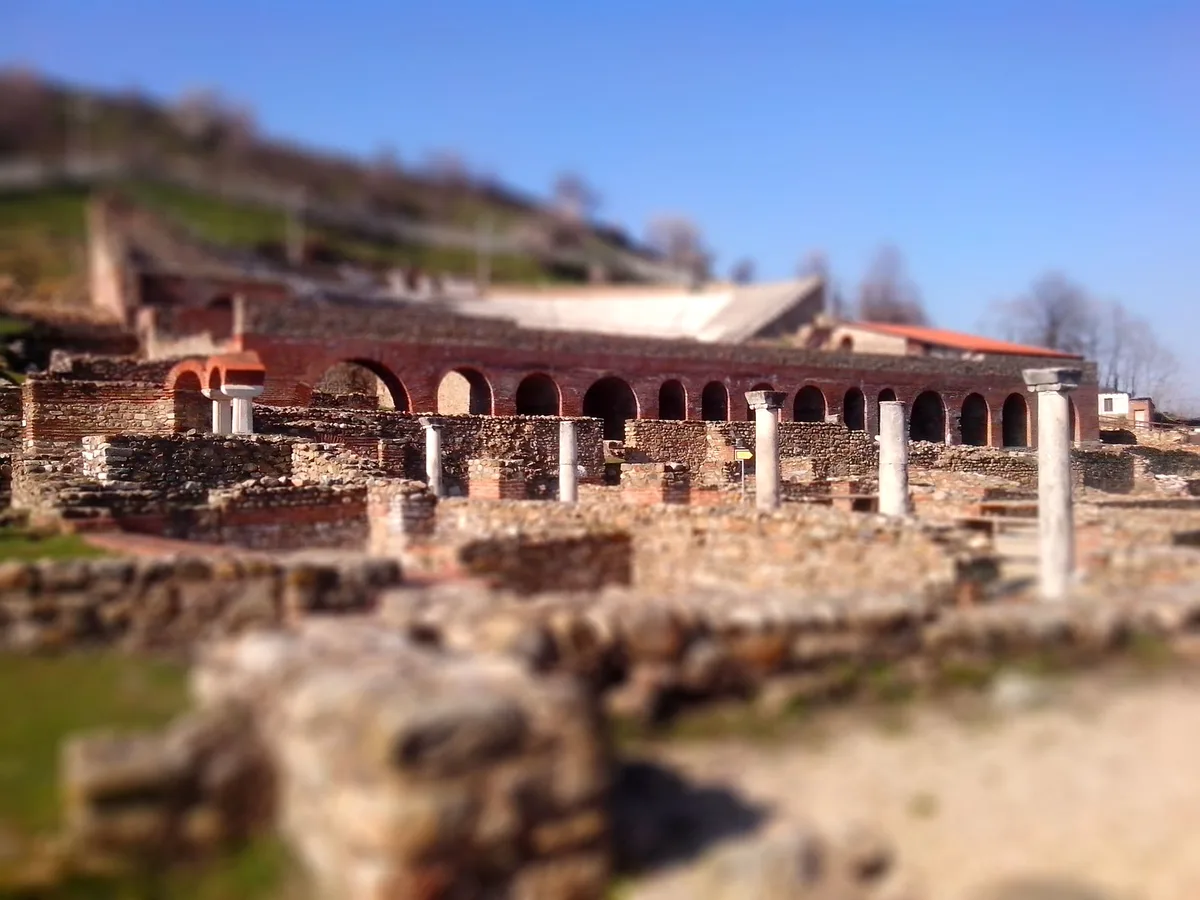
What to see on site
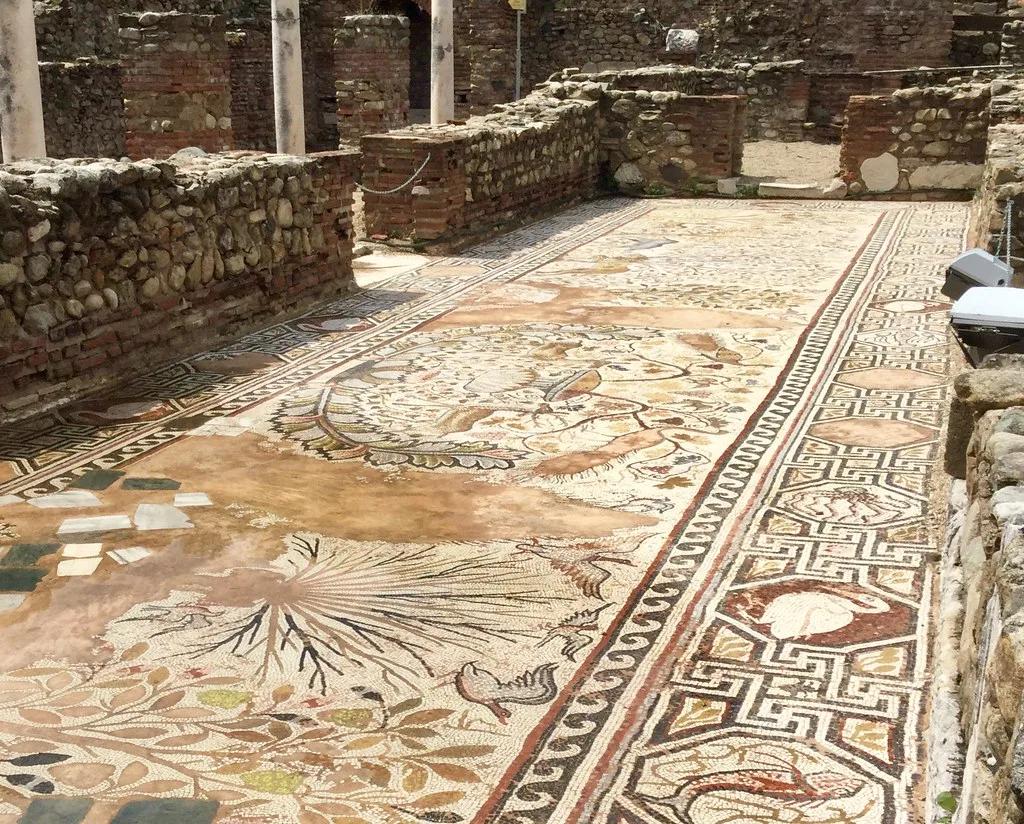
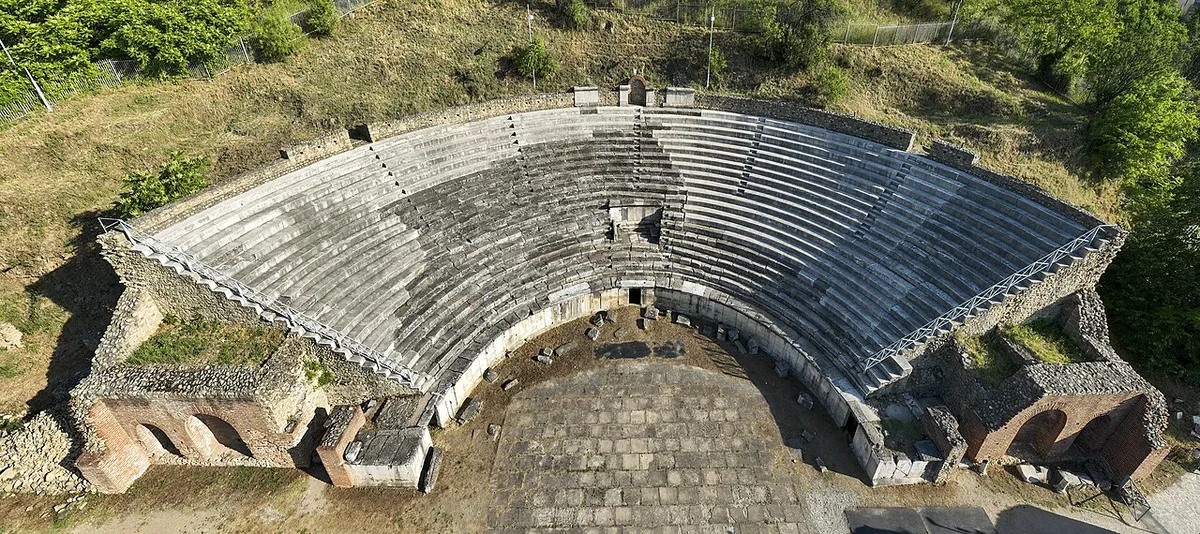
Start with the mosaics, the reason most visitors come. Surviving floors are fragile, so expect some areas to be roped off or protected from weather. The theatre is the other anchor, and you can walk around its seating area. Early Christian basilica remains complete the picture. Dating details for individual buildings differ between popular sources, so rely on on-site signs rather than a single round date.
- Mosaic floors: look closely at patterns, and keep off protected surfaces.
- Theatre: best viewed from the seating, with Bitola's edge beyond.
- Basilica remains: evidence of the early Christian city.
- Open-air layout: little shade, so bring water and sun protection.
Reading the site: the name, the basilicas and the theatre
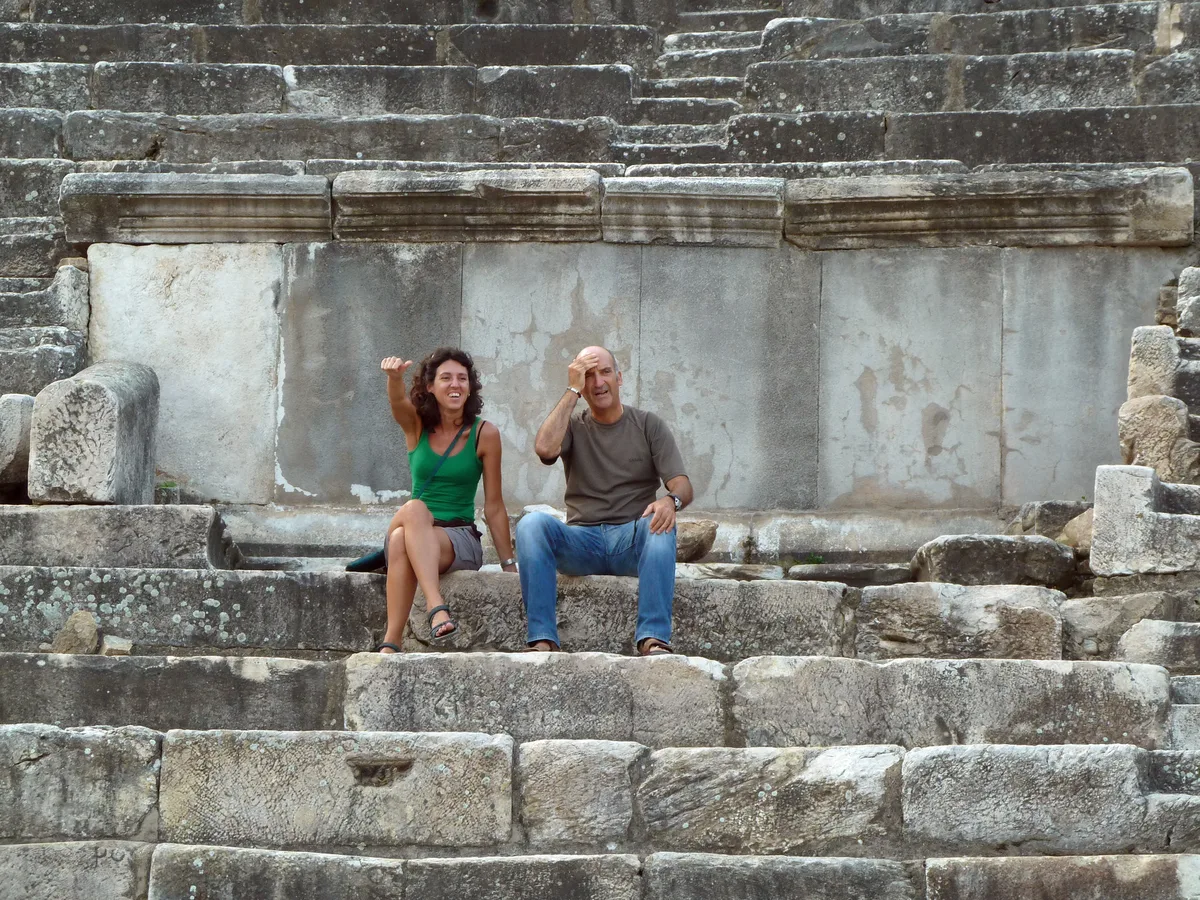
Knowing what each part of the site is makes the walk more rewarding, because the ruins carry few labels beyond the on-site signs.
What the name means
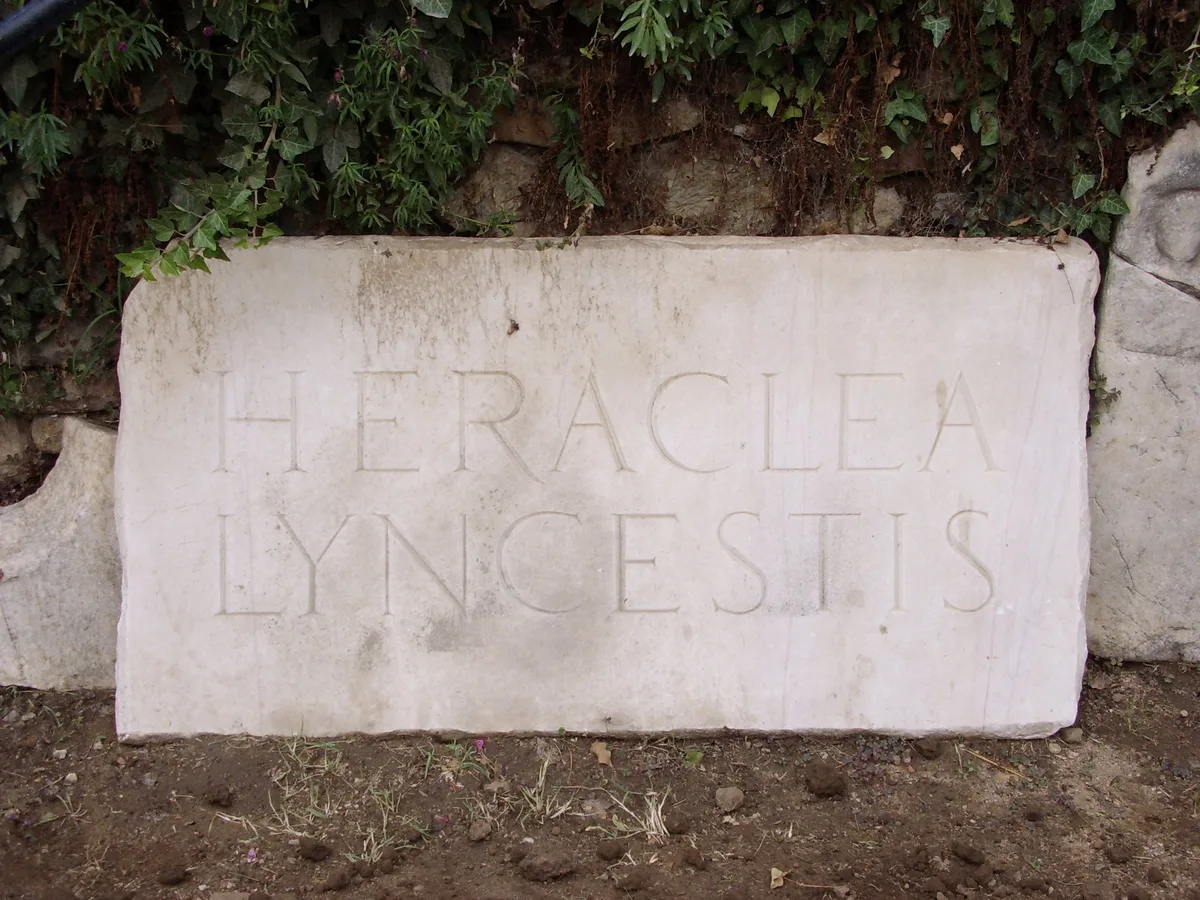
The city is named for Heracles, whom the Macedonian royal house claimed as an ancestor. Lyncestis refers to Lyncestis, the upland region of Macedonia where the city stood. The name distinguishes it from the many other ancient cities called Heraclea. Sicily's Heraclea Minoa, for example, is a different site entirely.
How the main areas fit together
| Area | What it is | What to look for |
|---|---|---|
| Basilica floors | Early Christian church remains from the late Roman period | Mosaic panels with plant, bird and geometric motifs |
| Theatre | A Roman-era theatre with a curved seating area | The tiers, and the view toward Bitola's edge |
| Portico and other buildings | Remains of the public and civic quarter | Column bases and paved areas |
The mosaics are the main draw, so give them most of your time. Look at the colour and the borders, and read the on-site signs for each panel's date and context. Some panels may be covered or fenced off depending on the season and conservation work. That is normal for floors this fragile.
For photographs, the theatre is best in the morning or late afternoon, when low light picks out the stone. The mosaics are easier to read in even daylight, since harsh sun flattens the colours.
Getting there from Bitola
The ruins sit about 2 km south of central Bitola. That is a short taxi ride or drive, and a reasonable walk if the weather is good. Parking and entrance arrangements are best checked locally on arrival.
Tickets, opening hours and timing
No published ticket price or schedule is confirmed for this page. Check current hours and fees with North Macedonia's official tourism site before you go. Weather can affect access to mosaics, so a dry day is the safer choice. Plan around daylight, since this is an outdoor site.
Half-day plan with Bitola
Visit the ruins in the morning while light is soft and the site is cooler. Then head back north into Bitola for lunch and an old-town walk along its main pedestrian street. Most visitors need an hour or two on site, longer if you linger over the mosaics. Slow visitors with a strong interest in archaeology can stretch that into the afternoon.
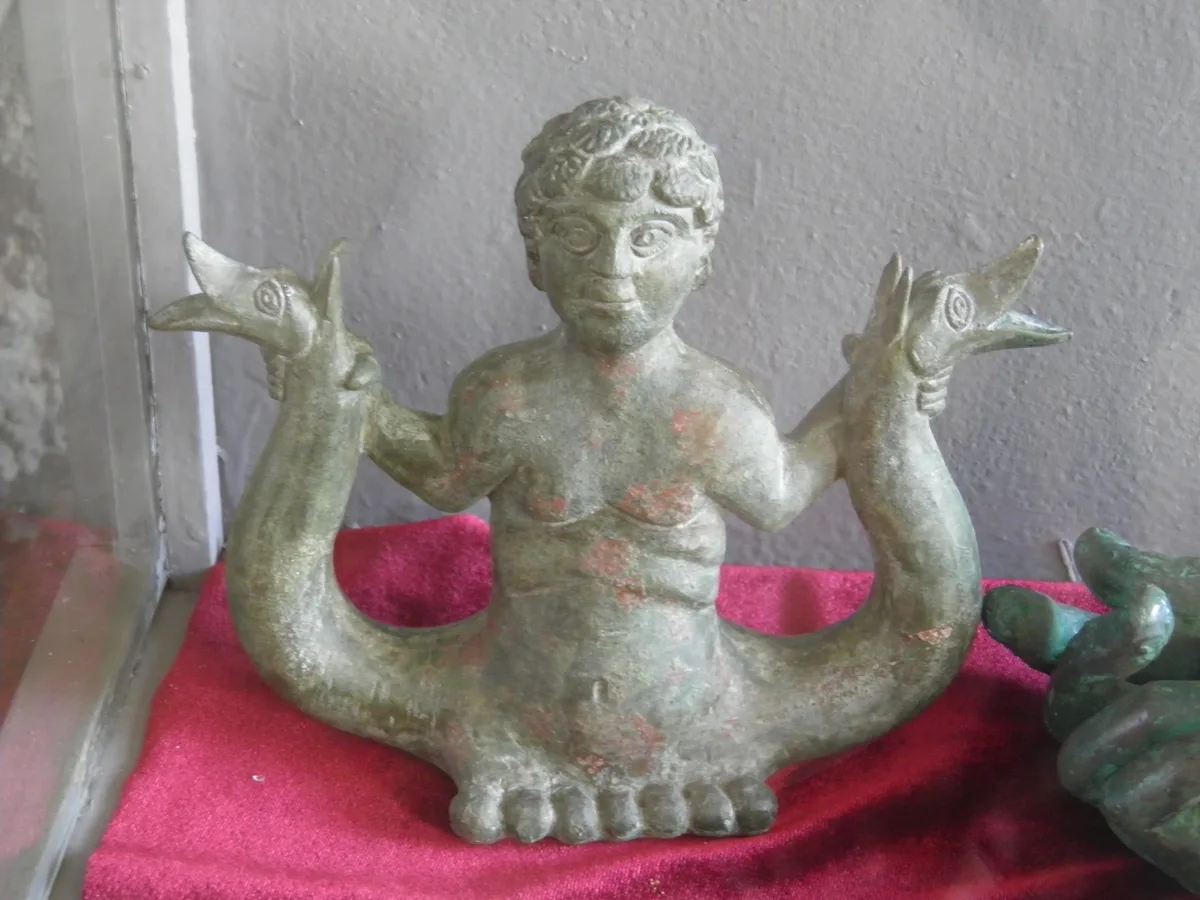
Returning north for lunch is easy, since the site is about 2 km south of central Bitola, so the half-day stays relaxed.
Is it worth it? Go if, skip if
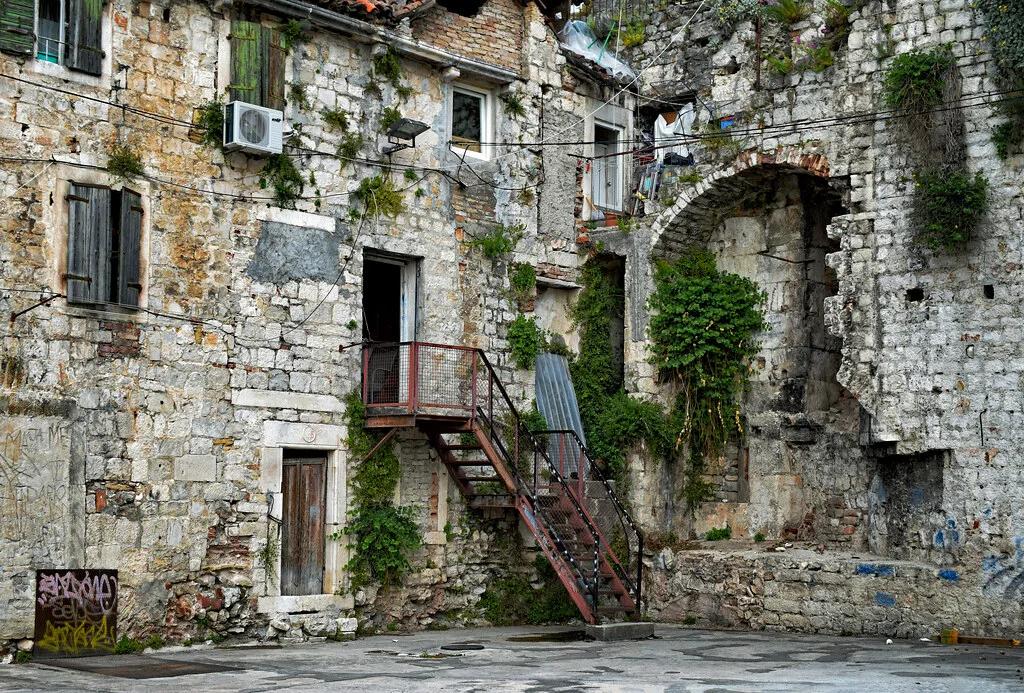
Heraclea Lyncestis rewards a focused stop rather than a full day. For a bigger North Macedonian site, compare it with the ruins at Stobi. For another ancient theatre, consider the theatre in Ohrid. For sheer scale, nothing here matches Diocletian's Palace in Split.
- Go if you care about mosaics, Philip II or the Via Egnatia.
- Go if you are already in Bitola and want a half-day outing.
- Skip it if you expect a large museum or monumental walls.
- Skip it in heavy rain, when mosaics may be covered or access limited.
Related guides
Continue reading
Guides on the same trip