
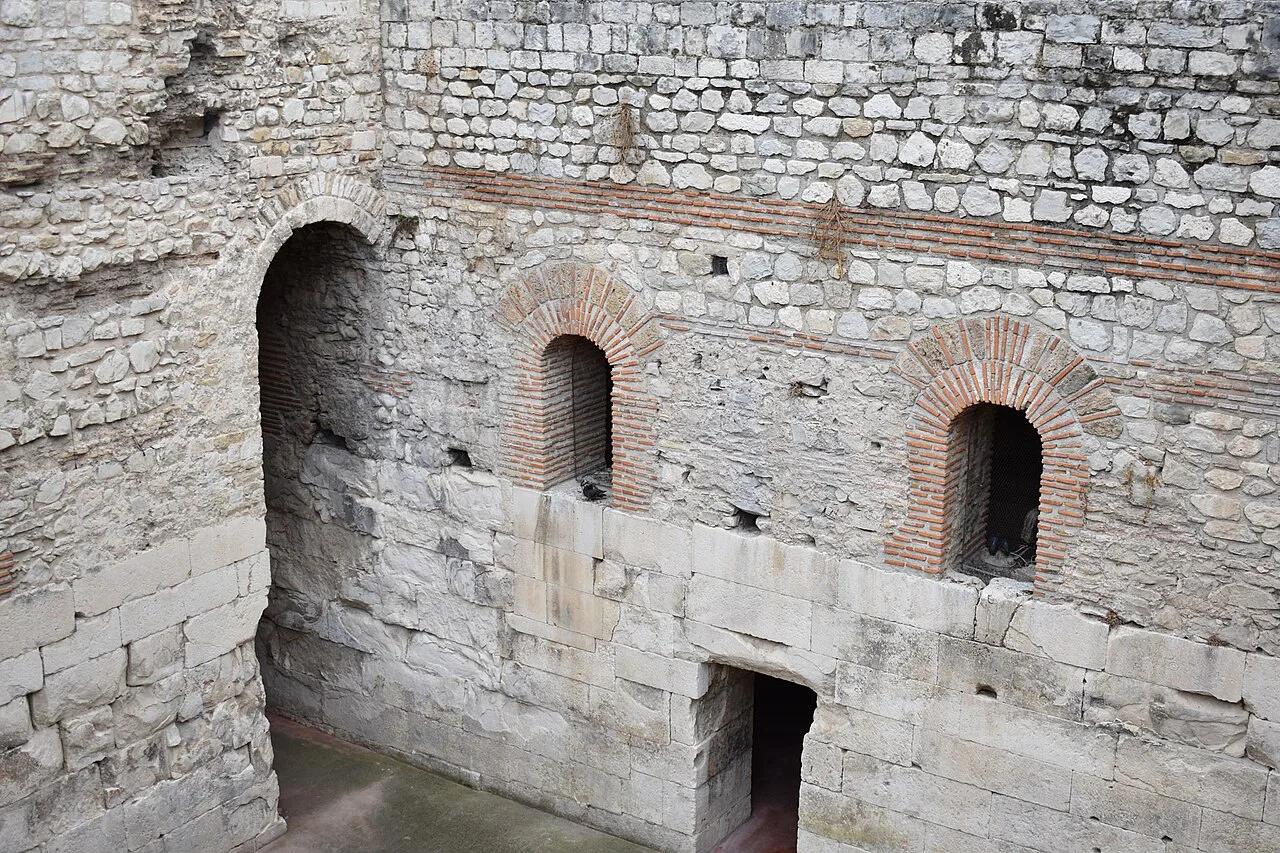
Diocletian's Palace, Split: Visitor Guide & Roman Context
Last updated November 2026. Diocletian's Palace is the late-3rd and early-4th-century imperial residence at Split, Croatia, and it became the core of the old town. Today you walk through it as a living district, not a single gated monument. Our guide covers what to see, which parts are paid, how long to allow, and how it fits with other Roman Ruins in the Balkans: 12 Sites Worth Visiting.
Featured image: Justin W Flory, CC BY-SA 3.0, via Wikimedia Commons.
What Diocletian's Palace actually is
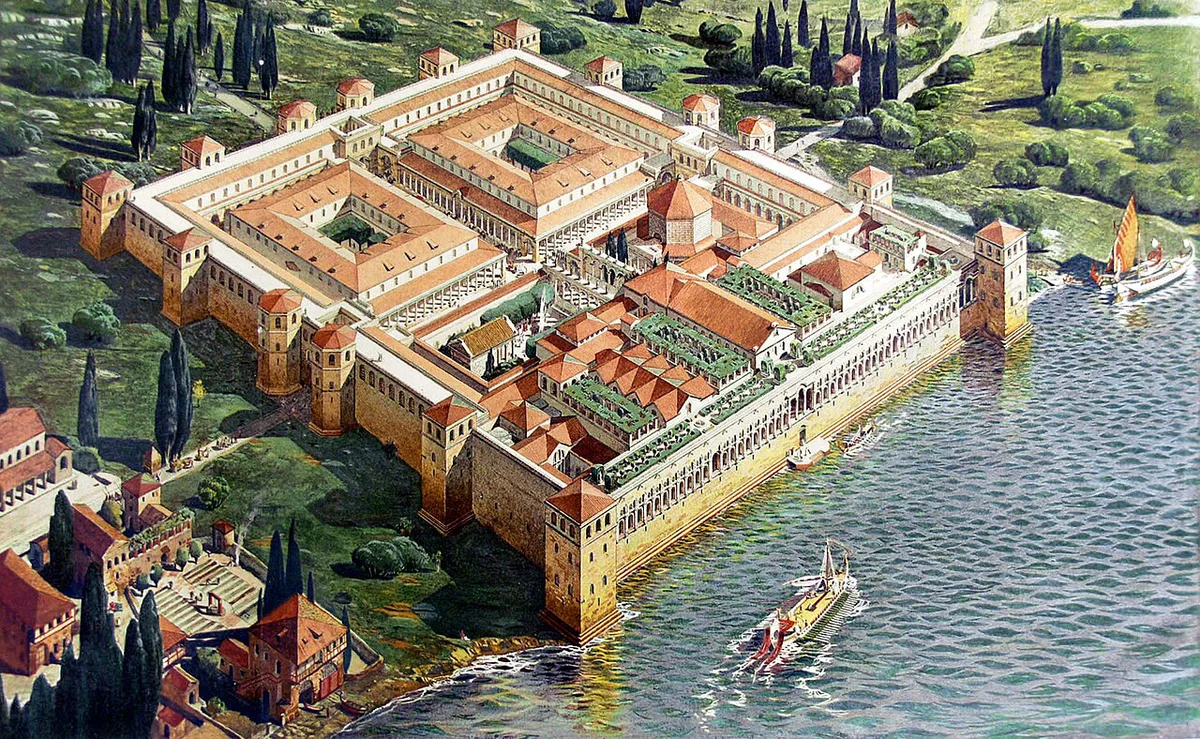
Built from the 4th century AD, the complex was the retirement home of Emperor Diocletian. It covers about 30,000 square metres, or roughly 323,000 square feet. Two main streets, the cardo and the decumanus, divide it into four quarters. UNESCO inscribed it in 1979 together with the historical complex of Split. Streets inside the walls are public, so wandering costs nothing.
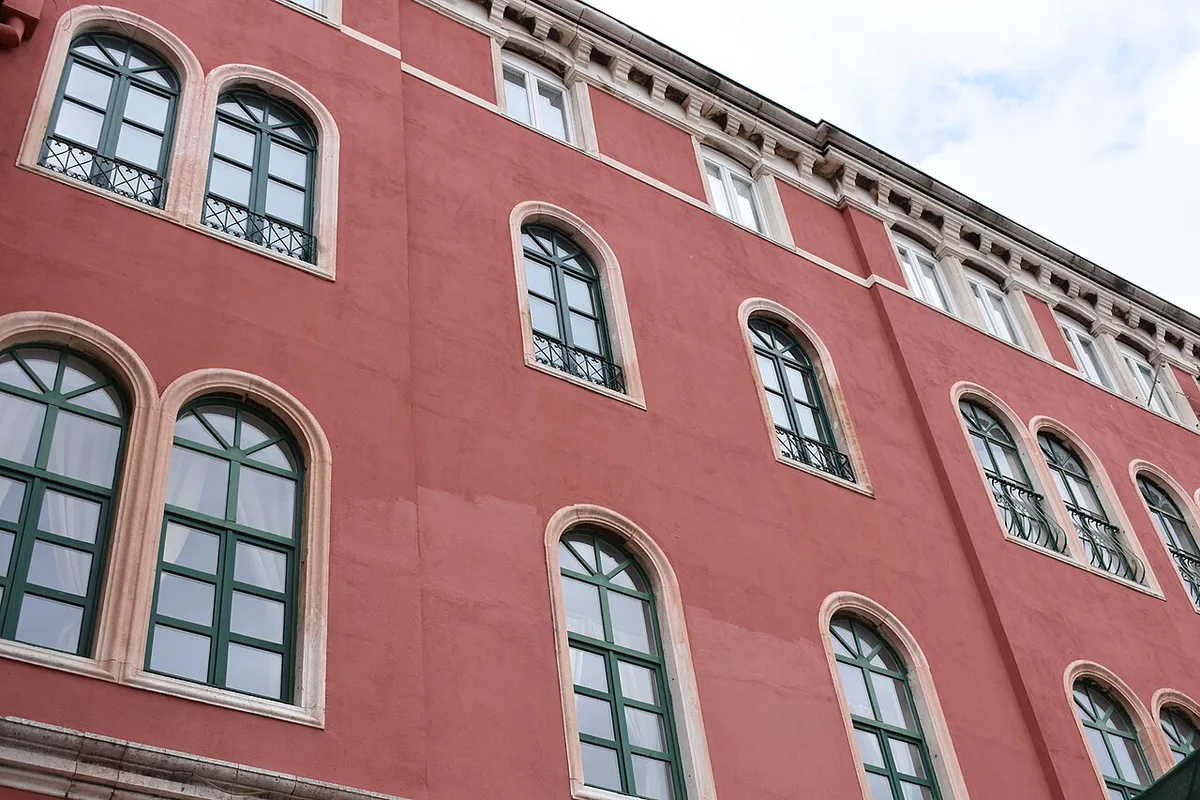
- Location: Split, Split-Dalmatia, Croatia
- Era: Tetrarchic imperial residence, late 3rd to early 4th century
- Status: UNESCO World Heritage Site since 1979
- Entry: walking the streets is free; some interiors are separate paid sites
A short history: why an emperor built a retirement palace
Diocletian was born in the Roman province of Dalmatia. In 305 AD he abdicated, which is why he needed a place to retire. Construction is said to have taken about ten years. The plan blends a luxury villa with a Roman military camp, reflecting his two roles as emperor and commander. For the wider picture, start with our guide to Roman sites in the Balkans.
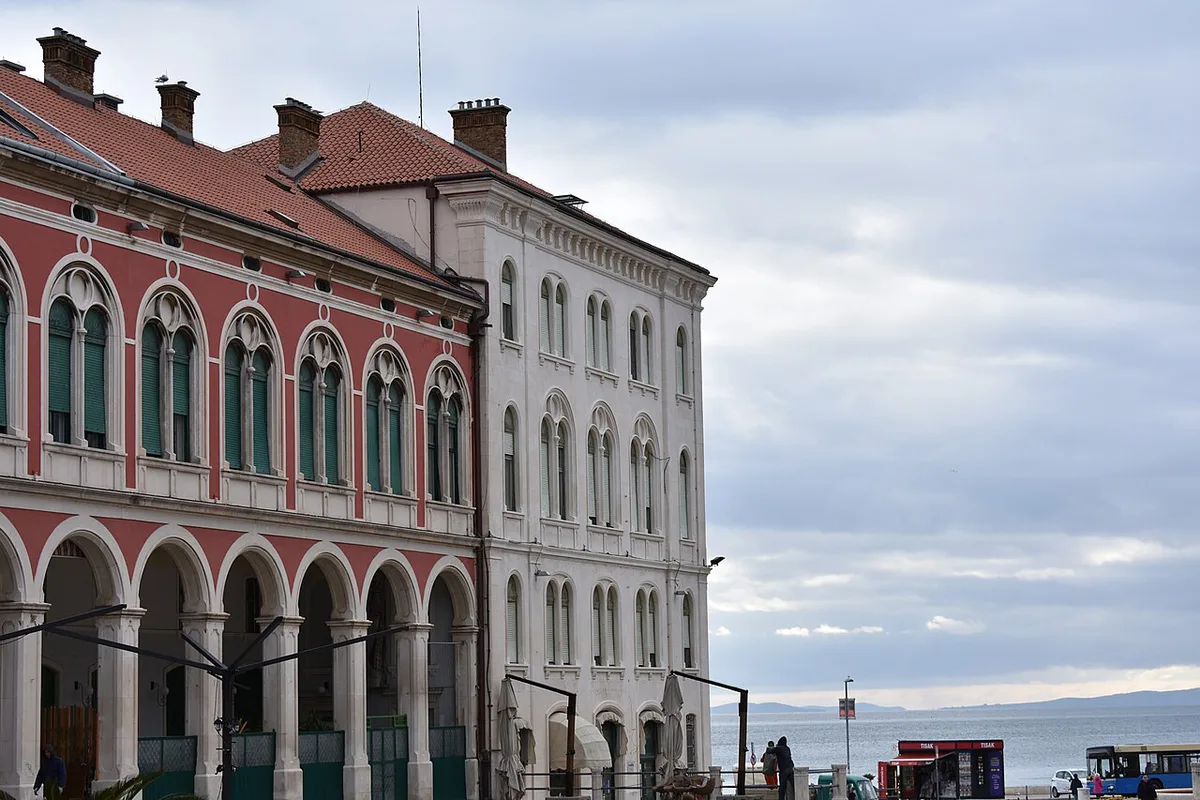
What to see inside the walls
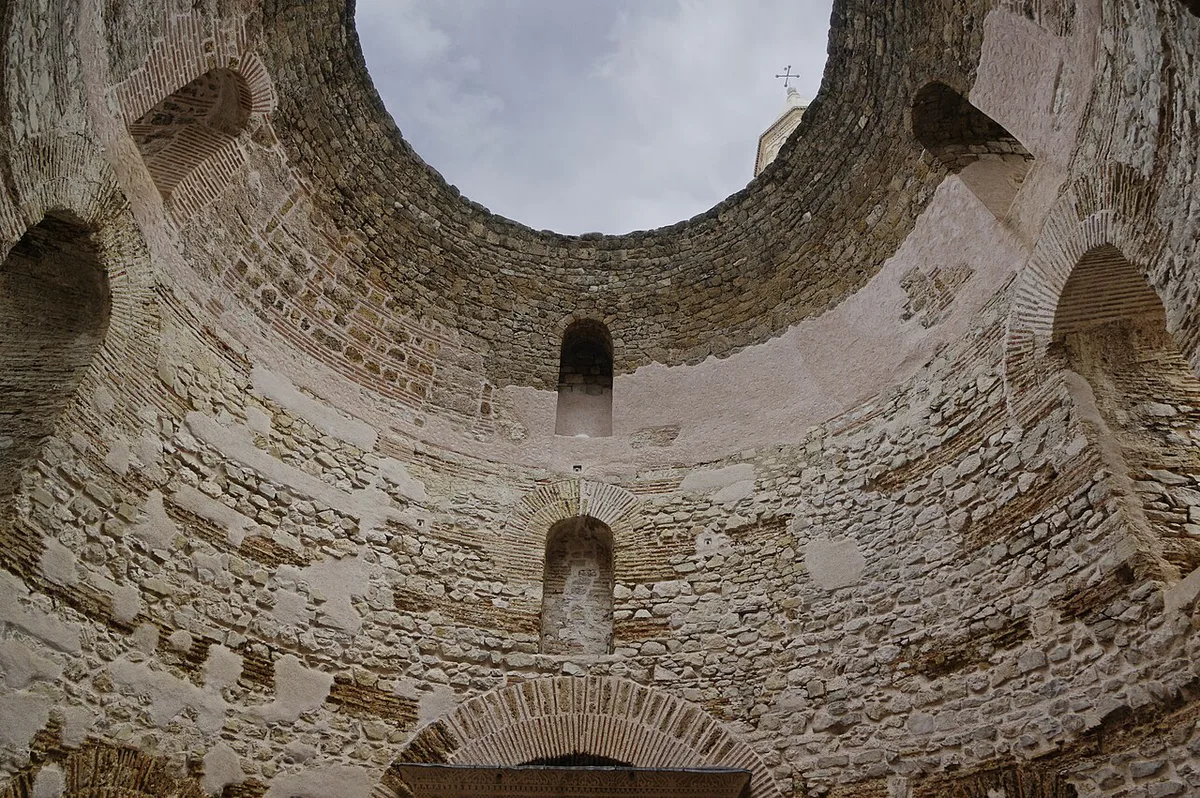
Start at the Peristyle, the open colonnaded courtyard where the emperor appeared before his subjects. Cafés now sit among its columns. From there, the Vestibule leads toward the former private quarters. This domed hall once held statues and mosaics.
- Peristyle: free to stand in; skip the terrace seats at peak hours.
- Vestibule: free to look at; short stop for everyone.
- Cathedral of St Domnius: originally the emperor's mausoleum. Check the cathedral's own ticket rules.
- Bell tower: panoramic views from the top. Skip it if you have limited mobility or vertigo.
- Temple of Jupiter: now a baptistery with a barrel-vaulted ceiling.
- Cellars: underground chambers that mirror the rooms above. Skip them only if you are very short on time.
Four gates and a self-guided walking route through the palace
The palace has four gates, and using them as waypoints is the simplest way to see the complex without a guide. The cardo and decumanus meet at the Peristyle, so every gate is a short, straight walk from the centre.
| Gate | Side | What to look for |
|---|---|---|
| Golden Gate | North | The most imposing entrance. Outside it stands Ivan Meštrović's bronze statue of Gregory of Nin, whose toe visitors rub for luck. |
| Silver Gate | East | Opens toward the open-air market area. Good for a quiet exit from the walls. |
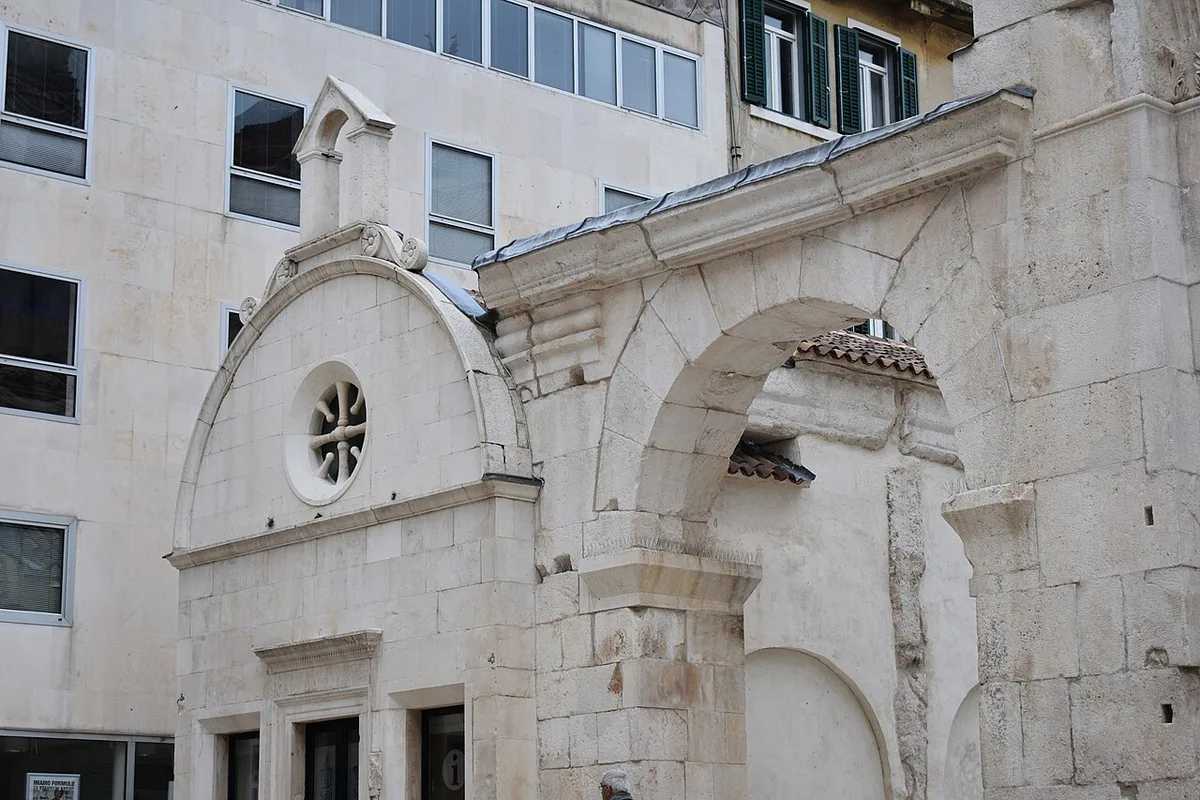
| Iron Gate | West | Leads to the Roman-era western side of the old town, with medieval churches built into the wall line. |
| Bronze Gate | South | Once the sea gate. It opens onto the Riva waterfront and is the usual way into the cellars. |
A 60 to 75 minute route
- Enter through the Golden Gate and stop at the Gregory of Nin statue.
- Walk south along the cardo to the Peristyle. Look for the Egyptian sphinx near the cathedral, one of the few that Diocletian is said to have brought from Egypt.
- Step into the Vestibule, then pass the cathedral and baptistery.
- Leave by the Bronze Gate and finish on the Riva.
This route stays on free public streets. Add the cathedral, bell tower and cellars as separate paid stops if you have a half day, using the entry rules listed in the tickets section above.
The cellars are also a recognisable filming location. Scenes for the TV series Game of Thrones were shot in the underground halls, which is a useful hook if you are travelling with someone who is less interested in Roman architecture.
How much time to plan
A one-hour walk covers the Peristyle, the main streets and the gates. A half day adds the cathedral, bell tower, baptistery and cellars. A full day adds Salona, the Roman site about 4.3 km (2.7 miles) away. Salona is the strongest reason to extend the visit.
Cruise-day visitors with only one hour will not reach Salona, which sits 4.3 km (2.7 miles) away.
- 1 hour: street walk only. Best for cruise-day stops.
- Half day: palace interiors with a long lunch break.
- Full day: palace in the morning, then Salona in the afternoon.
Tickets, opening hours and access
Treat the palace as several sites, not one ticket. The cathedral, bell tower, cellars and any museum each have their own entry rules. Current prices, opening hours and combined tickets are on the Split Tourist Board site. Prices and hours checked November 2026 were not available in our notes, so rely on the official pages. A guided visit adds context; see our Diocletian's Palace tour guide for that choice. The bell tower involves stairs, so plan for that.
Best time to visit and crowds
Visitors describe the palace as crowded in season, especially around midday. Early morning and late evening usually feel calmer. Cruise-ship days put pressure on the Peristyle and the main streets. If your dates are flexible, pick a morning outside midsummer.
Living in a Roman palace: the old town today
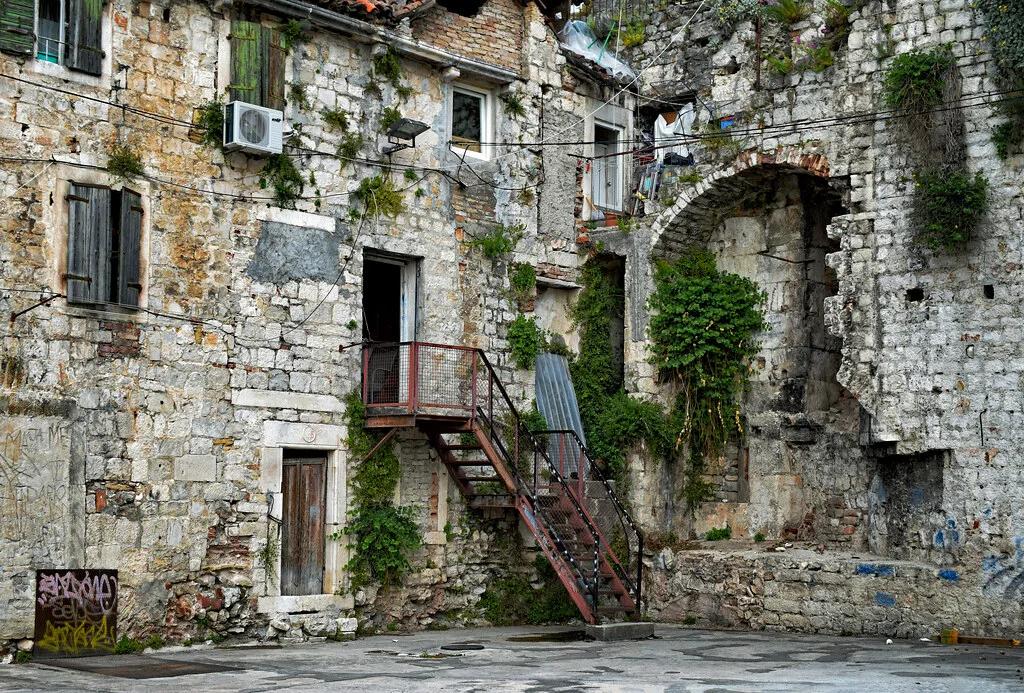
People still live here. Older guides cite about 3,000 residents inside the walls, though that figure may be dated. Shops, cafés and apartments occupy spaces that were once imperial rooms. Expect evening noise and narrow lanes if you book a room inside the walls. Luggage must be wheeled over stone paving, so ask your host about the nearest drop-off point.
Older guides cite about 3,000 residents inside the walls, so treat the district as a neighbourhood, not a museum.
Where to stay and how to get there
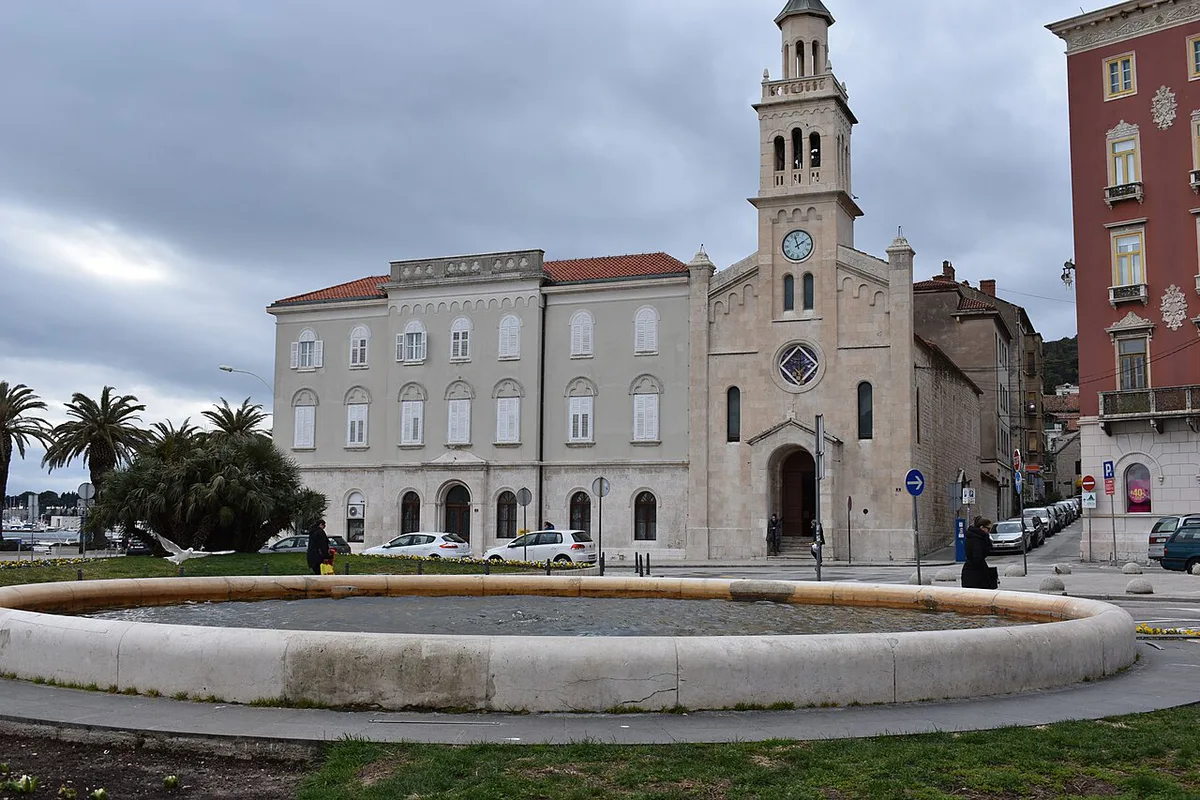
Inside the walls you get atmosphere and a short walk to the Peristyle. Just outside, you get quieter nights and easier luggage access. Split has ferry, bus, rail and airport arrivals, and each sits at a different distance from the palace. Start with the Croatian National Tourist Board for transport pointers, then check each operator's timetable.
Eating nearby: how to choose
Peak-hour terraces beside the Peristyle charge for the setting. Walk a few streets away from the main squares and read menus before sitting down. The Green Market just outside the walls is useful for fruit and a quick snack. Look for short menus and local diners rather than photo boards.
Beyond the walls: Salona and Roman sites across the Balkans
Diocletian's Palace is a living Roman complex, while most Balkan sites are ruins. The table below compares it with other options. For Serbia, begin with our Roman Ruins in Serbia: Best Sites, Routes and Tips overview. Bosnia and neighbouring sites are covered in Roman Ruins in Bosnia: Sites Worth Visiting (and What to Skip).
| Site | Country | What you see | Living or ruin | Best for |
|---|---|---|---|---|
| Diocletian's Palace | Croatia | Imperial residence inside Split's old town | Living district | First Roman stop on the coast |
| Felix Romuliana (Gamzigrad) Visitor Guide: Is It Worth the Trip? | Serbia | Tetrarchic imperial palace complex | Ruin | Imperial architecture fans |
| Viminacium | Serbia | Roman legionary camp and city | Ruin | Archaeology-minded visitors |
| Sirmium | Serbia | Roman imperial city remains | Ruin | Late-Roman history |
| Narona | See guide | Roman colony site | Ruin and museum | Coastal extension |
| Stobi | North Macedonia | Roman and late-antique city | Ruin | Southern Balkans routes |
| Heraclea Lyncestis, Bitola: Visitor Guide to the Roman Ruins | North Macedonia | Ancient city remains | Ruin | Southern Balkans routes |
| Ancient Theatre of Ohrid: History, Access & Visit Tips | North Macedonia | Ancient theatre | Ruin | Lake town stops |
| Emona | Slovenia | Roman remains beneath Ljubljana | Under a living city | City-break comparison |
Frequently Asked Questions
Are there any Roman ruins in Croatia?
Yes. Diocletian's Palace in Split is the best-known example, and nearby Salona is another Roman site. Narona is also covered in our guides.
What region of Croatia is Split in?
Split sits in Split-Dalmatia County on the Adriatic coast. Diocletian's Palace forms the core of its old town.
Why is Diocletian's Palace famous?
It is a Tetrarchic imperial residence that became a living city. UNESCO inscribed it in 1979. Its Peristyle, cellars and cathedral remain in daily use or on view.
Related guides

Continue reading
Guides on the same trip