
Sirmium (Sremska Mitrovica): Roman Capital Ruins Guide
Last updated November 2026: Sirmium was a major Roman imperial city and one-time Tetrarchic capital, now lying beneath the town of Sremska Mitrovica in Vojvodina, Serbia. You will find a few excavated pockets inside the modern town, not a single archaeological park. Start with the Imperial Palace site, then fit it into a wider Balkan Roman route.
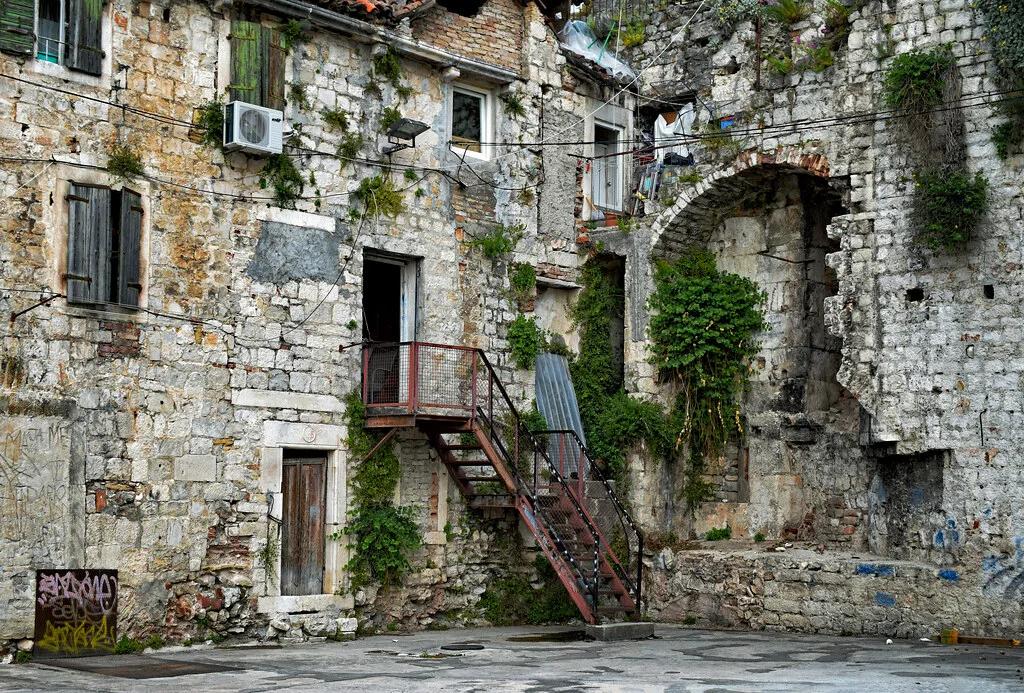
Featured image: isawnyu, CC BY 2.0, via Flickr.
What Sirmium Was, in Short
Sirmium stood on the Sava River in the Roman province of Pannonia, near the Danube frontier. That position suited an empire that needed to oversee the Balkans and the Danube lands. Emperors stayed here, and the city had several imperial mints. After Diocletian's reforms in the late third century, it counted among the capitals of the tetrarchy, a system of four co-rulers. Serbian historical accounts say Theodosius I was proclaimed emperor here in 379. The Avars took the city in 582, which ended its long heyday.
What You Can Actually See in Sremska Mitrovica Today
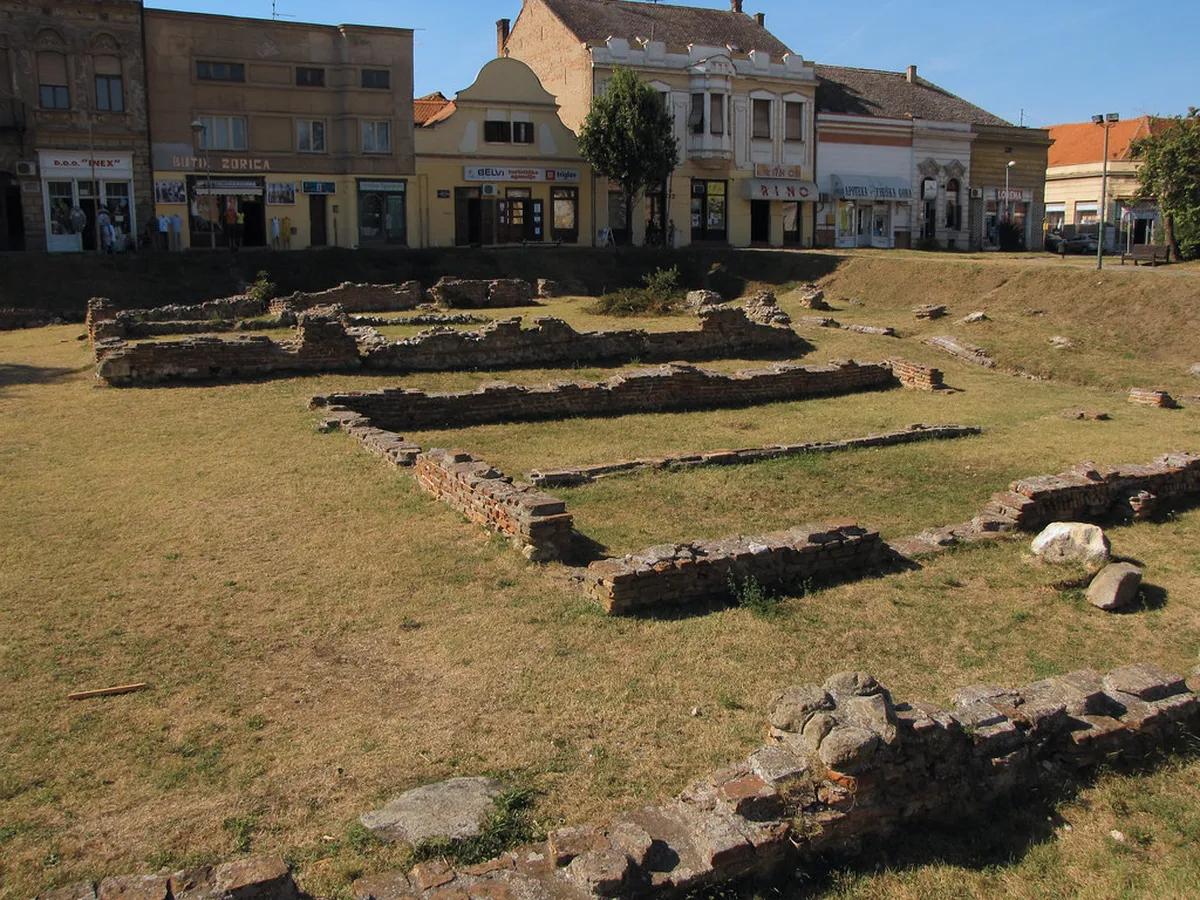
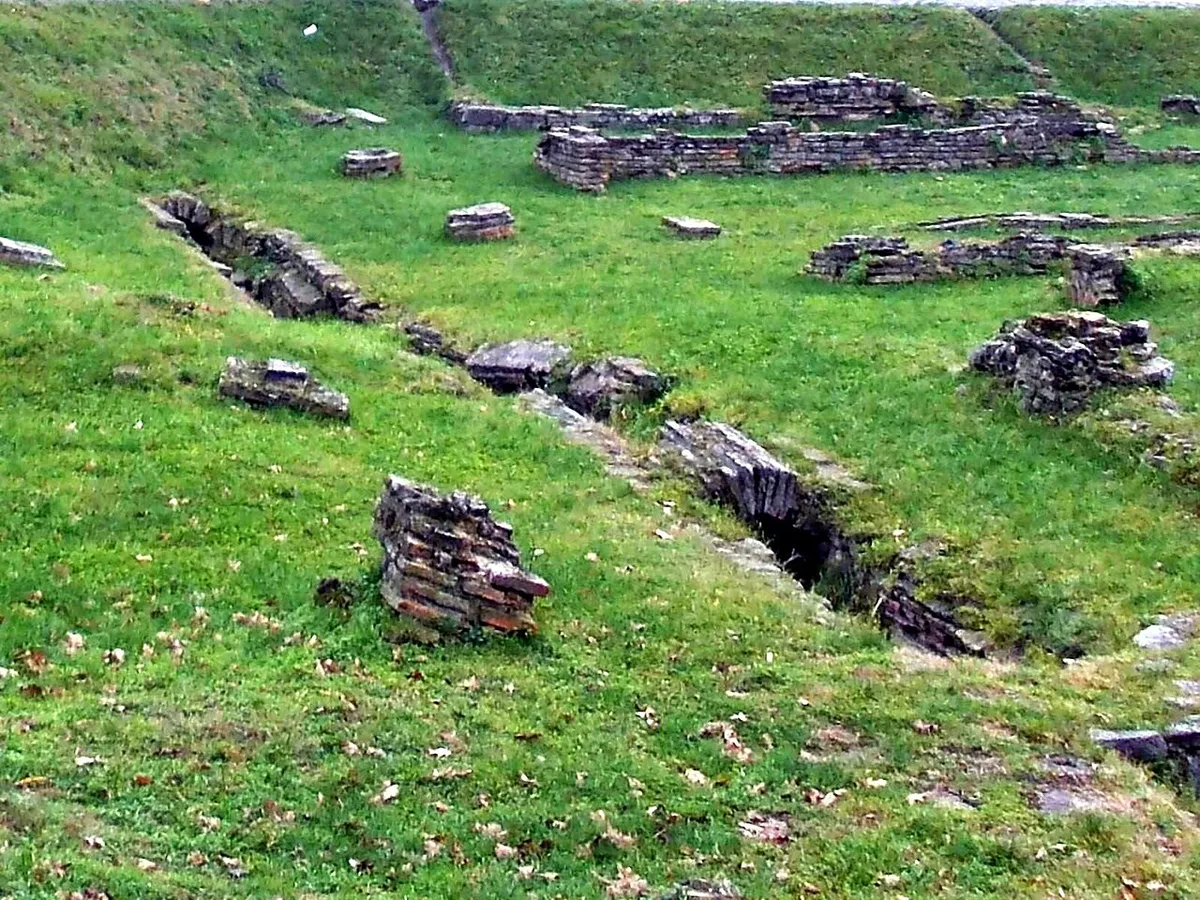
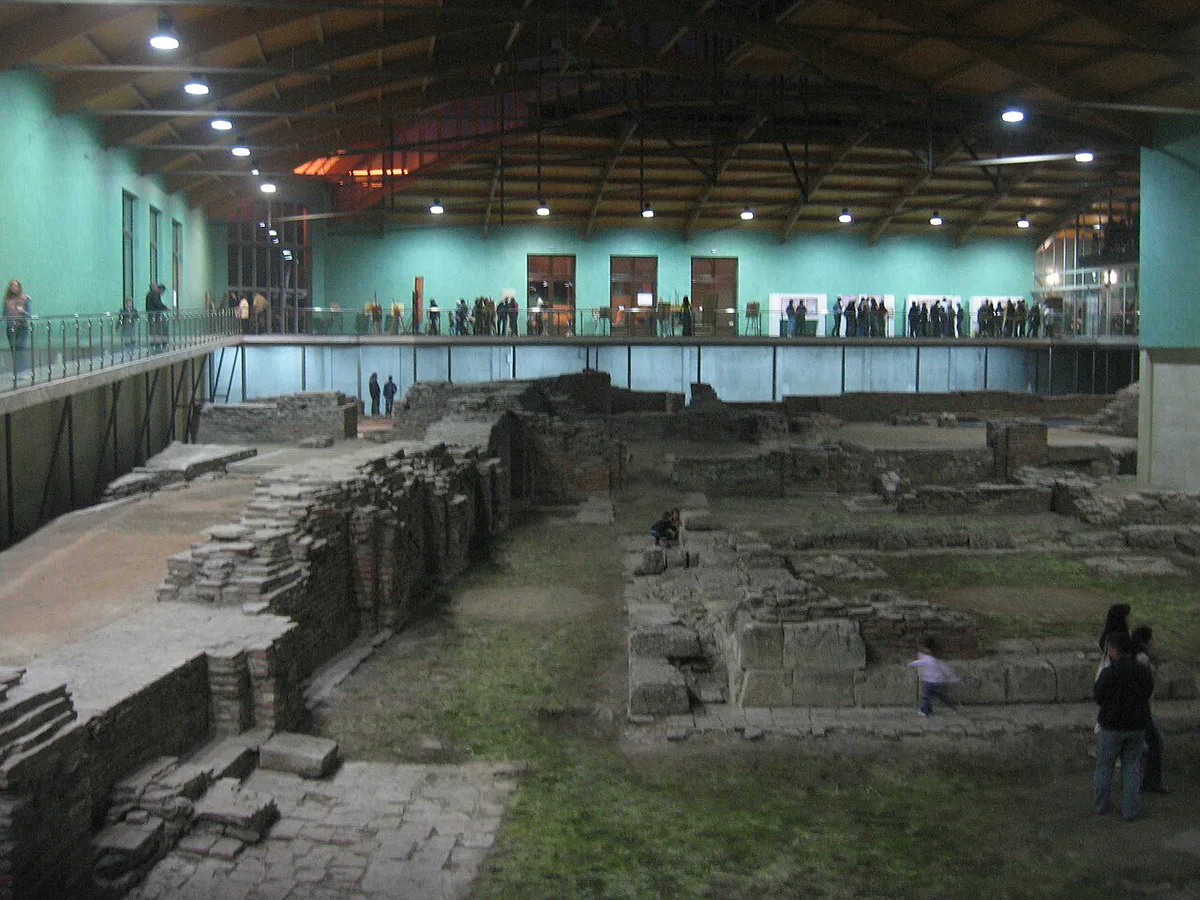
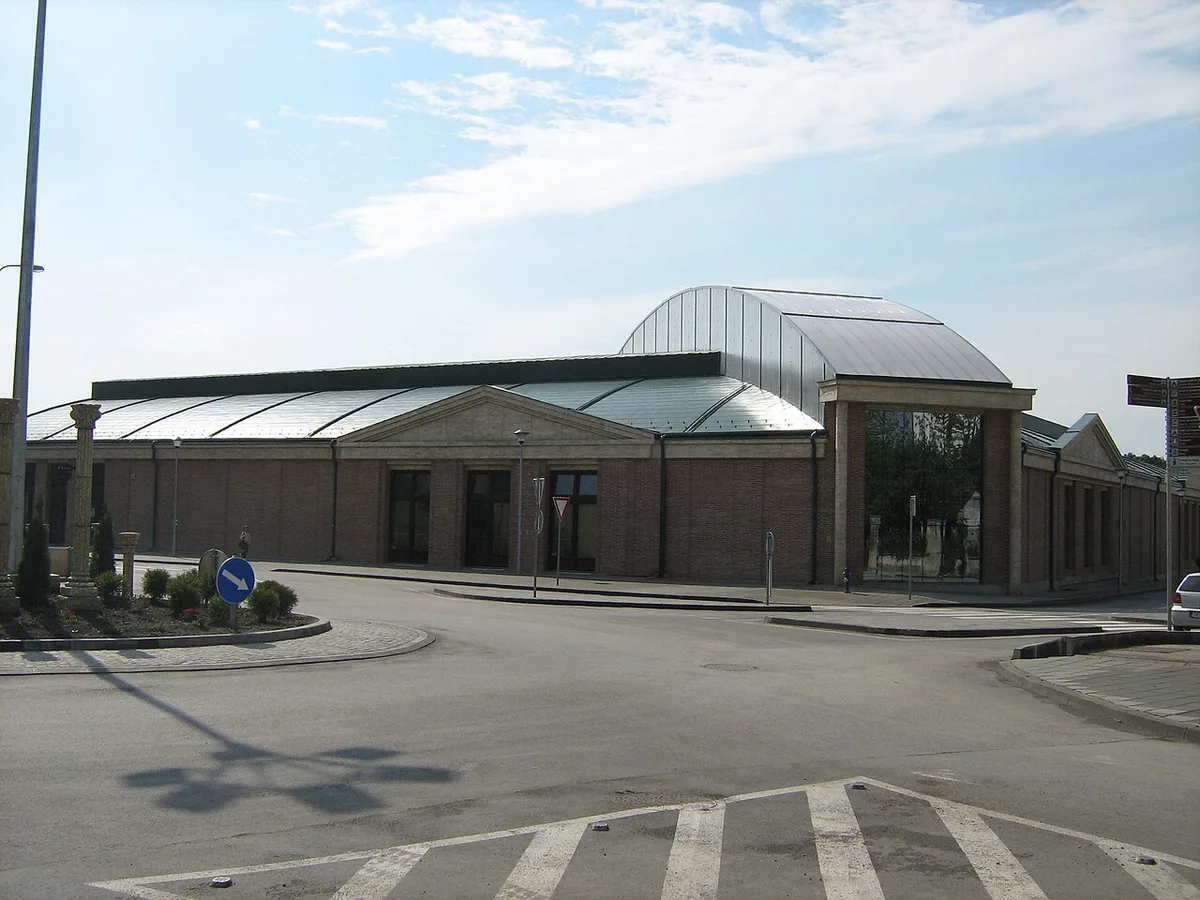
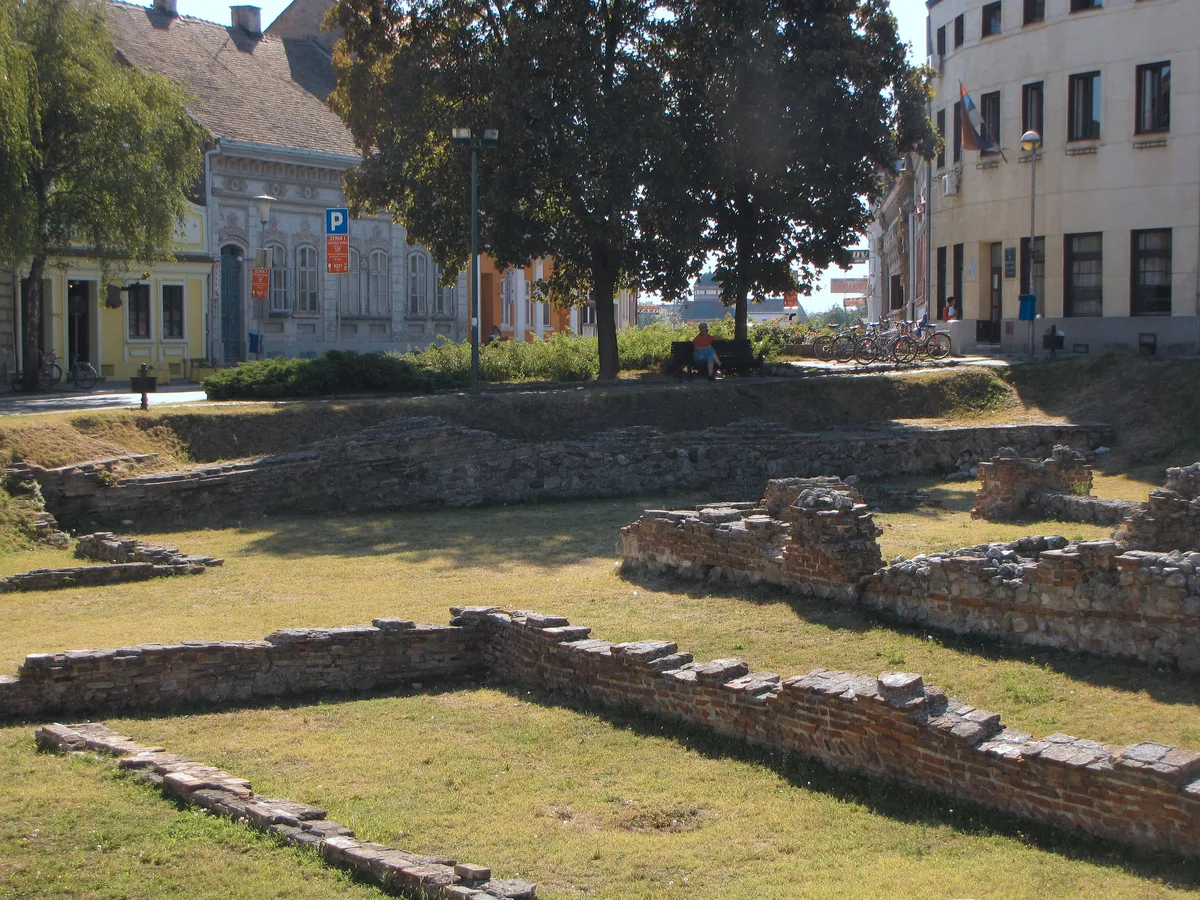
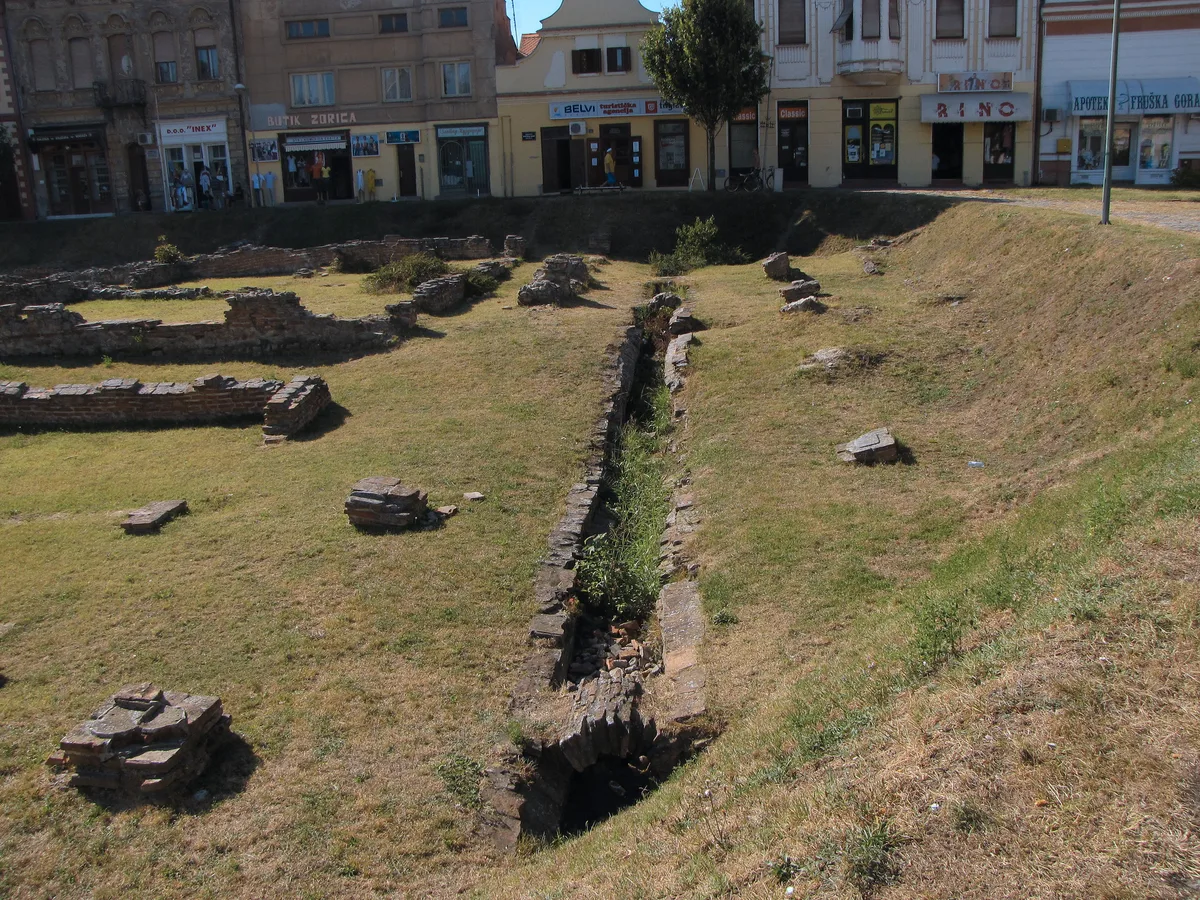
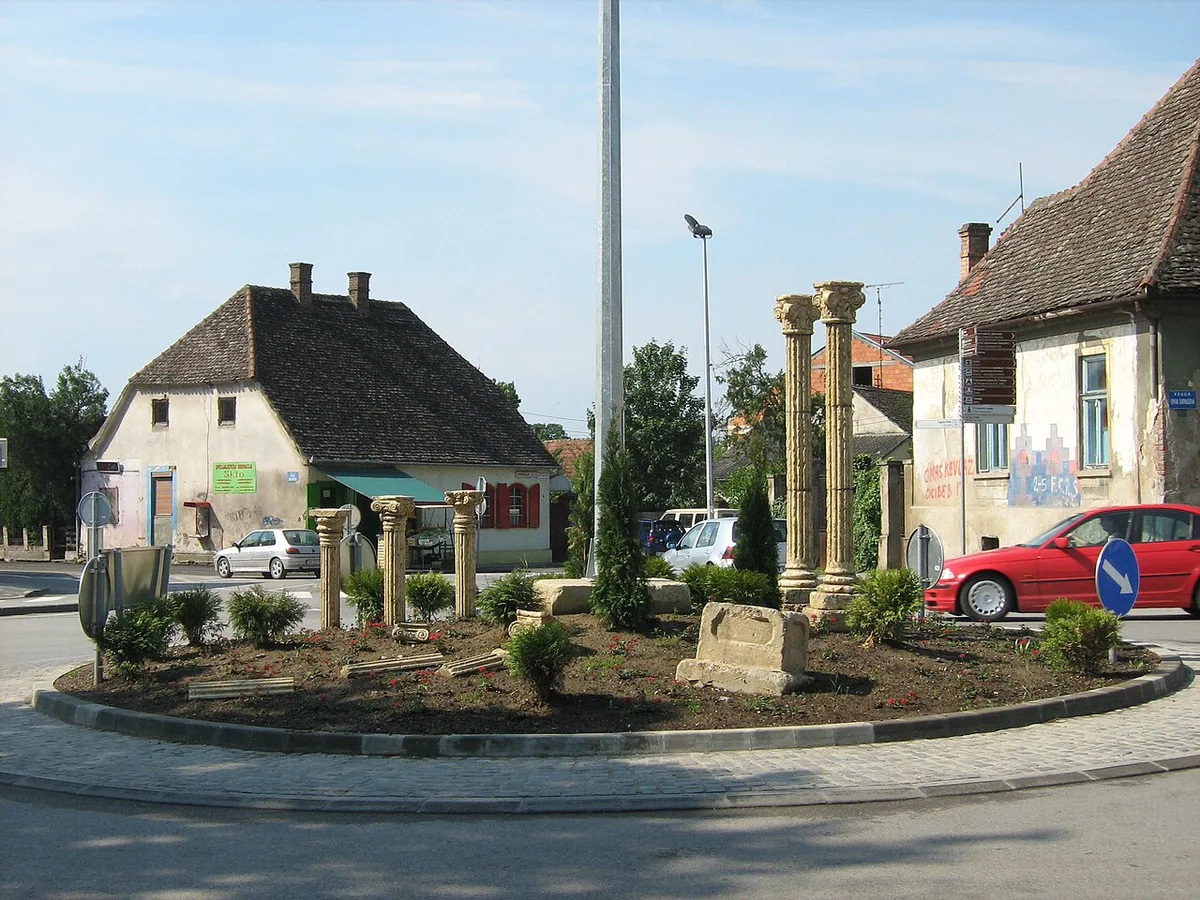
Modern Sremska Mitrovica sits on top of the Roman city, so the remains are scattered between streets and apartment blocks. Excavation began in 1957, when builders working on an apartment block hit monumental walls, mosaics and heating channels. That find became the Imperial Palace site, your anchor stop. Rooms there were warmed by a hypocaust, with hot air circulating under the floors. Mosaics used stone brought from distant parts of the Mediterranean, and a Mercury mosaic is among the best-known pieces. Status changes from one pocket to the next, so confirm with the museum which areas are open before you go. For national context, see this roundup of Serbian Roman ruins.
- Imperial Palace site: excavated walls, hypocaust remains and mosaics from the imperial residence.
- Hippodrome remains: part of the Roman circus used for chariot racing, found near the palace. Expect low remains, not standing stands.
- Licinius' baths: excavated bath remains. Ask locally whether they can be entered or only viewed.
- Museum and archaeological collection: finds and context that the street-level pockets cannot give you.
Why It Mattered: A Tetrarchic Capital and Emperors' City
Diocletian split imperial power among four rulers, and each needed a base. Sirmium served the Balkan and Danube sector, so emperors and their staff lived and planned campaigns here. Sources link several emperors to the city by birth, among them Aurelian, Probus and Gratian, although counts differ between authors. Compare it with Diocletian's standing palace in Split, which survives as a walkable monument. Sirmium offers the opposite case, a capital whose fabric lies under a working town. Excavation reports are a good next step, and the Archaeological Institute in Belgrade is the place to start.
How to Plan Your Visit: Time, Tickets and Opening Hours
No ticket price or schedule is published here, so check the Tourist Organization of Vojvodina or call the museum. Ask about seasonal hours, guided-only access and closed days.
- Half-day plan: begin at the museum for context.
- Walk to the Imperial Palace site next.
- Visit the hippodrome and baths remains last.
- Full-day option: add a second Serbian Roman stop, if you have transport.
Getting to Sremska Mitrovica and Getting Around
Sremska Mitrovica is reachable from Belgrade and Novi Sad along the Sava and Srem corridor by train, bus or car. Timetables and fares change, so use the operators' sites and Serbia's official tourism portal for current options. Arriving without a car works, since public transport reaches the town. Ask the museum which pockets are within walking distance.
Sirmium vs Other Roman Sites in the Balkans
Sirmium suits travelers who like archaeology in a living town. If you want a standing monument or a large open site, other stops fit better. Continue into Bosnia with these Bosnian Roman sites. North Macedonia adds Stobi's excavated city and the ancient theatre at Ohrid.
| Site | What's visible | Format | Best fit |
|---|---|---|---|
| Sirmium (Sremska Mitrovica) | Palace remains, mosaics, hippodrome and baths pockets, museum | Urban, scattered across a modern town | Roman-history readers, day-trippers from Belgrade or Novi Sad |
| Viminacium open-field site | Excavated Roman city and legionary base | Open-field | Serbia route travelers who like large sites |
| Felix Romuliana palace complex | Fortified imperial palace complex | Open-field | Tetrarchy enthusiasts |
| Diocletian's Palace in Split | Standing palace walls inside a living city | Urban monument | First-time Roman visitors |
| Narona museum site | Museum finds from a Roman city under a modern settlement | Museum on the site | Travelers on a Croatian coastal route |
Mistakes to Avoid
Most disappointment comes from the wrong expectations. Set them before you arrive.
- Expecting a single walled ruin: Sirmium is a set of pockets, so plan a walk between them.
- Going without checking hours: access to individual sites can vary, so call ahead.
- Treating the city as a short photo stop: the palace, circus and baths need real time.
- Skipping the museum: it explains what the street-level remains cannot.
- Overlooking other cities built over Roman ones: Emona, another Roman city under a modern one, shows the same pattern.
Frequently Asked Questions
What is Sirmium called today?
Sirmium lies under the town of Sremska Mitrovica in the Srem district of Vojvodina, Serbia. Excavated Roman remains sit inside the modern streets.
Related guides
Continue reading
Guides on the same trip