
Roman Ruins in Bosnia: Sites Worth Visiting (and What to Skip)
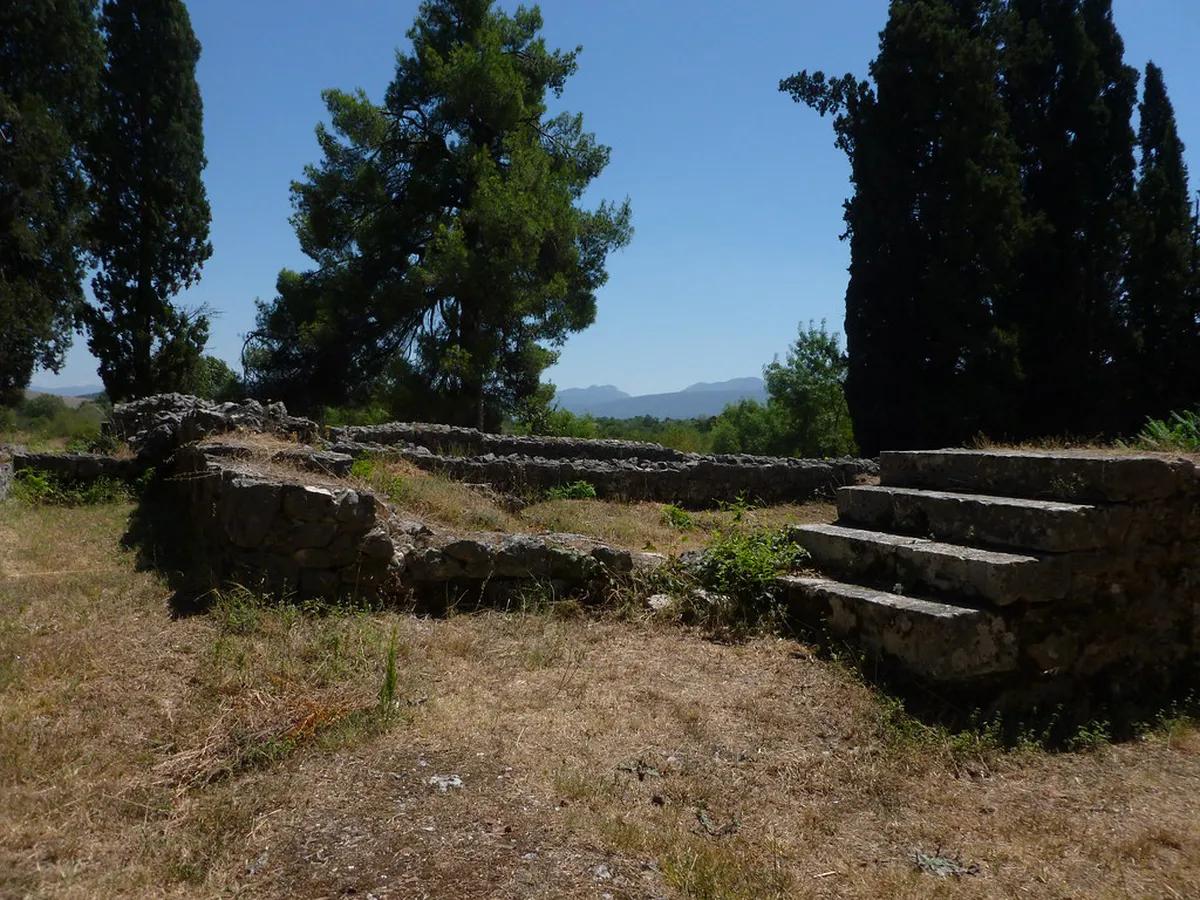
Last updated November 2026: Roman ruins in Bosnia are modest in scale, and the first stop worth a trip is Mogorjelo, a late-antique fortified villa near Čapljina. Nothing here matches Diocletian's Palace in Split, so plan around archaeology and museum finds rather than standing monuments. Makljenovac near Doboj and the Skelani museum in the east are the other detours that earn the drive.
Featured image: Monika Kostera (urbanlegend), CC BY-SA 2.0, via Flickr.
Roman Ruins in Bosnia: The Short Answer
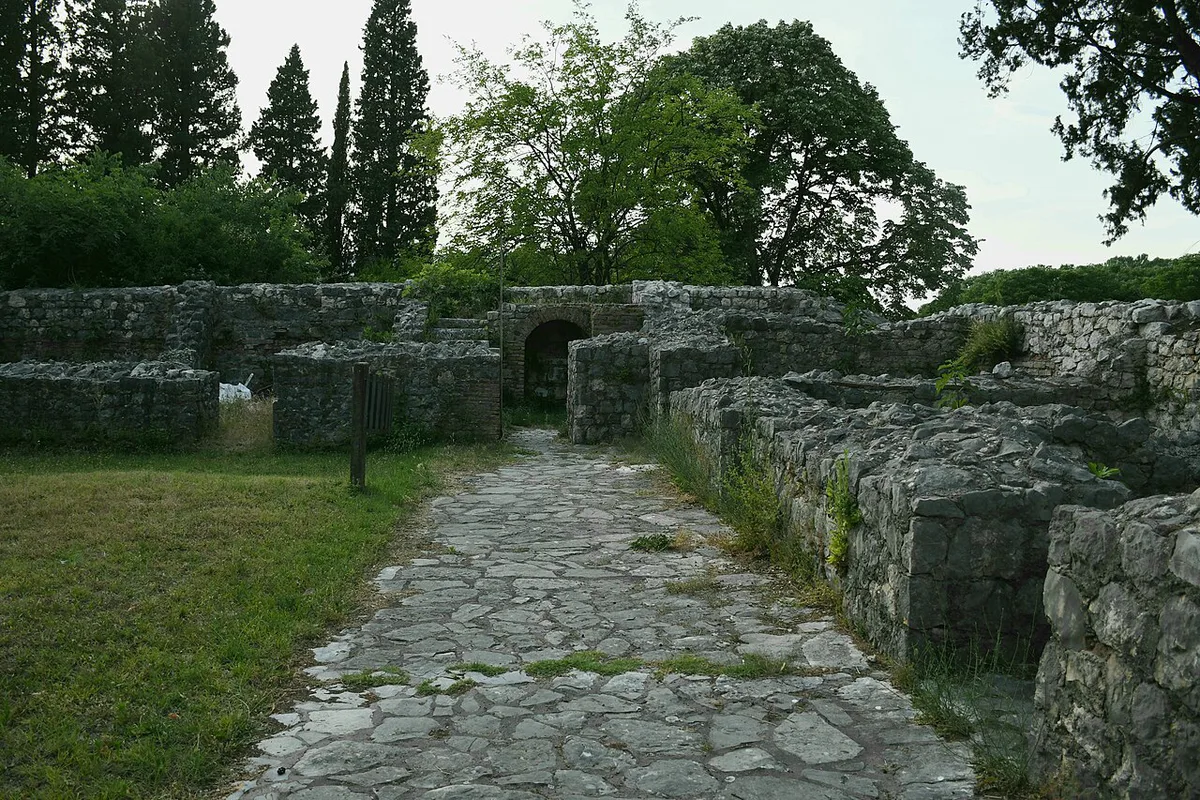
Bosnia and Herzegovina has no intact Roman city. What survives is a fortified villa, a legionary-style camp with a civilian settlement, a town site with mosaics, and museum cases full of finds. Archaeology fans will enjoy that mix. Visitors who want columns and arches will be happier across the border in Croatia.
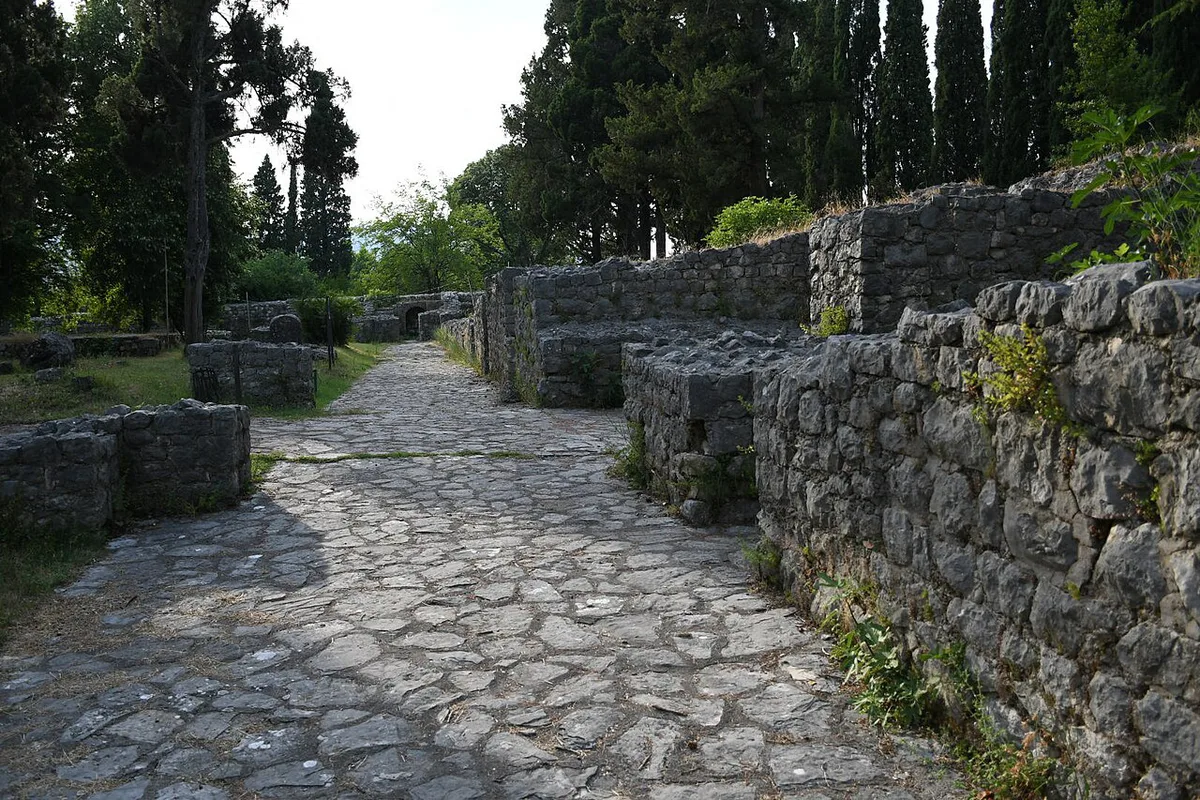
- Best for a first Roman stop: Mogorjelo, near Čapljina in Herzegovina.
- Best for archaeology fans: Makljenovac, near Doboj, plus the archaeology department of the Doboj museum.
- Best for mosaics in the east: the Roman municipium site and museum at Skelani.
- Best near Sarajevo: the Zemaljski muzej, which holds finds from several national monuments.
The Roman Sites Worth Seeking Out
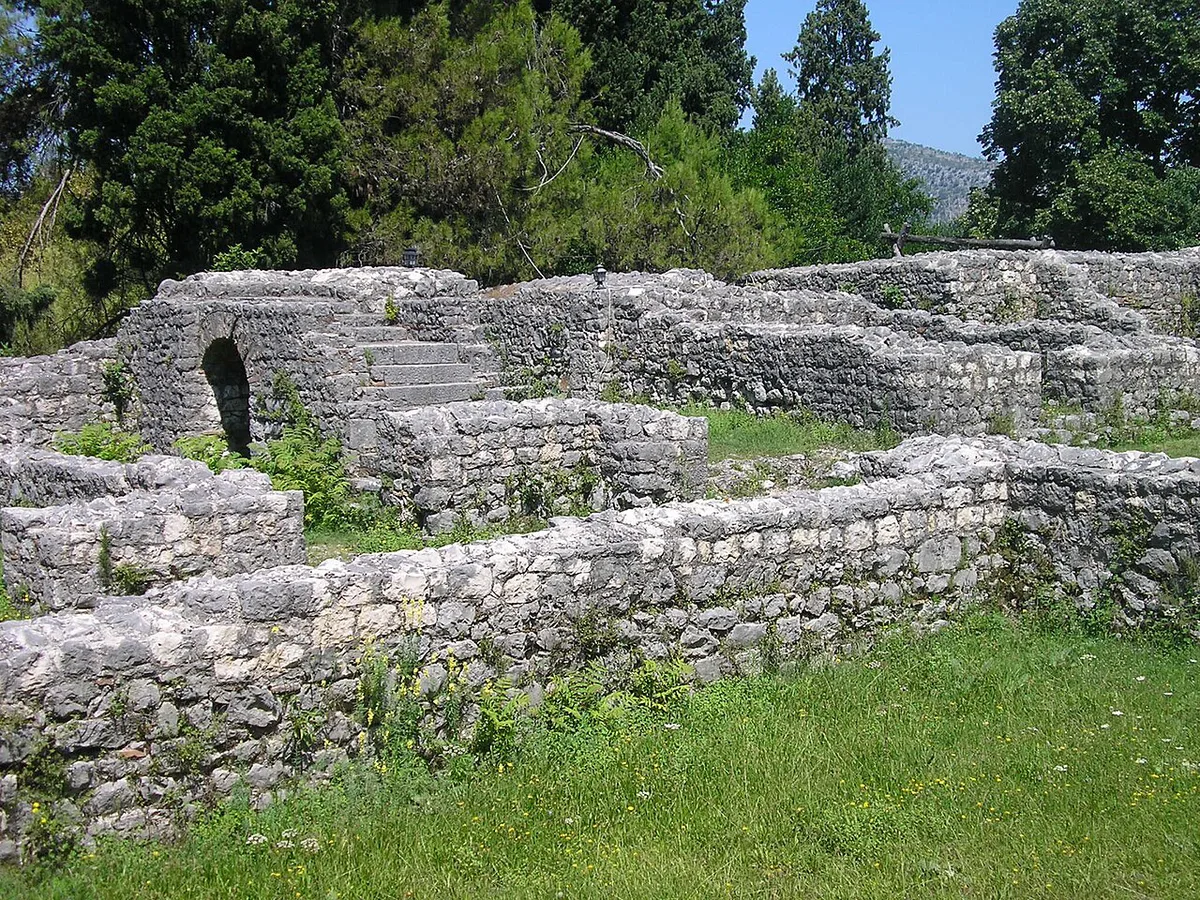
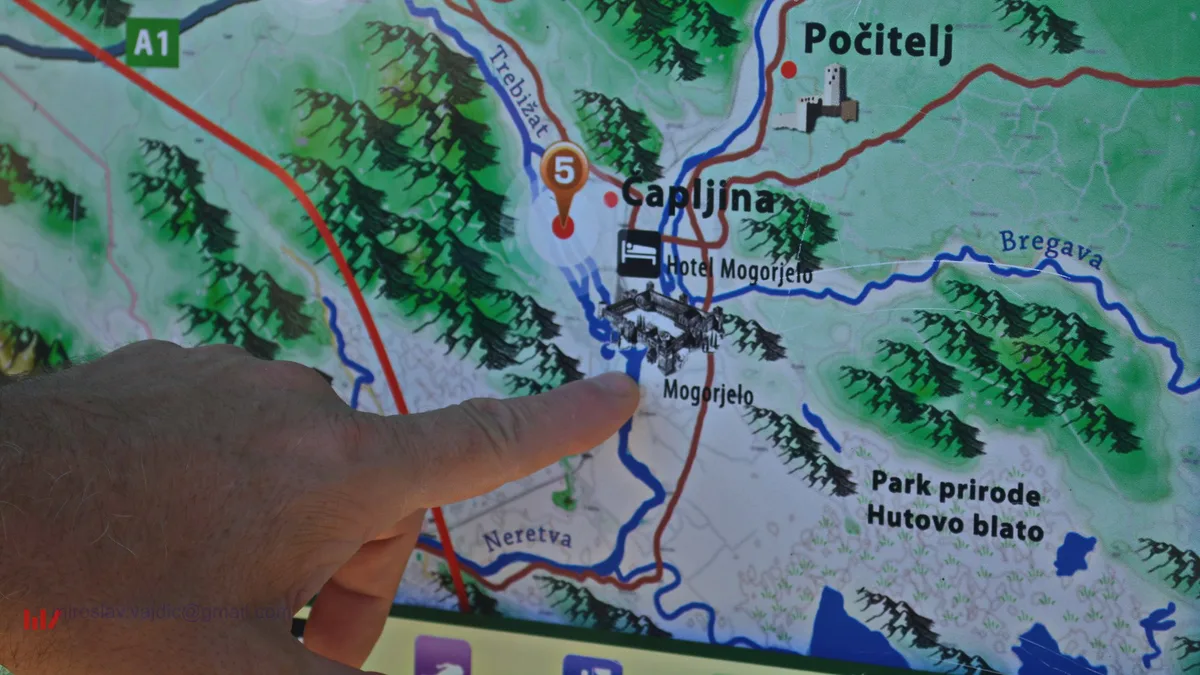
Mogorjelo is the easiest place to start. It is a late-antique fortified villa near Čapljina, and it suits a casual stop on a Herzegovina drive. Makljenovac is the stronger choice for specialists. Its Roman camp stands on the Gradina locality about 4 km south of Doboj, close to the meeting of the Usora and Bosna rivers. The camp measured about 160×134 m, with a headquarters building (principia) of about 41×33 m. A civilian settlement and a public bath building lay beside it. Skelani sits in the east. Excavation of its Roman settlement began in 2008, and a 2019 report described a mosaic from a luxurious room in an urban villa or administrative centre. The site is dated to the 1st–4th century and has its own museum with a curator.
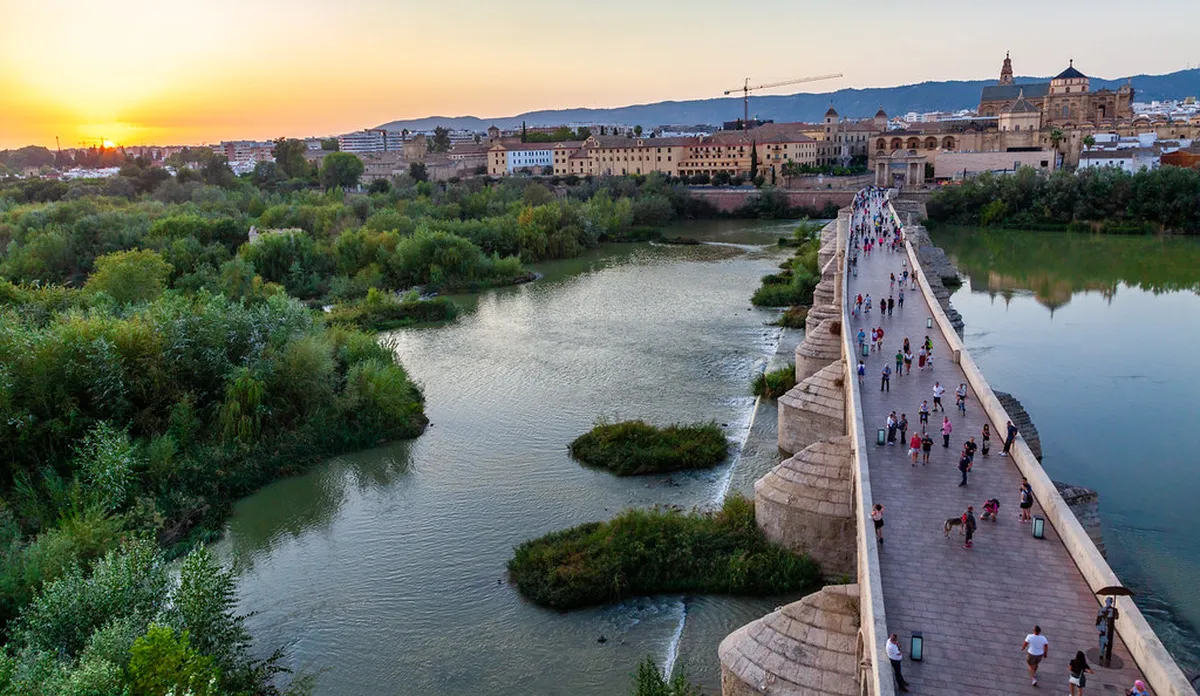
- Go to Mogorjelo if you want a Roman building you can walk around without a long detour.
- Go to Makljenovac if you read site plans for fun. Skip it if you expect upstanding walls, because the camp is mostly an archaeological layout and its finds are in museums.
- Go to Skelani if mosaics matter to you and you can contact the museum first. Skip it on a tight schedule, since it is far from the main tourist routes.
- Go to the Doboj museum or the Zemaljski muzej in Sarajevo if you want artifacts without a field trip. Makljenovac material is held in both.
Comparison Table: Roman Sites in Bosnia and Herzegovina
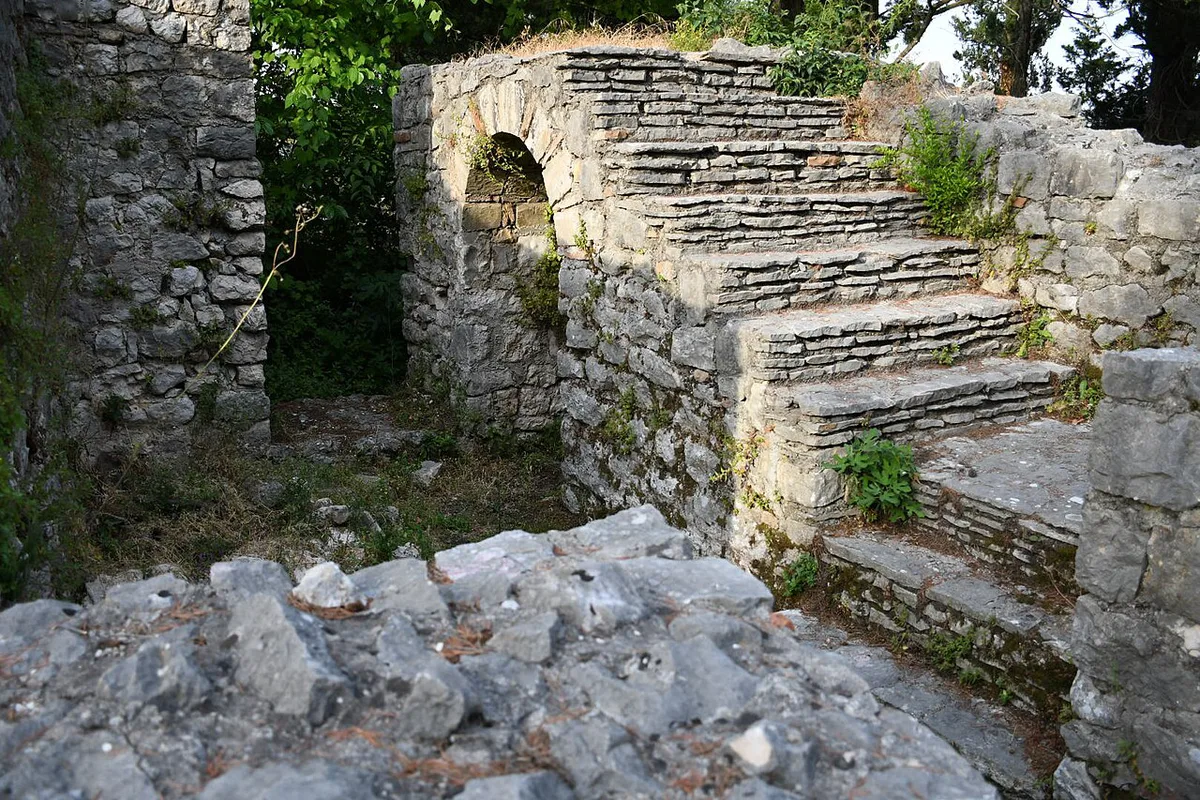
This table sorts the sites by what you actually see and how a visit is arranged. Descriptions are plain on purpose, because small regional sites change their access arrangements often.
| Site | Region | What you see | Visitor setup | Best for |
|---|---|---|---|---|
| Mogorjelo | Herzegovina, near Čapljina | Late-antique fortified villa remains | Open-air heritage site | Casual stop |
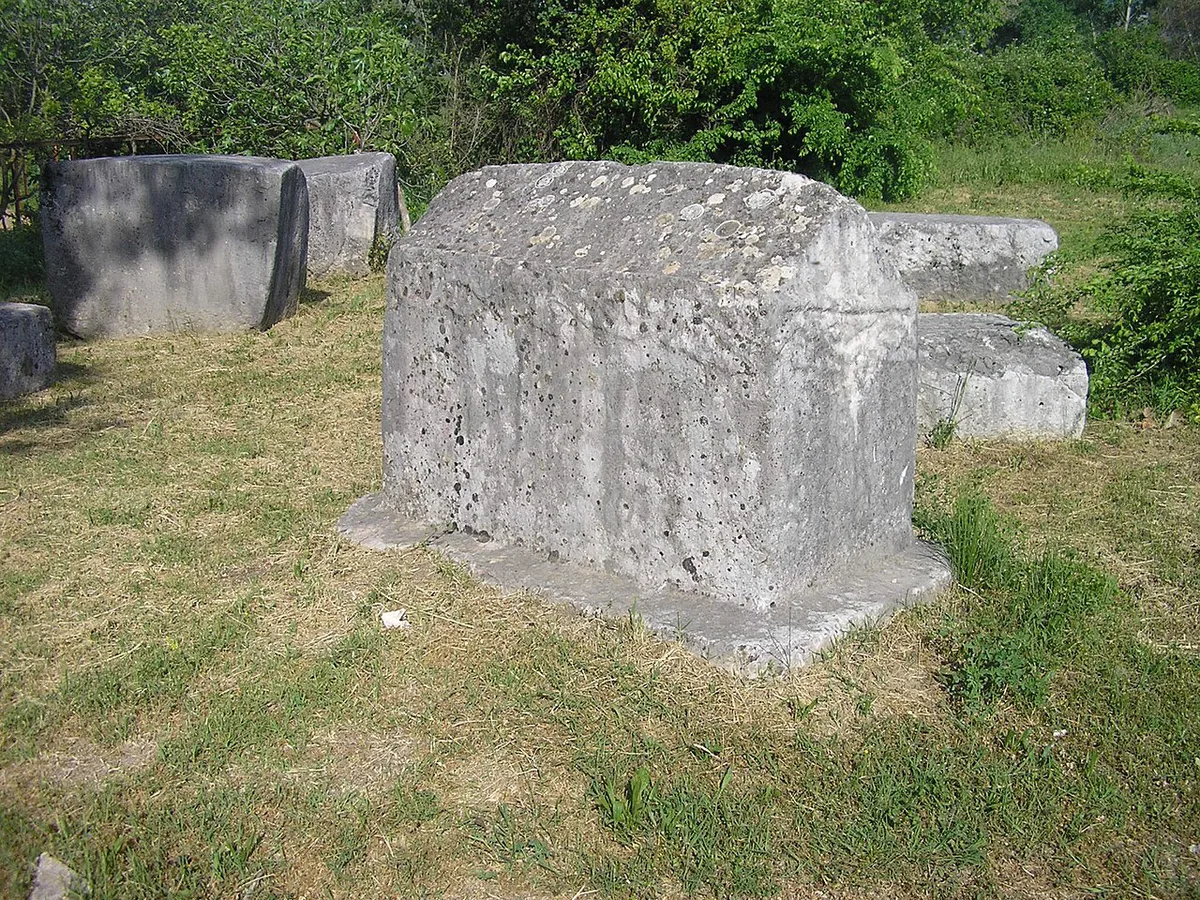
| Makljenovac | North, near Doboj | Roman camp and civilian settlement layout; stećak tombstones in the necropolis | Field site; finds in museums | Archaeology fans |
| Skelani | East, near Srebrenica | Roman municipium excavation and mosaic | Site with a small museum; contact ahead | Mosaic seekers |
| Doboj museum | North | Military equipment, ceramics, bone, glass and coins | Museum | Artifacts without a field trip |
| Zemaljski muzej | Sarajevo | Finds from national monuments including Makljenovac | Museum | Rainy day in the capital |
How to Plan a Roman Ruins Trip in Bosnia
Group the sites by gateway city. Sarajevo works as a base for the museum, and Doboj is the base for Makljenovac. Herzegovina's Mogorjelo fits naturally into a drive through Čapljina. Skelani is the outlier in the east, so give it its own day and call the museum before you leave. A car is the practical choice for the field sites, because small archaeological locations have little signage and map pins can be unreliable. The museums are the easy part, since both sit in towns.
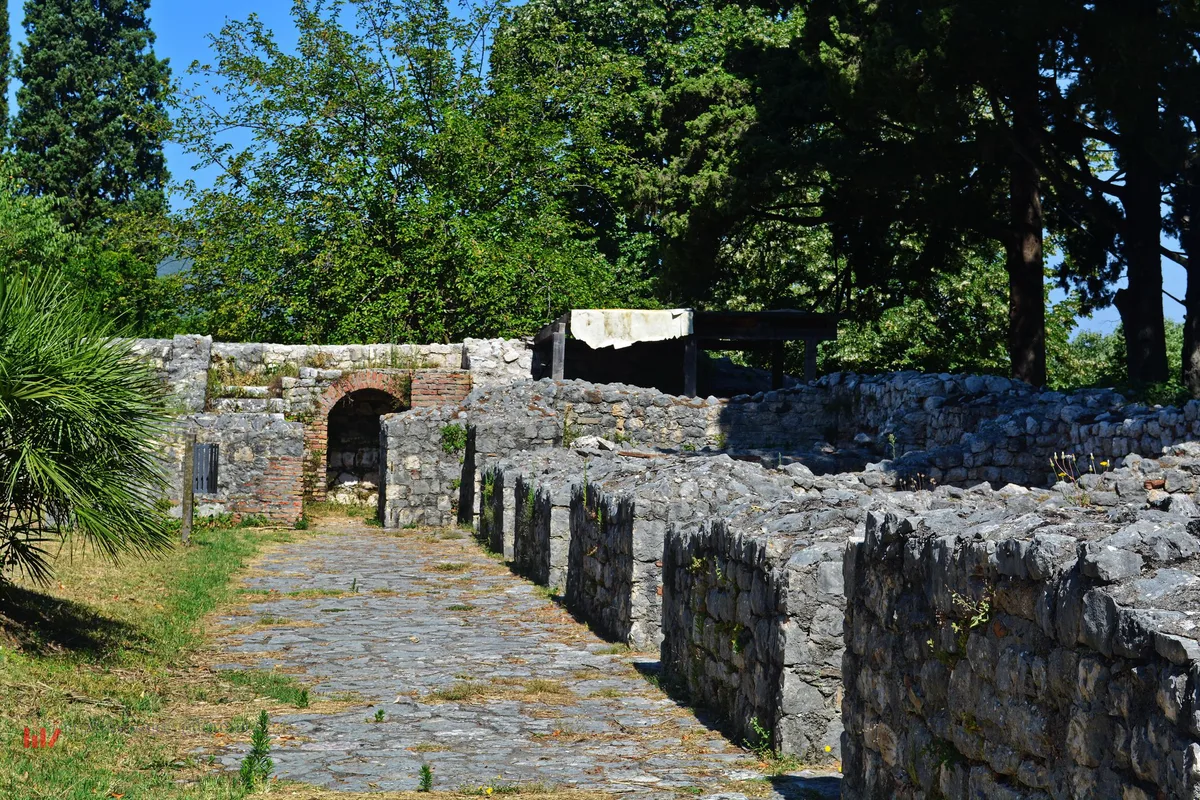
Makljenovac sits about 4 km south of Doboj, so the base town is close to the field camp.
Costs, Access and Opening Hours
Museum entry and site access in Bosnia are generally low-cost, but published fees for these specific places are scarce. Prices and hours were last checked in November 2026 against what is publicly available, and no current figure could be confirmed for the smaller sites. Start with the national Bosnia and Herzegovina tourism portal, then phone the museum or municipal tourist office. Regional museums often keep irregular hours, and Skelani in particular is best treated as a by-arrangement visit.
Mistakes to Avoid at Bosnia's Roman Sites
A few assumptions cause most disappointments. Use this list before you set a route.
- Do not expect Split-style monuments. Bosnia's Roman heritage is quieter and more archaeological.
- Do not confuse medieval fortresses with Roman ruins. Stari grad Bjelaj in the Una-Sana region is a medieval fortress, not a Roman site.
- Do not treat the name Romanija as a clue. It is a mountain plateau near Sarajevo, not a ruin.
- Do not assume a national-monument listing means a staffed site. Makljenovac was declared a national monument in September 2013, but that does not guarantee on-site facilities.
- Do not rely on map pins alone for small archaeological locations.
Combining Bosnia With the Wider Roman Balkans
Bosnia works best as one chapter in a longer route. Our guide to Roman sites in the Balkans lays out the wider map. For sturdier monuments, compare it with Roman Ruins in Serbia: Best Sites, Routes and Tips, where several imperial-era sites are easier to visit. Near the Bosnian border on the Croatian side, Narona is just across the border and makes a logical add-on for a Herzegovina trip. Only a Diocletian's Palace tour in Split delivers the large-scale Roman streetscape that Bosnia does not.
Related guides
Continue reading
Guides on the same trip