
Mausoleum of Augustus, Rome: Visiting Guide and What to Know
Last updated November 2026: the Mausoleum of Augustus is the circular tomb of Rome's first emperor, standing in Piazza Augusto Imperatore in the Campo Marzio district. Augustus began work in 28 BC, and the monument reopened to visitors in March 2021 after a long closure. Check the current visit format on the official Rome tourism page before you go, then use this guide to place the tomb within your Roman ruins plan.
Featured image: Gary Todd from Xinzheng, China, Public domain, via Wikimedia Commons.
Mausoleum of Augustus in Rome: what it is and whether to visit
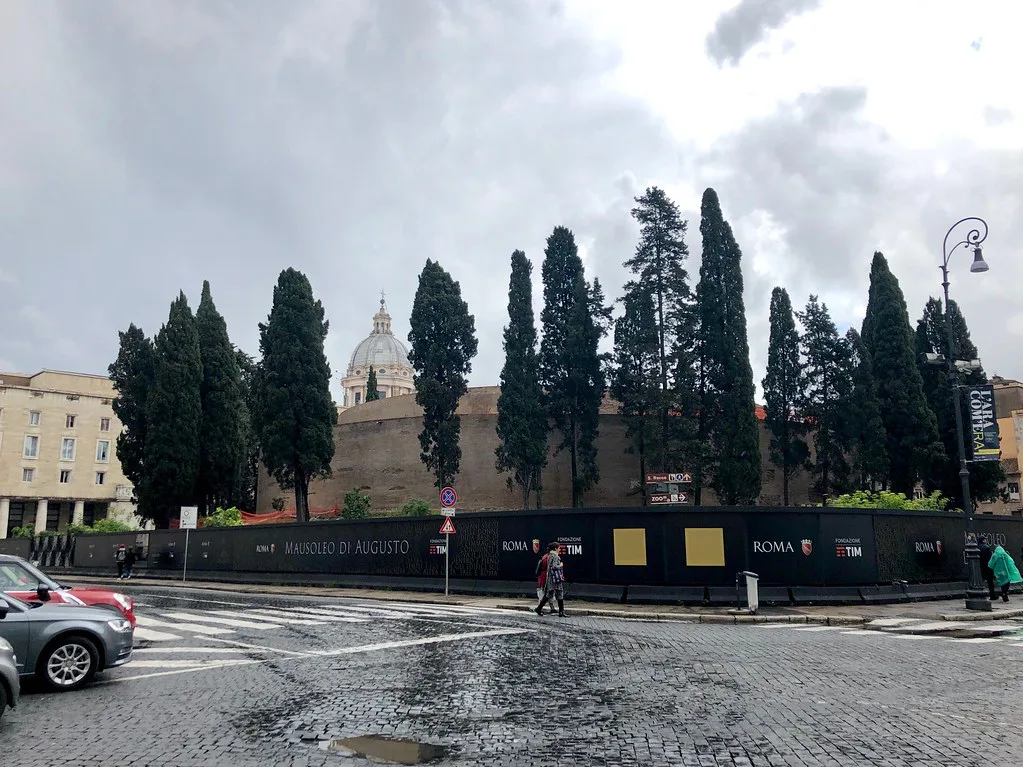
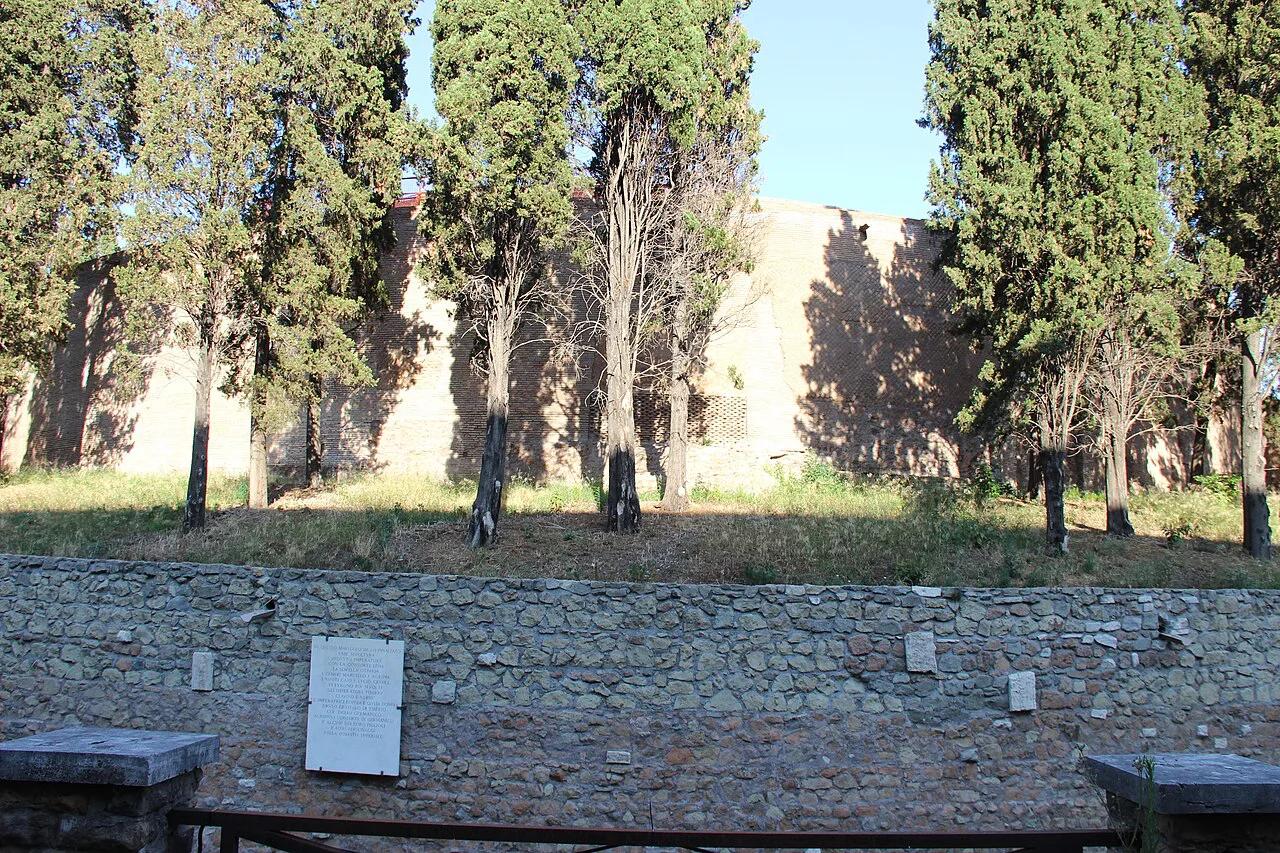
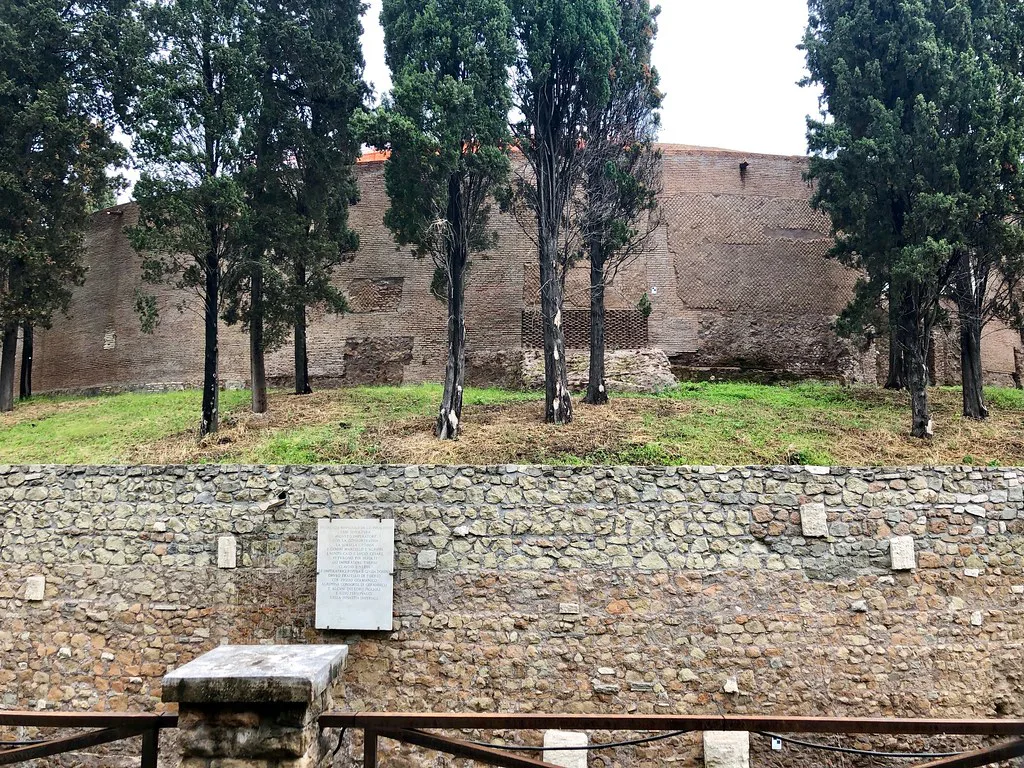
Mausoleo di Augusto is the Italian name for this tomb, and Romans also know the monument as the Augusteo. Augustus built it as a dynastic burial place for himself and his Julio-Claudian family. Its circular footprint measured about 87 m across, which placed it among the largest tombs of the Roman world. Ancient writers describe a high mound planted with trees. That green crown is long gone. Visitors now meet a massive masonry ring set among modern buildings in Piazza Augusto Imperatore. Restoration work has turned it from a fenced-off ruin into a monument you can plan around. Rome's heritage pages treat it as an active site, so this guide points you to those sources instead of guessing at details. Our editorial assessment: history readers and Augustus completists get real value here. Travelers who expect the scale of the Colosseum or the walkable ground of the Forum may feel underwhelmed. Treat it as a focused stop, and pair it with the nearby altar of peace rather than building a whole day around it.
What you can see today vs what has been lost

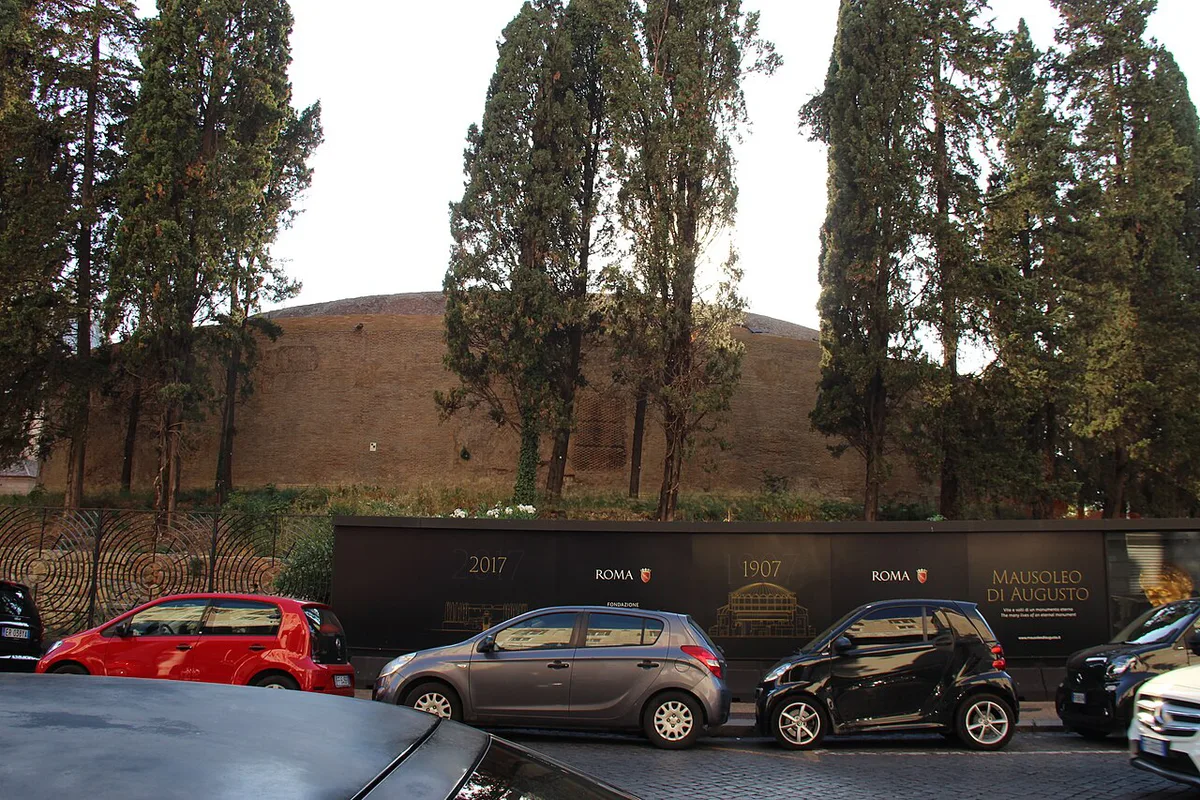
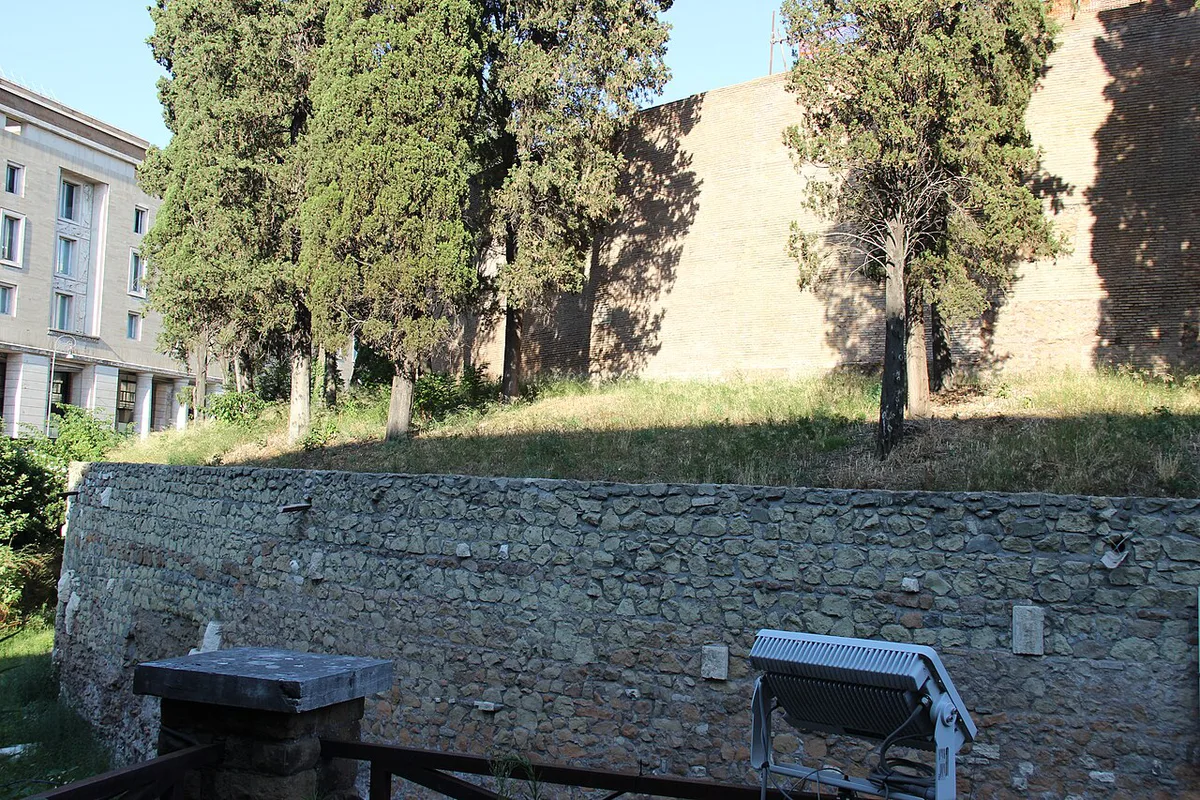
Start with what you can reliably see. From the pavement around the monument you can walk the outer ring and gauge its scale against the buildings that frame it. Piazza Augusto Imperatore was redesigned in the twentieth century, so the surroundings read as modern rather than ancient. Inside the ring, the experience depends on how the city runs visits. Official pages decide whether you get interior access, a guided format, or an exterior-only look. Do not assume an interior until you have seen the current format. Much of the original decoration is lost. Later centuries reused the structure as a medieval fortress, then as a garden, and finally as the Augusteo concert hall. Each phase stripped or buried more of the ancient fabric. Restoration has exposed the structural core, meaning the circular base walls and the footprint of the central tomb.
Reported restoration funding of about €6 million sits behind the managed visits you may face, so check the format before planning around the interior.
- Exterior and piazza: the ring wall at street level, easy to see in a short stop.
- Interior or guided access: set by the city, so read the current visitor page first.
- Lost elements: the earth mound, the evergreen planting and the statue of Augustus that ancient writers describe.
- Later layers: the medieval fortress, garden and concert-hall phases.
Mausoleum of Augustus history in brief
Augustus began the mausoleum in 28 BC, a few years after defeating Mark Antony at Actium in 31 BC. One account ties the project to his return from Alexandria, where he saw the tomb of Alexander the Great. That tomb was probably circular, and some writers suggest it shaped his plan. Treat the link as a plausible inspiration rather than a settled fact. Another comparison is the Mausoleum of Halicarnassus, built around 350 BC for King Mausolus. Both models point to a Hellenistic taste for monumental dynastic tombs. Strabo describes the Roman monument in his Geography as a great mound on a high base of white marble, covered with evergreens. Read a trusted edition if you want the passage itself. The circular form also made a political point. It announced a new ruling family on the Campus Martius, beside the Tiber. Marcellus, Augustus's young nephew and heir, is traditionally named as the first person buried here. The theatre linked to his memory still stands in Rome. Nero, the last Julio-Claudian emperor, is remembered instead through his golden palace.
Who is buried in the Mausoleum of Augustus today?
Ancient sources place Augustus's ashes here after his death in AD 14. Livia, his wife, and other relatives were laid in the tomb as well. Marcellus is traditionally listed as the first burial, years earlier. Later members of the Julio-Claudian line were interred here too, but no single complete list is secure, so treat burial claims with care. One source names Nerva as the last emperor buried in the tomb. Trajan's ashes went into his own column instead, and Hadrian built a new imperial tomb. That tomb is now Castel Sant'Angelo. Medieval and later reuse means no intact burial survives, so nobody should expect to see the emperor's remains. Castel Sant'Angelo shares the idea of a huge circular tomb, but it stands across the Tiber and gives a different visit. In our editorial assessment, choose Castel Sant'Angelo for a tomb that became a fortress museum, and choose the Mausoleum of Augustus for the Augustan story.
Mausoleum of Augustus tickets, booking and access
Mausoleum of Augustus opening hours and entry rules are set by the city, and they can change with the season. Reopening came in March 2021, and reported restoration funding was about €6 million. That investment explains why visits run in a managed format instead of open wandering. Start with the official Turismo Roma visitor site for current access information. Look for whether entry needs a timed reservation. Viewing the exterior from Piazza Augusto Imperatore costs nothing. Any interior visit follows the fee the city publishes. If you are weighing an archaeological pass, check whether it covers this monument before you count on it.
- Entry type: free, ticketed or by reservation.
- Format: interior visit, guided slot or exterior only.
- Language: whether English-language guided slots run on your date.
- Days: which days and seasons change the schedule.
- Accessibility: step-free routes and any surface limits.
- Passes: whether your pass covers entry.
How to get to the Mausoleum of Augustus and what is nearby
Piazza Augusto Imperatore sits in the Campo Marzio area, close to the Tiber. Spagna on Metro Line A is the nearest station, about 750 m away and roughly a nine-minute walk. Rome's official transit operator publishes current bus routes, so use its journey planner rather than memory. Walking is the better logic here, because the best companions are close together. Closest pairing is the Ara Pacis museum. Its official museum site lists current visiting details. Augustus's altar of peace and his tomb belong to the same Augustan landscape, so seeing both builds one story. Piazza del Popolo then makes a natural walking endpoint. Finish on the Tiber riverbank if you want an easy stroll after the history.
- Ara Pacis museum: closest pairing, an Augustan altar housed in a modern museum building.
- Piazza del Popolo: a natural walking continuation from the tomb.
- Tiber riverbank: an easy walk to reset between ancient and modern Rome.

A short Augustan walk around the Campo Marzio
This route keeps everything in the northern Campo Marzio and avoids transit between stops. Cost stays low if you only view the exterior, and it rises with any paid interior or museum entry. Time stays flexible because each stop can be shortened or dropped. Drop the museum stop if you are short on time, and keep the tomb and the piazza.
Spagna Metro sits 750 m from the tomb, which makes that station the practical start point for a walk of the northern Campo Marzio.
- Start at Spagna Metro and walk to Piazza Augusto Imperatore.
- Circle the ring and read it against the piazza around it.
- Visit the Ara Pacis museum and compare its peace imagery with the tomb's dynastic message.
- Finish at Piazza del Popolo, then drift down to the Tiber.
Is the Mausoleum of Augustus worth visiting? Decision guide

Match the visit to your time and interest. A short exterior look suits most travelers who are already near the Ara Pacis. A longer guided or interior visit suits readers who want the Augustan story in depth. Skipping it is reasonable if your Rome days already carry heavy ruins like the Colosseum and the Forum. Our editorial assessment rates the site high in historical meaning and modest in visual drama.
| Option | Time | Cost level | History depth | Crowds | Accessibility | Best for |
|---|---|---|---|---|---|---|
| Quick exterior look | Short | Free | Light | No documented pattern | Street-level viewing from the piazza | Travelers already near the Ara Pacis |
| Guided or interior visit, if offered | Longer | Check the official fee | Deep | Set by the city's visit format | Check the official page | Augustus completists and history readers |
| Skip it | None | Free | None | Not applicable | Not applicable | Short Rome stays focused on the Colosseum and Forum |
- Prioritize it if: you read Augustan history, you are visiting the Ara Pacis, or you want a tomb to compare with Castel Sant'Angelo.
- Skip it if: you want an immersive ruin, you have only one day in Rome, or you need guaranteed interior access.
Combining it with other Roman ruins
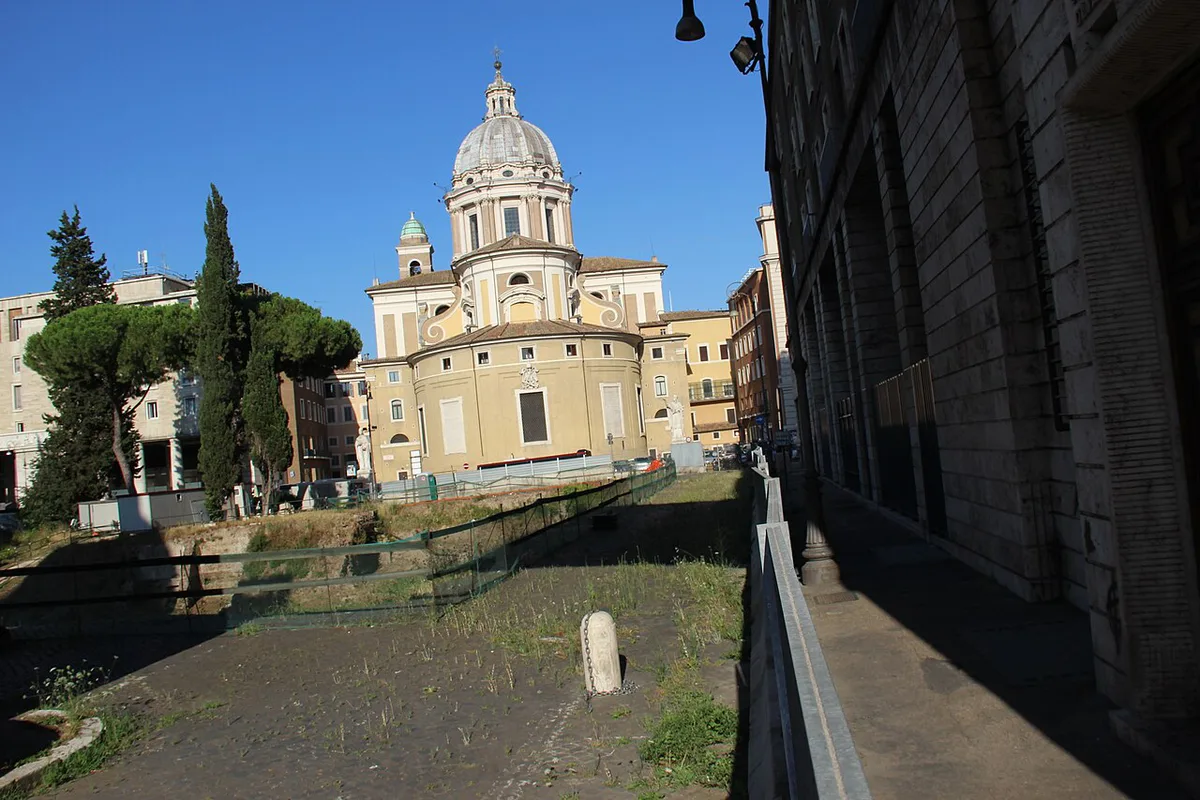
Think of the tomb as the dynastic counterpart to Rome's public ruins. The wider Roman ruins guide shows how the imperial story spreads across the city. For a compressed day, a one-day ancient Rome route works as a base. Add the tomb only if you are already in the Campo Marzio. Republican temples wait at Torre Argentina's sunken temples. Imperial-era shops and offices survive at Trajan's market halls. Keep those in a separate session from the northern Campo Marzio walk.
Common mistakes to avoid
Most disappointments come from expectations, not from the monument. Keep these points in mind before you set out.
- Assuming it works like the Colosseum, with fixed hours and a standard ticket.
- Skipping the official page and arriving to find a different visit format.
- Expecting a preserved burial chamber with intact urns or inscriptions.
- Trusting generic crowd advice, since no weekday pattern is documented for this site.
- Booking a themed tour that promises Augustus's remains, when no intact burial survives.
Related guides



Continue reading
Guides on the same trip



