
Theatre of Marcellus Rome: Visit Guide & What to Expect
Last updated November 2026: the Theatre of Marcellus (Teatro di Marcello, also spelled Theater of Marcellus) is an open-air Roman theatre in Rome's rione Sant'Angelo, near the Tiber Island. Julius Caesar cleared the site, and Augustus finished it and named it for his nephew Marcus Claudius Marcellus. Plan it as a viewing stop from the street, and use our guide to 12 Roman Ruins in Rome: Best Sites, Tickets & Routes for sites with interiors.
Featured image: Daderot, CC0, via Wikimedia Commons.
What the Theatre of Marcellus is
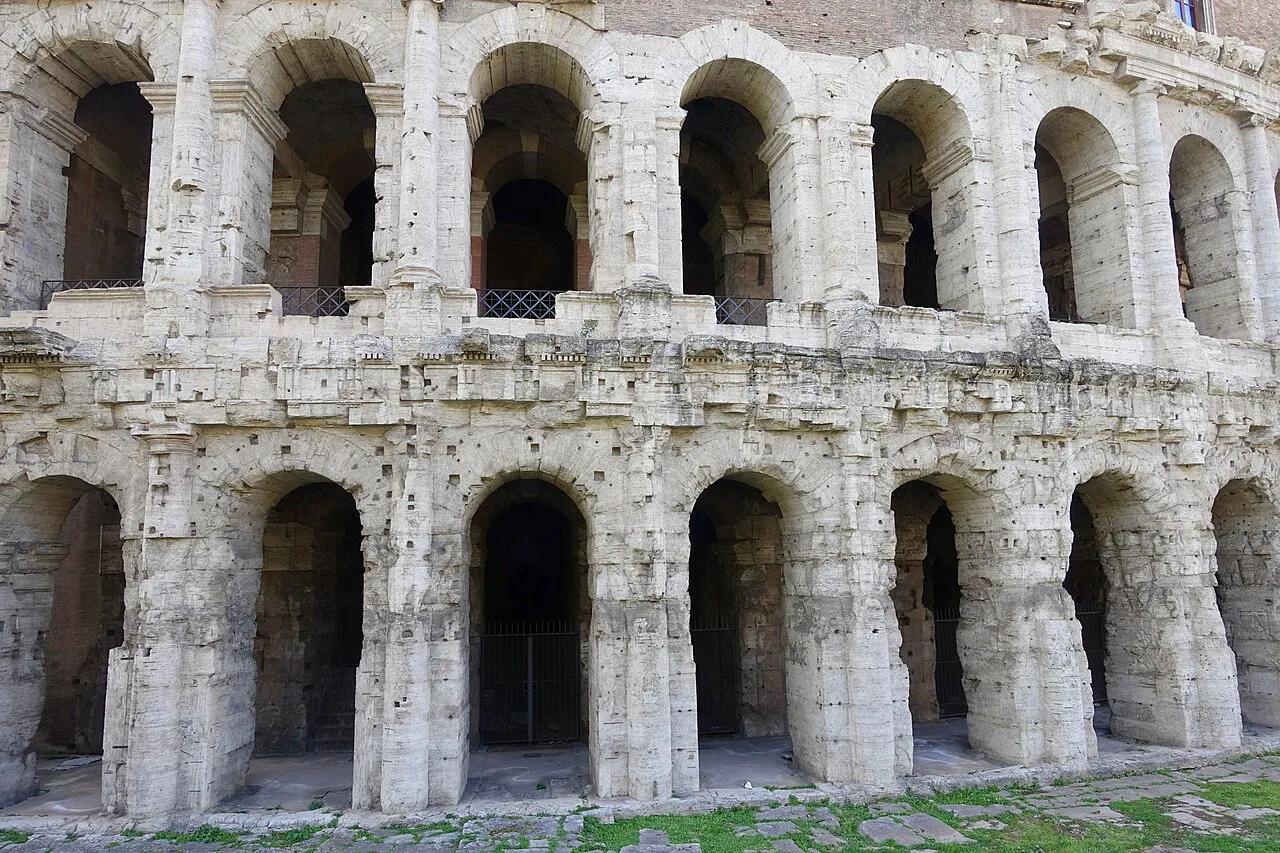
Rome's largest ancient theatre once held between 11,000 and 20,000 spectators. A late 4th-century catalogue recorded 17,580 seats, according to Google Arts & Culture. Its curved outer wall measured 111 m (about 364 ft) across. Two tiers of arches survive, and a later building sits on top of them. Visitors today see the arcaded façade from the street rather than a seating bowl.
Can you go inside? Access, tickets and hours
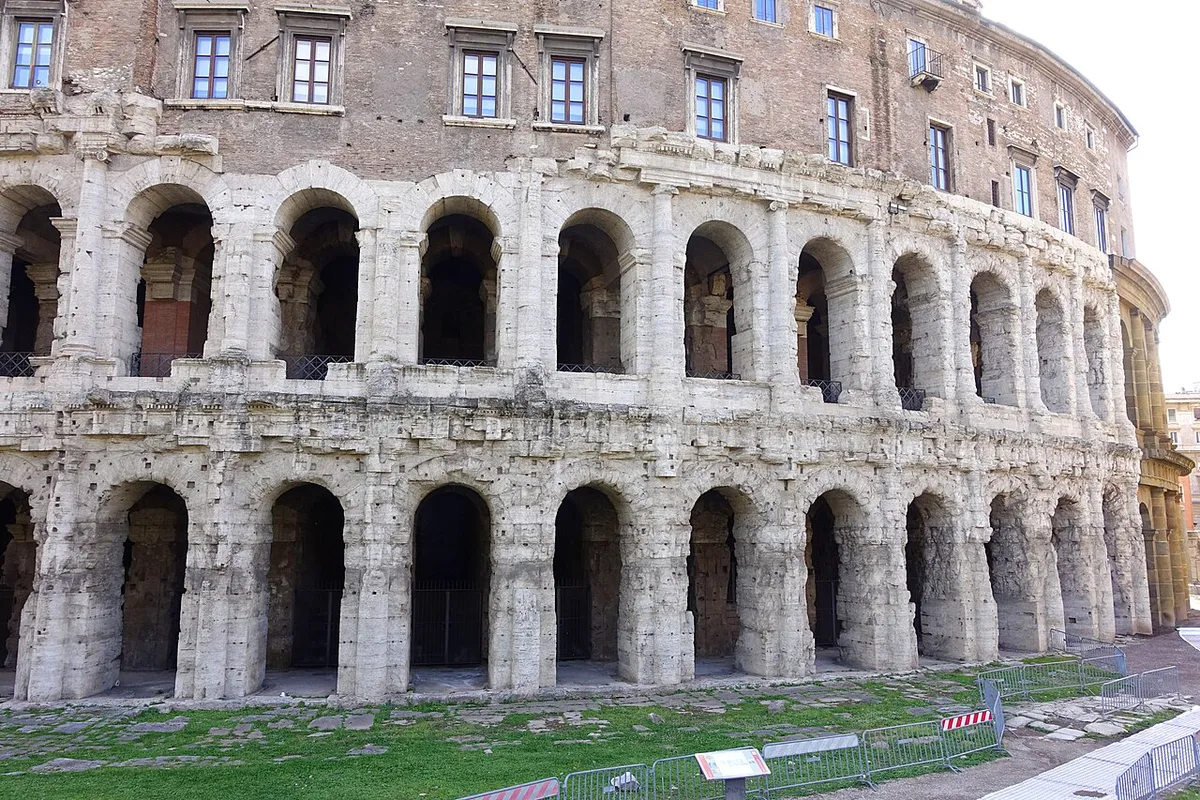
Plan on viewing the arcaded façade from the street. We found no published ticket price or opening hours, so check the Sovrintendenza Capitolina listing on Musei in Comune for any special openings.
Street viewing means the whole visit is outdoors, so budget 60 to 90 minutes for the walking loop without any ticket time.
Theatre of Marcellus vs the Colosseum
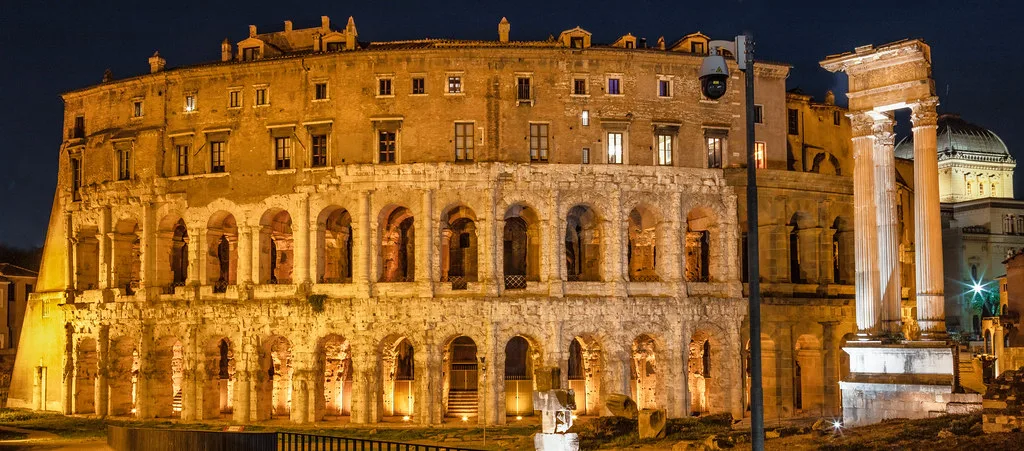
First-time visitors often mistake this building for the Colosseum. Both show stacked arches and a curved front. A Roman theatre, however, seats its audience in a semicircle facing a stage. An amphitheatre closes the seating into a full ring around an arena. Look for the missing top storey here, where later apartments replaced the original upper levels. For the full amphitheatre experience, see the Colosseum's official site.
| Feature | Theatre of Marcellus | Colosseum | Theatre of Pompey |
|---|---|---|---|
| Type | Theatre (semicircle) | Amphitheatre (full ring) | Theatre (semicircle) |
| Builder | Begun under Caesar, finished by Augustus | Amphitheatre of the imperial era | Pompey, between 61 and 55 BC |
| What you see today | Two arched tiers, medieval and later building on top | Large arena building | Remains in the Largo Argentina area |
| Entry | Street viewing; check official listings | Ticketed site | Street-level views only |
History in layers
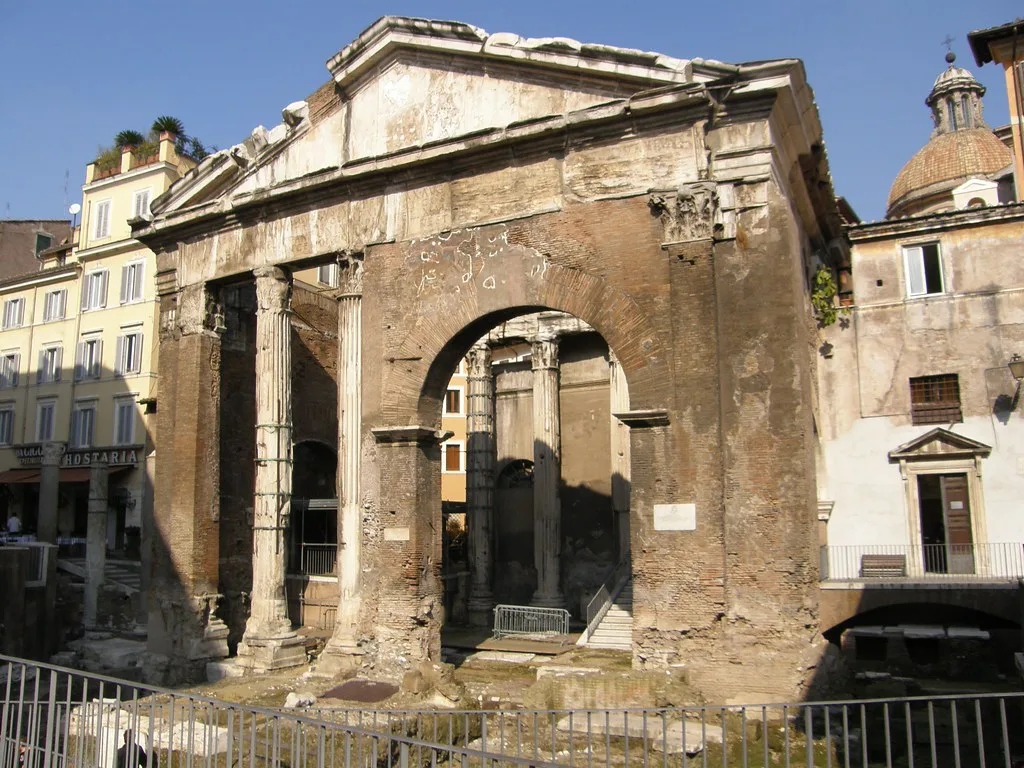
Caesar planned a stone theatre as a rival to Pompey's, but he was assassinated in 44 BC before building began. Augustus completed it and named it for Marcellus, who died in 23 BC at age 19. Sources disagree on the dedication, giving 13 BC, 12 BC or 11 BC. Marcellus had been adopted by Augustus and was expected to succeed him. By 370 AD the theatre was abandoned, and its stone was used to repair the Pons Cestius. The Savelli, Orsini and Caetani families later built a palace into the ruins. Baldassarre Peruzzi is credited with apartments on top in 1500. A 2011 account says people still live there, so look up at the upper floors as you pass. Three white columns beside it belong to the Temple of Apollo.
Palazzo Orsini on top of the theatre: what you can and can't see
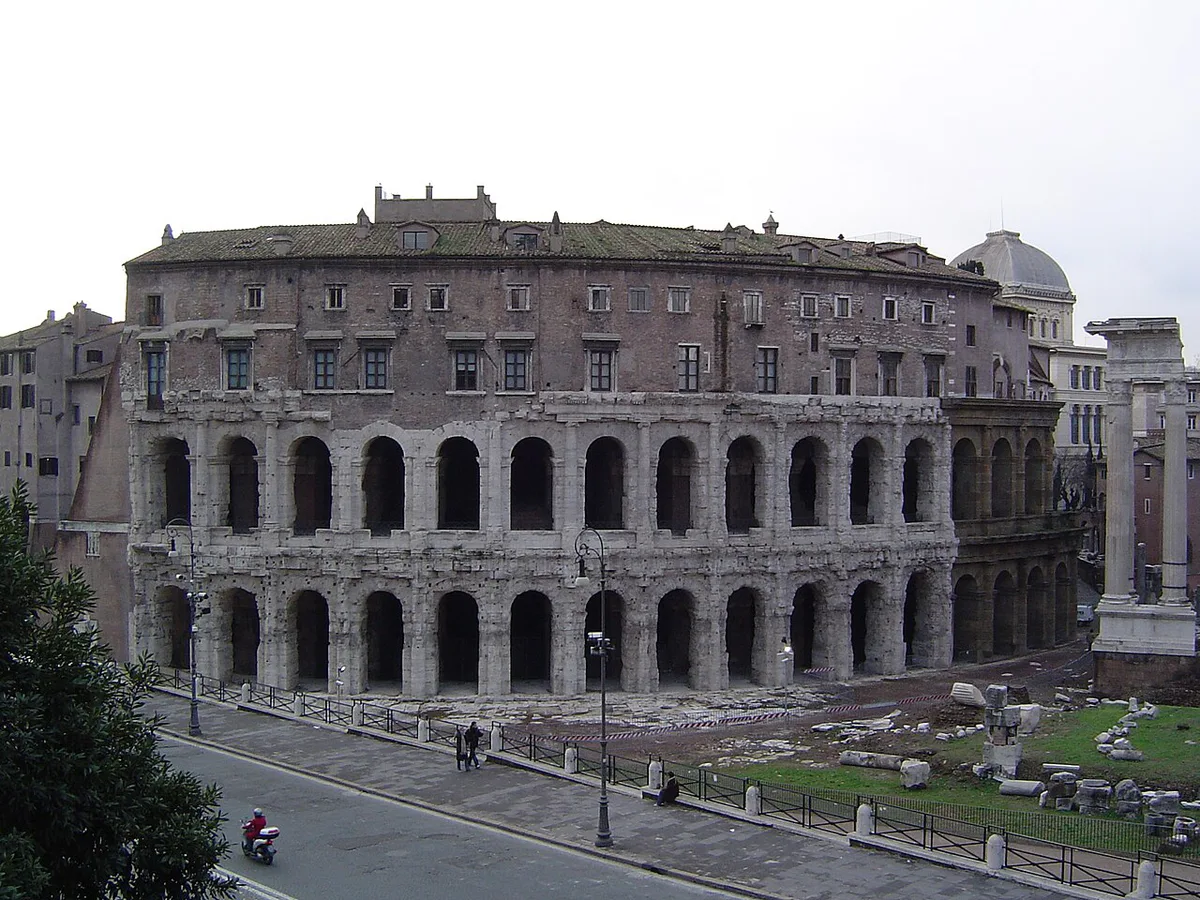
The building above the arches is a palace, not a ruin, and it is the main reason the theatre looks unlike any other Roman monument. Its name is usually given as Palazzo Orsini or Palazzo Savelli-Orsini, after the two families who held it. The Savelli built into the ruined cavea in the 16th century, and the Orsini took it over in the early 18th century.
The palace is a private residence, so the upper floors are not open to visitors. What you can read from the street is the join between the two eras:
- Lower two tiers: the Roman arcades, with the travertine-faced arches on the ground level and the next level above.
- The change of material: the stonework gives way to plastered residential floors with ordinary windows and balconies.
- Curve of the façade: the palace follows the line of the old seating bowl, so the Roman plan is still visible in the shape of the building.
Look for this from the opposite side of the road, where the whole curve fits into view. Because the apartments are lived in, keep voices low and do not photograph into windows. If you want the history behind the families, the Roman theatre at Ostia Antica offers a useful contrast: there the seating survives and the palace layer does not.
How to see it: a short walking route
Treat the theatre as the start of a loop of roughly 60 to 90 minutes. Treat that as an approximate estimate and check it on a map. The route runs through the old Jewish Ghetto, where the Roman Jewish community was made to live from 1555 until 1861.
Along the loop, the Roman Jewish community was made to live in the Ghetto from 1555 until 1861, long after the theatre was abandoned by 370 AD.
- Theatre of Marcellus: walk along the arcade and look up at the apartments.
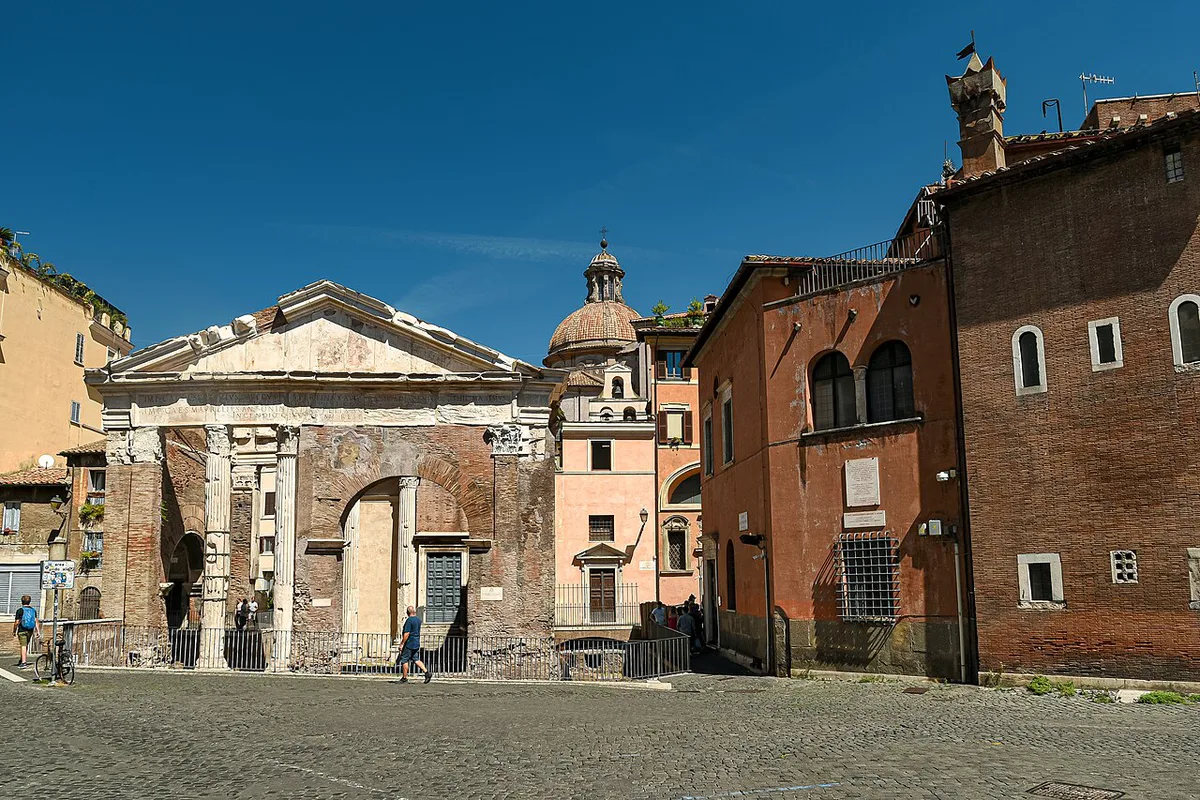
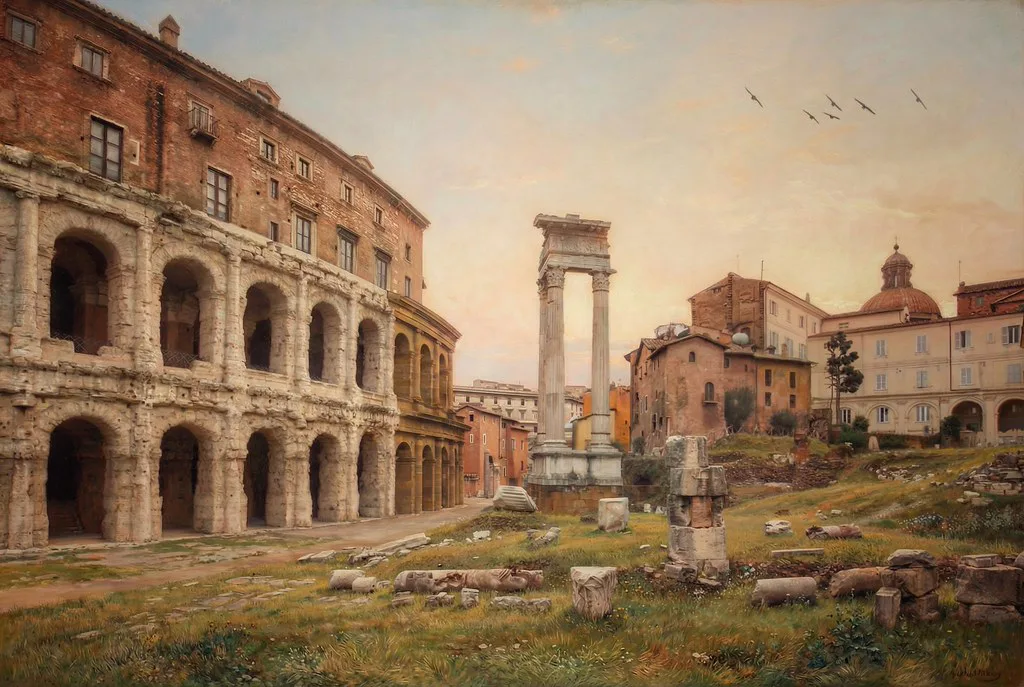
- Portico d'Ottavia: an archway portico built by Augustus in honour of his sister Octavia.
- Jewish Ghetto: cross the neighbourhood on foot; it is known for its restaurants.
- Largo di Torre Argentina: Hours, Tickets & What to See: ruins of four Republican temples and the Theatre of Pompey, the traditional site of Caesar's death.
- Campo de' Fiori: a market square open daily until early afternoon, then a popular evening drinking spot.
- Skip if: you have one day and want the big three sites, or you expect a Colosseum-style interior.
Best time, photos and practical tips
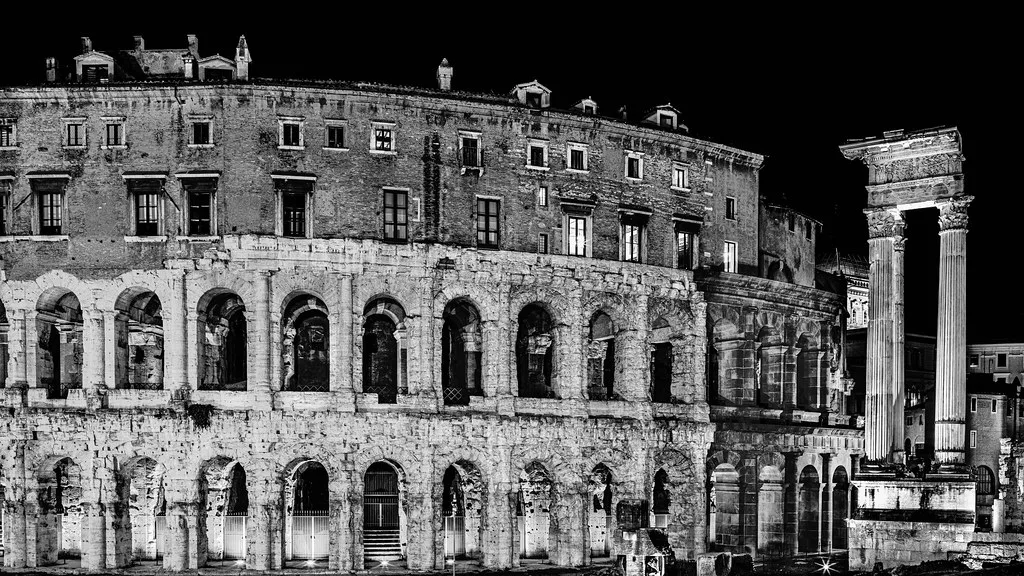
Pick morning or late afternoon, since the façade has little shade and midday heat on the street is tiring. To fit the whole 111 m curve in a photo, step back across the road. Wear shoes for uneven stone, and check the surface before assuming step-free access. Come before the Campo de' Fiori market closes in early afternoon if you want to combine them. Other common mistakes are expecting an entry gate and forgetting to look up at the apartments.
Where it fits in your Rome itinerary
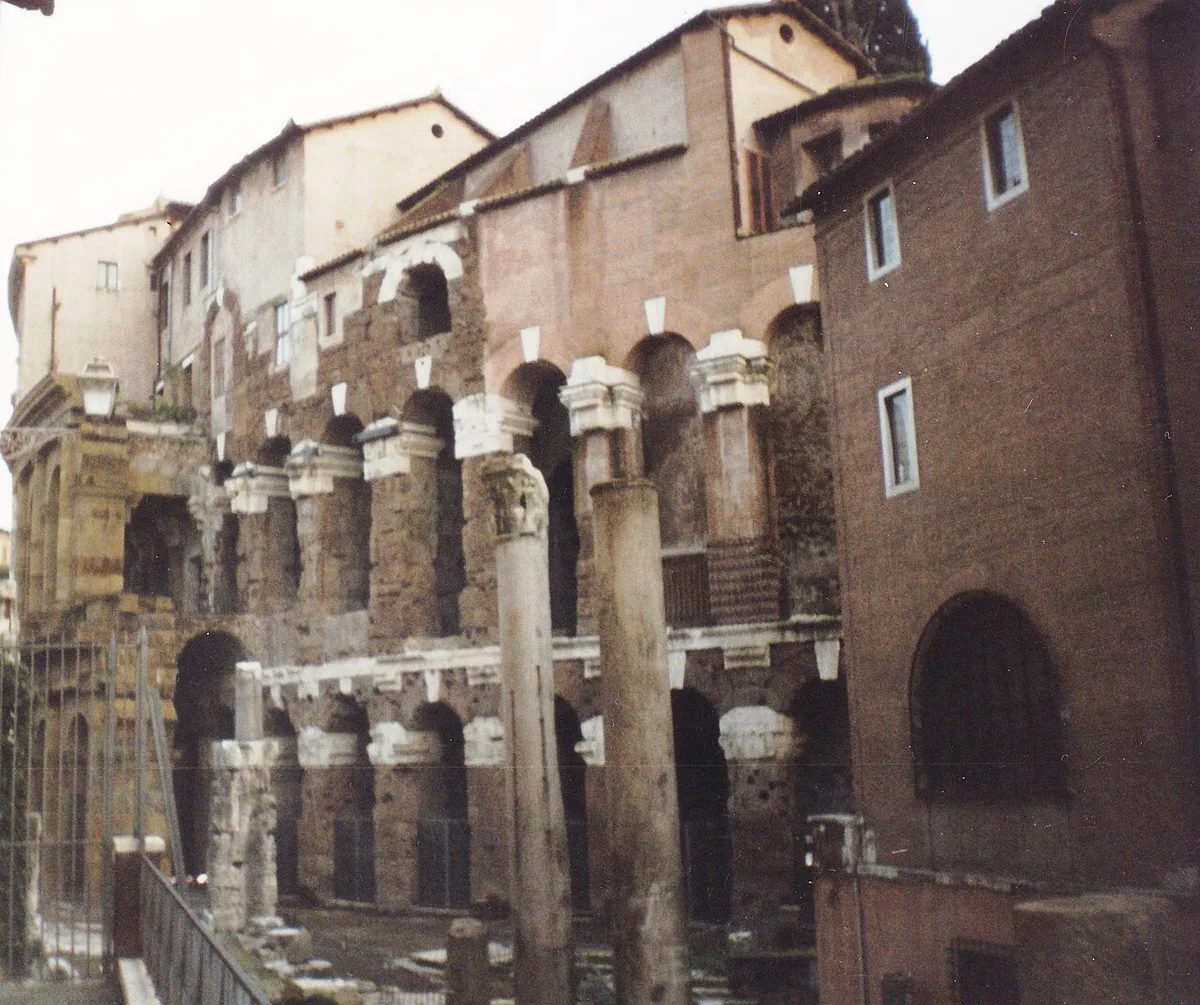
Pair the theatre with Largo Argentina for a half-day on foot. For a full plan, slot it into the route in Ancient Rome in One Day: Colosseum, Forum & Palatine Route. If you want an interior, try Crypta Balbi, Rome: Is It Worth It? Visit Tips and Passes or Palazzo Massimo Rome: Highlights, Tickets and Tips instead. For more Augustan-era context, add the Mausoleum of Augustus, Rome: Visiting Guide and What to Know. Chariot-racing fans can add the Circus Maximus Rome: Free Visit, Hours & Worth It?. Check Turismo Roma for current events.
Related guides



Continue reading
Guides on the same trip



