
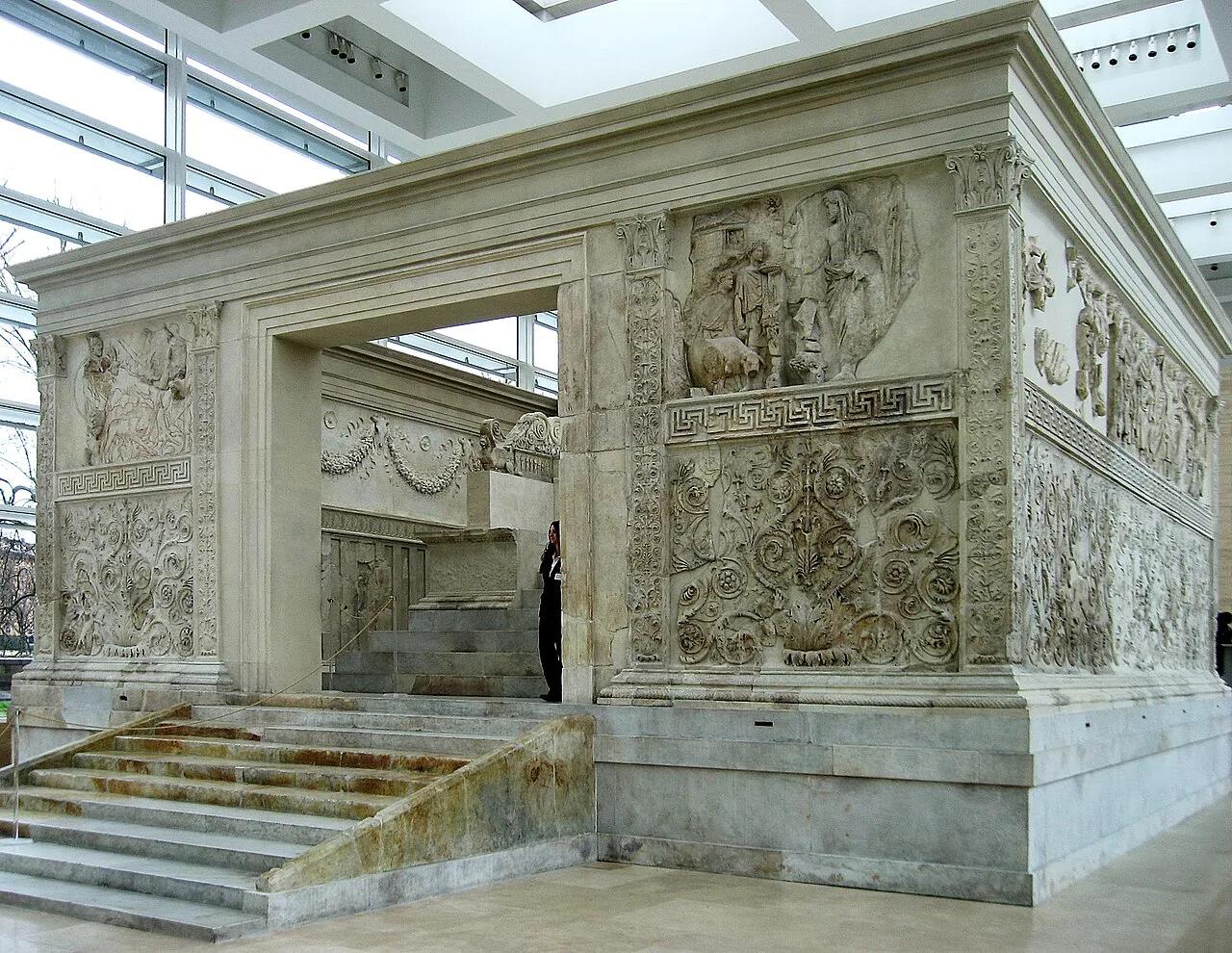
Last updated November 2026: the Ara Pacis is the Altar of Augustan Peace, carved between 13 and 9 BC and displayed in Richard Meier's glass museum on the Tiber. Plan 45 to 75 minutes for the museum, and expect a sculpted monument rather than a ruin site. It stands beside the tomb of Augustus, so it slots neatly into a day among the ancient ruins across Rome.
Featured image: Manfred Heyde, CC BY-SA 3.0, via Wikimedia Commons.
Ara Pacis quick facts for planning your visit
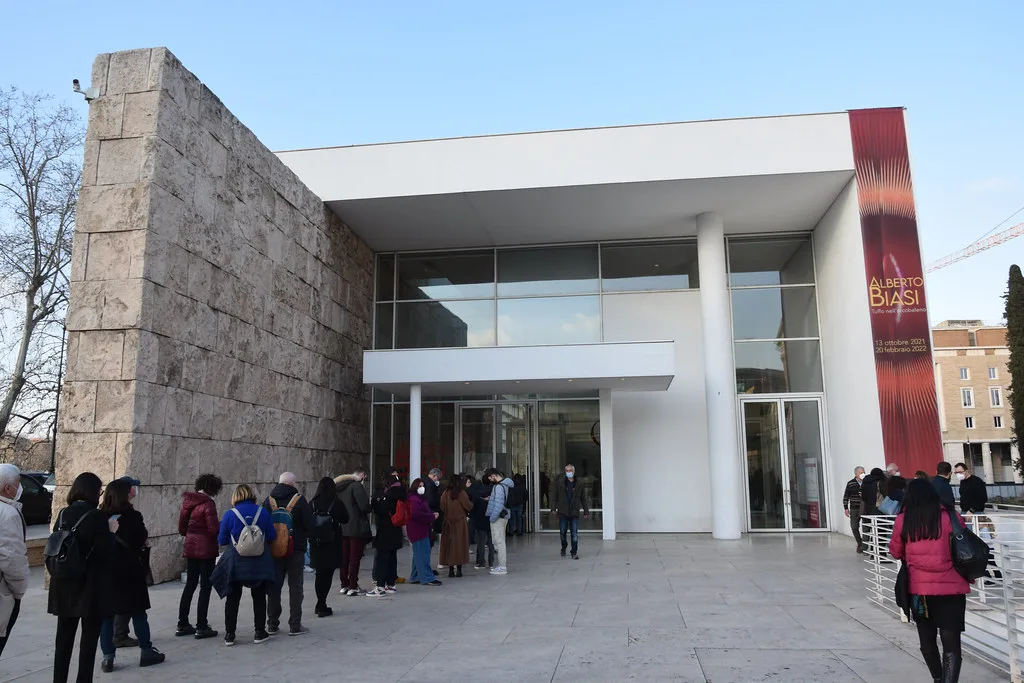
Listings give full-price adult admission as €13, and prices and hours were checked November 2026. Opening is daily from 9:30 to 19:30, with last admission one hour before closing at 18:30. The museum closes on 1 May and 25 December. On 24 and 31 December it runs 9:30 to 14:00. Temporary exhibitions can change both the price and the visitor flow, so read the ticket page before you pay. The official museum site is the reference for anything seasonal.
| Detail | What to know |
|---|---|
| Official site | arapacis.it |
| Address | Lungotevere in Augusta, Rome |
| Hours | Daily 9:30-19:30 |
| Last admission | 18:30 |
| Closed | 1 May and 25 December |
| Short days | 24 and 31 December, 9:30-14:00 |
| Full-price adult ticket | €13 (exhibitions may change this) |
| Typical visit | 45-75 minutes |
What the Ara Pacis is and why it matters
Rome's Senate commissioned the altar on 4 July 13 BC to honour Augustus's return after three years in Hispania and Gaul. It was consecrated on 30 January 9 BC. Pax Romana is the theme, meaning prosperity and stability under one ruler. So what was it used for? Priests carried out sacrifices at the central altar, inside a marble precinct wall. That makes it both a civic ritual space and a piece of political messaging for Augustus's regime. The altar stood on the northern edge of the Campus Martius, beside the Via Flaminia. Over the centuries the Tiber's floods buried it under about 4 metres of silt. Its story continues next door at the tomb of Augustus, which belongs to the same Augustan building programme.
What to look at: a panel-by-panel Ara Pacis viewing guide
Start at the entrance side and walk the precinct clockwise. The precinct wall is made of Luna marble, so skip any guide that says Carrara. Scholars still debate several identifications, and the labels you read may differ from the ones below. With only 20 minutes, see the processional friezes, then the Tellus and Roma panels, then the interior garlands.
With only 20 minutes, the short route still works, yet most visitors need 45 to 75 minutes.
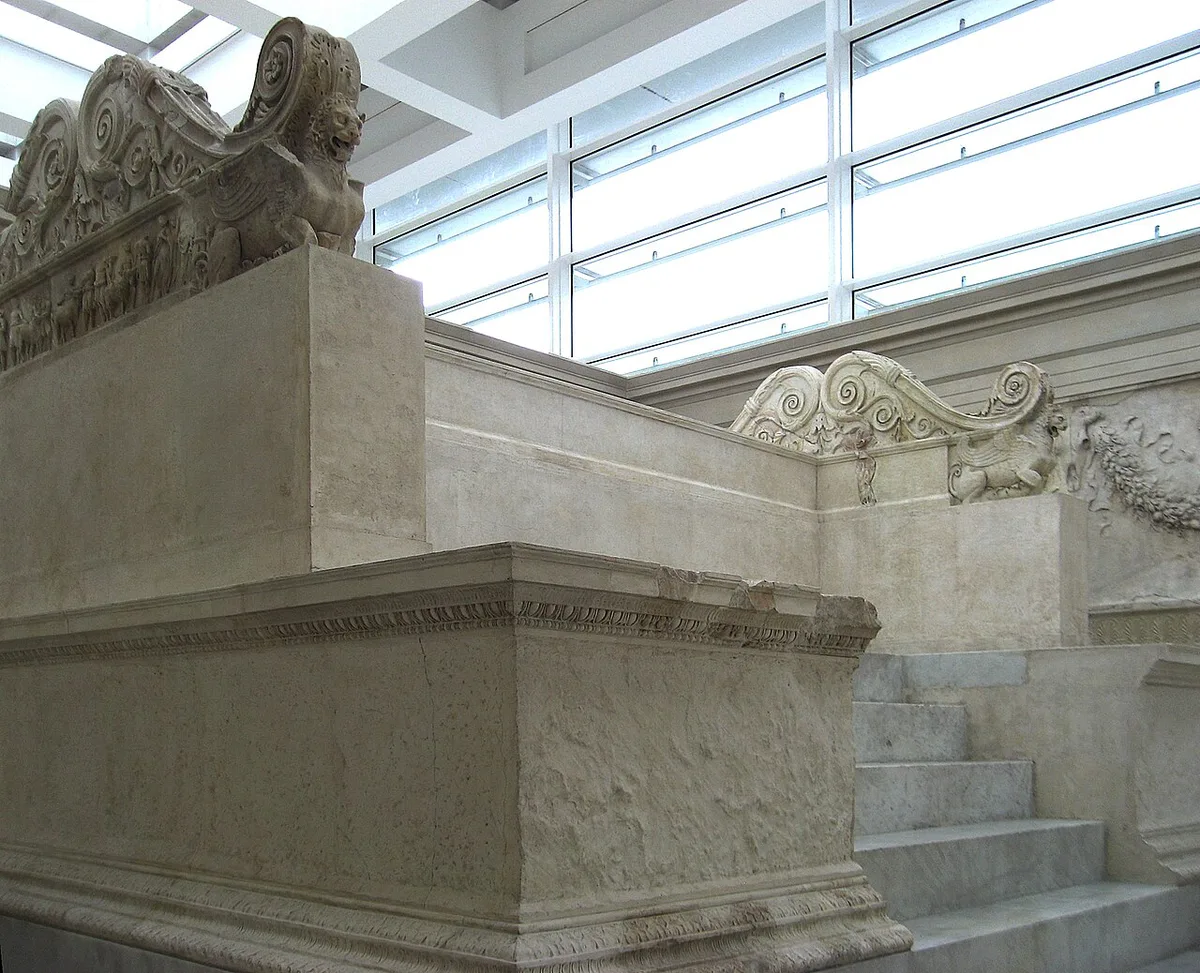
- Tellus panel: a seated woman holding children, surrounded by plants, animals and wind figures. She is variously read as Tellus (Mother Earth), Pax, Italia or Venus.
- Roma panel: a female figure seated on a pile of captured weapons, symbolising the victory that made peace possible.
- Sacrifice scene: a bearded man making an offering. He was long identified as Aeneas, but some scholars now argue for Numa Pompilius, Rome's second king.
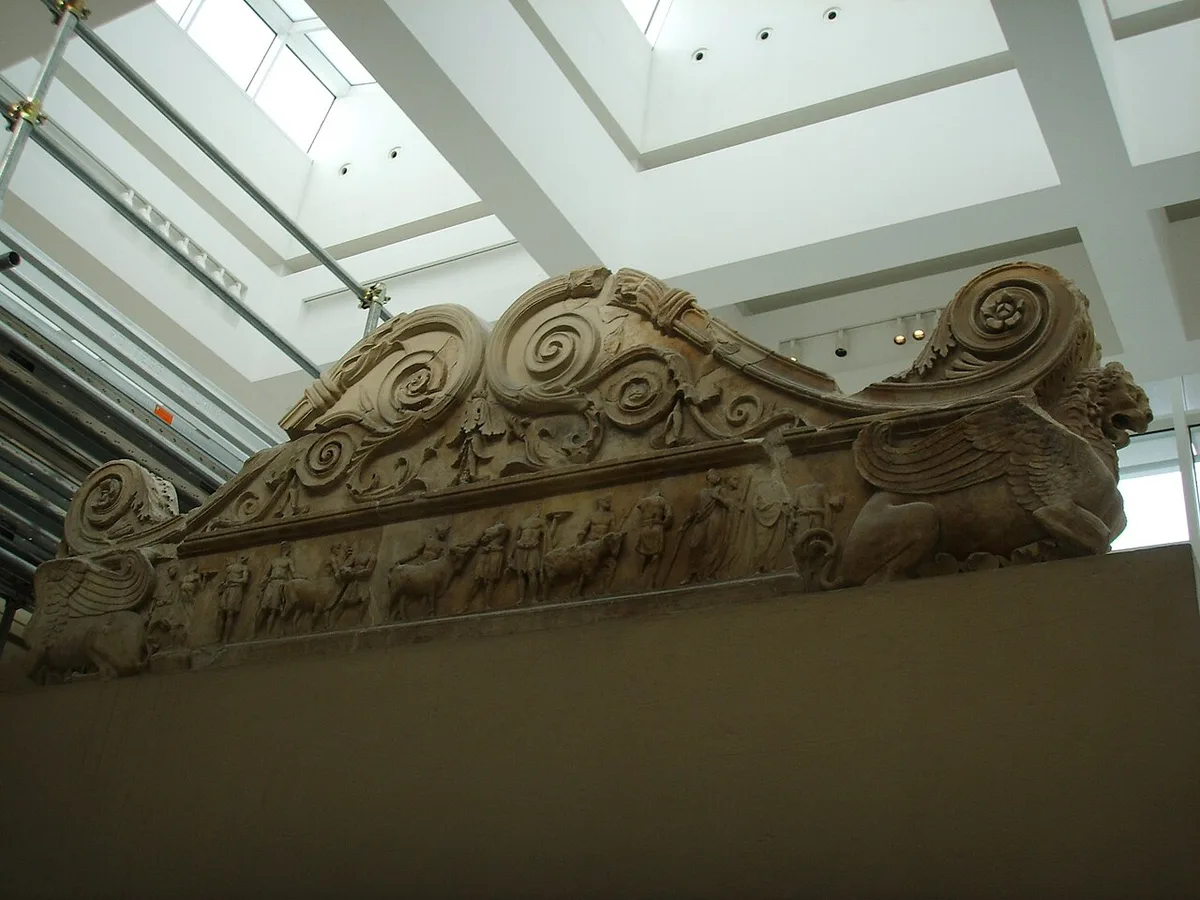
- Processional friezes: priests, magistrates with fasces, and members of the imperial family, including Augustus, Agrippa, Livia and Tiberius. Women and children appear prominently, which was new for Roman state monuments.
- Acanthus scroll frieze: a continuous band of vines with birds, insects and small creatures, evoking abundance.
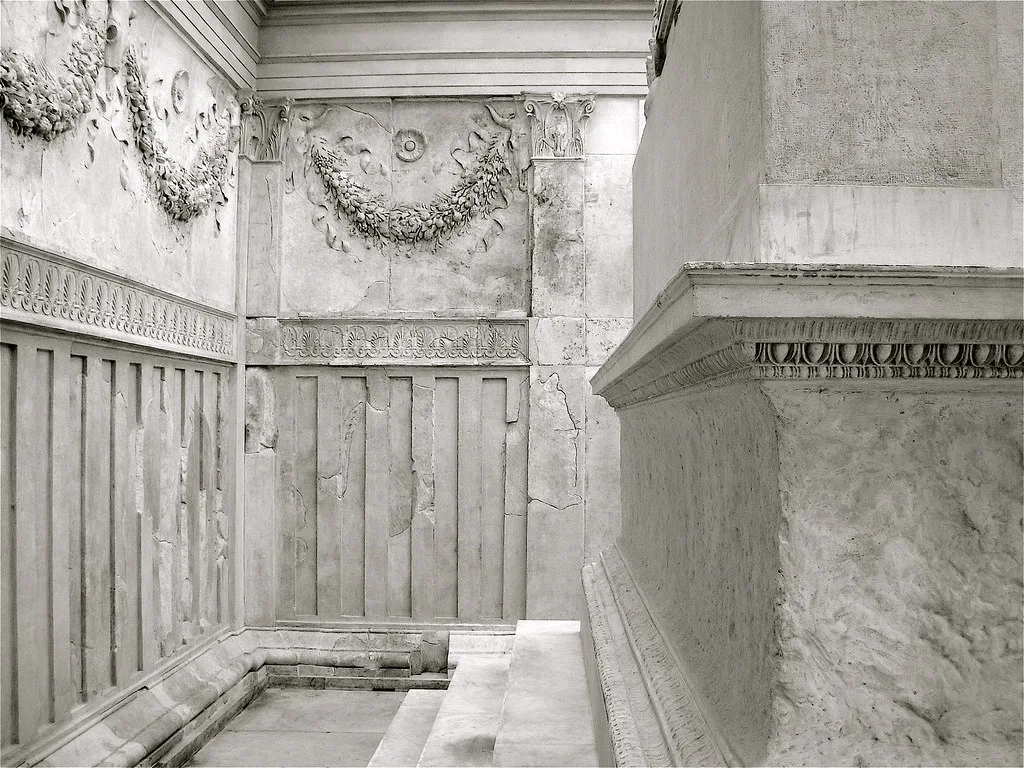
- Interior wall: ox skulls (bucrania) alternating with garlands of fruit and flowers, with the lower wall carved to imitate wooden planks.
The museum building and the 1938 reconstruction
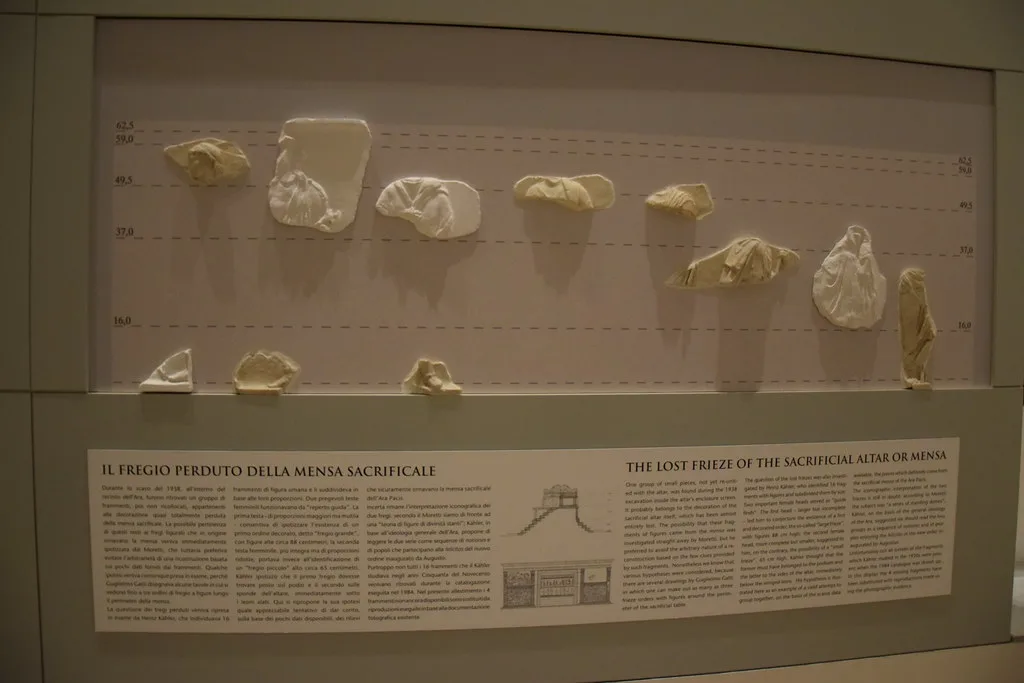
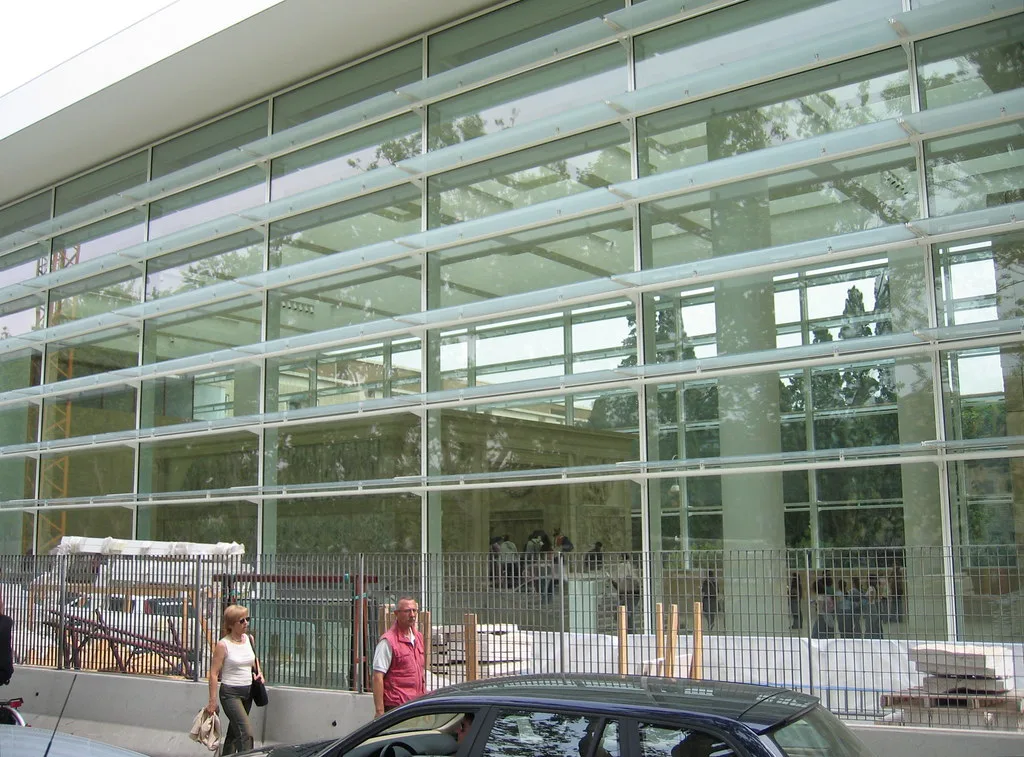
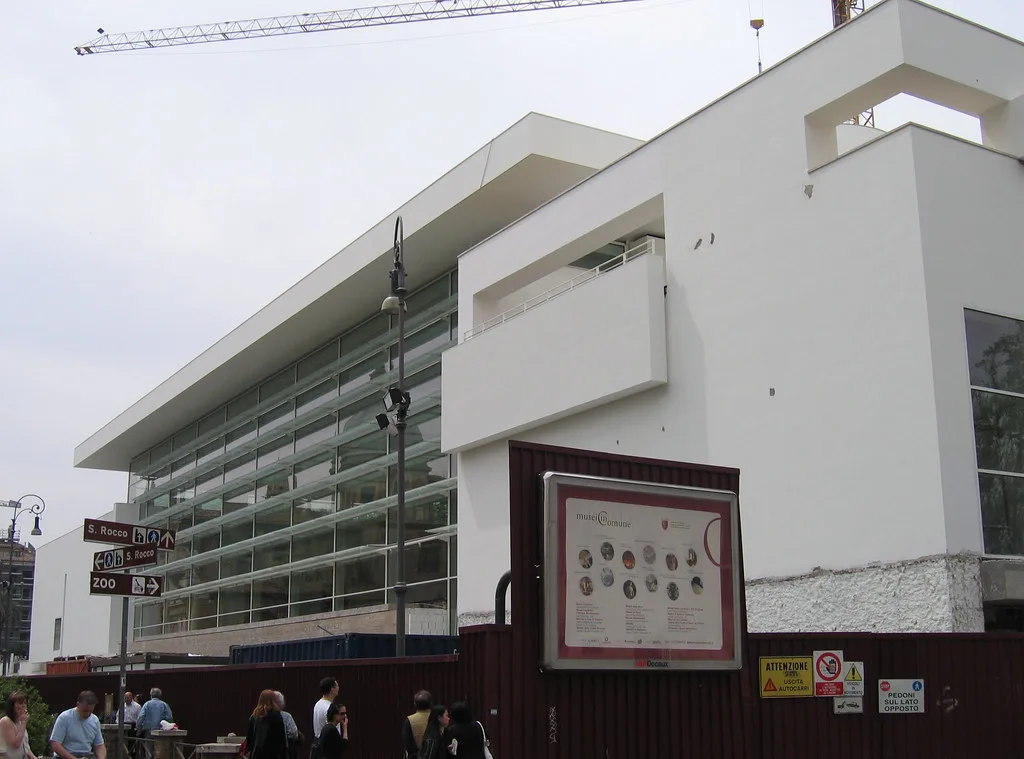
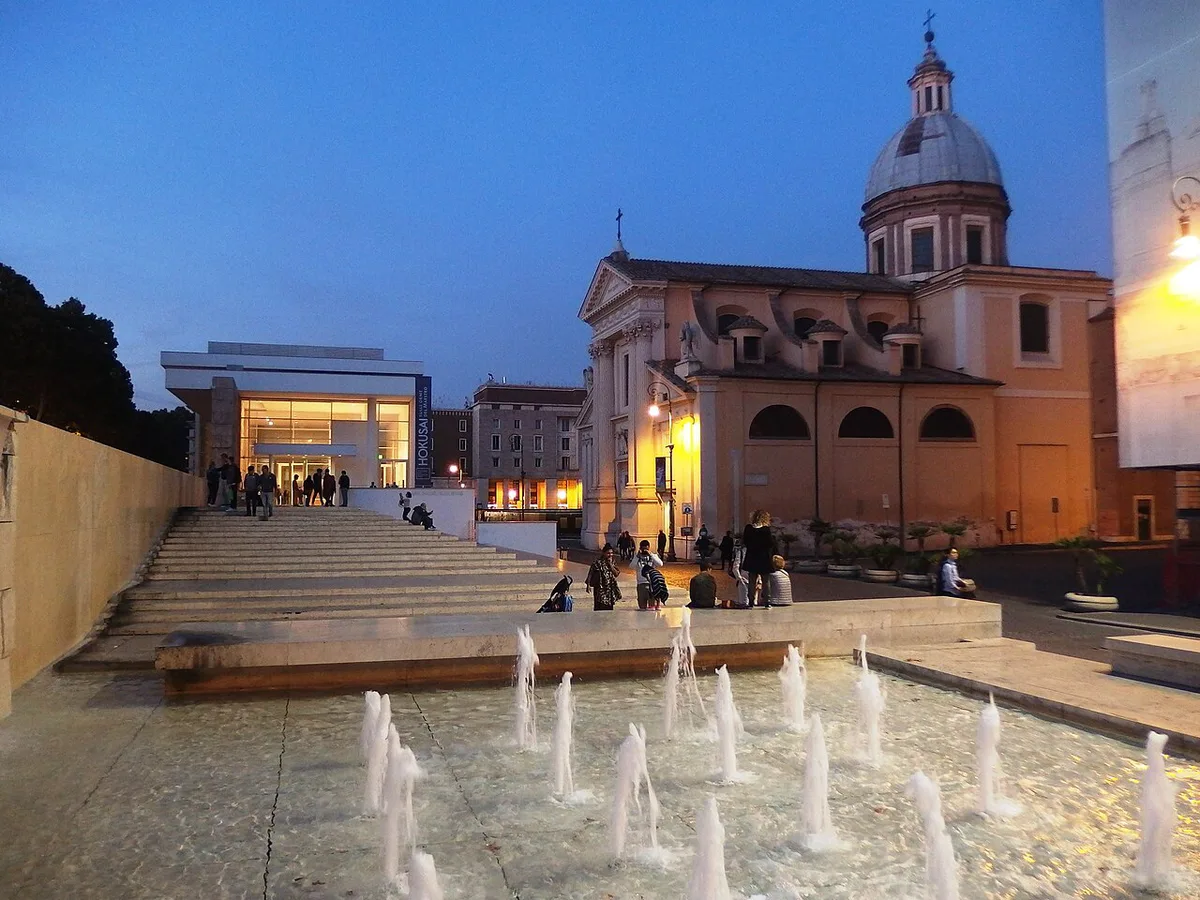
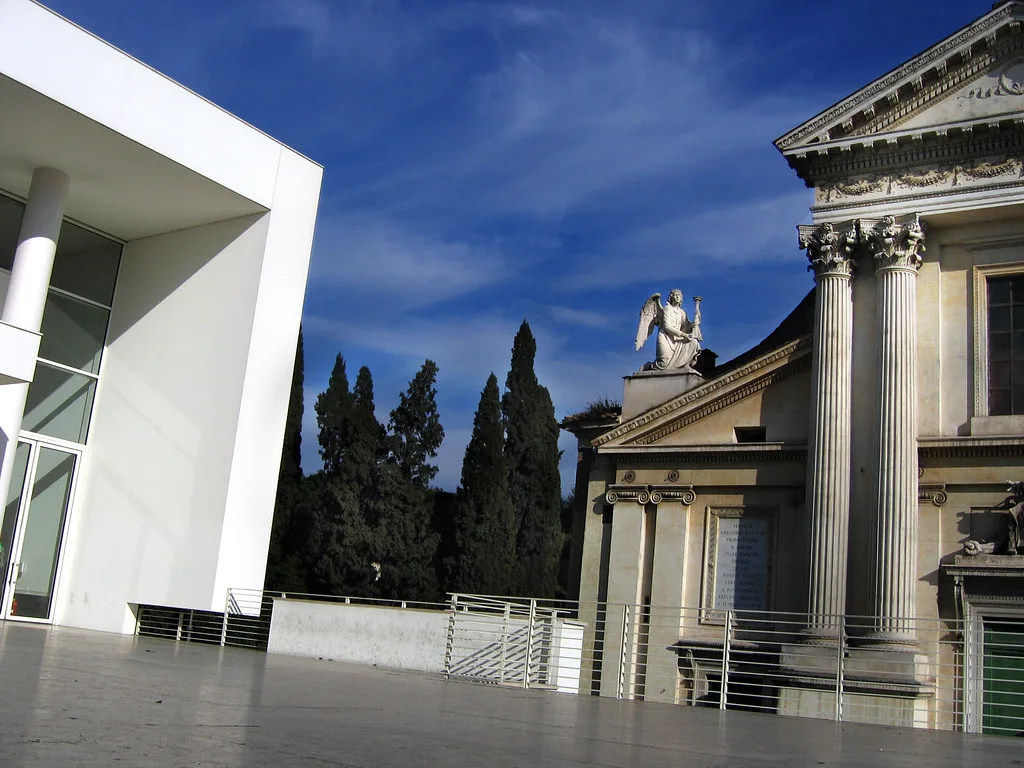
Fragments of the altar first surfaced in 1568 under a palace near the Via del Corso. More pieces emerged in 1859 and 1903, when excavators recovered 53 fragments before safety concerns stopped the work. In February 1937 the Italian Cabinet ordered a full excavation and reconstruction to mark 2,000 years since Augustus's birth. Engineers froze about 70 cubic metres of soil to extract the remaining pieces. The reassembly had to be finished by 23 September 1938. The altar was set up beside the tomb of Augustus and turned 90° counterclockwise from its original orientation. A pavilion by Vittorio Ballio Morpurgo protected it, built as part of Mussolini's effort to glorify Fascist Italy through ancient Rome. Several dozen buildings around the tomb were levelled, and locals complained. That pavilion was replaced in 2006 by Richard Meier's glass and steel museum, on the same site. Meier's design drew its own criticism for contrasting with the historic surroundings. Others see it as a calm, bright setting that protects the marble from traffic and smog. Both views are worth holding while you look.
Ara Pacis tickets, hours and booking
Book through the official museum site or the ticket seller it links to, and check the exhibition listing first. Full-price adult admission is listed at €13. The museum opens at 9:30 and last entry is 18:30, so a late-afternoon visit still works. Entry may cost more when a temporary exhibition is on. The city's archaeological card and the Roma Pass are both worth checking, because inclusion and any reduced or free categories are set by the museum. A Roma Pass typically gives free entry to one site on the 48-hour version and two on the 72-hour version. You can also call 060608 for telephone booking. Queues are rarely the issue here compared with the big ancient sites, but a ticket in hand saves time at the desk.
How long to allow and how to fit it in
Most visitors need 45 to 75 minutes for the altar and the building. Add time if an exhibition is running, since it adds rooms and a digital library of Augustan culture to the route. Pair the visit with the tomb of Augustus next door, and keep a free hour to wander toward the Pantheon and Piazza Navona afterwards.
| Option | Time | Cost | Best for |
|---|---|---|---|
| Look from the Lungotevere | A few minutes | Free | Architecture fans and tight schedules |
| Core altar visit | 45-75 minutes | €13 listed | First-time visitors |
| Altar plus exhibition | Longer | Check the official site | Art and archaeology fans |
| Altar plus tomb of Augustus | Half a day with a walk | Check each site | Anyone building an Augustan route |
Is the Ara Pacis worth it? Who should skip it
For ancient-Rome enthusiasts, it is one of the best-preserved examples of Augustan sculpture you can see up close. Art and architecture fans get a second draw in Meier's building. Children with an interest in myths will enjoy finding the wolf, the weapons and the ox skulls, and the museum lists services for children. Skip it if you want ruins to walk through, because this is a single monument in a glass pavilion. Also skip it if your schedule is tight and you only want a photo from the embankment. Free views from the outside depend on the angle and light, so do not rely on them for the carvings. A Palazzo Massimo visit covers Augustan-era art in a different setting.
- Mistake to avoid: assuming the museum is an excavation site. You see a reconstructed altar, not the original ground.
- Mistake to avoid: buying a ticket without checking for a temporary exhibition, which can change the price.
- Mistake to avoid: skipping the official booking page for a reseller listing.
Getting there and what's nearby
The museum stands on the Lungotevere in Augusta, on the bank of the Tiber. It faces the circular tomb of Augustus across Piazza Augusto Imperatore. Competing listings also give Lungotevere dei Mellini 35, so rely on the address printed on your ticket. For transit, use the official city portal at Turismo Roma and confirm any route before you leave. Other central sights, including the Pantheon and Piazza Navona, sit within the same area of the historic centre. Leave Via Flaminia and the Campus Martius in your mental map, because the altar originally stood along that road.
Accessibility and visitor services
According to Turismo Roma's museum listing, there is a street-level entrance from Lungotevere in Augusta, plus a wheelchair path and accessible toilets. Dedicated tours exist for blind and partially sighted visitors. LIS videos run on a touch-screen terminal, and guided tours with LIS interpreters are by reservation. The museum also lists audioguides, a cloakroom and a bookshop. Call 060608 to reserve tours or ask about current services.
Ring 060608 for LIS-interpreted tours, which are by reservation, and the same number books telephone tickets.
Related guides



Continue reading
Guides on the same trip



