
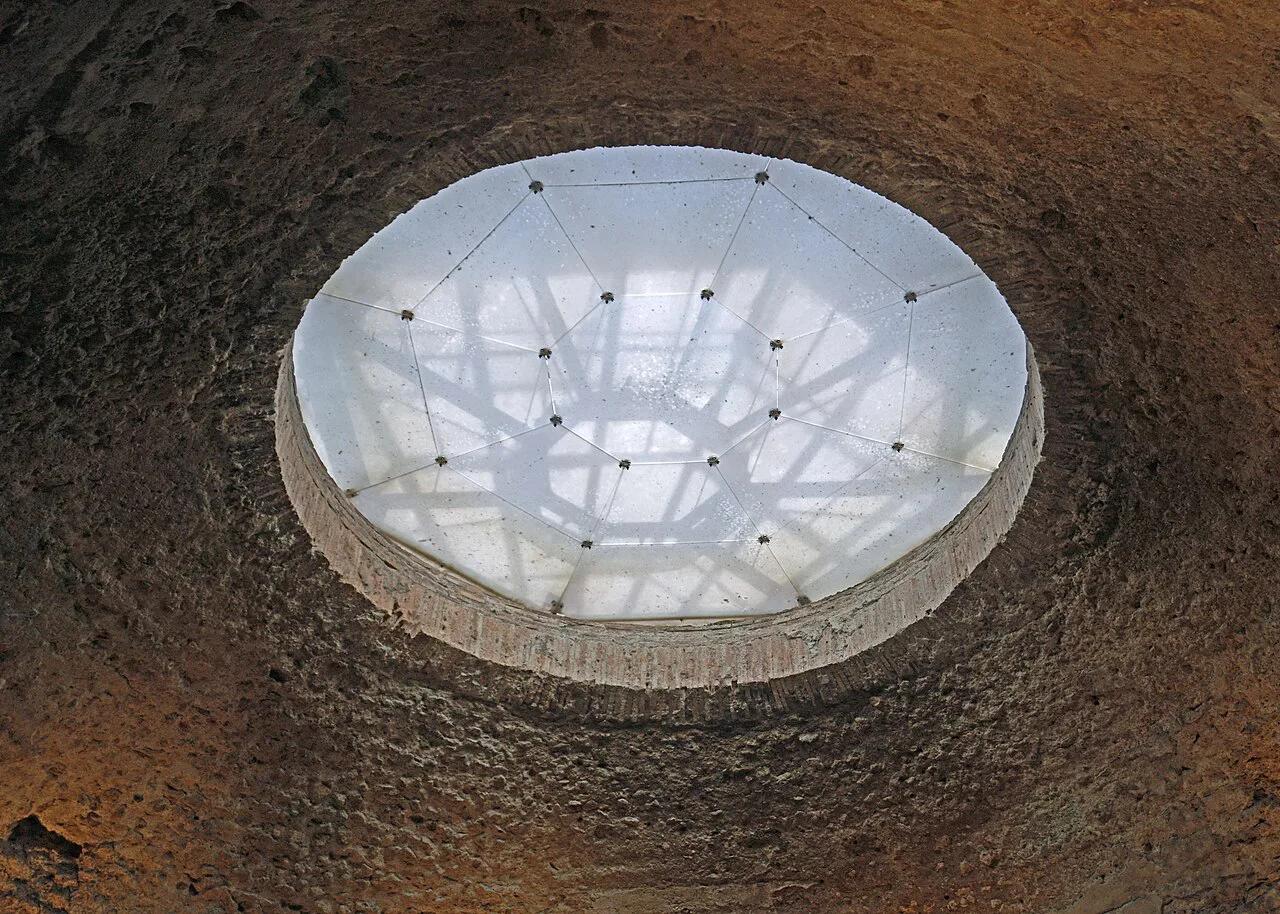
Last updated November 2026. The domus aurea is Nero's Golden House, a palace complex on the Oppian Hill in Rome that was built after the fire of AD 64. Today it is a controlled-entry archaeological site run by the Parco archeologico del Colosseo, so you plan a visit ahead instead of walking in. This guide covers what remains, who should go, and what to do if you cannot get in.
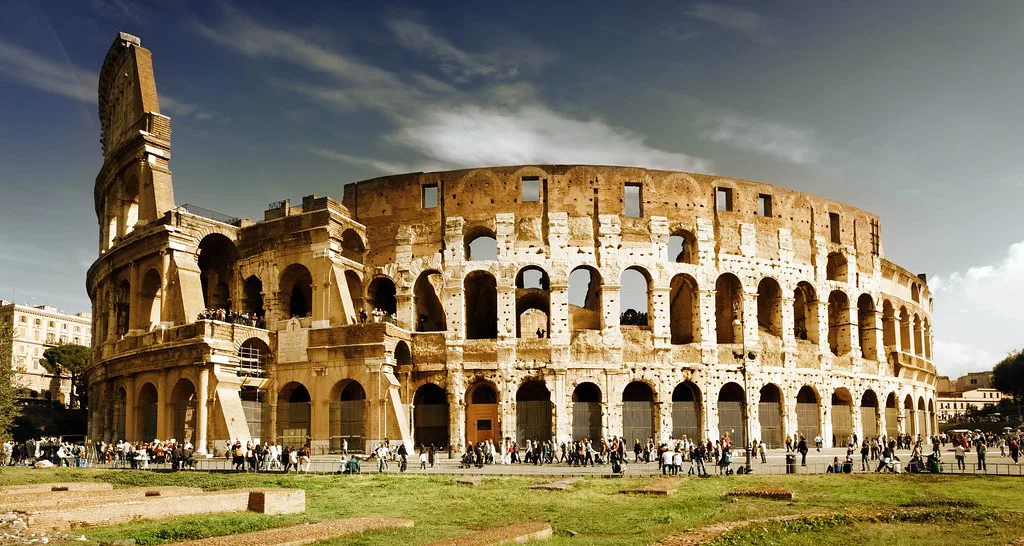
Featured image: Mariordo, CC BY-SA 4.0, via Wikimedia Commons.
What the Domus Aurea Is (and What's Left)
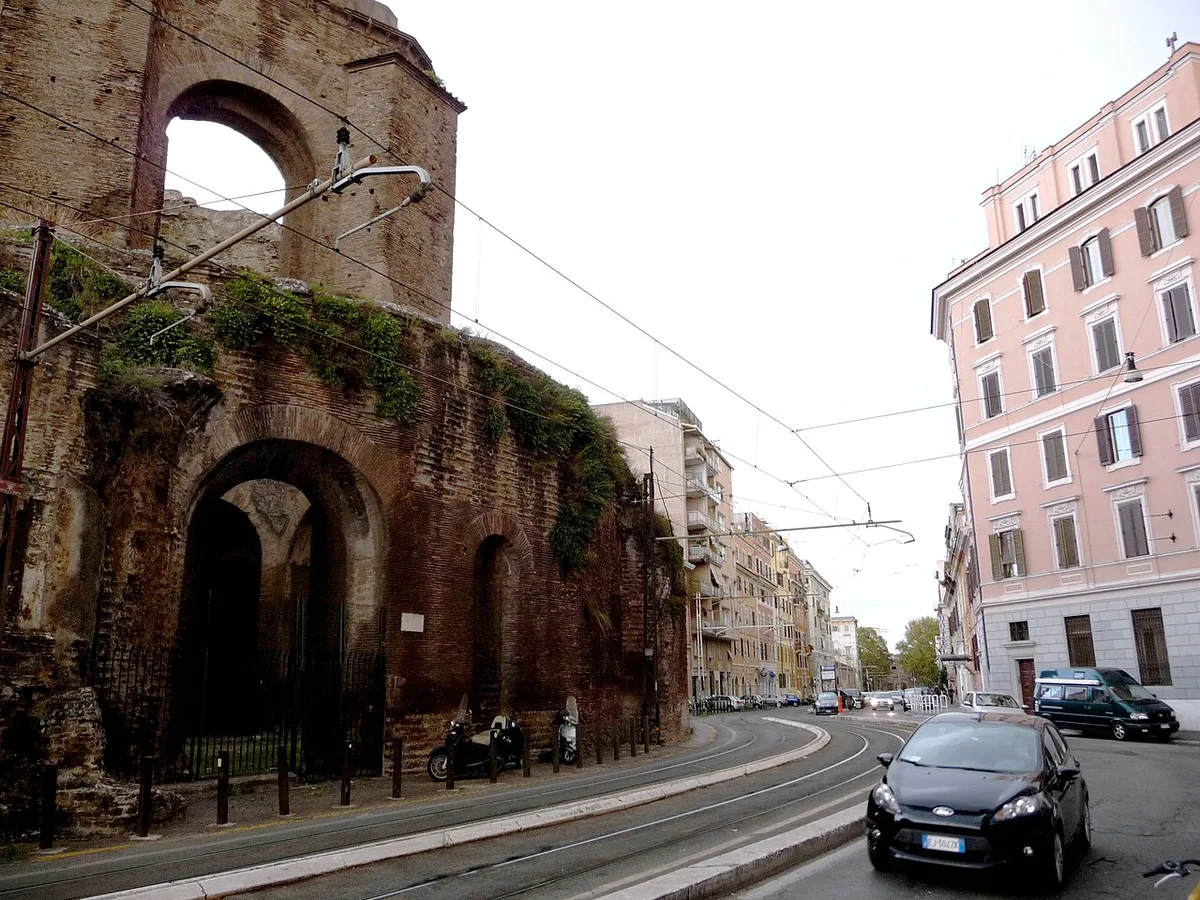
Nero's Golden House was a palace complex on the Oppian Hill, raised after the fire of AD 64 cleared part of central Rome. Later emperors buried it. Trajan's Baths were built over the structures, and that burial is why painted rooms survived underground. Rediscovery came centuries later, and Renaissance artists are linked to the painted decoration found in the buried rooms.
Expect a gap between the name and the reality. Visitors arrive imagining a gilded palace and find a partly vaulted, buried complex. Little remains of the gold and gems that ancient writers describe. What does survive is brickwork, vaulted corridors, traces of painted plaster and the Octagonal Room, the architectural highlight for most visitors.
- Location: Oppian Hill, Rome, close to the Colosseum area
- Access: controlled, booking-based entry under the Parco archeologico del Colosseo
- Best for: fresco and architecture fans, repeat visitors, anyone with ruins fatigue
- Booking advice: reserve through the official channels before you travel
Building Nero's Palace: Architects, Layout and Fate
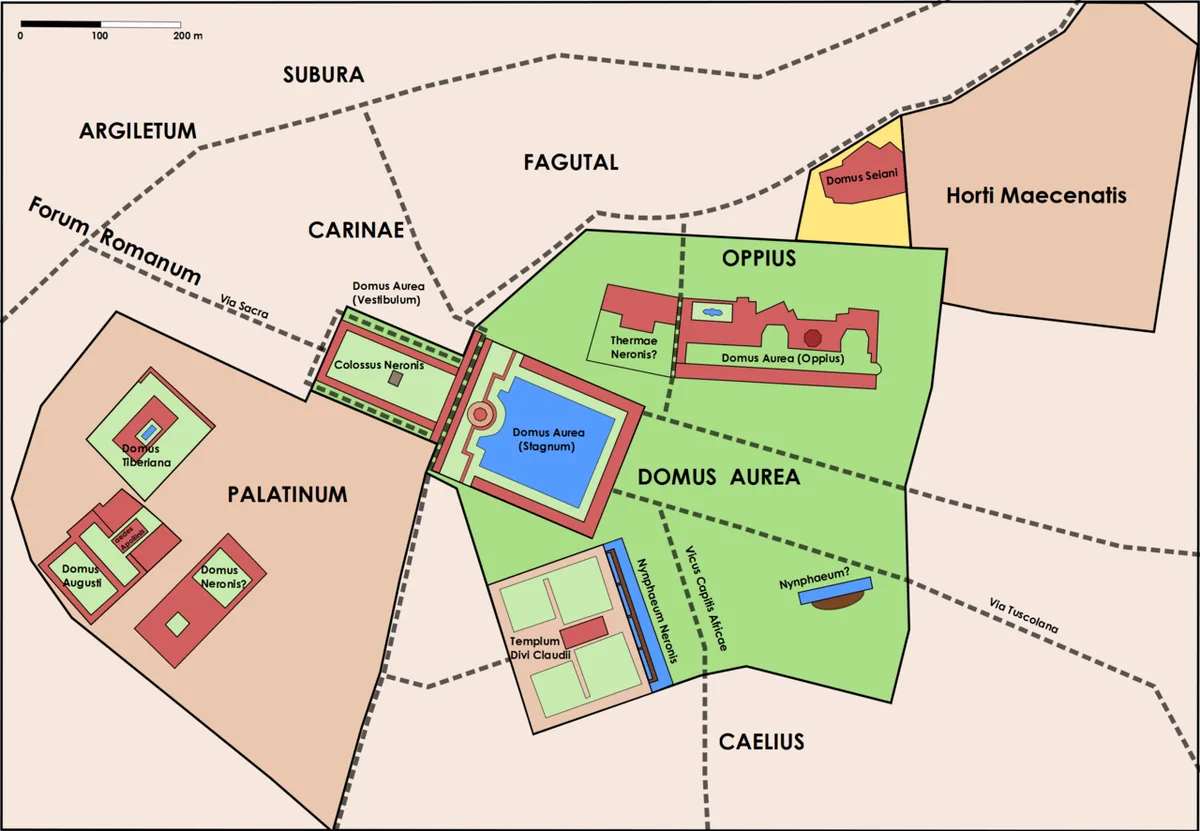
The Domus Aurea was not one building but a sprawling landscape of pavilions, gardens and water. Tacitus names Severus and Celer as the architects, and Suetonius describes a vestibule holding a colossal statue of Nero, plus dining rooms with ceilings that were said to rotate. None of that survives above ground, so the palace is best read as a plan rather than a ruin.
- Earlier palace: Nero's first palace, the Domus Transitoria, linked the Palatine to the Esquiline. The fire of AD 64 destroyed it, and the Domus Aurea replaced it.
- The Oppian pavilion: The part you can visit is the pavilion on the Oppian Hill, often called the Esquiline Wing. It looked out over a landscaped valley with an artificial lake.
- After Nero: Nero died in AD 68 and later emperors set about undoing the palace. The lake site was later used for the Flavian amphitheatre, the Colosseum.
- Burial: Trajan's Baths were built over the Oppian pavilion in the early second century AD. The rooms were filled with rubble to carry the new foundations, and that fill is what sealed the walls and plaster underground.
This history explains what you see inside: vaults cut off by later masonry, and corridors that were never meant to be a sequence of tunnels. Treat it as the lower floors of a larger pleasure palace.
Is Domus Aurea Worth Visiting?
It suits people who care about painted rooms and Roman building techniques. Repeat visitors to Rome also get a lot from it, because it shows a side of the city the open-air forums do not. If you are tired of standing among broken columns, an enclosed, vaulted complex is a change of pace.
Skip it if your first day in Rome is already tight. Choosing between the Colosseum area and this site is a real trade-off, and the Colosseum has the bigger name. Families with small children may find a strict, guided format hard going. For a wider choice of sites, start with our guide to 12 Roman Ruins in Rome: Best Sites, Tickets & Routes.
How to Visit: Access, Tickets and Timing
Treat the Domus Aurea as a reservation-only site. Entry is managed through the Colosseum Archaeological Park website, which publishes the current visiting format, opening days and ticket price in euros. Hours and formats can change with restoration work, so read that page before you fix your dates.
For booking steps, see our dedicated Domus Aurea tickets guide. Reserve early if your dates are fixed, because places are limited. Do not assume a Colosseum ticket also opens this site. Check what any pass covers before you rely on it. Our Roman Forum Pass: Which Ticket or Card to Buy (2026) page explains what that card includes.
Citywide visitor information, including transport and events, sits on the Turismo Roma official visitor site.
How Long to Allow and What It's Like Inside
Allow a block of time rather than a quick stop, and take the visit length from your confirmed booking. Underground sites are usually cooler and damper than the street, so bring a layer even in summer. Wear shoes with grip, since floors can be uneven.
Accessibility depends on the current route. Stairs, slopes and uneven ground are likely in a buried complex, and any age or mobility limits are set by the park. Ask the park before you book if anyone in your group has limited mobility. This is also a useful rainy-day swap, since most of the visit is under cover.
Frescoes, Grotesques and the Renaissance Rediscovery
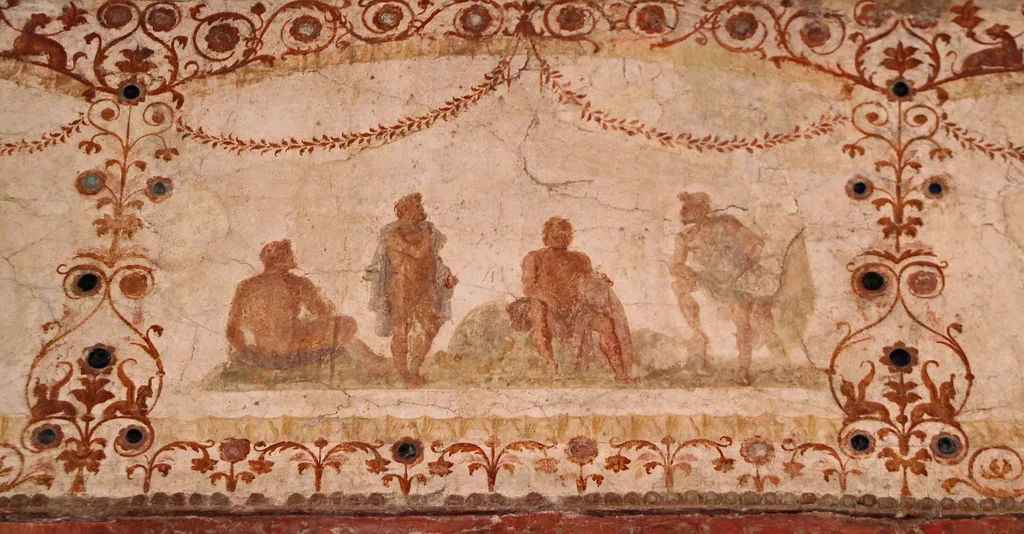
The painted plaster is the reason the Domus Aurea mattered long after Nero. The complex was reopened by chance in the late 15th century, when a young man is said to have fallen through a hole in the Oppian Hill and found painted rooms below ground.
Artists climbed down on ropes to copy what they saw. Because the rooms looked like caves, the decoration became known as grottesche, the origin of the word "grotesque". Light, fantastical designs of garlands, slender figures and winged creatures spread from here into Renaissance interiors, and several artists are recorded as leaving their names scratched into the vaults.
What survives to look at
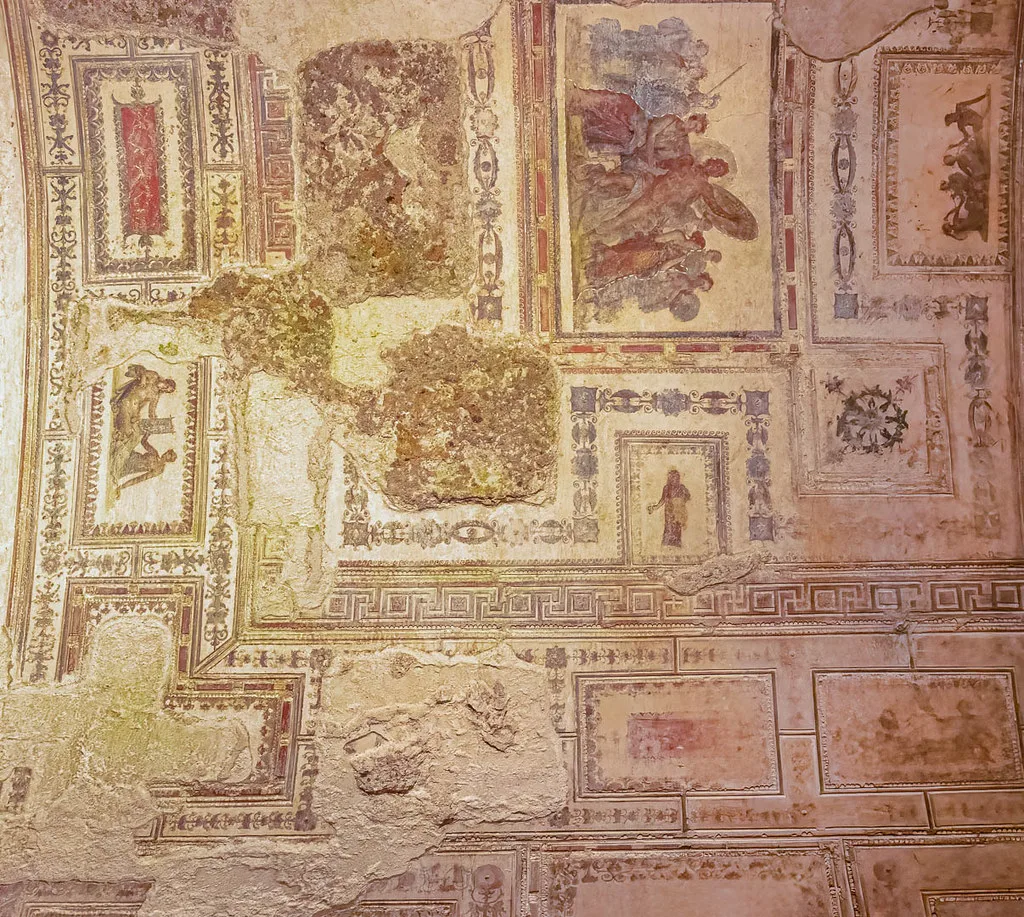
- Painted vaults: Fragments of ceiling decoration with floral and figurative panels, often faded and patchy.
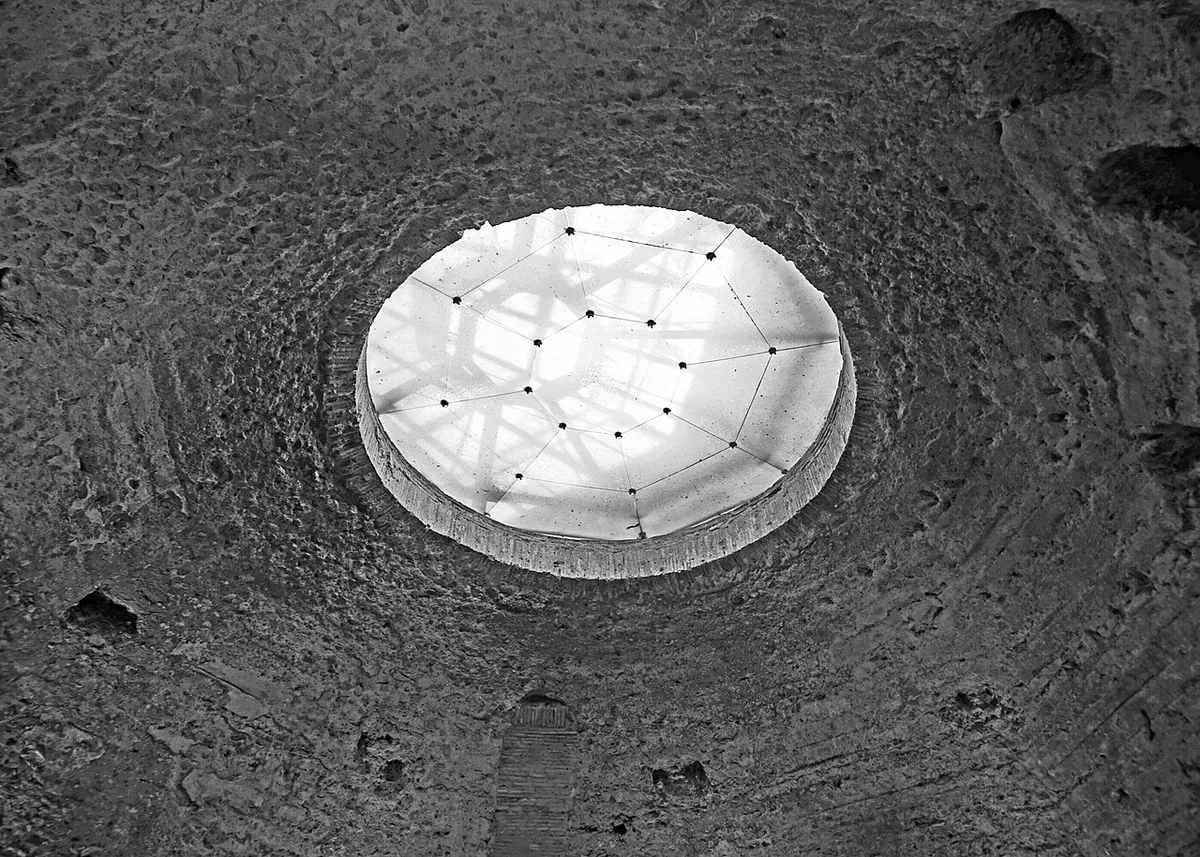
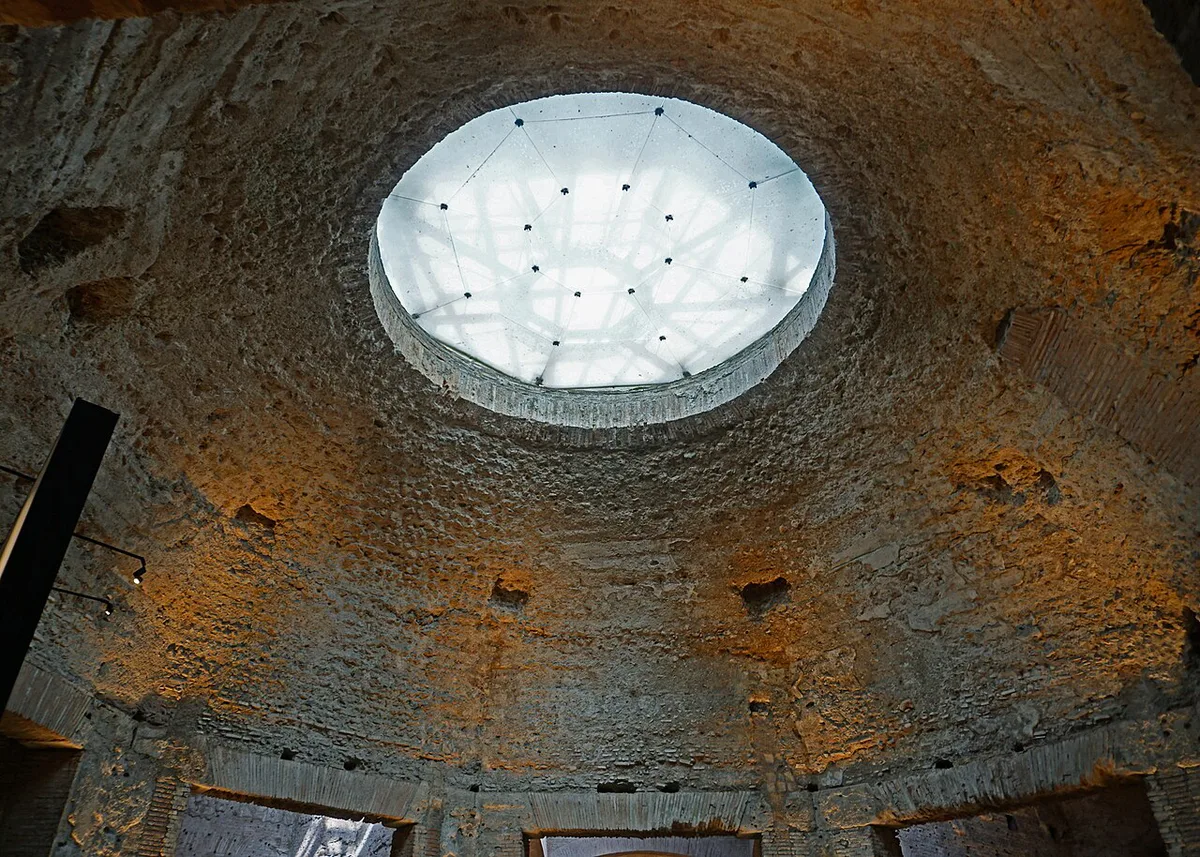
- Octagonal Room: A domed hall with an opening at the top and radiating chambers. It is the clearest sign of how inventive the architecture was.
- Brickwork and fill lines: Marks left by the later Trajanic construction, which show how the palace was buried.
Conservation and access
Moisture seeping through from the hill above has long damaged the plaster, which is why access is controlled and routes are managed. Expect closures or format changes during restoration, and check the Parco archeologico del Colosseo page before you travel. Do not expect bright colour; the appeal lies in line, structure and the sense of walking inside Nero's buried rooms.
Getting There and Combining It With Other Sites
Head for the Oppian Hill side of the Colosseum area and use the meeting point on your booking. Do not rely on a street address alone. Your confirmation sets the entry point and arrival time.
The simplest half-day pairing is the Domus Aurea plus the Colosseum area. Book the Domus Aurea slot first because it is fixed, then fit the Colosseum or the Forum around it. Short on time? Our Ancient Rome in One Day: Colosseum, Forum & Palatine Route plan shows how to sequence the main sites.
- Step 1: Arrive at the entry point named on your booking
- Step 2: Complete the guided visit
- Step 3: Add the Colosseum area or the Forum afterwards
- Step 4: Use a cafe stop between sites to rest
What to See Nearby or If You Can't Get In
A sold-out day does not need to ruin the plan. For Roman painting and sculpture, Palazzo Massimo Rome: Highlights, Tickets and Tips is a good museum fallback. Its collection is part of the Museo Nazionale Romano.
For imperial engineering, visit Trajan's Market, a brick complex of shops and offices. Baths of Diocletian, Rome: What Survives and How to Visit shows how large Roman bath buildings grew. For lower-key ruins in the old city, try Crypta Balbi, Rome: Is It Worth It? Visit Tips and Passes. Each works as a same-day substitute.
| Alternative | Best for | Why it works on a sold-out day |
|---|---|---|
| Palazzo Massimo | Roman painting and sculpture | Part of the Museo Nazionale Romano |
| Trajan's Market | Imperial engineering | A brick complex of shops and offices |
| Baths of Diocletian | Scale of Roman bath buildings | Shows how large Roman bath buildings grew |
| Crypta Balbi | Lower-key ruins in the old city | A same-day substitute among old-city ruins |
Mistakes to Avoid
Most problems come from assumptions about access and from mixing up buildings.
- Turning up without a reservation
- Assuming it is a self-guided ruin you can wander through
- Confusing it with Nero's earlier palace buildings, which were separate structures
- Assuming a Colosseum ticket covers it
- Dressing for the street instead of a cool, damp interior
Related guides



Continue reading
Guides on the same trip



