
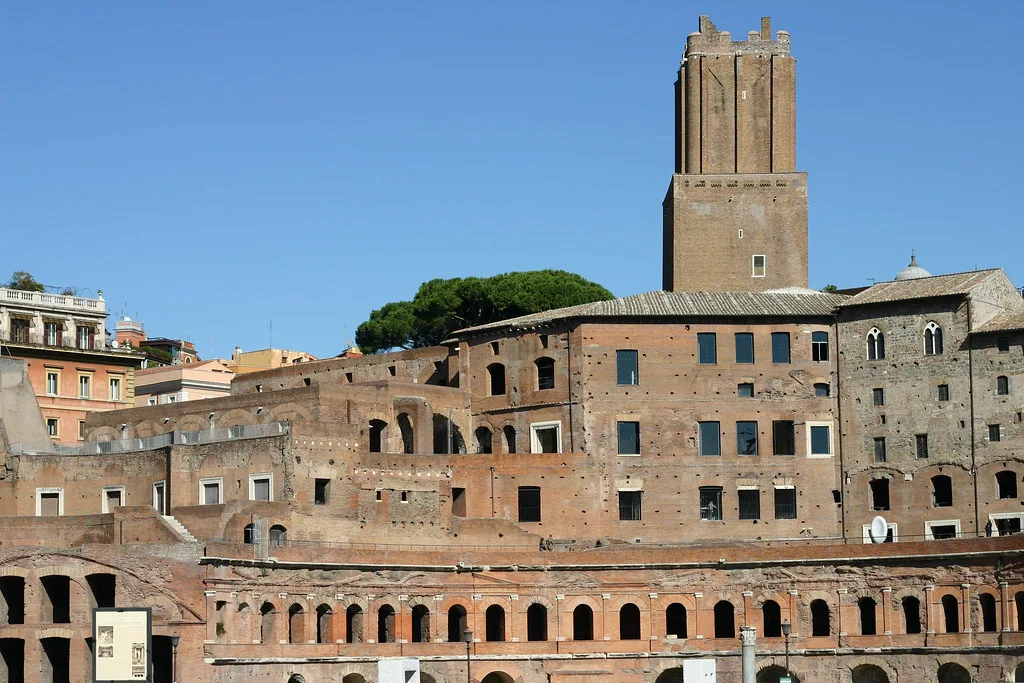
Trajan's Market, Rome: Tickets, Hours & Is It Worth It
Last updated November 2026. Trajan's Market (Mercati di Traiano) is a brick complex cut into the slope of the Quirinal Hill, built around 100 AD and now home to the Museo dei Fori Imperiali. It earns a place on a short Rome itinerary if you want to see how an ancient street of shops and offices actually stood. Skip it only if you are counting on a single Forum ticket to cover everything.
Featured image: avinashbhat, CC BY-SA 2.0, via Flickr.
What Trajan's Market Is (and Isn't)
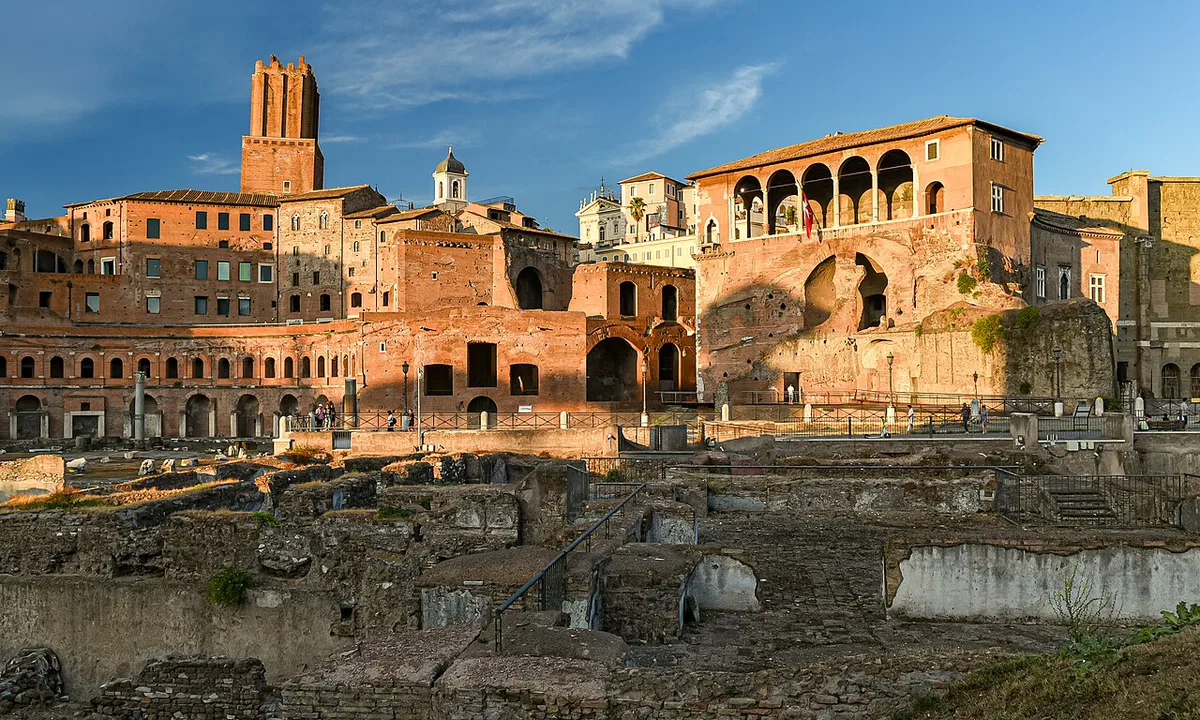
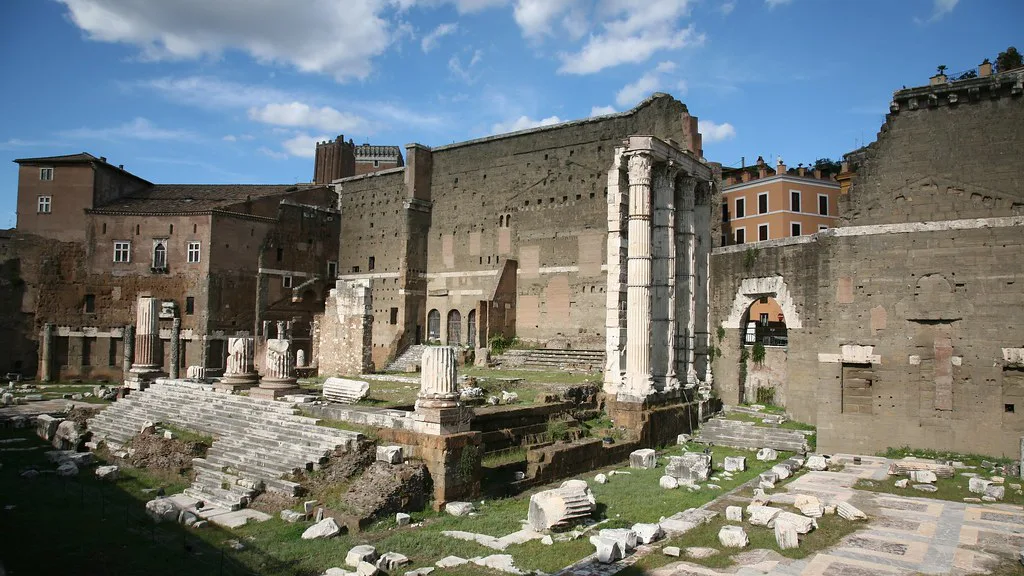
Trajan's Market is a multi-level brick complex that climbs the hillside behind Trajan's Forum. Construction began around 100 AD and finished around 110 AD, and Apollodorus of Damascus is the architect usually credited. Today it houses the Museo dei Fori Imperiali, which explains the Imperial Forums through finds and models. Popular shorthand calls it the world's first shopping mall. Treat that as a simplification, because the complex mixed shops with offices, and the upper levels probably served administrative or residential uses. Two neighbours cause confusion. Trajan's Forum was begun in 107 AD after the Dacian campaigns, and Trajan's Column once stood between its two libraries. You see the column and the forum remains from outside the museum, while the market itself needs its own entry.
What You'll See Inside
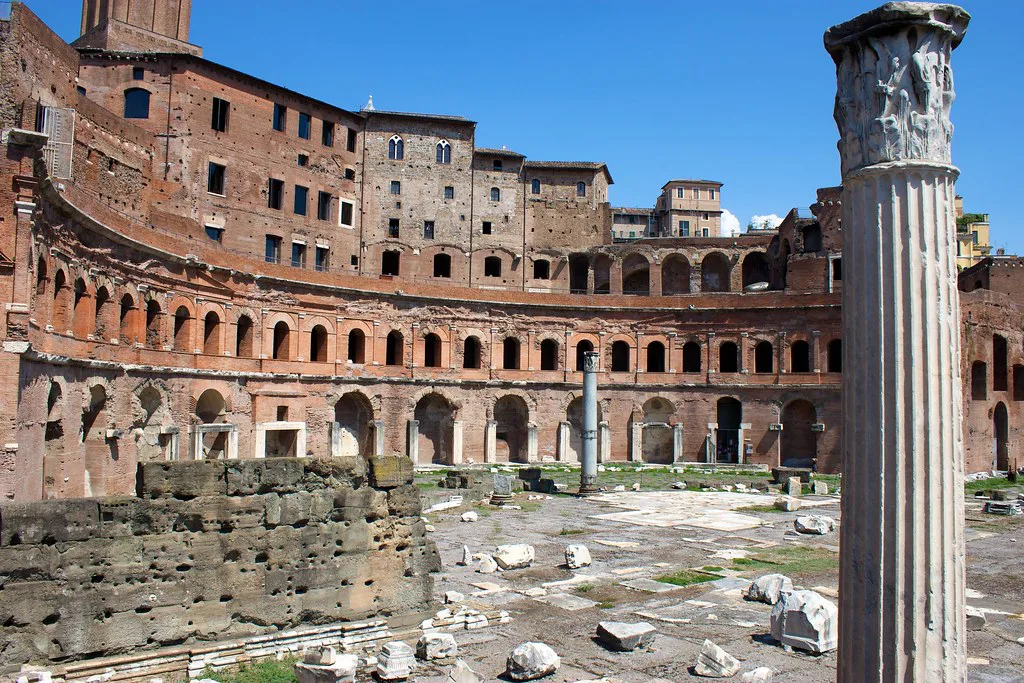
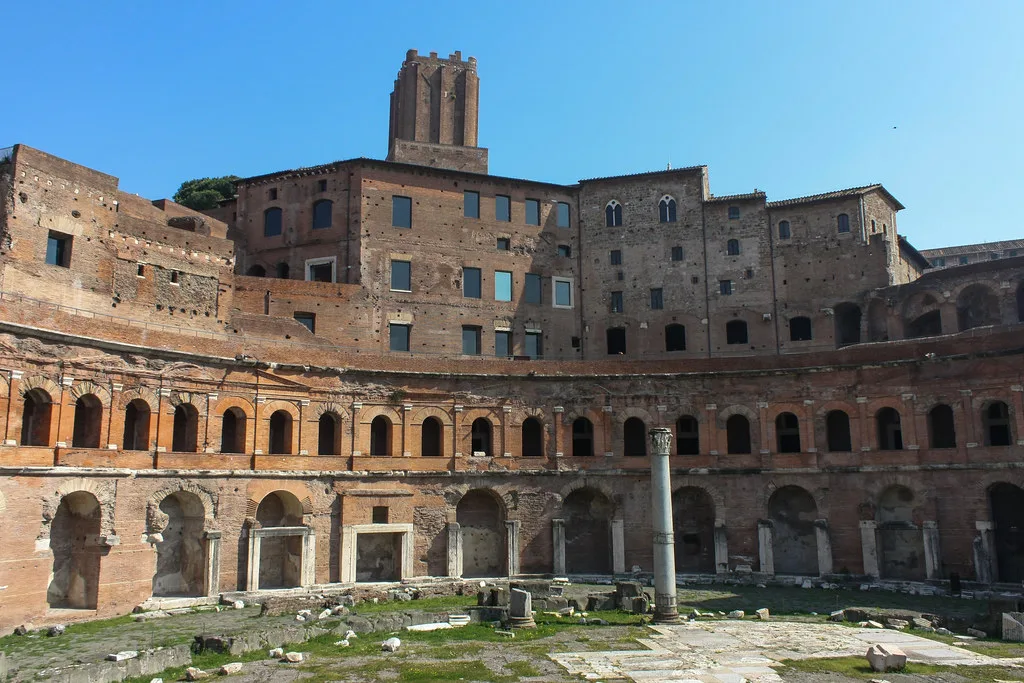
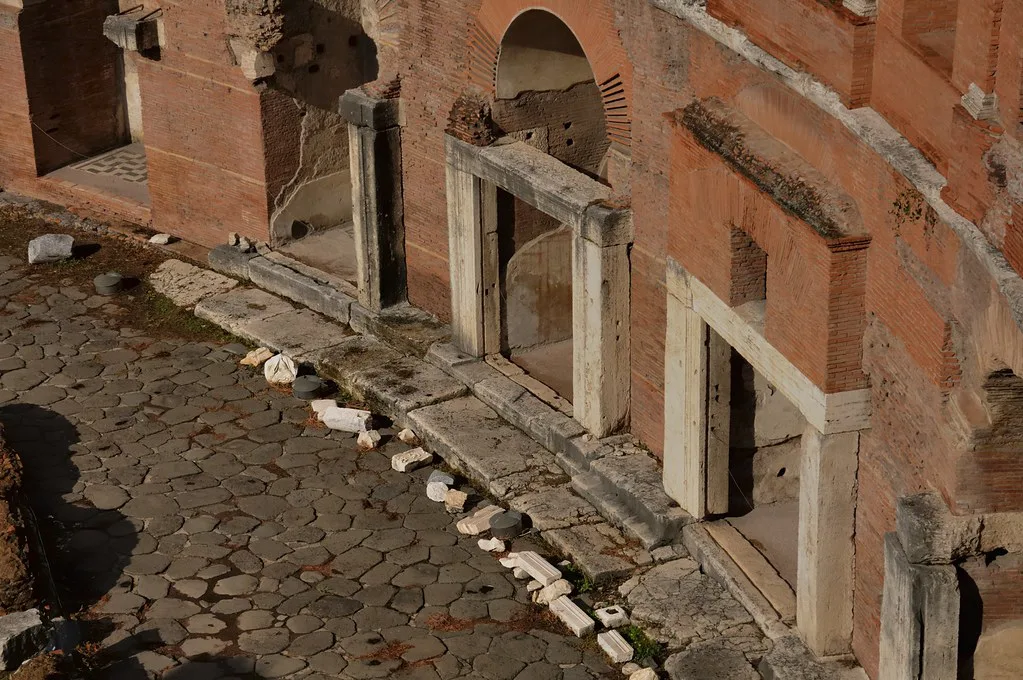
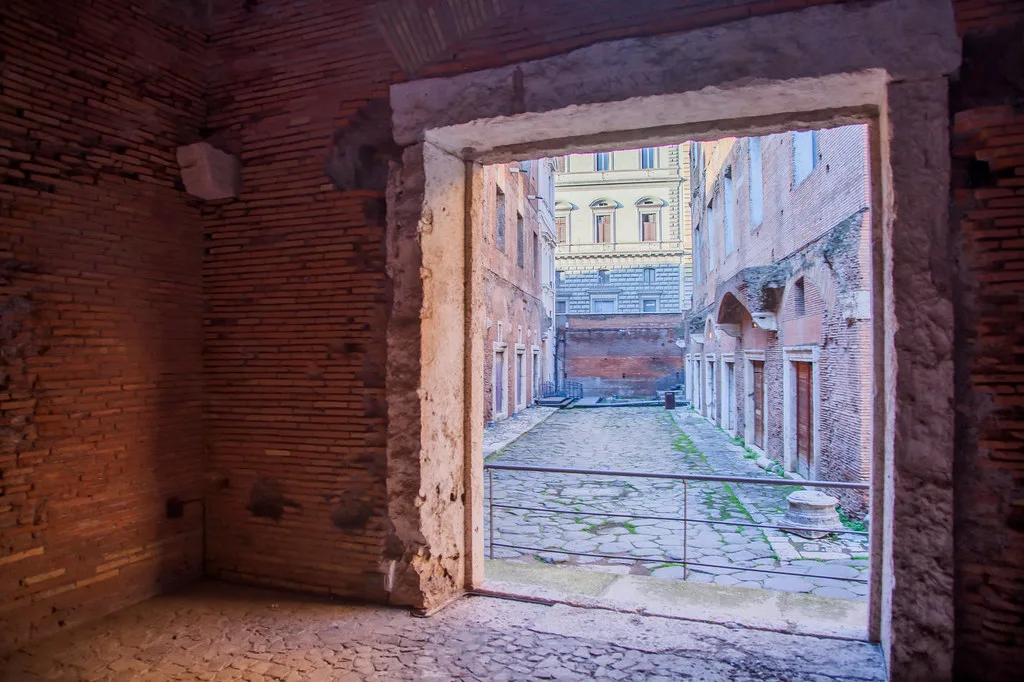
Start with the architecture. Brick-faced concrete rises in terraces, with semicircular and rectangular blocks following the slope. The lower levels held tabernae, the small shops that sold food, clothing and pottery. Walk the shop row and notice how each doorway opens onto the same covered street. Look for the Great Hall, the large vaulted space on the upper levels. The museum displays carry finds and marble fragments from the Imperial Forums. From the upper terraces you also get views over the Forum area, which helps you read the layout of what lies below.
Via Biberatica, the Torre delle Milizie and Later Layers
The brick shell is only part of the story. The site was reused for centuries, and the visible layers explain why the complex looks the way it does.
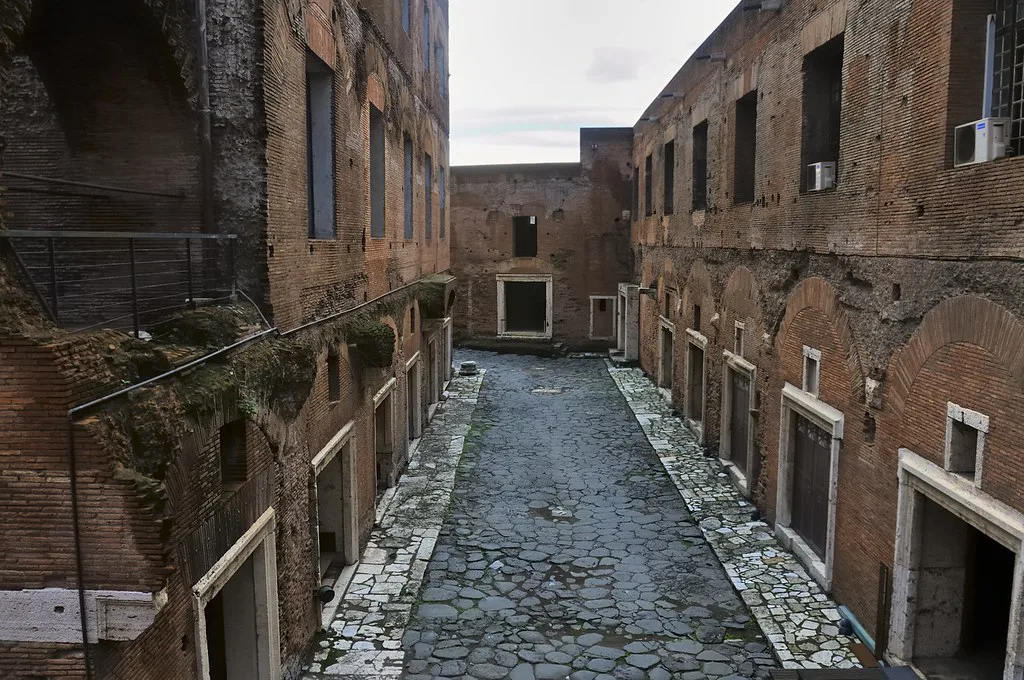
- Via Biberatica. This paved Roman street runs along the upper level of the complex. The basalt paving and the doorways on either side are original ancient fabric, so it is the best place to picture the market in daily use. The name is medieval, and the street is usually linked to the Latin bibere, "to drink".
- Torre delle Milizie. The tall medieval tower above the market dates to the 13th century. It is a fortification built on top of the ancient structures, not part of Trajan's design. You see it clearly from the street and the upper terraces. Do not assume it is open to visitors; ask at the museum before planning around it.
- Medieval and later reuse. After antiquity, the complex was converted for housing, defence and religious use, with buildings added over the ancient walls. Much of what you walk through today was cleared and restored in the early 20th century, so some of the upper rooms combine ancient brickwork with modern consolidation.
A practical way to read the site is to pick out three things in turn: the covered shop row, the open street, then the medieval tower above. That order moves you from the 2nd century AD to the 13th, and it helps you tell original Roman walls from later additions.
The museum's public entrance is on Via Quattro Novembre, not on the Forum side. You reach the ancient terraces from inside the museum, so allow for the extra walk round if you start from the Forum area.
Is Trajan's Market Worth Visiting? Who It Suits
For most visitors with a day or two in Rome, yes. It is less crowded than the Roman Forum, and it shows ancient commerce at human scale. The table below gives a verdict by traveler type.
| Traveler | Time needed | Effort | Verdict |
|---|---|---|---|
| First-timer on a short stay | Short visit | Moderate, with steps | Go if you already have the Colosseum and Forum |
| Archaeology fan | Unhurried visit | Moderate | Go, and read the museum rooms |
| Family with children | Short visit | Moderate | Go for the shop corridors |
| Photographer | Short visit | Moderate | Go for brick terraces and Forum views |
| Anyone short on energy | Skip or go partway | Climbing and steps | Skip if access is a concern |
Tickets, Hours and Booking
Prices, opening days, last entry and any combined ticket change from season to season. Read them on the official museum page before you set the day. It sits under the city's Sovrintendenza, so check Musei in Comune for city-museum rules. The Colosseum and Roman Forum are run by a separate archaeological park, so do not assume one ticket covers both. Check the museum page first if you plan to use a pass.
How Much Time to Allow and How to Fit It In
Plan a short visit if you only want the brick terraces and the shop row. Allow longer if you read the museum rooms. Mornings usually suit the climb better than midday heat, and the Forum area fills as the day goes on. The pairings below fit a half day each.
| Pairing | What you add | Walking effort | Cost |
|---|---|---|---|
| Market plus Trajan's Column | Column reliefs from street level | Low | Entry price varies |
| Market plus Forum of Augustus and Caesar | Imperial Forums context | Moderate | Entry price varies |
| Market plus Roman Forum | Full ancient core | Higher | Separate tickets likely |
Getting There and Access
Trajan's Market sits on the slope above the Imperial Forums, so expect a climb and steps. Step-free routes, lift locations and bag rules are not published here, so ask the museum before you go if mobility matters. Check ATAC for current bus and metro routes on the day.
Common Mistakes
Three errors catch first-time visitors.
- Assuming a Roman Forum or Colosseum ticket also opens Trajan's Market.
- Treating it as a quick photo stop and skipping the museum rooms.
- Climbing at midday in summer heat, when shade is scarce.
Where It Fits in Your Ancient Rome Plan
Use this stop as the commercial chapter in a wider tour. Our guide to 12 Roman Ruins in Rome: Best Sites, Tickets & Routes lays out the full map. For a compressed route, see the plan for Ancient Rome in One Day: Colosseum, Forum & Palatine Route. If you like museum-style sites, add the Palazzo Massimo collection. Another option is the Baths of Diocletian, Rome: What Survives and How to Visit. For ruins sunk below street level, try Largo di Torre Argentina: Hours, Tickets & What to See. The Theatre of Marcellus Rome: Visit Guide & What to Expect makes a good follow-up.
Frequently Asked Questions
Who is Trajan in ancient Rome?
Trajan was the Roman emperor who won the Dacian campaigns and began his forum in 107 AD. His market complex rises behind that forum.
Where is Trajan's Column in Rome?
Trajan's Column stands in Trajan's Forum, next to the market complex. It originally stood between the forum's two libraries.
Can you walk up Trajan's Column?
No, visitors view the column from outside. Its spiral reliefs show the Dacian campaigns and are readable from street level.
Related guides



Continue reading
Guides on the same trip


