
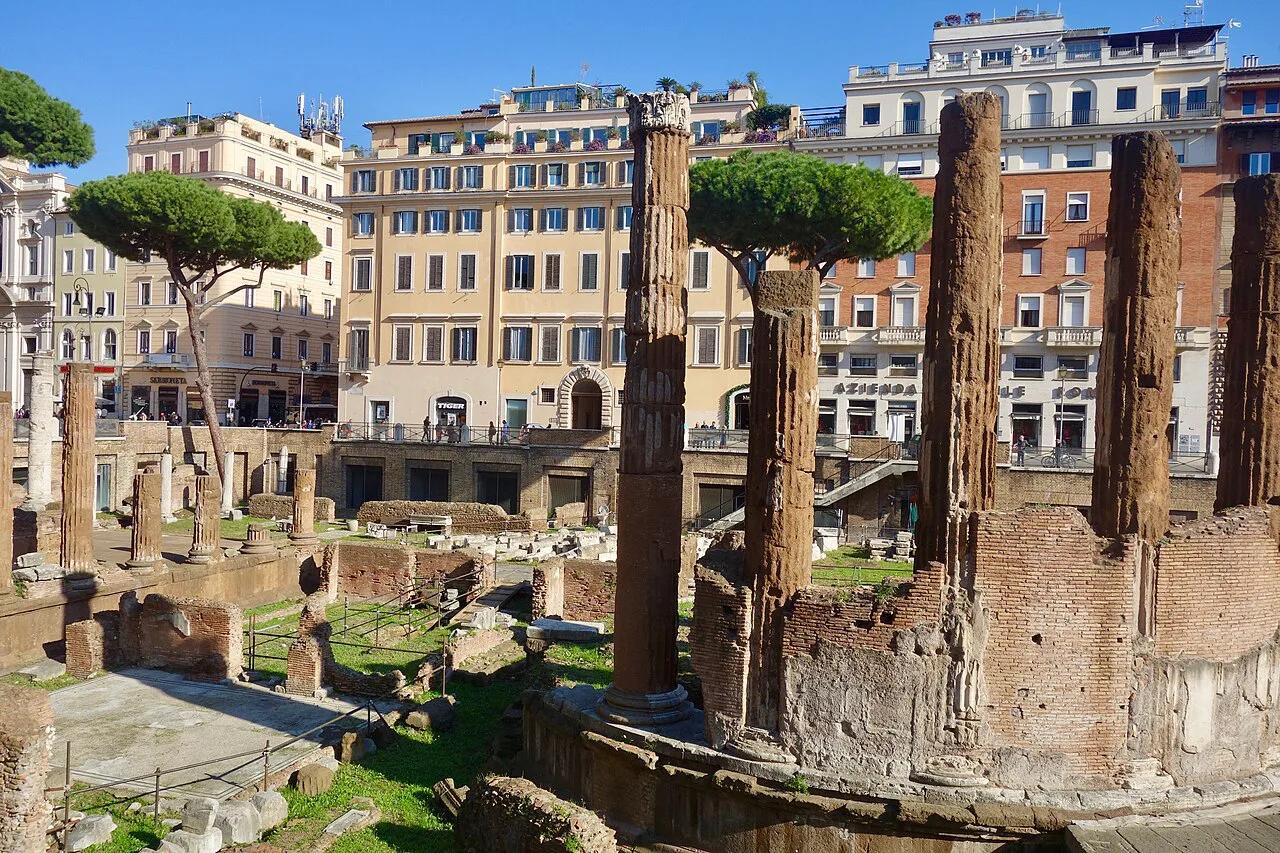
Largo di Torre Argentina: Hours, Tickets & What to See
Last updated November 2026: Largo di Torre Argentina is a sunken Republican-era sacred area with four temples, labelled A–D. Beside it lies the traditional site of Pompey's Curia, where Julius Caesar was killed in 44 BC. Budget about 45 minutes on the walkway, or 15 minutes at the railing, as one stop among Rome's other ancient sites.
Featured image: Sonse, CC BY 2.0, via Wikimedia Commons.
What Largo di Torre Argentina Is (and the Quick Answer)
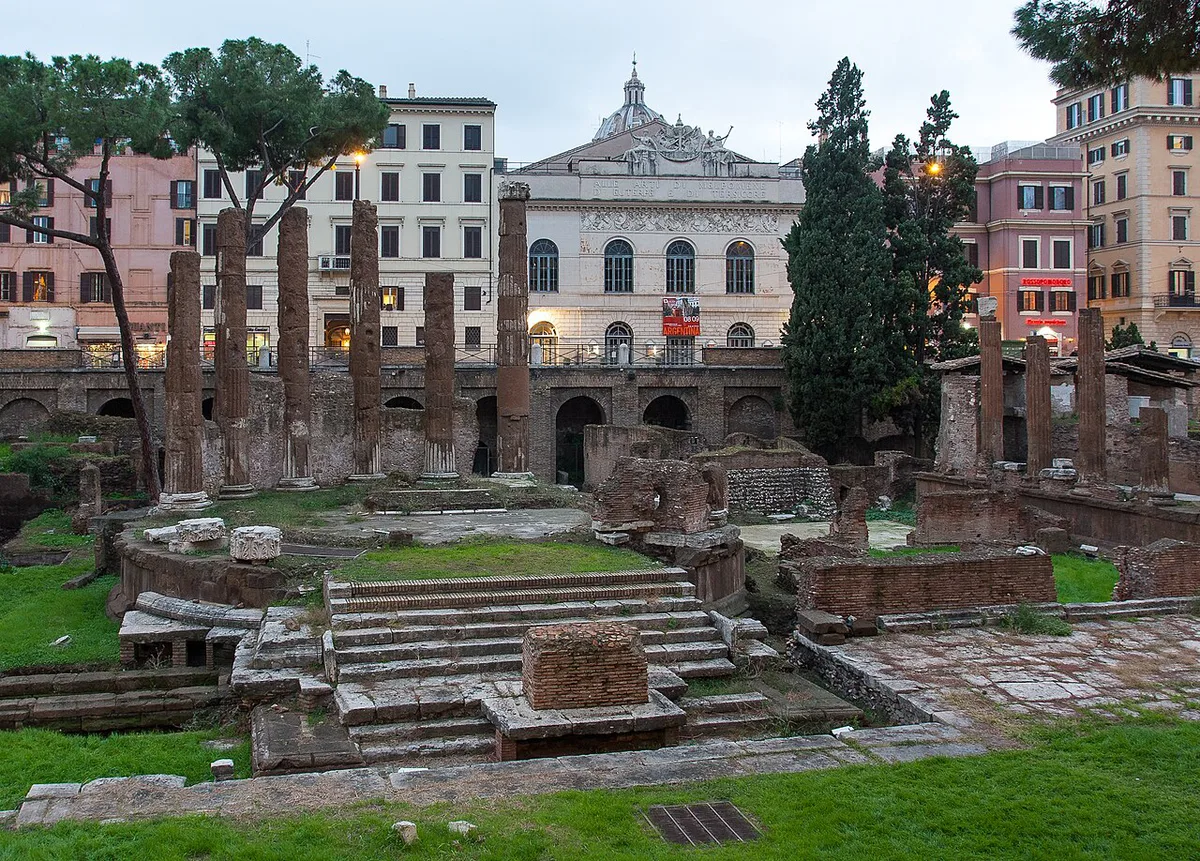
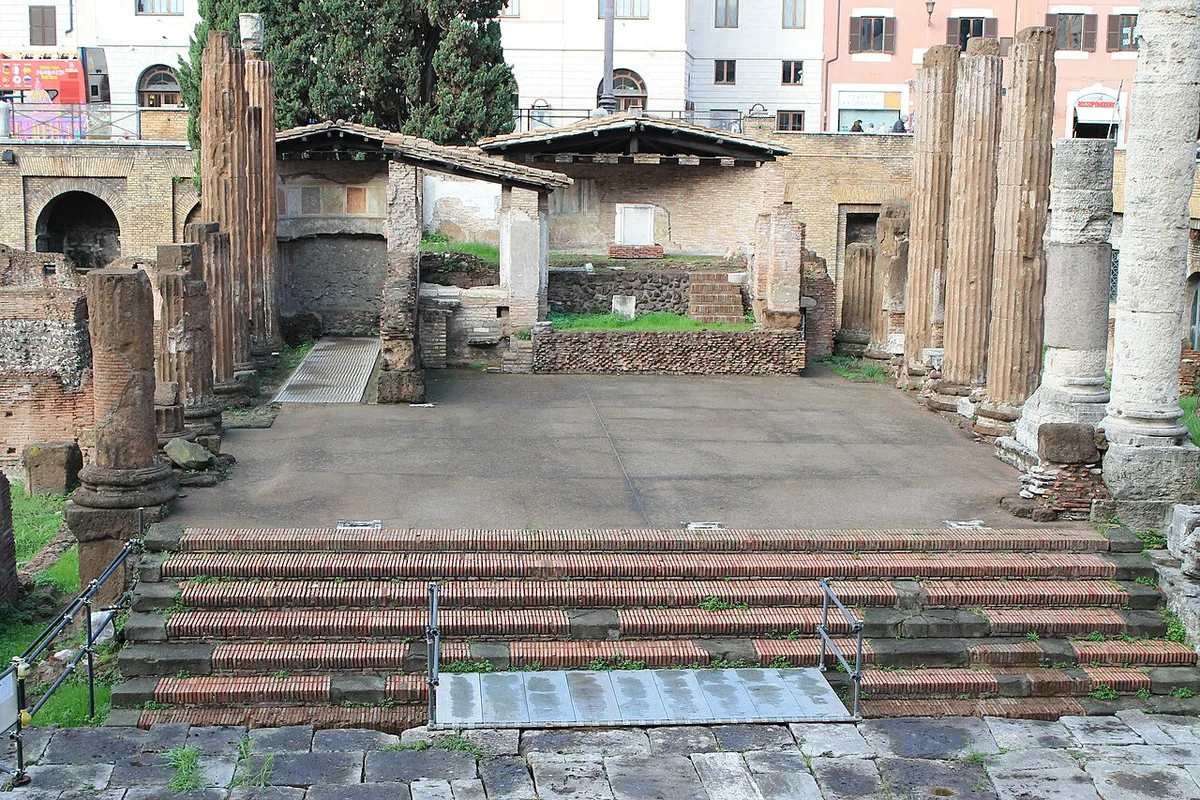
Largo di Torre Argentina is an excavation sunk below street level near Via Arenula and Corso Vittorio Emanuele II. Four Republican-era temples stand in a row inside it, labelled A, B, C and D by archaeologists. Workers found them in 1926 while clearing a medieval district for a new road, and demolition stopped so excavation could begin. Before that, houses, towers and a church called San Nicola dei Cesarini had covered the ruins for centuries. Temple B, the round one, is the easiest to spot from the railing. Behind Temples B and C, a tufa foundation marks the Curia of Pompey, which ties the site to Caesar's death. The name has nothing to do with South America. It traces to Johannes Burckardt, a papal master of ceremonies from Strasbourg, whose Latin place name was Argentoratum. A medieval tower linked to him gave the square its name. Key facts for planning are in the list below.
- Address: Via San Nicola De' Cesarini, 00186 Rome. The city information line is 06 0608.
- Time needed: about 45 minutes on the walkway, or about 15 minutes at the railing.
- Hours: Tuesday to Sunday, 09:30 to 16:00 in winter and 09:30 to 19:00 in summer.
- Walkway ticket: €7 standard, as listed in published guidance.
- Getting there: bus lines 40, 64, 62, 87 and 492 and tram 8 stop in or near the square.
Can You Go Inside? Street View vs the Walkway Visit
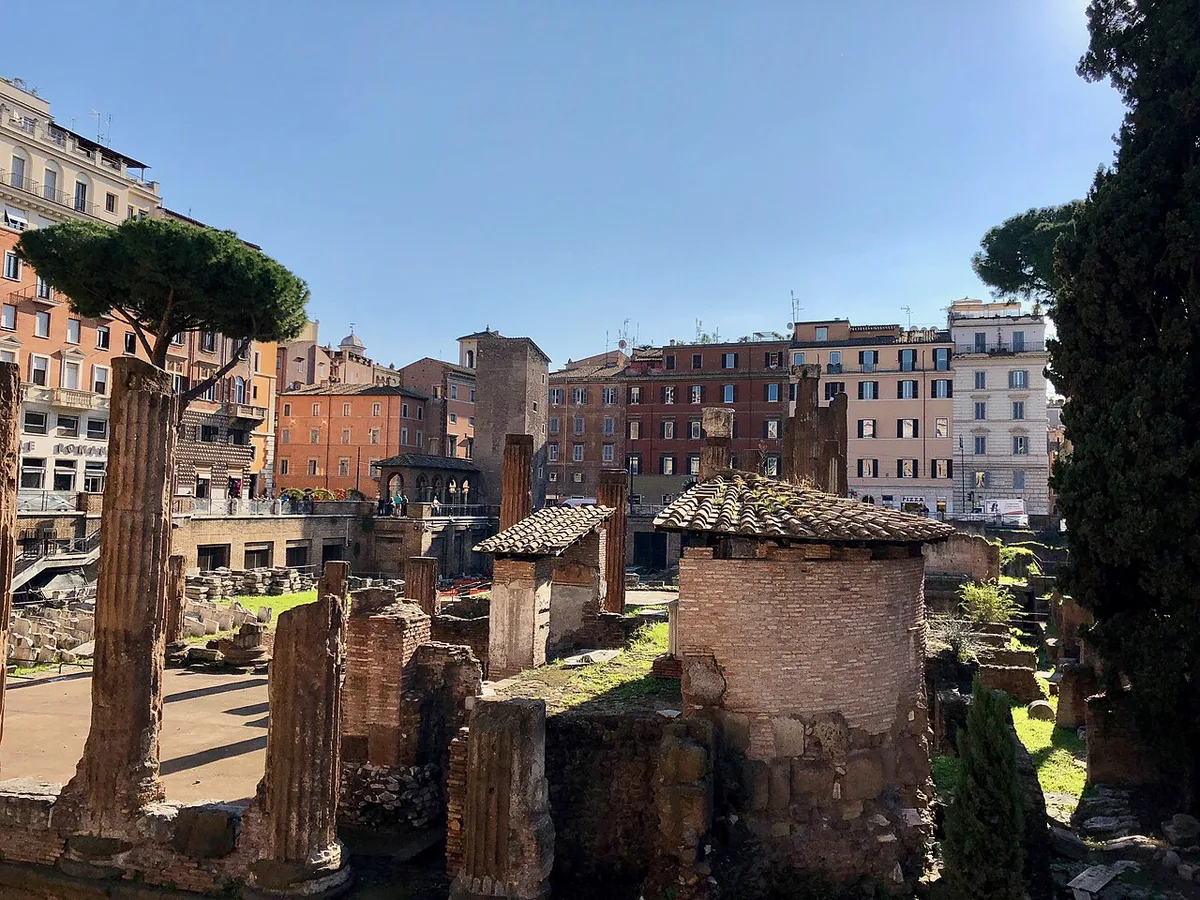
Street level costs nothing and takes minutes. The railing along Via di Torre Argentina gives a clean angle on all four temples and the Curia foundation. Published guidance describes the raised walkway as the ticketed option, with last entry one hour before closing. Some listings call the site freely accessible around the clock, which most likely describes the street view rather than the walkway. To finish a 45-minute visit comfortably, start no later than 15:00 in winter or 18:00 in summer. In our editorial assessment, the €7 walkway earns its price when you want the cats, the podium details and the information panels on Pompey's Curia up close. Skip entry when time is short, because the railing already shows the full layout.
| Choice | Time | Best for |
|---|---|---|
| Railing only | About 15 minutes | A layover between the Pantheon and Piazza Navona |
| Walkway visit | About 45 minutes | Temples, Curia foundation and cats |
| Skip entry | 0 minutes | Travelers short on time or already entering the Forum and Palatine |
- Short on time: take the 15-minute railing view between the Pantheon and Piazza Navona.
- Entering the Forum and Palatine the same day: let the railing cover this stop.
- Want the temples, the Curia foundation and the cats at eye level: pay for the walkway.
- Photographing the round Temple B: both the railing and the walkway work, but the walkway lets you step closer.
Opening Hours, Tickets and Passes
Published opening hours run Tuesday to Sunday. From the last Sunday in October to the last Saturday in March, the site opens 09:30 to 16:00. From the last Sunday in March to the last Saturday in October, hours extend to 19:00. Last entry is one hour before closing. Closing days are every Monday, 25 December and 1 May. Special hours apply on 24 and 31 December (09:30 to 14:00) and on 1 January (11:00 to 16:00). Listed ticket prices are €7 standard and €4 reduced, which covers EU citizens aged 18 to 25 and Roma Pass holders. Rome residents enter free. Site management also runs guided visits of the area and the medieval Torre del Papito, and a MIC Card is listed as giving free access to those tours. Prices and hours checked November 2026; confirm them on Rome's official museums portal before you go, because walkway access has changed in recent years.
The Four Temples (A–D) and What to Look For
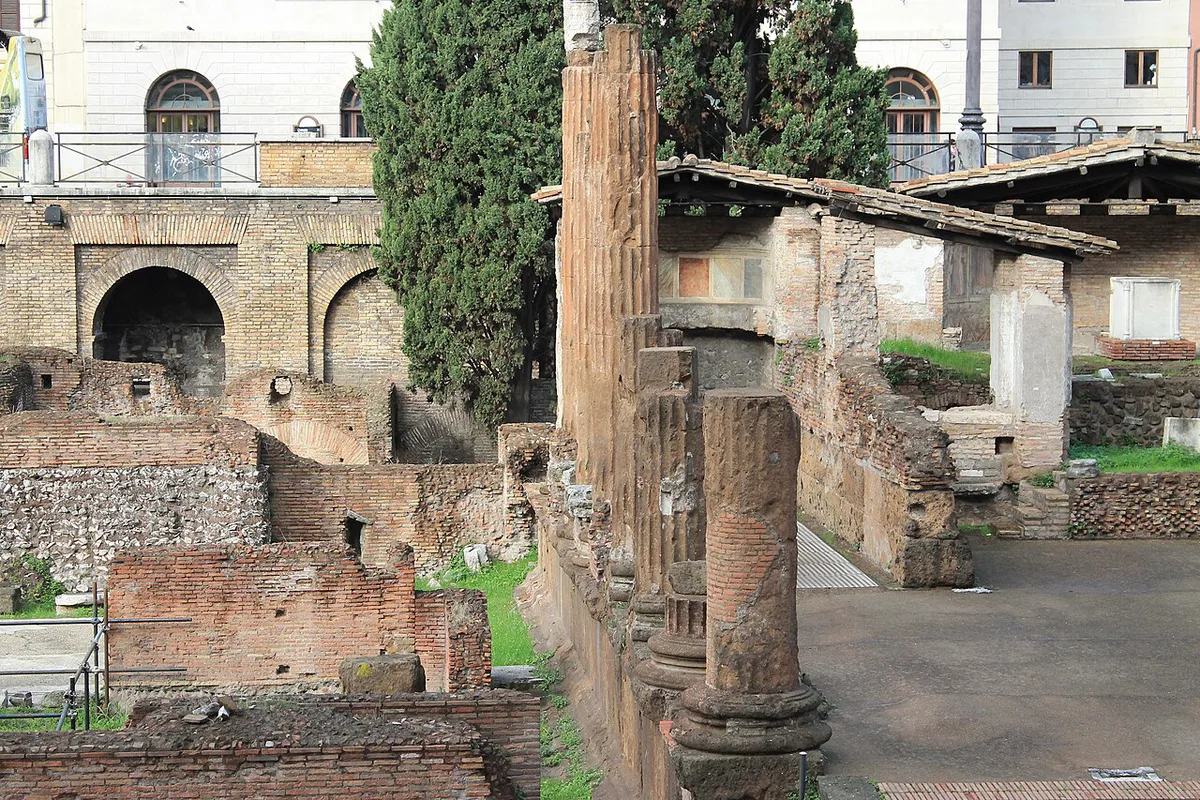
Temple C is the oldest, dating to the 4th or 3rd century BC. Temple D is the largest and dates to the 2nd century BC. Temple B, built in 101 BC, is the youngest of the four. Dedications below are proposals rather than certainties, so treat them as traditional identifications. East of the temples, remains of the Porticus Minucia (106 BC) survive. Traces of the Hecatostylum, a portico with a hundred columns, lie to the north. Only part of Temple D has been excavated, because much of it sits under the modern street. Fragments of Temple B's colossal statue of Fortuna are kept at the Centrale Montemartini.
| Temple | What is visible | Rough date | Proposed dedication | What to look for |
|---|---|---|---|---|
| A | Podium and columns from a later colonnaded rebuild | 3rd century BC, rebuilt in Sulla's era | Juturna, or alternatively Juno Curritis | Column bases and the footprint where San Nicola dei Cesarini once stood |
| B | Round podium and six surviving columns | 101 BC | Fortuna Huiusce Diei, vowed by Quintus Lutatius Catulus | The circular plan, the most recognizable shape on site |
| C | High tufa podium with added steps | 4th to 3rd century BC | Feronia | Archaic simplicity and the steps added when floor levels rose |
| D | Large travertine podium, partly under the street | 2nd century BC | Lares Permarini | Podium about three metres high and the scale of the foundations |
Caesar, the Curia of Pompey and What's Tradition vs Evidence
Caesar died on 15 March 44 BC in the Curia of Pompey, not in the Roman Forum. That hall belonged to the Theatre of Pompey complex, whose remains lie in this part of Rome. Brutus and Cassius were among the conspirators who stabbed him. Ancient writers including Cassius Dio and Plutarch describe him falling against the pedestal of Pompey's statue. Excavation findings dated to 2012 are reported to confirm the Curia's location at a tufa foundation behind Temples B and C. Treat the exact spot as scholarly identification rather than a marked crime scene. Temples A to D stood beside the hall and have no proven link to the murder. For a better-preserved Roman theatre, see a better-preserved Roman theatre elsewhere in the city.
The Cats of Torre Argentina
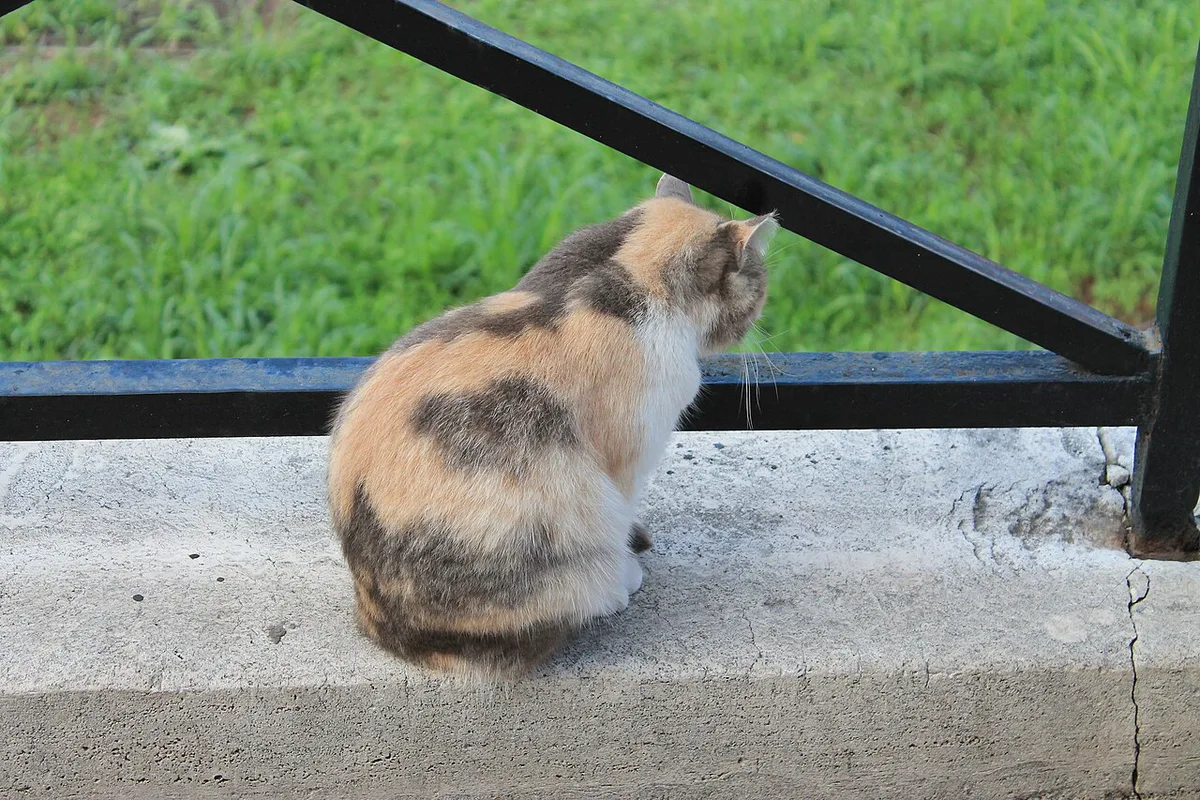
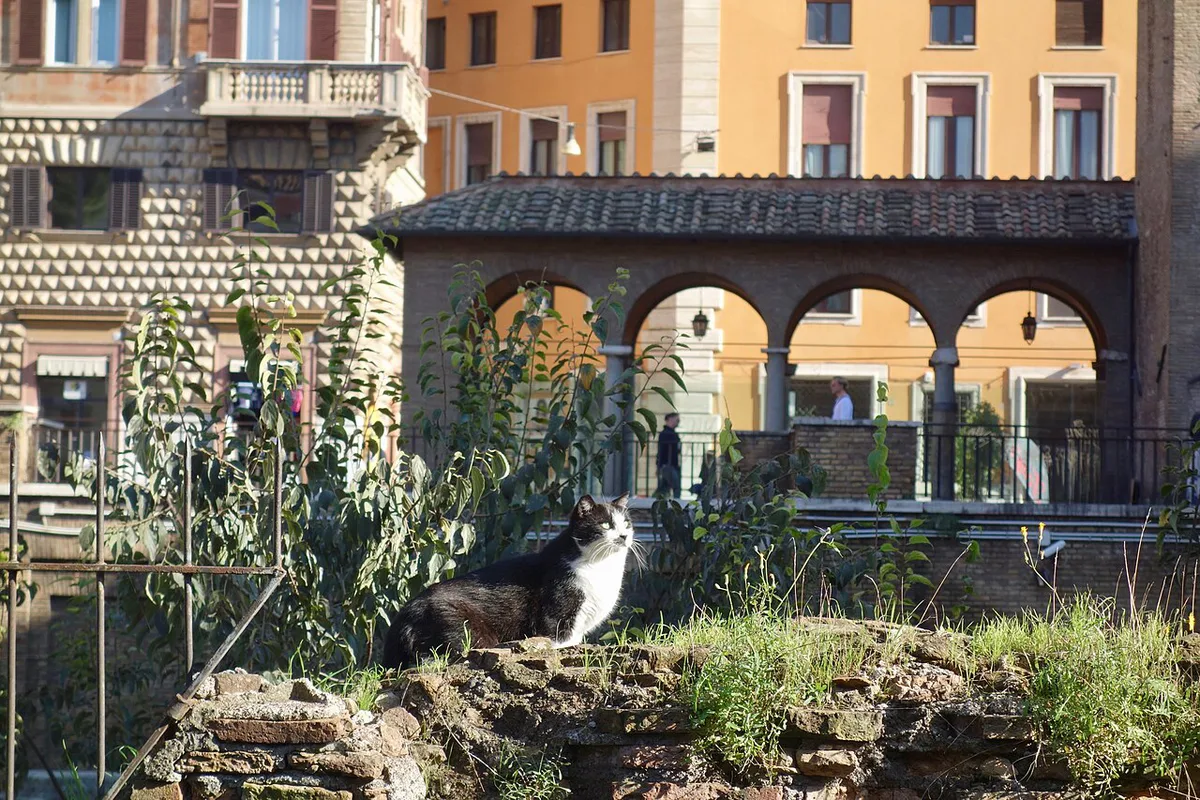
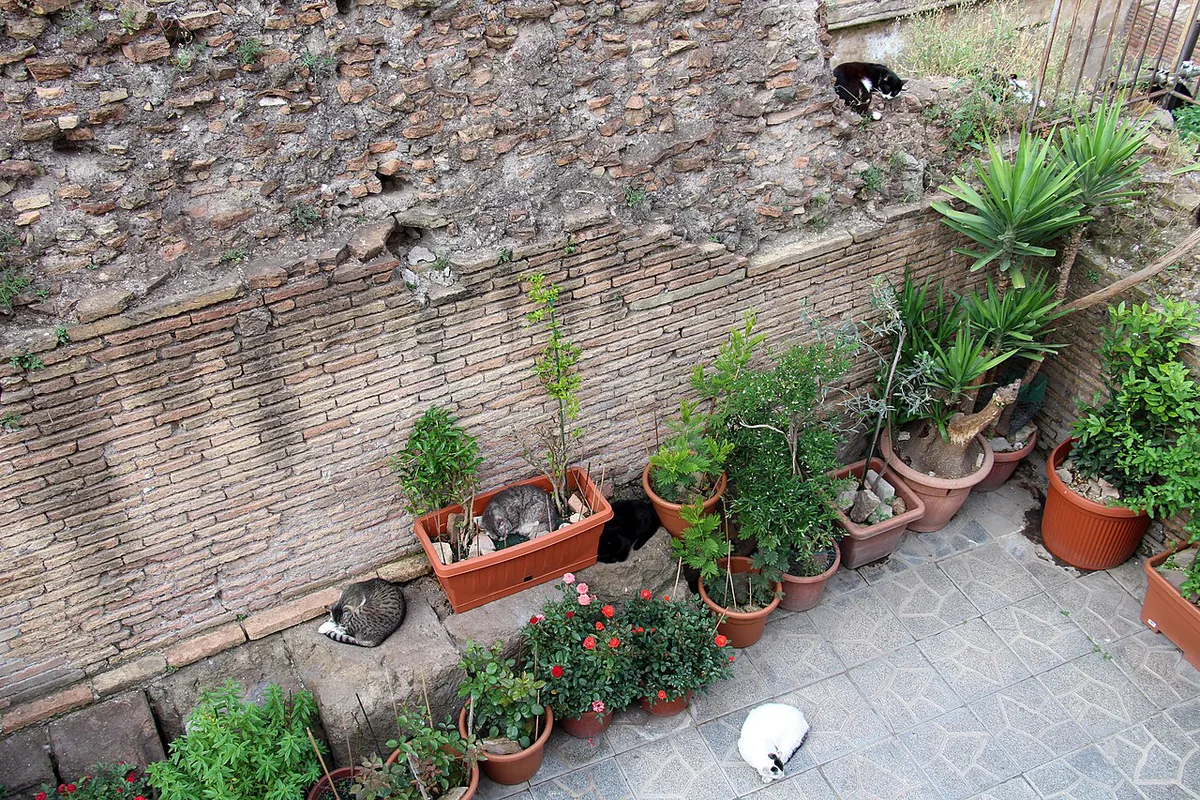
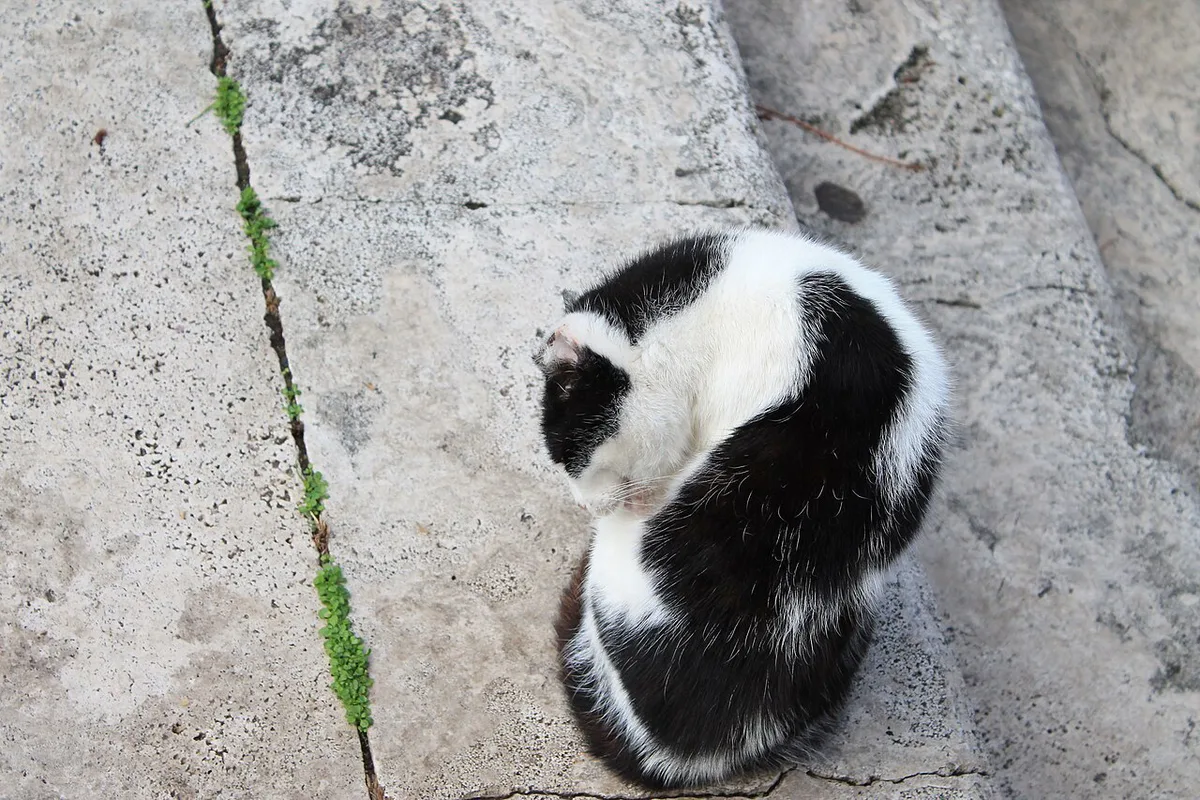
Cats have lived among the ruins since the excavation years. Volunteers began feeding them in 1929, and an association formed in 1993 to organise food, medical care and help for elderly or disabled animals. Donations are voluntary, and the sanctuary relies on them. Cats here are not a petting zoo, so watch from the walkway, keep your hands off and never feed them. Adoption is handled by the sanctuary itself, so ask its volunteers. The sanctuary may keep visitor hours that differ from the archaeological site, so check its own channels before planning a stop around the cats.
How to Get There and Get Around
No metro stop is adjacent. Published routes put Spagna and Barberini on Line A and Colosseo on Line B about 15 to 20 minutes away on foot. Bus lines 40, 64, 62, 87 and 492 are listed as stopping in or near the square. From Termini, line 64 is the usual pick. Tram 8 also stops here and links the area with Trastevere. Line numbers shift with roadworks, so check ATAC's journey planner on the day. Driving is a poor idea, because the square sits inside the ZTL restricted traffic zone of the historic centre. Taxis and buses are easier. On foot, the Pantheon and Piazza Navona are short walks, and the Roman Forum is about 15 minutes away. Some listings describe step-free access as complete for visitors with motor disabilities; call 06 0608 to confirm routes. Rome's official tourism site lists current transport options.
How Long to Plan and the Best Time to Visit
Allow 45 minutes on the walkway or 15 minutes at the railing. The route is about 90% outdoors with little shade, so summer midday is a poor time. In our editorial assessment, arriving at the 09:30 opening gives the quietest walkway and softer light on the temples. The railing stays public all day, so passing groups gather there at any hour. Morning and late-afternoon light flatter the round Temple B for photographs.
Because the walkway is about 90% outdoors with little shade, a 45-minute visit that starts by 18:00 in summer keeps you out of midday sun.
| Visit style | Time | Best moment |
|---|---|---|
| Railing only | 15 minutes | Morning or evening, between the Pantheon and Piazza Navona |
| Walkway visit | 45 minutes | The 09:30 opening |
| Latest walkway start | One hour before closing | 15:00 in winter, 18:00 in summer |
What to Combine It With Nearby
A tidy loop runs Pantheon, then Largo di Torre Argentina, then Campo de' Fiori or Piazza Navona. Pick the Jewish Ghetto direction instead if you want a close archaeological neighbor. For a full itinerary, see this one-day ancient Rome plan. The Roman Forum is about 15 minutes away on foot. Selective add-ons cover other eras. Emperor Trajan's shopping complex is covered in the Imperial Forums market guide. Augustus's burial site is covered in our Augustus tomb guide. Augustus's altar museum is covered in the Ara Pacis guide.
Frequently Asked Questions
What are some of the major archaeological sites in Rome?
Major sites include the Roman Forum, the Palatine Hill and the Colosseum, plus Largo di Torre Argentina in the Campus Martius. Our guide to Rome's ruins compares them.
Related guides



Continue reading
Guides on the same trip



