Paestum Museum: Tomb of the Diver, Tickets & Visit Tips
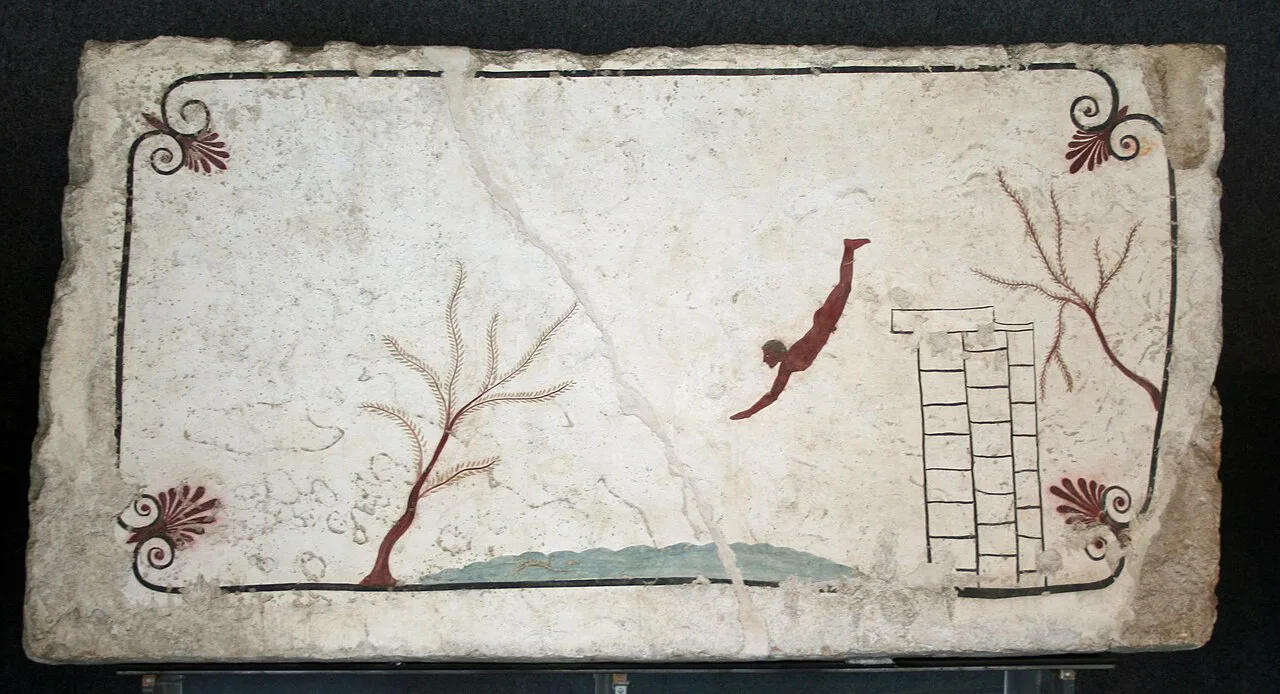
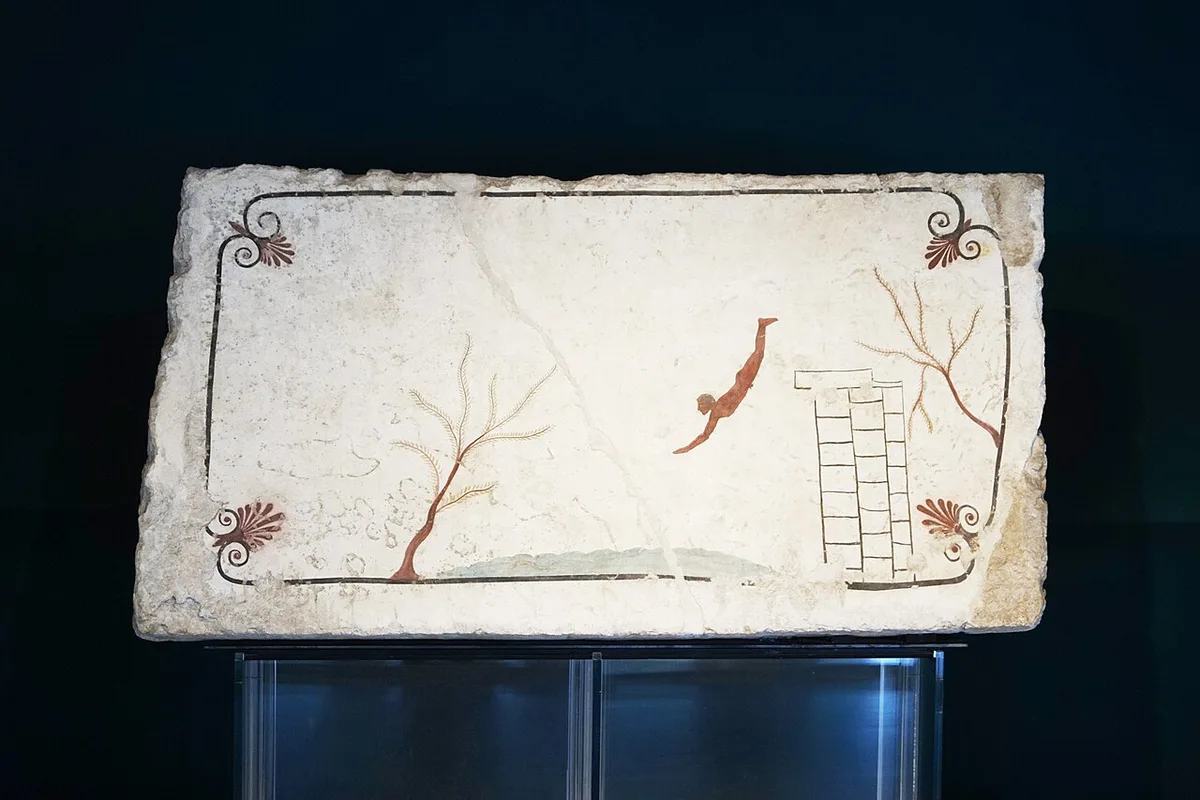
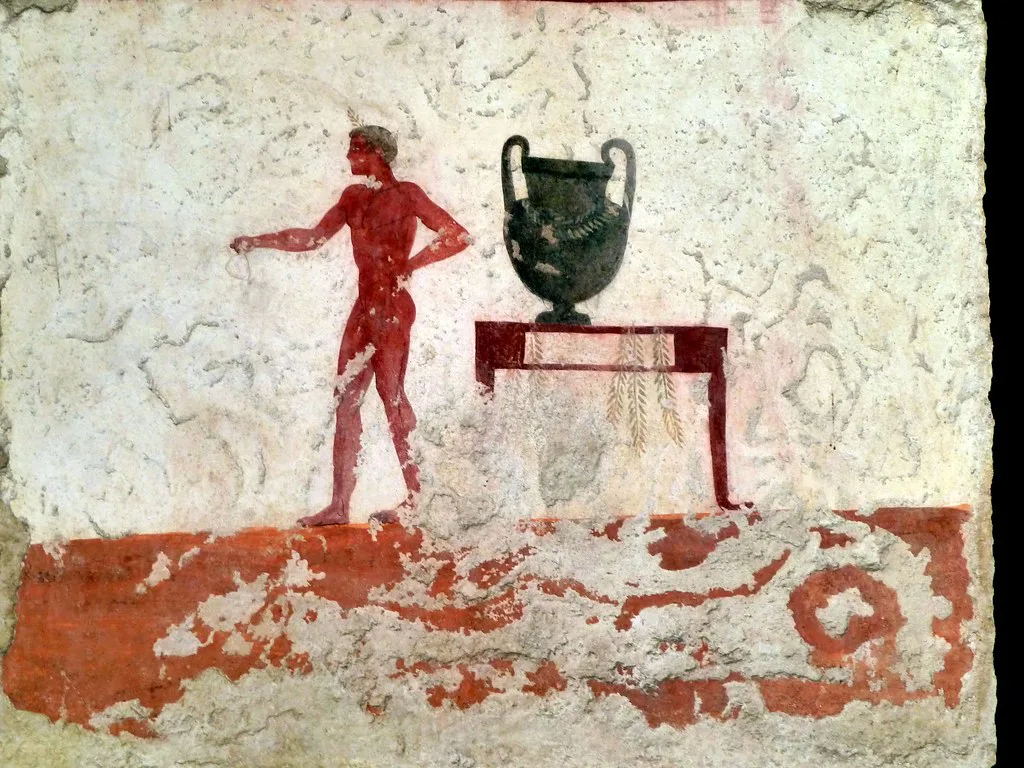
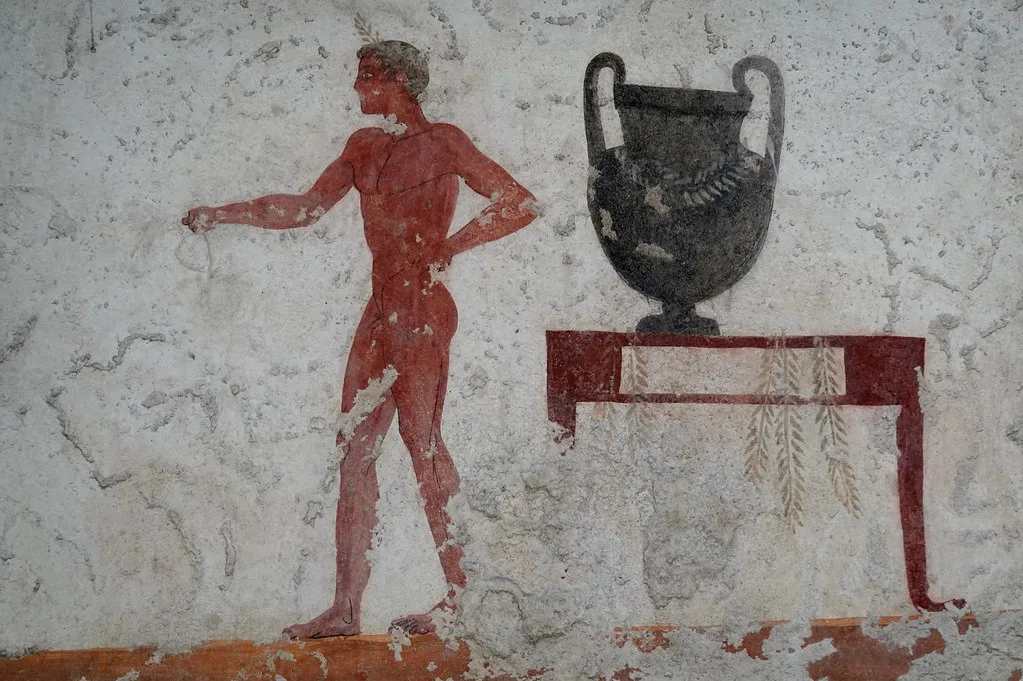
Last updated November 2026: the Paestum museum, formally the Museo Archeologico Nazionale di Paestum, stands next to the archaeological park. Its best-known object is the Tomb of the Diver fresco, dated around 480/470 BC. Treat it as a short, rewarding stop that gives the temples context, and check the day of the week before you go.
Featured image: Heinz-Josef Lücking, CC BY-SA 3.0 de, via Wikimedia Commons.
Is the Paestum Museum Worth Visiting?
Yes, if you want to understand what you are looking at in the park. Finds from the ancient city and its necropolis are exhibited here, along with frescoes that once decorated tombs. Greek colonists founded the city as Poseidonia around 600 BC, and it became the Latin colony Paestum around 270 BC. Those two dates explain why the displays mix Greek and local material. Skip the museum only if you have time for nothing but the temples. For the wider destination, start with our Paestum overview. Still weighing the whole trip? Read whether Paestum is worth visiting first. Monday is the day to check, because the museum has had Monday closure rules that differ from the park's.
What To See: Tomb of the Diver and Other Highlights
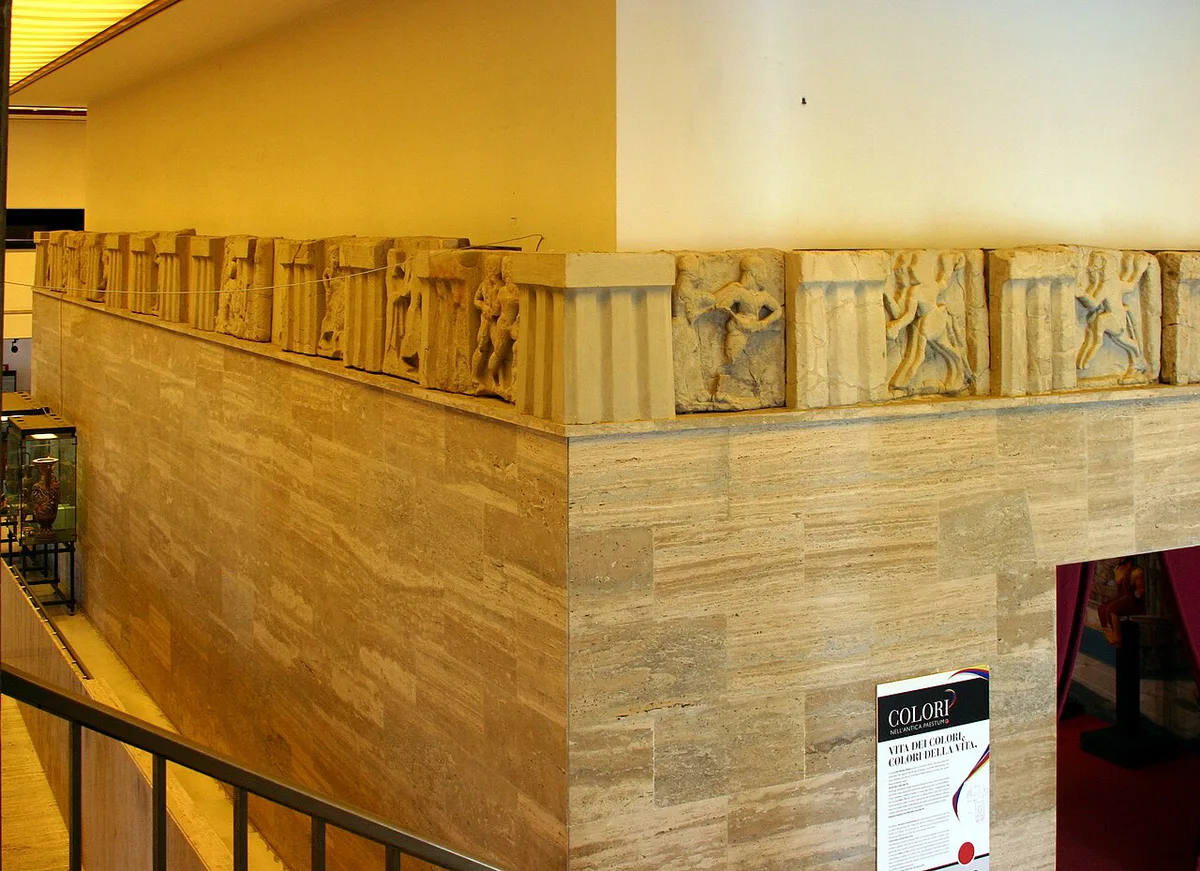
Build your visit around a handful of objects rather than every case. If you only have 30 minutes, go straight to the Tomb of the Diver and then walk out to the temples.
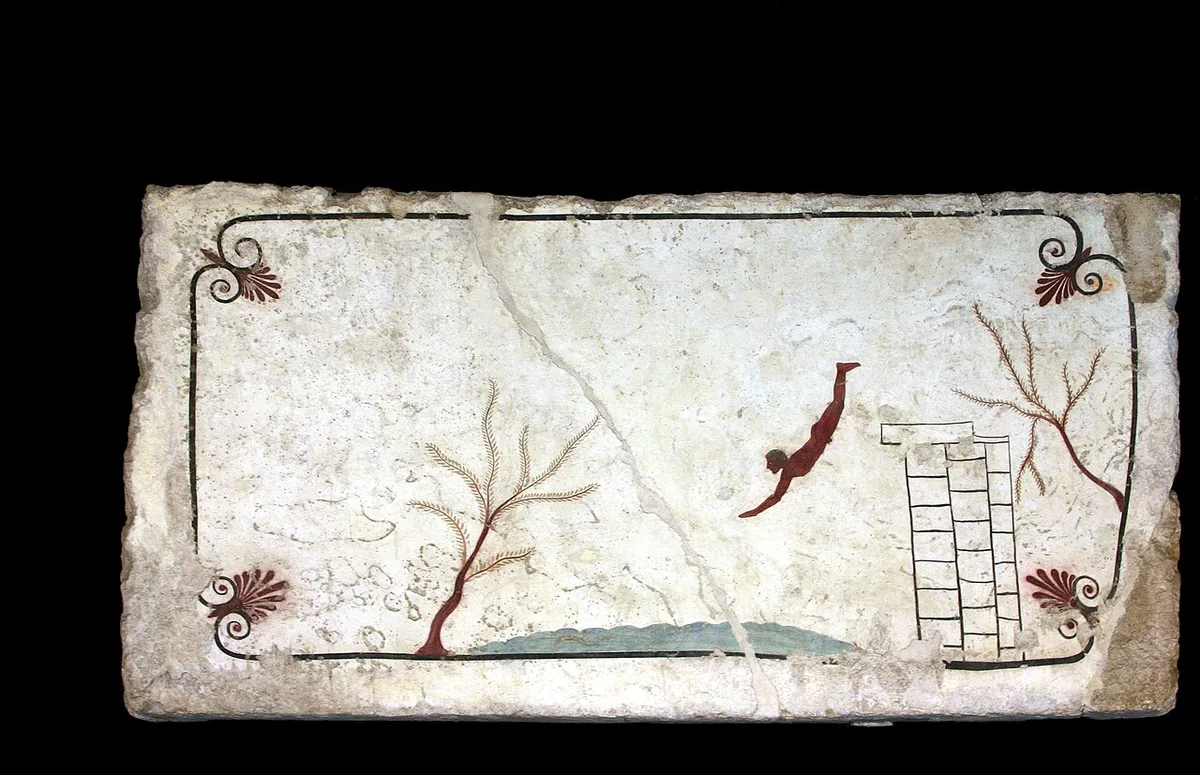
- Tomb of the Diver (Tomba del Tuffatore): a burial chamber dated around 480/470 BC and discovered in the late 1960s. It shows a lone diver leaping into a pool, an image described as unusual in ancient Mediterranean art.
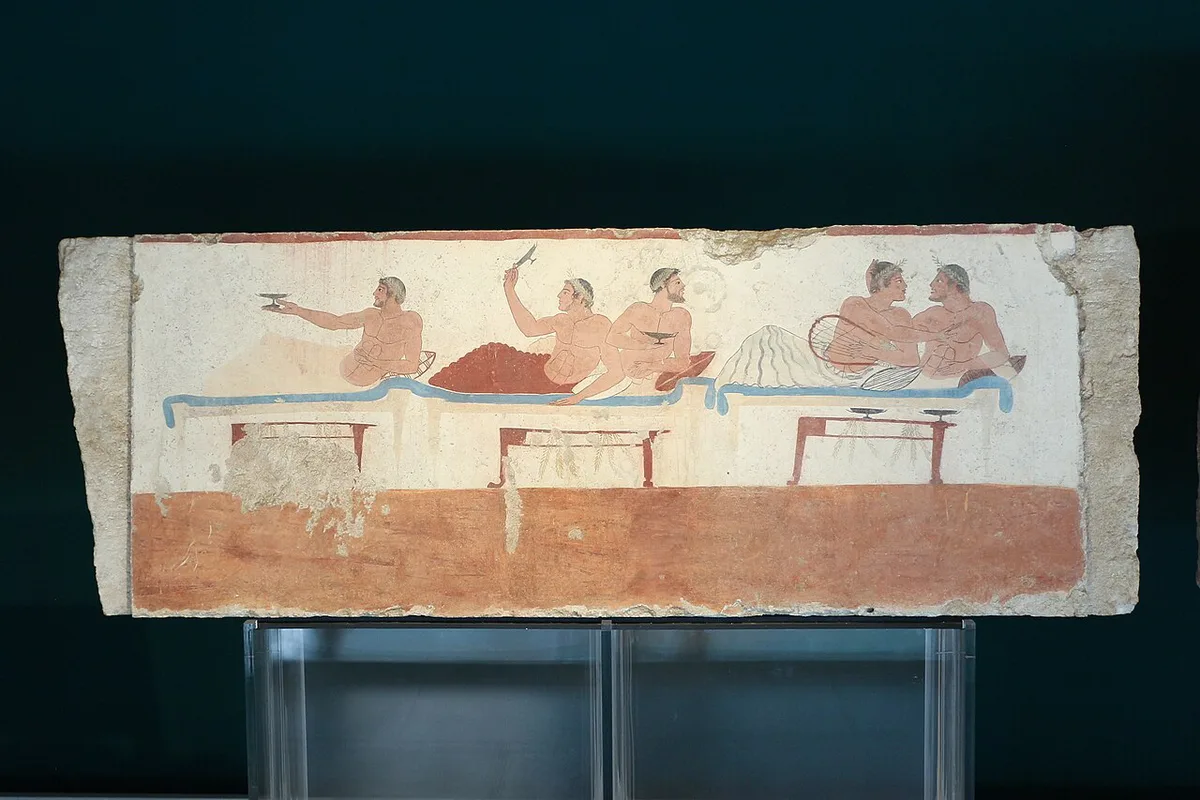
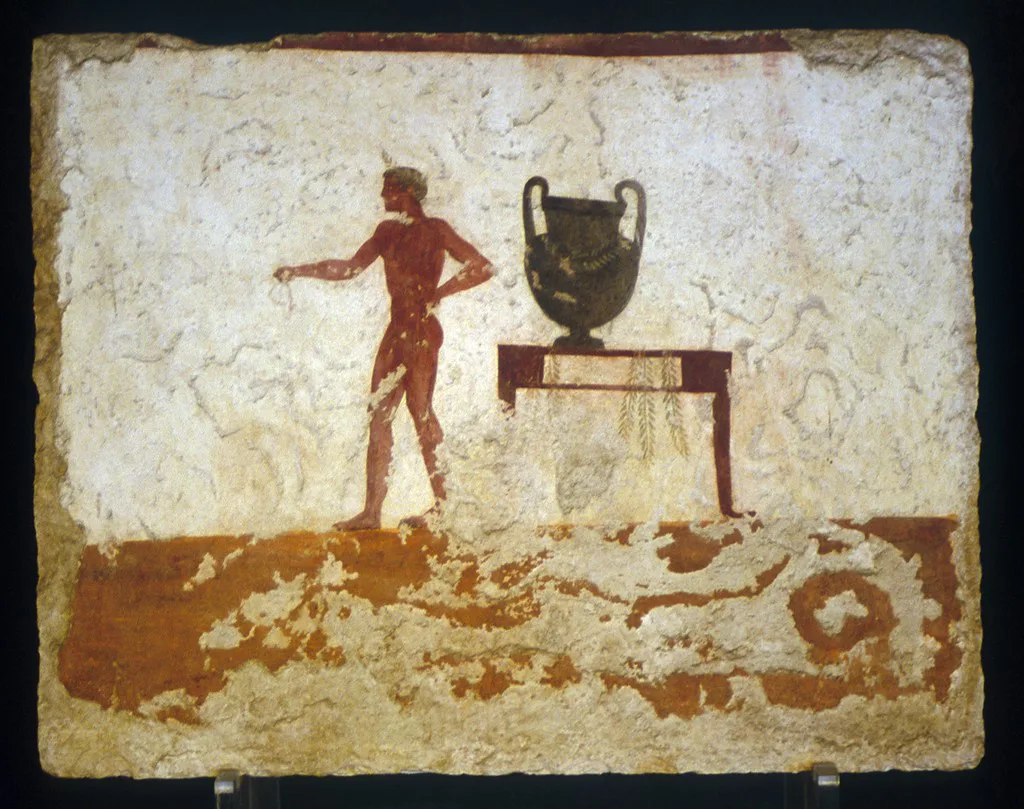
- Lucanian tomb frescoes: painted panels that once adorned tombs, mainly from the 5th century BC.
- Greek metopes from the Sele sanctuary of Hera: sculpted panels that show the city's sacred art beyond the standing temples.
- Finds from the city: objects excavated in the ancient town, which put the ruins outside in context.
- Necropolis finds: grave goods and painted tombs that show how Poseidonia and Paestum buried their dead.
Museum, Park, or Both? Ticket Options Explained
Ticket logic confuses many visitors, so start with the structure. A combined ticket covers the museum and the archaeological area. Single-site tickets exist for days when the other site is closed. Fares have also differed between winter and the March-to-November season. Current figures are on the official park and museum site, and our Paestum ticket breakdown explains each option in detail. Prices and hours were last reviewed in November 2026, so confirm today's fare before you buy.
| Ticket type | What it covers | When it's valid | Who it suits |
|---|---|---|---|
| Combined | Museum and archaeological area | Days when both are open | Most first-time visitors |
| Museum only | Museum | When the archaeological area is closed | Rainy-day or short visits |
| Park only | Archaeological area | When the museum is closed | Temple-focused travelers |
| Family ticket | Museum and park for 2 adults plus children | Days when both are open | Families |
| 3-day cumulative | Paestum plus Velia | 3 days including the day of purchase | Travelers adding Velia |
Opening Hours and Closure Days
Hours change by season, and Monday rules can shorten or close the museum. Check the official site in the week you travel. After sunset, only the illuminated path around the Temple of Neptune area and the so-called Basilica is open, and that path belongs to the park, not the museum.
How To Combine the Museum With the Temples
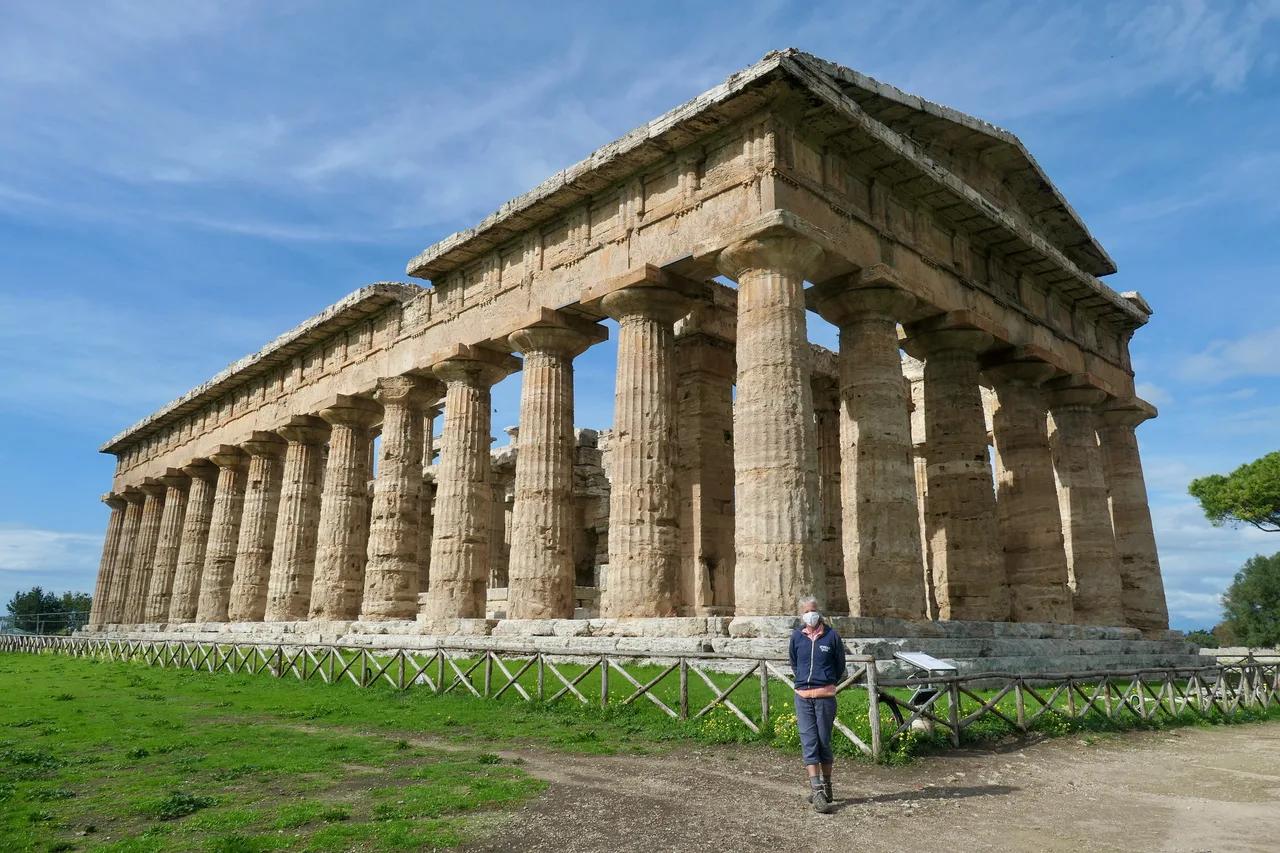
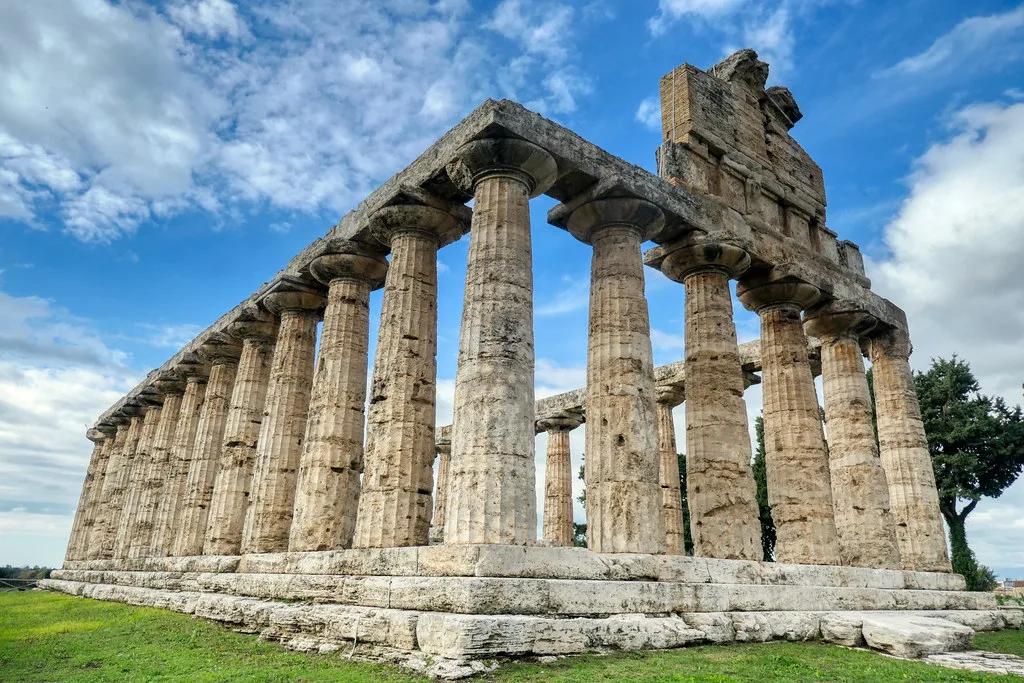
Go to the museum first if you want the story before the stones. That order suits a hot day, since the galleries are covered and cooler than the open site. Temples first suits good morning or late-afternoon light and fewer people. Our guide to the Temple of Neptune covers what to look for inside the park. For a broader comparison, see Greek Temples in Italy: Paestum and Where to Go. Rain changes the plan entirely. Move the museum to the front of the day and walk the ruins when the sky clears. Children usually cope better with the museum in short bursts, and the family ticket exists for them.
Museum first lets the 600 BC Greek founding and the later Latin switch frame the temples you walk past.
Getting There From Naples, Salerno, and the Amalfi Coast
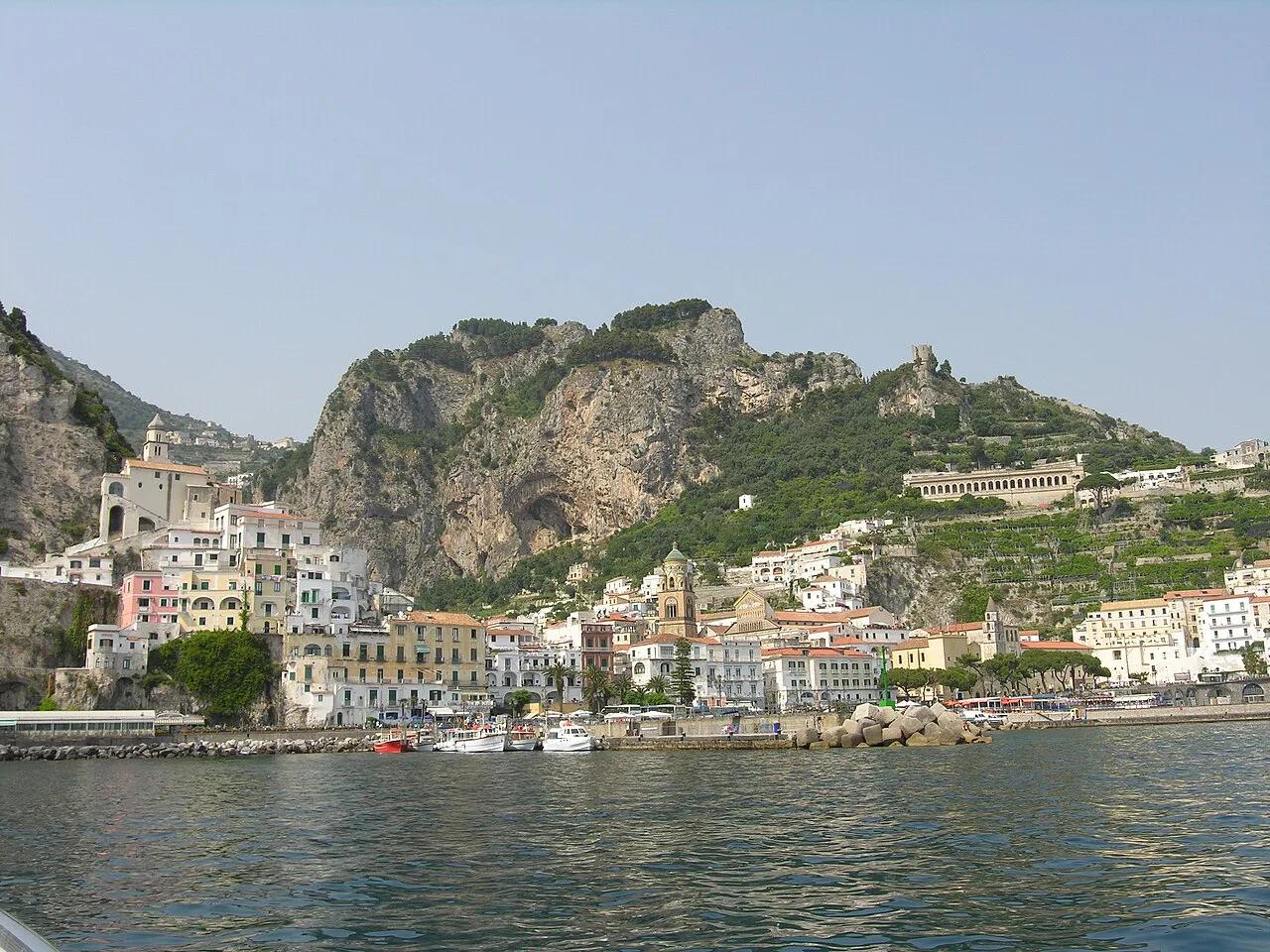
The address is Via Magna Grecia, Capaccio (SA). By car, take the A3 motorway to the Battipaglia Sud exit, then follow the SS18 towards Via Magna Grecia. Route details for each base are in separate guides. Coming from the north, read Paestum from Naples: Train, Bus, Car or Tour. Staying in Campania's port city of Salerno? Use Paestum From Salerno: Train, Bus & Day Trip Guide. Travelers on the coast should see Paestum from the Amalfi Coast. For regional timetables, check CSTP Salerno.
Add-Ons and Next Steps
Velia lies 44 km from Paestum, and the 3-day cumulative ticket links the two sites. Our guide to Velia and ancient Elea shows whether that detour fits your schedule. Budget the extra day only if you enjoy ruins at a slower pace.
A short museum stop fits the day, but Velia, 44 km away, needs its own block of time.
Mistakes To Avoid at the Paestum Museum
Three errors cost visitors the most time and money.
- Arriving on a Monday without checking the museum's closure rule.
- Buying a single-site ticket when you plan to see both museum and park.
- Skipping the museum when the weather turns, since it is the covered option.
A 30-Minute Route Through the Museum
Start with the Tomb of the Diver, then use the remaining rooms to connect its image to the wider story of Paestum. The tomb dates to around 480/470 BC and was discovered in the late 1960s. Its diving figure is the clearest single introduction to the museum’s painted burial art.
Next, look for the Lucanian tomb frescoes, mainly from the 5th century BC. They add a later local perspective to the Greek-period material. Finish with finds from the ancient city and necropolis before heading into the archaeological park.
This order works well when time is short. It gives the temples outside a human context without turning a park visit into a long indoor stop. If you have only 30 minutes, focus on the Tomb of the Diver and the frescoes, then save the smaller displays for a return visit or a rainy afternoon.
Related guides

Continue reading
Guides on the same trip