
Capua Amphitheatre (Santa Maria Capua Vetere): Visit Guide
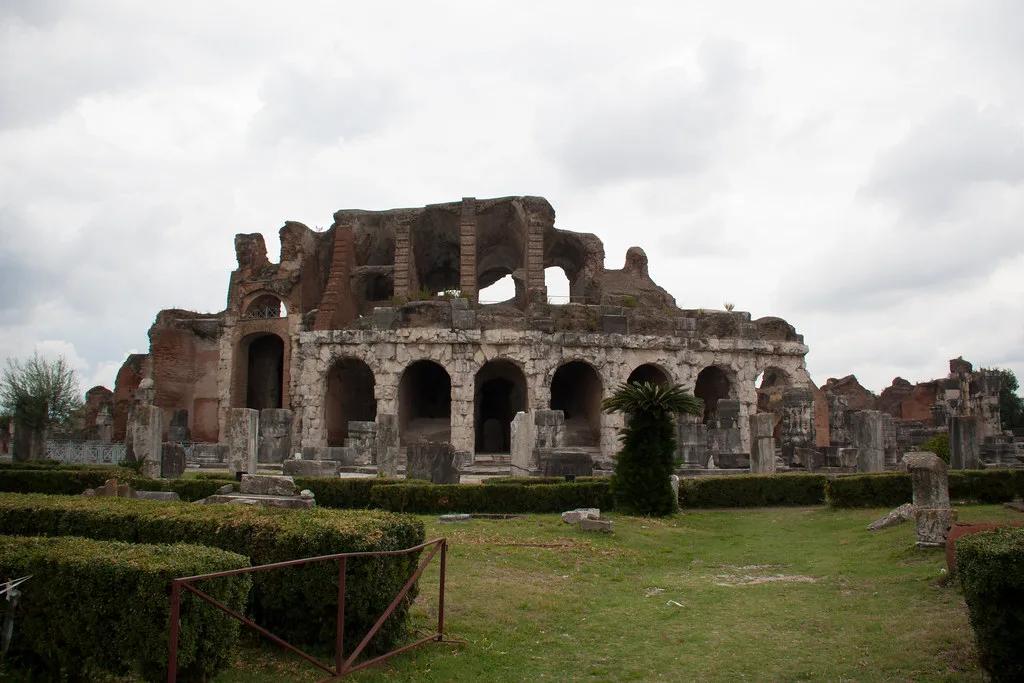
Last updated November 2026: the Capua amphitheatre is the Anfiteatro Campano, a Roman arena in Santa Maria Capua Vetere, not in the modern town of Capua. It suits history readers, gladiator and Spartacus fans, and anyone who wants a Roman amphitheatre without Colosseum queues. Search maps and timetables for Santa Maria Capua Vetere, or you may head for the wrong station.
Featured image: sottolestelle, CC BY-SA 2.0, via Flickr.
Quick answer: what the Capua amphitheatre is and where it stands
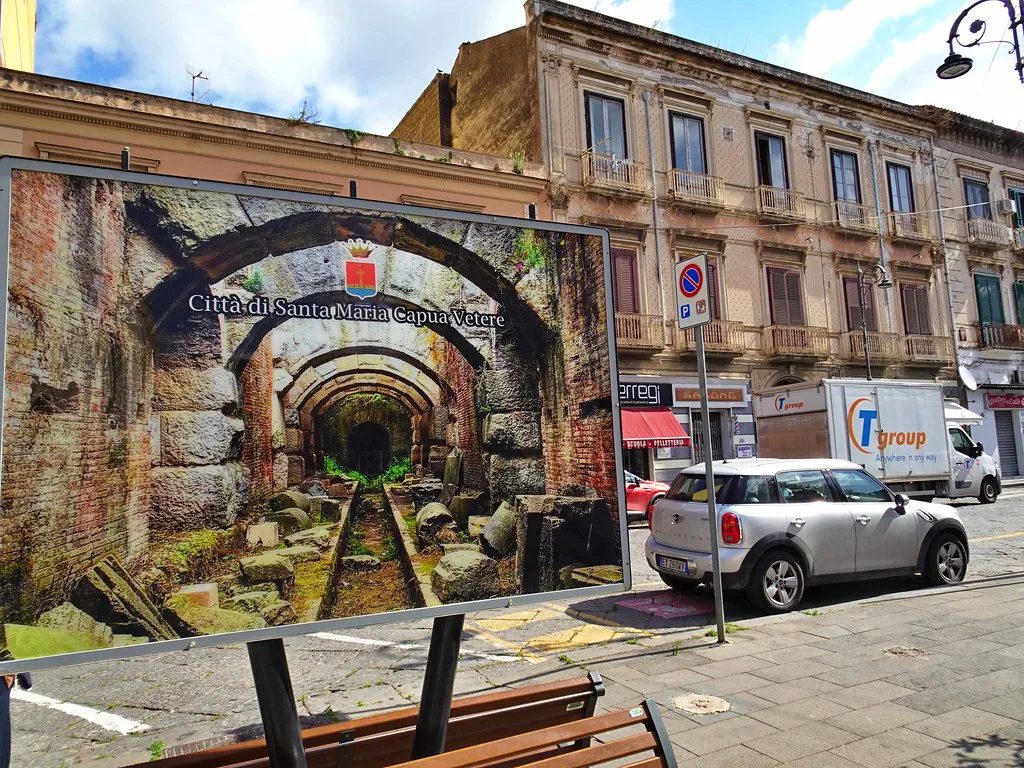
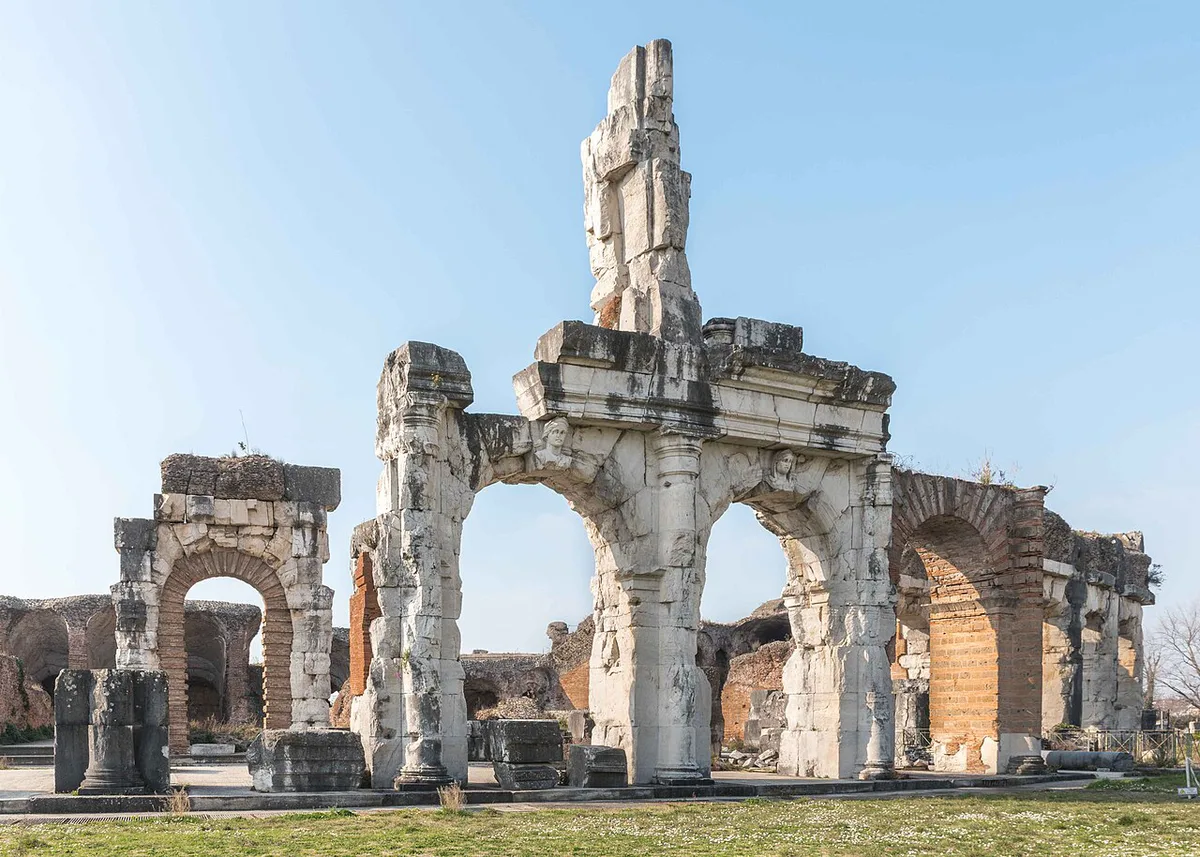
Anfiteatro Campano is the Roman amphitheatre of ancient Capua. Ancient Capua sat on the site of today's Santa Maria Capua Vetere, in Campania's Caserta province. Modern Capua is a separate town nearby, and it does not hold the arena. Scholars rank the amphitheatre among the largest in the Roman world, and the usual claim is that only the Colosseum was bigger. Treat that as a reputation rather than a measured ranking. Capacity figures of about 60,000 spectators circulate widely, but they are estimates and not a counted fact.
- Search for: Anfiteatro Campano, Santa Maria Capua Vetere.
- Avoid: Capua town station or Capua centre as your destination.
- Pair it with: the Museo dei Gladiatori and the town's other ancient sites.
Is the Capua amphitheatre worth visiting?
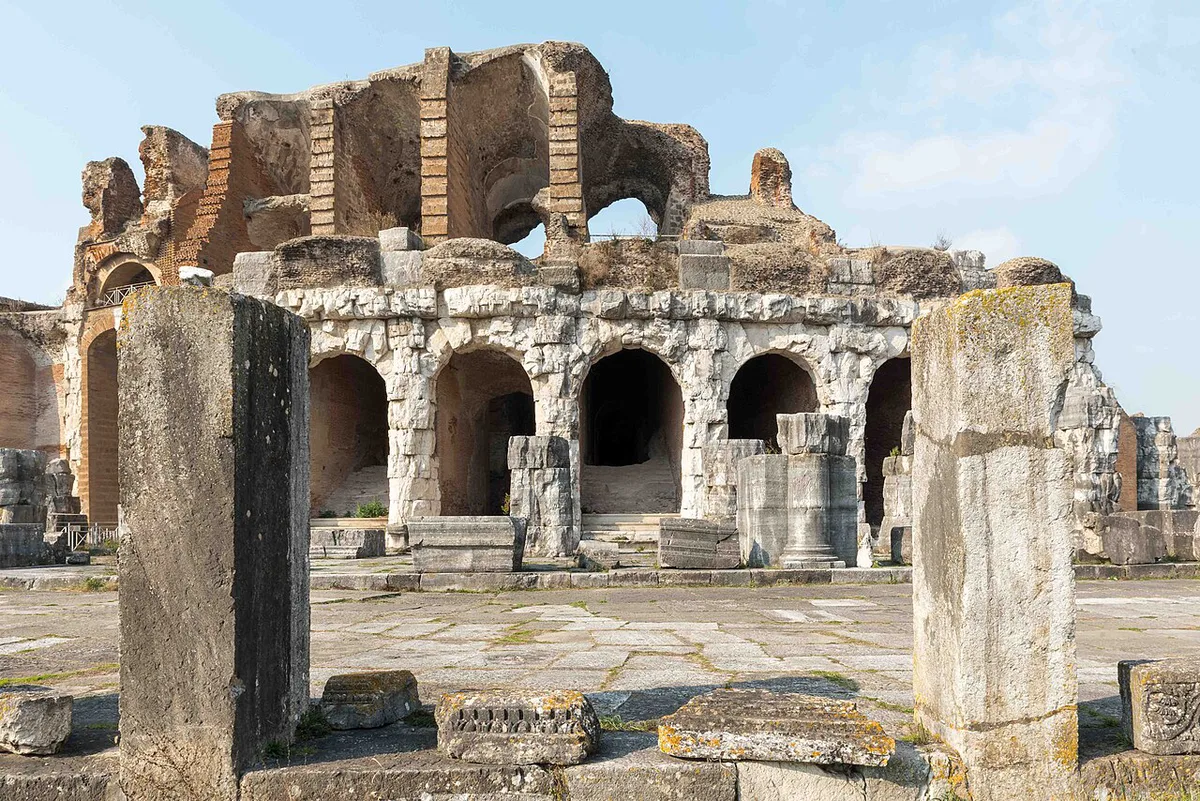
It depends on what you want from a Roman ruin. History readers get a large arena with few crowds. Spartacus fans get the setting of the gladiator-school tradition, though not proof of any fight here. Families with older children can enjoy the underground passages if they are open. Visitors with only one day in Campania may do better elsewhere.
- History buffs: yes, especially with the gladiator museum and the archaeological museum.
- Spartacus fans: yes for atmosphere, but expect tradition rather than evidence.
- Short-stay visitors: usually skip it if Pompeii or the Colosseum is your only ancient priority.
- Photographers: worth it for arches and stone textures, particularly in low morning or late-afternoon light.
- Anyone expecting a reconstructed Colosseum: lower your expectations, because much of the structure is ruined.
How to get to the Capua amphitheatre
Naples is the usual base, and the trip means leaving the city for Santa Maria Capua Vetere. Choose a train or road route that names Santa Maria Capua Vetere, never Capua alone. Journey times, fares and station transfers change by timetable. Check the current schedule with the rail operator before you leave. If you drive, set your navigation to Anfiteatro Campano and look for parking on the day. Parking rules in the town centre can differ from the signs near the site.
Capua amphitheatre tickets, opening hours and what's included
Ticket prices, closing days and last-entry times are set by the regional museum authority, and no current figure is confirmed here. Check the Direzione regionale Musei Campania site for the amphitheatre and the Museo dei Gladiatori. Ask whether the amphitheatre, gladiator museum and archaeological museum share one ticket. Hours can shift by season.
- Check before you go: price in euros, weekly closing day, last entry.
- Check: whether the underground level is open to visitors.
- Check: whether the Museo dei Gladiatori is open on your day.
What to see inside the amphitheatre
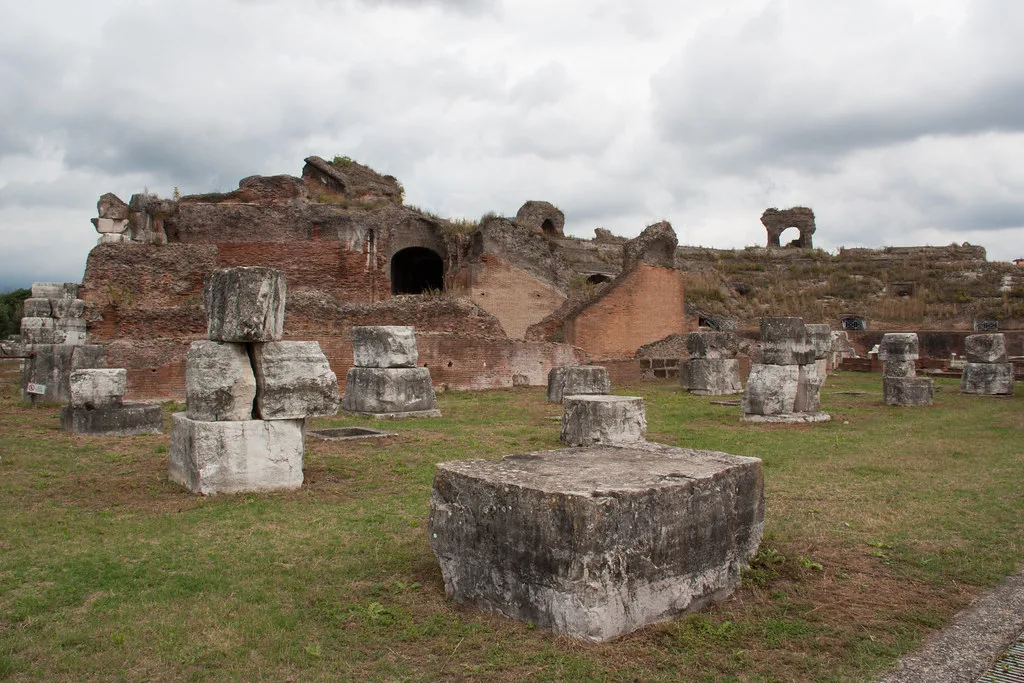
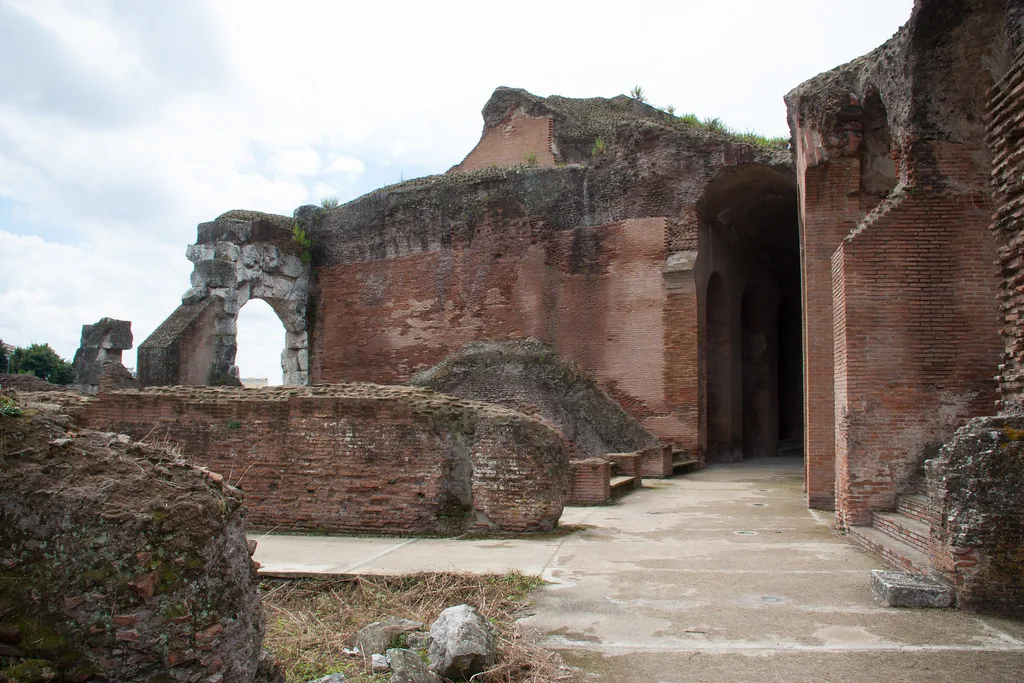
Start in the arena, where the oval floor shows how much space the spectacles needed. Walk the ring of corridors and vaults that once carried crowds to their seats. Remains of the seating tiers show the scale even where the upper levels are gone. The underground service level is the highlight for many visitors. Gladiators, animals and stage equipment were housed there before shows. Access can change, so look for signs at the entrance. Expect uneven stone underfoot, which matters for strollers and wheelchairs.
A short history: construction, Spartacus and medieval reuse
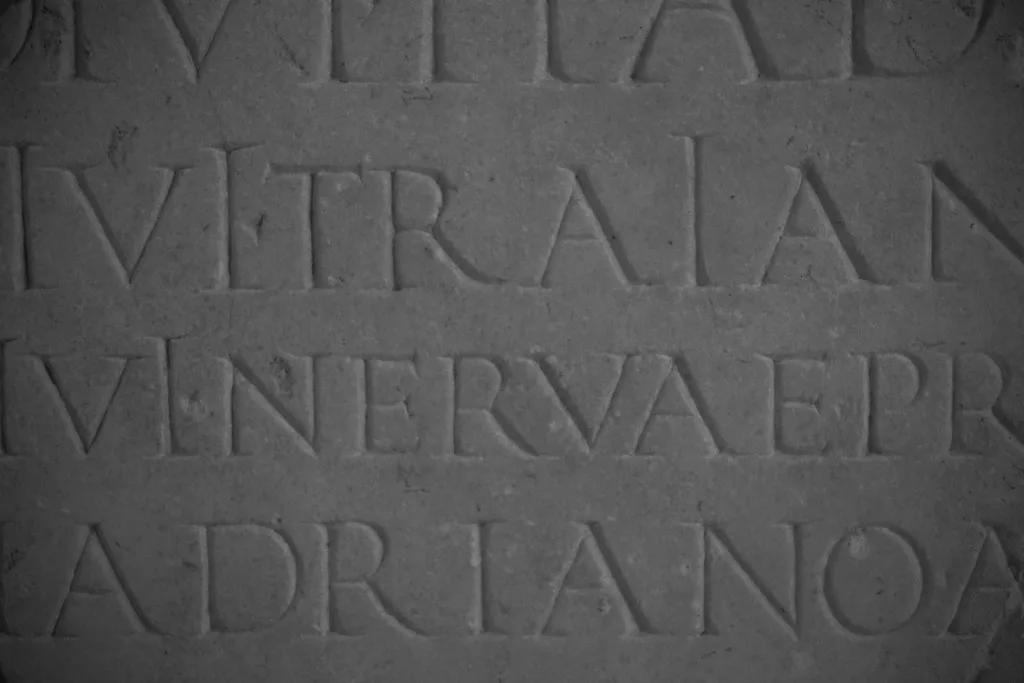
Experts usually place the amphitheatre around the late 1st century BC or early 1st century AD, with debate over exact dates and later alterations. Sources often say an earlier, smaller amphitheatre stood nearby. Capua was a major city, and its gladiator school gave it a place in Roman history. Tradition links the start of Spartacus's revolt in 73 BC to that school. No evidence places him fighting in this arena, and the stone you see postdates his lifetime by decades. Later centuries were less kind. Reports describe a 9th-century fortress use and long medieval stone reuse. Excavation and restoration in the 19th century under Ferdinand II brought the arena back into view.
How long to spend: a half-day route in Santa Maria Capua Vetere
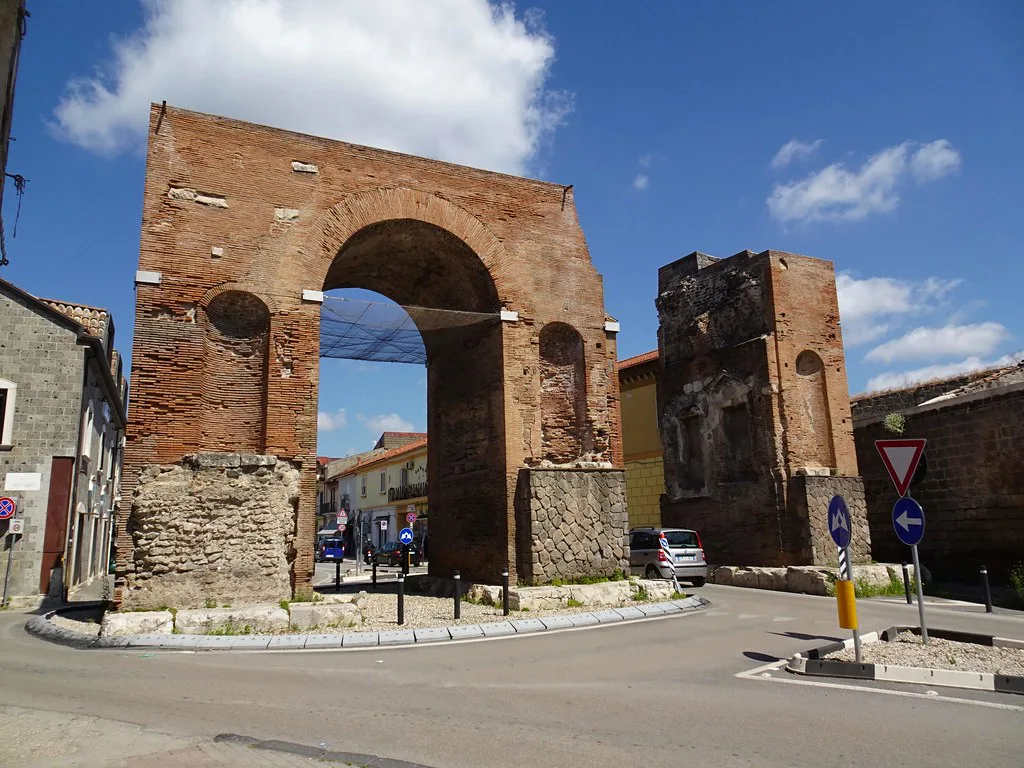
The amphitheatre alone can fit into a short visit. A fuller half-day adds the Museo dei Gladiatori and the Museo Archeologico dell'Antica Capua. Add the Mithraeum and the Arch of Hadrian if they are open. Confirm the order against opening hours, because a closing day can wreck a tight plan.
- Arrive at the amphitheatre first, before the day's heat.
- Visit the Museo dei Gladiatori next, for context on what you have just seen.
- Continue to the Museo Archeologico dell'Antica Capua for finds from the ancient city.
- Finish with the Mithraeum and the Arch of Hadrian if open on your day.
Capua amphitheatre vs Pozzuoli, Pompeii and the Colosseum
Our editorial assessment is qualitative. Use the table to match each arena to your trip.
Its capacity estimate of about 60,000 spectators makes the quiet visit a surprise compared with the Colosseum's very heavy crowds.
| Site | Scale and preservation | Crowds | Access from Naples | Best for |
|---|---|---|---|---|
| Capua amphitheatre | Very large, partly ruined | Usually light | Needs a trip out of Naples | Quiet history and Spartacus context |
| Colosseum | Iconic and heavily restored | Very heavy | Not a Naples trip | First-time Rome visitors |
| Pompeii amphitheatre | Well preserved, set in a wider site | Busy in season | Easy day trip | Combining with the town ruins |
| Pozzuoli amphitheatre | Well known for its underground level | Moderate | Short trip from Naples | A compact Naples-side arena |
Practical tips: heat, footwear and mistakes to avoid
Summer midday brings strong sun and little shade on open stone. Visit early or late, and carry water. Wear shoes with grip, since worn stone gets slippery in wet weather. Mobility limits matter because of uneven steps and possible underground sections.
- Do not go to Capua town by mistake.
- Do not arrive without checking the closing day.
- Do not skip the gladiator museum if you want context.
- Do not plan a midday summer visit with no water or shade.
Where to go next in Campania
If the arena makes you want more ancient sites, compare Roman ruins with Greek ones in our guide to Greek Temples in Italy: Paestum and Where to Go. Choosing between ancient sites is easier with our Paestum verdict. Naples works as a shared base, as explained in our Paestum from Naples: Train, Bus, Car or Tour guide. For wider planning, see the Campania tourism office.
Pair this with our broader tourism attractions guide for the full city overview.
Related guides



Continue reading
Guides on the same trip


