
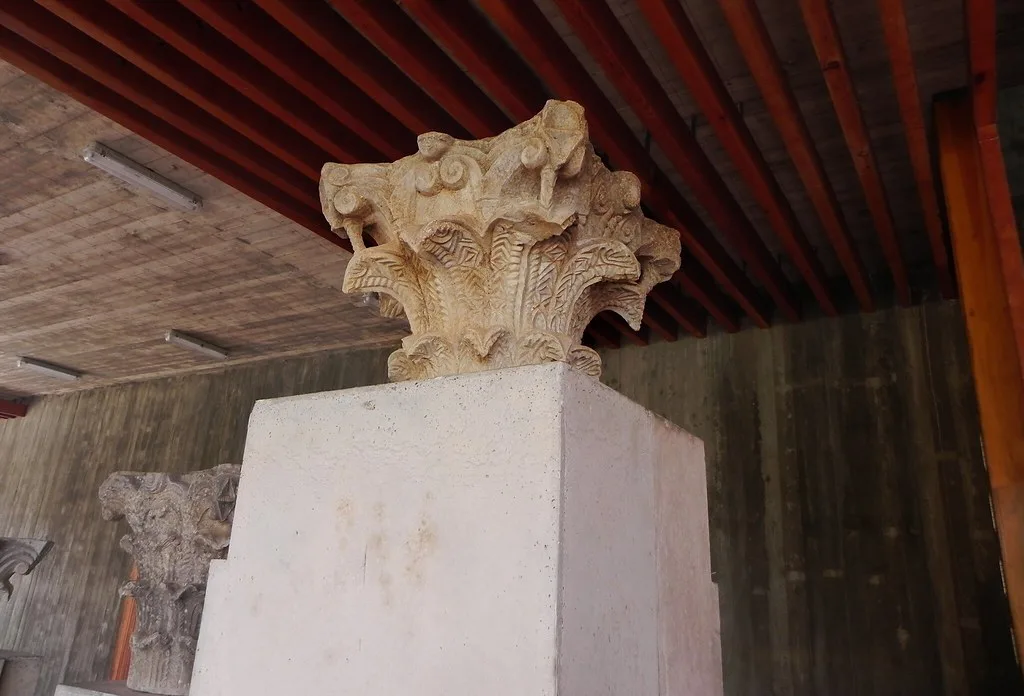
Roman vs Greek Architecture: Key Differences and Sites
Last updated November 2026. The core of roman vs greek architecture is structural: Greek builders relied on post-and-lintel construction, while Romans used arches, vaults and concrete at large scale. Greek ruins tend to be temples and hillside theatres, and Roman ruins tend to be aqueducts, amphitheatres, baths and whole street grids. This guide shows the difference through ruins you can visit in Europe, with an on-site checklist and a chooser for planning.
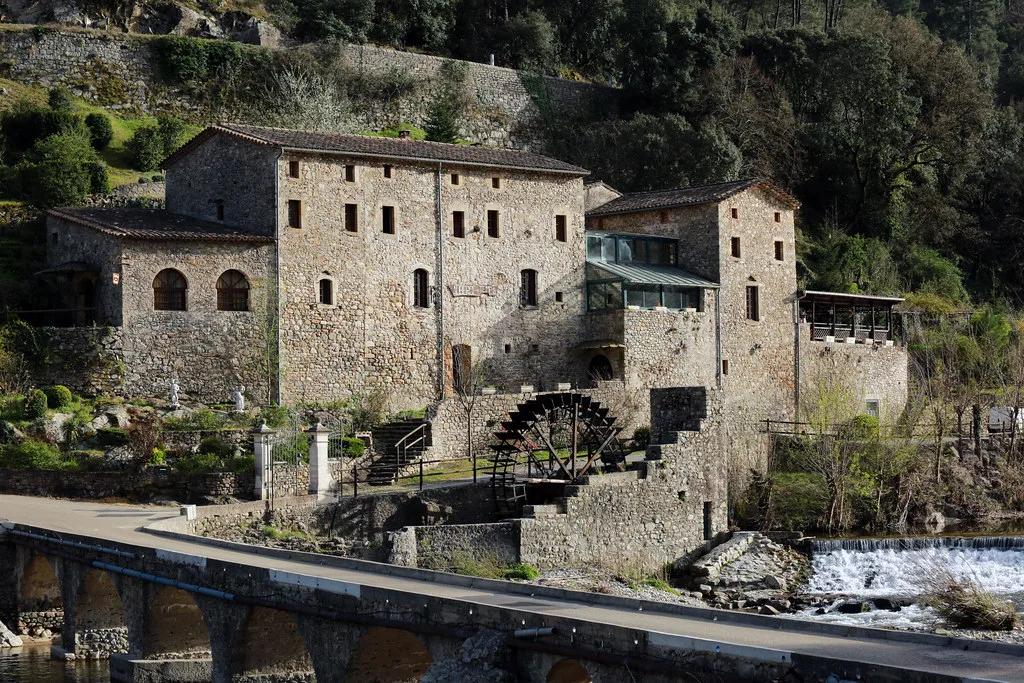
Featured image: The-s, CC BY-SA 2.0, via Flickr.
The short answer
Greek buildings stand on straight beams resting on columns. Roman buildings often span openings with curved arches, barrel vaults and domes. Concrete let Romans build large interior spaces and carry water across valleys. Look for a straight horizontal beam over columns and you are probably looking at Greek design. Look for a curve over an opening and you are probably looking at Roman engineering. For the wider planning picture, start with our overview of ancient ruins in Europe.
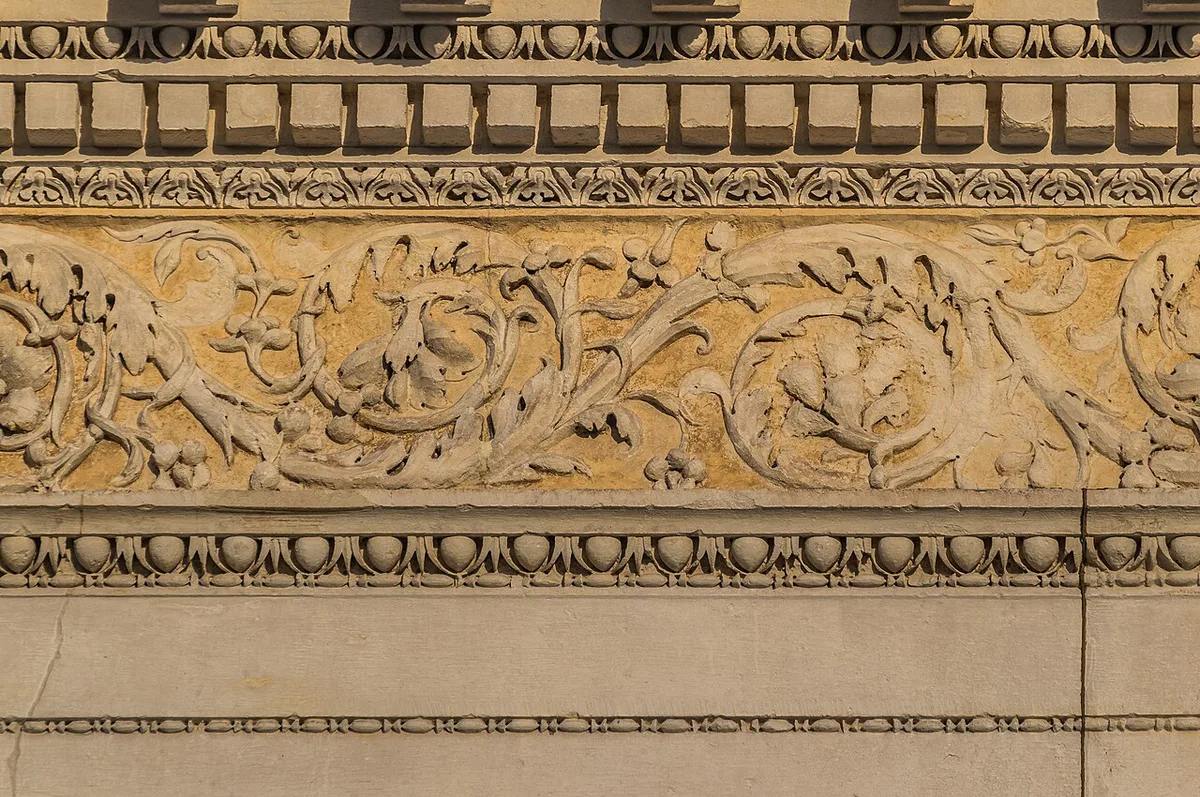
Greek vs Roman architecture at a glance
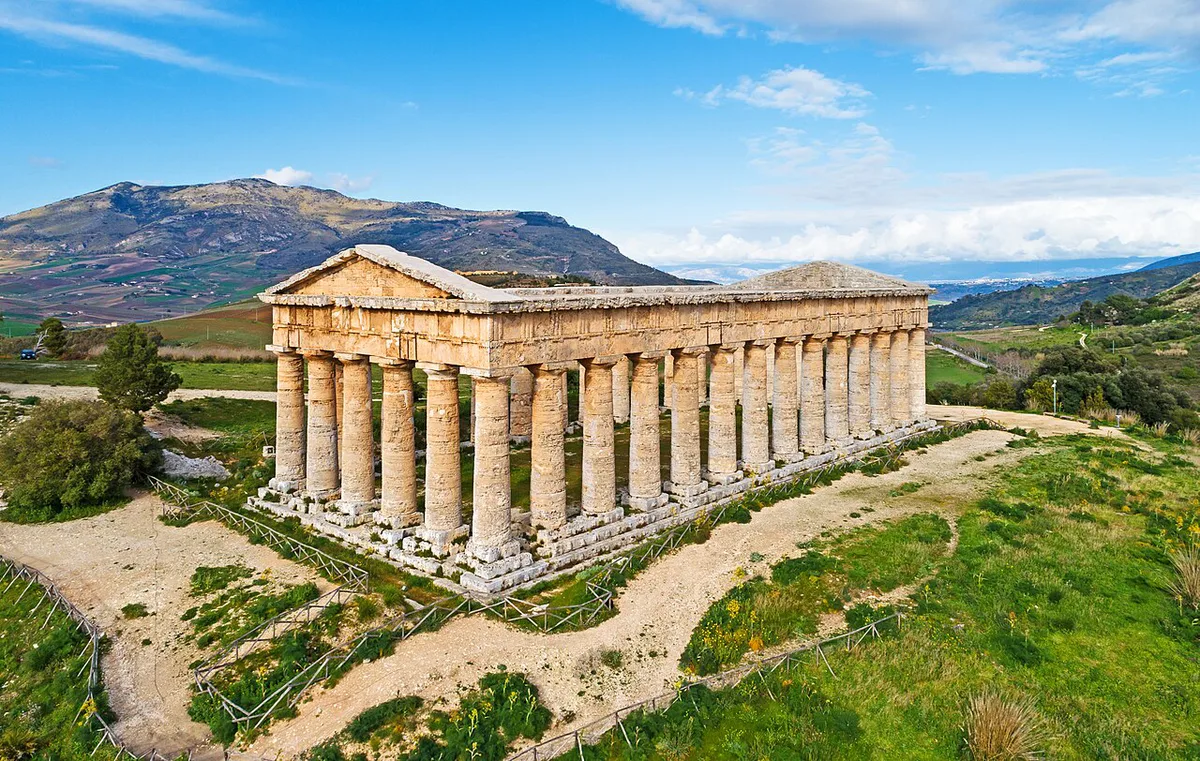
This table sums up the differences you can check with your own eyes. Typical admission for a major archaeological site in Greece or Italy often falls between €10 and €30, so the price row below is a planning range, not a quote. Official sites list current fees.
| Feature | Greek | Roman |
|---|---|---|
| Structural system | Post-and-lintel | Arches, vaults, domes, concrete |
| Columns | Doric, Ionic, Corinthian orders | Greek orders plus Tuscan and Composite |
| Signature buildings | Temples, theatres, stoas | Aqueducts, amphitheatres, baths, basilicas |
| Theatre design | Cut into a hillside | Often freestanding on arched supports |
| Urban layout | Organic, agora-centred | Gridded streets, forum at the centre |
| What survives | Temples and theatres | Whole streets, houses and public works |
| Typical ticket range | €10–€20 per major site | €15–€30 per major site |
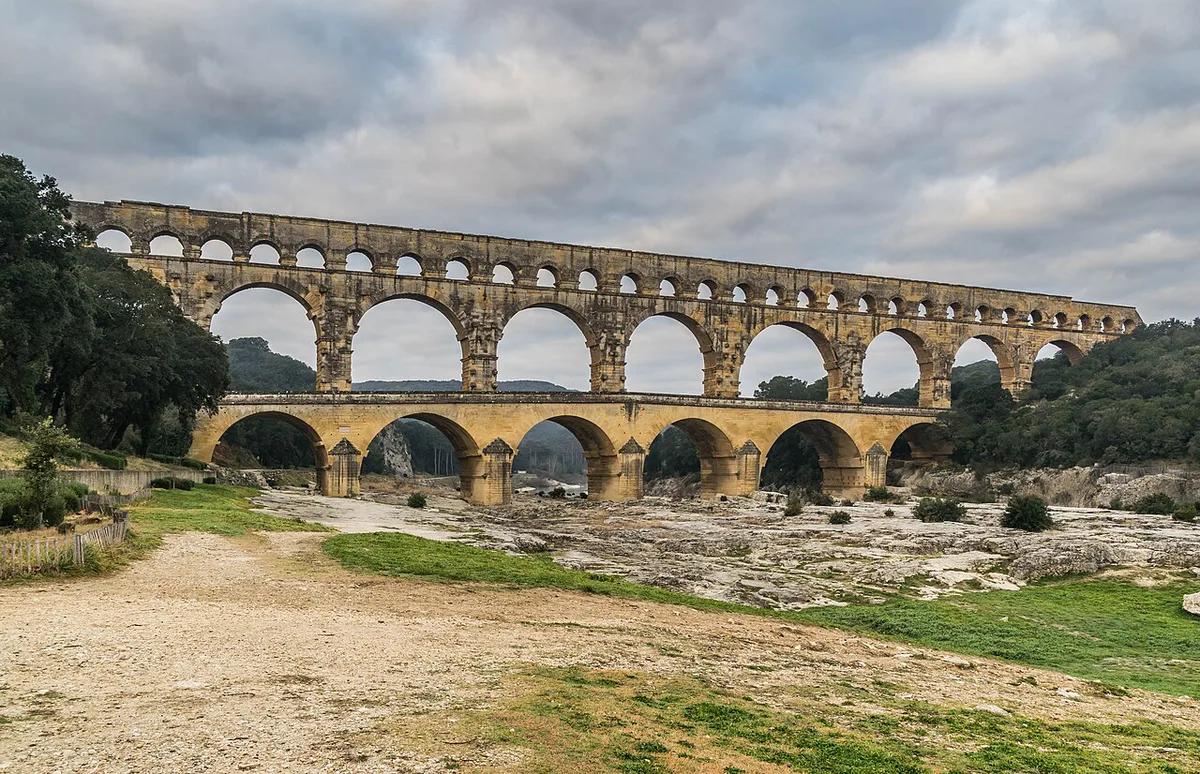
Greek architecture: what to look for
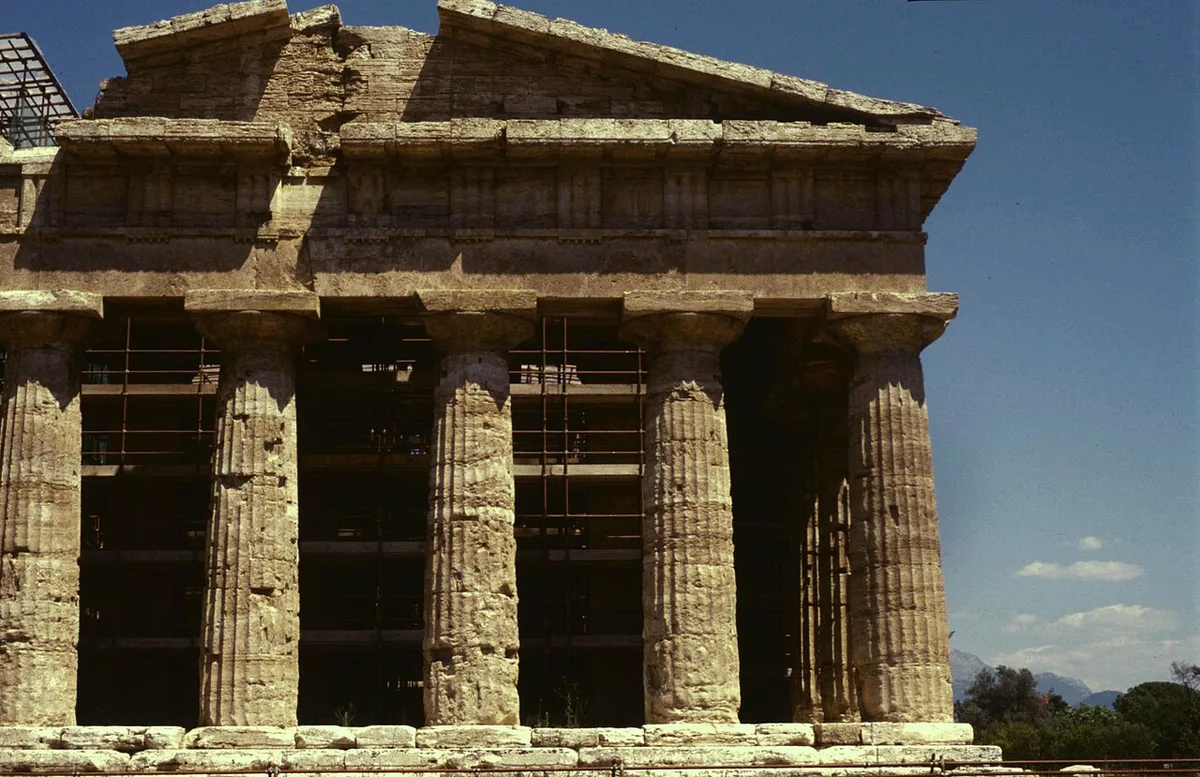
Greek temples are built from stone columns carrying horizontal beams. The Doric order is the plainest, with a simple capital and no base. Ionic columns have scrolled capitals, and Corinthian capitals carry carved leaves. At Athens, the Parthenon is the best-known Doric temple, and Odysseus, the Hellenic Ministry of Culture's monument database, documents Greek sites. Greek theatres use a natural slope for seating. Our guide to Ancient Greek Theatres: Best Sites to Visit and How to Plan shows what that looks like in practice. Many Greek sites also lie outside Greece, as covered in Greek Ruins Outside Greece: Best Sites in Europe & Beyond.
Roman architecture: what to look for
Romans used the arch and vault at large scale, and concrete made those forms practical. In France, the Pont du Gard shows stacked arches carrying water. In Spain, Segovia's aqueduct does the same through the town. Our page on Roman Aqueducts in Europe: Best Ones to Visit and How They Worked lists more. Entertainment buildings follow the same logic. In Croatia, Pula's amphitheatre rises on arcaded walls, and Roman Amphitheatres in Europe: Best Sites to Visit and How to Choose covers others. Roman theatres could stand on their own substructures, as shown in Roman Theatres in Europe: Best Preserved Sites and How to Visit. Baths, basilicas and forums complete the Roman toolkit.
How to tell them apart on site
Use this checklist while you walk. No single clue is final, so combine two or three.
- Beam or curve: a straight beam over columns points to Greek design, and a curved opening points to Roman.
- Column top: scrolls mean Ionic, a plain cushion means Doric, and leaves mean Corinthian. Romans used all three.
- Theatre shape: seating cut into a slope is usually Greek, and seating on arched supports is usually Roman.
- Building type: temples and theatres suggest Greek, while aqueducts, baths and amphitheatres suggest Roman.
- Street plan: a straight grid with a forum suggests a Roman town, and irregular lanes suggest a Greek one.
- Material: visible brick-faced concrete walls are a strong Roman sign.
Where the two overlap
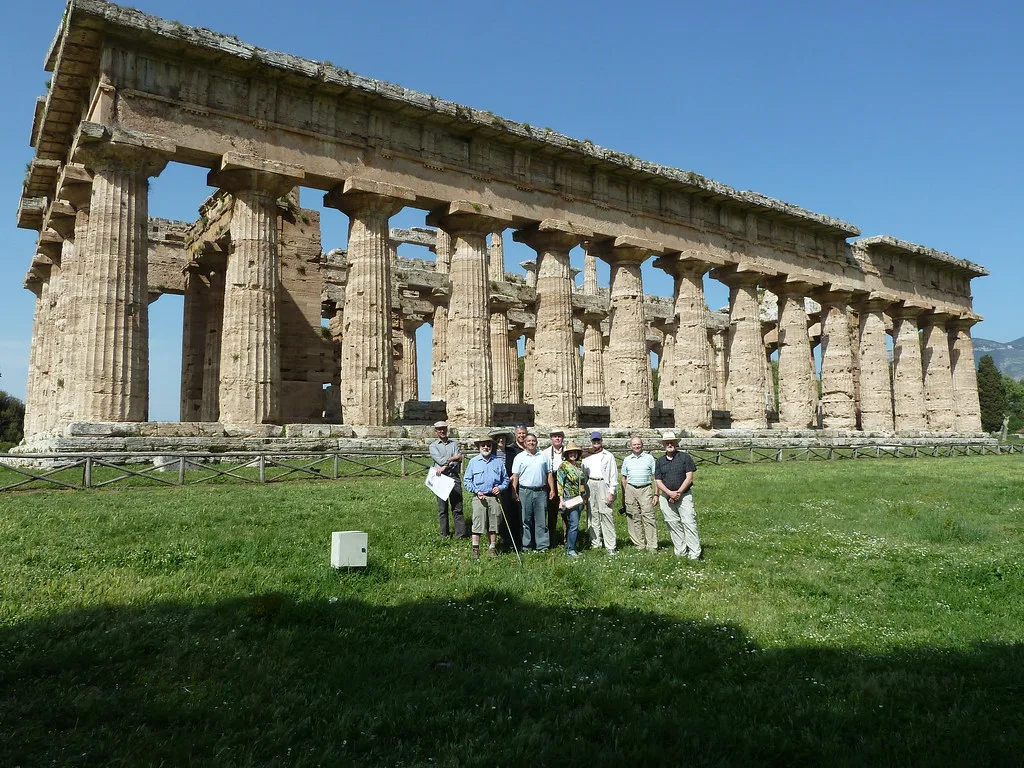
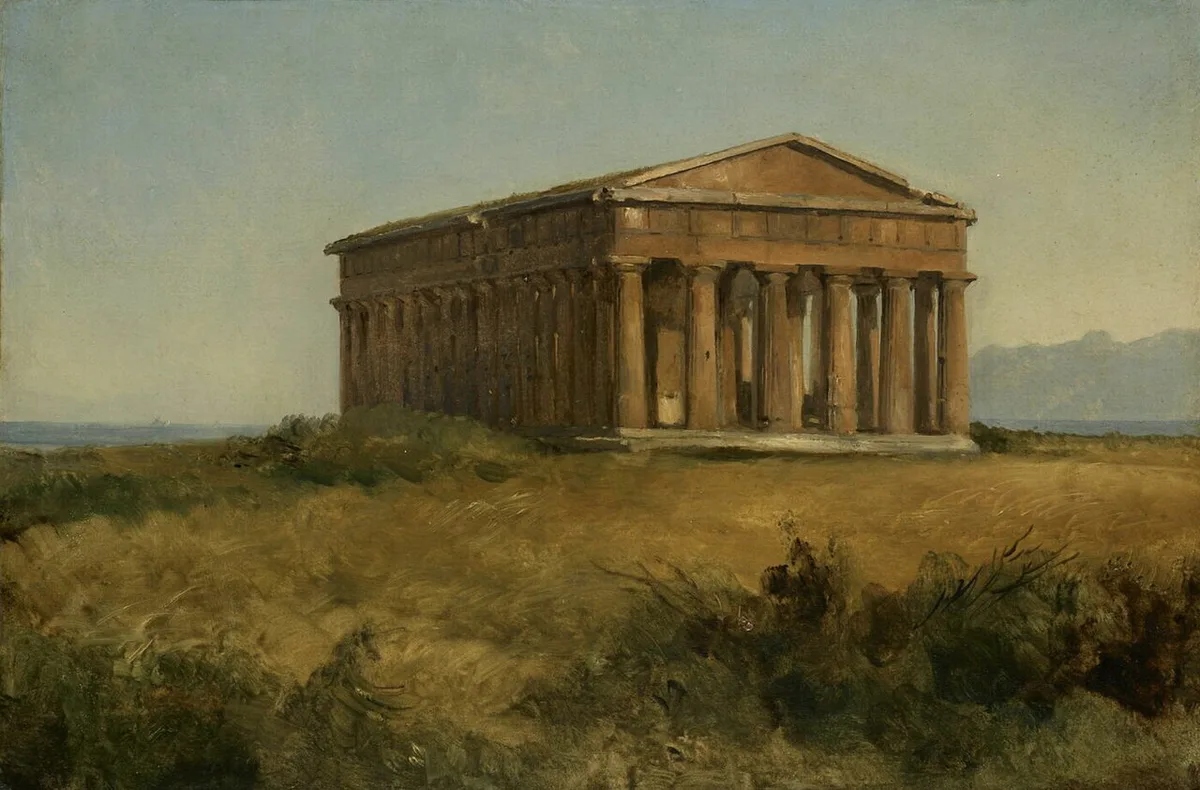
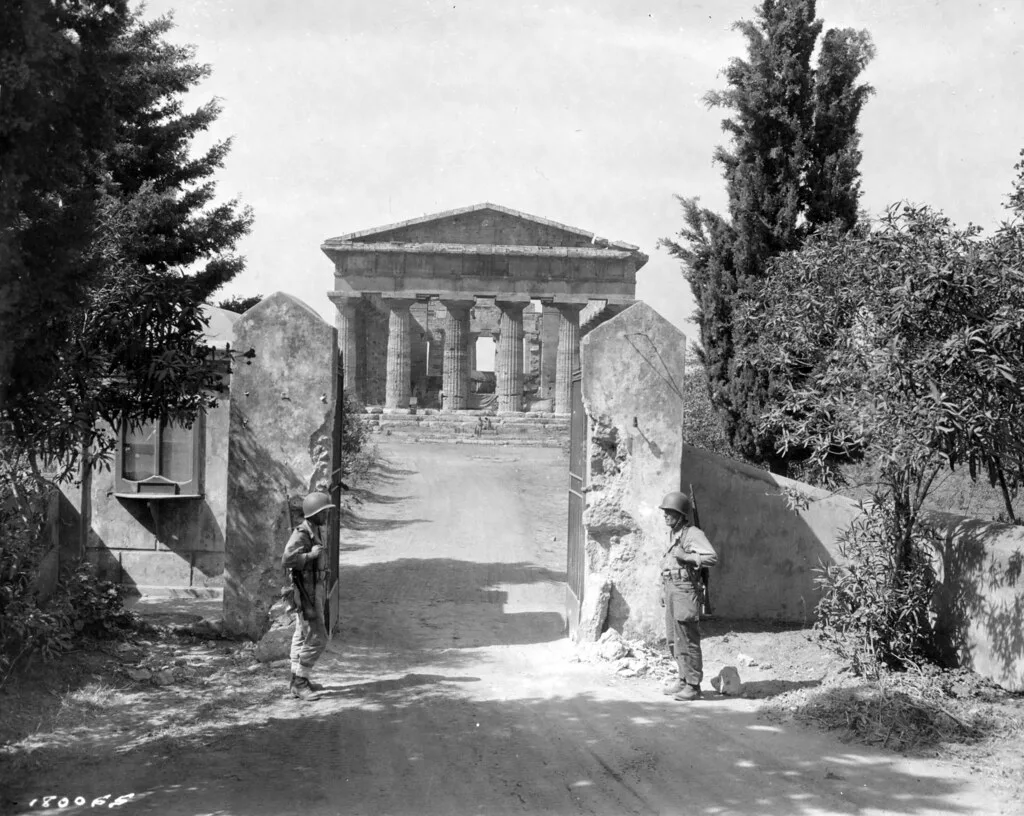
Romans adopted Greek column orders and often copied Greek temple fronts. A Roman building with a Greek-looking portico is a common trap. Greek sites also passed under Roman rule and were remodeled. Athens and Paestum both show layers of different periods. At Paestum in Italy, the archaeological park preserves Greek temples next to Roman remains. Treat the label "Greek" or "Roman" as the dominant layer, not the only one.
Best places to see each in Europe
Pair one Greek and one Roman site per region to feel the contrast. These pairings are examples, not a ranking.
- Athens (Greece): Doric temple architecture and hillside theatres.
- Paestum (Italy): Greek temples on Italian soil, with Roman remains nearby.
- Ostia Antica (Italy): a Roman port town with streets, shops and apartment blocks.
- Pont du Gard (France): arches carrying water across a river valley.
- Pula (Croatia): a Roman amphitheatre on the Adriatic coast.
- Baia (Italy): Roman baths in the Campi Flegrei park.
Who should prioritize which
Roman towns suit walkers who want daily life. For that, see best-preserved Roman towns. Greek sites suit visitors who want temples and sweeping views, but many sit on exposed hillsides with uneven stone. Our Roman ruins guide helps if you lean Roman.
Itineraries built around Roman sites carry the higher €15–€30 per major site band, so a Roman-heavy plan costs more per stop.
- Greek-first: temples, theatres, proportion, and open hilltops.
- Roman-first: engineering, baths, amphitheatres, and walkable streets.
- Mixed: southern Italy lets you see both within one region, using Paestum and Campania.
Planning tips and trade-offs
Midday summer heat is intense at exposed Greek hilltops, so go early. Roman towns like Ostia Antica are flat but large, so wear sturdy shoes. Budget about €10–€30 per major site and check hours before travelling. Prices and hours checked November 2026 against official sources. The Campania tourism pass may help if you visit several sites in that region. Skip the megalithic and underwater extras unless you have extra days; megalithic sites sit outside this comparison.
Budget about €10–€30 per major site, though Greek-only routes can stay in the lower €10–€20 range for tickets.
Frequently Asked Questions
Is Parthenon Greek or Roman architecture?
It is Greek architecture. Its Doric columns carry a horizontal beam, which is classic post-and-lintel design.
What made Roman architecture unique?
Romans used arches, vaults, domes and concrete at large scale. That let them build aqueducts, amphitheatres and big interior halls.
What's the difference between Greek and Roman?
Greek buildings rely on columns and beams, mostly temples and hillside theatres. Roman buildings add curved structures and cover practical needs like water supply, baths and mass entertainment.
Related guides
Continue reading
Guides on the same trip