
Last updated November 2026. Velia, the ancient Greek city also called Elea, sits on the Cilento coast in Ascea, in Italy's Campania region. It is an archaeological site, not an app or a brand, and it suits travelers building a Greek-ruins route in southern Italy. This guide covers what Velia is, who should go, and how it fits with Paestum.
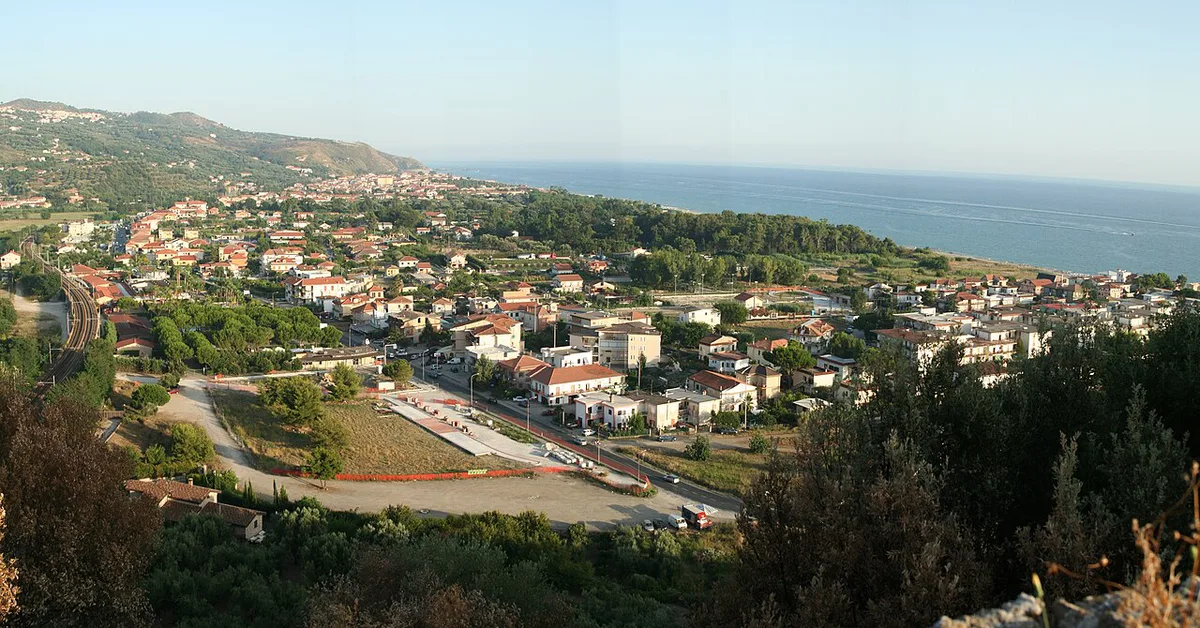
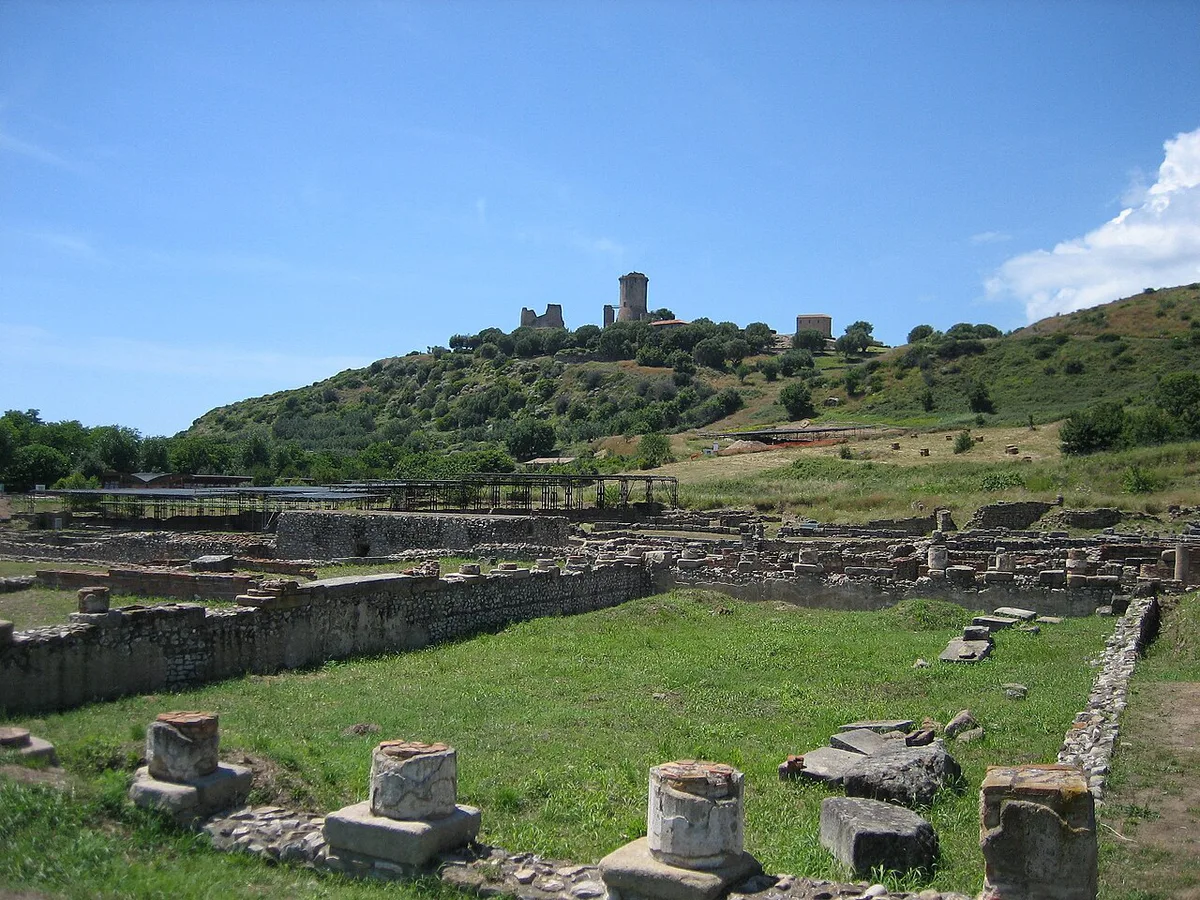
Featured image: Heinz-Josef Lücking, CC BY-SA 3.0 de, via Wikimedia Commons.
What Velia (Elea) is
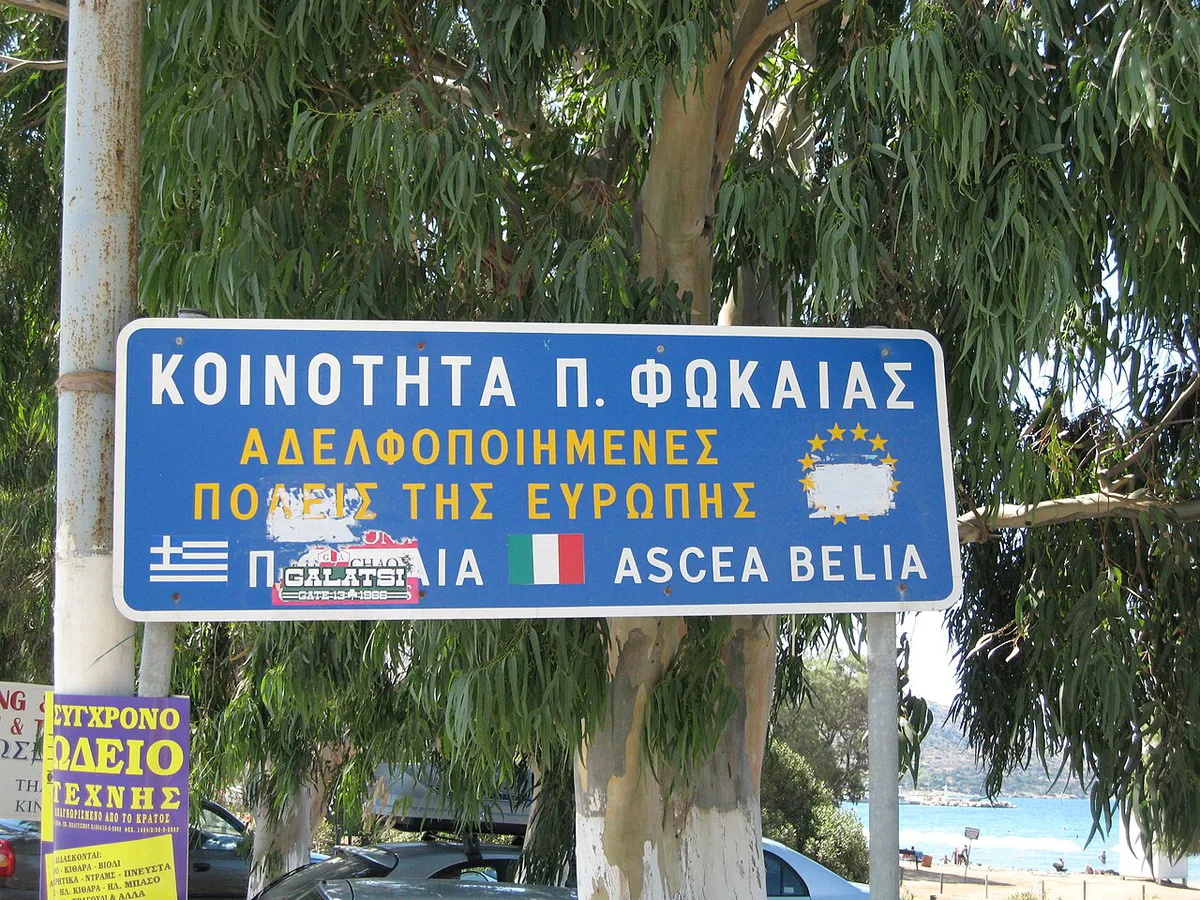
Elea is the Greek name for this colony, and Velia is the later Roman form. It stands in Ascea, in the Cilento area of Campania. Elea is known as the home of the Eleatic philosophers Parmenides and Zeno. That makes it a place for readers drawn to ideas as much as to stone. It is run by the same body as Paestum, the Parco Archeologico di Paestum e Velia, so the two sites share one official information source.
Is Velia worth visiting?
Velia rewards travelers who care about Greek history and philosophy. It also suits anyone who has already seen Paestum and wants a second, quieter Greek site in the same region. Skip it if your time is short or if you mainly want a large, intact temple. For that, Paestum is the stronger choice. Our guide on whether Paestum is worth visiting helps you weigh the two.
How to get to Velia
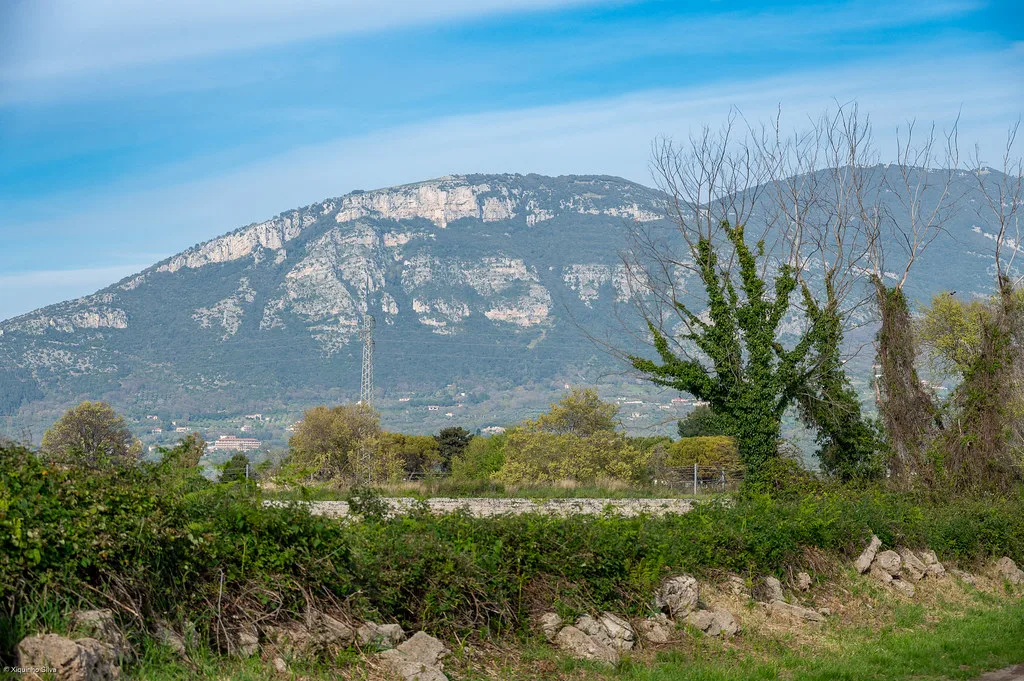
Velia lies in Ascea, farther down the Cilento coast than Paestum. Driving gives you the most freedom, and public transport asks for more planning at the last stretch. Bus and rail timetables change by season, so check them before you commit to a day trip. Local bus operators publish schedules, and CSTP Salerno is one place to start. Use the origin guides below for the first leg of the journey.
- From Naples: see getting to Paestum from Naples for the first leg.
- From Salerno: see the Salerno route to Paestum.
- From the Amalfi Coast: see options from the Amalfi Coast.
What to see on site
Velia's main draw is its link to Parmenides and Zeno and its place in the story of Greek colonization in southern Italy. Expect an open archaeological park rather than a single monument. Terrain and shade vary, so wear sturdy shoes. Check the park's official page for the current list of sights before you go.
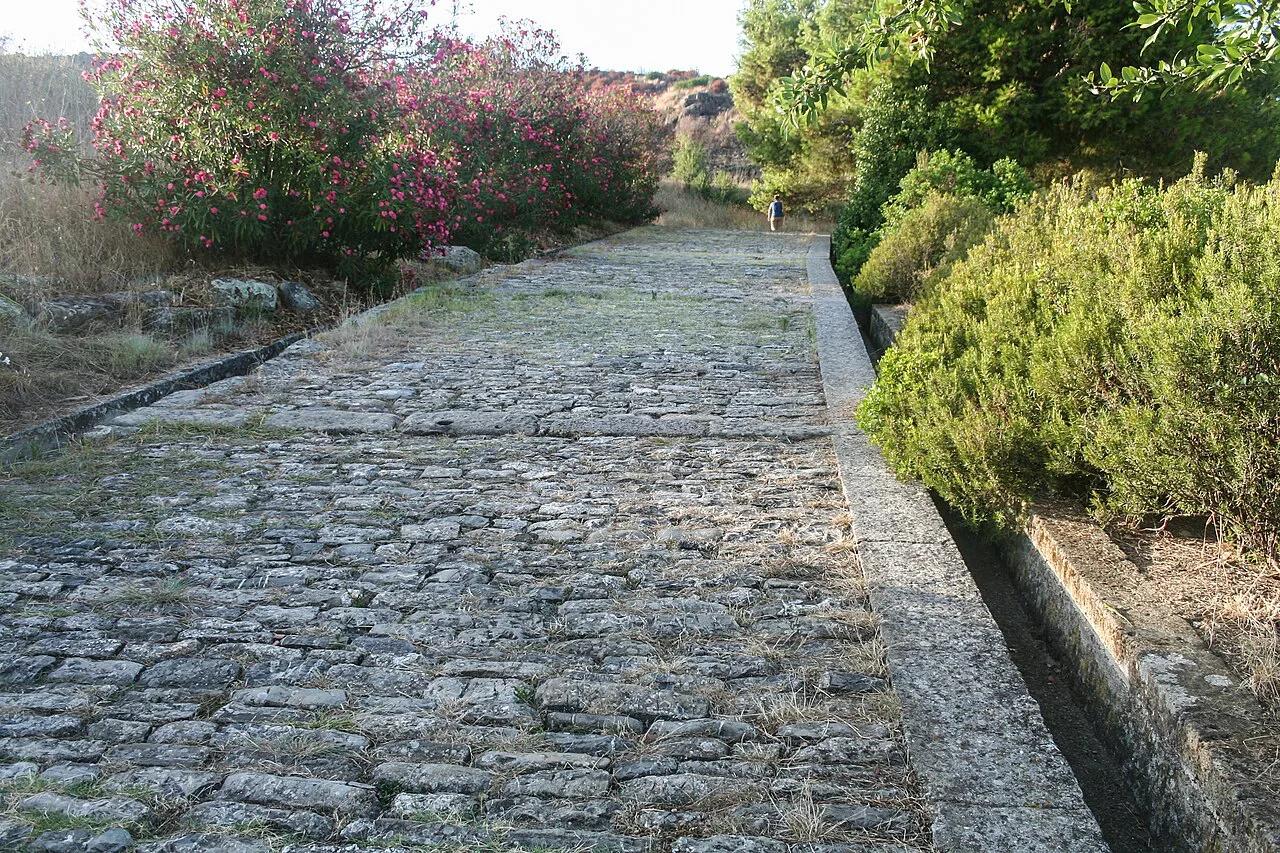
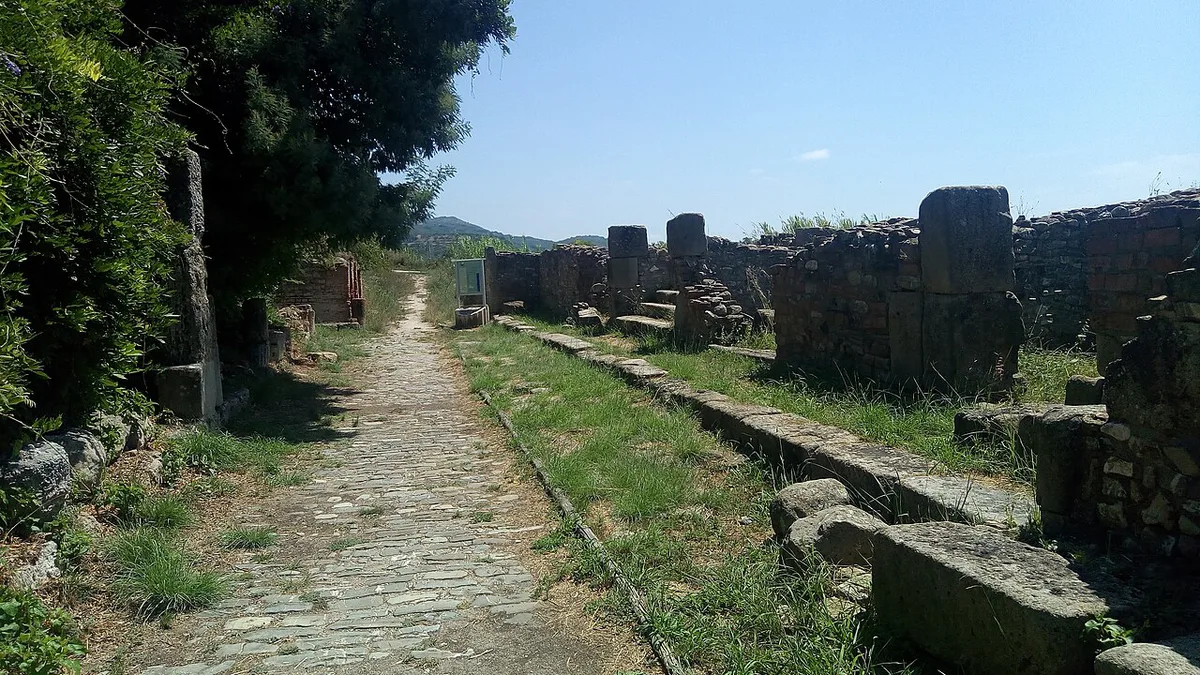
Porta Rosa, the acropolis and the Roman baths at Velia
Velia is laid out along a ridge, so the walk is partly uphill. Most visitors follow the same sequence of landmarks, and it helps to know them before you arrive.
- Porta Rosa: a 4th-century BC arched passage that carried a paved street through the hill. It is the best-known monument at Velia and one of the earliest true arches in the Greek world.
- The lower town and the Roman baths: the Roman-era Terme Adrianee show how the city kept functioning after the Greek period. Mosaic floors and heating structures survive in places.
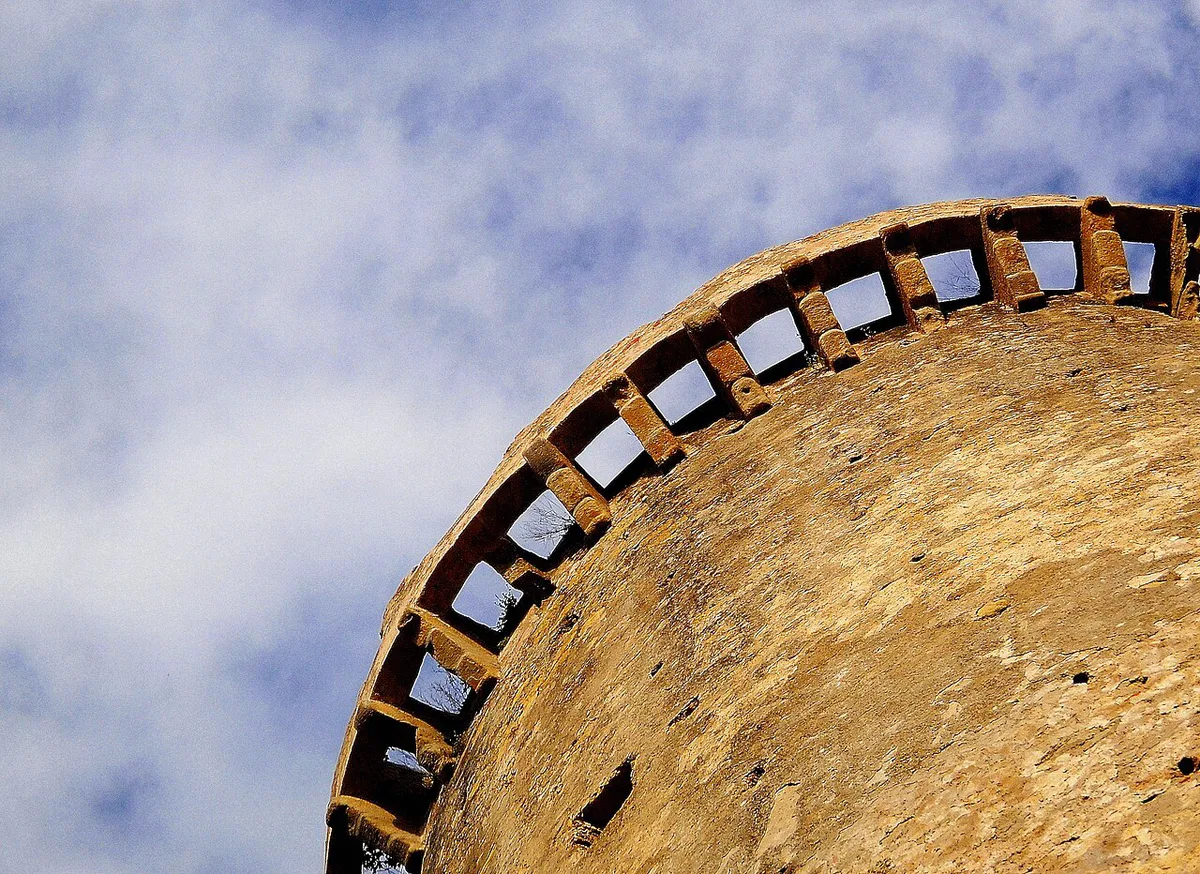
- The acropolis: the high point of the site, with the foundations of a Greek temple. Later buildings on the summit include a medieval tower and a small church.
- Walls and gates: stretches of the Greek fortification can be followed along the ridge, and they explain why the site was easy to defend.
The Eleatic philosophers appear in the site's story through inscriptions and finds linked to a local school of thought. The ruins themselves are mostly foundations and low walls, so the setting makes more impression than any single building. Allow time for the climb to the acropolis, where the view runs along the Cilento coast.
Paths can be uneven and some areas are unshaded. Confirm which zones are open on the official Paestum and Velia park site before you set out.
Velia vs Paestum
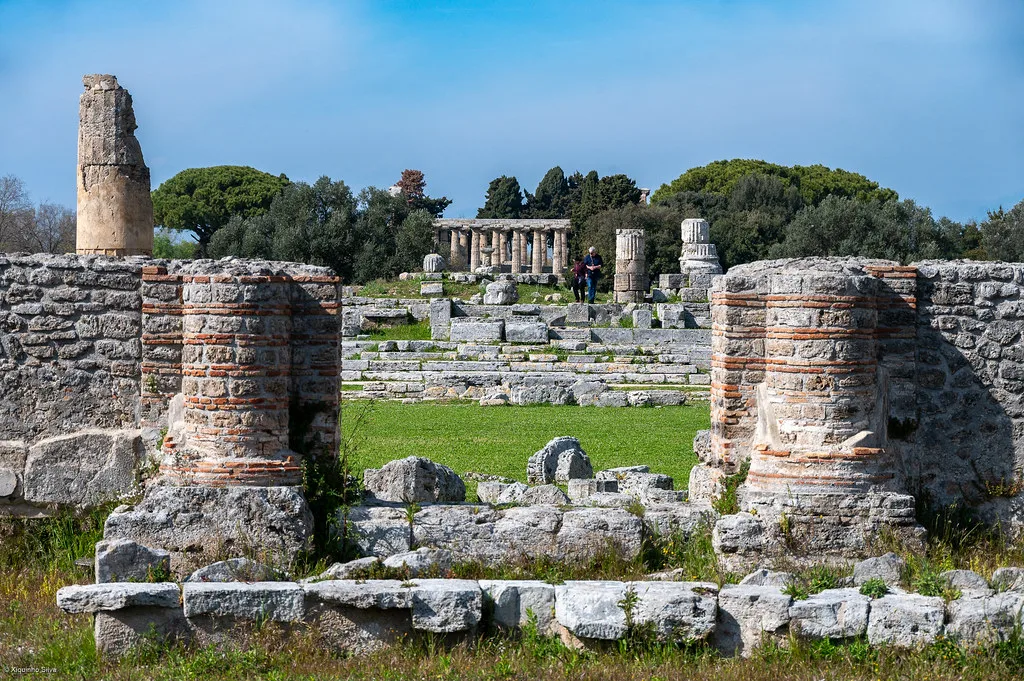
Paestum is the better first stop for most visitors. Velia works best as an addition or as a second visit.
| Question | Velia (Elea) | Paestum |
|---|---|---|
| Known for | Eleatic philosophers Parmenides and Zeno | Greek temples, including the Temple of Neptune |
| Best for | History and philosophy fans, repeat visitors | First-time visitors, temple lovers |
| Effort to reach | Farther down the Cilento coast, in Ascea | Easier from Salerno and Naples |
| Pairs with | Paestum, as a longer Cilento day | The Paestum Museum: Tomb of the Diver, Tickets & Visit Tips |
Tickets, hours and access
Velia and Paestum share one managing park, so use the official park site for current hours, prices and closures. This page does not quote a fee, because seasonal changes would date it quickly. For the Paestum side of a combined trip, see our Paestum tickets guide.
Plan your day
Treat Velia as a half-day stop rather than a quick photo break. With a car, you can pair it with Paestum in one long day. Without a car, give Velia its own day and keep Paestum for another. Our overview of Paestum shows how to build the first half of that route. More Greek sites are listed in our guide to Greek Temples in Italy: Paestum and Where to Go.
Combining Velia with Ascea Marina and Punta Licosa
Velia sits close to the coast in Ascea, so it fits easily into a wider day on the southern Cilento shore. The ruins take the morning and the sea takes the afternoon.
- Morning at the site: start early, especially from June to September, so the climb to the acropolis happens before the heat builds.
- Lunch at Ascea Marina: the seafront village has simple trattorias serving grilled fish and local Cilento dishes. Menus and opening days shift by season, and some places close outside summer.
- Afternoon on the coast: Punta Licosa, the headland near Castellabate and the Ripe Rosse cliffs, is a scenic drive or ride from Ascea. It is a good choice for a swim or a short walk.
Without a car, this loop is difficult, because coastal bus services thin out in the afternoon. In that case, stay in Ascea Marina for lunch and a beach break rather than pushing on to the headland.
If you are building a longer Cilento trip, keep Paestum as a separate stop. It sits farther north, so combining both with the coast in a single day is tiring.
Mistakes to avoid
A few planning slips cost visitors the most time at Velia.
- Searching only for "Velia" and landing on app pages: add "Elea" or "Ascea" to your search.
- Assuming Velia is a short stop from Paestum: allow a full half-day.
- Counting on late-day transport: check the last bus or train before you leave.
- Visiting in peak summer heat without water, shade or sturdy shoes.
Related guides



Continue reading
Guides on the same trip



